rules_zh_浮言浪语_467.md
遊戲簡介
『浮言浪語』非常容易上手,因為一開始實在太簡單了:抽一張,打一張,下一位!隨著遊戲進行,規則會慢慢變得複雜。許多人發現要學這遊戲的最好方法,就是直接加入一起玩。除非很不幸的,你們這群人裡,都沒有半個人玩過這遊戲,那你們就得派出一個人先念過這份說明書。但請別緊張,因為這遊戲簡單到你們只要玩個兩三輪,就一定會知道怎麼玩它!
遊戲準備
把『起始規則』放在桌子中間。將其他牌洗牌後,發給每個人3張牌。剩下的牌覆蓋在桌面中央作為抽牌堆。遊戲開始時,桌上只有『起始規則』這一張打開的牌。
起始玩家
你們自己決定誰要先開始。
如何開始把『起始規則』放在桌子中間
起始規則品洗牌
發給每個人3張牌


如何玩
『浮言浪語』是款瞬息萬變的遊戲,規則會隨大家出的牌而不斷演變。在遊戲開始時只有簡單的『起始規則』(抽一張牌,然後打一張牌),但隨著大家打出『新規則』,將會讓遊戲規則越來越複雜。
基本上,遊戲依順時鐘方向,每個人輪流進行回合,規則就依照當時場上的規則牌所述。遊戲將持續進行,直到有人滿足目前桌上『勝利條件』牌上的條件。
輪到你的時候
-
抽牌:依照目前的規則,從抽牌堆抽指定數量的牌。
-
出牌:依照目前的規則,打出指定數量的牌。
-
棄牌:依照目前的規則,將手牌棄到剩指定數量的牌(如果有規定的話)。
-
棄持有物:依照目前的規則,將持有物棄到剩指定數量(如果有規定的話)。
有些牌會允許你做額外行動;這可以在你自己回合中的任何時候進行。
在你出牌時,你可以從你的手牌當中打出任何的牌。如果你不確定一張牌的功能,建議你在出牌的同時,大聲朗讀其內文。


紙牌種類

起始規則
起始規則是遊戲的原點,註明遊戲開始時的規則。雖然它可能會被之後打出的『新規則』取代,但它仍會一直留在桌面中央直到遊戲結束。
基本規則為:抽1張牌,然後打1張牌;持有物與手牌數量則沒有限制。

新規則
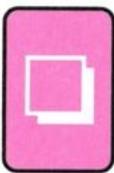
當你打出新規則時,請將它置於『起始規則』旁。若它與之前打出的任何『新規則』相抵觸,則將舊的『新規則』置入棄牌堆。

新規則效力即刻生效,因此所有玩家必須立刻遵從新規則的指示。這可能會使打出該新規則的玩家立即補抽或追打更多的牌,也可能迫使其他玩家棄牌或棄掉持有物。
範例
在抽1張牌後,你打出新規則『抽4張牌』。這個規則要求你在每回合必須抽4張牌,因此你立刻補抽3張牌。你的下一位玩家先抽4張牌,然後打出新規則『抽2張牌』。雖然規則改變了,他不須再抽牌,因為他已經抽過了(至少)2張牌,多抽的2張牌算是他賺到了!由於『抽4張牌』和『抽2張牌』相抵觸,因此將『抽4張牌』置入棄牌堆。
勝利條件
當你打出『勝利條件』時,請將它置於桌面中央;如果桌面中央尚有之前打出的『勝利條件』,則將舊的『勝利條件』置入棄牌堆。
5
遊戲開始的時候,桌上並沒有任何的『勝利條件』,因此所有人都不可能贏得遊戲。打出的『勝利條件』將適用於所有人,因此當任何人滿足『勝利條件』上的條件,他便立刻獲勝(即使當時不是他的回合)!

持有物
當你打出持有物時,請將它放在你的面前,面朝上。絕大多數的『勝利條件』要求特定組合的持有物,因此打出持有物『通常』是件好事。
行動
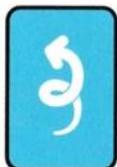
行動牌在打出時立即生效,並在生效後立刻進入棄牌堆。當你打出行動時,不管上面寫甚麼,照做就對了!
行動牌的效果千變萬化,可能造成一場大混亂,也可能甚麼事情都不會發生。請注意,有些行動牌會造成更多牌被打出,但這全部仍只會被視為一個出牌動作。也就是說,它們全部只會算做你本回合的一次出牌。

範例
你打出一張行動牌寫著『抽2打2』,則你立刻抽2張牌並將它們一起打出。如果這兩張中有一張是『抽3打2』,則你馬上再抽3張牌,選擇其中2張打出,並棄掉第3張。這全部只計作一次出牌。
如何赢得遊戲
當任何人滿足桌面上的『勝利條件』,他便立刻獲勝(即使是在其他人的回合)!
備註
●如果牌庫被抽完了,請將棄牌堆洗牌,重新組成牌庫。
●在『場上』的牌是指在桌面上面朝上且不是在棄牌堆中的牌。
關於棄牌
棄牌和出牌不同,當你出牌時,你必須盡可能完成該牌上的指示;你不能自行捨棄你不想要的牌,或是出牌卻不執行其上的指示,你只能因手牌超過上限而棄牌。是的!這代表你可能會被迫打出讓別人贏得遊戲的牌!哇哈哈!

●遊戲没有平手,因此,如果有多人同時滿足桌上的『勝利條件』,則遊戲繼續進行,直到產生一位贏家為止。
•如果遊戲過程中有路人想加入,請直接發給他三張牌,讓他加入遊戲。
關於燙手山竽
浮言浪語4.0版曾經出現一種新的牌『燙手山竽』,但我們決定將之移除,以增強遊戲整體感。你會在的一些擴充版中看到『燙手山竽』。
常見問題
Q:當我打出新規則時,我如何決定是否要棄掉舊的新規則?
A:這要看規則之間是否有衝突;只要這些規則不相抵觸,桌面上可以有不限張數的規則牌。因此,如果你新打出的規則牌和舊有的規則都不抵觸,則它們都會留在桌面上。反之,如果有兩張規則牌規範的是同一件事(例:抽牌數量),則用新打出的規則取代原有的規則,而將原有的規則棄掉。
Q:如果打出的新規則(例:抽3張牌)和起始規則相抵觸時怎麼辦?
A:新規則會取代起始規則,但是起始規則會一直留在場上。為了避免混淆,你可以如圖例般,用新規則遮掉起始規則的對應部分。

Q:如果規則要求我打4張牌但我只有2張,該怎麼辦?
A:盡可能滿足規則就好。在此情況下,你把你的手牌出光即可。
Q:如果原來的規則要我打2張牌,但我在出第2張牌時將規則改成打3張牌,那我必須再出1張牌嗎?
A:所有規則都是立即生效,因此你必須出第3張牌。
Q:我要如何打光手牌?舉例來說,當我出牌導致我抽了更多牌,我需要把這些牌也都打出來嗎?換言之,只要打光手牌在桌面上,我就一定得把手牌全部出光?
A:沒錯,就是這樣。
Q:當我打出持有物時,我需要棄掉我舊的持有物嗎?
A:不用,除非規則有規定持有物上限。即使如此,你仍可以在你的回合打出數張持有物,你只須在回合結束時,決定棄掉哪幾張持有物,讓張數不超過上限即可。
Q:如果在我的回合當中,某張手牌上限或持有物上限的規則牌被棄掉了,我是否還需要遵照舊規則進行棄牌?
A:不用!正如同規則牌立即生效,規則牌被棄掉時也立即失效。
Q:請問手牌上限是指『我最多只能保留幾張手牌』?還是『回合結束時將手牌補到幾張』?
A:前者。
下载 Markdown258_fluxx-rules.md
Fluxx Rulebook
Table of Contents
-
Exec Summary
-
Setup
-
Going First
-
Types of Cards
-
New Rule
-
Keeper
-
Goal
-
Action
-
The Basic Rules Card
-
Turn Sequence
-
Limits
-
How to Win
-
Examples
-
Other Notes
-
Solo Fluxx
-
Expansion Packs
-
Questions?
-
Credits
Exec Summary
-
Fluxx is a game about constant change.
-
Begin by following the Basic Rules.
-
Each player starts with a hand of 3 cards.
-
On your turn, draw 1 card, play 1 card.
-
New Rules take effect as soon as you play them.
-
Collect Keepers to match the Goal and you win!
Setup
Place the Basic Rules card in the center of the table.
Shuffle the deck and deal three cards to each player.
Establish the draw pile by placing the remainder of the deck face down where everyone can reach it.
Going First
The dealer goes first. Or choose a player at random.
Play proceeds clockwise.
Types of Cards
Each turn, you will Draw at least one card, add it to your hand, and Play at least one card. Here's how each type of card is used in the game:
New Rule
New Rules change the way the game works. When a New Rule is played, you must adapt to it right away. To play one, place it face up in the center of the table.
New rules take effect immediately.
When a New Rule contradicts a card already in play, the old rule is discarded.
New Rules that override the Basic Rules are placed overlapping the part they supersede. Other New Rules are placed in the center.
Keeper
To play a Keeper, place it face up on the table in front of you.
Keepers are what you need in order to win. Keep them in front of you after playing. Keepers are placed in front of their owners.
Goal
Goals indicate which Keepers you currently need in order to win.
Goals are played face up in the center of the table. Discard the previous Goal, if any.
Goals also go in the middle. They are shared by all players.
Action
To play an Action card, do whatever it says, then place it on the discard pile.
Actions are single-use cards. Follow the instructions on the card, then discard it. After following an Action card's instructions, place it onto the discard pile.
The Basic Rules Card
The Basic Rules card stays in the middle for the entire game. It reads:
-
Start with 3 cards.
-
Draw 1.
-
Play 1.
Turn Sequence
-
Draw the number of cards currently required.
-
Play the number of cards currently required.
-
Discard to comply with any Limit rules in play.
Optional actions allowed by New Rules, Keepers, etc., may be performed at any point during this sequence.
All cards are always playable, even if they have no effect. If you aren't sure how a card works, try reading the full text aloud as you play it.
Limits
At first there will be no limitations on the number of cards you can hold in your hand or Keepers you have in play — but Hand and Keeper Limit cards will create such restrictions. These rules only affect you when it's NOT your turn, so you can ignore them until your turn ends. When someone plays a new Limit rule, the other players must immediately comply with the new restriction, discarding cards of their choice as needed.
How to Win
The game continues until someone meets the conditions of the current Goal. That player wins instantly, no matter whose turn it is! (If a tie, the game continues until one winner emerges.)
Examples
Here are a few examples to show how various cards interact:
-
After drawing one card, you play the Draw 3 New Rule. Now the rules require you to draw three cards on each turn, but since you only took one card before, you must immediately draw two more cards. The next player draws three cards for their turn. They play Draw 2 which changes the rules again, but they draw no more cards, having already gotten (at least) two cards this turn. Since Draw 2 contradicts Draw 3, the Draw 3 rule is discarded.
If you play the Action called Draw 2 and Use 'Em, you will immediately draw two cards and play them both. If one of those cards is Draw 3, Play 2 of Them you would keep going, drawing three more cards, playing two cards, and discarding the third. All of this activity would be considered the playing of just one card when counting the number of plays on your turn.
Suppose your hand contains a Keeper and a Goal that requires it. Which should you play? You might think it's a tossup, since you don't have the other Keeper you need. However, you should definitely play the Keeper first. If you play the Goal, it will very likely be replaced by another long before you find the second Keeper.
Other Notes
Regarding Discarding: You cannot simply discard unwanted cards. You can only discard if compelled to by a Hand Limit or similar compulsion. (Yes, this means you could end up being forced to play a card that makes someone else win.)
Reshuffling: If the Draw pile runs out, shuffle the Discard pile, turn it over to make a new Draw pile, and keep playing.
Cards In Play: Whenever something mentions a card "in play," this refers to a card that is face up on the table, but not in the discard pile. Keepers must be in play for you to meet a Goal that requires them. If a Keeper has a special power, you must have it in play in order to make use of its bonus ability.
Free Actions: Some cards allow for bonus actions which can be taken at any time during your turn. Since they don't count as plays, they are called Free Actions.
Jumping In: New players may join at any time by being dealt a hand of three cards.
Dropping Out: Players can exit the game at any time. Just discard your hand and all of the cards you have in play.
Solo Fluxx
Please visit LooneyLabs.com/solo-fluxx to download the rules for the solitaire version of this game!
Expansion Packs
Creeper Pack: Creepers are a new type of card, originally created for Zombie Fluxx, and a common element in many specialty editions of this game. With the Creeper Pack, you can add these troublesome cards to the core game! The set includes War, Death, Taxes, and the Radioactive Potato, along with Goals, Actions, and New Rules relating to these particularly intense cards! Contains 16 new cards.
Fluxx Blanxx: Now you can add your own zany ideas to Fluxx! Contains 10 cards: two Keepers, one Creeper, four Goals, one Action, one New Rule, and one Surprise. Just grab your trusty permanent marker and customize the fun!
Questions?
When playing Fluxx, there are many interesting situations that can arise. If you get stuck on how a particular card works and need an official answer, the fastest solution is to check the extensive online database of Frequently Asked Questions at faq.looneylabs.com. If you can't find the answer you need there, email Looney Labs and they'll get back to you with a ruling as soon as they can. Another great way to learn is with the many tutorial videos at looneylabs.com/Video-Fluxx.
Credits
The original version of Fluxx was invented on July 24, 1996.
-
Game Design: Andrew Looney
-
Illustrations: Andrew Looney (with color added by Todd Hamilton and Jacoby O'Connor)
-
Package Design: Eileen Tjan
-
Playtesters: Everyone at Looney Labs, the Wunderland Toast Society, and countless other gamers everywhere
Fluxx is a registered trademark of Looney Labs. Copyright 1997–2014 by Looney Labs, Inc.
下载 Markdown