rules_zh_名律对决_14653.md

规则书 试看版
2020年2月版


游戏组件
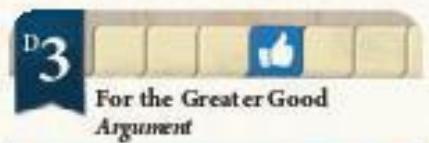

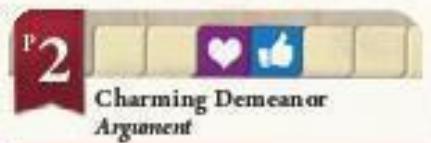
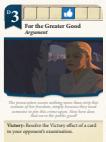
The prosecution wants nothing more than strip this woman of her freedom, simply because they need someone to join this crime upon. Now how does that serve the public good!
Victory: Resolve the Victory effect of a card in your opponents' Examination.

Examination: Switch the Judge to be favorable to you. You may take another action.
Victory Refresh 1 of your Objections.
Authentic Masterpieces Evidence, Material


Antonias Art Auctions Ltd has multiple real masterface paintings in its collection, legitimately bought and owned.
Victory: Draw 1 Painting from either Examination.
The Other Knife
Evidence, Material, Murder Weapon

After several days of dragging the Fairmont's pond, another knife was found that potentially matches the sounds on the native body
Examination: If The Bloody Knife is in your opponents' Examination, discard it.
Victory: Remove 1 Evidence in your opponents discard from the game.

(各26张卡牌)
伪造艺术品案
案件编号00
(38张卡牌)

案件编号01
(89张卡牌)
1张法官卡牌

12张
陪审团卡牌

12个倾向标记
(每种类型各2枚)


6个异议标记
(控方与辩方各3个)
2个
即席磋商标记
(控方与辩方各1个)

(控方与辩方各1个)

2个失信标记
游戏概览
《名律对决》是一款两人非对称法庭模拟卡牌游戏。一位玩家将扮演以除恶务尽为己任的控方律师,另一位玩家则扮演努力维护当事人清白和权益的辩方律师。在每一局游戏开始时,双方都将在证据开示阶段中以轮抽的方式寻找能够帮助自己赢得这场官司的关键证据,并尽可能掩盖那些可能会对自己对手有利的证据。在证据开示阶段完毕后,双方将进入庭审阶段,开始传唤证人,在询问证人的过程中,玩家们需要将手中强大的论据卡牌和在证据开示阶段中获得的证据卡牌依次相连组成一列,来对证人进行有主题有条理的询问。每一局游戏都不会是完全相同的,但至少有一点不会变,那就是——只有在法庭上呈现最出色的辩论,提出的论据也最让人信服的律师才能得到理想的裁决结果!
游戏设置
-
选择案件:双方玩家共同选择此局游戏中将要审理的案件,并决定各自扮演的角色,是控方律师(红色)还是辩方律师(蓝色)。
-
拿取核心组件:控方玩家拿取控方核心牌组(内含26张卡牌)、3个红色异议标记和1个红色即席磋商标记。辩方玩家拿取辩方核心牌组(内含26张卡牌)、3个蓝色异议标记和1个即席磋商标记
-
法官卡牌: 将法官卡牌以支持控方(红色)的一面朝上置于游戏区域的边缘
-
案件设置:拿取与所选案件相关的组件,并按照该案件的规则提示来进行设置。对于第一次游戏的新玩家而言,推荐先玩艺术品伪造案件(编号00)。
-
开始证据开示:开始本局游戏的证据开示阶段。
通用设置图示


Found hidden in the dress of the nation was an universal of 44 Magnon with the serial number that off signs show it had been recently fired.
Examination: If the current Witness is an Expert, your opponent discards 1 card.
Victory: Sway 1 D.
在特定案件专用的卡牌右上角,标有该案件的编号。


包含26张卡牌的控辩方核心牌组主要由论据和庭审程序卡牌组成。




伪造艺术品案(编号00) 设置图示

伪造艺术品案(编号00)设置步骤
-
关键证人:将 6 张关键证人卡牌置于法官卡牌周围(亨利·安东尼乌斯、洛特·凡·霍腾博士、尤里·沃尔科夫、鲁克·维瑟尔、薇薇恩·塔拉以及贾姆希德·马达尼)。
-
证人牌堆:将 2 张中立证人卡牌(查拉妮警探、伊莎贝拉·诺瓦克)以任意顺序面朝下叠放形成证人牌堆。
-
陪审团:拿取12张陪审员卡牌,将这些卡牌以普通面朝上排成两行,放置在游戏区域的一侧。每一行均包含疑罪数值从1到6的六张陪审员卡牌。
-
陪审团倾向:拿取全部12个倾向标记,为每一张陪审员卡牌随机分配一个倾向标记。将第一行卡牌上的所有倾向标记均置于各自卡牌上从左数的第二个位置(红色),将第二行卡牌上的所有倾向标记均置于各自卡牌上从右数的第二个位置(蓝色)。
-
案件牌堆:将30张标有编号00的卡牌洗混并置于游戏区域中央,确保双方玩家均能比较容易地从中抽取卡牌。
这一起案件中最重要的就是那些艺术品!记得在轮抽时,要优先将艺术品卡牌加入到自己的牌组中,如果有多余的话,宁可将其掩盖掉,也尽量不要留给对手。
谋杀案(编号01)设置图示

谋杀案(编号01)设置步骤
-
选择策略:双方玩家需要同时各选择一张策略卡牌。
-
关键证人:将所选择的策略卡牌上列出的总计9张关键证人卡牌置于法官卡牌周围。辩方玩家获取卡牌杰西卡·费尔蒙特。将所有其余的证人卡牌洗混成为证人牌堆,放置在一边。
-
陪审团:拿取12张陪审员卡牌,将这些卡牌以锁定面朝上排成两行,放置在游戏区域的一侧。每一行均包含疑罪数值从1到6的六张陪审员卡牌。
-
陪审团倾向:拿取全部12个倾向标记,为每一张陪审员卡牌随机分配一个倾向标记。将第一行卡牌上的所有倾向标记均置于各自卡牌上从左数的第二个位置(红色),将第二行卡牌上的所有倾向标记均置于各自卡牌上从右数的第二个位置(蓝色)。
-
凶器:控方玩家获得卡牌染血的尖刀,这张卡牌将成为控方玩家的第六张起始手牌。
-
案件牌堆:将其余60张标有编号01的卡牌洗混并置于游戏区域中央,确保双方玩家均能比较容易地从中抽取卡牌。
基础概念
影响力:
论据、证据和法庭程序卡牌(图例中从左至右)的影响力点数标示在卡牌的左上角;证人卡牌的影响力点数则标示在卡牌的两侧(分为主要和次要影响力数值)。对任一玩家而言,若影响力的性质为中立(灰色)或与其所扮演的法庭角色相符(红色或蓝色),那么该影响力对其就是有效的。

Jessica's Diary
Evidence, Material
在询问过程中,双方玩家都需要持续记录对各自一方有效的影响力点数,通过将自己的询问区域中所有卡牌上的有效影响力点数相加来做到这一点。在询问证人的结算过程中,获得更多有效影响力的一方将赢得对此证人的询问。然后,用胜方在对此证人进行询问过程中获得的有效影响力点数减去败方的,然后再花费此差值来动摇陪审员的倾向标记。
倾向:
游戏中的大部分卡牌上都带有至少一个倾向图标:
(❤️❤️❤️❤️❤️) 当玩家在庭审的过程中呈现了包含某个图标的论据或证据时,证人和陪审员在对应方面的倾向就有可能会受到影响。每一种图标所对应的方面如下:
一 证据、事实
一 逻辑
❤️ — 情感
- 道德、背德
一 官僚、司法正义
- 贪腐、丑闻
在询问证人时,玩家需要将带有相同倾向图标的卡牌依次打出并相连,从而构建逻辑自洽且合乎情理的辩论词。
证人
-
主要影响力点数:此点数将会被赋予提出传唤此证人的玩家。
-
证人姓名:在姓名的下边列出的,是用于标示该证人特点的关键词。
-
倾向标记:卡牌的两侧均标有该证人适用的倾向标记。
-
剧情文本
-
案件编号
-
卡牌效果
-
次要影响力点数:此点数将会被赋予未提出传唤此证人的玩家。

证据
玩家可以将证据卡牌打出到各自的询问区域中,但需要满足一个条件,那就是打出的每一张牌都需要与前一张牌至少有1个相同的倾向图标。
1. 影响力点数
- 倾向图标:只有当这张牌上的图标有至少一个与上一张牌是相同的,它才能被打出。
3. 案件编号
-
名称与关键字:这张卡牌的名称、类型以及关键字(某些卡牌的效果会涉及这些关键字)。
-
剧情文本
-
卡牌效果

Jerrod's Gun
Evidence, Material

Found hidden in the dresser of the victim was an unlicensed .44 Magnum with the serial number filed off. Signs show it had been recently fired.

ination: If the current Witness is an $t$ , your opponent discards 1 card.
Victory: Sway 1 ♂.
论据
论据卡牌是双方核心卡组中的主要组成部分。玩家可以在对手打出论据卡牌时,对该论据提出异议,这需要消耗掉玩家的一个异议标记(见异议部分,第22页)。
1. 影响力点数
-
倾向图标:只有当这张牌上的图标有至少一个与上一张牌是相同的,它才能被打出。
-
名称与关键字:这张卡牌的名称、类型以及关键字(某些卡牌的效果会涉及这些关键字)。
-
剧情文本
-
卡牌效果

Examination: +3 value if the previous card in your Examination is Evidence. Victory: Return 1 Evidence in your Examination to your hand.
庭审程序
庭审程序卡牌的作用非常强大。玩家可以以两种方式来打出这类卡牌:将其视作万能卡牌(包含所有六种倾向图标)来打出到询问区域,从而有效地连接不同图标的证据或论据卡牌;或者将其打出到程序区域,以便在此后主动发动该卡牌的效果。
1. 影响力点数
2. 倾向图标
-
名称与关键字:这张卡牌的名称、类型以及关键字(某些卡牌的效果会涉及这些关键字)。
-
行动效果:在打出到程序区域后,玩家可以在之后选择触发牌上 [行动:] 后所示的效果,来作为其当回合所进行的行动。

Action: If the Judge is agreeable to you and the top card of your opponent's Examination is Evidence, discard it. Then switch the Judge to be agreeable with your opponent and discard this card.
证据开示阶段
证据开示在案件的审理流程中属于正式庭审前的准备阶段,控方和辩方的律师团队需要从其他与案件相关的第三方那段里尽可能多的获取证据。在此阶段中,玩家们将以轮抽的方式来处理证据卡牌以及其他该案件的专属卡牌,以供接下来的庭审阶段中使用。
将属于该案件的牌组洗混,并置于游戏区域的中央。
双方玩家从牌堆顶各抽取 3 张牌(无论先后)。双方玩家同时从中选择 1 张牌,将其加入到自己的牌组中,再选择 1 张牌,将其加入到对手的牌组中,最后剩余的 1 张牌则面朝下放置于被掩盖的证据区域。玩家不能查看任何已被加入到自己牌组中的卡牌(无论是谁加入的),也不能查看被掩盖的证据。
注:被掩盖的证据不属于任何玩家的牌组,且在大部分的情况下是不会在庭审阶段中使用到,但还是有少数的效果能够允许玩家获取或利用被掩盖的证据卡牌。如果不想让对手获得某张卡牌的话,最安全的方式莫过于将其加入到自己的牌组中。
双方玩家将会以每次 3 张的方式持续进行轮抽,直到该案件专属卡牌的牌堆中没有任何卡牌(例如:01号案件中共有60张证据卡牌,那么总共将会进行10轮轮抽)。这些卡牌要么在双方玩家的牌组中,要么已成为了被掩盖的证据。
然后,双方玩家将各自牌组中新加入的卡牌与原本的核心牌组一同洗混。
在洗混后,每位玩家从自己的牌组中抽 5 张牌,构成自己的起始手牌。如果任一玩家的起始手牌中没有庭审程序卡牌,该玩家可以执行再调度(见术语表:再调度,第35页):即弃掉任意数量的卡牌,再重新抽牌直至手牌补满至 5 张,刚刚弃掉的卡牌将留在弃牌堆中,不要洗回自己的牌组。每局仅一次。
庭审阶段
在此阶段中,双方玩家将在法庭上展开针锋相对的辩论,来争取那些能够最终决定案件结果的陪审员们,将他们的倾向动摇到自己一方。在基础版游戏所包含的两起案件中,陪审团均由12名陪审员组成,但未来作为游戏扩展的案件中,可能会有改变整个庭审阶段的特殊规则。庭审阶段通常由对若干名证人的传唤组成,针对每个证人,双方玩家将轮流打出证据及论据卡牌,来试图在对该证人的询问中胜出,并将陪审员的倾向争取到自己一边。
庭审环节通常会在所有证人都被传唤完毕之后,或是在当前案件的特殊胜利条件被满足之后结束。
传唤证人:
当需要传唤下一位证人时,由被法官支持的一方玩家来进行传唤。当玩家传唤一位证人时,从所有关键证人中选择一位还未被传唤过的,将代表该证人的卡牌横向放置在两位玩家间的正中央,并确保证人卡牌左上角的主要影响力点数正对着选择传唤证人的那名玩家。
示例
在此示例中,辩方律师将传唤理查德·斯普林特,将其置于桌面中央,标有主要影响力点数(P3)的一侧面朝辩方玩家。由于该证人是与控方相关的,那么当前双方的影响力点数比是D0:P1,辩方暂时落后。
辩方首先进行行动,打出卡牌杰罗德的枪,双方影响力点数比变为D3:P1,辩方领先。
控方玩家想要打出杰西卡的日记,但这张牌与当前的证人卡牌没有相同的图标,因此控方玩家只好将不予采信作为万能牌打出。
然后,辩方玩家打出关键证据,这张卡牌本身的影响力点数,再加上其卡牌效果所赋予的额外点数,使得双方的影响力点数比变为D9:P1。
于是,控方玩家终于可以打出杰西卡的日记了。由于这张牌的效果,双方玩家各自从手牌中弃掉一张牌。此时的影响力点数比变为D9:P4。

询问步骤
从提出传唤证人的玩家开始,双方玩家轮流进行其回合。每个回合中,回合玩家将执行一个行动。常见的行动包括:
1. 将卡牌打出到己方的询问区域
选择手中的一张牌,该牌需要与玩家询问区域中的最近一张牌有至少一个相同的倾向图标。如果你的询问区域中没有牌,则将要打出的这张牌需要与证人卡牌面朝玩家那一侧有至少一个相同的倾向图标。
当打出一张卡牌到询问区域时,如果该卡牌上有询问效果的话,当前玩家必须要触发这些效果。
询问效果是强制执行的。
注:有的时候,某个效果会要求玩家动摇一枚倾向标记。在动摇任一陪审员卡牌上的倾向标记时,玩家总是会将该标记朝代表己方颜色的方向移动,玩家永不会被迫移动倾向标记到对手的那一方。
在玩家询问区域中的卡牌中,中立卡牌(影响力点数为灰色)和己方卡牌(对控方而言是红色,对辩方而言是蓝色)上影响力点数之和即为该玩家在询问当前证人过程中所表现出的影响力。在玩家询问区域中的卡牌中,对手那一方的卡牌不会给己方玩家增加或减少影响力点数。
2. 将庭审程序卡牌打出到己方的程序区域
庭审程序卡牌是比较特殊的卡牌,它们既可以被打出到询问区域中(带有所有六种倾向图标,但没有任何其他卡牌效果),也可以被打出到程序区域中,以便在之后的回合中花费行动来使用其效果。
3. 发动己方程序区域中庭审程序卡牌的效果
如果玩家的程序区域中有一张庭审程序卡牌,则玩家可以花费一个行动来结算其效果。
4. 即席磋商
如果回合玩家的即席磋商标记未被消耗,则该玩家可以要求即席磋商,将法官卡牌翻到支持己方的那一面,并抽一张牌。即使玩家已获得法官的支持,其依然可以要求即席磋商来抽牌。
5. 跳过
在玩家跳过后,其将不能再向询问区域中打出任何卡牌。但该玩家仍可以提出异议,可其对于当前证人的询问已然结束。当双方玩家均选择跳过时,游戏进入到证人结算步骤。
异议!
玩家在对每位证人进行询问的过程中均有一次机会来针对对手任一发动法庭程序卡牌效果的行动,或打出论据卡牌的行动提出异议,前提是该玩家仍有可用的异议标记。当玩家提出异议时,对手发动或打出的相关卡牌会立即被否决并弃置,然后对手必须执行另一个行动。玩家每一次提出异议时,都必须消耗一个异议标记。
请时刻牢记:整个庭审过程中,你只有3个异议标记可用,所以请把它们留到最关键的时刻!
结算证人询问
当双方玩家均选择跳过后,则开始对当前证人询问结果进行结算。
1. 计算影响力点数
双方玩家各自计算在当前证人询问过程中积累的影响力点数,每位玩家将各自询问区域中卡牌上的有效影响力点数(包括中立的灰色点数和己方颜色的点数)相加,在计算时,证人卡牌上朝向自己一侧的影响力点数也需要算入其中。点数总和更高的玩家将赢得对当前证人的询问。如果出现平局,则当前法官支持的一方获胜。
2. 结算胜利/失败效果
在对此证人的询问中失败的玩家需要结算自己询问区域中最近一张牌上的“失败”效果,以及当前证人卡牌上的“失败”效果(若这两张卡牌上有的话)。然后,胜利方则需要结算自己询问区域中最近一张牌上的“胜利”效果,以及当前证人卡牌上的“胜利”效果(若这两张卡牌上有的话)。
3. 花费影响力点数来改变倾向
本次对此证人的询问中获胜的玩家需要用自己的影响力点数的总和(需加上通过“胜利”效果获得的影响力点数)减去对手的影响力点数总和。然后,胜利方将花费双方影响力点数的差值来动摇陪审员们的倾向,但需遵循该案件的相关规则。通常情况下,动摇一张陪审员卡牌上的倾向标记,使其移动1格所需花费的点数等同于该卡牌上疑罪数值。
4. 获取证人及收尾
双方玩家将各自询问区域中的牌置于各自的弃牌堆中。然后,本次对此证人的询问中获胜的玩家获取该证人卡牌,将其置于自己的已获取证人区域。失败方将自己的即席磋商标记刷新,并将法官翻面到支持自己一方的那一面。现在,败方因获得了法官的支持,可以提出传唤下一位证人了。
5. 抽牌
双方玩家可以各自弃掉手中任意数量的卡牌,然后抽取卡牌直到达到手牌上限为止。默认的手牌上限为 5 张牌。如果任一玩家的牌组被抽光,不会洗混任何牌来形成新的牌组。
6. 一轮询问结束
刚刚在对上一位证人的询问中失败的玩家将可以传唤一位新的证人,并同时开始一个新的询问步骤。
在第19页的示例中,如果双方玩家均选择跳过,辩方玩家将会以9点影响力点数对4点获胜。辩方玩家将触发理查德·斯普林特的“胜利”效果,然后可以将5点影响力点数差值用于动摇陪审员的倾向。
游戏结束
某些案件会有特殊的胜利条件,可能会使得游戏提前结束,但当全部证人都已被传唤并结算完毕之后,游戏将进入到总结陈述环节,随后游戏结束并确定胜负结果。
伪造艺术品案结束条件
在伪造艺术品案中,游戏会在 6 位关键证人均被传唤及结算完毕后结束。
若更多的陪审员被动摇到控方一侧,则控方玩家获胜,反之亦然。若出现平局,则获取更多证人的玩家获胜。
谋杀案结束条件
在谋杀案中,如果全部12位陪审员上的倾向标记均被锁定,即全都坚信被告人有罪,则游戏立即结束。否则,游戏将在全部9位证人被传唤完毕后,进入到总结陈述环节。
总结陈述:
每位玩家检查各自获取的证人卡牌,将其中与自己所选的策略卡牌上有至少一个相同倾向图标的卡牌找出,并将这些卡牌上的影响力点数加总。影响力点数更多的玩家可最后一次将双方的点数差值用于动摇陪审员的倾向。在总结陈述环节中,辩方可以花费影响力点数来解锁倾向已被锁定的陪审员。在总结陈述环节过后,游戏结束。如果所有陪审员全部被动摇到了控方一侧,则控方玩家获胜。如果有一位或更多陪审员被动摇到了辩方一侧,则辩方玩家获胜。
陪审员卡牌
陪审员卡牌上有四个位置,用于表示这位陪审员当前的倾向。其中两个为红色,两个为蓝色,分别对应控方和辩方。

陪审员卡牌右上角的数值为该陪审员的疑罪数值。这个数值代表了动摇这位陪审员的难易程度。
示例:如果你有 4 点影响力点数可以用于动摇陪审员,你可以选择将一位疑罪数值为 2 的陪审员动摇两次,或者将一位疑罪数值为 4 的陪审员动摇一次。
动摇倾向:将一枚倾向标记从一个位置移动到相邻的一个位置。除非特殊说明,“动摇1枚倾向标记”通常为将陪审员卡牌上的1枚倾向标记向代表己方的一侧方向移动一个位置。
锁定或解锁倾向
编号为01的谋杀案为游戏带来了另一个非对称要素:在游戏开始时所有陪审员卡牌都会以带锁定图标的一面朝上。在结算证人时,控方可以花费影响力点数来锁定一位陪审员的倾向,但辩方是无法花费影响力点数来解锁一位陪审员的倾向的。
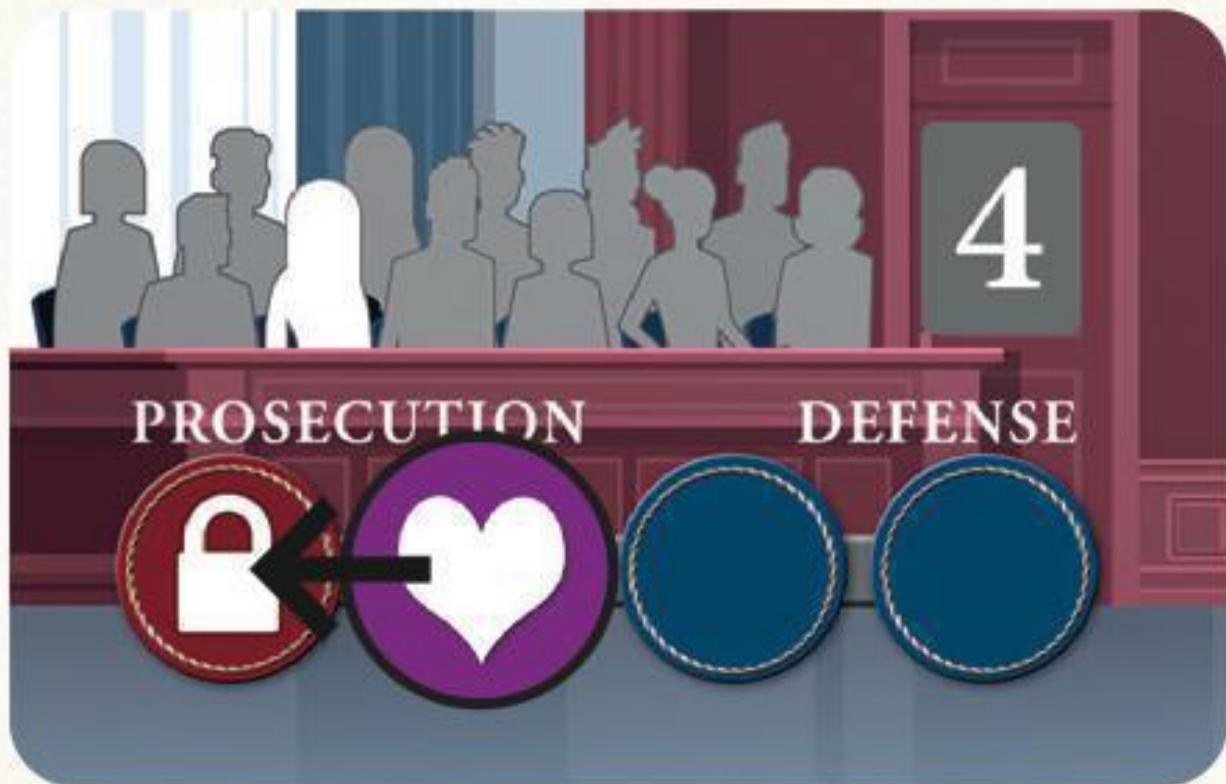
锁定倾向:如果一张卡牌的效果中带有“锁定1枚♥”,则玩家所要做的就是按右侧图示中的操作一般。如果倾向标记距离锁定位置之间有空位置的话,玩家将不能跳过这些空位置直接将标记移动到锁定位置。
解锁倾向:如果一张卡牌的效果中带有“解锁1枚♥”,则玩家所要做的就是按右侧图示中的操作一般。如果玩家不能对该效果对应种类的倾向标记进行解锁的话,就需要将该效果忽略掉。

卡牌详解
偏重逻辑/道德/法律/证据/情感:这一系列卡牌均各自带有一个询问效果,基于玩家已拥有倾向图标的数量来增加影响力点数。当玩家打出这些牌中的任何一张时,该玩家询问区域中满足该牌询问效果中指定的倾向图标的卡牌越多,则该牌能够提供的影响力点数也就越多。在计算时,玩家总是需要将这张牌自身计算在内,所以它最少也会带来2点影响力。在打出这张牌后,无论玩家打出再多与其有相同倾向图标的牌,其所提供的影响力点数也不会改变。
出乎预料的证人:当玩家花费行动来触发出乎预料的证人的卡牌效果时,该玩家会立即获取当前的证人,并抽取证人牌堆的第一张牌来作为新的证人。双方玩家询问区域内的牌不会有任何变化。新的证人将替代原有的证人,触发此牌效果的玩家可以随意选择新证人卡牌的摆放方向,以达到对该玩家最优的结果。新证人的所有传唤效果都将被忽略,但在结算该证人时,其所有的胜利/失败效果仍会生效。
GLOSSARY
询问: 此类效果在卡牌被打出到询问区域中时触发。
失败:此类效果只会于玩家在当前证人的询问中失败,且带有此效果的卡牌为玩家询问区域中的最近一张牌时才会触发。
法官支持:代指法官卡牌的哪一面面朝上。对于辩方玩家,若法官卡牌当前为显示“法官支持辩方”的一面朝上,则其得到法官的支持,对于控方玩家亦同理。
关键证人:代指当前正在被询问的证人和其余等待被传唤的证人。一旦一位证人已被某位玩家获取(或是因某些卡牌的效果从游戏中被移除),则其不再是关键证人。
锁定:见第29页。
刷新:代指将玩家所拥有的其中一个标记(异议标记或即席磋商标记)翻至可用的一面,这样玩家可以再次使用该标记(仍需遵守使用该类标记的其他规定)。
动摇:见第28页。
最近一张牌:代指玩家询问区域的一列牌,位于最上方且未被其他卡牌遮挡的那张牌。一般来说,这是玩家最近打出的一张牌,但类似“贿赂”之类的卡牌效果会将卡牌加入到玩家的询问区域中,而非打出卡牌。
解锁:见第29页。
胜利:此类效果只会于玩家在当前证人的询问中获胜,且带有此效果的卡牌为玩家询问区域中的最近一张牌时才会触发。
制作成员表
游戏设计与开发
Samuel W. Bailey and Mike Gnade
中文汉化与校对
张敬灏、杨欣禹
下载 MarkdownLawyerUp Rulebook 2.0.md


COMPONENTS
Defense Base Deck (26 cards)

Prosecution Base Deck (26 cards)

Art Forgery Case 00 (73 cards)

Murder Case 01 (90 cards)

7 Judge Cards (double-sided)


4 Reference Cards

12 Juror Cards (double-sided)

2 Influence Dials (1 Blue, 1 Red)


12 Bias Tokens (2 of each)


6 Objection Tokens (3 Blue, 3 Red)


2 Sidebar Tokens (1 Blue, 1 Red)


2 Discredit Tokens


2 Dice for Solo Play (1 Blue, 1 Red)
Page 2

GAME OVERVIEW
Lawyer Up is a two-player courtroom drama card game where one player represents the noble prosecution and the other the steadfast defense. Each game begins with Discovery, where players draft vital evidence to support their case and bury evidence that might help their opponent. Next comes the Trial, where players call witnesses and play powerful arguments along with the evidence they drafted into their examinations. Every game is different, but the lawyer with the best case and most convincing arguments will be sure to get the verdict they are after!

Page 3

BASIC CONCEPTS
Bias:
Most cards in Lawyer Up feature a Bias symbol ()on them. The symbols highlight elements that can tie Witnesses and Jurors to specific types of Arguments and Evidence that players are presenting in court.
- Evidential
- Logical, Factual
- Emotional
- Reputation, Morality
- Bureacratic, Justice
- Corruption, Nefarious
While examining a Witness, players will need to make sure that their legal arguments make sense; they accomplish so by chaining cards that have at least 1 symbol matching the Bias symbol on the Witness being examined.
Page 4
Generating Influence:
A card's Value can be found in the upper left of Argument, Evidence, and Procedure cards and on the upper left and lower right of Witness cards. Higher Values are better than lower Values.


Jessica's Diary, Evidence, Material

When these cards are played, players gain Influence equal to the card's Value if it is Neutral (N, gray) or corresponds with their side as Defense (D, blue) or Prosecution (P, red). Playing a card of the opposing side generates 0 Influence.
Players want to generate the most Influence possible because it is used to win Witnesses and sway the Jury (see Witness Resolution on page 20).
GAME SETUP (see example on page 7)
- Case Selection: Players agree on which Case to play and pick which player will be the Prosecution (Red) and which will be the Defense (Blue).

- Gather Base Components: The Prosecution takes the Prosecution Base deck (26 cards), 3 Objection tokens, and 1 Sidebar token. The Defense player takes the Defense Base deck (26 cards), 3 Objection tokens and 1 Sidebar token.

-
Judge: Select a Judge (we recommend using the Unbiased Judge shown for your first game, see Biased Judges on page 28) and place them off to the side of the play area, with them favoring the Prosecution.
-
Case Setup: Take all of the components specific to the selected Case and follow the setup instructions. If this is your first game, we recommend playing the Art Forgery Case (Case 00) and following the setup on Page 8.
-
Player's Procedure Area: Players will play Procedure cards here during the Trial.
Once setup is complete, start Discovery (page 10).
Page 6


Art Forgery Setup: Case 00 (see example on page 7)
4a. Select a Strategy: Take the Case 00 Strategy Cards. Players choose one to play with, and return the others to the box. If this is your first game, we recommend playing "Opening Statements."
4b. Key Witnesses and Witness Deck: Place the Witnesses listed on the selected Strategy around the Judge. Shuffle all remaining Witnesses together to form the Witness deck and set it off to the side.
4c. Jury: Take the 12 Juror cards and place them normal side (no lock symbols visible) up in two rows off to the side of the main play area. Each row must have a complete set of Jurors, from 1 to 6.
4d. Jury Bias: Take the 12 Bias tokens and assign one at random to each Juror. Assign them so that all Jurors in the top row have one of these tokens on one empty slot (2nd space from left to right) on the Prosecution's side, and all Jurors in the bottom row have one on the Defense's side (3rd space).
4e. Case Deck: Remove anyorcards that are not shown on the selected Strategy card. Shuffle together all the remaining Case 00 cards in the middle of the play area within easy reach of both players.
Page 8
Murder Trial Setup: Case 01 (see example on page 7)
4a. Select a Strategy: Take the Case 01 Strategy Cards. The Prosecution selects a Prosecution Strategy (P, red) and the Defense selects a Defense Strategy (D, blue). Any unused Strategies are returned to the box.
4b. Key Witnesses and Witness Deck: Place the 9 Witnesses listed on the selected Strategies (5 on the Prosecution's Strategy, 4 on the Defense's Strategy) around the Judge. Give the Defendant, "Jessica Fairmount" to the Defense. Shuffle all remaining Witnesses together to form the Witness deck and set it off to the side.

4c. Jury: Take the 12 Juror cards and place them lock side (lock symbols visible) up in two rows off to the side of the main play area. Each row must have a complete set of Jurors, from 1 to 6.
4d. Jury Bias: Take the 12 Bias tokens and assign one at random to each Juror. Assign them so that all Jurors in the top row have one of these tokens on one empty slot on the Prosecution's side, and all Jurors in the bottom row have one on the Defense's side.
4e. Case Deck: Shuffle the 60 Case 01 cards in the middle of the play area within easy reach of both players.
4f. Murder Weapon: Set aside the "Bloody Knife" for the Prosecution.
DISCOVERY
Discovery is a pre-trial process in which the Prosecution and the Defense obtain evidence from the other party or parties relevant to the case. During this step, players draft Evidence and other cards specific to the case for use during the Trial of the game. Note that Discovery happens only once.
Each player draws 3 cards from the top of the Case deck (the Prosecution draws first). Players simultaneously choose 1 card to add to the Prosecution deck, 1 card to add to the Defense deck, and 1 card to add to the Buried Evidence. All cards are added face-down. Players cannot look at cards that have been drafted to these decks.
Note: Cards entering the Buried Evidence pile don't belong to any deck, and often they won't be used during the Trial; however, there are some effects in the game allowing players to recover cards from this deck.
If this is your first game (using Case 00) and you're not familiar with drafting, you can deal 10 cards at random to the Prosecution, Defense, and Buried Evidence. This will help you get accustomed to the game and cards before you attempt to draft.
Players continue drafting cards 3 at a time until all cards in the case deck are in either player's deck or in the Buried Evidence.
Each player then gathers their deck (now composed of their Base deck and of the cards just added) and shuffles it.
After shuffling, each player draws 5 card as their opening hand. Default hand size is 5 cards. There is no hand limit. Each player may take a mulligan where they discard any number of cards from their hand and then draw back up to their hand size.
In Case 01 the Prosecution adds the "Bloody Knife" to their opening hand as a sixth card after the opening hand has been drawn.
THE TRIAL
During the Trial, each player pleads their case in an attempt to sway the bias of the Jury and win the case for their side. The Trial involves calling Witnesses to the stand for questioning. During questioning, players will play Evidence and Arguments as they attempt to win the Witness and sway the Jury to their side.
The Trial ends when there are no Key Witnesses left to call or when any special conditions of that case have been met (see Ending Cases on pages 24-25).

Calling a Witness:
The player who currently has the Judge's favor calls the Witness. The Prosecution starts the game with the Judge's favor. When a player calls a Witness, they choose one of the available Key Witness and place them horizontally between both players, so that the Primary Value is closer to the player having called the Witness. This Witness is now the current Witness. The player who called the Witness now adds the Witness Primary Value to their current Influence, while the other player adds the Secondary Value to their Influence.
Page 12
Page 13

WITNESSES
-
Primary Value: This is the Influence added to the Influence of the player that calls the Witness.
-
Witness Name.
-
Keywords: Any identifying keywords such as Expert.
-
Bias Symbols: The associated Biases are listed on both sides of the card.
-
Flavor Text
-
Case Number
-
Card Effects
-
Secondary Value: This is the Influence added to the Influence of the player who did not call the Witness.

Questioning Phase
Starting with the player who called the Witness, players alternate taking turns performing one action from the list below:
1. Examination Action
Players can play an Evidence or Argument card from their hand into their playing area (called "the examination"). Cards are played in the examination overlapping previously played cards, so that everything of previous cards is covered but their Bias symbols and Value atop of the card.
The first card that is played into examination must match at least 1 Bias symbol of the Bias symbols showing on the active player's side of the current Witness; following cards need to match at least 1 Bias symbol on the topmost card of the examination stack. When a card is played into examination, any Examine effects on the chosen card, must be resolved if possible.
Note: Sometimes an effect will have a player Sway a Bias. When swaying a Bias on a Juror, players move the Bias token on that Juror's card one step towards their side.
Page 14


CARD ANATOMY
- Value: Players gain Influence equal to this number if it is Neutral (N, gray) or corresponds with their side as Defense (D, blue) or Prosecution (P, red).

- Bias Symbols: At least one of these symbols must be matched with the same symbol either on the current Witness card (if the examination is empty) or with the top card of a player's examination.
3. Case Number
-
Card Name
-
Card Type, Keywords: Card type (Argument, Evidence, or Procedure) followed by relevant keywords that interact with card effects.
-
Flavor Text: No mechanical effect.
-
Card Effects: Resolve any Examine effects when the card is played.


Found hidden in the dreser of the victim was an sed .44 Magnur with the serial number file igns show that it had been recently fired.
Exam ne: If the current Witness is an Expert, your opponent discards 1 card.
Victory: Sway 1 .
IMPORTANT: Cards in an examination that are neutral (gray) or match the active player's color (red for the Prosecution, blue for the Defense) add their Value to that player's Influence. Cards in a player's examination that match their opponent's color do not add or subtract from either player's Influence.
IMPORTANT: If a card is ever removed from an examination, its total Value is subtracted from that player's Influence.
2. Play a Procedure card
Procedures can either be played into examination as a card to use its Bias symbols, or they can be played into the active player's Procedure area to be activated in a future turn. The action on the Procedure cannot be resolved in the turn the card is played. Procedures stay in play between Witnesses.
3. Activate a Procedure
Resolve the Action effect on a single Procedure card in the current player's Procedure area if they have the Judge's favor. The Procedure is then discarded and the other player gains the Judge's favor.
Page 16
4. Sidebar
If the active player's Sidebar token is not exhausted, they may exhaust it to draw a card and gain the Judge's favor. Players can call a Sidebar even if they already have the Judge's favor. A player's Sidebar is refreshed when they lose a Witness.
5. Pass
Players may pass. Once a player passes, they cannot take any more actions until the current Witness is resolved; however they may still Object (see page 18). After a player passes, their opponent is allowed only 1 more Examination action. Their opponent may take any other actions that they choose as many times as they want, but are forced to immediately pass after their next Examination action. When both players have passed, move onto Resolving the Witness (see page 20).
OBJECTION!
Once per Witness, players may object to an Argument played by their opponent as long as they have an unexhausted Objection token. Players cannot object to Evidence or Procedures. When a player objects, they exhaust one Objection token, and their opponent's card is immediately discarded with no effect and their opponent must immediately take another action. If all of a player's Objection tokens are exhausted, they cannot Object.
Keep in mind that you have only 3 Objections for the entire trial so use them sparingly!
Objection tokens can be refreshed by certain card effects.

EXAMPLE:
In this example, the Defense has called Richard Sprint turning the top left Value (P3) towards them. Since this Value is not beneficial to the Defense, they don't advance their Influence dial. However, the Prosecution value in beneficial to the Prosecution player, who advances their dial by 1, bringing the current Influence to D0-P1.
The Defense takes the first action and plays Jerrod's Gun taking the lead with influence D3-P1.
The Prosecution wants to play Jessica's Diary but it doesn't match any Bias icons on the Witness so they play Inadmissable as a wild card instead.
The Defense plays Key Evidence. The card's printed Value is 2 but the card's Examine effect increases this to 5. Influence is now D8-P1.
The Prosecution plays Jessica's Diary. Each player discards a card from their hand. Influence is D8-P4. Both players will continue to take actions until they both pass.

Page 19
Resolving the Witness
After both the Prosecution and Defense have passed, the Witness is resolved, according to the following:
1. Compare Influence.
Players start by comparing the total Influence gathered while questioning the Witness. To do so, they can compare the current total as shown on their Influence dials. The player with the most Influence wins that Witness. If there is a tie, the player who currently has the Judge's favor wins.
2. Resolve Victory/Defeat Effects.
The player who lost the Witness resolves any Defeat effects on the top card of their examination and on the Witness card. Then the player who won the Witness resolves any Victory effects on the top card of their examination and on the Witness card. Each player may choose the order in which they resolve these effects. Players adjust their current Influence in function of Victory / Defeat effects.

3. Spend Influence to sway Bias.
Subtract the loser's Influence from the winner's Influence. The winner then spends this difference to sway Bias. To sway a Bias on a Juror, they must spend Influence equal to that Juror's Skepticism value in the upper right. The same Juror can be swayed as many times as desired until the token is locked, as long as the player has enough Influence to pay the cost for every step the token is moved. Any unspent Influence is lost.
4. Claim the Witness and Clean-up.
Players take all cards in their examinations and discard them to their personal discard piles. The player who won the Witness claims that card and places them in their Claimed Witness area. The player who lost the Witness gains the Judge's favor and refreshes their Sidebar. Both players then reset their Influence to zero.
5. Draw.
Each player may discard any number of cards from their hand. Then players draw cards until they have cards equal to their hand size. If a player's deck runs out of cards, there is no reshuffling. If a player's deck is empty, they continue playing normally until the game is over.
6. End Step.
The player who just lost and has gained the Judge's favor will call the next Witness and a new Questioning Phase begins.
If both players passed in the example on page 19, the Defense would win the Witness: 8 Influence to the Prosecution's 4. The Defense would trigger Richard Sprint's Victory effect and then would spend 4 Influence swaying Jurors. Each player puts all the cards in their examination into their discard. Since the Prosecution lost the Witness, they gain the Judge's Favor and refresh their Sidebar. Players may discard any remaining cards before they both draw back up to 5 cards in their hand. A new Questioning Phase begins and the Prosecution calls the next Witness.
Page 22
ENDING THE GAME
When all Key Witnesses have been called and resolved, the game proceeds to Closing Statements; at this point the game ends and a winner is determined.
Note that some cases have special victory conditions that can end the game preemptively or they can have altered Closing Statements.
Page 23
Ending Case 00
In the Art Forgery case, the game ends after all Key Witnesses have been called and resolved OR if at the end of a round, either player has no cards remaining in their deck.
Closing Statements:
The player with the majority of Jurors swayed to their side wins. If there is a tie, the player with the most Claimed Witnesses wins. If that is also a tie, it is a hung Jury and the Defense wins.
Ending Case 01
In the Murder case, the game ends after all Key Witnesses have been called and resolved OR preemptively if the Prosecution has the Bias of all 12 Jurors locked on their side.
Closing Statements:
Each player gains 3 influence for each Bias symbol on their claimed Witnesses that matches their Strategy. The player with the most influence will get to spend the difference to sway the Jury one last time. After closing statements, the game ends. The Prosecution wins if every Juror is on their side. The Defense wins if at least one Juror is on their side.


ADDITIONAL RULES
Juror cards have two sides, a normal side (no visible locks) and a locked side that depicts a lock symbol on the leftmost space of the card. Jurors have 4 spaces that represent the side they are currently leaning towards. These spaces are colored red and blue to correspond to the Prosecution and Defense respectively.

Jurors also present a Skepticism value on the upper right. This value represents how easily they can be swayed with Influence. The same Juror may be swayed more than once as long as the winner pays the required Influence.
Sway Bias: Move a Bias token from one space on the selected Juror card to an adjacent space on the same card. This movement is done towards the swaying player's side.
Example: You have 6 Influence to spend, you can sway a Juror with Skepticism of "3" twice or a Juror with Skepticism "5" once and a Juror with Skepticism "1" once.
Page 26

Locking or Unlocking Bias
Case 01 introduces additional asymmetry in the game with the Lock side of Juror cards being face-up.
Lock Bias: When a Prosecution effect instructs players to Lock a Bias, a Bias token is moved one space from the open red space to the locked position. A Bias token can never be moved from a blue space to the locked position. Only the Prosecution can Lock. If the specified Bias is not lockable, the effect is ignored. The Prosecution may spend Influence to lock Jurors.

Unlock Bias: When a Defense effect instructs players to Unlock a Bias, a Bias token is moved from the locked position to an adjacent open red space. Only the Defense can Unlock. If the specified Bias is not unlockable, the effect is ignored. The Defense cannot spend Influence to unlock Jurors.
Lock 1 :

Card effects ignore Skepticism values, but will restrict by Bias Symbol.
Unlock 1 :

Biased Judge Variant
The game comes with variant Judge cards featuring a Bias symbol ()on them. These Judges are biased and can be used in any game of Lawyer Up to change the way objections work.

When using a Biased Judge, players may object to any Argument or Evidence played by their opponent as long as it does not have the Bias symbol matching the Bias on the Judge. For example: If the Judge with thebias is presiding over the case, players cannot object to cards with the symbol on them.

SOLO MODE
Setup the game as normal then take the solo reference cards and dice.
Discovery: Draft all of the cards in the case deck, drawing 3 cards at a time and choosing a card to add to the player's deck, a card to add to the Automa's deck and a card to the Buried Evidence.
Trial: Resolve the Trial normally, but any time there's need for their opponent to sway Jurors, call Witnesses, and Objects, refer to the "Automa's Decisions" card.
Questioning Phase: On the Automa's turn, draw 1 card from the Automa's deck to add to its examination and then roll both dice. If the card played has a Bias icon associated with the red die result, that result's effect is resolved.
At the end of the Automa's turn, you will check whether the Automa has met its "Rest Condition" based on the blue die roll. If it has, the Automa passes for the rest of the current Witness.
Solo mode is recommended for Case 00 only.
Page 29

Card Reference
Discredit the Witness: When the current Witness is discredited, their Primary or Secondary Value is reduced to 0, and a Discredit token is placed to cover that value on the card. Current Influence is recalculated in the light of the canceled Value. If "Surprise Witness" or another effect changes the Witness, the Discredit token is discarded and the new Witness enters play not discredited.
For the Greater Good: Players may look through all of the cards in their opponent's examination for the Victory effect that they want. It does not have to be their opponent's top card.
Surprise Witness: When a player resolves "Surprise Witness", they claim the current Witness to their Claimed Witness area, but the do not resolve any other effects in the Claim the Witnesses section on page 21. Then they draw the top card of the Witness deck as the new Witness. Both player's examinations remain in play. The new Witness replaces the
Page 30
old and the player who called them may orient the card either way, to their best benefit. The current total Influence is then adjusted in function of the new Witness' values. Any Called effects on the new Witness are ignored, but Defeat/Victory effects are still resolved as normal.
Logical, Moral, Legal, Evidential, or Emotional Argument: These Arguments all have an Examine effect that sets their Value based on a Bias symbol. When one of these cards is played, it gains +2 Value for each card (including this one) in that player's examination featuring the listed Bias. Once this card is played, its Value is not further changed by adding more cards with the same symbol. If the card is removed from an examination, its total Value is subtracted from that player's Influence.

GLOSSARY
Bury refers to when a card is shuffled into the Buried Evidence.
Called effects are on Witness cards and trigger when that Witness is called. Sometimes these only can be triggered by one role i.e. Defense Called is only triggered by the Defense.
Defeat effects are resolved when a player loses a Witness. Only Defeat effects on the Witness and on the top card of the losing player's examination are resolved.
Draw effects cause a player to draw the top card of a deck. If drawing from a revealed set of cards (i.e. either player's discard), the active player looks through all the cards in the discard and selects one to draw.
Examine effects trigger when cards are played into a player's examination. When cards are added to an examination, these effects do not trigger.
Page 32
Influence refers to the total Value generated by cards in a player's examination and the side of the current Witness facing a player, and typically tracked on the Influence dials.
Judge's Favor refers to the side of the Judge card that is currently face-up. For example, if the Judge card is on the Defense side, then the Defense has the Judge's favor.
Key Witness refers to the current Witness being questioned and any other Witnesses face-up waiting to be called. Once a Witness is claimed (or removed from the game via some other effect), they are no longer a Key Witness.
Refresh refers to flipping over an exhausted token (Sidebar or Objection) so that it may be used again.
Search refers to when a normally hidden set of cards, such as a player's deck or the Buried Evidence, is looked through. When a set of cards is searched, it is always shuffled afterwards.
Shuffle is a type of card effect (i.e. Shuffle 1 card from your discard into your deck.) Unless otherwise specified, you may choose the card to shuffle into the deck.
Top Card refers to the card on top of an examination. This is typically the card most recently played, but cards like Bribery may add cards to an examination without playing them.
Value refers to the Value found in the upper left of Argument, Evidence, and Procedure cards. Many Examine effects might modify the Value of the card being played (i.e. +3 Value). As soon as one of these effects is removed from play or discarded, the relative Influence bonus is immediately subtracted from the affected player's current Influence.
Victory effects are resolved when a player wins a Witness. Only Victory effects on the Witness and on the top card of the winning player's examination are resolved.
CREDITS
Game Design and Development Samuel W. Bailey and Mike Gnade
Illustrations: Sean Simmons / Vimes art (Base Decks), Vincent
Christiaens (Art Forgery), Lacey James (Murder Trial)
Cover Illustration: Matt Zeilinger
Graphic Design: Joel Finch
Solo Mode Design: Don Riddle
Tech Editing: Andrea Dell'Agnese & Julia Faeta

Playtesters: Oliver Alexander-Adams, Audrey Bailey, Alexander Bruner, Samuel Bryant, David Gerrard, Tyler Kendig, Jared Keller, Spencer Klevgaard, Lukas Litzsinger, Gwen Ruelle, Yuri Danger Tolpin, G Kelly Toyama, Todd Walsh, Ryan Ward.
Honorary Producers: Matt "Judge, Jury, And Ak-secutioner" Andrysiak, Shannon Claire Bailey, Kristian Carlson, Wes Fielding, Randal Lloyd, Justin Mitchell, Patrick Olmstead Law LLC, Kevin S. Santos, Sr., Steve Trawley
Page 35
