
6 Nimmt 25 Jahre
At a glance
Rules, cards and Q&A (Chinese)
The rules, card data and player questions for this game are written in Chinese. Open the Chinese page to read them.
Where to find full rules
Full rules and card lookup are available in the cunlema app at cunlema.cn — pick this game and ask about any rule, card or turn you are unsure about.
Related games
Rulebook text (Markdown)
This game has 2 rulebook Markdown file(s) in our library; 2 rendered inline below — expand to read or download.
rules_zh_牛头王_25周年_10830.md25.5 KB

别以为这是个愚昧的游戏!
游戏作者 Wolfgang Kramer
游戏插画 Franz Vohwinkel
游戏汉化 阿杰
玩家人数:2-10
适合年龄:8+
游戏时长:约45分钟
游戏配件:

132 张卡牌
amigo-spiele.de/01906
104 张数字牌
卡牌数字分别为 1-104
28 张特殊牌
(每种4张 : Stop, Shift, Insert, Replace, Negative = Positive, 5th Row, and 7 nimmt!)
1 记分册
只有当你采用周年纪念变体规则时才需要使用特殊卡。若你只是玩基础游戏,请将所有特殊卡留在盒子里。
基础游戏规则
游戏目标
你的目标是尽可能避免让自己收取卡牌。每张你被迫收取的卡牌都会给你带来等同于卡牌上印制的牛头数量的负分。在若干局游戏之后,拥有的负分最少的玩家(们)便是游戏的胜者。
游戏设置
将所有数字牌洗混并给每位玩家派发10张。将铅笔和记分册交给其中1位玩家,他负责记录分数。
创建4个卡牌队列
从剩余未使用的数字牌堆中随机抽4张面朝上放在桌面中央,如右图所示。这4张卡分别代表了4个卡牌队列的队首,而每个卡牌队列可以容纳至多5张卡牌,包括队首卡牌。将剩余未使用的数字牌放到一边,你将等到下一局游戏时才会再用到它们。


图1. 游戏开始时创建的4个卡牌队列。

游戏流程
1. 出牌
每位玩家从各自的手牌中挑选一张,面朝下打出在自己面前的桌面区域。当所有玩家都完成出牌行动后,一起翻开各自打出的卡牌。
从打出的卡牌数字最小的玩家开始,将其打出的卡牌放到场上的4个卡牌队列中的1个队列里。将同个队列里的卡牌并排放好。接着,轮到打出卡牌数字第二小的玩家将打出的卡牌放入队列中。以此类推,直到打出卡牌数字最大的玩家也将打出的卡牌放入队列中,便完成了一次出牌阶段。再重复9次这样的出牌阶段,你们手中的10张手牌就全部出完了。
卡牌应放入哪个队列呢?
每张卡牌都只能加到场上1个特定队列的队尾之后,并遵循以下放置规则:
规则1:升序排列
往队列加入卡牌后,必须使该队列里的卡牌数字保持升序排列。
规则2:差值最小
若有多个队列符合规则1的条件,则比较要加入的卡牌数字与这些队列的队尾卡牌数字的差值,你必须将卡牌加入到差值最小的那个队列中。
示例:假设4个卡牌队列队首分别是12, 37, 43和58,如图1所示。玩家们打出的第1张卡牌分别是14, 15, 44和61。由于14是打出的数字最小的卡牌,因此这是第一个要加入到卡牌队列中的卡牌。根据规则1,此卡只能被加入到第一个卡牌队列中,放在12的右侧。15也是同理。对于44,根据规则1,可以被加入到第一、第二或是第三个卡牌队列中,但根据规则2,就只能被加入到第三个卡牌队列中了。同理,对于61,也可以根据规则2判断出它只能被加入到第四个卡牌队列中。
图2. 在第一个出牌阶段结束后场上的4个卡牌队列。

2. 收取队列
只要你能将打出的卡牌加入到任何一个卡牌队列中,那便平安无事。然而,若你的卡牌要加入的卡牌队列已满,或是你的卡牌无法加入任何队列,在这种情况下,你就不得不收取一个卡牌队列了。
规则3:队列已满
一个已经排列了5张卡牌的队列称为满队列。若你打出的卡牌刚好需要被加入到满队列中,则你需要将该满队列的前5张牌全部收取到你的面前,并将你打出的打出的卡牌留在该队列作为新的队首卡牌。
示例:假设玩家们打出的第2张卡牌分别是21, 26, 30和36。其中,21和26都将被加入到第一个卡牌队列中,这使第一个卡牌队列变成了满队列。若是你打出了数字30,则你也必须将此卡加入到第一个卡牌队列中。由于该队列已满,因此,你必须将该队列的5张卡牌全部收走,并将你的30留在该队列作为新的队首卡牌。而紧接着数字36就会加入到这个新队列里。

图3. 在第二个出牌阶段结束后场上的4个卡牌队列。


规则4:数字太小
若你打出的卡牌数字太小,无法加入任何一个队列中,则你必须自己挑选并收取任意一个队列的所有卡牌,并将你的小数字卡牌留在该队列作为新的队首卡牌。



示例:假设玩家们打出的第3张卡牌分别是3,9,68和83。你打出的小数字3无法加入任何队列中,因此,你需要挑选并收取一个队列的全部卡牌。你选择收取第二个卡牌队列,这样你只需收走一张37即可。将你的3留在第二队列作该队列新的队首卡牌。打出9的玩家就非常幸运了,因为他现在可以把9接到你的3之后而不用收取卡牌队列了。68和83则依序加入到第四个卡牌队列中。




图4. 在第三个出牌阶段结束后的4个队列。
提示:若你打出小数字牌导致你需要收取卡牌队列,除非出于特殊的策略考虑,否则建议你收取牛头数量最少的卡牌队列。
牛头数量=负分分数在每张数字牌顶部和底部的数字之间,都印有至少1个牛头。每个牛头都等同于-1分。
在所有数字牌中:
个位数是5的
(5, 15, 25 …) 都印有两个牛头;
所有10的倍数
(10, 20, 30 ...) 都印有三个牛头;
所有11的倍数
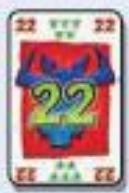
(11, 22, 33 ...) 都印有五个牛头。
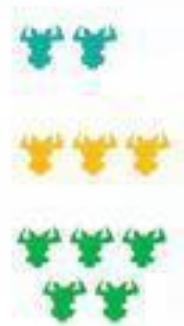
数字牌55既是个位数是5的数,又是11的倍数,因此,它印有七个牛头。
你的牛头牌堆
每当你需要收取卡牌队列时,将收取来的卡牌面朝下放在你面前形成牛头牌堆。
注意:请勿将你收取来的卡牌加入到你的手牌中!
单局游戏结束
当你们出完所有的手牌,一局游戏便结束了。此时,分别翻开各自的牛头牌堆,计算各自牛头牌堆里所有卡牌印有的牛头总数(=负分数)。记分员将每位玩家获得的负分数都记录下来后,就可以准备开始下一局游戏啦。
技巧提示
下面给出两个示例,分别展示了常见的坑自己和坑对手的操作方法:



示例1:你打出了45,因为你以为你可以把牌接到第三个卡牌队列的41之后。然而,你犯了一个错误:你需要把牌接到第四个卡牌队列的42之后,因为只有这样才满足差值最小的规则。而由于42是一个满队列的队尾卡牌,因此,你将不得不收取第四卡牌队列里的全部卡牌。


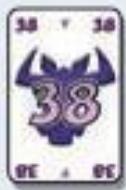
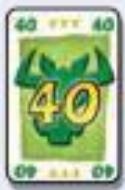
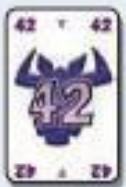
图5. 示例1图示。
全局游戏结束
一局一局地进行游戏,直到有玩家获得了至少-66分。此时,全局游戏结束,拥有负分数最少的玩家获胜!若有多名玩家负分数并列最少,则他们共同获胜!当然,你们也可以自己设定一个不同的目标分数,或是简单地约定一个局数,以此作为全局游戏的结束条件。


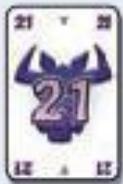

示例2:你打出62并认为这是一个妙招,因为你认为你可以把它加入到第一卡牌队列中。然而,事情并不是你想象中那么简单,因为你的对手打出了29,并收走了第一卡牌队列(根据规则4:数字太小)。现在,你不得不将你的牌接到第四卡牌队列中,并收走该队列的全部卡牌了。
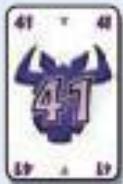
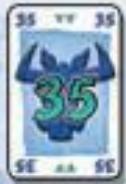


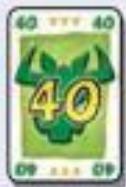
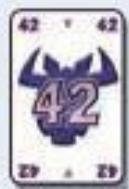
图6. 示例2图示。
2-6人的精算变体规则
若你喜欢更具策略性的玩法,那么我们推荐你采用这个变体规则。基础游戏里的全部规则仍旧有效,此外,再加入以下几条附加规则:
1. 牌池已知
根据玩家人数来确定你们需要用到的数字牌。将玩家人数乘以10再加4,使用所有不超过该数字的牌。
示例:3人游戏 $\rightarrow 34$ 张数字牌,分别为1-34
4人游戏 $\rightarrow 44$ 张数字牌,分别为1-44以此类推
将所有大于该数字的卡牌放到一边。
2. 自选手牌
紧接着,将牌池的所有卡牌面朝上摊开在桌上,玩家们轮流挑选1张卡牌加入到自己手中,直到所有人都选够10张卡牌。此时,桌上还剩了4张卡牌。将它们作为4个卡牌队列的队首卡牌。
除了上述不同外,其他的游戏过程都遵照基础游戏里的规则进行。
Discover the 6 nimmt! Family!


6 NIMMT! 周年纪念变体引入了全新的特殊卡
游戏设置
将数字牌和特殊牌分开,并分别洗混。给每位玩家派发12张数字牌和3张特殊牌。如同基础游戏一样,在桌面中央放置4张数字牌作为4个卡牌队列的队首卡牌。将剩余的数字牌放到一边。将剩余的特殊牌面朝下放置在方便所有玩家拿取的地方,形成抽牌堆。
将铅笔和记分册交给其中1位玩家,他负责记录分数。
游戏流程
在该变体规则下,基础游戏的全部规则仍旧保持有效。但是,你们只需玩两局游戏即可。第一局游戏会在你们打完所有手中的数字牌时结束,各自保留未打出的特殊牌。在第二局游戏开始时,你们会重新获得数字牌,并获得额外的特殊牌。
如何打出特殊牌
每当你要将卡牌加入到某个卡牌队列中时,你可以打出至多一张特殊牌。首先,将你要使用的特殊牌放到你打出的数字牌旁边。然后,拿起你的数字牌,按特殊牌上所示的功能加入到卡牌队列中。最后,将用过的特殊牌面朝上放置在特殊牌抽牌堆的旁边,形成弃牌堆。
以下是所有的特殊牌:
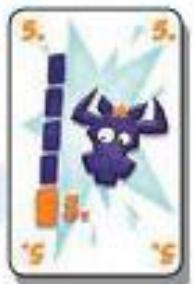
$5^{\text{th}}$ Row第五队列
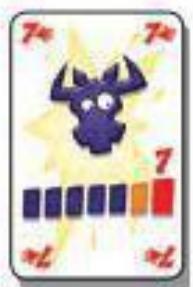
7 nimmt!
七张再收
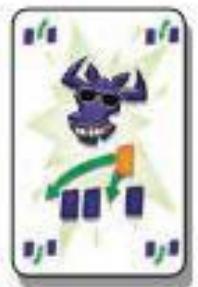
Insert中途插队

Replace 偷梁换柱
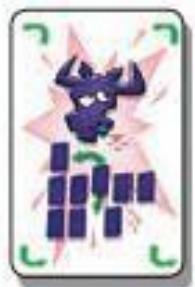
Shift 斗转星移

Stop
禁止通行
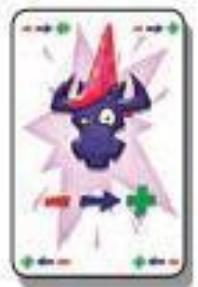
Negative = Positive
颠倒阴阳
$5^{\text {th}} \text {Row 第五队列}$
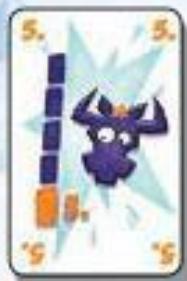
当你打出此牌时,立即开启第五队列。你打出的数字牌将成为第五队列的队首卡牌。只要场上存在五个卡牌队列,便不可以再打出第五队列这张特殊牌,并且,当有玩家需要收取卡牌队列时,他不仅需要将卡牌队列里的卡牌收至他的牛头牌堆中,还需要将他刚打出的那张数字牌也一并收走。这样一来,你们又回到了四个卡牌队列的状态。
提示:为了提醒你们已有第五队列在场,建议将打出的第五队列牌留在卡牌队列旁,等到你们又回到四个卡牌队列时再弃到弃牌堆中。
示例:艾利克斯打出了23,这意味着他不得不收取第四队列的所有卡牌。为了不收取卡牌,他打出了特殊牌第五队列。现在,他的23就成了第五队列的队首卡牌了。

7 nimmt! 七张再收
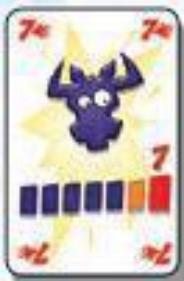
当你打出此牌时,你不需要因为把牌加入了满队列而收取该队列。将你的数字牌接到对应满队列作为第6张牌,并把这张七张再收牌也接到该队列作为第7张牌。从现在起,任何人只要向该队列加入了第7张数字牌,就必须
收取这个队列。这张特殊牌将一直保留在该队列中直到有人收取了该队列,收取该队列的玩家需要收走前6张数字牌,并把他打出的数字牌留在该队列作为新的队首卡牌。你还可以在你把牌加入尚不足5张卡牌的队列时打出此特殊牌,并将其放到你的数字牌所加入的那个队列的第7格处(目的是坑害某个特定的对手)。
示例:贝恩德打出了20。他无需收取队列,因为他还打出了特殊牌七张再收。他将他的数字牌放在该队列的第6格处,并把特殊牌放在该队列的第7格处。

Insert 中途插队
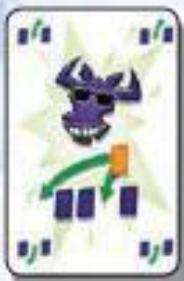
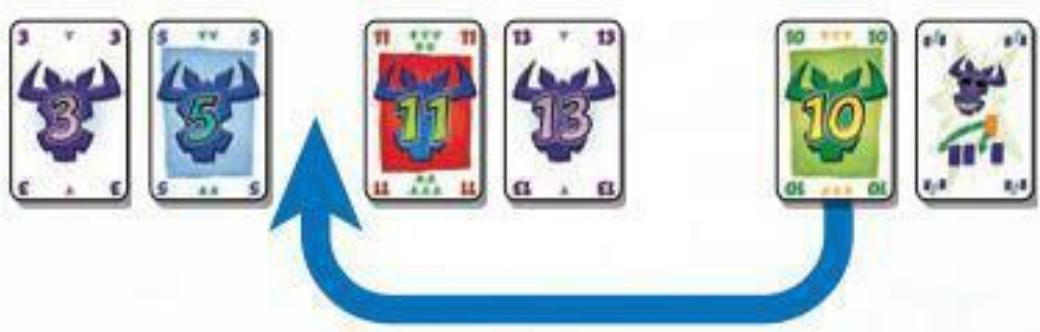
当你打出此牌时,你无需把牌接到相应队列的末尾,而是改为将你的数字牌插入到任意一个队列的队首、队尾或是队中的两张数字牌之间,只要保证插入后的队列仍旧保持着升序排列的状态即可。若你将数字牌插队到一个满队列的队首或队中而导致该队列溢出,则你仍需要收取该队列。在这种情况下,被留在该队列充当队首卡牌的将是原本的队尾卡牌,而非你插入的牌。
示例:克里斯蒂安打出了10。这张卡的数字很小,无法被加入到任何队列中,这将导致他不得不收取任意一个队列。但他并不想这么做,于是他打出了特殊牌中途插队,这张特殊牌使得他能够将他的10插入到队列中的5和11之间,他便无需收取队列了。
Replace 偷梁换柱

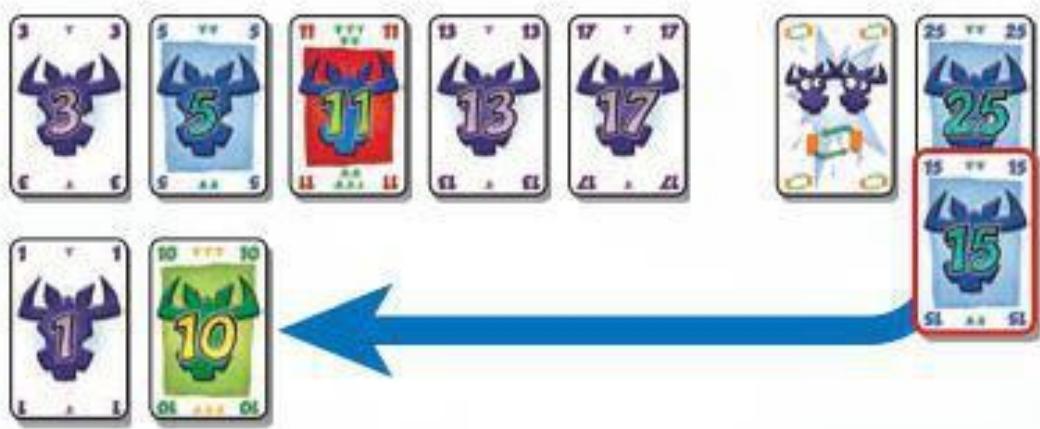
当你打出此牌时,将你打出的数字牌拿回手中,然后挑选另一张数字牌打出,并立即将新打出的数字牌加入到相应的卡牌队列中。因此,无论你新打出的卡牌数字是多少,都不会影响玩家们的将牌加入到队列里的顺序
(这个顺序在你们出完牌的瞬间就定下了)。
示例:大卫打出了25。这使得他不得不将牌接到17的后面并收取该队列。因此,他打出了他的特殊牌偷梁换柱,并将25拿回了手中,改打了一张15,这样一来他就能安全地将牌接到另一个队列里的10之后了。
Shift 斗转星移
当你打出此牌时,在放置你的数字牌之前,先将场上的任意一张数字牌从一个队列移动到另一个新队列里去(位置不限)。新队列中可以有特殊牌七张再收,但不能有特殊牌禁止通行。移动卡牌只需要遵循一个原则,
就是新队列仍旧保持升序排列的状态。移动完毕后,再按照正常的规则将你刚打出的数字牌加入到相应的卡牌队列中去。
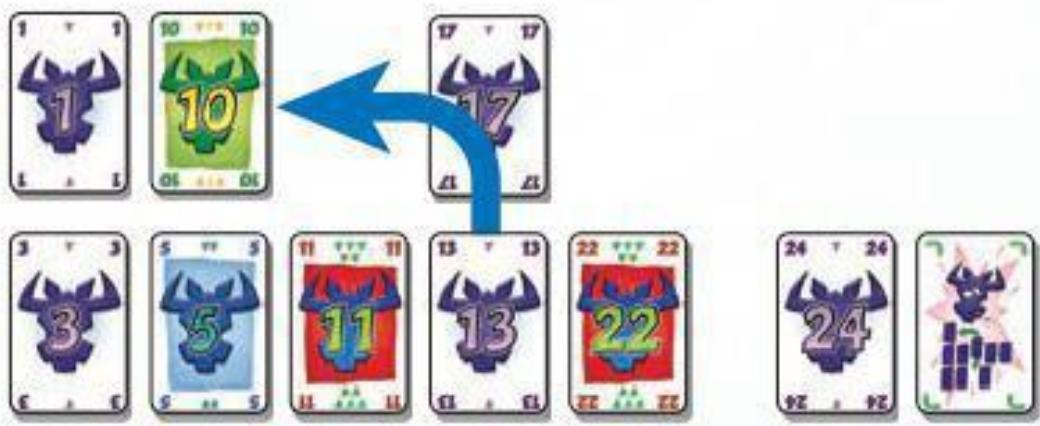
示例1:叶卡捷琳娜打出了24。这使得她不得不将牌接到22的后面并收取该队列。为了不收取卡牌,她打出了特殊牌斗转星移。她先将13移动到了另一个队列中的10和17之间。这样一来她便能安全地将她的24接到22之后了。
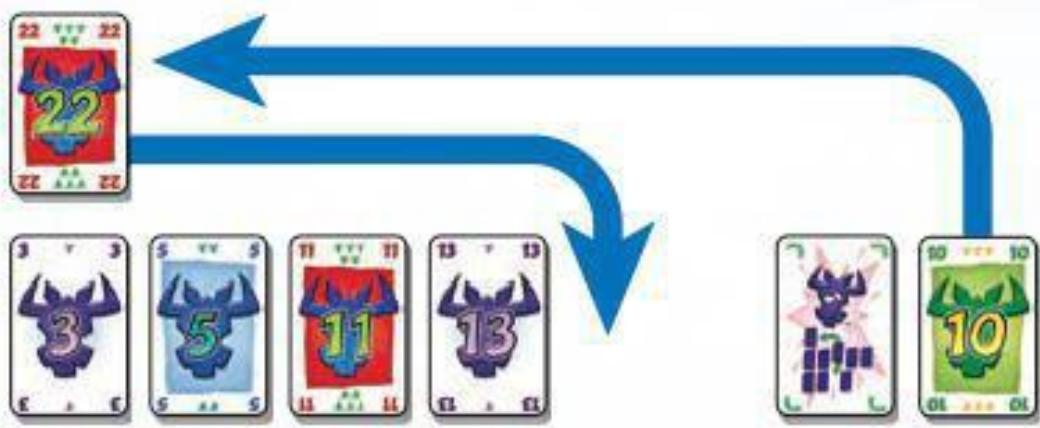
示例2:若某个队列里只有一张数字牌,叶卡捷琳娜仍旧可以选择移动这张牌。在移动过后,她打出的牌将留在这个空白队列中,成为该队列新的队首卡牌。

Stop 禁止通行
当你打出此牌时,在放置你的数字牌之前,先将此牌放置到任意一个队列的队尾。这个队列现在被阻塞了:任何人都无法向该队列加入数字牌、从该队列移出数字牌或是收取该队列。在阻塞完一个队列后,再按照正常规则将你的数字牌加入到卡牌队列中。
注意:场上只能同时有至多两个队列被挂上禁止通行特殊牌。
当下一次有玩家需要收取队列时,在收取完队列之后,将场上所有的禁止通行牌全部弃到特殊牌弃牌堆中。
你可以往已经放有特殊牌七张再收的卡牌队列上加放特殊牌禁止通行。
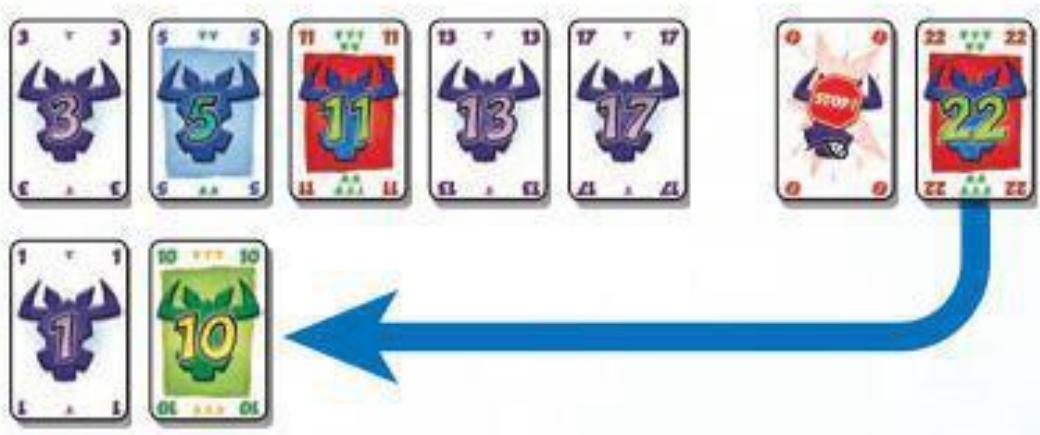
示例:弗劳克打出了22。这使得她不得不将牌加入最上方的队列并收取该队列。为了不收取卡牌,她打出了特殊牌禁止通行,并用它阻塞在了最上方的卡牌队列。现在,她便能安全地将22放到第二队列中了。
Negative = Positive 颠倒阴阳

你可以在你即将要收取队列时打出此牌。这将使得你本次收取的卡牌队列里的其中一张数字牌上的牛头分数从负分变成正分。从要收取的队列中选择一张数字牌留下,将队列中的其他数字牌放入你的牛头牌堆。之后,立即从你的牛头牌堆中挑出若干张牌,这些牌上印的牛头总数不得超过你留下的数字牌上的牛头数量。将这些挑出的牌连同你刚刚从队列中保留的牌一起弃到你们本局游戏未被使用的数字牌堆中。若你从牛头牌堆里挑出的牌上的牛头总数不及你转化出的正分,则多余的正分就被浪费掉了。
示例1:加比打出了20,她不得不收取队列了。她打出了她的特殊牌颠倒阴阳,这使得她能够将数字牌11上的负五分转变为正五分。数字牌3, 5, 13和17上的牛头总数刚好是五个,相当于负五分,因此,加比直接将整个队列的牌弃到本局游戏未使用的数字牌堆里。她打出的20留在了该队列上,成为了该队列新的队首卡牌。

示例2:霍尔格打出了3。这张牌的数字太小了,无法加入任何一个卡牌队列,因此,他需要收取队列了。他选择收取带有11和13两张牌的那个队列,并打出了特殊牌颠倒阴阳来将11上的五个牛头转变为正五分。然后,他从他的牛头牌堆里挑选了若干张牌,这些牌的牛头总数不超过四。他将挑出的牌连同11和13一起弃到本局游戏未使用的数字牌堆里。他打出的3留在了该队列上,成为了该队列新的队首卡牌。

置换特殊牌
每当你收取卡牌队列后,你可以置换你的一张特殊牌。从你的手中面朝上弃掉一张特殊牌到特殊牌弃牌堆中,然后从特殊牌抽牌堆抽一张新的特殊牌加入手中。若特殊牌堆被抽空,则将弃牌堆洗混并重新组成抽牌堆。(注意:置换出的颠倒阴阳牌不能立即打出。)
第一局游戏结束
当你们出完手中所有的数字牌时,第一局游戏便结束了,记分员负责在记分册上记录下各位玩家所获得的负分数。然后,将104张数字牌洗混并给每位玩家派发十二张数字牌。若玩家在第一局游戏结束时仍留有特殊牌,则可以保留到第二局游戏中继续使用。除此之外,每位玩家还将再额外获得3张特殊牌。若可用的特殊牌不足,则改为每人额外获得2张(甚至只有1张)特殊牌。
全局游戏结束
在第二局游戏中,当你们再次出完手中所有的数字牌时,全局游戏就结束了。若玩家手中还有特殊牌,请将它们全部弃掉。记录下各自在第二局游戏中获得的负分,并与第一局的负分相加。获得负分数最少的玩家获胜。若有多名玩家并列获得最少的负分,则他们共同获胜!
You have purchased a quality product. Should you have any reason for complaint, please do not hesitate to contact us. Do you have any questions? We will be glad to be of help:
特殊牌功能概览
$5^{\text {th}}$ Row 第五队列
开启第五队列。若场上已经有五个队列,则你不能打出此牌。
7 nimmt! 七张再收
在该队列加入第6张数字牌时无需收取队列,但在加入第7张数字牌时就需要收取前六张牌并弃掉此牌。
Insert 中途插队
将你的数字牌插入到任意队列的任意位置,只要不破坏升序排列规则即可。

Replace 偷梁换柱
将你打出的数字牌收回手中,并改打另一张数字牌。
Shift 斗转星移
将场上的一张数字牌移动到另一个队列的任意位置,只要不破坏升序排列规则即可。
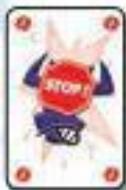
Stop 禁止通行
阻塞一个队列。这个队列无法发生任何改变。场上至多同时存在两个阻塞队列。有人收取队列时弃除此牌。
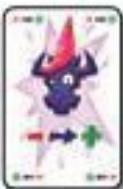
Negative = Positive 颠倒阴阳在即将收取队列时打出,此牌可将收取的队列里的其中一张牌的负分变成正分。
Download Markdown01906-gb-amigorule booklet.md21.3 KB
01906-gb-amigorule booklet
逐页 VLM 转写(qwen3-vl-plus),源 PDF:01906-gb-amigorule booklet.pdf,未翻译。
OVERVIEW OF THE SPECIAL CARDS
-
5ᵗʰ Row
Start a 5ᵗʰ row. If there are 5 rows already, you can’t play this card.
[图: 5ᵗʰ Row card icon] -
7 nimmt!
You don’t have to take this row when playing the 6ᵗʰ card, but you do for the 7ᵗʰ.
[图: 7 nimmt! card icon] -
Insert
Play your number card in any position in any row in ascending order.
[图: Insert card icon] -
Replace
Swap your played card for another number card from your hand.
[图: Replace card icon] -
Shift
Move a number card to another row in ascending order: at the start, the middle, or the end.
[图: Shift card icon] -
Stop
Block a row. This row cannot be changed. At any time, there can only be two copies of this card on the table.
[图: Stop card icon] -
Negative = Positive
When you take a row, this card turns the bullheads on one card from negative to positive points.
[图: Negative = Positive card icon]
Important: There can only be two rows with a “Stop” card at the same time.
The next time one of you must take a row, also remove all “Stop” cards from their rows.
You may place a “Stop” card next to a “7 nimmt!” card.
Example: Frauke has played the 22. She would have to place it in the top row and take the row. To avoid this, she plays the “Stop” card and places it in the top row. Now, Frauke can place her 22 in the row below it.
[图: Example showing 5 cards (3, 5, 11, 13, 17), then a Stop card, then 22; arrow pointing from 22 to lower row]
6 nimmt! 25 JAHRE
NOT A GAME FOR THE BULL-HEADED!
By Wolfgang Kramer
With illustrations by Franz Vohwinkel
Players: 2–10
Ages: 8 and up
Duration: about 45 minutes
COMPONENTS:
- 132 playing cards
- 104 number cards
with values from 1–104
- 28 special cards
(4 each of Stop, Shift, Insert, Replace, Negative = Positive, 5ᵗʰ Row, and 7 nimmt!)
- 1 notepad
You will only need the special cards for the Anniversary Variant. Leave them in the box when playing the basic game.
[图: QR code with red filmstrip border and play button icon; text: amigospiele.de/01906]
PLAYING THE GAME
1. PLAYING CARDS
Each player chooses one card from their hand and puts it face down on the table. Once all players have a card in front of them, reveal the cards.
The player who has played the card with the lowest value goes first, placing it in one of the four rows. Cards always go next to each other in their row. Next, the player with the second-lowest-value card goes, and so on, until the highest card played has been placed in a row. Repeat this process 9 more times, until you’ve played all ten of your cards.
Where do the cards go?
Each card you play can only go in one particular row, following these rules:
Rule 1: Ascending Order
The cards in each row must be added in ascending order of value.
Rule 2: Lowest Difference
Always place your card in the row where the difference between the last card and the new card is the smallest.
SWAPPING SPECIAL CARDS
Whenever you take a row, you may swap one of your special cards by placing it next to the special card deck face up and drawing the top card from that deck. If the deck runs out, shuffle the discarded special cards and turn them into a new deck.
THE END OF THE FIRST ROUND
The first round ends when you’ve played all of your number cards. The scorekeeper writes down your respective negative points on the pad. Then you shuffle all 104 number cards and deal twelve to each player again. If you still have any special cards left from the
Rule 3: Full Row
A row containing five cards is full. If you play a sixth card into a full row, you have to take all five cards in this row. Your played card becomes the new first card for this row.
Example: For their second cards, the players have chosen 21, 26, 30 and 36. The 21 and the 26 go in the 1ˢᵗ row, which means it’s full. You’ve played the 30, which you’ll have to play in the 1ˢᵗ row, too. As this row is already full, you’ll have to take all five cards from this row. Your 30 becomes the new first card of the row, joined by the 36.
[图: Four rows shown after second play: top row has 3, 5, 11, 13, 17, 22; second row has 30, 36; third row has 37, 43, 44; bottom row has 58, 61]
Fig. 3 The four rows after the second play.
Example 2: Holger has played the 3. This is a low card that he can’t place in any row, so he must take a row. He picks the row containing the 11 and the 13, using the “Negative = Positive” card to change the bullheads on the 11 to five positive points. He then takes cards worth up to four bullheads from his bull pile and puts them aside along with the 11 and the 13. The 3 becomes the new first card of the row.
[图: Four cards shown: 11 (with bullhead), 13 (with bullhead), 3 (special), and Negative=Positive card]
Shift
When you play this card, move any number card to another row before placing your card. The new row may contain the special card “7 nimmt!”, but not the special card “Stop.” The card you move only has to fit into its new row in ascending order. When you’re done, place the number card you played earlier at the end of a row following the normal rules.
Example 1: Ekaterina has played the 24. She would have to place it next to the 22 and take the row. To avoid this, she uses the special card “Shift.” First, she moves the 13 between the 10 and the 17. Then she places her 24 next to the 22.
[图: Two rows shown before and after: before: 1, 10, 13, 17, 22; after: 1, 10, 17, 22, 24 with blue arrow indicating 13 moved]
BULLHEADS = NEGATIVE POINTS
Each card has at least one bullhead printed at the top and bottom between the numbers. Each bullhead counts as one point.
All cards with:
- Numbers ending in 5
(5, 15, 25 etc.) have two bullheads,
[图: two green bullhead icons]
- Multiples of 10
(10, 20, 30 etc.) have three bullheads,
[图: three yellow bullhead icons]
- Doublets
(11, 22, 33 etc.) have five bullheads.
[图: five green bullhead icons]
The number 55 is both a doublet and a number ending in 5, so it has seven bullheads.
YOUR BULL PILE
Every time you must take a row, put the cards in front of you on your face-down bull pile.
Important: Cards you’ve taken don’t go back in your hand!
Example: The first cards in the rows have the values 12, 37, 43 and 58, as shown in Fig. 1. For their first cards, the players played a 14, 15, 44 and a 61. The 14 is the lowest card, so it’s the first to go into a row. According to Rule 1, it can only go in the 1st row next to the 12. Same for the 15. The 44 could go in the 1st, 2nd, or 3rd row according to Rule 1, but Rule 2 determines that it must go in the 3rd row. The 61 has to go in the 4th row, according to Rule 2.
[图: Four cards showing values 12, 37, 43, 58 with bullheads]
Fig. 2 The four rows after the first play.
[图: Four rows with cards: row1: 12,14; row2: 37,15; row3: 43,44; row4: 58,61]
2. TAKING A ROW
As long as you can play your card in an existing row, everything’s fine. However, what happens if a row is full or your card won’t fit in any row? In these cases, you must take a row.
THE END OF A ROUND
The round ends when you’ve played all cards from your hands. Take your bull piles and count the bull-heads (= negative points) on the cards.
The scorekeeper writes down how many negative points each player has earned, and the next round starts.
TIPS AND HINTS
Here are two examples of common ways of shooting yourself in the foot or laying traps for others:
[图: Two sets of five cards each, showing values 16,22,20,21,32 and 31,41,35,36,38,40,42 — labeled “Example 1.”]
Example 1: You play the 45, because you think you’ll be able to place it next to the 41 in the 3rd row. However, that’s a mistake: Instead, you’ll have to place it in the 4th row next to the 42, because that’s the lowest difference. And since the 42 is the last card in a full row, you’ll have to take the entire 4th row.
Fig. 5: Example 1.
Negative = Positive
You can only use this card when you’re about to take a row. It transforms the negative points of one number card from that row into positive points. Take the row and immediately subtract the bullheads on one of those cards from those on your other cards, either from the same row or that you’ve taken earlier. Put the number cards you’ve cancelled out with the leftover cards you did not use in this round. If you don’t have enough bullheads in your bull pile, the remaining positive points go to waste.
Example 1: Gabi has played the 20 and must take a row. She uses her “Negative = Positive” card, which allows her to change the five negative points on the 11 to positive points. The bullheads on the 3, 5, 13, and 17 add up to five negative points, so Gabi puts them all aside. Her 20 becomes the new first card of the row.
[图: Cards 3,5,11,13,17,20 and Negative=Positive card]
Replace
When you play this card, take the number card you’ve played back into your hand. Pick another number card from your hand instead and place it in a matching row immediately. The new number card does not change the order in which the other players place their cards.
Example: David has played a 25. He would have to place it next to the 17 and take the row. Instead, he plays his special card “Replace,” and takes the 25 back into his hand, replacing it with a 15 that he can place next to the 10 in a different row.
[图: Sequence showing cards 3,5,11,13,17,25, then Replace card used, then 15 placed next to 10]
BASIC RULES
GOAL OF THE GAME
Your goal is to avoid taking cards. Each card you must take gives you one negative point for each bull-head printed on it. The player with the fewest points after several rounds is the winner.
GETTING READY TO PLAY
Shuffle all the cards and deal ten to each player. One of you takes the notepad and a pencil to keep score.
CREATE FOUR ROWS
Take the leftover cards and place four of them in the center of the table face-up as shown to the right. Each of these cards is the start of a row which can hold a maximum of five cards, including this first one. Put the other cards aside. You won’t need them until the next round.
Fig. 1 The four rows at the start of the game.
[图: Four cards showing values 12,37,43,58 with bullheads]
Rule 4: Low Card
If you play a card whose value is too low for it to fit in any row, you must take all the cards from one row of your choice. Your low card becomes the new first card for this row.
Example: For their third cards, the players have played 3, 9, 68 and 83. Your low 3 won’t fit in any row, so you’ll have to choose a row to take. You pick the 2nd row and take the 37. Your 3 becomes the new first card of the 2nd row. The player who played the 9 was lucky, as they can now place their 9 next to your 3. The 68 and 83 go in the 4th row in that order.
[图: Four rows after third play: row1: 12,30,36; row2: 3,9; row3: 43,44; row4: 58,61,68,83]
Fig. 4 The four rows after the third play.
Hint: If a low card forces you to take a row, as a rule you should pick the row with the fewest bullheads!
Stop
When you play this card, place it at the end of any row before placing your number card. This row is blocked: No one can add cards to it, remove cards from it, or take the whole row. Then place your number card in another row according to the normal rules.
[图: Arrow showing Stop card placed at end of row, then number card placed in another row]
THE END OF THE GAME
The game ends when you’ve played all of your number cards in the second round. Set aside any special cards you still have left in your hand. Write down your negative points from the second round and add them to those from the first round. The player with the fewest negative points is the winner. If there is a tie, you may have multiple winners.
Example 2: If the row only has one card in it, Ekaterina is still allowed to move the card. The number card she played would become the new first card of the now empty row.
[图: Arrow showing card 22 moved from row to become first card of empty row, with other cards 3,5,11,13,10]
You have purchased a quality product. Should you have any reason for complaint, please do not hesitate to contact us.
Do you have any questions? We will be glad to be of help:
AMIGO
AMIGO Spiel + Freizeit GmbH, Waldstraße 23-D5,
D-63128 Dietzenbach
www.amigo-spiele.de, E-Mail: hotline@amigo-spiele.de
© AMIGO Spiel + Freizeit GmbH, D-63128 Dietzenbach,
MCMXCIV, MMXIX
Version 1.0
Insert
When you play this card, don’t add the number card you’ve played to the end of the matching row. Instead, insert it between two number cards in any row of your choice or even at the start of a row. The played card only has to fit in its row in ascending order. If the row is full, you’ll still have to take it. In this case, the last card in the row becomes the new first card.
Example: Christian has played a 10. This is a low card that he can’t add to any row, and he’d have to take a row. But he doesn’t want to do that, so he uses his special card “Insert,” which allows him to place his 10 between the 5 and the 11.
[图: Example showing a row of cards 3, 5, 11, 13, 10, 14 with arrow indicating inserting 10 between 5 and 11]
THE END OF THE GAME
Continue playing round after round, until one of you has earned at least 66 negative points. The player with the fewest points is the winner! If there is a tie, you have multiple winners.
Of course, you can choose a different target number of points or simply agree on a set number of rounds.
Example 2: You play the 62 and think that it was a great move, because you’ll be able to place it in the 1st row. However, it doesn’t work out that way, because another player plays the 29 and takes the 1st row (Rule 4: Low Card). Now, you’ll have to place your card in the 4th row and take the whole row.
[图: Example 2 showing rows with cards including 61, 20/21/32, 35/36/38/40/42, and 29 being placed in 1st row]
Fig. 6: Example 2.
5th Row
When you play this card, start a 5th row. The number card you played becomes the first card of the 5th row. As long as there are five rows to place cards in, another 5th Row card can’t be played. As soon as any player must take a row, they don’t just have to put that row on their bull pile: they also take the number card they played. After that, you have four rows again.
Hint: To help you keep this in mind, place the special card to the left of the 5th row and only put it on the discard pile when you’re back to four rows.
Example: Alex plays a 23, meaning that he’d have to take the 4th row. To avoid this, he uses the special card “5th Row.” Now, he can use his 23 to start the 5th row instead.
[图: Example showing 4th row and 5th row with cards, arrow indicating moving 23 to start 5th row]
Discover the 6 nimmt! Family!
[图: Six game boxes: "6 nimmt! JUNIOR", "X nimmt!", "11 nimmt!", "6 nimmt! Mit den Hornochsen!", "Hornochsen!"]
KEIN SPIEL FÜR HORNOCHESEN!
von Wolfgang Kramer
mit Illustrationen von Franz Vohwinkel
Spieler: 2–10 Personen
Alter: ab 8 Jahren
Dauer: ca. 45 Minuten
INHALT:
132 Spielkarten
104 Zahlenkarten
mit den Zahlen 1–104
28 Sonderkarten
(je 4x Stopp, Verschieben, Dazwischenlegen, Ersetzen, Minus=Plus, 5. Reihe und 7 nimmt!)
1 Punkteblock mit Stift
Die Sonderkarten benötigt ihr nur für die Jubiläumsvariante. Spielt ihr das Grundspiel, lasst ihr sie in der Schachtel.
[图: QR code with URL amigo-spiele.de/01906]
Entdecke die Reihe!
[图: Five game boxes: "6 nimmt! JUNIOR", "X nimmt!", "11 nimmt!", "6 nimmt! Mit den Hornochsen!", "Hornochsen!"]
ÜBERSICHT DER SONDERKARTEN
5. Reihe
Der Spieler beginnt eine 5. Reihe. Gibt es bereits eine 5. Reihe, kann die Karte nicht gespielt werden.
[图: Card with bull icon and "5. Reihe" text]
7 nimmt!
Nicht die 6. Zahlenkarte dieser Reihe nimmt, sondern erst die 7. Zahlenkarte.
[图: Card with bull icon and "7 nimmt!" text]
Dazwischenlegen
Zahlenkarte an den Anfang oder zwischen die Karten einer Reihe legen.
[图: Card with bull icon and "Dazwischenlegen" text]
Ersetzen
Ausgespielte Zahlenkarte mit einer Zahlenkarte aus der Hand tauschen.
[图: Card with bull icon and "Ersetzen" text]
Verschieben
Beliebige Zahlenkarte einer Reihe aufsteigend in eine andere Reihe legen: an den Anfang, in die Mitte oder an das Ende.
[图: Card with bull icon and "Verschieben" text]
Stopp!
Eine Reihe blockieren. Die Reihe darf nicht mehr verändert werden. Nur zwei dieser Sonderkarten dürfen gleichzeitig eingesetzt werden.
[图: Card with bull icon and "Stopp!" text]
Minus-Plus
Wandelt beim Nehmen einer Reihe eine Zahlenkarte von Minuspunkte in Pluspunkte.
[图: Card with bull icon and "Minus-Plus" text]
SPIELENDEN
Das Spiel endet, wenn ihr nach dem zweiten Durchgang alle Zahlenkarten ausgespielt habt. Sonderkarten, die ihr jetzt noch auf der Hand habt, legt ihr einfach beiseite. Ihr notiert eure Minuspunkte aus dem zweiten Durchgang und addiert sie mit den Minuspunkten aus dem ersten Durchgang. Wer jetzt die wenigsten Minuspunkte besitzt, hat gewonnen. Haben mehrere Spieler die wenigsten Minuspunkte, gibt es mehrere Gewinner.
Sie haben ein Qualitätsprodukt gekauft. Sollten Sie dennoch Anlass zu einer Reklamation haben, wenden Sie sich bitte direkt an uns. Haben Sie noch Fragen? Wir helfen Ihnen gerne:
AMIGO Spiel + Freizeit GmbH, Waldstraße 23-D5, D-63128 Dietzenbach
www.amigo-spiele.de, E-Mail: hotline@amigo-spiele.de
© AMIGO Spiel + Freizeit GmbH, D-63128 Dietzenbach,
MCMXCIV, MMXIX
Version 1.0
6 NIMMT! ANNIVERSARY VARIANT WITH NEW SPECIAL CARDS FOR 2–8 PLAYERS
SETUP
Shuffle the number cards and special cards separately. Deal twelve number cards and three special cards to each player. Just like in the base game, place four number cards in the center of the table to start your four rows. Set aside the leftover number cards. The remaining special cards go in a face-down deck within easy reach of all players.
One of you takes the notepad and a pencil to keep score.
[图: A blank 4×4 grid labeled with row numbers 1–4 on the left side]
PLAYING THE GAME
All rules from the basic game remain in effect in this variant. However, you only play two rounds. The first round ends when you’ve played all of your number cards. You’ll get new number cards and more special cards for the second round.
How to Play a Special Card
Every time you would have to place the number card you’ve played in a row, you may play one of your special cards. First, place your special card next to the number card you’ve played. Then, place your number card as determined by the special card you played. Used special cards go next to the special card deck, face up.
THESE ARE THE SPECIAL CARDS:
[图: Four cards labeled “5th Row”, “7 nimmt!”, “Insert”, “Replace”]
[图: Three cards labeled “Shift”, “Stop”, “Negative = Positive”]
PRO VARIANT FOR 2–6 PLAYERS
If you love tactical play, we recommend this variant. The rules of the base game all remain valid. However, follow these additional rules:
-
You know all the cards in the game
The cards you’ll use depend on the number of players. Multiply the player count by 10 and add 4.
Example: 3 players → 34 cards numbered 1–34
4 players → 44 cards numbered 1–44
and so on
Put all higher-value cards aside. -
Each player picks their own ten cards
Next, spread out the cards on the table face-up. Take turns picking one card and adding it to your hand until you each have ten cards. Four cards are left over. These are the starting cards for your four rows.
Other than that, gameplay goes just like in the basic game.
7 nimmt!
When you play this card, you don’t have to take a full row. Instead, place the number card you’ve played in the 6th place of the full row and this special card in the 7th place. Now, whoever adds the 7th card has to take this row. The special card remains in place until that row has to be taken. The player who takes the row takes the six cards, and their number card becomes the new first card for the row. You may place this special card in the seventh place of a row even if it holds fewer than five cards at the time.
Example:
Bernd has played a 20. He doesn’t have to take the row, because he plays the special card “7 nimmt!” in the seventh place immediately afterwards.
[图: A sequence of seven cards showing a row with numbers 3, 5, 11, 13, 17, 20, and the “7 nimmt!” card in the 7th position]
Download MarkdownTexts are community-compiled or publicly released by publishers; copyright remains with the original authors. For personal reference only.