
Dream Home
At a glance
Rules, cards and Q&A (Chinese)
The rules, card data and player questions for this game are written in Chinese. Open the Chinese page to read them.
Where to find full rules
Full rules and card lookup are available in the cunlema app at cunlema.cn — pick this game and ask about any rule, card or turn you are unsure about.
Related games
Rulebook text (Markdown)
This game has 3 rulebook Markdown file(s) in our library; 3 rendered inline below — expand to read or download.
rules_zh_梦想家园_1018.md17.9 KB
遊戲目標
在遊戲中,你要建造一個屬於自己的房子,親自選擇並裝飾每一個房間。遊戲將進行十二輪,每輪中,玩家要在自己的房屋裡建造一個房間。當牌堆耗盡時,遊戲結束。此時每個玩家都已經建造了屬於自己的房屋,結算你的分數,最高的玩家就是遊戲勝利者!
遊戲配件
四張玩家提示卡
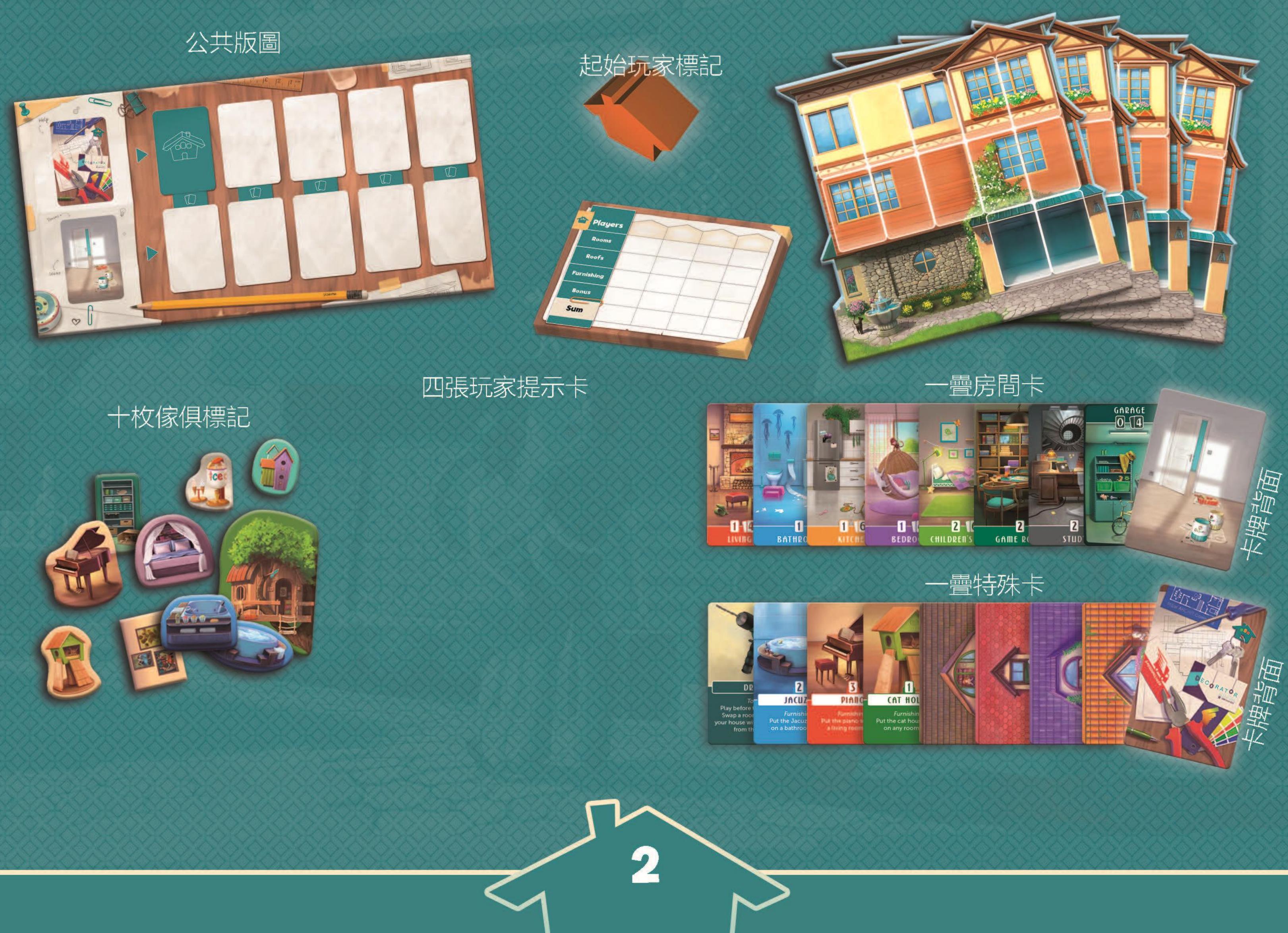
厭倦了讀規則書?快來遊戲官網看教學視頻來學習遊戲吧!
www.wydawnictworebel.pl/domek
起始準備
-每名玩家拿取一張代表自己房屋的玩家版圖,以及一張提示卡
- 將公共版圖放在中央,以便所有玩家拿取
-混洗所有特殊卡,組成牌堆並背面向上放在 A 位置。在中央版圖上方4個空位個放一張特殊卡
- 混洗所有房間卡,組成牌堆並背面向上放在 B 位置。在中央版圖下方5個空位個放一張房間卡
-年紀最小的玩家獲得起始玩家標記
-將傢俱標記放在公共版圖旁邊
起始玩家位 這個空位不放置任何卡牌

遊戲流程
遊戲進行十二輪。
每一輪中,從起始玩家開始順時針方向,每位玩家從中央版圖選擇一組牌拿取。一組牌是指一張下方的房間牌,及其正上方的特殊牌;或者最左邊的房間牌與起始玩家標記。獲得卡牌後,立刻將所選的房間牌擺放到你的房屋中,盡量將同類型的房屋連起來以獲得更高的分數(具體請見第6頁的“如何擺放房間”)。特殊牌的具體用法請見下一頁。
如果沒有玩家選取起始玩家標記,那麼原起始玩家保留手上的起始標記。他/她將繼續成為下一輪的起始玩家。
所有玩家都拿取了一組牌後,將公共版圖上剩餘的卡牌全部丟棄,然後重新從牌堆抽取4張特殊卡和5張房間卡放在公共版圖上。遊戲共進行十二輪,當牌堆耗盡時,遊戲結束,所有玩家結算分數。
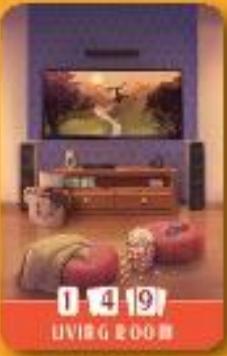
普通房間 - 這些卡牌是最常見的房間,你只能將他們放在房屋最上面兩層的十個空格裡。

附加房間 - 根據相鄰房間類型,在遊戲結束時帶來額外分數的房間,同樣只能放在房屋最上面兩層的十個空格裡。
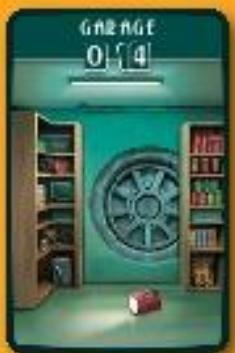
地下室 - 這些房間只能放在房屋最下麵一層的兩個空位裡。這些房間有深色的邊框,並且其房屋名稱和信息在卡牌上方。
不同的特殊卡有著不同的使用方式和規則:
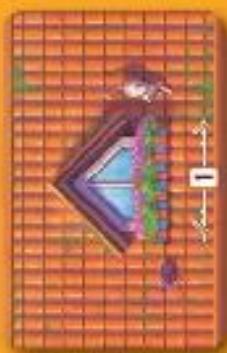
屋頂卡-將其背面向上放在房屋左下方的屋頂空位上。一旦放置後,你就不能在遊戲結束前再次查看你的屋頂卡。屋頂卡一共有四種不同的類型。

傢俱卡 - 立刻拿取一個對應類型的傢俱標記,你必須將其放置在卡牌所指示類型的房間中,然後將傢俱卡丟棄。如果你無法擺放這個傢俱,那麼將傢俱標記和卡牌都丟棄。將傢俱放入房間時,會自動完成這個房間。(具體請見第6頁的“如何擺放房間”)。
工具卡 - 將其正面向上放在你房屋的一邊。你可以根據卡牌上的指示,在你的回合任意時間使用這些道具。所有道具在使用後都必須丟棄。

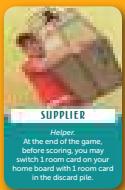
幫手卡 - 將其正面向上放在你房屋的一邊。幫手會在遊戲結束時給你提供特別的幫助(室內設計師除外)。

SUPPLIER
Helper
At the end of the game,
you can swap a room card
from your house with a room
card from the discard pile
為了方便查看,請將被丟棄的房間卡和屋頂卡分開放置,以便於一些特殊的幫手卡查看(例如:供應商和屋頂工),這也會讓遊戲的整理和下一次的準備速度加快。
2\~3人遊戲特殊規則
如果只有2\~3名玩家,在每一輪發牌之後,由起始玩家選擇一組牌丟棄。玩家不能選擇起始玩家位下方的房間牌。
變體規則:如果和年齡較小的玩家一起玩這個遊戲,也可以不丟棄卡牌。這會讓遊戲難度降低。
如何擺放房間
當從公共版圖拿取卡牌之後,你需要將房間卡擺放到自己的房屋中去。所有房間一旦放置,就不能再次移動也不能被其他房間覆蓋,除非使用幫手牌或工具牌的特殊效果。房間可以從左到右擺放,也可以從右到左,或者在房間與房間之間留下空位,並沒有嚴格的限制。但是玩家必須遵守以下三個原則:
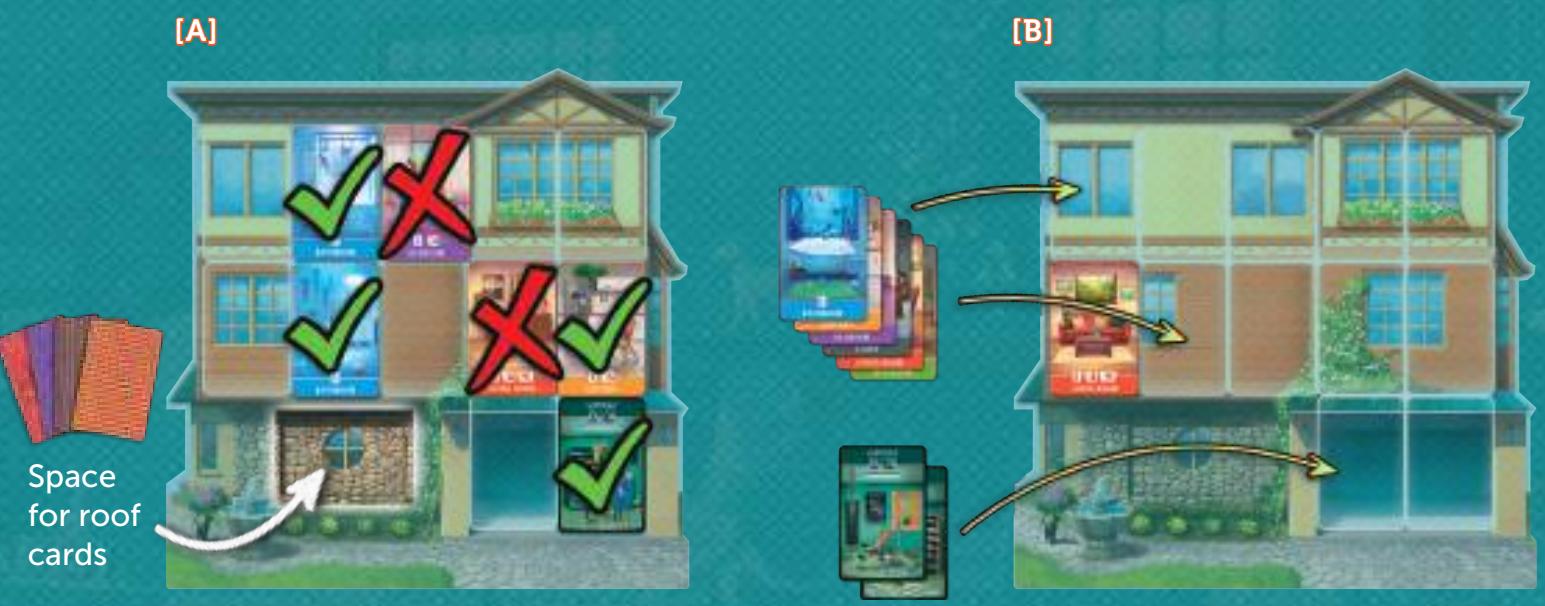
[A] 任意房間擺放時,下方不能有空位存在(屋頂卡的空位不算在內
[B] 地下室只能放在房屋最下層,其他房間必須放在房屋靠上兩層中.
[C] 當擴張一個房間時,不能超過該房間的面積上限(請參考下一頁)


如果你無法放置一個獲得的房間,或者你不想放置該房間,你可以選擇將其背面向上作為一個“空房間”放到你的房屋中。所有空房間在遊戲結束時都是零分。空房間的下方不能有空格存在,空房間可以放在任意位置,也可以與其他空房間相連。

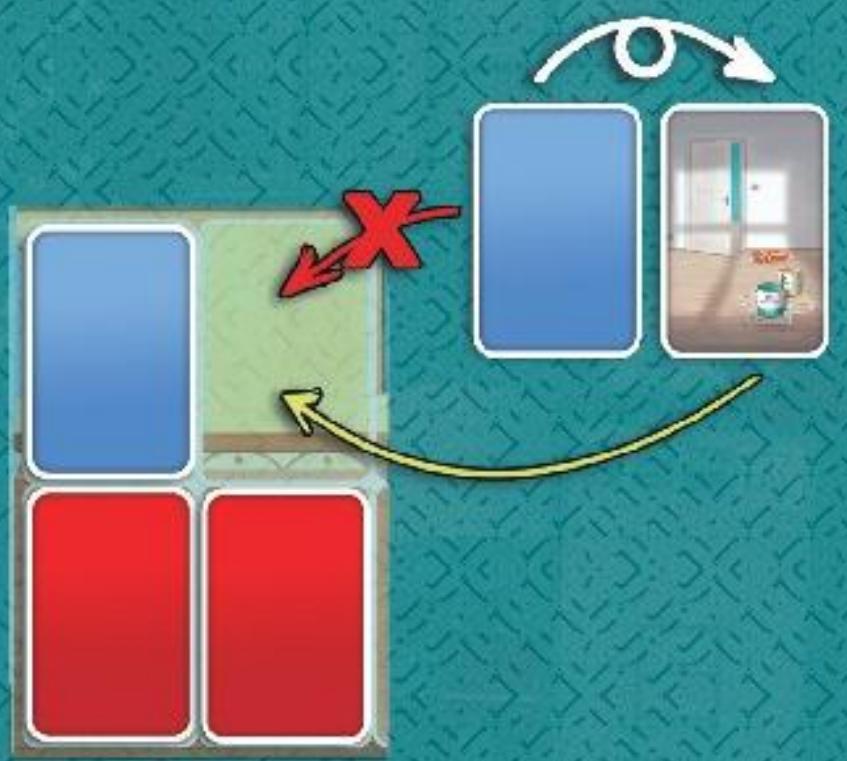
這個臥室已經有兩張牌了,你不可以增加第三張牌
1-14 BEDDOR
房間可以橫向擴張。一個房間可以由1、2、3張相同並橫向相鄰的牌組成,其大小上限由卡牌上的☐、☐或☐來標記。當房間大小達到上限,或者是房間中擺放了傢俱,這個房間就立刻/完成/了。玩家不可以在完成的房間左右放置相同類型的房間卡。除非將獲得的房間背面向上作為空房間放置。
注意:相同房間卡上下相鄰時,被視為兩個不同的房間。遊戲結束時也是分開計分。
小美獲得了一張浴室卡,浴室的大小上限為1。如果小美想將新獲得的浴室放在如圖所示的位置,她必須將卡牌背面向上作為一個空房間來放置。
阿強獲得了一張廚房牌,他有兩個可選位置。他可以將廚房與客廳相鄰擺放,但這樣會限制客廳的擴張。他也可以將卡牌與已有的廚房相鄰擺放,但這樣就必須將卡牌背面向上放置,因為下方的廚房已經達到大小上限的2。
將傢俱放入房間會自動完成該房間,這個房間就無法繼續擴張。如果你想將相同類型的卡牌與帶傢俱的房間相同擺放,那麼你必須將該牌作為空房間放置。空房間可以彼此相鄰。
阿強決定在他的客廳裡放一架鋼琴(這個客廳大小僅為1),這會立刻完成這個客廳,並阻止這個客廳的擴張。(鋼琴是非常敏感的樂器,在有鋼琴的房間周圍施工,會影響鋼琴的音質!)
遊戲結束與計分
在第十二輪結束時,所有玩家的房屋都會有十二個房間。現在,你可以好好觀賞自己辛苦建造的房子了!遊戲附贈了計分表,可以幫助玩家計分。
計分時,不要忘記使用供應商、雜務工、屋頂工的特殊能力!
你會從以下四個方面得分
- 房間
-屋頂
-傢俱
-房屋額外獎勵
房間的得分
大部分房間的分數是由其大小來決定的,即同層相鄰的該房間數量。卡牌上數字表示該房間得分。

14
一個大小為2的臥室可以獲得4分
大小為1的客廳只有1分,但是大小為2的客廳可以獲得4分!大小為3的客廳竟然有9分!卡牌上的標記展示了該房間大小和分數的對應關係。
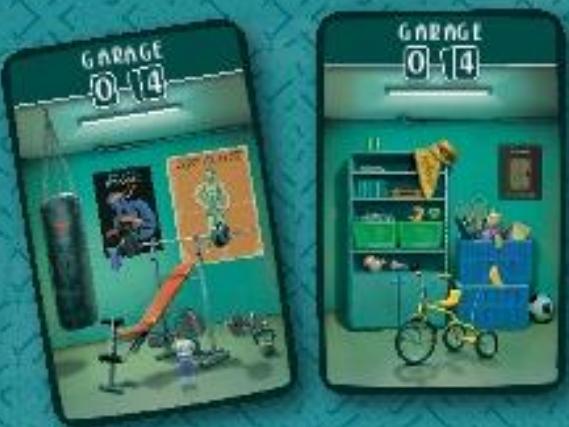
0 14
大小為1的車庫獲得0分,但是大小為2的車庫獲得4分。
傢俱的得分
每個傢俱會獲得上面所標記數字的得分。如果你有室內設計師的話,每個傢俱還會額外多獲得1分!(請參考第12\~13頁的“幫手卡”)
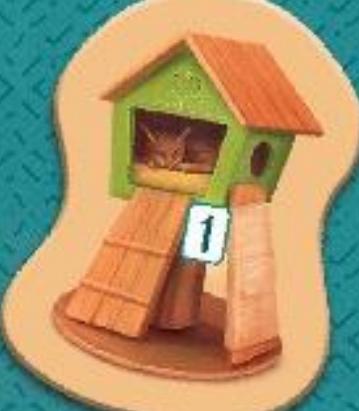
阿強的房子裡有一個大小為1的臥室。下一回合,他在這個臥室裡擺放了一個貓咪小窩。這會立刻完成這個房間,他無法再擴張該臥室。同時,如果他再拿到豪華床,他必須丟棄這個傢俱,因為傢俱無法放入已經完成的房間,而且豪華床只能放置在臥室裡。但如果他有另一間隔離的臥室,豪華床可以放在這間臥室裡。

房屋額外獎勵
玩家提示卡上顯示了兩個額外加分的項目:
[A] 靠上的兩層房間中,每層都有浴室的話,額外獲得3分
[B] 房屋中同時有浴室、廚房、臥室,額外獲得3分。這些房間可以在任意層,任意大小。並且玩家只會獲得一次。擁有兩間浴室、兩間廚房、兩間臥室,只會給玩家帶來3分的獎勵。
屋頂的得分
當你獲得屋頂卡時,將其背面向上放在房屋左下角的屋頂區。遊戲中,你不可以查看獲得的屋頂牌。遊戲結束時,翻開你所有的屋頂牌,選擇其中4張計分。屋頂的得分會根據其排列組合來決定分數。
玩家額外獲得的屋頂不會帶來分數。當玩家獲得的屋頂少於4張時,玩家未完成屋頂,所以獲得零分。

玩家獲得
彩色屋頂(4張屋頂牌顏色至少有兩種):3分
單色屋頂(4張屋頂牌顏色完全相同):8分
彩色屋頂:3分
單色屋頂:8分
同時,在完成的屋頂中,每扇窗戶額外獲得1分的獎勵。每種顏色的屋頂牌各有一張帶窗戶的屋頂。
帶有2扇窗戶的彩色屋頂:
彩色屋頂獲得3分+2x每扇窗戶1分=5分
屋頂可能獲得的最高分數:單色屋頂獲得8分+1扇窗戶1分=9分
勝利
得分最高的玩家獲勝!如果出現平手時,平手玩家共同分享勝利的喜悅!
變體規則:如果玩家希望能打破平手,那就尋找你的房間裡有幾個小孩,小孩最多的玩家獲勝!
特殊卡效果詳解
傢俱卡
當玩家獲得傢俱卡後,你立刻拿取對應的傢俱,放置到卡牌指示的房間中去,然後丟棄這張傢俱卡。這個房間立刻被完成。一個被完成的房間不能在相鄰位置放置同類型的房間卡。
每個房間不論其大小,最多只能有一個傢俱。空房間(背面向上的房間卡)中不能擺放傢俱。
樹屋和鳥巢比較特殊:你必須將這兩個傢俱放在房子邊上,而不是放在房間裡。所以玩家有可能同時擁有樹屋和鳥巢。
幫手卡
幫手在遊戲結束計分時帶來特殊效果(室內設計師除外)。每個幫手都有簡短的文字說明,你可以在下表獲得更加詳細的說明:

屋頂工:遊戲結束時,你可以從棄牌堆選擇一張屋頂卡,將其加入你的屋頂區。
注意:你必須在翻開屋頂區的卡牌之前使用該效果!
ROOFER
Helper
At the end of the game
you can add one roof card
from the discard pile
to your roof cards
供應商:遊戲結束時,你可以從棄牌選擇一張房間卡,將其與你房屋中的一個房間交換(空房間也能交換)。新放置的房間必須遵守房間放置原則。如果你移除了帶有傢俱的房間卡,那麼上面的傢俱也會被丟棄,不會帶來任何分數。

SUPPLIER
Help at
At the end of the game
you can swap a room card
from your house with a room
card from the discard pile
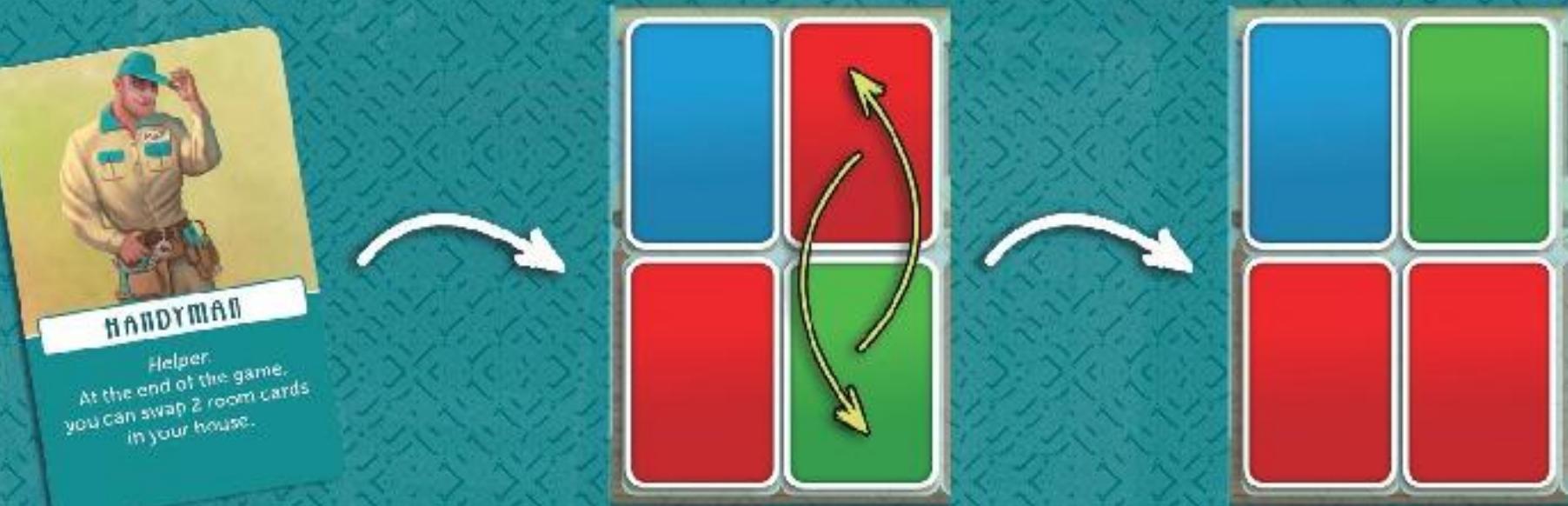
雜務工: 遊戲結束時,你可以將你房屋中兩個房間的位置對換。被交換的房間必須遵守房間放置原則。(例如:地下室不能被換到上層,已完成的房間不能擴張等等。)空房間交換時,必須保持空房間的狀態。

如果你交換了一個帶有傢俱的房間,那麼該傢俱會隨著房間一起移動。如果移動後,會導致某個房間中傢俱數量超過一個,那麼你必須將該房間的傢俱移除到只剩一個為止!
HADYAR
Help us
At the end of the game,
you can swap 2 room cards
in your house
小美使用了雜務工,來把她的客廳卡移動到另外一張客廳卡邊上。
HANDYMAN
Helper.
At the end of the game,
you can swap 2 room cards
in your house.
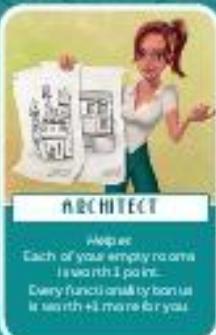
建築師: 每項完成的房屋額外獎勵,都多得1分。也就是說,完成每層都有浴室時,獲得4分;完成同時擁有廚房、浴室、臥室時,獲得4分。額外地,每個空房間都獲得1分!(建築師將這些房間改造成了有用的房間。)

室內設計師: 當你獲得這張牌時,卡牌效果立刻生效。你放置傢俱時,不會完成這個房間。擁有傢俱的房間可以繼續擴張,除非這些房間已經到達大小上限。(但是你的每個房間依然只能有最多一個傢俱。)計分時,你的每個傢俱多得1分。
工具卡
當你獲得工具卡時,將其放在房屋邊上(支架除外)。你可以在之後的回合中使用這些工具(手提鉛除外)。工具都是一次性的,使用過後就會被丟棄。如果你在最後一輪中獲得工具,你將無法使用這個工具。

電鑽 - 你只能在拿牌前使用這個工具。將你房屋中一張房間卡和公共版圖上一張房間卡對換。被對換的卡牌必須放置在另一張牌原本的位置上。新放置的房間卡必須遵守房間放置原則。你不可以交換空房間。
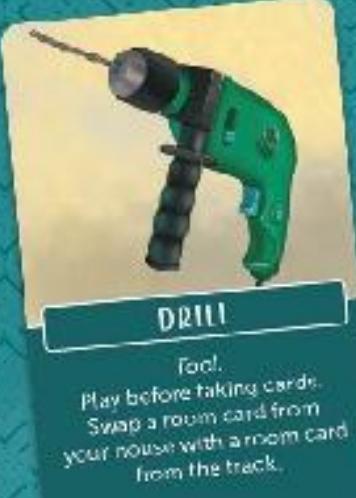
DRILL
Tool!
Play before taking cards.
Swap a room card from
your house with a room card
from the track.

從房屋中換出一張書房,來取得公共版圖上的客廳

手提鑽 - 你只能在一輪開始時使用這個工具,你這一輪中第一個選取想要的卡牌。(注意:你這一輪中不會拿取兩次卡牌,這個工具只是讓你在起始玩家之前拿牌。)並且,你只能拿取房間卡,必須將對應的特殊卡丟棄。如果你拿取了最左邊的房間卡,你不會成為起始玩家。在你拿取卡牌後,從起始玩家開始,剩餘的玩家依次拿牌。

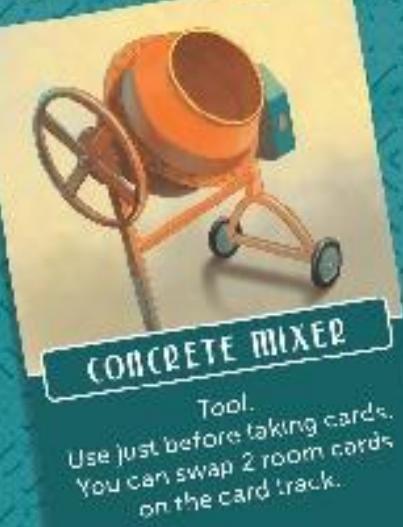
CONCRETE MIXER
Tool.
Use just before taking cards.
You can swap 2 room cards
on the card track.

阿強是這一輪中第二個拿牌的玩家。場上還剩下4組可選的卡牌。他想要一張客廳卡和一個紅色的屋頂。於是他打出水泥攪拌機來將客廳交換到紅色屋頂的下方,就可以同時拿取兩張牌了。

支架 - 把支架放在房屋中一個空位上,這個空位下方不能再有空格存在。你可以在支架上方直接建造房間。在後面的回合中,你可以用新獲得的房間卡來替換支架。而且你必須在遊戲結束前這麼做。(你也可以用空房間來替換支架。)
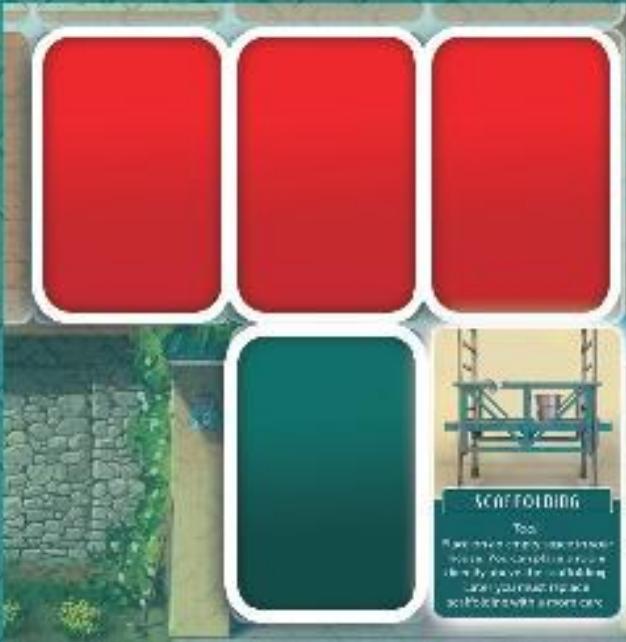

阿強不想再拿取第二張車庫,於是他拿取了一張客廳和一個支架。他將支架放在地下室裡,這樣他就能在支架上方擴張得分較高的客廳。他希望將來可以再拿到第二張車庫,就可以替換這張支架了。
REBEL
Rebel Sp. z o.o.
ul. Budowlanych 64c
80-298 Gdańsk
www.wydawnictworebel.pl
wydawnictwo@rebel.pl
© 2016 All rights reserved.
遊戲設計:Klemens Kalicki
美術設計:Bartlomiej Kordowski
編輯和校對:Zespol Rebel
說明書排版:Maciej Goldfarth & Lukasz S. Kowal
中文翻譯:喵A
計分示例
房間得分:
• 兒童房:2分
• 客廳:4分
• 浴室:1分
• 梳妝室:1分
• 浴室:1分
• 臥室:1分
• 廚房:1分
• 食品儲藏室:3分(在廚房邊上)
• 廚房:1分
• 車庫:0分
• 空房間:0分
總計房間得分:15分
傢俱得分:
- 鋼琴:3分
- 貓咪小窩:1分
房屋額外獎勵:
• 每層都有浴室:3分
• 同時擁有浴室、廚房、臥室:3分
屋頂得分:
• 選擇4張屋頂牌計分。
• 完成彩色屋頂:3分
• 窗戶:1分

最終得分:29分
Download Markdowndomek_rulebook_USA-ilovepdf-compressed.md21.1 KB


SETUP
-
Each player receives a home board and a reference tile.
-
Place the game board in the center of the table.
-
Shuffle the resource cards and place the deck facedown on the board A. Draw 4 resource cards and place 1 faceup on each of the 4 rightmost spaces along the top row. (The leftmost space is the first-player space and must always be empty.)
-
Shuffle the room cards and place the deck facedown on the board B. Draw 5 room cards and place 1 faceup on each of the spaces along the bottom row.
-
Place the décor tokens near the game board.
-
The youngest player receives the first player marker.
You are now ready to play the game!
FIRST PLAYER SPACE This space is always empty.

PLAYING THE GAME
The game is played over 12 rounds. Each round, the player with the first player marker takes the first turn and play proceeds clockwise.
During a player's turn, he chooses a column on the game board and takes the pair of cards in that column (one room and one resource). If a player chooses the leftmost column, he takes the card in the bottom space and the first player marker. Immediately place the chosen room card onto your home board, ideally placing it next to similar types of rooms (see "Placing Room Cards" on page 6). Resource card effects are explained on page 5.
If no one chooses the leftmost column, the current first player keeps the first player marker and will take the first turn next round.
After each player has taken a turn, the cards on the board are reset: discard any cards still on the board and refill each row (4 resource cards on the top row; 5 room cards on the bottom row)
When the decks are empty, the game ends and players add up their points. The player with the most points wins.

NoRMAL RooM CARDS - These cards represent the main rooms in your home. They are placed on any of the ten spaces which make up the top two floors of your home board.

UNIQUE RooM cARDS - These cards represent non-essential rooms you can add to your home (after all, it is your dream home, isn't it?). Like normal rooms, unique rooms are placed on the top two floors of your home board. Be sure to read the card's text, as some unique rooms have special scoring requirements!
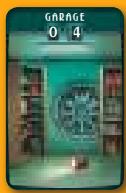
BASEMENT RooM CARDS - These cards represent the basement rooms in your home and can be placed only on the two spaces on the bottom floor of your home board. You can tell basement cards apart from other room cards by their dark border and their name and point value are placed at the top of the card.

Different types of resource cards each have their own specific rules:

RooF cARDs - Roof cards are stacked facedown on the roof space of your home board. Once you have placed a roof card on your stack, you cannot look at it again until the end of the game. There are four different types of roof cards.
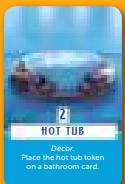
DÉcoR cARDs - When you take a décor card from the game board, you place its corresponding token on one of your rooms. You must place the token on a room that does not already have a décor token and matches the room type indicated on the décor card, and then discard the card. If all of your rooms of the indicated type already have a décor token or if you do not have a room of the indicated type, you cannot place the token, and you simply discard the card. Placing a décor token on a room card finishes that room (see “Placing Room Cards” on page 6).
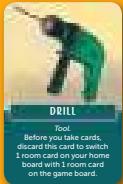
TooL cARDs - Tool cards are placed faceup near your home board. The text on each tool card explains when and how it is played.
HELPER cARDs - Helper cards are placed faceup near your home board. Helper cards are used at the end of the game during scoring, except for the Interior Designer, which is also used during the game.
To make it easier to score certain helper cards, we recommend keeping the discarded room cards and the discarded resource cards separate.

Rule Changes for 2-3 Players
In a two- or three-player game, follow the setup steps as normal. At the beginning of each round, before the first player takes his turn, he chooses a column of cards and discards that pair of cards. The first player cannot choose to discard the leftmost column.
Note: For younger players, you may wish to simplify the game by ignoring this discard rule.
PLACING ROOM CARDS
After taking a room card from the board, you place it on your home board. After you have placed a room card, you cannot move it unless a specific tool card or helper card allows you to do so. There can be empty spaces between rooms that are on the same floor. Also, players are not required to place cards from left to right or in any particular order as long as you follow these rules:
[A] A room card cannot have an empty space directly below it.
[B] Basement cards must be placed on one of the two basement spaces. Normal room cards and unique room cards must be placed on spaces in the top two floors.
[C] When expanding a room, you cannot exceed the maximum size specified on the room card. (For more about expanding rooms, see page 7.)
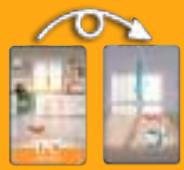
If you cannot place a room card, or if you do not want to place a particular room card, place it facedown on an empty space of your home board. This creates an empty room, which is worth 0 points at the end of the game. An empty room, like all rooms, cannot have an empty space directly below it. Empty rooms can be placed adjacent to each other, but they do not expand.
The bedroom has a limit of two cards, so you cannot place a third bedroom card beside them.


Rooms can be expanded horizontally to earn additional points. Each room has a limit of one, two, or three cards, as shown by these icons: . A room made up of its maximum number of cards, or a room that contains a décor token, is finished and cannot be expanded further. You cannot place a room card beside a finished room of the same type; if you have no other space available for placing that room card, you must place it facedown as an empty room (worth 0 points).
Note: Rooms that are vertically adjacent are not on the same floor, so they are considered to be separate rooms and score points separately.
Susan has taken a bathroom card from the game board. A bathroom has a maximum size of only one card. If Susan places her new bathroom card on the indicated space, which happens to be beside her existing bathroom, then it must be placed facedown as an empty room.

William has taken a kitchen card and has only two possible spaces for it. He could place it beside his existing living room (which would prevent further expansion of that living room), or he could place it facedown as an empty room adjacent to his existing kitchen because the kitchen has its maximum of two cards and is already finished.
When a décor token is placed on a room, that room is finished and cannot be expanded further. Remember, if you place a room card adjacent to a finished room of the same type, the room card must be placed facedown as an empty room (worth 0 points). Empty rooms can be adjacent to each other, but they cannot be expanded.

William decides to add a piano to his living room (which only has one card so far). Placing the piano token finishes the room, preventing it from being expanded further. (A piano is a very delicate instrument, so you can't just freely renovate around it!)
GAME END AND SCORING
After the 12th round, each player's home will have 12 rooms. Determine your home's value by adding up your points. Score sheets are included to help add up the scores. Be sure to admire all of the beautiful homes that were built during the game!
When scoring, remember to use the effects of the Supplier, Handyman, and Roofer.
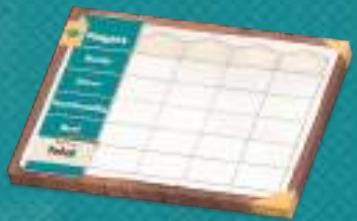
You score points for your:
- rooms
- décor
- home functionality
- roof
Points for Rooms
Most rooms score points based on the number of cards that make up the room, which is based on horizontal adjacency. The room's point value is displayed on the bottom of the card.
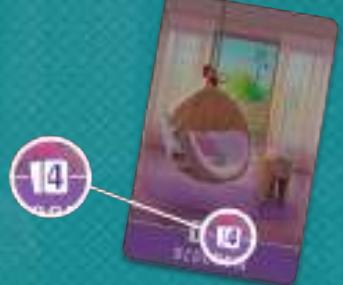
A two-card bedroom is worth 4 points.
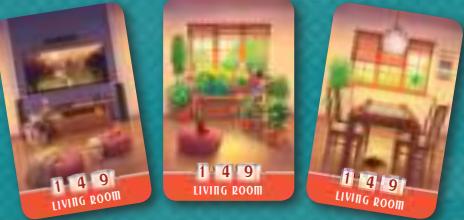
01419
A one-card living room is worth 1 point, a two-card living room is worth 4 points, and a three-card living room is worth 9 points! The icons displayed at the bottom of the room cards show the points earned for a room made up of one, two, or three cards.
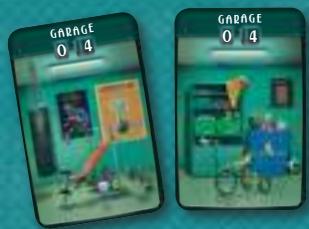

A one-card garage is worth 0 points, but a two-card garage is worth 4 points.
Points for Décor
Each décor token has a point value. A player with the Interior Designer scores 1 extra point for each décor token. (See "Helper Cards" on pages 12-13.)

William's home has a one-card bedroom. During his turn, he takes a cat house décor card and decides to put the cat house token on this bedroom. This finishes the bedroom, so he cannot place another bedroom card adjacent to it. During his next turn, he takes the Canopy Bed décor card and token, which can only be placed on a bedroom. If William does not have a second bedroom on his home board, he must discard the canopy bed card because a room can have only one décor token.
Points for Home Functionality
There are two ways your home can earn points for functionality:
- A home with a bathroom on each of the top two floors is worth 3 extra points.
- A home with a bathroom, kitchen, and bedroom is worth 3 extra points.
Points for Roof
Whenever you take a roof card, you place it facedown on the roof space of your home board. During the game, you cannot look at your facedown roof cards. At the end of the game, you reveal your roof cards and choose four to build your home's roof. Your roof is worth points based on its uniformity:
- A complete, uniform roof (four roof cards that are all the same color) is worth 8 points.
- A complete, mismatched roof (four roof cards that are not all the same color) is worth 3 points.
- An incomplete roof (fewer than four roof cards) is worth 0 points.
A roof card is placed facedown on a home board.
- Any extra roof cards beyond the four you choose to use are worth 0 points.
A Mismatched Roof: 3 points
A Uniform Roof: 8 points
Additionally each window in a complete roof is worth 1 extra point. A window appears on only one of each type of roof card.
A Mismatched Roof with Two Windows: 5 points (3 points for roof + 2 points, 1 for each window)
The Maximum Possible Roof Score: 9 points (8 points for a uniform roof + 1 point for one window)
Winning the Game
The player with the most points wins. In case of a tie, the tied players search their own home for kids depicted in their rooms' artwork (you may need to look closely as some of the children are hiding with only an arm or leg visible). The tied player with the most kids in their home wins. If there is still a tie, the tied players share the victory.
DETAILED DESCRIPTION OF RESOURCE CARDS
RESOURCE CARDS
Décor
When you take a décor card from the game board, you place its corresponding token on one of your rooms. You must place the token on a room that does not already have a décor token and matches the room type indicated on the décor card, and then discard the card. When a décor token is placed on a room card, that room is finished and cannot be expanded further.
A room (meaning the entire room, which could be a single room card or possibly multiple cards side-by-side) can have at most one décor token. A décor token cannot be placed on an empty room (a facedown room card).
The treehouse and birdhouse are special décor items. When either of these décor cards is taken, the player takes the corresponding token and places it near his home board. It is possible to own both the treehouse and the birdhouse.
Helpers
Helpers are used at the end of the game during scoring. (The exception to this is the Interior Designer, who also assists you during the game.) This section explains each helper card's effect in more detail.
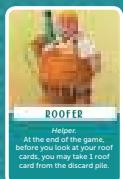
RooFER: At the end of the game, you may select one roof card which was discarded during the game and add it to your stack of roof cards.
Note: You must use the Roofer before you look at your own facedown roof cards.
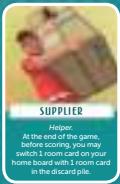
supPLIER: At the end of the game, you may select one room card which was discarded during the game and exchange it with any room card on your home board (including an empty room). The incoming room card must obey all rules for placing room cards. If you remove a room card with a décor token on it, the token is also removed and you do not score points for it.

ARcHITECT: At the end of the game, you score 1 additional point for home functionality. (A home with a bathroom on each of the top two floors scores 4 points instead of 3; a home with a bathroom, kitchen, and bedroom scores 4 points instead of 3.) You also score 1 point for each empty room on your home board-the Architect can easily convert them into something useful.
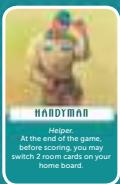
HANDyMAN: At the end of the game, you may switch places of any two room cards on your home board. Both cards must obey all rules for placing room cards (basement cards must be placed on one of the two basement spaces, you cannot expand a room that has already reached its maximum size, etc.).
If an empty room is switched, it remains facedown and is still worth 0 points. If you switch a card that contains a décor token, the token moves with the card.
You can use the Handyman's ability to expand a room that already contains a décor token, as long as you don't exceed the maximum size of that room.
If this switch causes a room to contain more than one décor token, you must discard all but one of the tokens (Remember, a room can contain only one décor token.)
Susan uses the Handyman to switch the living room card on the second floor with the playroom card on the first floor to expand her living room.


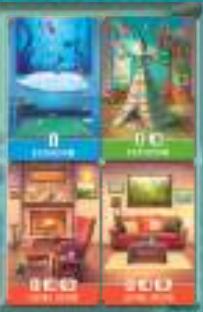

INTERIoR DESIGNER: During the game, when you place a décor token, it does not finish the room, but your rooms are still limited to having only one décor token. Any of your rooms that were considered finished because of décor tokens before you had the Interior Designer can now be expanded (unless they have also reached their maximum size). This card's ability applies as soon as you take it. At the end of the game, each of your décor tokens is worth 1 additional point.
Tools
Tool cards are placed faceup near your home board (except Scaffolding, which is placed on an empty space on your home board). Tool cards are used during your turn unless specified otherwise. After you use a tool card, discard it. If you take a tool card in the final round, you will not be able to use it, and it has no effect.
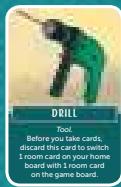
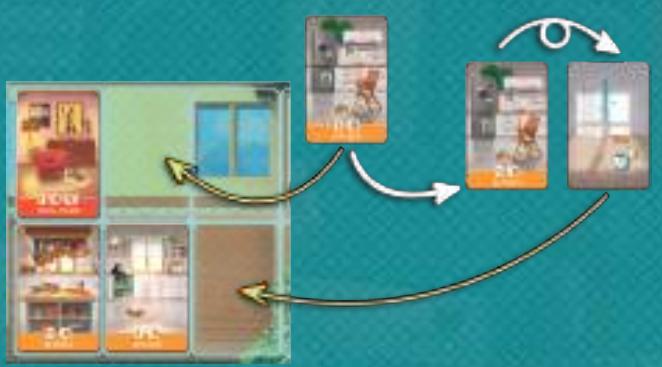
DRILL - At the start of your turn, immediately before you choose which column of cards to take, you can discard the Drill to switch places of any room card on the game board with a room card on your home board. The incoming room card must obey all rules for placing room cards. You cannot switch an empty room from your home board to the game board.

Switching a study card to get a third living room card.

JAcKHAMMER - At the start of a round, before the first player chooses which column of cards to take, you can discard the Jackhammer to immediately take one room card of your choice from the game board and place it on an empty space of your home board. Discard the resource card above your chosen room card; if you choose the leftmost room card, you do not become first player. After taking and placing your one room card, play resumes with the first player taking his turn and continuing clockwise around the table. You must skip your normal turn this round.
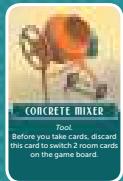
coNcRETE MIXER - During your turn, before you choose a column of cards to take, you can discard the Concrete Mixer to switch places of two room cards on the game board.

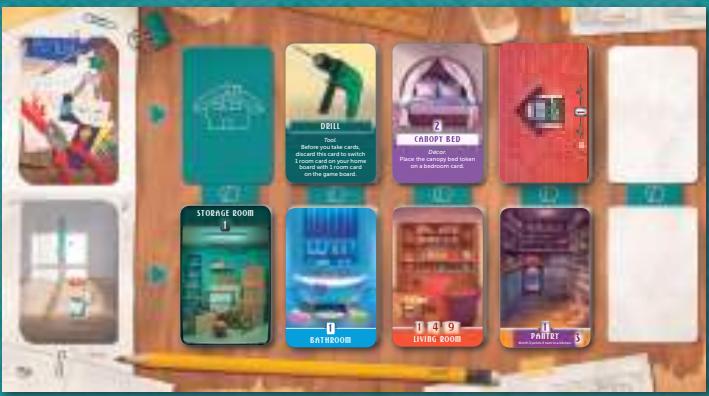

In the image above, William is the second player in the round, and he has four columns to choose from. He wants the living room card and the red roof card with a window which are not in the same column, so he discards his Concrete Mixer to switch places between the living room and pantry. Now that the two cards he wants are in the same column, he chooses that pair of cards and adds them to his home board.
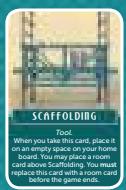
SCAFFOLDING - When you take the Scaffolding, place it on an empty space of your home board that does not have an empty space below it. You can place a room card directly above the Scaffolding. Before the end of the game, you must replace the Scaffolding with a room card, which could be an empty room. You may place the Scaffolding before or after your room card.
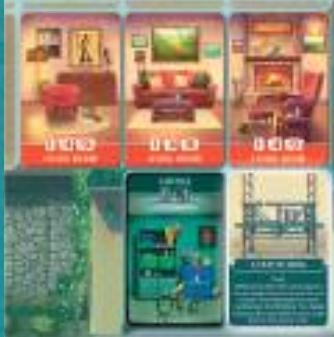

In the image above, William has just taken his pair of cards for the turn: his third living room card and a Scaffolding card. He first places the Scaffolding on the empty space of his basement which allows him to then place his third living room card and expand the living room above it.. William knows he must take another basement room card before the end of the game...or he’ll be forced to replace the Scaffolding with an empty room!

REBEL
Rebel Sp. z 0.o.
ul. Budowlanych 64c
Game Design: Klemens Kalicki
80-298 Gdańsk
Artwork: Bartłomiej Kordowski
www.wydawnictworebel.pl
Editing & Proofreading: Molly Glover & Steven Kimball
wydawnictwo@rebel.pl
Rulebook Layout: Maciej Goldfarth & Łukasz S. Kowal
© 2016 All rights reserved.
English Translation: Anna Skudlarska & Russ Williams

SCORING EXAMPLE
Rooms
Playroom: 2 points
Living Room: 4 points Bathroom: 1 point Dressing Room: 1 point Bathroom: 1 point
Bedroom: 1 point
• Kitchen: 1 point
• Pantry: 3 points (next to a Kitchen)
• Kitchen: 1 point
Garage: 0 points Empty room: 0 points
15 points
Décor
• Piano: 3 points • Cat House: 1 point
Home Functionality
• A bathroom on each of the top two floors: 3 points Bathroom, kitchen, and bedroom: 3 points
Roof
• Complete, mismatched roof: 3 points • Window: 1 point
FINAL SCORE: 29 POINTS
Download Markdown简繁检索对照.md1.6 KB
195880_194880_dream-home — 简体/繁体检索对照
本游戏的规则书是繁体中文原文。用户用简体提问时,把关键词按下面这张表转成繁体再去 grep 原文,命中率最高。
回答时用简体或繁体都可以,但引用的原文保持繁体。
简体 → 繁体 对照(按该游戏原文出现频率排序,共 60 字)
| 简体 | 繁体 | 原文出现次数 |
|---|---|---|
| 间 | 間 | 124 |
| 个 | 個 | 70 |
| 这 | 這 | 45 |
| 张 | 張 | 43 |
| 顶 | 頂 | 42 |
| 将 | 將 | 41 |
| 获 | 獲 | 39 |
| 时 | 時 | 38 |
| 家 | 傢 | 35 |
| 游 | 遊 | 34 |
| 戏 | 戲 | 34 |
| 会 | 會 | 25 |
| 为 | 為 | 20 |
| 来 | 來 | 18 |
| 须 | 須 | 18 |
| 计 | 計 | 18 |
| 结 | 結 | 17 |
| 两 | 兩 | 17 |
| 厅 | 廳 | 17 |
| 后 | 後 | 16 |
| 摆 | 擺 | 15 |
| 换 | 換 | 15 |
| 选 | 選 | 14 |
| 轮 | 輪 | 14 |
| 数 | 數 | 14 |
| 弃 | 棄 | 14 |
| 额 | 額 | 13 |
| 卧 | 臥 | 13 |
| 标 | 標 | 12 |
| 里 | 裡 | 12 |
| 图 | 圖 | 12 |
| 丢 | 丟 | 12 |
| 层 | 層 | 12 |
| 记 | 記 | 11 |
| 从 | 從 | 11 |
| 帮 | 幫 | 11 |
| 该 | 該 | 11 |
| 厨 | 廚 | 11 |
| 当 | 當 | 10 |
| 边 | 邊 | 10 |
| 带 | 帶 | 10 |
| 择 | 擇 | 9 |
| 并 | 並 | 9 |
| 则 | 則 | 9 |
| 组 | 組 | 9 |
| 扩 | 擴 | 9 |
| 与 | 與 | 8 |
| 类 | 類 | 8 |
| 邻 | 鄰 | 8 |
| 对 | 對 | 8 |
| 开 | 開 | 7 |
| 么 | 麼 | 7 |
| 应 | 應 | 7 |
| 奖 | 獎 | 7 |
| 励 | 勵 | 7 |
| 于 | 於 | 6 |
| 请 | 請 | 6 |
| 无 | 無 | 6 |
| 动 | 動 | 6 |
| 设 | 設 | 6 |
Texts are community-compiled or publicly released by publishers; copyright remains with the original authors. For personal reference only.