
Evolution The Beginning
At a glance
Rules, cards and Q&A (Chinese)
The rules, card data and player questions for this game are written in Chinese. Open the Chinese page to read them.
Where to find full rules
Full rules and card lookup are available in the cunlema app at cunlema.cn — pick this game and ask about any rule, card or turn you are unsure about.
Related games
Rulebook text (Markdown)
This game has 2 rulebook Markdown file(s) in our library; 2 rendered inline below — expand to read or download.
rules_zh_物种演化起源_7362.md15.4 KB
evolution
游戏设计师:Dominic Crapuchettes
物种演化:起源™
规则说明书
欢迎来到...

物种演化:起源™
欢迎来到《物种演化:起源》!这是一款以物种演化为主题,带你领略生物多样性的游戏。多人游戏时,它是一款简单易学的家庭游戏,但是如果只有两个玩家的时候,它的策略度直线提升,更加合适爱动脑筋的玩家。
当你已经掌握《物种演化:起源》这款桌游时,你应该也会对《物种演化》基础版本及其扩展很感兴趣。引领全球的科学杂志《自然》曾这样描述《物种演化》这款桌游:
“《物种演化》将丰富多彩的生物学呈现在我们面前,并抓住了物种演化过程最关键的要素...” ——Stuart West,牛津大学进化生物学教授
游戏配件


水塘卡牌 x1
起始玩家卡牌 x1
游戏卡牌 x88
食物指示物 x126
数值为十的食物指示物 x9
玩家提示板 x2
食物屏风 x5
说明书 x1


起始玩家食物屏风
起始玩家卡牌
抽牌堆

四号玩家食物屏风
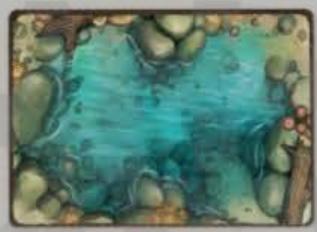
水塘卡牌

二号玩家食物屏风
游戏设置

三号玩家食物屏风
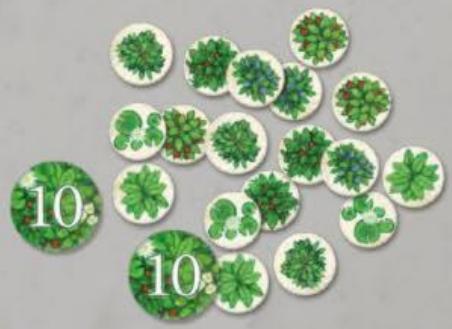
- 将水塘卡牌放在桌子中间。
食物供应堆
- 将所有的食物指示物放在水塘旁边,形成食物供应堆。
- 将所有卡牌洗匀,面朝下放在桌面上,形成抽牌堆。
- 每位玩家拿取一个食物屏风放在自己面前。
游戏目标
在《物种演化:起源》中,你需要在食物稀缺、危机四伏、千变万化的生态环境中繁衍进化自己的物种。
你的目标是让你的物种更快速地繁衍壮大,尽可能多地获取食物。游戏中你的物种所吃掉的食物将成为你的分数。让我们继续往下学习!去喂饱那些饥肠辘辘的家伙们!
游戏流程
今天起床最早的玩家成为起始玩家,并将起始玩家卡牌放在自己面前。游戏按照顺时针方向进行。每位玩家的回合由四个阶段构成,我们将在后面逐一详细说明:
阶段一 - 采集:将食物放到水塘中,并抽取你的卡牌。
阶段二 - 适应:打出手牌。
阶段三 - 进食:喂养你的物种。
阶段四 - 得分:将本回合吃掉的食物计分。
执行完四个阶段之后,下一个玩家开始他的回合。
阶段一:采集
(1) 从食物供应堆拿取2个食物,放到水塘中。
(2) 从抽牌堆抽取一张卡牌, 面朝下放在自己面前作为一个种群数量为1点的新物种。你的回合开始时, 你总是会获得一个新物种。
(3) 从抽牌堆中抽取3张卡牌加入你的手牌中。
面朝下打出的卡牌称为种群卡牌
阶段二:适应
你手中的卡牌有四种不同的使用方式。你可以按照任意顺序、任意次数、任意方式来使用它们:
(1) 创造一个新的物种——将一张手牌面朝下放在你面前, 创造一个种群数量为1点的新物种。
(2) 增加种群数量——将一张手牌面朝下盖在任何你的物种上,该物种种群数量增加1点。一个物种的种群数量是没有限制的,但是请记得你要为它们提供食物!

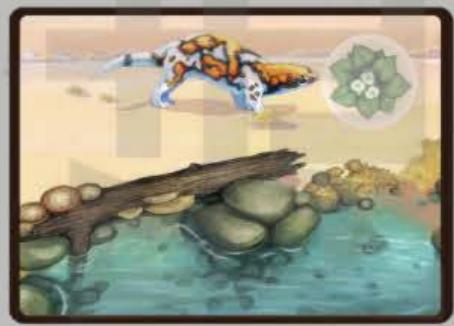
一个种群数量为1点的物种
一个种群数量为3点的物种
(3) 增加物种特性——将一张手牌面朝上放在一个物种上方作为该物种的特性(这种卡牌称为特性卡牌)。这些特性可以改变你的物种能力(有时还会改变游戏中的某些规则)。一个物种最多可以拥有3种特性,但是不能拥有重复的特性。关于游戏中所有特性的具体描述请参考说明书的第6页和第7页。

贪肉物种攻击该物种时,需要先将种群数量减少1点,之后再获得食物。
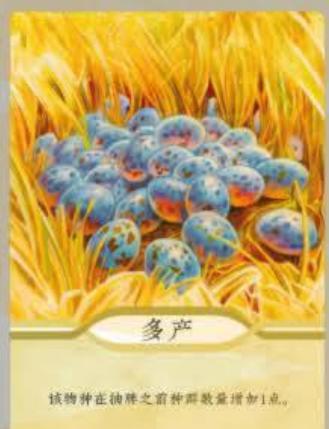

在喂食该物种之前,
该物种从食物供应地获得3个食物。

贪肉物种攻击该物种时,需要先将种群数量减少1点,之后再获得食物。
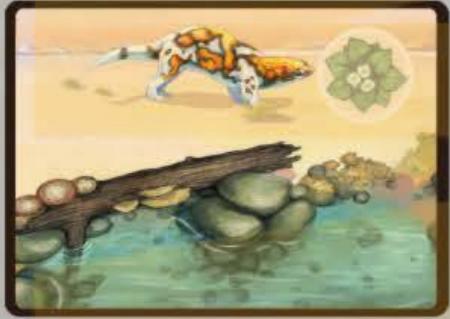

一个种群数量为1点且有三种特性的物种
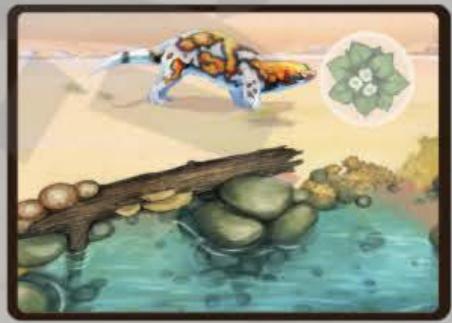
一个物种不能同时拥有两张相同的特性卡牌
(4) 保留卡牌——你可以保留任意数量的手牌,以备下一个回合使用。
你也可以从你的物种上移除任意特性卡牌,并将其面朝上移至弃牌区。当一种特性不再对该物种起到帮助作用,或者你想要用一种特性替换一种已有特性的时候,你会选择这样操作。而且移除特性的次数没有限制。
阶段三:进食
这个阶段你必须喂养你的物种。每个物种的每个种群都必须吃掉1个食物,否则它们会在你的回合结束时饿死。每个食物在游戏结束时价值1分,因此尽可能的喂饱它们!
如果一个物种的种群卡牌上都有食物,则该物种吃饱了。当一个物种吃饱时,即便仍然有食物也不能再进食。反之,当一个物种未吃饱时,只要场上有食物则必须进食。
游戏中有两种途径可以获得食物:从水塘中进食或者捕食其它物种。
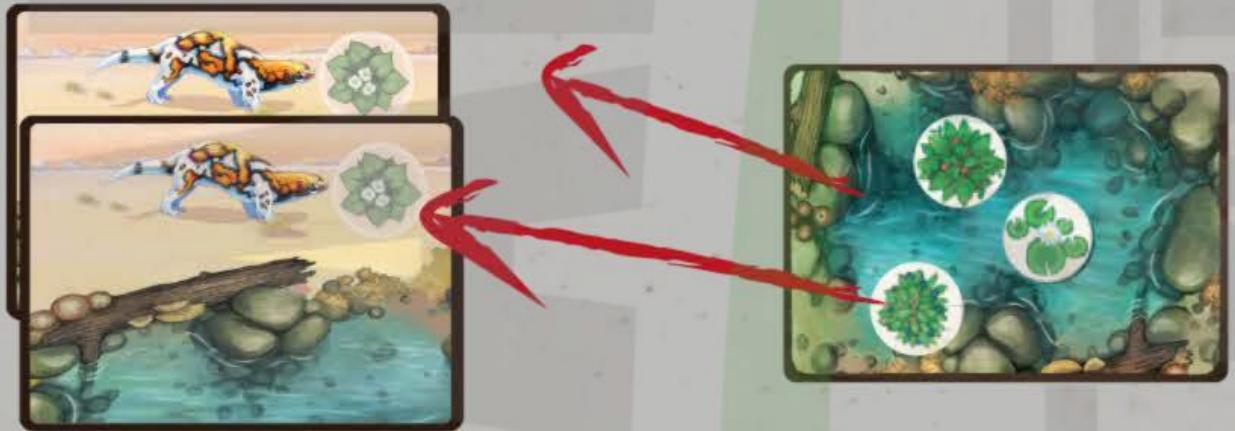
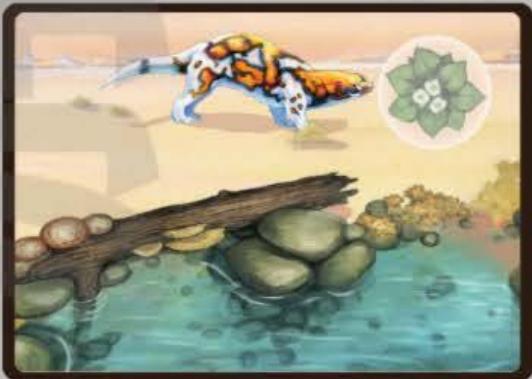
从水塘中进食——没有食肉特性的物种即为食草物种,根据你现在的食草物种的种群数量,从水塘中食用尽可能多的食物。将食物放在种群卡牌上,如下图所示:
捕食其它物种——一个拥有食肉特性的物种即是食肉物种,它不能从水塘中获得食物。食肉物种必须攻击并捕食其它物种,以获得等量于其种群数量的食物。当一个食肉物种捕食时,按顺序执行以下3个步骤:
(1) 选择一个物种作为攻击目标(包括你自己的物种)。食肉物种可以攻击任意种群数量的物种,只要该食肉物种拥有的特性可以完全压制被攻击物种的所有防御特性。例如,一个食肉物种必须拥有穴居特性,才可以攻击另一个拥有穴居特性的物种。同样地,一个食肉物种必须同时拥有夜行和穴居特性,才可以攻击拥有夜行和穴居这两种特性的物种。
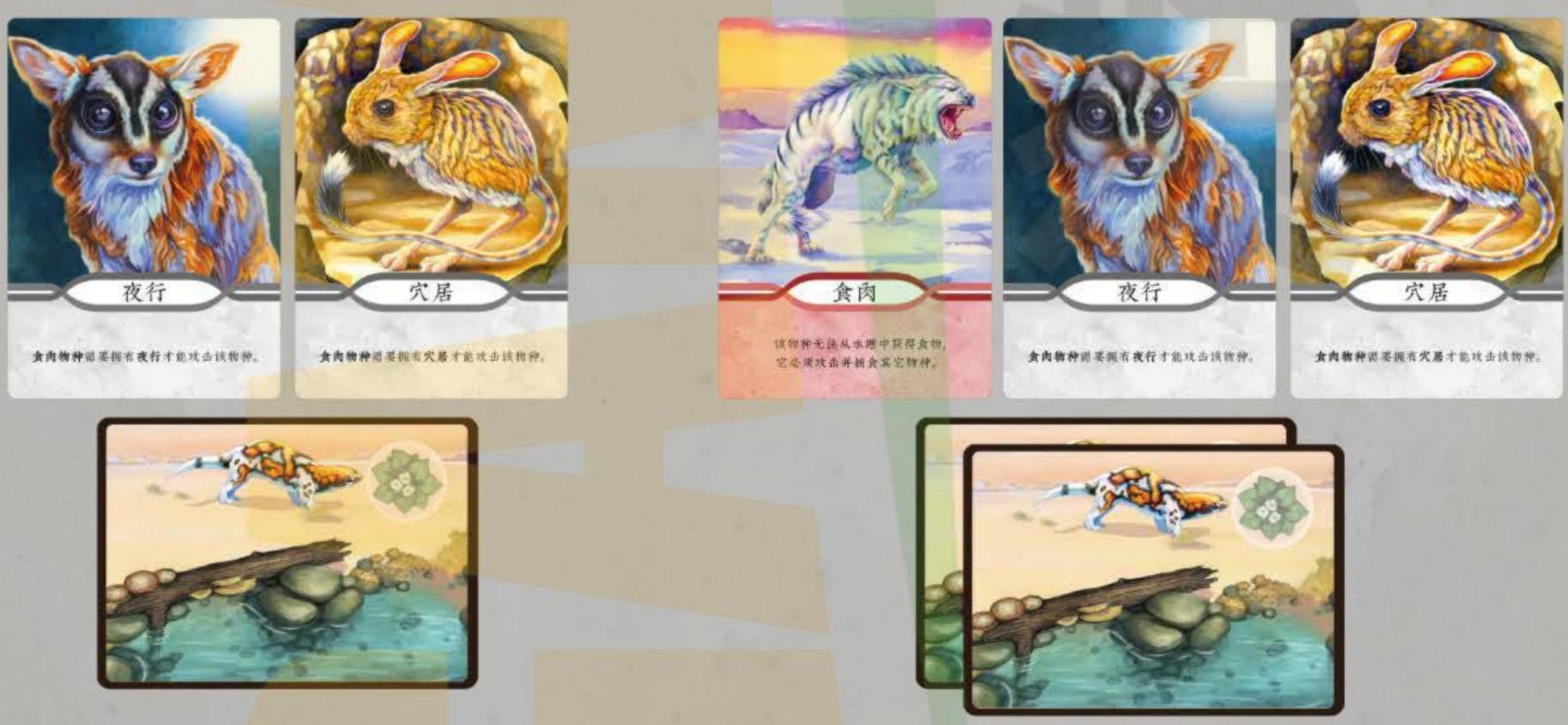
想要攻击此物种的食肉物种必须拥有夜行和穴居特性。
这是一个种群数量为2点,
有夜行和穴居特性的食肉物种。
(2) 被攻击物种的种群数量减少1点。如果被攻击的物种拥有多张种群卡牌,食肉物种可以选择吃掉哪一张种群卡牌,并将其面朝上移至弃牌区。如果被移除的种群卡牌上有食物(详见第7页,食腐特性),则将食物放进被攻击玩家的食物屏风后。如果物种的种群数量减少到0点,则该物种灭绝。详见下方物种灭绝章节。
(3) 喂养食肉物种。从食物供应堆中拿取2个食物放在食肉物种的种群卡牌上。注意:如果食肉物种可以进食的种群数量为1点,则只会吃掉一个食物,另外一个食物放回食物供应堆。
如果食肉物种仍未吃饱,则重复以上捕食步骤。食肉物种必须继续攻击直到它吃饱了或者场上已经没有合理的攻击目标。这表示,玩家很可能为了喂饱自己的食肉物种而被迫攻击自己的其它物种!
饿死——每个没有得到食物的物种种群都会饿死!将那些没有食物在上面的种群卡牌面朝上移至弃牌区。当一个物种失去最后一张种群卡牌时则该物种灭绝。
物种灭绝——一个物种失去所有的种群卡牌,则该物种灭绝。该物种的所有者将这个物种上方的特性卡牌移至弃牌区,然后抽取等量的卡牌加入手牌,这些卡牌可以在下个回合中使用。记住,你失去的种群卡牌是不能够抽取新卡牌的。
阶段四:得分
将所有你吃到的食物放进你的食物屏风后,以便在游戏结束时进行计分。水塘中剩下的食物则保留在原处,可供下一位玩家使用。然后当前玩家左手边的玩家从阶段一开始自己的回合。
游戏终局计分
当抽牌堆用完时,将弃牌区卡牌重新洗混形成新的抽牌堆。然后游戏继续进行,直到起始玩家右手边的玩家完成自己的一个完整回合时游戏结束。这样做是为了让所有玩家都进行了相同的回合数。
现在到了计算最终得分的时刻了!以下每个项目都可以让玩家获得1分:
(1) 食物屏风后及种群卡牌上的每个食物计1分。
(2) 你存活的物种每张卡牌计1分(种群卡牌及特性卡牌)。
(3) 你的每张手牌计1分。
得分最高的玩家获得游戏胜利,如果出现平局,订个披萨,再来一局!
游戏制作团队
游戏翻译:刺流君
游戏编辑:赵文学
美工编辑:姚蓓蕾
文学校对:咖喱
游戏设计:Dominic Crapuchettes
开发团队:Ben Goldman, Jonathan
项目经理:Dominic Crapuchettes
封面美术:Catherine Hamilton, Ben Goldman
图形设计:Ben Goldman
卡牌美术:Catherine Hamilton
卡牌设计:Ben Goldman
包装设计:Matt Mariani, Satish Pillalamarri, Ben Goldman规则设计:Dominic Crapuchettes, Matt Mariani, Satish Pillalamarri, Edoardo Kulp, Jonathan D'Angelo, Scott Rencher, Ben Goldman, Ken Goldman
产品经理:Edoardo Kulp
游戏测试:Satish Pillalamarri, Matt Mariani, Kristen Rahman, Scott Rencher, Jeffrey Bennett, Vivek Kotecha, Bayard Catron, Bruce and Francine Crapuchettes (Mom & Dad), Daniel Crapuchettes
食肉物种需要拥有穴居才能攻击该物种。
防御特性
灰色卡牌可以让你的物种抵御食肉物种的攻击。

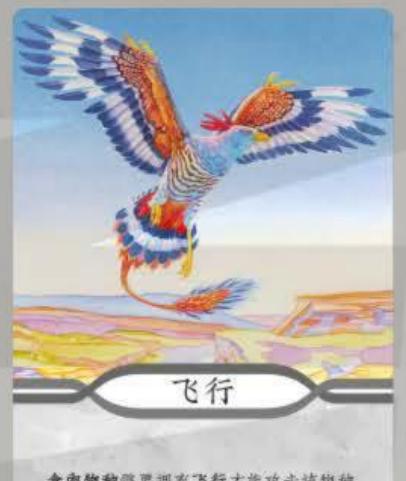
贪肉物种需要拥有飞行才能攻击该物种。
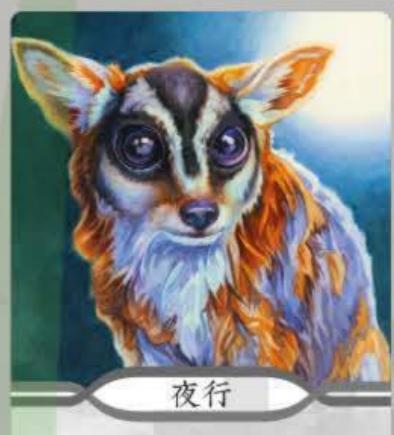
贪肉物种需要拥有夜行才能攻击该物种。
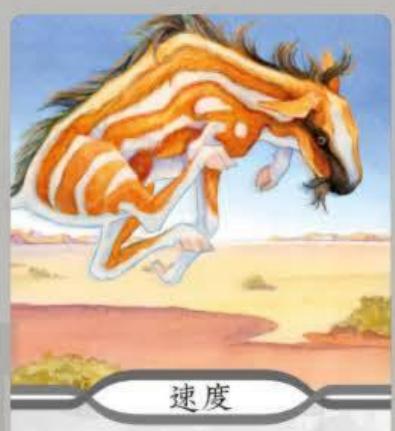
穴居、飞行、夜行、速度防御食肉物种的工作原理都相同。如果食肉物种不具备与你相同的防御特性,就无法攻击你的物种。因此,如果你的物种拥有穴居和飞行特性,食肉物种想要攻击该物种也必须同时拥有穴居和飞行特性。
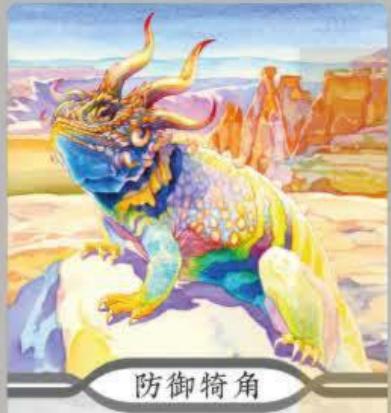
食肉物种攻击该物种时,需要先将种群数量减少1点,之后再获得食物。
防御犄角无法保护一个物种使其不受食肉物种的攻击,但是它提供了另外一种威慑力量。每当一个食肉物种攻击拥有防御犄角特性的物种时,发起攻击的食肉物种种群数量就必须减少1点。由防御方选择该物种失去哪一张种群卡牌,完成以上行动之后才能获得食物,这就表示一个食肉物种可能因为发起一次攻击而导致自己物种灭绝,并且本次攻击它还没有获得任何食物。
食肉特性
红色卡牌可以让你的物种变成食肉物种!
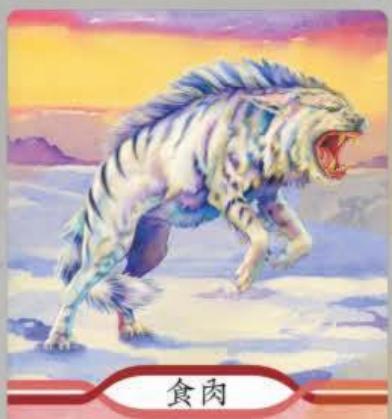
该物种无法从水塘中获得食物,它必须攻击并捕食其它物种。
食肉物种无法从水塘中获得食物。它们必须攻击其它物种来进食。喂食一个食肉物种,按顺序执行以下3个步骤:
(1) 选择一个物种作为攻击目标。食肉物种的特性必须可以压制目标物种的防御特性才可以发起攻击。
(2) 由攻击方选择弃除被攻击物种的一张种群卡牌。
(3) 喂食食肉物种。发起攻击的食肉物种从食物供应堆拿取2个食物。具备食腐特性的物种同时也可以从食物供应堆拿取1个食物。
食肉物种必须继续攻击直到它吃饱了或者场上已经没有合理的攻击目标。
进食特性
绿色卡牌可以帮助你的物种获得食物。
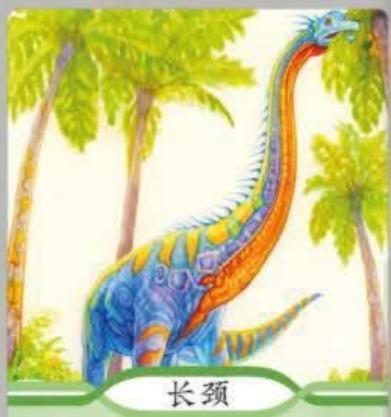
该物种在喂食之前,
从食物供应堆获得3个食物。
具备长颈特性的物种先从食物供应堆吃到3个食物之后再开始吃其它食物(食肉物种亦可发动长颈特性)。
注意:如果不用3个食物就吃饱了,则能吃几个食物吃几个。同一物种上的长颈一回合只能发动一次。
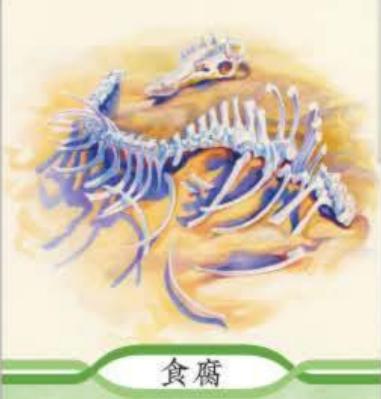
当食肉物种攻击时,
该物种从食物供应堆获得1个食物。
具备食腐特性的物种在每次食肉物种攻击时,都可以从食物供应堆拿取1个食物。即便食腐物种本身是攻击者或是被攻击者,也可以获得食物。
在其他玩家的回合通过食腐特性所获得的食物会保留在该食腐物种的种群卡牌上,直到下一次你的回合结束时才放进食物屏风后。
种群特性
黄色卡牌可以帮助你的物种增加种群数量。
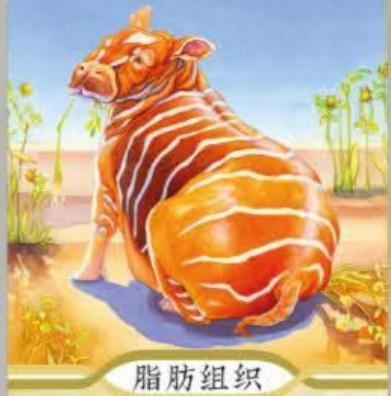
该物种的每张种群卡牌可以吃2个食物。
具备脂肪组织特性的物种,可以为每个种群进食第二个食物。你的回合结束时,物种的种群只有在没吃到任何食物时才会饿死。
如果一个食肉物种拥有脂肪组织特性,每个种群都进食了一个食物,它就不再强迫攻击其他物种,但它仍然可以继续攻击直到每个种群都吃到2个食物为止。
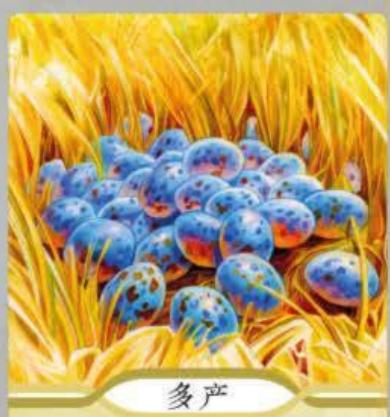
该物种在抽牌之前种群数量增加1点。
在回合开始抽取3张卡牌之前,具备多产特性的物种种群数量增加1点。从抽牌堆中抽取一张卡牌,面朝下放置在该物种上作为它的一个新种群。

Rules v14 small.md16.0 KB
evolution The Beginning
RULE BOOK
The Beginning
Welcome to Evolution: The Beginning! This is your first step into a vibrant ecosystem of evolution-themed games. Evolution: The Beginning is an easy-to-learn strategy game for the entire family and becomes especially strategic with 2 players.
Once you've mastered Evolution: The Beginning, you may find yourself interested in other games in the Evolution product line. Our flagship product, Evolution, was featured in the world's leading scientific journal, Nature:
"Evolution features sophisticated biology [and] captures key aspects of the evolutionary process..."
- Stuart West, Professor of Evolutionary Biology, University of Oxford
A great way to explore the next step in the Evolution Game System is by getting the Evolution digital game. Learn the rules, hone your strategy, and discover new ways to play, with our lovable in-game host as your guide.
Use your unique code shown on the above sticker to receive exclusive digital goods at northstargames.com/digital.

Set-Up
•Place the Watering Hole in the center of the table.
•Put the Food Tokens on the table. This is the Excess Food pile.
●Shuffle the cards and place the Deck on the table.
•Each player takes a Food Bag.
1st Player Food Bag
4th Player Food Bag

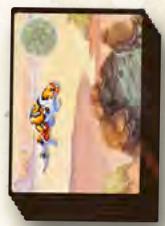

The Deck
Watering Hole
Excess Food pile
3rd Player Food Bag
Components
Discard here
1 Rulebook
1 Watering Hole
160 Food Tokens
88 Cards
5 Food Bags

2nd Player Food Bag
Overview
In Evolution: The Beginning, your specieswill need to adapt in an everchanging ecosystem where food is scarce and predators roam.
The goal is to help them multiply, thrive, and eat as much food as possible. You'll get points for the food your species eats during the game. So go forth and satisfy your hunger!

Playing the Game
The player who woke up first today is the 1st Player. After the 1st Player's turn, play proceeds clockwise. Each player's turn consists of the following four steps, described in more detail later:
Step 1 - GATHER: Place Food on the Watering Hole and get your cards.
Step 2 - ADAPT:
Play your cards.
Step 3 - EAT:
Step 4 - SCORE:
Feed your species.
Score points for Food eaten.
STEP1-GATHER
1) Take 2 Food from the Excess Food pile and place them on the Watering Hole.
2) Take a card from the Deck and place it face-down in front of you. This is a new species with 1 Population. You always get a new species at the beginning of your turn.
3) Draw 3 cards from the Deck into your hand.
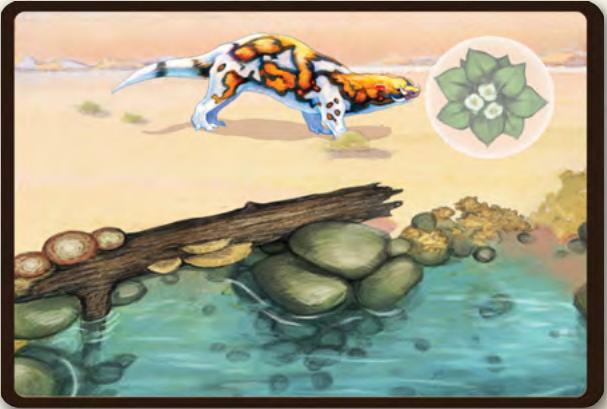
STEP 2-ADAPT
There are three things you can do with your cards in your hand. You can do them in any order:
1) Create Another Species – Place a card face-down on the table to create another species with 1 Population. Create as many new species as you want.
2) Add Population – Place a card face-down on any species to add 1 Population to that species. There is no limit to the amount of Population a species can have, but remember you will have to feed them!
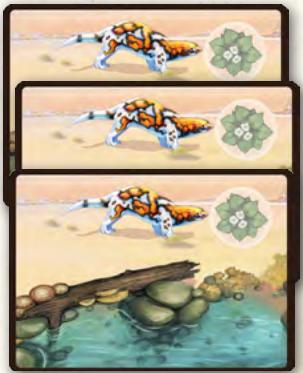
A Species with 3 Population
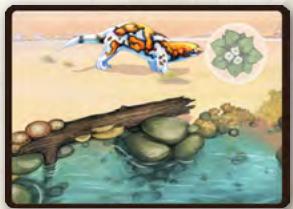
A Species with 1 Population
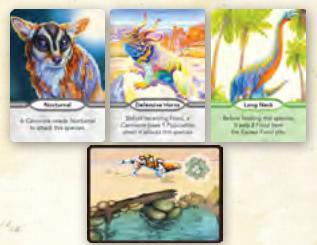
3) Add Traits – Place a card face-up above a species as a Trait. These Traits modify your species (and sometimes the rules). A species may not have more than 3 Traits and may not have any duplicate Traits. See pages 10 & 11 for descriptions of all the Traits in the game.
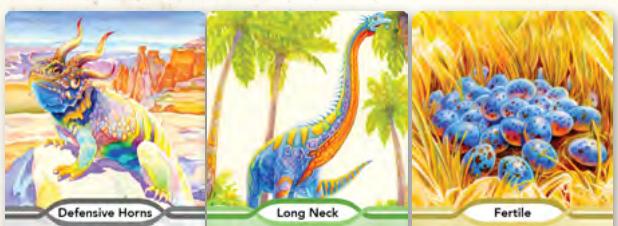
Before receiving Food, a Carnivore loses 1 Population when it attacks this species.
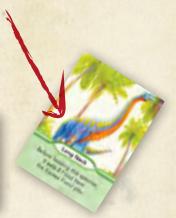
Before feeding this species, it eats 3 Food from the Excess Food pile.
Gain 1 Population before you draw cards.
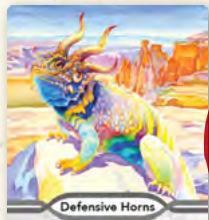
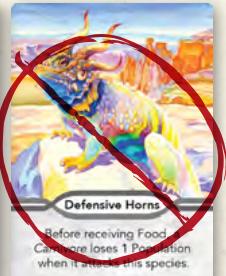
Before receiving Food, a Camivore loses 1 Population when it attacks this species.
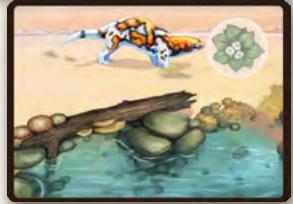
A Species with 3 Traits and 1 Population

A Species cannot have 2 of the same Trait
4) Discard a Trait – Remove a Trait from any species and place it face-up in the Discard pile. You will do this when a Trait is no longer helping a species or when you want to replace it with a different Trait.
5) Save Cards – Instead of playing all your cards, you can save as many as you want in your hand for your next turn.
STEP 3-EAT
This is when you feed your species. Each Population must eat 1 Food or it will starve at the end of your turn. Every Food is worth 1 point at the end of the game, so eat up!
A species is full if each of its Population cards has Food on it. A species cannot eat more Food if it is full, even if Food is still available. A species that is not fully fed must eat if Food is still available. There are two ways to get Food: eating from the Watering Hole or eating other species.
Eating From the Watering Hole — You must eat as much Food from the Watering Hole as your Population allows. Place the Food on the Food spaces, starting with the top Population card for each species.
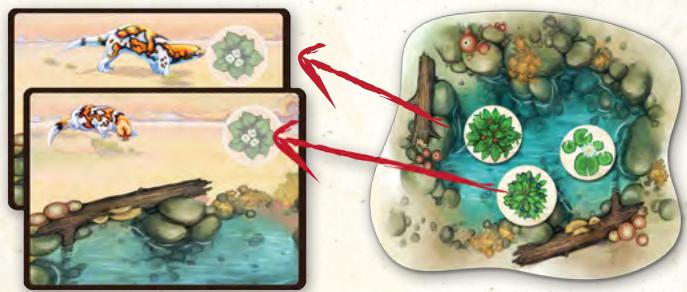
Eating Other Species — A species with the Carnivore Trait is a Carnivore and may never feed from the Watering Hole. Each Carnivore must try to get as much Food as its population allows by attacking and eating other species. When feeding a Carnivore, do the following 3 steps in order:
1) Choose a Species (including your own) to Attack. A Carnivore can attack any species if it has the Traits needed to overcome all of the defensive Traits of that species. For example a Carnivore would need the Burrowing Trait to attack a species that has the Burrowing Trait. Likewise a Carnivore would need both the Nocturnal Trait and the Burrowing Trait to attack a species that is both Nocturnal and Burrowing.

A Carnivore needs Nocturnal to attack this species.
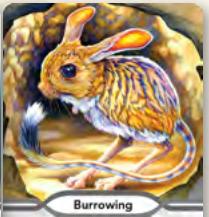
A Carnivore needs Burrowing k this species.
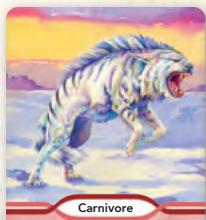
This species cannot eat from the Watering Hole. It must attack and eat other species.

A Carnivore needs Nocturnal to attack this species.
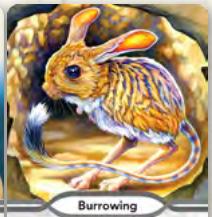
A Camivore needs Burrowing to attack this species.
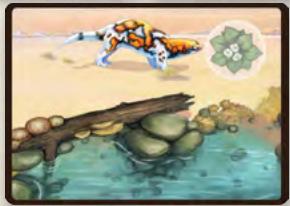
A Carnivore needs both Nocturnal and Burrowing to attack this species.
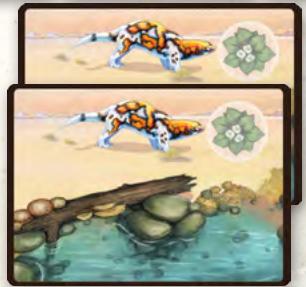
This is a Carnivore with Nocturnal, Burrowing, and 2 Population.
2) Reduce the Population of the Attacked Species by 1. Remove the bottom Population card of the attacked species and place it face-up in the Discard pile. If there is Food on that card (see Scavenger Trait, p.11), place it in the Food Bag of the attacked player. If the Population is reduced to 0, then the species goes extinct. See EXTINCTION.
3) Feed the Carnivore. Take 2 Food from the Excess Food pile and place one on each of the Carnivore's top 2 Population cards. A Carnivore cannot eat more Food than it has Population, so sometimes a Carnivore will only receive 1 Food for an attack.
Repeat these steps if the Carnivore has not been fully fed. A Carnivore must continue to attack until all its Population is fed or until there are no legal targets. This means a player might have to attack one of their own species to fill up their Carnivore!
STARVATION - Every Population without a Food starves! Take those Population cards and put them face-up in the Discard pile. A species that loses its last Population card goes extinct.
EXTINCTION - A species goes extinct when it has no more Population cards. Discard the Trait cards on that species and draw new cards equal to the number of Traits discarded. The new cards go into your hand to be played on your next turn. You never draw cards to replace lost Population.
STEP 4—SCORE
Now place all of your eaten Food in your Food Bag to be scored at the end of the game. This is the only time you place Food in your Food Bag. Any food left on the Watering Hole remains there for the next player's turn. The player to the left now begins their turn starting with STEP 1.
END OF GAME
When the Deck runs out, shuffle the Discard pile to create a new Deck. Then play until the player to the right of the 1st Player finishes their next turn. At this point, every player has had the same number of turns, and that's the end of the game.
It's time to count your score! Players get 1 point for each of the following:
1) Each Food in their Food Bag and on their Population cards.
2) Each of their cards on the table (Population and Traits).
3) Each card in their hand.
The player with the highest score is the winner. If there's a tie, order pizza and play again!


Game Credits
Lead Game Designer:
Development Team:
Project Manager:
Box Cover Artist:
Graphic Designer:
Card Artist:
Card Designer:
Packaging:
Rules:
Production Manager: Playtesters:
Dominic Crapuchettes
Ben Goldman, Jonathan D'Angelo, Nick Bentley
Dominic Crapuchettes
Catherine Hamilton, Ben Goldman
Ben Goldman
Catherine Hamilton
Ben Goldman
Matt Mariani, Satish Pillalamarri, Ben Goldman
Dominic Crapuchettes, Matt Mariani, Satish Pillalamarri, Edoardo Kulp,
Jonathan D'Angelo, Scott Rencher, Ben Goldman, Ken Goldman
Edoardo Kulp
Satish Pillalamarri, Matt Mariani, Kristen Rahman, Scott Rencher,
Jeffrey Bennett, Vivek Kotecha, Bayard Catron,
Bruce and Francine Crapuchettes (Mom & Dad), Daniel Crapuchettes
DEFENSIVE TRAITS
Grey cards protect your species from Carnivores.
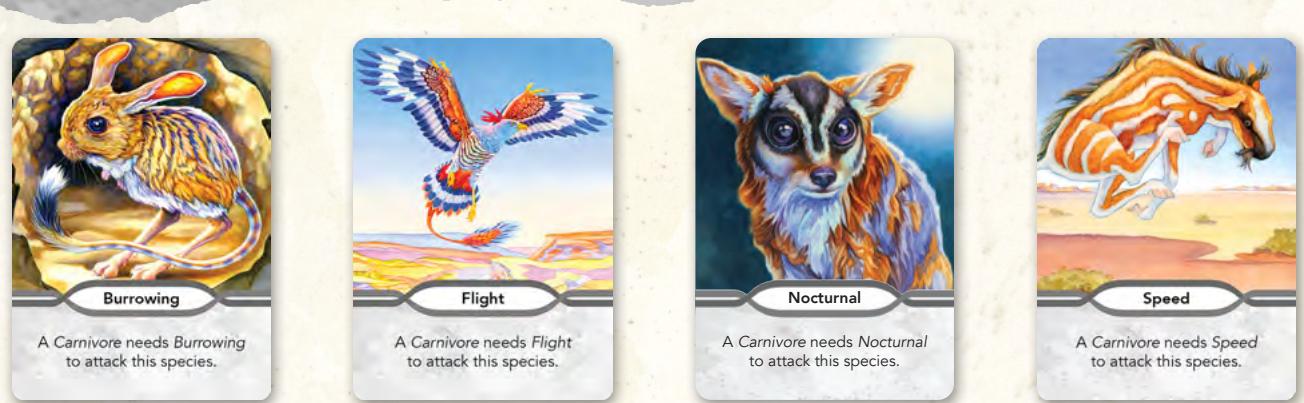
Burrowing, Flight, Nocturnal, and Speed all work the same way. Your species is protected from any Carnivore that does not have the same combination of these defensive Traits. So if your species has Burrowing and Flight, a Carnivore would need both Burrowing and Flight to attack it.

Before receiving Food, a Carnivore loses 1 Population when it attacks this species.
Defensive Horns doesn't prevent a Carnivore from attacking a species, but it does provide a deterrent. Any time a Carnivore attacks a species with Defensive Horns, the Carnivore loses 1 Population at the same time as the attacked species. This happens before the Carnivore gets Food from the attack, which means the Carnivore might go extinct from the attack without getting Food.
THE CARNIVORE TRAIT
The red card turns your species into a Carnivore!

This species cannot eat from the Watering Hole. It must attack and eat other species.
Carnivores can never eat from the Watering Hole. They only eat by attacking other species. Feed each Carnivore by doing the following 3 steps in order:
1) Choose a species to attack. An attack can be made if the Carnivore has the Traits necessary to overcome the targeted species' defensive Traits.
2) Reduce the Population of the attacked species by 1. The attacked species discards a Population card.
3) Feed the Carnivore. The Carnivore gets 2 Food from the Excess Food pile. Every Scavenger also gets 1 Food from the Excess Food pile.
A Carnivore must continue to attack until all its Population is fed or until there are no legal targets.
EATING TRAITS
Green cards help feed your species.

Before feeding this species, it eats 3 Food from the Excess Food pile.
A species with Long Neck must eat 3 Food from the Excess Food pile before it eats any other Food.
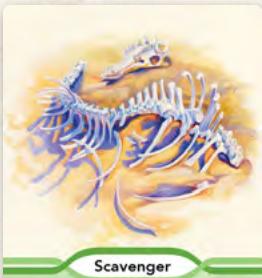
Eat 1 Food from the Excess Food pile whenever a Carnivore attacks.
A Scavenger eats 1 Food from the Excess Food pile every time a Carnivore attacks, even if the Scavenger is getting attacked or doing the attacking.
Food scavenged when it is not your turn will stay on your Population cards until the end of your next turn.
POPULATION TRAITS
Yellow cards help the Population of your species.

This species may eat 2 Food per Population
A species with Fat Tissue may eat a second Food for each Population. Each Population starves at the end of your turn only if it has not eaten at all.
If the species with Fat Tissue is a Carnivore, it can continue to attack until each Population has eaten 2 Food. However, it is no longer forced to attack once each Population has eaten 1 Food.

Gain 1 Population before you draw cards.
A species with Fertile gains a Population before you draw 3 cards at the beginning of your turn. Take a card from the Deck and place it facedown as another Population on this species.
1. Gather:
Add 2 Food

Get l new species

Draw 3 cards
- Adapt: These are the things you may do.
Create new species
Add Population

You may save cards for your next turn.
3. Eat:
Non-carnivores eat from the Watering Hole.

Carnivores eat from the Excess Food pile.
1) Choose a species to attack.
2) Reduce the Population of that species by 1.
3) Feed the Carnivore 2 Food.
Extinction: Draw new cards equal to the number of Traits discarded.
4. Score:
Put the Food from your Population cards into your bag.


Texts are community-compiled or publicly released by publishers; copyright remains with the original authors. For personal reference only.