
Felicity
At a glance
Rules, cards and Q&A (Chinese)
The rules, card data and player questions for this game are written in Chinese. Open the Chinese page to read them.
Where to find full rules
Full rules and card lookup are available in the cunlema app at cunlema.cn — pick this game and ask about any rule, card or turn you are unsure about.
Related games
Rulebook text (Markdown)
This game has 2 rulebook Markdown file(s) in our library; 2 rendered inline below — expand to read or download.
rules_zh_袋中菲力猫_5207.md11.6 KB

Friedemann Friese 袁中 菲力描
游戏目的
玩家们试着用手中的老鼠来诱捕在袋中的猫咪,但是袋中有好猫也有坏猫。玩家们也可以不把猫咪放进袋中,而是偷偷地将兔子或是狗放进去来唬弄其他玩家。在游戏结束时,所有的好猫以及手中剩下的老鼠都是正分,但坏猫是负分。
- 50张牌(分为5组,每组包含:猫咪:-8、-5、3、5、8、11、15,兔子:0,狗:大型犬、小型犬)
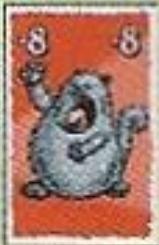
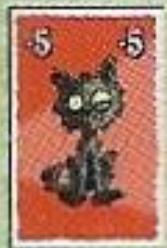
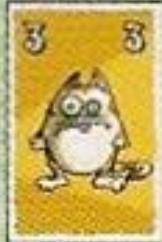

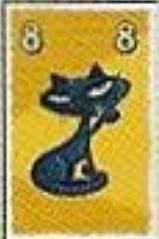
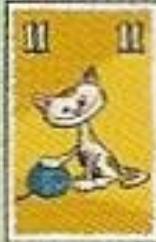
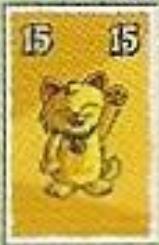

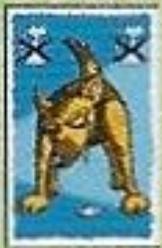
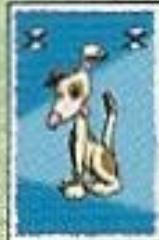
·1张「袋中貓」牌
·4张老鼠牌(2、3、4、6只老鼠)
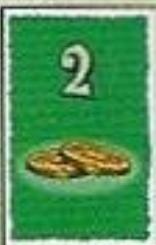
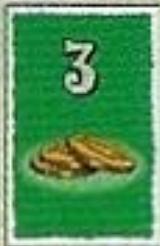
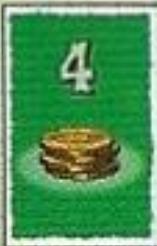

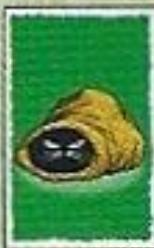
- 1个起始玩家标示物 · 76枚老鼠钱币 (68枚黑色的价值为1元, 8枚绿色的价值为5元)
游戏准备
以下的游戏准备过程以及游戏规则适用于4-5人游戏,针对3人游戏的规则将在本说明书最后的篇幅中说明。
每位玩家选一组牌(一组10张)作为自己的手牌,接着,让左手边的玩家从自己手牌中随机抽出一张放回游戏盒中,请不要让任何人看到被抽出来的牌。
每一位玩家拿取15元老鼠钱币(1个5元和10个1元)。
剩下的老鼠钱币(鼠币)在游戏中代表银行:5人游戏时使用33元鼠币;4人游戏时使用27元鼠币。将多余的鼠币放回游戏盒中。
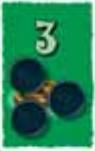
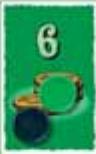
将老鼠牌置于桌面中央,所有玩家便于阅读及拿取处,牌成一横列,数字由左而右渐增。4人游戏时不使用「3只老鼠」的老鼠牌,将它放回游戏盒中。将「袋中猫」牌放置在「2只老鼠」的老鼠牌的左边。
从银行里将等量的鼠币放在老鼠牌上(例如:在「6只老鼠」的老鼠牌上放6元鼠币)。
最后将未使用的牌组(4人游戏时)放回游戏盒中。
游戏进行
每一场游戏由9个回合所组成。在每一个回合中将会有一组牌面向下的牌(袋中猫)提供给玩家们竞标。
由起始玩家开始,依照顺时针方向每位玩家轮流进行游戏,每位玩家从他的手牌中选择一张牌,将其面向下放置在桌面中央。起始玩家将他的牌放在「袋中猫」牌的正下方,也就是最左边的位置,下一位玩家将他的牌放置在「2只老鼠」的老鼠牌的下方也就是起始玩家所出的牌的右边,其他玩家继续依照这种方式放置牌,最后排成一列。这一列牌就是在这回合要被售出的「袋中猫」。
4人游戏时的图示:

起始玩家 第二位玩家 第三位玩家 第四位玩家
在所有的玩家都放置好一张牌之后,起始玩家将他的牌翻到正面(第二列中的第一张牌),接着,起始玩家开始竞标,他可以以任意金额的鼠币出价(但是不可为0),并将这些鼠币放在自己面前,或者,他可以选择放弃出价。之后,下一位玩家若要出价,金额必须更高,或是选择放弃出价。如果出价竞标的机会又轮到了曾经出价的玩家,他可以再次出价,但是金额必须高于前一位出价的玩家,并将相应的鼠币置于自己面前,或是选择放弃出价。
只要玩家选择放弃出价,他将自己面前出价用的鼠币取回,并从尚有鼠币且数字最小的老鼠牌上拿走所有的鼠币。选择放弃出价的玩家在本回合中不可以再次参与竞标。
范例:起始玩家选择放弃出价,他收回他所出的鼠币,并从第一张老鼠牌上拿走2元鼠币。
当玩家选择放弃出价时,这位玩家必须将第二列中的下一张牌翻到正面,其他玩家就会获得更多资讯来帮助他们决定是不是要赢得这一回合的竞标。
当第二列所有的牌都被翻到正面时,应该只剩一位玩家未选择放弃出价。这位玩家标得「袋中貓」,他支付标金给银行,并获得「袋中猫」:将所有的牌(正分和负分)以正面向下的方式放在自己的面前。得标玩家请将他竞标所赢得的牌和自己的手牌分开以免混淆。得标玩家也得到起始玩家标示物。
如果「袋中猫」里有恰好一只狗(大型犬或是小型犬),它会在玩家得到袋中猫之前吓跑一只猫。如果它是一只大型犬,将正分中分数最高的猫和大型犬一起放回游戏盒中;如果它是一只小型犬,将负分中分数最低的猫和小型犬一起放回游戏盒中。(译注:如果袋中猫里同时有-8和-5的猫,那么负分中分数最低的猫指的是-8的猫。)如果袋中猫里有恰好一只小型犬和2只-8的猫时,将其中一张-8的猫和小型犬放回游戏盒中。
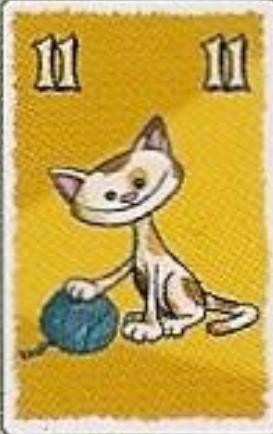
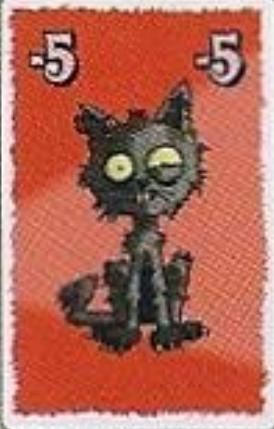

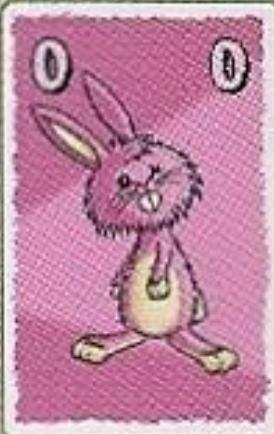
范例:小型犬把-5的猫赶走,玩家可以得到11分。如果将这只狗换成大型犬,玩家将得到-5分,因为大型犬把11的猫赶走了。
注意:如果袋中猫里有不止1只狗,这些狗将攻击彼此而不会对猫咪造成任何影响,得标者将这些狗放回游戏盒中。即使是大型犬和小型犬在一起也是如此。
最后,从银行将适量的鼠币重新补充到老鼠牌上。第二个回合依然按照上述规则来进行,开使时玩家从手牌中选择一张牌,然后竞标……。
之后的回合都使用一样的流程。
游戏结束和计分
游戏将在9次竞标之后结束,因为玩家们手上已经没有剩下任何一张牌可以继续竞标。最后一次竞标的得主依然必须支付标金给银行,并且就如同前面几个回合一样,把标得的袋中猫收回自己面前。
现在玩家们将标得的猫咪分数相加(黄色数字是正分,红色数字是负分)。接着,玩家们加上手中所剩下的鼠币(1元鼠币=1分)。兔子价值0分,而狗已经被放回游戏盒中,不用计算。
拥有最高分的玩家就是胜利者!
如果出现平手的情况,平手的玩家中猫咪分数较高者获胜。
3人游戏规则
在3人游戏中只会使用到「3只老鼠」和「6只老鼠」的老鼠牌,将「袋中猫」牌放置在「3只老鼠」的老鼠牌左边,银行中放置21元的鼠币,将剩下的鼠币放回游戏盒中。
将第4组牌洗匀后以牌面向下的方式随机抽出一张牌放回游戏盒中,当然,玩家们不可以看这张牌,将第4组牌放在「袋中猫」牌的下方,视作虚拟玩家。
竞标开始时,在起始玩家出价之前,先将第4组牌的最上面1张牌翻至正面。
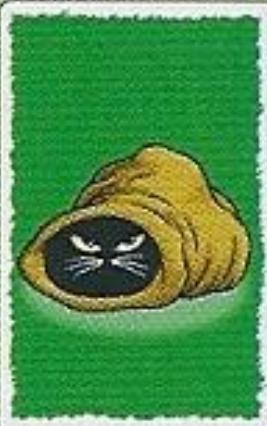
虚拟玩家
起始玩家
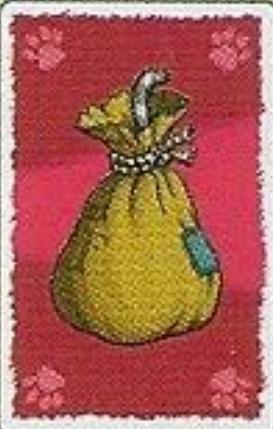
第二位玩家
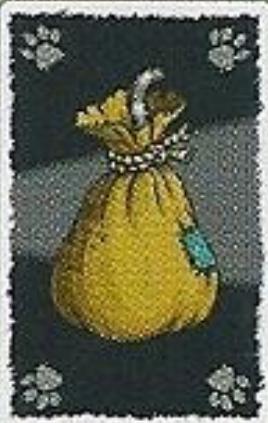
第三位玩家
只要一有玩家选择放弃出价,这位玩家就将起始玩家所出的牌翻至正面,如此一来剩下的两位玩家可以看到2张牌面向上及2张牌面向下。当竞标中只剩下一位玩家时,将最后的2张牌翻至正面。
特殊例子
- 如果在竞标刚开始时,前面几位玩家都选择放弃出价,只剩下最后一位玩家尚未决定要出价还是放弃出价,这个时候把最后一张牌翻至正面(在3人游戏中则是最后2张牌),如此这位玩家可以看到所有的袋中猫,如果他愿意,他可以用1元鼠币标下这回合的袋中猫。
- 如果最后一位玩家也选择放弃出价,将桌面上所有的袋中猫放回游戏盒中,由同一位起始玩家开始下一个新的回合,但是要注意,请勿补充老鼠牌上的鼠币。
- 如果袋中猫里出现一只大型犬,但是没有正分的猫,这时候大型犬就会把一只兔子(价值0)赶走,如果也没有兔子,就会将负分中分数最高的猫赶走(如果袋中猫里同时有-8和-5的猫,那么负分中分数最高的猫指的是-5的猫)。如果袋中猫里出现一只小型犬,但是没有负分的猫,这时候小型犬就会把一只兔子(价值0)赶走,如果也没有兔子,就会将正分中分数最低的猫赶走。
- 玩家可以随时向银行换找零钱。
· 如果在回合结束时,银行没有足够的鼠币可以补充到每一张老鼠牌上,则让所有的老鼠牌都空着。在下个回合中只有得标者可以获得袋中猫,其他选择放弃出价的玩家将不会从老鼠牌那得到任何东西。
作者:Friedemann Friese 绘图:Maura Kalusky 规则撰写:Henning Kröpke & Friedemann Friese
中文翻译:颜士杰 中文排版:Idgie Lo
版权所有:©2007, 2F-Spiele, Friedemann Friese
中文繁体简体版权所有:© 2010新天鹅堡企业有限公司 Swan Panasia Co., Ltd.
10660台北市新生南路三段56巷7号 电话:+886-2-2369-2527 传真:+886-2-2217-4291
No. 7, Lane 56, Sec. 3, Hsinsheng S. Rd., Taipei City 10660, Taiwan 统一编号 Tax Reg. No. 13120886
www.swanpanasia.com info@swanpanasia.com
中国独家代理:上海方盒子贸易有限公司 FUNBOX365 / SWAN
200042 上海市长宁区长宁路982号6楼C座
电话:+86-21-6236-2616 传真:+86-21-6211-6004 www.funbox365.com info@funbox365.com
www.magazine.swanpanasia.com 华人区第一个桌上游戏中文知识报
- 在游戏过程中,玩家拥有的鼠币数量是秘密,不对外公开。
游戏提示
最后一位选择放弃出价的玩家,将会获得6元鼠币,通常来说这是值得的,如此一来这位玩家就有额外的钱来参与之后的竞标,再说,6元鼠币也是价值6分。如果某位玩家将他所有的钱在一场竞标中花光了,他在下一回合中只能马上选择放弃出价,且只会获得2元鼠币,因此,这并不是个好主意。如果其他的玩家(除了这位玩家外)都出价较高,那么这位玩家可以说是没有赢得竞标的机会。
Game_238_gameRules.md10.2 KB
Friedemann Friese

Goal

With their mice, the players attempt to grab the famous cat in the sack. In the sack, there are both good and bad cats. Each player can also put a dog or rabbit into the sack instead of a cat, allowing players to bluff one another. At game end, all positive cats and mice count plus points, but negative cats count minus points.
• 50 cards (5 sets with cats: -8, -5, 3, 5, 8, 11, 15, rabbit: 0, dogs: large, small)


• 4 mouse cards (2, 3, 4, 6 »mice«)
· 1 card »cat in the sack«


• 1 start player marker · 76 »mice« money (68 x black worth 1, 8 x green worth 5)
Preparation
The following are the game preparation and rules for 4 and 5 players. The modifications for 3 players are at the end of the rules.
Each player takes a set of 10 cards. Each player's left neighbor takes one card from the player and discards it unseen back into the box.
Additionally, each player takes 15 mice“ (1 x 5 and 10 x 1) money.
The remaining mice“ money becomes the bank: use 33 mice money for 5 players and 27 mice money for 4 players. Return the rest of the mice money to the box.
Place the mouse cards in a row in numerical order on the table in easy view and reach of all players. In games with 4 players, return the ,3 mice" card to the box. It is not used. Place the "cat in the sack" card to the left of the 2 mice" card.
Now place mice money from the bank on the mouse cards based on the number of the card (e.g. 6 mice on the 6 mouse card).
Return cards for players not playing (5th player in a 4 player game) to the box.
Playing the game
The game runs for 9 rounds. In each round, a group of face down cards (the cats in the sack) are auctioned to the players.
Beginning with the start player, and then continuing clockwise to all other players, each player selects any one of his cards, which he puts face down in the middle of the table. The start player puts his card completely to the left directly under the card cat in the sack", the next player puts his card on the right of the start player's card under the 2 mouse card, etc., so that a row of cards is created. This row is the cats in the sack, which are now sold.
The following is such a layout for 4 players:
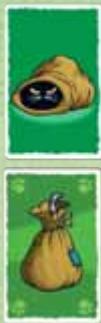
start player
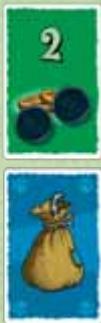
player 2

player3
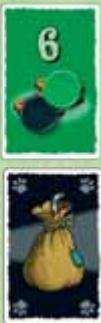
player 4
After all players have placed one card each, the start player turns over his card (the first card in the row). The start player begins the auction by bidding any amount of mice money (not 0) and placing this amount on the table in his play area (the area before him), or he may pass. Afterwards, the next player must bid more mice or pass.
If the bid comes again to a player who has already bid, he must increase his bid by adding more mice or pass.
Whenever a player passes, he takes back all the mice he has bid so far this round and takes the mice on the lowest valued mouse card still in the row. The passing player cannot bid any more in this round
Example: the first player passes, takes his bid back and the 2 mice that are on the first mouse card in the row.
Each time a player passes, the players turn over next card of the row, so that the players have more Information to help them decide whether they want to buy what is in the sack or not.
When all the cards are turned over, there is now just one player who has not passed. He pays his bid to the bank and he gets contents of the sack: all cards (with positive and negative values) and puts them face down in his play area. The player places his won cards separately from those in his hand. He also takes the start player marker.
If there was exactly one dog (large or small) among the face up cards in the row, he will scare one cat away, before the sack will be taken. If the large dog is in the row, the cat with the highest positive value and this dog are returned to the box. If the small dog is in the row, the cat with the highest negative value and this dog are returned to the box.
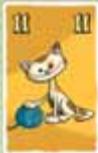

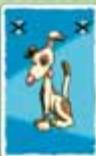

Example: the small dog chases the —5 cat away and the player receives 11 points. With a large dog, the player would receive –5 points, as the dog would chase the 11 cat away.
Note: with more than one dog in the row, the dogs rush about without effect on the cats and are returned to the box. This also occurs if small and large dogs are together in the row.
Finally, the mouse cards are filled again with the appropriate number mice and the second round is begun with the selection of cards and the auction, according to the rules above. All further rounds run the same way.
Game end and scoring
The play ends after the ninth auction, because no one has any cards in their hands left. The last winning bid must still be paid to the bank and the winning player takes the cards from the row as in the other rounds.
Now all players add the points on the cats they won at auction (the yellow numbers are positive and the red numbers are negative). To this, they add the mice money they have left
(each mouse is one point). The Rabbits are worth nothing and the dogs are out of the game.
The player with the most points is the winner!
At a tie the player with more points in cats is winner.
Rules for 3 players
Use only the 3 and 6 mouse cards. Place thecat in the sack" card to the left of the 3 mouse card. Put mice worth 21 in the bank; the rest are returned to the box.
Take a fourth card set and shuffle it face down. Remove one card randomly and place into the box without looking at it. Place the remainder of the fourth card set face down under the cat in the sack" card.

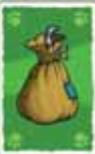
dummy player
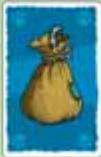
start player
player
player
At the beginning of the auction, before the start player begin bidding, turn over the topmost card of the fourth set.
After a player passes, the card of the start player is turned over, so that the two remaining players will see two face up and two face down cards. When there is just one player left, turn over the last two face down cards in the row.
Special Cases
• If at the beginning of the auction all players but the last pass, turn over the last card (with 3 players, the two last cards), so that the last player can see the entire row and buy the cats for 1 mouse, if he chooses.
• If the last player also passes, remove all cards from the row and begin a new round with the same start player, but no mice on the cards.
If a large dog chases a cat from the row and there are no positive cats in the row, he chases the lowest-valued negative cat from the row. If a small dog chases a cat from the row and there are no negative cats in the row, he chases the lowest-valued positive cat from the row.
• Players may make change with their mice money with the bank at any time.
• If, at the end of a round, there is not enough money in the bank to distribute money on all the mouse cards, no mice are placed on the cards at all. In this round, only the player winning the auction gets something: the cats on the row. All player who pass,
get nothing from the mouse cards.
• Players keep their mice money secret during the game.
A tactical note
If a player passes as the last player, he receives 6 mice. This can often be worthwhile as it allows a player to have cash he may want for a later auction. Additionally, these 6 mice are also 6 points. If a player spends all his money on an auction, he will have to pass immediately on the next and will receive only 2 mice when he does. Thus, this is likely not a good idea. If all players (except one) bid high amounts, that player could win without ever winning an auction.
Author: Friedemann Friese
Graphics & Layout: Maura Kalusky
Rules: Henning Kröpke & Friedemann Friese
English translation: Jay Tummelson
© 2007, 2F-Spiele, Friedemann Friese
RIO GRANDE GAMES
Rio Grande Games
PO Box 45715
Rio Rancho, NM 87174, USA
www.riograndegames.com
RioGames@aol.com
Download MarkdownTexts are community-compiled or publicly released by publishers; copyright remains with the original authors. For personal reference only.