
Keyper
At a glance
Rules overview
English version of our rules overview, translated from the Chinese original (cunlema). The Chinese page is the source of record.
Game Overview
In the land of the Kingdom of Keyper, players hire skilled workers to manage and develop farms and villages with their own pioneers, host fairs across four seasons, and trade with local boatmen; the goal is to build the most valuable village and earn the most points through trading.
Player Objective: The player who achieves the strongest economic development and accumulates the most points wins, becoming beloved by all in the Kingdom of Keyper.
Core Gameplay: For 2–4 players, the game spans four seasons—Spring, Summer, Autumn, and Winter—starting from Spring. Each round requires performing one of three actions: assigning pioneers, assigning workers, or knocking down one or more workers; players may also assign workers during others' turns to participate in tasks. Once all players have assigned their pioneers and workers, the season ends (with fairs held, animals tended, and markers collected), and after Winter concludes, final scoring takes place.
Key Mechanisms: Worker placement, color‑specific specialization, cooperative work, secondary worker actions (knocking down), resource conversion, tile construction and upgrades, fairs, and end‑of‑game scoring.
1. Game Components
| Component | Quantity/Description |
|---|---|
| Town Boards | 4 foldable town boards |
| Player Boards | 4, 1 of each player color |
| Fairground Tiles | 26: 6 spring, 6 summer, 6 autumn, 8 winter |
| Homestead Building Tiles | 48: 12 of each player color (6 farm tiles + 6 village tiles) |
| Town Tiles | 48: 12 farm tiles + 36 village tiles, including 21 spring tiles |
| Ship Tiles | 6 |
| Construction Tiles | 4 |
| Settlers | 4, 1 of each player color |
| Workers | 32, in 7 colors: 4 blue boatmen, 4 orange masons, 4 green farmers, 4 brown carpenters, 4 black miners, 4 gray stonemasons, and 8 white all-rounders |
| Raw Materials (wooden cubes) | 48: 16 orange clay, 16 brown logs, 16 gray stones |
| Finished Products (wooden octagons) | 48: 16 brown wood, 16 gray stone, 16 orange bricks |
| Wheat Markers | 20 (yellow wooden) |
| Animals | 96 wooden animals: orange chickens, dark brown cows, deep red deer, gray goats, light brown horses, pink pigs, white sheep, black wild boars, 12 of each type |
| Scoring Tokens | 8 wooden cylinders, 2 of each player color |
| Gems | 64: emeralds, gold, rubies, sapphires, 14 of each type |
| Cloth Bag | 1 black cloth bag |
| Rulebooks | 2 |
2. Setup
2.1 Central Area Setup
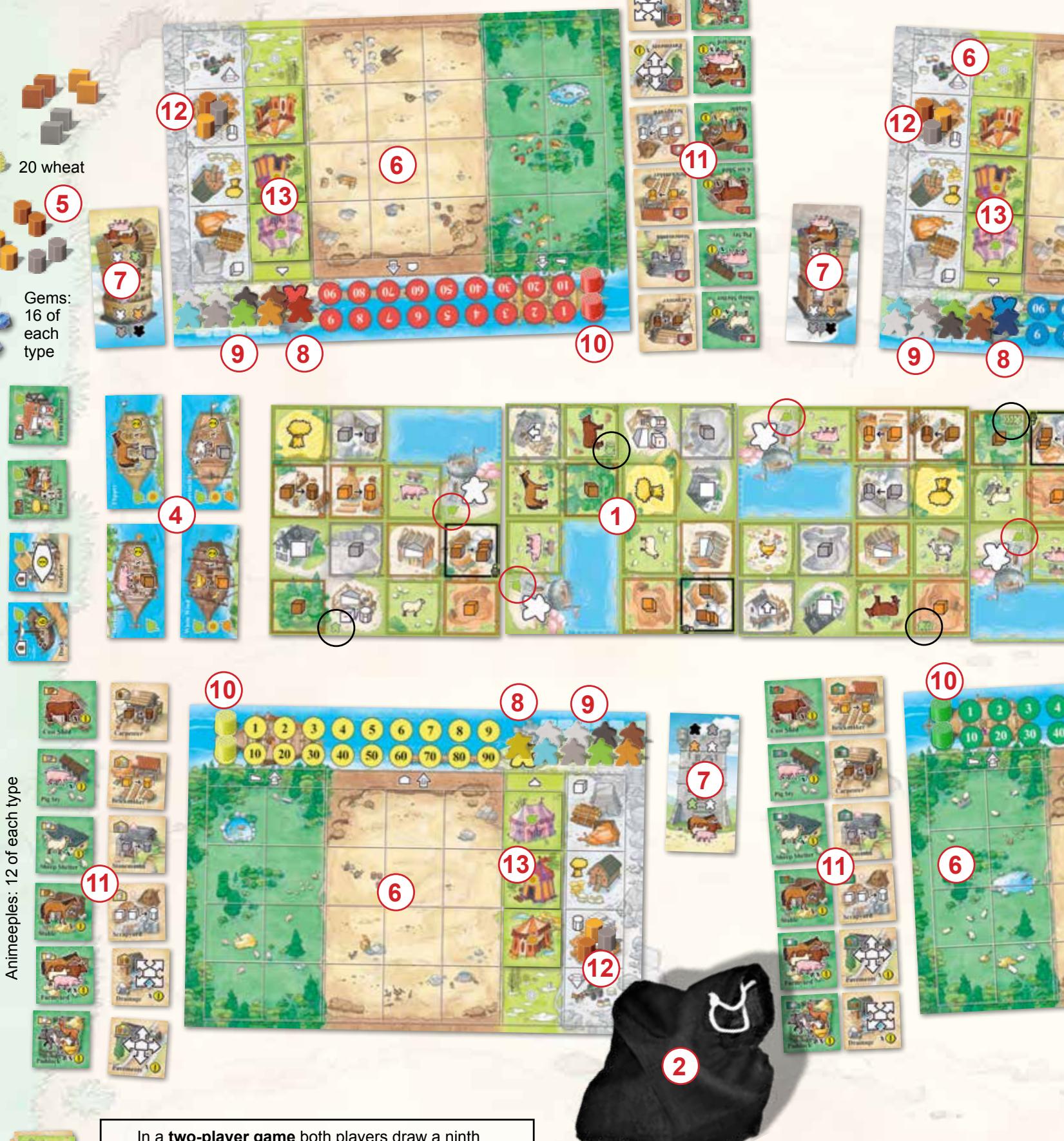
- Place each player's town board in the center of the table. Each town board should display a town center with a spring icon: the first town board has one player icon, the second has two player icons, the third has three player icons, and the fourth has four player icons (these player icons are only used during initial setup). When placing the town boards, the orientation on the table and how they connect to adjacent town boards do not matter.
- Put the spring town tiles (with spring icons) into a bag; shake and shuffle them, then draw 8 tiles. Place each tile, with its construction cost side facing up, next to the town boards in two rows; set aside the remaining tiles within easy reach of the players.
- Combine all other town tiles with the winter fair tiles (which have season icons on both sides) into a tile stack, and place it near the game area.
- Randomly select 4 out of the 6 ship tiles, placing them with their spring-side facing up next to the town boards; set the remaining 2 ship tiles aside until the start of summer.
- Create separate supply piles for resources (three types), finished goods (three types), wheat, eight animals, and four gems, and position them within easy reach of all players.
2.2 Individual Player Setup
- Take a player board corresponding to your player color.
- Place one production tile next to the upper-right corner of your player board.
- Position a pioneer of your player color in the preparation area at the top-right of your player board.
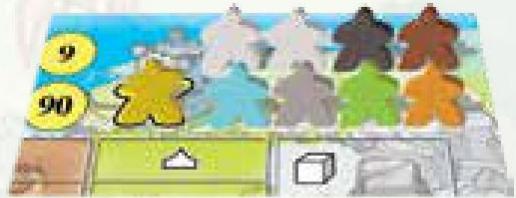
- Place eight workers—1 boatman, 1 mason, 1 farmer, 1 carpenter, 1 miner, 1 stonemason, and 2 generalists—on the footprint symbols at the top-right of your player board. Unless a player's pioneer and workers have been assigned, these markers remain permanently in the preparation area, so other players can always see the color and number of each player's remaining workers.
- For Two Players: Each player randomly selects one worker from a team consisting of 1 carpenter, 1 farmer, 1 stonemason, and 1 mason as their ninth worker; otherwise, the rules are the same as normal play, except that each player starts each season with nine workers instead of eight. - Place two scoring markers of your player color on the score track at the top of your player board, positioned at "0."
- Arrange 12 home tiles into two columns on the left side of your player board: six farm tiles in the left column and six village tiles in the right column, ensuring that all tiles' construction cost sides face up.
- Place the three finished goods—1 brick, 1 stone, and 1 wood—in the finished goods storage compartment of your player board.
- Divide the spring, summer, and autumn fair tiles into three separate piles, one pile per season, with the front side down; each player takes one tile from each pile, placing it face-down in the corresponding fair area on their player board. Players may view the front side of these tiles but do not need to show them to opponents; return any remaining tiles to the game box—they will not be used in this round.
- Randomly choose a starting player.
3. Gameplay / Round Structure
During a player's turn, that player must perform one of the following three actions:
1. Assign a settler;
2. Assign a worker;
3. Flip over one or more workers.
The game also allows for:
4. Assigning a worker during another player's turn.
Assigned settlers or workers are always placed in the standing position; the third action lets you flip a standing worker (into the flipped position). The actions of assigning and flipping allow players to either take an action or produce resources—both options are available to the player.
These actions are primarily performed to:
1. Acquire building tiles and collect resources from the town board's spaces;
2. Build, upgrade, and use building tiles on your player board;
3. Work on ships to obtain resources, and/or sell the resources shown on the ship to increase your points.
Players also store resources to score at the end of the game.
The game proceeds clockwise until all players have assigned all their settlers and workers, at which point a season ends. There are four seasons: Spring, Summer, Autumn, and Winter; after Winter, the entire game enters its end-of-the-game phase.
4. Assign a Settler
- As an action, a player must take a settler from their player board's preparation area and place it in an empty town center on one of the town boards; this action can be performed once per season.
- After assigning a settler, the player claims that town board and, at the end of the season, takes that town board along with all workers on it. At the end of Spring, Summer, and Winter, the workers on that town board become part of the claiming player's workforce; furthermore, at the end of Winter, the player earns prestige points during the final scoring.
- Claiming a town board does not affect other players placing workers on that town board. - Once the player has placed their settler, they may also knock down any number of workers on their production tiles. For each worker knocked down, the player receives one resource depicted on the production tile (if available). Example: A player knocks down a worker and gains one raw material or one animal.
- Note: Workers in the game cannot be placed on production tiles during Spring; players may only place workers on production tiles at the start of Summer, Autumn, and Winter. - If a player has not yet assigned their settler, they cannot perform the third action (knocking down one or more workers).
5. Assigning a Worker
5.1 Basic Rules
- A player takes one worker from the ready area on their player board. Workers of any color may be placed on any space on a town board or on a building tile on their own player board.
- The space or building tile where the worker is placed must be either empty or contain only one worker (this worker is referred to as an "already assigned worker").
- After assigning the worker, that worker can perform a single action or produce resources in the space where they were placed.
- Some spaces (not buildings) have a colored border: if the color of a placed worker matches the border color of that space, it indicates the worker is operating in their specialty area, allowing the player to perform two actions or produce two resources in that space; the corner of the space's border features a readily identifiable icon corresponding to that color.
- A player may assign workers to town boards occupied by their own settlers, as well as to town boards occupied by other players' settlers.
- A worker cannot be assigned to:
1. The town center on a town board (only settlers may be placed here);
2. A production tile;
3. Another player's player board;
4. A river space (double-tile) or a space/building already containing two workers. - Once a worker has been assigned, they no longer belong to the player who assigned them; it does not matter who owned the worker previously.
5.2 Participants
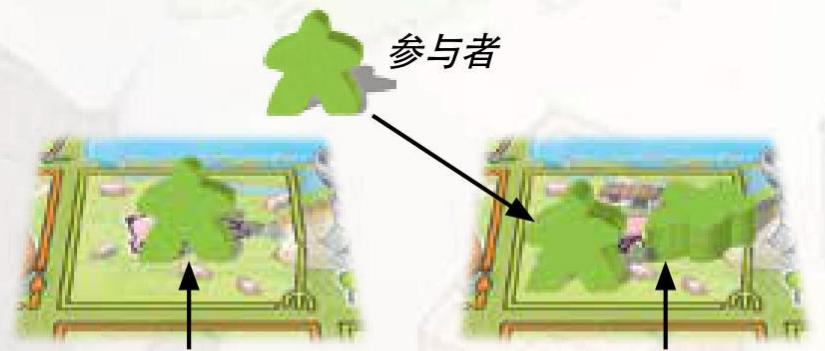
- If a space is empty, when a player assigns a worker to that space, they must invite another player to place a worker there to work alongside their own. Each space allows at most two workers; the worker added by the invited player is called a "participant."
- The player invites the first player to their left: if that player agrees, they place a worker in the same space; if they refuse, the invitation moves clockwise to the next player, with the same choice made.
- The added worker must be the same color as the worker currently placed by the current player, or be white (white representing any color).
- If the worker placed by the other player becomes a participant, both players' workers will perform actions or produce resources. The assigned participant does not need to choose the same action or resource as the current player.
| Number of Actions or Resources Obtained | Player (without participant) | Player and Participant |
|---|---|---|
| Worker does not match the space's color | 1 | 2 |
| Worker matches the space's color | 2 | 3 |
- If the first worker placed in a colored space is white, that white worker is considered to share the same color as the space, and participants may be white workers or workers matching the space's color.
- When a white worker is assigned to an uncolored space or a building, only white participants may join that position.
5.3 Already Assigned Workers
All workers can perform two actions per season; to indicate a worker performing a second action, lay that worker down.
- If a space or building already contains a worker placed in a previous round ("already assigned worker"), the second worker assigned to that spot becomes a participant. The participant must match the color of the already assigned worker, or be white.
- An already assigned worker may now be laid down to signify their second action—performing an action or producing resources. (Sometimes it may be more advantageous not to lay down the already assigned worker, creating an opportunity to lay them down later in the round.)
| Already Assigned Worker | Laid Down as Part of an Action | Choose Not to Lay Down (or Already Laid Down in a Previous Round) |
|---|---|---|
| Worker does not match the space's color | 2 | 1 |
| Worker matches the space's color | 3 | 2 |
- Players may place workers into a space already occupied by a laid-down worker. In such cases, the laid-down worker cannot act again (a third time), and the participant receives benefits equivalent to placing a worker in an empty space.
- If a player assigns a white worker as a participant, that worker is considered to share the color of the first worker placed in the space (when the first worker does not match the space's color), rather than matching the space's color. If a white worker is already placed on a building or in an uncolored space, only white participants may occupy that position.
- The actions performed by already assigned workers do not have to match those of the participant. Examples:
1. A player adds a blue worker to a ship tile already occupied by a blue worker, then lays down the already assigned blue worker, resulting in three available actions: gaining resources, selling resources, or gaining resources while selling another type of resource.
2. Laying down an already assigned worker can upgrade the tile where the worker is located; if upgraded, the worker joining the action can perform the newly upgraded tile's actions.
3. Using an upgraded architect tile, a player may lay down an already assigned worker to build a new building tile, after which the worker joining the action can upgrade the newly built tile.
(12 later sections are omitted here; see the Chinese page for the rest.)
Rules Q&A
Questions below are real questions players asked cunlema about this game; answers are ours, translated into English.
How many players does Keyper support?
2–4 players.
Rules, cards and Q&A (Chinese)
The rules, card data and player questions for this game are written in Chinese. Open the Chinese page to read them.
Where to find full rules
Full rules and card lookup are available in the cunlema app at cunlema.cn — pick this game and ask about any rule, card or turn you are unsure about.
Related games
Rulebook text (Markdown)
This game has 2 rulebook Markdown file(s) in our library; 2 rendered inline below — expand to read or download.
rules_zh_奇伍德村庄_1279.md93.7 KB
在奇伍德王国的土地上,玩家们雇佣技术娴熟的工人,使用各自的开拓者来管理和开发他们的农场及村庄,在四个季节中举办展会,并且与当地的船夫进行交易.
玩家们使用他们的开拓者占据不同的城镇,拥有了城镇的玩家可以按照他们的意愿选择最好的场地组合.并且通过分配在这些城镇中工人来获得不同的资源:原料,麦子,动物以及宝石.玩家们还会获得各种不同的行动:获得旅行者的帮助和知识,例如进行建造和获得奖励.
如果工人与具有相同技能的追随者一起工作会增加工作效率,为了共同的利益,玩家们有可能会一起进行工作.在一个季节的特定情况中,工人们在等待下一个季节中被雇佣之前可以被放倒来工作两次.
合理的管理团队,建造最有价值村庄以及通过交易获得最多分数的玩家将赢得游戏的胜利,这名玩家将会获得奇伍德王国-这个遥远而古老王国中所有人民的爱戴.
Keyper
翻译:体力无限男
游戏概述
奇伍德开拓者 是一个2至4名玩家的游戏,每名玩家的游戏时长大约在30分钟左右.
在这个游戏中,每名玩家通过建造自己的农场和村庄来发展经济,开发船运.这些活动都会记录在每个玩家的游戏板上.
游戏开始时每名玩家拥有1个开拓者和8个工人。从春季开始,游戏将进行四个季节:春季,夏季,秋季和冬季。在之后的季节中玩家们的工人数量和颜色都会有所不同。
在每个季节中一名玩家为了获得资源和执行行动将会分配工人到城镇板上和自己的玩家板上.
工人们可以为玩家收集建筑,原料,动物和宝石. 原料可以转换成其他原料或成品,还能转换成麦子,这些资源可以用于建造和升级建筑.
每个工人的颜色代表他们对应的专业,如果将工人分配到相同颜色的场地中,工人的工作会更有效率并且允许另一个相同颜色的工人加入工作.
最大的收益
在其他大多数桌面游戏中,如果玩家使用完各自的所有工人后,玩家们不能进行更多的行动.而在奇伍德开拓者中,一旦一名玩家分配完他们所有的工人后,玩家将获得放倒行动并且可以开始放倒他们控制的工人,因此被放倒的工人可以进行第二次工作.
在奇伍德开拓者中,一名玩家也可以在其他玩家的回合中分配相同颜色的工人作为一个参与者来参与工作. 在这种情况中,参与工作的两名玩家都能获得额外的行动或资源. 这是一种促使玩家快速分配工人的游戏机制并且在季节结束前为玩家提供了额外的放倒机会.
为了从放倒行动中获得最大的收益,玩家需要谨慎选择放置的第一个工人.同样也要考虑到玩家选择的城镇板.
在玩家们的玩家板上划分出农场和村庄以便玩家们在地块中建造各自的建筑. 其中一些建筑给予玩家特殊的行动,而其他的建筑物能够为玩家提供得分机会. 玩家板上同样包含了展会区域和存储资源的仓库,以及一个船只计分轨迹和一个准备区域.
可折叠的城镇板包含多个场地和船运地块,为了获得行动和资源,一名玩家的工人可以在这些位置中单独工作,或者在其他玩家的回合中与其他玩家的工人一起共同工作.
在每个季节中,一名玩家也可以分配自己的开拓者来占领一个城镇板并且在下个季节中获得这个城镇板上的所有工人. 玩家们会在下一个季节开始之前翻转各自占领的城镇板来调整出一组对自己最有利的工作场地.
在每个季节结束时,玩家们还可以举办展会来展出他们收集的特定资源来获得分数.
在游戏结束的计分阶段中,玩家们将计算各自建造的农场建筑和村庄建筑以及举办的展会和在船运中获得的分数.
经济发展最好并且拥有最多分数的玩家获得游戏的胜利.
玩家们的开拓者决定着下个季节他们拥有的工人的数量和工人的种类.工人数量较少的玩家也意味着拥有更多的放倒行动,但是数量太少也会限制他们使用的放倒行动和加入工作的机会.如果一名玩家的工人在一个季节中多于8个,那么多于的工人将在这个季节中放入道玩家的建造板块上.
我们希望你喜欢这个游戏!
浅色背景框中的文字为本游戏的主要规则. 如果您正在阅读游戏规则并且准备进行第一次游戏时,我们建议您跳过框外的文字,当您在之后的游戏中需要了解细节的时候再去阅读框外的文字.
规则书的背面有规则摘要,以便您进行参考.



游戏组件
游戏板:
4个可折叠的城镇板. 第11-14页.
4个玩家板,每种玩家颜色1个.第10页.
板块:
26个展会板块 △,6个 🌱 (春季),6个 🌐 (夏季),6个 🌐 (秋季),和8个 🌐 (冬季)
注意:冬季板块的正面有 🌐 和 🌐,背面有 🌐 和 🌐 图标. 第14页.
48个家园建筑板块, 每种玩家颜色12个, 包含6个农场板块和6个村庄板块。第15页.
48个城镇板块,包含12个农场板块 ☐ 和36个村庄板块 ☐ ,其中21个是春季 ☑ 板块.
6个船只板块. 第13-14页.
4个建造板块第4页中的1c.
开拓者和工人:
4个挥手的开拓者 📄, 每种玩家颜色1个.
32个一共7种颜色的工人: 4个蓝色的船夫 ⭐, 4个橘色的泥匠 ⭐, 4个绿色的农夫 ⭐, 4个棕色的木工 ⭐, 4个黑色的矿工 ⭐, 4个灰色的石匠 ⭐, 以及8个白色的通才 ⭐
资源(包含动物):
48个代表原料的木质方块 □ : 16个橘色的黏土 □ , 16个棕色的原木 □ 以及16个灰色的石块 □ .
48个代表成品的木质八角块 📄:
16个棕色木材 📄,16个灰色石材 📄 以及16个橘色砖块 📄.
20个黄色的木质麦子标记物 🌱 .
96个木质动物. 橘色的鸡 🙏️, 深棕色的牛 🙏️, 暗红色的鹿 🙏️, 灰色的山羊 🙏️, 浅棕色的马 🙏️, 粉色的猪 🙏️, 白色的绵羊 🙏️, 以及黑色的野猪 🙏️, 每种动物12个.
8个木质圆柱形计分标示物,每种玩家颜色2个: 64个宝石。绿宝石,黄金,红宝石,蓝宝石,每种14个。
1个黑色布袋.
2本规则书: 和
游戏设置
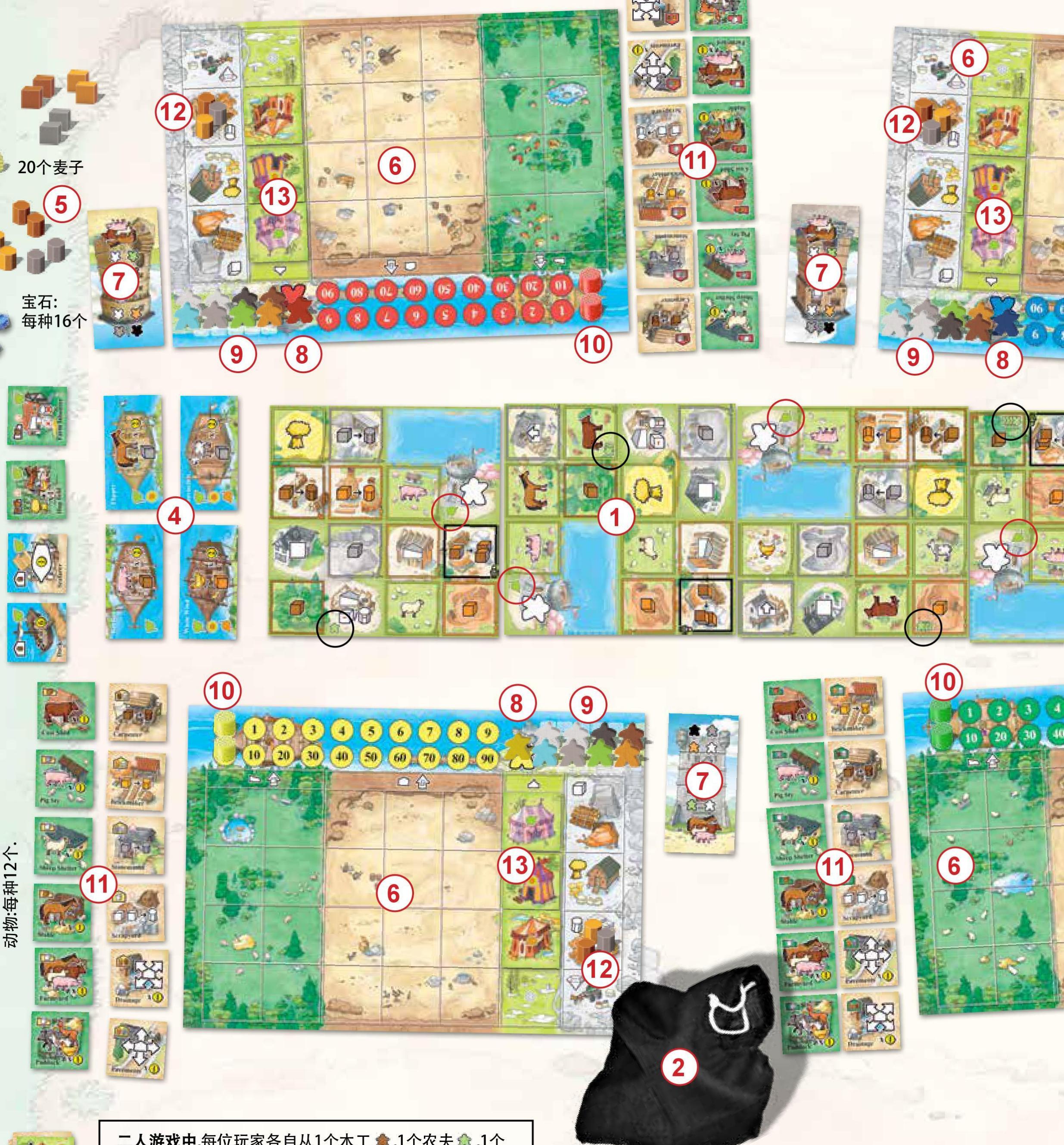
- 将每名玩家的城镇板放到桌面中心
每个城镇板上应该显示一个具有春季图标的城镇中心.

第一个城镇板上具有一位玩家 ★ 图标,第二个城镇

板具有两位玩家 🏠 图标,第三个城镇板具有三位玩家 🏠 图标,第四个城镇板具有四位玩家 🏠 图标.
(注意: 这些玩家图标只会在初始设置时使用.)
放置城镇板时,城镇板上的场地方向无关紧要.一些场地与其他场地的方向不尽相同.被放置的城镇板的板面与相邻的其他城镇板的组合方式也无关紧要.
- 将春季城镇板块(具有春季图标)
放入布袋中.摇晃布袋洗混板块,抽取8个板块,

将每个板块的建造费用面朝上放置到城镇板旁边组成两行.
将剩余的板块放到方便玩家触及的位置以便之后使用.
- 将所有其他的城镇板块与冬季展会板块(双面都有季节图标的展会板块)一起组成板块堆放到游戏区旁边, 这些板块在之后
板块在之后的游戏中会被放入布袋里.

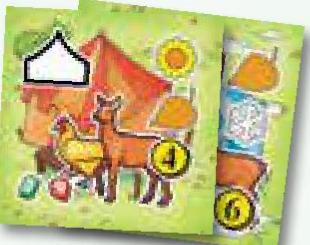
成品: 每种16个.

- 从6个船只板块中随机选择4个板块, 春季图标的一面朝上, 放到城镇板的旁边.
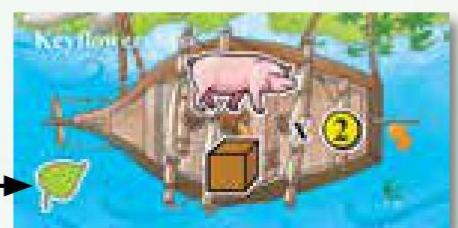
原料:
将剩余的两个船只板块放到一旁,现在不需要这两个板块,直到夏季开始.
- 将下列组件分别组成各自的供应堆并放到所有玩家方便触及的位置:
三种 原料


三种 成品
麦子
八种动物:

以及四种宝石: ◆ ◆ ◆ ◆

每位玩家区域的游戏设置
每个玩家现在在自己的游戏区域中放置以下组件:
-
拿取一个对应玩家颜色的玩家板.
-
将一个生产板块放置到玩家板右上角的旁边.
-
将一个玩家颜色的开拓者 🌱 放置到玩家板右上方的准备区域中.
-
将八个工人: 1个船夫 ⭐, 1个泥匠 ⭐, 1个农夫 ⭐, 1个木匠 ⭐, 1个矿工 ⭐, 1个石匠 ⭐ 以及2个通才 ⭐ ⭐, 放置到玩家板右上角的脚印上.
除非玩家的开拓者和工人被分配,否则这些标记物永远留在玩家板的准备区域中,因此其他玩家在任何时刻都可以看到每名玩家剩余工人的颜色和数量.
二人游戏中,每位玩家各自从1个木工 🧠,1个农夫 🧠,1个石匠 🧠,和1个泥匠 🧠 组成的团队中随机抽取1个工人作为玩家的第9个工人.二人游戏的所有其他规则与正常规则相同,除了每个季节开始时每位玩家有9个工人,而不是8个(相关细节请参考第9页中"开始下一个季节"的第4点).
-
将玩家颜色的两个计分标示物 📄 放置到玩家板顶部的计分轨迹上0的位置中.
-
将12个家园板块组成两列放置到玩家板左侧的旁边。6个农场 ☐ 板块放到左边一列,6个村庄板块 ☑ 放到右边一列,并确保所有板块的建筑费用面朝上。
-
3个成品: 将1个砖块 📄, 1个石材 📄 和 1个木材 📄 放入玩家板的成品仓库中.
-
将春季 🍎, 夏季 🍎 和秋季 🍎 的展会板块正面朝下分成三堆, 每个季节一堆. 每位玩家从每堆中拿取一个板块并面朝下放入到各自玩家板中对应的展会区域位置里. 玩家可以查看这些板块的正面, 但是不需要展示给他们的对手. 剩余的板块放回到游戏盒中, 在本次游戏里不会被使用.
-
最后,随机选择一名起始玩家.
一名玩家的回合
在一名玩家的回合中,这名玩家必须执行以下三个行动中的一个:
-
分配一个开拓者(参考右侧列),
-
分配一个工人(参考第4-6页),或者
-
放倒一个或多个工人(参考第6页).
游戏中同样可以:
- 在其他玩家的回合中分配一个工人(参考第7页). 被分配的(第1, 第2和第点)开拓者或工人总是以站立的状态被放置.
站立状态
第3个行动允许你将一个站立的工人放倒.

放倒状态
分配和放倒的行动可以让玩家执行行动或生产资源,这两种行动对于玩家来说都是可选择的.
虽然执行这些动作的程序初看起来很复杂,但是玩家们一旦熟悉了这些行动,就会了解这些行动的逻辑性和直观性.
执行这些行动的主要是为了:
(i) 从城镇板的场地中获得建筑板块和收集资源.
(ii) 建造, 升级和使用玩家板上的建筑板块,
(iii) 在船只上工作来获得资源和/或出售船只显示的资源来增加分数.
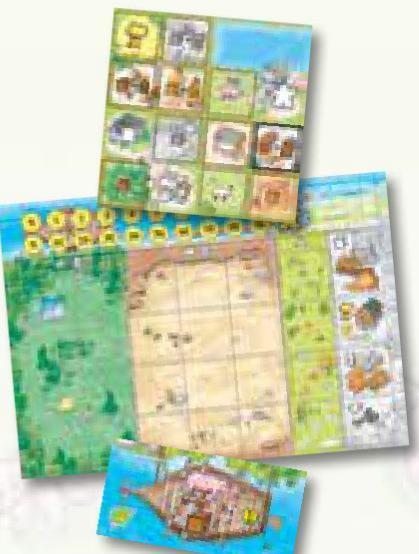
玩家们也会存储资源以便在游戏结束时进行计分.
游戏将按照顺时针方向进行,直到所有玩家将他们所有的开拓者和工人全部分配完,一个季节才会结束.
(相关细节请参考第8页的季节结束.)
游戏中有四个季节:春季 🍎,夏季 🍎,秋季 🍎 和冬季 🍎. 在冬季 🍎 结束后,整个游戏进入结束阶段.
(相关细节请参考第9页的游戏结束.)
1. 分配一个开拓者
(i) 作为一次行动,一名玩家必须从他/她的玩家板的准备区域中拿取一个开拓者并放置到一个城镇板中的一个空的城镇中心里,这个行动每个季节可以执行一次.

(ii) 分配开拓者后,这名玩家将宣称自己占领这个城镇板. 并在季节结束时拿取这个城镇板以及城镇板上的所有工人. 在春季 🎧,夏季 🌐 和冬季 🌐 结束时,这个城镇板上的工人将会变成占领这个城镇玩家的工人的一部分, 并且在冬季 🌐 结束时,玩家可以在游戏最终计分中获得收益.
宣称占领一个城镇板不会影响其他玩家在这个城镇板上放置工人.
(iii) 当玩家放置完他/她的开拓者后,玩家还可以放倒他们的生产板块上的任意个工人.
每放倒一个工人,这名玩家可以可以获得生产板块上描述的一个资源(如果可以的话).一个★,☆,☆或☆工人可以获得一个原料。一个★,☆,☆或☆工人可以获得一个,或。
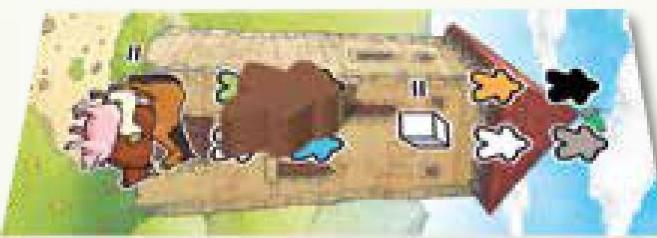
举例.玩家放倒一个 🌱 并获得一个 🌱, 或 🌱

注意在游戏中的工人不能在春季放到生产板块中.玩家只能在夏季,秋季和冬季开始时将工人放置到生产板块上(相关细节请参考第9页中"下一个季节的开始"的第4点.)
(iv)如果一名玩家还没有分配他/她的开拓者,玩家不能执行第3个行动(iii): 放倒一个或多个工人.(相关细节请参考第6页中的"放倒一个或多个工人")
2a. 分配一个工人
一名玩家从他/她的玩家板的准备区域中拿取一个工人
任何颜色的工人都可以被放置到任何城镇板的一个场地中或者玩家自己的玩家板上一个建筑板块上.
一个场地
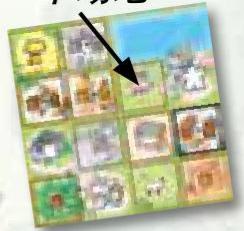
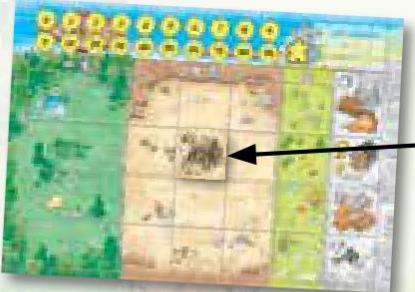
一个
建筑板块

一名玩家的回合 (接上一页)
2a. 分配一个工人 (接上一页)
分配工人的场地或建筑板块必须是空的,或者只包含一个工人,这个工人被称为"已经分配的工人".参考右侧列中2C里关于"已经分配的工人"的相关内容.

分配完工人后,这个工人可以在被放置的场地中进行一个单独行动或生产资源.有一些场地(不是建筑)具有一个颜色边框.如果一个被放置的工人颜色与这个场地的边框颜色相匹配,说明这个工人在他的专业领域中工作,因此玩家在这个场地中可以执行两个行动或生产两个资源.
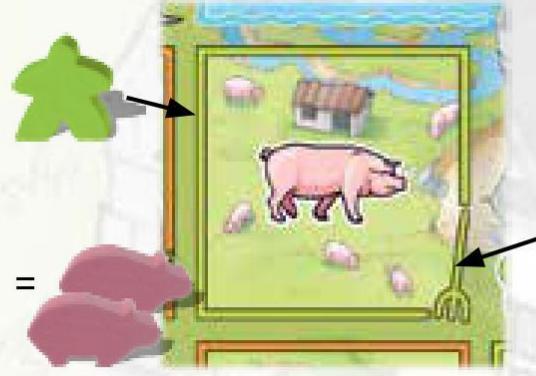
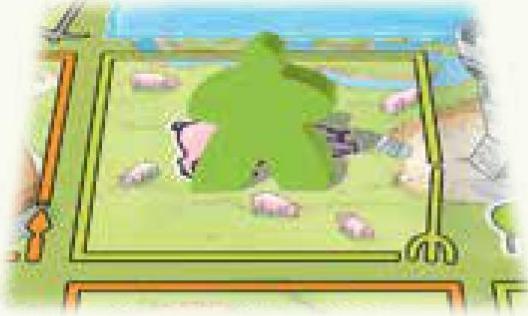
工人的颜色和场地边框的颜色都是绿色. 因此这个工人养殖出两只猪.
在场地边框的一角同样具有一个对应颜色容易辨识的图标.
一名玩家可以将工人分配到自己的开拓者占领的城镇板,也可以分配到其他玩家的开拓者占领的城镇板.
一个工人不能分配到:
(i) 一个城镇板上的一个城镇中心中 (这里只能放置开拓者),
(ii) 一个生产板块,
(iii) 一个对手的玩家板, 或
(iv) 一个河流场地 (双地块) 或已经包含两个工人的场地或建筑中.
一旦一个工人被分配,这个工人将不再属于分配他的玩家. 这个工人以前属于谁无关紧要.
2b. 参与者
如果一个场地是空的 当一名玩家分配一个工人到这个场地中时 玩家 玩家 必须邀请另一名玩家放置一个工人到这个场地中来与玩家 的工人一起工作 每个场地最多只允许放置两个工人 被加入到这个场地中的另一名玩家的工人被称为 参与者 .
在玩家A的回合中,玩家A分配了一个工人到猪圈中.
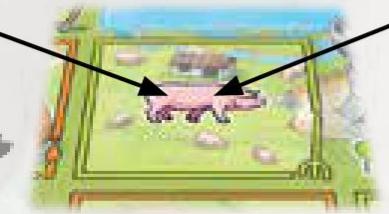
玩家A和玩家B每人都获得了三只猪.
依然是玩家A的回合,玩家B分配了一个工人到这里,这个工人成为了一个参与者.
2b 参与者 (接上一段)
玩家A邀请左边第一名玩家,玩家B,玩家B同意并将他/她的一个工人放入到相同的场地中.如果玩家B拒绝了,玩家A根据顺时针方向邀请下一名玩家(如果有的话),并进行同样的选择来加入工人.
加入的工人必须与玩家A放置的工人颜色相同,或者加入一个白色的工人(白色工人代表任意颜色).
如果另一名玩家放置的工人成为了参与者,玩家A和这名玩家将一起工作并且两名玩家的工人都会执行行动或者生产资源.
| 获得的行动或资源的数量 | 玩家A(没有参与者) | 玩家A和参与者 |
| 工人&场地 颜色不匹配 | 1 | 2 |
| 工人&场地 颜色匹配 | 2 | 3 |
被分配的参与者不必像当前回合玩家那样选择相同的行动或资源.
如果第一个放入彩色场地中的是一个白色工人,这个白色工人被视为与当前场地具有相同的颜色,并且参与者可以是白色的工人或与场地颜色相同的工人.
一个白色工人被分配到没有颜色的场地或一个建筑时,这个位置只能加入白色的参与者.
2c. 已经分配的工人
所有工人在每个季节里都可以工作两次.为了表示一个工人进行第二次工作时,将这个工人放倒.
如果一个场地或建筑中已经包含了一个之前回合被放置的工人(称为"已经分配的工人"), 被分配(被玩家A)到这个位置中的第二个工人将变成一个参与者. 参与者必须与已经分配的工人具有相同的颜色或者是白色.
已经分配的工人现在可以被放倒,来表示这个工人进行第二次工作去执行行动或生产资源..
(有些时候不单独放倒已经分配的工人可能会更有利,这样可以为之后的回合中创造一个放倒的机会.)
已经分配的工人
已经分配的工人被放倒
一名玩家的回合 (接上一页)
2c. 已经分配的工人 (接上一页)
玩家可以将工人放入到一个具有已经放倒的工人的场地中. 在这种情况下,已经放倒的工人不能再次工作(第三次),并且参与者获得相当于放入一个空位中的收益.
玩家A根据以下列表获得的行动或资源数量:
| 已经分配的工人 | 作为行动的一部分放倒 | 选择不放倒(或之前回合已经被放倒) |
| 工人&场地颜色不匹配 | 2 | 1 |
| 工人&场地颜色匹配 | 3 | 2 |
如果玩家分配一个白色工人作为参与者,这个工人视为与第一个放入场地中工人的颜色相同,而不是场地的颜色相同(当第一个放入场地的工人与场地的颜色不相同时).如果在一个彩色的场地中已经放置了一个白色工人,参与者可以是白色或者是与场地相同颜色的工人.如果已经放置的白色工人在一个建筑上或者在一个没有颜色的场地中,这个位置中只能放入白色的参与者.
已经分配的工人的行动与参与者不必执行相同的行动,请参考以下例子了解相关细节:
(i) 玩家将一个蓝色工人加入到已经分配蓝色工人的船只板块中. 将已经分配的蓝色工人放倒. 这样有三个可用的行动: (i) 获得资源, (ii) 出售资源 (iii) 获得资源并且出售另一种资源.
(ii) 放倒已经分配的工人可以升级工人所在的板块,如果升级的话,加入工作的工人可以执行刚刚升级过的板块上的行动.
(iii) 如果使用升级过的建筑师板块, 玩家可以放倒已经分配的工人去建造一个建筑板块, 然后加入工作的工人可以升级刚刚建造的板块.
3. 放倒一个或多个工人
只有在以下情况中,工人才能被放倒:
(i). 一个场地或建筑中已经分配了一个工人并且在之后的回合中加入了另一个工人(相关细节请参考第5页中2C"已经分配的工人")
(ii). 当玩家分配他/她的开拓者时,玩家可以放倒他/她的生产板块上的工人(相关细节请参考第4页中"分配一个工人"部分).
(iii) 当一名玩家的准备区域中没有开拓者/工人并且其他玩家依然有开拓者/工人时,在这名玩家的回合中,如果可以的话,必须放倒以下一个位置中工人:
(a) 玩家板上一个建筑中的工人, 或者
(b) 这名玩家占领的城镇板上的一个工人.
本章节后面的其他部分都将涉及到以上(iii)的情况.选择的场地必须包含至少一个尚未被放倒的工人.
3. 放倒一个或多个工人(接上一段)
如果场地中或建筑中只有一个站立的工人,玩家可以放倒这个工人来表示这个工人进行第二次工作,并获得一个行动或资源(如果工人的颜色与场地颜色匹配获得两个行动或资源).
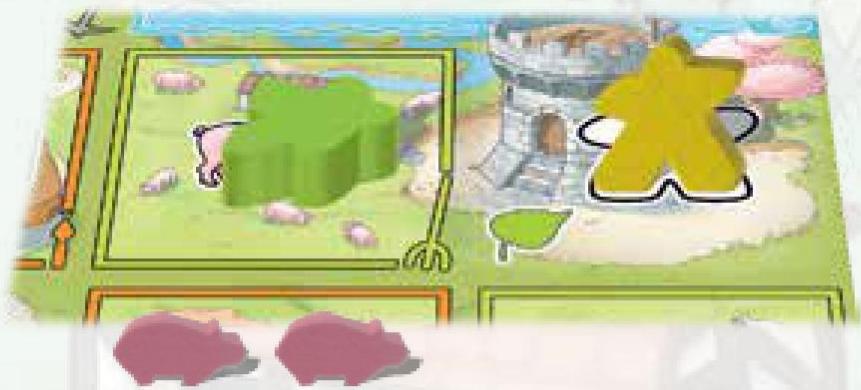
举例: 黄色玩家放倒他之前占领的城镇板上的一个绿色工人并获得了两头猪(因为工人的颜色与场地颜色匹配).
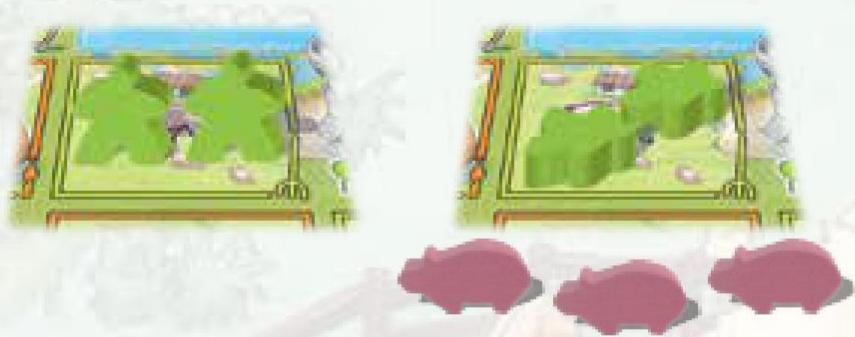
如果这里有两个站立的工人,玩家(玩家A)可以放倒任意一个工人或两个工人:一个工人相当于在他/她的回合中分配的工人并且第二个工人作为参与者. 这两个工人现在进行第二次工作. 第一个工人通过参与者的帮助,获得两个行动或资源(如果颜色匹配获得三个行动或资源). 参与者本身不能获得额外的行动或资源, 它只是帮助第一个工人工作(放倒). 举例: 玩家A放倒两个绿色工人并获得了3头猪.
如果这里有两个工人并且其中一个已经被放倒了(它已经工作两次了),玩家可以放倒第二个工人来表示这个工人进行第二次工作并且获得行动或资源(如果颜色匹配获得两个行动或资源).
根据以下列表查看玩家A放倒一个工人或两个工人所获得的行动或资源数量:
| 放倒的工人数量 | 1 | 2 |
| 工人与场地的颜色不匹配 | 1 | 2 |
| 工人与场地的颜色匹配 | 2 | 3 |
如果在玩家A的回合中,玩家的玩家板上所有工人以及玩家占领的城镇板上所有工人已经都被放倒(甚至放倒没有给玩家A带来收益),然后,玩家A可以放倒另一个城镇板上的工人,甚至那个城镇板属于其他玩家.
在这种情况下,重新检查随后每一回合.如果其他玩家在之后的回合中分配工人到玩家A的城镇板上,在之后的玩家A的回合中,玩家A在放倒其他玩家的城镇板上的工人之前,必须优先放倒自己城镇板上站立的工人.
如果在没有可放倒的工人的情况下,玩家在他/她的回合不执行任何行动.
一名玩家的回合 (接上一页)
- 在其他玩家的回合中分配一个工人
如果一名玩家(玩家A)分配工人到一个空的场地中,玩家A必须邀请另一位玩家分配一个工人到同一个场地中来参与工作.(相关细节请参考第5页中"分配一个工人"的2b"参与者"部分)
玩家A邀请他/她左边的第一名玩家,玩家B,玩家B同意并将他/她的一个工人放入到相同的场地中.如果玩家B拒绝了,玩家A根据顺时针方向邀请下一名玩家(如果有的话),并进行同样的选择来加入工人.
加入的工人必须与玩家A放置的工人颜色相同,或者加入一个白色的工人(白色工人代表任意颜色).
这两个工人形成一个团队工作并生产效率更高.因为这是两个工人的进行的第一次工作,所以都不用放倒.
如果他们的颜色与场地颜色不匹配,每个工人可以获得两个资源或行动.无论是场地和工人的颜色不同还是场地没有相关的颜色.工人的一次生产可以获得一个行动或资源.第二个行动或资源是通过两个工人在一起工作产生的.
举例:
在玩家A的回合中.玩家A分配一个棕色工人到绿色猪圈中.这个场地的颜色与工人的颜色不匹配.
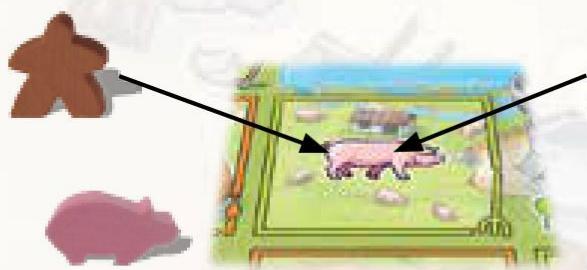
同样在玩家A的回合,玩家B分配了一个工人作为参与者.
玩家A和玩家B,每个人获得2头猪.
如果两个工人与场地的颜色是相同的,说明这两个工人在他们的专业领域中工作,因此每名玩家可以获得三个行动或资源.
如果玩家分配一个白色工人作为参与者,这个工人视为与第一个放入场地中工人的颜色相同,而不是场地的颜色(当第一个放入场地的工人与场地的颜色不相同时).
在玩家A的回合中,玩家A的工人和玩家B的参与者将根据下表获得对应的奖励:
| 工人与场地的颜色不匹配 | 2 |
| 工人与场地的颜色匹配 | 3 |

季节结束
- 游戏持续进行,直到所有玩家分配完他们的开拓者和所有工人.

当最后一名拥有开拓者或工人的玩家开始他/她的回合并分配后,所有其他玩家获得额外一个回合来执行一次放倒行动.

最后一名玩家分配一个开拓者/工人后,所有其他玩家执行一次放倒行动.
然后依次执行以下行动:
- 如果一名玩家忘记在分配开拓者时放倒任何处于他们生产板块上的工人时,现在,他们可以放倒这些工人并且拿取他们选择的资源.
- 现在,玩家们有机会在季节展会上展出他们的资源.
每位玩家在游戏设置时获得了一个春季,夏季和秋季的展会板块. 这些展会板块可以(只能)在对应的季节举办一次: 春季 🍎,夏季 🍎,或秋季 🍎.
玩家们也可以从一个城镇板上的城镇板块场地中获得冬季展会板块. 每个冬季展会板块可以在夏季 🌐,秋季 🏠 或冬季 🌒 结束时举办一次.
为了举办一个展会,一名玩家必须向其他玩家展出展会板块上需要的所有资源.
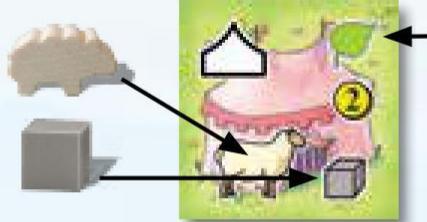
春季展会.如果拥有者在春季结束时展出一只羊和一块石块,然后这名玩家在游戏结束时可以获得2分.
在一个季节里,一个资源不能在多个展会板块上展出.如果一名玩家举办多个展会,并且一些展会需要相同的资源时,这名玩家必须有足够多的同类资源来同时展出到每一个需要这个资源的展会中.注意:一名玩家可以在不同季节的展会中展出同一个资源.
如果需要的所有资源被展出:
(i) 将春季 🍒, 夏季 🍒 或秋季 🍒 展会板块面朝上放置到对应季节的展会区域中。(如果一名玩家没有展会需要的所有资源, 玩家将展会板块丢弃并放回到游戏盒中.)
(ii) 在冬季结束时,将一个冬季 ☐ 板块放到展会区域中,带有季节图标的面朝上.(如果冬季 ☐ 结束时没有举办的展会,玩家应该丢弃展会板块并放回到游戏盒中.)
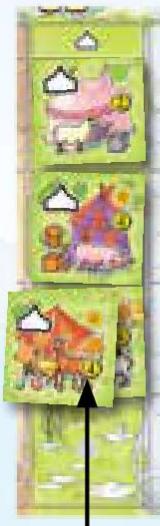
如果一名玩家在一个季节中完成多个展会的展出,这名玩家将这个展会板块堆叠到这个季节的展会区域中.
玩家可以保留他们在展会中展出的资源并且可以在之后的季节中使用或者用于计分.
- 接下来, 玩家们检查他们玩家板上农场建筑中所有圈养的动物.
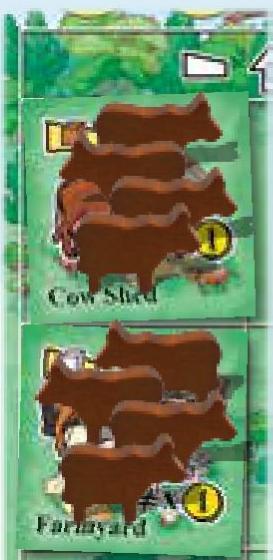
一个农场板块最多可以圈养四个对应类型的动物.没有被圈养的动物将会丢失并将丢失的动物返回到一般供应堆中.
举例: 假设一名玩家有9只牛, 4只可以放入牛棚中, 4只可以放在农院中, 但是第九只牛只能放回到一般供应堆中.
(注意在游戏结束时,农院中只有一只牛被计分.)
- 每名玩家收回各自的开拓者和开拓者所占领的城镇板以及这个城镇板上的所有工人. 将收回的开拓者和工人以及玩家板上的工人和生产板块上的工人一起放入各自玩家板上的准备区域中.
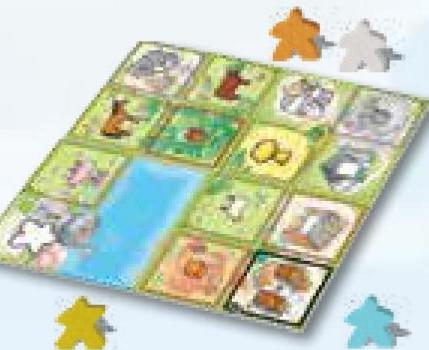
在冬季 📄 结束时不要翻动城镇板的板面,因为这个板面可能被用于计分.
-
如果在冬季 ☐ 结束时,请参考第9页中关于游戏进入结束阶段的介绍,并且忽略这个部分的剩余内容.
-
在季节结束之后,将展出的所有城镇板块(通常是8个板块)放到弃除板块堆的上面.
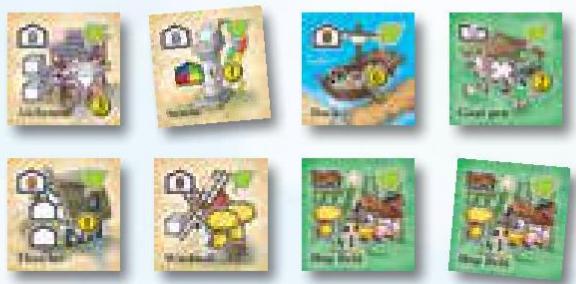
举例. 这八个城镇板块在春季结束时展出. 它们被移除并组成一个新的弃除板块堆.
- 在春季 🎧 结束时,将所有非春季的城镇板块和冬季展会板块放入布袋中(如果它们还没有放入布袋)并且与布袋中剩余的春季 🎧 板块洗混.

下一个季节的开始
根据以下顺序进行:
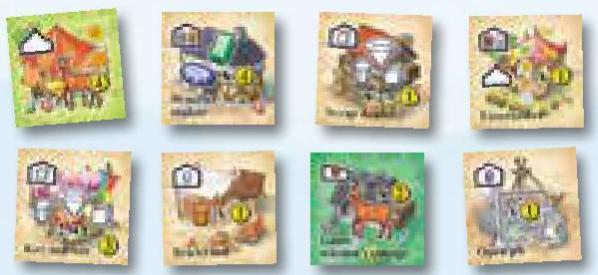
- 从布袋中抽取8个新板块组成一组新的城镇板块.
- 洗混6个船只板块. 随机选择4块, 将当前季节的一面朝上, 放到城镇板的旁边, 将剩余的两个船只板块放到一旁, 它们不会在这个新的季节中使用.
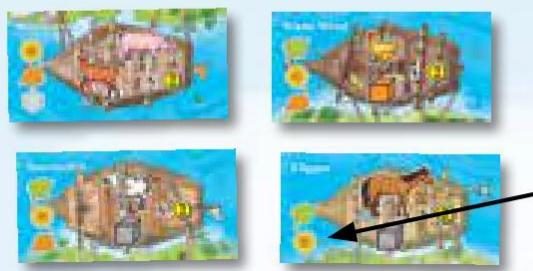
举例. 在夏季 🍎 中, 将6个板块中随机选择的4个板块的 🍎 夏季图标面朝上.
- 玩家们现在可以选择展示他们城镇板上的哪些场地.
玩家必须展示具有新季节的图标夏季 🌐/秋季 🌐/冬季 🌐 (图标显示在城镇中心里). 注意秋季 🌐 和 冬季 🌐 图标会在同一个城镇中心中出现,因此在这两个季节中将展示出两个季节图标.
城镇板必须包含15个场地(双地块的河流位置视为一个场地).请参考第11页中的城镇板部分来了解可能出现的排列组合.
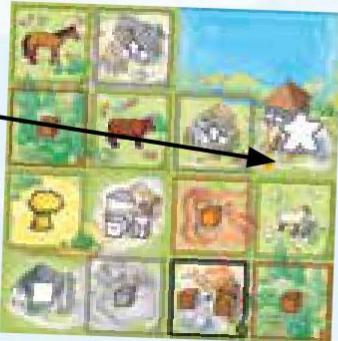
所有玩家同时展示出他们的城镇板并将城镇板放到玩家们的游戏区域中心位置中使这些城镇板彼此相邻.
- 如果一名玩家拥有的工人超过8个(或者二人游戏中的9个)时,为了保证玩家们只能在准备区域中保留8个工人(二人游戏中保留9个),玩家选择将超出的工人站立着放到各自的生产板块上.
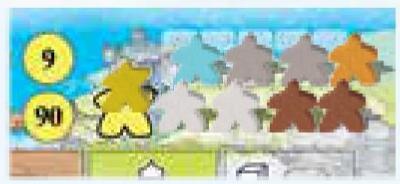
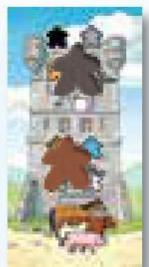
举例. 在季节结束时,黄色玩家有10个工人,黄色玩家选择2个工人放到他/她的生产板块上.
- 在上一季节中,最后分配工人或开拓者的玩家成为新季节的起始玩家。(这名玩家不是在上一季节结束时执行放倒行动的玩家。)
游戏结束
游戏在冬季 🎧 结束时进入结束阶段.然后每名玩家将他们的分数相加:
- 船运计分轨迹上的船运分数,
- 农场板块分数,
- 村庄板块分数, 以及
- 展会板块分数
所有资源和工人现在可以自由移动和分配到建筑板块中来计分.除非将资源分配给建筑板块,否则资源不能计分.
在计分时,要注意以下几点:
(i) 每个资源和工人只能被计算一次. 举例: 一个宝石不能被勘探者和戒指工匠同时计分.
(ii) 建筑板块可以与其他板块进行多次计分.
举例: 同一个建筑板块可以与排水渠, 人行道, 雕像, 茅草屋和村政厅板块共同计分.
(iii) 每个计算资源或工人的建筑板块最多进行四次计分.如果一次计分需要多个资源,每组资源最多进行四次计分.
举例:
如果一个升级后的农院板块上有一头牛,一匹马,一头猪和一只羊可以计8分.

举例: 黄色玩家有一头牛, 一只羊和三头猪. 每种动物在升级后的农院板块上只能有一个被计分, 因此黄色玩家获得6分.
如果分配到升级后的废品交易商板块上的宝石,成品,麦子和/或原料一共有8个,这个板块可以计8分.
如果升级后的鸡窝板块上分配了4只鸡,这个板块可以计12分.
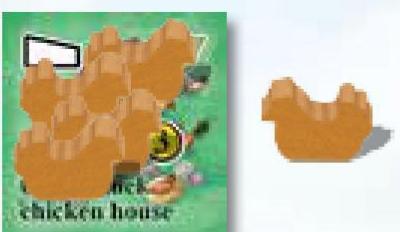
举例: 威格利大叔有5只鸡. 在鸡窝板块上只能计算4只鸡,因此他获得了12分.
如果升级后的金匠板块上分配了4个绿宝石,4个黄金和4个黄宝石,这个板块可以计24分.
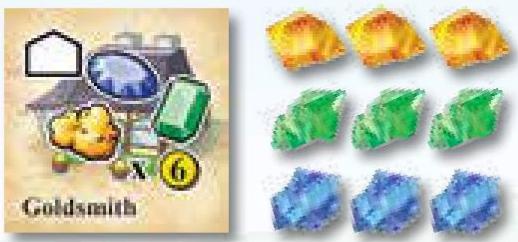
举例: 玩家拥有的金匠板块上有三组宝石, 这名玩家获得18分.
(iv) 所有完成的展会板块堆中的展会板块在游戏结束时会计分,包括底下被遮盖的展会板块.
(v) 在覆盖建造中被板块覆盖的建筑板块不能计分.
最有效地管理经济并且得分最多的玩家获得游戏的胜利.如果平局,拥有最多宝石的玩家获得游戏胜利.如果依然平局,按照顺序:拥有最多成品,小麦,原料,鹿,野猪,山羊,鸡,马,牛,猪或绵羊的玩家获得游戏胜利.
玩家板
每名玩家都有一个属于自己颜色的玩家板, 每个玩家板上包括以下几个部分:
码头,上面有船运计分轨迹来记录你在游戏中获得的船运分数.
农场板块的升级费用为一个原料.
村庄板块的升级费用为一个成品.
农场中可以放置8个(只能放置)农场板块.
村庄中可以放置12个(只能放置)村庄板块.

准备区域. 开拓者和工人在被分配前会放置到这个区域中,并且所有玩家都能清楚的看到.展会区域中有4个位置,每个季节一个位置,当每个季节来临时,放置对应季节的展会板块.玩家板上有4个仓库:一个存储原料,一个存储麦子,一个存储成品,还有一个存储宝石.仓库中存储物品没有数量限制.
资源
白色的原料图标 ☐, 成品图标 ☑, 和宝石图标 ☑, 表示任意类型.
麦子可以代替任何原料或成品。
(但是麦子不能代替宝石)。
当原料 ☐ 或成品 ☐ 具有任何三种颜色的其中一种颜色时,你可以使用任何对应颜色的原料或成品,但是不能用麦子代替.
一个成品总是可以作为一个同种类型的原料来使用(包括在展会上展出物品).
游戏中有以下三种方式可以将原料转换为成品:
(i) 四个家园村庄板块 (砖匠,木匠,石匠和废品场),(ii) 奇伍德市场城镇板块和(iii) 城镇板上的转换场地. 注意这些转换场地只能在春季和夏季中使用.
如果一名玩家使用一个场地或建筑板块 (例如. 交易站) 来执行多次1:2的交易,并且这名玩家只有一个所需类型的资源时,这名玩家可以使用第一次交易中获得的一个资源来进行之后的一次交易.
所有资源是有限制的. 如果两名玩家在同一回合中获得资源时. 资源供应堆被耗尽, 当前回合的玩家优先拿取一个资源, 然后参与的玩家再拿取一个资源, 并如此往复.
如果供应堆中没有足够的资源时,应当拿取资源的玩家将会空手而归,不会获得任何补偿.玩家之间不允许交易.
丢失的游戏组件
虽然我们会尽一切努力保证玩家的游戏组件完整无缺,但是大量的物件意味着游戏组件在数量和种类上偶尔会有误差.如果您遇到这种情况时:
假如你在北美洲获得的游戏副本,请联系我们:
Service@GameSalute.com
或访问 www.GameSalute.com/Replacements
假如你直接在艾森的R&D Games 获得的游戏副本,请联系我们:
rqbreese@gmail.com
假如你在其他地区获得的游戏副本,请联系我们:
info@hutter-trade.com或访问 www.hutter-trade.com
城镇板
城镇板是资源,城镇板块以及建筑行动的主要来源.
在夏季,秋季,和冬季开始时,玩家们有机会翻转一个城镇板去展示出对自己最有利的场地组合。


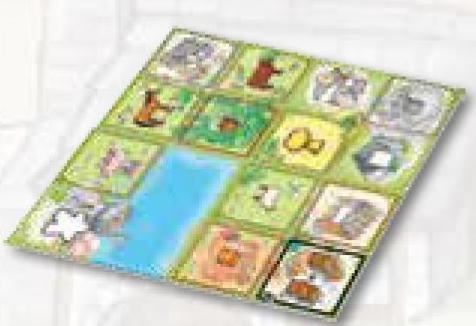
玩家选择展示的城镇板上必须包含15个场地(双地块的河流视为一个场地)并且城镇中心中必须具有新季节的季节图标.
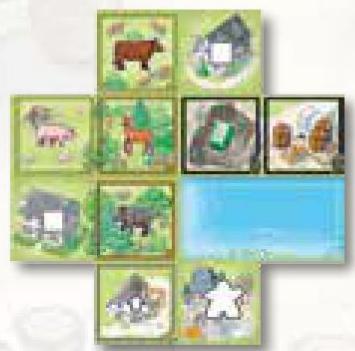


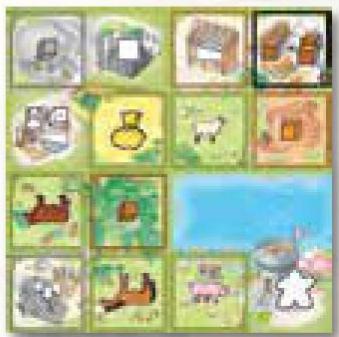

每个城镇板在每个季节中都有四种独特的组合方式。(注意春季 🌱 和夏季 🌱 最右端的两个布局中的场地是相同的。) 秋季 🌱 和冬季 🌱 可用的面是相同的。


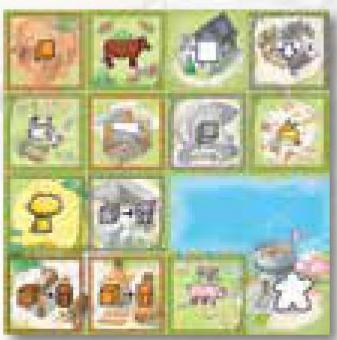


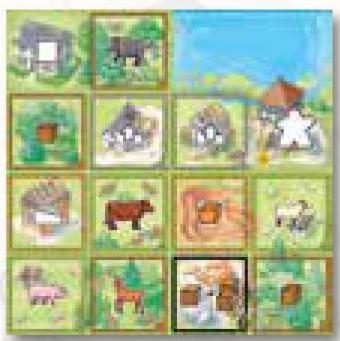
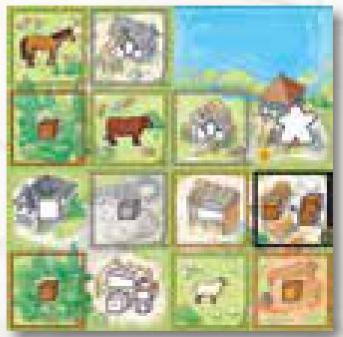



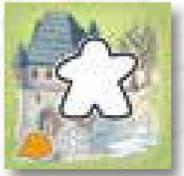
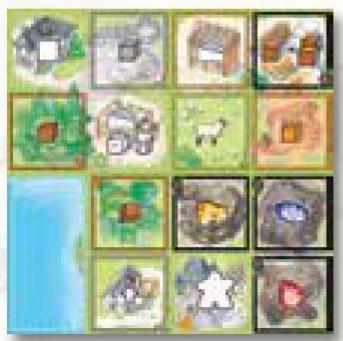

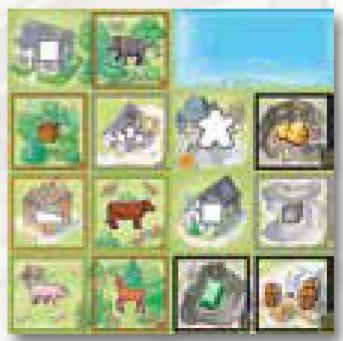
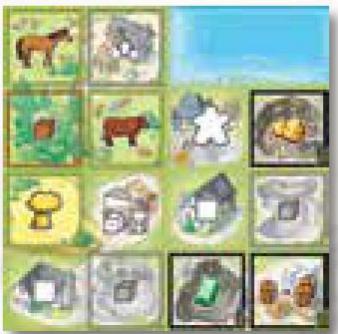
为了便于识别,每个场地颜色外框的一角同样拥有一个对应类型的图标: , , , , 或 ☐.(如果你玩的是 Keeper Character Edition 不同颜色的工人同样会携带一个对应的工具,这是为了帮助色盲的玩家区分职业而设计的.

使用城镇板
玩家们将工人分配到城镇板上的场地中来获得场地中所提供的资源,城镇板块和建筑行动.相关细节请参考第四页中的"一名玩家的回合"部分.
玩家将他们获得的任意资源放置到各自的玩家板上.动物放置到农场中并且在一个季节中可以自由移动,但是在季节结束时,这些动物必须放入到可以圈养对应动物的板块中,否则这些动物会丢失.其他资源: 原料,麦子,成品和宝石,将被放置到对应类型的仓库中.
注意,并非所有的资源都可以在每个季节的城镇板上获得.例如在夏季 🍎 中没有鸡并且在春季 🍎 或夏季 🍎 中不会出现宝石,相关的所有细节请参考第12页的表格.
城镇板 接上一页
下面的列表详细的介绍了每种场地可以获得的行动和生产的资源,产出的数量取决于你分配的工人或参与者以及工人是否处于放倒的状态.
每个场地的颜色与这种场地可以选择的季节是很容易辨认.城镇板上的一些场地的类型会相互排斥.
此列表仅在玩家需要时作为参考.在玩家们开始游戏之前不需要了解这个列表的相关内容!
| 工人工人+参与者 | 1* | |||||||
| 工人+已经分配并放倒的工人 | ||||||||
| 放倒一/多个工人(如果没有工人/没有剩余工人) | ||||||||
| 工人的颜色是否与场地颜色相匹配? | × | ✓ | × | ✓ | ||||
| 场地名称/颜色 | 可用季节 | 板块图形 | ||||||
| 城镇中心 | 一个城镇中心只能分配一个开拓者 | |||||||
| 黏土 | ||||||||
| 原木 | ||||||||
| 石块 |  | |||||||
| 鸡 | ||||||||
| 牛 | ||||||||
| 鹿 | ||||||||
| 山羊 | ||||||||
| 马 | ||||||||
| 猪 | ||||||||
| 绵羊 | ||||||||
| 麦子 | ||||||||
| 野猪 | ||||||||
| 绿宝石 | ||||||||
| 黄金 | ||||||||
| 红宝石 | ||||||||
| 蓝宝石 | ||||||||
| 城镇板块 |  | 2 | ||||||
| 黏土转换砖块 | ||||||||
| 原木转换木材 | ||||||||
| 石块转换石材 |  | |||||||
| 原料交易 |  | 3 | ||||||
| 成品交易 | 3 | |||||||
| 建造 |  | 4 | ||||||
| 打折建造 |  | 4 | (=/×1)×1 | (=/×1)×1 | (=/×1)×2 | (=/×1)×2 | ||
| 升级 | 5 | |||||||
| 船只 | 6 | |||||||
* 表格中的注释部分在第13页和第14页中介绍.
城镇板 接上一页 - 第12页的列表中的注释
-
一个参与者获得与当前回合玩家相同的行动数量或相同数量的资源.
-
城镇板块(包括冬季展会板块). 获得并使用春季城镇板块是玩家取得游戏胜利的关键!
玩家可以通过城镇板块场地获得城镇板块. 注意:玩家不需要花费任何费用就能获得一个城镇板块,并且只能建造这个城镇板块.
关于建造城镇板块的相关细节请参考之后的第4点"建造"部分.

玩家将选择的城镇板块放置到玩家板的板面上.
由于城镇板块场地中没有颜色框,因此一个工人只能获得一个城镇板块.然而,如果这里有一个参与者,场地中的两个工人能分别获得两个城镇板块.当前回合的玩家选择第一个城镇板块,然后参与者的所有者选择第二个和第三个城镇板块,最后当前回合玩家再选择第四个城镇板块.
当玩家和任何参与者拿取完各自的城镇板块后,当前回合的玩家从布袋中抽取板块并将桌上的城镇板块再次补充到8块.
注意:如果拿取城镇板块是一个季节的最后一个行动,不需要补充板块.
如果在春季 🎧 中所有春季 🎧 板块都已经被抽取并且布袋空了,将游戏设置时放到一旁成堆的所有城镇板块放入到布袋中.如果在夏季 🎧,秋季 🎧 或冬季 🎧 的任何时候布袋空了,立即将弃除板块堆中的所有城镇板块放入布袋中.
8个城镇板块的初始面具有建筑费用. 被展示的冬季展会板块的当前季节图标面朝上. 这些板块的双面都有秋季图标. 在秋季 🌐 中展会板块面上具有夏季 🌐 和秋季图标.
- 通过交易玩家可以将1个原料或成品转换成2个原料或成品。玩家可以使用第一次交易中获得的一个资源用于第二次交易或之后的交易。
4. 建造
玩家必须拥有想要建造的建筑板块.这个板块可以是玩家自己的一个家园板块或者是从城镇板块场地中获得的一个建筑板块.
关于城镇板块的相关细节请参考上面的第2点.
玩家将建筑板块初始面朝上放入到他们玩家板上一个选择好的地块中.这个板块可以通过分配一个工人到以下位置中来建造:
(i) 城镇板上的一个橘色建造场地,
(ii) 城镇板上的一个打折建造场地,
(iii)建筑师板块,
(iv) 雇农板块(只能用于建造农场建筑), 或者
(v) 玩家板上的正在建造的建筑板块.
这种建造方式的优点是玩家可以保留自己的工人。这种建造方式的缺点是在当前季节中玩家使用了一次分配工人到这个板块上的机会并且也没有其他玩家来参与这个建筑的行动。(注意,如果这个工人在之后被放倒,这个工人可以用于升级或激活板块。)
(i)
(ii)

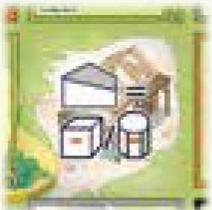
(iii)

(iv)
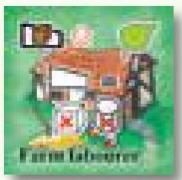
4. 建造接上一部分
玩家必须支付建筑板块上显示的建造费用或者支付(ii), (iii)或(iv)中修正后的费用. 但是请注意 (不包括雇农板块)当使用修正费用建造一个建筑板块时,最少也必须支付一个资源.
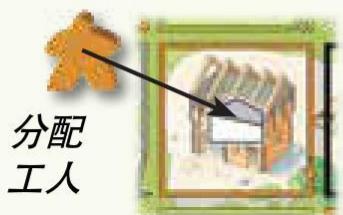
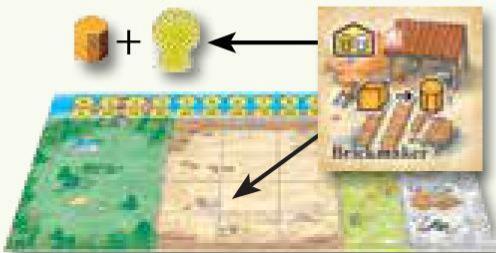
然后放置板块来建造并支付费用.
5. 升级建筑板块
玩家可以分配一个工人到以下一个位置中来升级一个已经建造的建筑板块:
(i) 城镇板上的一个灰色的升级场地,
(ii) 已经升级的建筑师板块,
(iii) 已经升级的雇农板块, 或者
(iv) 玩家板上的正在升级的建筑板块.
(i)
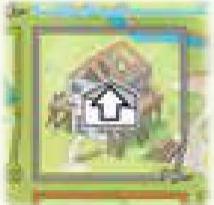

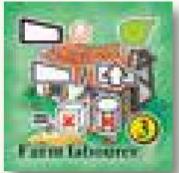
玩家必须支付玩家板块上显示的升级费用(参考第10页)或者支付上面(ii)或(iii)中修正后的升级费用.将板块进行翻转,保证升级后的面朝上.
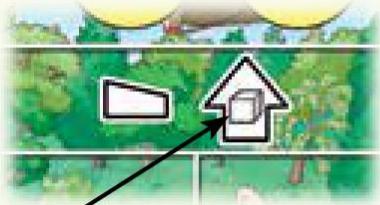
升级一个农场板块需要花费一个原料或一个麦子.

升级一个村庄板块需要花费一个成品或一个麦子.
如果一个建筑上已经分配了一个工人,这个建筑板块依然可以进行升级.
6. 船只板块
当玩家想要分配工人到河流位置中,这名玩家可以从可用的船只中选择拿取一艘船只.然后将这艘船放到一条河流位置中并放置玩家的工人到这个船只板块上.
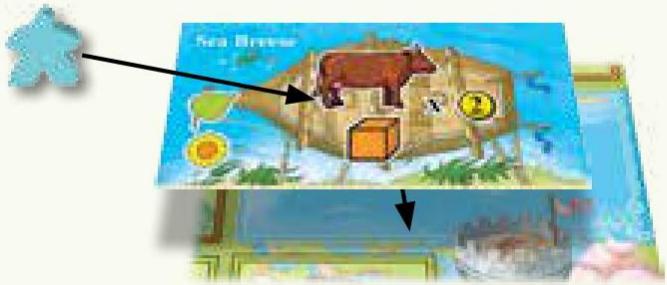
在一艘船只上分配一个工人通常可以获得一个行动.
如果分配的工人是蓝色或白色,这个工人的颜色与这条河流的颜色相匹配并且这名工人可以获得两个船只行动。如果这里具有一个参与者,参与者和工人都可以分别获得三个船只行动。
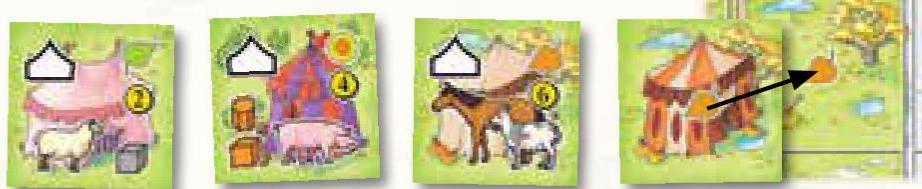
城镇板 接上一页
6. 船只板块接上一页
一个工人通过一个船只行动 ◯ 可以:
(i) 在船只上工作. 然后玩家从一般供应堆中(如果有)获得这个船只上描述的一个资源, 或者
(ii) 出售一个资源. 将这个船只上描述的一个资源放回到一般供应堆中来获得2点分数. 然后立即推进玩家板上船只计分轨迹上的标记物. (这是游戏中唯一记录分数的方式.)
一个工人不能在同一回合中获得一个资源并出售同一种类的资源.
展会板块
在游戏设置中, 每名玩家获得一个春季 📄, 夏季 🌐, 秋季 🌐 展会板块. 这些板块面朝下放置(板块面上只显示季节图标和帐篷图标) 在玩家板的展会区域中(参考右侧) 直到展会开始举办.
玩家为了在季节结束时举办展会必须展出的这些板块的正面(参考下侧)描述的资源.
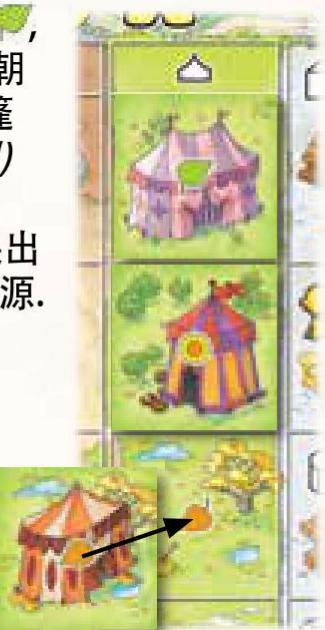
(提示:在对应的季节中,玩家临时将季节结束时需要展出的资源放到这个季节板块的上面可以提醒玩家在展会举办前不会花费掉这些资源!)
另外,还有8个冬季展会板块可以从城镇板上的城镇板块场地中获得(当冬季展会板块出现在展示的8个城镇板块中时).

我们建议玩家将冬季展会板块保留在玩家板的左侧(与家园板块和城镇板块在一起)直到一个季节结束时举办展会所需的资源被展出.
冬季展会板块的夏季 🌐 /秋季 🌐 面左下角的小宝石图标表示这个板块的另一面(秋季 🌐 /冬季 🌐)所需要的宝石种类.
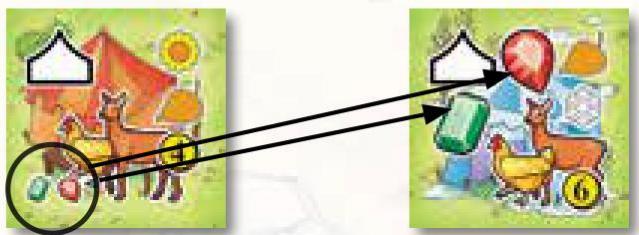
冬季展会板块上显示的展会可以在夏季 🌐 /秋季 🌐 举办(价值4分)或者可以在秋季 🌐 /冬季 🌐 举办(价值6分),所获得的分数取决于玩家展出的资源.
相关的细节请参考第8页的"季节结束"的第3点.
建筑板块
板块布局
每个建筑板块都具有相同的布局:
板块左上角的图标表示这个建筑板块的类型:
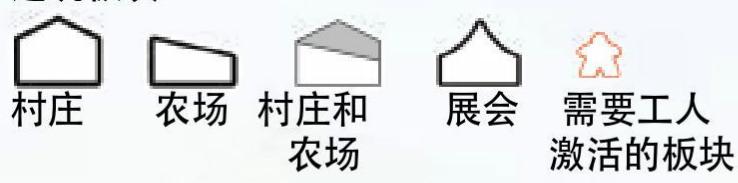
农场 □ 或村庄 □, 家园
(玩家颜色) 或 城镇 □ (白色).
春季城镇板块同样显示着一个春季 🍎 图标.
板块初始面的建筑图标中显示着建造费用,升级之后的一面上显示着空白的建筑图标.
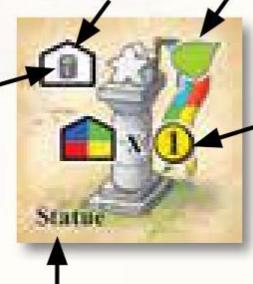
建筑板块还会显示计分条件(参考金币图标),可获得的行动和/或资源.
板块底部是这个板块的名称.
板块顶部的 🌐 图标表示这个板块只有放置(或放倒)一个工人后才能被激活。(详情请参考对页)
获得建筑板块
每名玩家在游戏开始时都有12个相同的家园板块(相关的细节请参考第3页的"游戏设置"的第11点). 在游戏过程中玩家通过分配一个工人到城镇板上的一个城镇板块场地中可以获得城镇板块(相关的细节请参考第13页的"城镇板"的第2点).
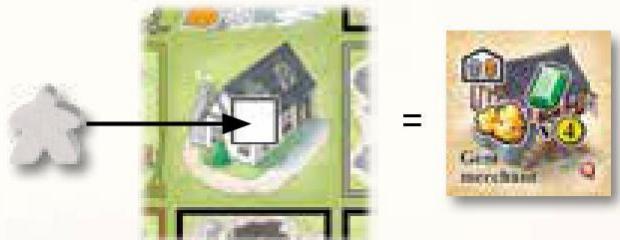
我们建议玩家将未建造的板块保留在玩家板的左侧,并确保具有建造费用的一面朝上.
建造一个建筑板块
为了计分,玩家必须将建筑板块建造到他们的玩家板上.
(相关的细节请参考第13页的"城镇板"的第4点)
农场板块 ☐ 必须建造在农场中.
村庄板块 必须建造在村庄里.
游戏允许玩家将村庄板块具有河流的面与另一个建筑板块具有陆地的面相连接.村庄板块的河流面与其他板块连接没有地形限制.建筑板块在放置时,这个板块的名称总是处于板块的底部.当建筑板块放入玩家板之后,这个板块无法移动位置或旋转.
如果出现两名玩家都进行建造或升级的情况(一名玩家加入到另一名玩家的行动)玩家们决定他们分别建造什么,一次一个建筑,从当前回合的玩家开始然后是另一名玩家.
升级建筑板块
建筑板块一旦建造完成就可以进行升级。(具体细节请参考第13页中城镇板的第5点.)
覆盖建造
玩家可以在的已经建造的建筑板块上覆盖建造新的板块并且同样需要花费建造费用.每个建筑板块只能被覆盖一次.将新的建筑板块放到原有建筑板块的上面.不要移除下面的建筑板块.
建筑板块 接上一页
被覆盖的建筑板块不再可用(与堆叠的展会板块不同), 在游戏结束时被覆盖的建筑板块不能计分并且不能被其他板块计分, 例如. 不能被排水渠, 人行道, 雕像或茅草屋计分.
一名玩家甚至可以覆盖一个已经分配了一个工人的建筑板块。在覆盖新的板块之前,在覆盖时先暂时把工人移开,在覆盖完新板块之后再将工人移动到新的板块上面。如果需要的话,这个工人可以在之后的回合中放倒来执行新板块提供的行动或资源或者升级这个新的板块。
建筑板块的细节
在游戏设置时,每名玩家都会获得对应玩家颜色的12个家园板块:6个农场板块和6个村庄板块.
每个建筑板块都有两个面。一个在建筑图标中显示着建造费用 📁 的初始面 和 一个显示空白建筑图标 📁 的升级后的面。
当本规则中一个板块名称后面具有一个红色边框的工人图标 (对应的建筑板块的建筑图标后面也会有一个红色边框的工人图标), 表示玩家必须分配一个工人到这个板块上来激活这个板块. 其他没有红色边框工人图标的板块不需要被激活.
农场板块

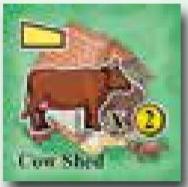
牛棚. 一个牛棚最多圈养4头牛. 在游戏结束时, 牛棚中的每头牛计1分, 如果升级后每头牛计2分. (升级前最多计4分, 升级后最多计8分).
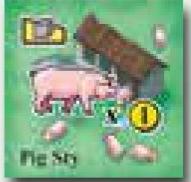
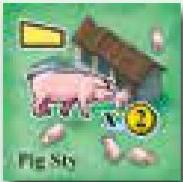
猪圈.一个猪圈最多圈养4只猪.在游戏结束时,猪圈中的每只猪计1分,如果升级后每只猪计2分.(升级前最多计4分,升级后最多计8分).
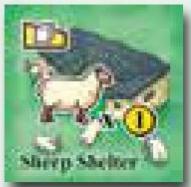

羊圈. 一个羊圈最多圈养4只羊. 在游戏结束时, 羊圈中的每只羊计1分, 如果升级后每只羊计2分. (升级前最多计4分, 升级后最多计8分).

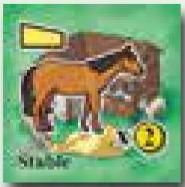
马厩. 一个马厩最多圈养4匹马. 在游戏结束时,马厩中的每匹马计1分,如果升级后每匹马计2分.(升级前最多计4分,升级后最多计8分).
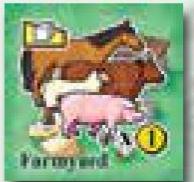
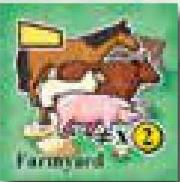
农院. 一个农院可以圈养以下任意4个动物: 牛,马,猪,羊.
例如圈养3头牛和1只猪.
在游戏结束时,每种动物计1分,如果升级后每种动物计2分(升级前最多计4分,升级后最多计8分).
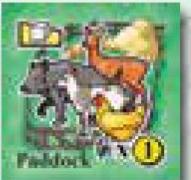
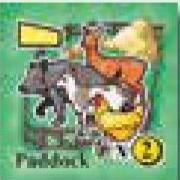
围场.一个围场可以圈养以下任意4个动物:鸡,鹿,山羊,野猪.
例如圈养1只山羊和2只野猪.
在游戏结束时,每种动物计1分,如果升级后每种动物计2分(升级前最多计4分,升级后最多计8分).
村庄板块

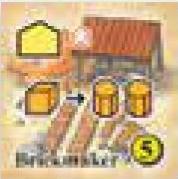
砖匠. 砖匠可以将1个黏土(橘色原料)转换成1个砖块(橘色成品).
如果升级后,砖匠可以将1个黏土转换成2个砖块,并且在游戏结束时这个板块价值5分.
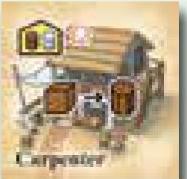

木匠. 木匠可以将1个原木(棕色原料)转换成1个木材(棕色成品).
如果升级后,木匠可以将1个原木转换成2个木材,并且在游戏结束时这个板块价值5分.
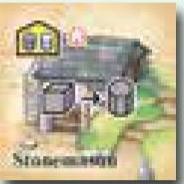
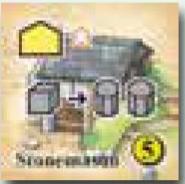
石匠. 石匠可以将1个石块(灰色原料)转换成1个石材(灰色成品).
如果升级后,石匠可以将1个石块转换成2个石材,并且在游戏结束时这个板块价值5分.

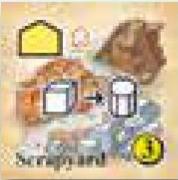
废品场。废品场可以将2个任意类型的原料(黏土/原木/石块)转换成1个任意类型的成品(砖块/石材/木材).
如果升级后,废品场可以将1个任意类型的原料转换成1个任意类型的成品,并且在游戏结束时这个板块价值3分.


排水渠. 在游戏结束时, 排水渠板块价值1分并且与排水渠板块对角方向放置的每个村庄板块(不能是农场板块)价值1分.(允许间隔.)
如果升级后,排水渠板块价值2分并且与排水渠板块对角方向放置的每个村庄板块价值2分.
(升级前最多计5分,升级后最多计10分).
举例:
排水渠(请参考上面的介绍) 人行道(请参考下面的介绍)

5分
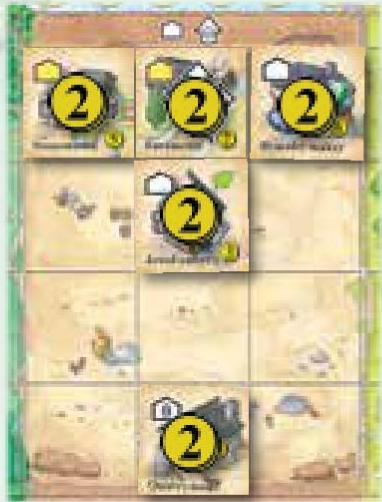

10分(升级后)

人行道. 在游戏结束时,人行道板块价值1分并且与人行道板块十字方向放置的每个村庄板块(不能是农场板块)价值1分.(允许间隔.)
如果升级后,人行道板块价值2分并且与人行道板块十字方向放置的每个村庄板块价值2分.
(升级前最多计6分,升级后最多计12分).
除了家园建筑板块(农场和村庄),玩家还可以从城镇板上的城镇板块场地中获得城镇建筑板块.
建筑板块 接上一页
春季城镇板块. 春季城镇板块的右上角具有春季所有春季 🍎️ 板块在游戏开始时被放入布袋中.
图标.

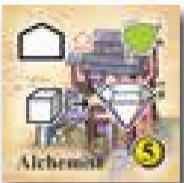
炼金屋. 炼金屋板块可以将2个任意类型的原料转换成1个任意类型的宝石并且在游戏结束时这个板块价值3分.
如果升级后,炼金屋板块可以将1个任意类型的原料转换成1个任意类型的宝石并且在游戏结束时这个板块价值5分.

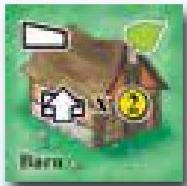
谷仓. 在游戏结束时,玩家板上农场中的每个农场建筑(包括谷仓)价值1分.
如果升级后,在游戏结束时谷仓板块价值2分并且玩家板上农场中的每个升级后的农场建筑价值2分,但是任何没有升级的农场建筑不计分.(升级前最多计8分,升级后最多计16分).

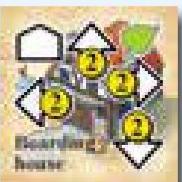
公寓. 如果公寓的左侧或右侧建造了一个村庄板块(不能是农场板块), 在游戏结束时, 左侧或右侧的每个村庄板块计2分.
如果升级后,在游戏结束时,与公寓十字方向相邻建造的每个村庄板块计2分.(升级前最多计4分,升级后最多计8分).


建筑师. 🌐 建筑师板块允许玩家花费1个成品来建造任意一个建筑板块.(玩家可以忽略建筑板块上的建筑花费.)
如果升级后,建筑师板块允许玩家花费任意1个成品或1个小麦来建造或升级任意一个建筑板块.并且在游戏结束时,建筑师板块价值3分.
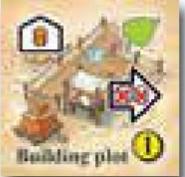

建筑地基.一旦玩家建造了建筑地基,玩家可以免费建造建筑地基右侧的一个建筑(甚至如果玩家在同一回合中有2个建造行动,玩家可以先建造建筑地基再免费建造右侧的建筑.),免费建造只是忽略建造板块的费用,它必须使用一个建造行动.游戏结束时,建筑地基价值1分.
如果升级后,板块的上侧和下侧都可以免费建造一个建筑板块,并且在游戏结束时,这个板块价值3分.(记住:建筑板块不能被旋转.)


鸡窝. 一个鸡窝最多圈养4只鸡. 在游戏结束时,鸡窝中的每只鸡计2分.
如果升级后每只鸡计3分.(升级前最多计8分,升级后最多计12分).
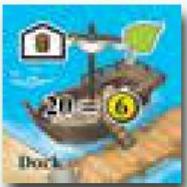

码头. 如果在游戏结束时板块的拥有者获得了20点船只分数,玩家将额外获得6分.
如果升级后,在游戏结束时,板块的拥有者获得了30点船运分数,玩家将额外获得12分.(但是如果船运分数超过20分,并且没有达到30分时,拥有者不能得分).
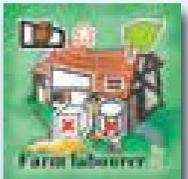
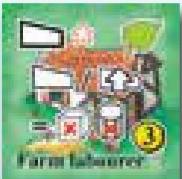
雇农. 雇农板块允许玩家免费建造任何农场板块.(玩家可以忽略建筑板块上的建筑花费.)
如果升级后,雇农板块允许玩家免费建造或升级任何农场板块.并且在游戏结束时,雇农板块价值3分.
如果玩家在升级后的雇农板块上使用第二次行动,例如,当一个参与者加入到一个已经分配工人的雇农板块中,然后这个两个工人可以执行不同的行动,假设一个可以执行建造行动另一个可以执行升级行动.这两个工人甚至可以建造和升级同一个建筑.
雇农板块可以用于覆盖建造并将新的板块覆盖到自己身上,但是雇农板块被覆盖之后就不能再使用了.


宝石交易商. 🌐 珠宝交易商可以将任意种类的1个宝石转换成任意种类的另1个宝石.
如果升级后,珠宝交易商可以将任意种类的1个宝石转换成任意种类的2个宝石(包括相同种类).并且在游戏结束时这个板块价值3分.

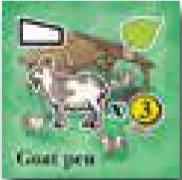
山羊圈.一个山羊圈最多圈养4只山羊.在游戏结束时,山羊圈中的每只山羊计2分.
如果升级后每只山羊计3分.
(升级前最多计8分,升级后最多计12分).
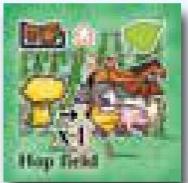
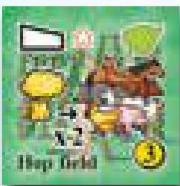
交换所. 🌐 交换所板块可以将1个麦子转换成1个任意种类的动物. 如果升级后,交换所板块可以将1个小麦转换成2个任意种类的动物. 在游戏结束时,这个板块价值3分.
交换所板块最多圈养4个任意种类的动物 (板块上显示任意种类的动物).


并且在游戏结束时这个板块价值3分.
珠宝工匠. 🌐 珠宝工匠板块可以将1个石材转换成1个任意种类的宝石. 如果升级后, 珠宝工匠板块可以将1个石材转换成2个任意种类的宝石.
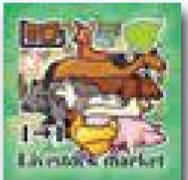
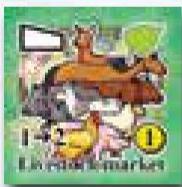
动物市场. 动物市场板块可以将1个动物转换成1个任意种类的动物. 如果升级后, 动物市场板块可以将1个动物转换成2个任意种类的动物 (包括相同种类).
并且在游戏结束时这个板块价值1分. 动物市场板块最多圈养4个任意种类的动物 (板块上显示任意种类的动物).


烘干房. 在游戏结束时,如果拥有者的8个农场地块中都有建筑,烘干房板块价值4分.
如果升级后,在游戏结束时,拥有者的8个农场地块中都有建筑,烘干房板块价值8分.
建筑板块 接上一页


航海家.每次航海家板块的拥有者分配一个工人到船只板块上(包括作为参与者)时,这名玩家获得1点船运分数.
如果升级后,每次航海家板块的拥有者分配一个工人到船只板块上时,这名玩家获得2点船运分数.玩家获得这个分数时,立即推进船运计分轨迹上的指示物.并且在游戏结束时这个板块价值3分.
注意如果分配参与者到一个已经分配工人(然后将这名工人放倒)的船只板块上时,或者两个工人在一个放倒行动中都被放倒,依然计做一个船只行动并计2分,而不是4分.
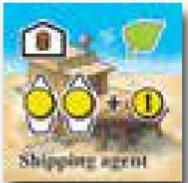
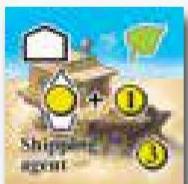
船运代理商. 当拥有者通过船只板块出售2个资源时, 这名玩家额外获得1分.
如果升级后,拥有者通过船只板块出售的每一个资源额外获得1分.并且在游戏结束时这个板块价值3分.

雕像. 拥有者村庄中建造的每一个家园村庄(不能是农场)获得1分.

如果升级后,拥有者村庄中建造的每一个升级后的家园村庄获得1分.(没有升级的家园村庄不计分).(升级前最多计6分,升级后最多计12分).
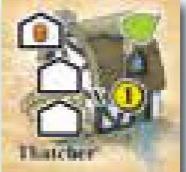
茅草屋. 拥有者村庄中建造的每两个村庄板块(不能是农场)获得1分. (包括茅草屋).

如果升级后,拥有者村庄中建造的每一个升级后的村庄板块(不能是农场)获得2分。(没有升级的村庄板块不计分). (升级前最多计6分,升级后最多计12分).
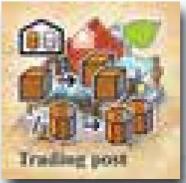
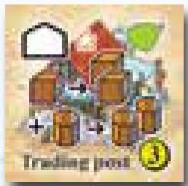
交易站. 交易站允许拥有者将1个原料转换成任意种类的2个原料,或者将1个成品转换成任意种类的2个成品.
如果升级后,交易站允许拥有者将1个原料转换成任意种类的2个原料,并且将1个成品转换成任意种类的2个成品.在游戏结束时这个板块价值3分.注意在交易站中不能使用麦子.


村政厅. 如果拥有者村庄中的12个地块都有建筑,村政厅计6分.
如果升级后,拥有者村庄中的12个地块都有建筑,村政厅计12分.
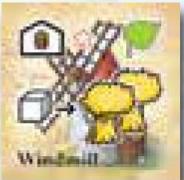

磨坊. 磨坊可以将1个原料转换成2个麦子.
如果升级后,在游戏结束时拥有者的每个麦子价值2分,最多计算4个小麦.(升级后最多计8分).
以下城镇板块的右上角没有春季图标 📄,因此不属于春季城镇板块。在游戏开始时,这些板块与冬季展会板块堆叠在一起。在春季 📄 结束后,或者如果布袋在春季结束前空了玩家将这些板块放入到布袋中。
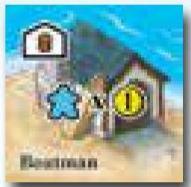
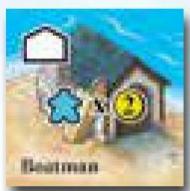
船夫. 在游戏结束时, 拥有者的每个蓝色工人价值1分.
如果升级后,在游戏结束时,拥有者的每个蓝色工人价值2分.注意白色工人可以视为任何颜色的工人,这个板块最多计算4个工人.(升级前最多计4分,升级后最多计8分).


手镯工匠. 在游戏结束时,板块的拥有者的每一组绿宝石和蓝宝石计4分,最多计算4组绿宝石和蓝宝石.
(板块右下角的红宝石小图标表示这个板块升级后需要的第三种宝石)
如果升级后,在游戏结束时,板块的拥有者的每一组绿宝石,蓝宝石和红宝石计6分,最多计算4组绿宝石,蓝宝石和红宝石.(升级前最多计16分,升级后最多计24分).


砖匠. 在游戏结束时, 拥有者的每个橘色工人价值1分.
如果升级后,在游戏结束时,拥有者的每个橘色工人价值2分.注意白色工人可以视为任何颜色的工人,这个板块最多计算4个工人.(升级前最多计4分,升级后最多计8分).

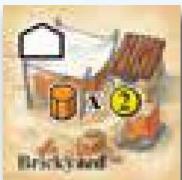
砖厂. 在游戏结束时, 拥有者的每个砖块(橘色成品)价值1分. 这个板块最多计算4个砖块.
如果升级后,在游戏结束时,拥有者的每个砖块(橘色成品)价值2分.这个板块最多计算4个砖块.(升级前最多计4分,升级后最多计8分).

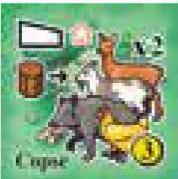
灌木林。 灌木林允许拥有者将1个木材转换成以下任意1个动物:鸡,鹿,山羊或野猪。
如果升级后,灌木林允许拥有者将1个木材转换成以下任意2个动物:鸡,鹿,山羊或野猪.并且在游戏结束时这个板块价值3分.灌木林板块上最多可以圈养4只对应种类的动物.


珠宝市场.在游戏结束时,板块的拥有者的每一组红宝石和蓝宝石计4分,最多计算4组红宝石和蓝宝石.
(板块右下角的黄金小图标表示这个板块升级后需要的第三种宝石)
如果升级后,在游戏结束时,板块的拥有者的每一组红宝石,蓝宝石和黄金计6分,最多计算4组红宝石,蓝宝石和黄金.
(升级前最多计16分,升级后最多计24分).


表演者. 在游戏结束时, 板块拥有者举办一个或多个展会的每个季节获得1分.
如果升级后,在游戏结束时,板块拥有者举办一个或多个展会的每个季节获得2分.
(升级前最多计4分,升级后最多计8分).
建筑板块 接上一页
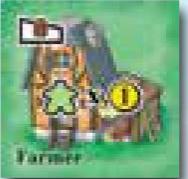

农夫. 在游戏结束时, 拥有者的每个绿色工人价值1分.
如果升级后,在游戏结束时,拥有者的每个绿色工人价值2分.注意白色工人可以视为任何颜色的工人,这个板块最多计算4个工人.(升级前最多计4分,升级后最多计8分).
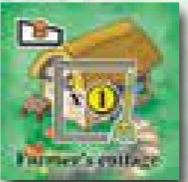

农舍. 在冬季结束时, 拥有者占领的城镇板上每个绿色边框的场地价值1分.
如果升级后,拥有者占领的城镇板上每个绿色边框的场地价值3分.(升级前最多计3分,升级后最多计9分).
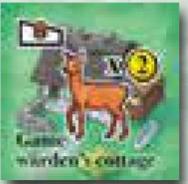
护猎员小屋. 狩猎员小屋可以圈养4头鹿. 在游戏结束时, 在板块上圈养的每头鹿价值2分.
如果升级后,在游戏结束时,在板块上圈养的每头鹿价值3分。(升级前最多计8分,升级后最多计12分).


宝石商人. 在游戏结束时, 板块的拥有者的每一组黄金和绿宝石计4分, 最多计算4组黄金和绿宝石.(板块右下角的红宝石小图标表示这个板块升级后需要的第三种宝石)
如果升级后,在游戏结束时,板块的拥有者的每一组黄金,绿宝石计和红宝石计6分,最多计算4组黄金,绿宝石和红宝石.(升级前最多计16分,升级后最多计24分).


金匠. 在游戏结束时,板块的拥有者的每一组黄金和蓝宝石计4分,最多计算4组黄金和蓝宝石.(板块右下角的绿宝石小图标表示这个板块升级后需要的第三种宝石)
如果升级后,在游戏结束时,板块的拥有者的每一组黄金,蓝宝石计和绿宝石计6分,最多计算4组黄金,蓝宝石和绿宝石.(升级前最多计16分,升级后最多计24分).
猎人帐篷.猎人帐篷板块可以圈养4只野猪.在游戏结束时,在板块上圈养的每只野猪价值2分.
如果升级后,在游戏结束时,在板块上圈养的每只野猪价值3分.(升级前最多计8分,升级后最多计12分).


宝石工匠. 在游戏结束时, 板块的拥有者的每一组绿宝石和红宝石计4分, 最多计算4组绿宝石和红宝石。(板块右下角的蓝宝石小图标表示这个板块升级后需要的第三种宝石)
如果升级后,在游戏结束时,板块的拥有者的每一组绿宝石,红宝石计和蓝宝石计6分,最多计算4组绿宝石,红宝石和蓝宝石.
(升级前最多计16分,升级后最多计24分).


奇伍德市场. 奇伍德市场板块可以将以下任意2个资源:成品,珠宝和原料(包括麦子)转换成1个相同种类的资源.(例如.将成品转换成成品.宝石转换成宝石等等)在游戏结束时,这个板块价值3分.
如果升级后,奇伍德市场板块可以将任意1个资源转换成1个相同种类的资源.并且在游戏结束时这个板块价值5分.


砖窑. 在冬季结束时, 拥有者占领的城镇板上每个橘色边框的场地价值2分.
如果升级后,拥有者占领的城镇板上每个橘色边框的场地价值4分.(升级前最多计4分,升级后最多计8分).


小木屋. 在冬季结束时, 拥有者占领的城镇板上每个棕色边框的场地价值1分.
如果升级后,拥有者占领的城镇板上每个棕色边框的场地价值3分.(升级前最多计3分,升级后最多计9分).

伐木工. 在游戏结束时, 拥有者的每个棕色工人价值1分.
如果升级后,在游戏结束时,拥有者的每个棕色工人价值2分.注意白色工人可以视为任何颜色的工人,这个板块最多计算4个工人.(升级前最多计4分,升级后最多计8分).
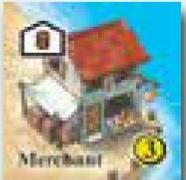
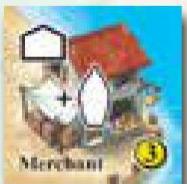
商人.在游戏结束时这个板块价值3分.
如果升级后,每次拥有者使用一个船只板块时,这名拥有者可以额外执行一次船只行动.例如.如果拥有者作为一个参与者分配一个蓝色工人到船只板块上,这名拥有者可以遵循船只规则进行四次交易(参考第13页中的"城镇板"的第6点).


矿井. 在冬季 ☑ 结束时, 拥有者占领的城镇板上每个黑色边框的场地价值1分.
如果升级后,拥有者占领的城镇板上每个黑色边框的场地价值2分.(升级前最多计4分,升级后最多计8分).


采石场.在冬季结束时,拥有者占领的城镇板上每个灰色边框的场地价值1分.
如果升级后,拥有者占领的城镇板上每个灰色边框的场地价值3分.(升级前最多计3分,升级后最多计9分).


勘探者. 在游戏结束时, 拥有者分配给勘探者板块的每个宝石(任何种类)价值1分, 这个板块最多计算4个宝石.
如果升级后,在游戏结束时,拥有者分配给勘探者板块的每个宝石(任何种类)价值2分,这个板块最多计算4个宝石。(升级前最多计4分,升级后最多计8分).
建筑板块 接上一页
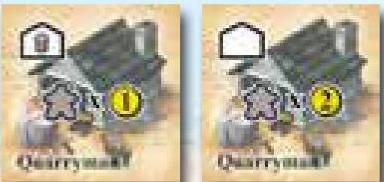
采石工. 在游戏结束时,板块的拥有者的每个灰色工人计1分,最多计算4个灰色工人.
如果升级后,在游戏结束时,板块的拥有者的每个灰色工人计2分,最多计算4个灰色工人.(升级前最多计4分,升级后最多计8分).

戒指工匠. 在游戏结束时,板块的拥有者的每一组黄金和红宝石计4分,最多计算4组黄金和红宝石.(板块右下角的绿宝石小图标表示这个板块升级后需要的第三种宝石)
如果升级后,在游戏结束时,板块的拥有者的每一组黄金,红宝石计和绿宝石计6分,最多计算4组黄金,红宝石合绿宝石.(升级前最多计16分,升级后最多计24分).

废品交易商. 在游戏结束时,板块的拥有者拥有的每两个以下的资源计1分: 成品,宝石,原料,麦子. 最多计算8个资源.
如果升级后,在游戏结束时,板块的拥有者拥有的每两个以下的资源计2分: 成品,宝石,原料,小麦.最多计算8个资源.
(升级前最多计4分,升级后最多计8分).
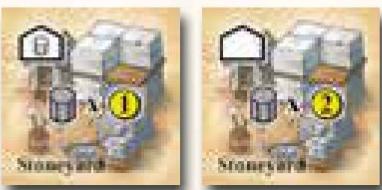
采石场. 在游戏结束时,板块的拥有者的每个石材(灰色成品)计1分,最多计算4个石材.
如果升级后,在游戏结束时,板块的拥有者的每个石材计2分,最多计算4个石材.(升级前最多计4分,升级后最多计8分).

贮木场. 在游戏结束时,板块的拥有者的每个木材(棕色成品)计1分,最多计算4个木材.
如果升级后,在游戏结束时,板块的拥有者的每个木材计2分,最多计算4个木材。(升级前最多计4分,升级后最多计8分).


工人角色设计 Andrea Uruburok,
2017出版:
鸣谢
游戏设计 Richard Breese.
插画设计 Vicki Dalton, 助理 Rebecca Burgess.
ReportLOGO设计 Juliet Breese, 图像及视觉设计 Richard Breese.
德文翻译Ferdinand Köther.

Game Salute LLC,
34 Londonderry Road,
Londonderry,
NH 03053, USA.
www.GameSalute.com
HUSHI
R&D Games,
6 Denne Close,
Stratford upon Avon,
CV37 6XL, UK.
rqbreese@gmail.com
联合发行:

Hutter Trade GmbH
+ Co KG
Bgm.-Landmann-
Platz 1-5,
89312 Günzburg,
Deutschland.
www.hutter-trade.com
设计师感谢以下游戏测试者和贡献者:Mark Adams, Paul Agapow, Ralph Anderson, Jonathan Badger, Michael Baskal, Sebastian Bleasdale, boardGOATS, Jenny Bradbury, David Brain, Jonathan Breese, Mark Breese, Stuart Breese, Paul Bruce, Ed Bryan, Derek Carver, Mark Chessher, David Chircop, Tze Tung Chong, Mike Clifford (the first to coin the term 'Keyper', in Counter magazine #20, 2003), Roy Cross, Vicki Dalton, David Dawkins, Peter Duckworth, Mathew Dunstan, Martha Garcia-Murillo, Penny Gray, Paul Grogan, Andrew Harding, Richard Harris, Mikko Heikel ā, Ryszard Hermaszewski, Martin Higham, Alan How, Joe Huber, Ron Krantz, Cynthia Landon, Tina Landwehr-Rödde, Larry Levy, Ian MacInnes, Paul Mansfield, David Mortimer, Simon Neale, Jose Olivas Osuna, Andy Parsons, Alan Paull, Charlie Paull, Benjamin Pfob, Tony Ross, Jennifer Schlickbernd, Bez Shahriari, Mike Siggins, Graham Staplehurst (who first proposed the game title 'Keyper' for this game), Tom Staplehurst, Britta Stöckmann, Rob Thomasson, Dave Torzzi, Rik Van Horn, Ian Vincent, Arthur Wadsworth, Simon Weisberg, Janet Welch, Ian Wilson and Wan Yee.
特别感谢:
Hans im Glück who again kindly gave their permission to use their popular Carcassonne meeples (to represent their distant descendants, the keyples, in the Key game series) and pigs and also to Lookout Games who kindly gave their permission to use their Agricola cows, horses and sheep.
Character keyples created by Meeple Source (US)
Character keyples created by Meeple Source (US).
Folding Logoloop® country boards manufactured by Giftpoint Ltd (UK/NL). Game manufactured and collated by Ludo Fact GmbH (D).
城镇板场地图标.
生产板块
快速规则
| 根据以下方式进行游戏中心区域的设置: | 页码 | 重点 |
| 每名玩家将1个城镇板设置为春季并且使用对应玩家数量图标的城镇板. | 2 | 1 |
| 在旁边放置: | ||
| 从布袋中抽取8个春季城镇板块(☐/☐+☐) | 2 | 2 |
| 6个船只板块抽取4个,春季面朝上. | 2 | 4 |
| 一般供应堆: | ||
| 原料 | 2 | 5 |
| 麦子 | 2 | 5 |
| 成品 | 2 | 5 |
| 动物 | 2 | 5 |
| 宝石 | 2 | 5 |
| 将冬季展会板块和剩余的城镇板块放到一旁,以便之后使用. | 2 | 3 |
| 每名玩家获得对应玩家颜色的: | ||
| 1 个玩家板 | 2 | 6 |
| 12 个家园板块(6x☐,+6x☐) | 3 | 11 |
| 1 个开拓者 | 2 | 8 |
| 2 个计分标记物 | 3 | 10 |
| 他们还会获得: | ||
| 1 个生产板块 | 2 | 7 |
| 8 个工人(二人游戏中9个工人+☐) | 2 | 9 |
| 3 个成品 | 3 | 12 |
| 3 个展会板块 | 3 | 13 |
| 游戏进行四个季节. | 4 | |
| 在一名玩家的回合中,这名玩家可以: | ||
| 分配开拓者到一个城镇板上的城镇中心里 | 4 | 1 |
| 分配一个工人到任意一个城镇板上-如果场地是空的,询问是否有参与者. | 4 | 2a |
| 5 | 2b | |
| 分配一个工人到自己玩家板上的一个建筑板块上. | 4 | 2a |
| 如果玩家没有工人或开拓者可以分配,他们可以放倒一个工人,因此这名工人进行第二次工作. | 6 | 3 |
| 在另一名玩家的回合中,如果那名玩家分配工人到一个空场地中,其他一名玩家可以分配一个工人作为参与者.通过分配一个工人,玩家可以获得的行动数量或产出的资源数量如下: | 7 | 4 |
| 如果在自己的回合中,获得1个行动或资源. | 12 | 参考第12页的列表 |
| 如果通过其他玩家的工人参与工作,获得2个行动或资源. | 12 | |
| 如果加入到已经分配工人的工作,放倒已经分配的工人,获得2个行动或资源. | 12 | |
| 如果工人与场地的颜色匹配,额外获得1个行动或资源 | 12 | |
| 当最后一名分配工人或开拓者的玩家分配完工人或开拓者时,所有其他玩家随后进行一个放倒行动,然后,这个季节结束.在这个季节结束时,玩家们将: | 8 | 1 |
| 举办展会并展出资源. | 8 | 3 |
| 圈养任何动物. | 8 | 4 |
| 拿取开拓者和开拓者占领的城镇板并且回收玩家的工人.在新的季节开始时,玩家们将: | 8 | 5 |
| 抽取新的城镇板块 | 9 | 1 |
| 更换船只 | 9 | 2 |
| 调整各自城镇板的板面 | 9 | 3 |
| 将超过8个工人(二人游戏☐9个工人)的任何工人放入各自的生产板块上. | 9 | 4 |
| 上个季节中最后一名分配工人或开拓者的玩家成为新的起始玩家. | 9 | 5 |
| 游戏在冬季展会举办之后结束.整个游戏结束,将船只计分轨迹的分数,农场板块分数,村庄板块分数以及展会板块分数相加.拥有最多分数的玩家获得游戏的胜利! | 9 |
快速参考

城镇板块
打折建造

建造
原料转换为
成品
(对应类型)

动物
(对应类型)

升级

资源/宝石 (对应类型)
将1个原料转换成2个原料(任意类型)
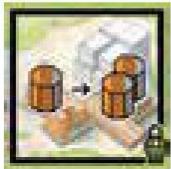
将1个成品转换成2个成品(任意类型)
奇伍德图标:
| 季节 | ||||
 |  |  |  | |
| 夏季 | 秋季 | 冬季 | ||
| 宝石 | ||||
 |  |  |  |  |
| 绿宝石 | 黄金 | 红宝石 | 蓝宝石 | 任意类型 |
| 原料 | ||||
 |  |  |  |  |
| 黏土 | 原木 | 石块 | /石块 | 任意类型包括麦子 |
| 成品 | ||||
 |  |  |  |  |
| 木材 | 石材 | 砖块/木材/石材 | 任意类型包括麦子 | |
建筑板块
170811 KPR English rules_bk BGG.md109.6 KB
Set in the lands of Keydom, players use their keyper to manage and recruit a team of skilled workers (keyples’) over four seasons in order to develop their farm and village, to hold seasonal fairs and to trade with the local boatmen.
Players choose the best combination of fields to which to send their keyples from their keep (keyp'). The keyples will work in those and other fields to gain resources: raw materials, wheat, livestock and gems. They may also gain actions: knowledge and assistance from travellers, such as building plans and rewards, and opportunities to trade with the local boatmen.
The keyples work more productively with a follower who has the same skill, giving players the opportunity to work together for their mutual benefit. In certain circumstances keyples may additionally work twice during a season, before laying down for a well-earned rest whilst awaiting recruitment for the following season.
The player who best manages their team and creates the most valuable village and trades will be rewarded with the most points to win the game, the acclaim of their fellow players and the recognition of Keywood, the distant and ageing ruler of the Keydom.
Keyper
Game overview
Keyper is a game for 2 to 4 players taking approximately 30 minutes per player.
In Keyper the aim of the game is for each player to create the best economy they can by developing their farm and village, exploiting shipping opportunities and holding fairs. All these activities are displayed or recorded by each player on their own player board.
Players start the game in spring with a keyper and an initial team of eight keyples. The game is played over four seasons: spring, summer, autumn and winter. In later seasons the number and colour of keyples a player has available are likely to vary.
Each season a player's keyples are deployed in order to gather resources and to take actions on the country boards and on the player's own player board.
The keyples acquire building opportunities, raw materials, animals and gems. Raw materials can be converted into finished goods and both, plus wheat, are used to build and upgrade buildings.
The colour of each keyple identifies that keyple's area of expertise, which will increase the keyple's productivity in fields of the same colour and allow it to join in on the activities of other keyples of a matching colour.
Maximising opportunities
Keyper is unlike most other board games, in which a player has no more actions to take when they have used all of their pieces (keyples). In Keyper, once a player has played all of their keyples, they have lay-down opportunities and can start to lay-down those keyples that are then under their control, so that those keyples can work for a second time.
In Keyper a player can also play keyples of a matching colour as a joiner on other players' turns. In these circumstances both players will benefit from extra actions or resources. This gives players opportunities and incentives to play all of their keyples quickly and in the process give themselves additional lay-down opportunities toward the end of a season.
In order to get the maximum benefit from any lay-down actions, players need to take care where they initially place their keyples. Similarly, the country board a player selects
On the player board the farm and village areas are divided into plots onto which buildings are built. Some of these buildings give special actions whilst other buildings give point-scoring opportunities. The player board also contains fairground and store locations, a shipping score track and a keyp.
The folding country boards contain fields and shipping opportunities, on which keyples can work alone or together, often on other player's turns, in order to gain actions and resources.
During each season a player will also play their keyper to claim a country board and the keyples on it for the following season. Players will later manipulate the country board in order to choose their preferred selection of fields.
At the end of each season fairs are held to display specific resources that a player has gathered and to gain points.
At the end of the game points are scored for the farm and village buildings that have been built, for the fairs that have been held and from resources shipped during the game.
The player who has created the best economy and therefore generated the most points will win the game.

with their keyper will determine how many and which coloured keyples they will recruit for the following season. Fewer keyples will usually give a player more lay down opportunities, but too few and their opportunities to join in and lay down keyples usefully will be restricted. If a player has more than eight keyples then the excess will take a rest for a season on the player's keyp tile.
We hope you enjoy the game!
The key rules in this booklet are framed with a light background. If you are reading the rules and are about to play for the first time then we suggest that you skip the unframed rules and refer to them later when the need arises.
A rules summary is included on the back page of this booklet for ease of reference.
Components
Boards:
4 Folding country boards. Pages (p) 11-14.
4 Player boards, 1 in each of the player colours. p10.
Tiles:
26Fair tiles, 6 each for(spring),(summer) and (autumn), plus 8 for(winter). Note the 'winter' fair tiles have theandicons on the front and theandicons on the back. p14.
48 Home building tiles, 12 in each of the player colours, comprising 6 farm tilesand 6 village tiles. p15.
48 Country building tiles, comprising 12 farm tiles and 36 village tiles, of which 21 aretiles. p16-19.
6 Boat tiles. p13-14.
4 Keyp tiles. p4, note 1c.
Keypers and keyples:
4 Waving keypers, 1 in each of the player colours.
32 Keyples in 7 colours: 4 each of light-blue boat people , orange clay workers , light-green farmers食, brown forest workers食, black miners★ grey quarry workers会and 8 white generalists众 (which can represent any of the other colours)
Resources (which include the animeeples):
48 Wooden cube raw material counters: 16 orange clay, 16 brown logsand 16 grey rocks.
48 Wooden octagonal finished goods counters6: 16 brown wood 16 grey stonesand 16 orange bricks
20 Yellow wooden wheat tokens
96 Wooden animeeples. 12 each of: orange chickens dark-brown cows, burgundy deer , grey goats light-brown horses, pink pigs, white sheep网 and black wild boar
8 Wooden cylindrical scoring markers, 2 in each of the player colours0,6 and
64 Gems.16 each of green emeralds0 yellow gold, red rubiesQand blue sapphires0.
1 Black cloth bag. 2 Rule bookletsand.
Set up
- Place 1 country board per player in the middle of the playing area.
Each country board should display a keyp field with theicon visible.
The first board should also display the one-playericon, the second board the twoplayericon and, if applicable, the third board the three-player icon and the fourth board the four-player icon. (Note: these player icons are used only for this initial set-up.)
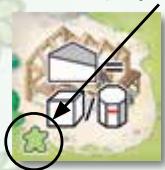
The orientation of the fields on the country boards does not matter. In some displays the fields will be oriented differently to some of the other fields. It also does not matter which sides of the country boards are placed next to each other or in what formation.
- Place the spring country tiles (as identified by a icon) into the cloth bag. Shake the bag, draw 8 of these tiles and then place them in two rows next to the country boards with the side showing the build cost face up. Place the bag with the remaining tiles in easy reach for later use.
- Place all of the other country tiles, together with the winter fair tiles (the fair tiles with season icons on both sides), in stacks at the side of the playing area.
These tiles will be placed in the cloth bag later in the game.

- Place 4 of the 6 boat tiles, chosen at random, by the side of the country boards, with the side showing the
remaining two boats to one side. They will not be required until the start of theseason.
Raw
materials: 16 of
each type
Finished
goods:
16 of
each
type



- Sort thefollowing components into separate piles and place within easy reach of all players:
3 typesof raw materials,

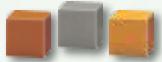
3 typesof finished goods , wheat,

8 types of animeeplesh
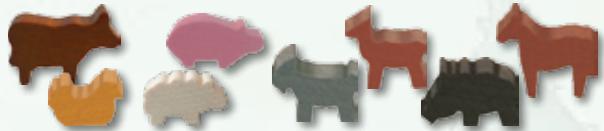
and 4 types of gems QO.
Set up - each player's own area
Each player now places the following components in their own playing area:
-
A player board in their player colour.
-
A keyp tile, which is placed next to the top right of the player board.
-
A keyper in their player colour, which is placed in the keyp area on the top right of the player board.
-
A team of 8 keyples: 1 boat person , 1 clay worker, 1 farmer食, 1 forest worker食, 1 miner★, 1 quarry worker会and 2 generalists. These are placed to the right of the keyper on the footprints at the top right of the player board.
A player's keyper and keyples should always be kept in the keyp area on their player board until they are deployed so the other players can easily see at all times how many keyples each player has remaining and what colour they are.
In a two-player game both players draw a ninth keyple at random from a selection of one forest worker食, one farmer食, one quarry worker食and one clay worker. All the other rules in the game remain the same for the two player game except that at the start of subsequent season each player keeps 9 keyples, not 8 (see Start of next season, note 4, page 9).
- Two scoring markers in their player colour, which are placed on the zero spaces on the score track at the top of their player board.
11.12 home tiles, which are placed in two columns to the left of their player board. The 6 farm tiles are placed in the left column and the 6 village tiles are placed in the right column. Place all the tiles with the build cost visible.
-
3 finished goods: 1 brick, 1 stoneand 1 woodare placed in the finished goods store on the player board.
-
Theandfair tiles are placed in 3 stacks with the front side face down, 1 stack for each season. Each player takes 1 tile from each stack and places these face down on the corresponding fairground spaces on the their player board. The player may look at the front of these tiles, but need not show them to their opponents. The remaining tiles are placed back in the game box as they will not be used in this game.
-
Finally, choose a start player at random.
A player's turn
On their own turn a player must undertake one of the following three actions:
-
Play a keyper (see next column),
-
Play a keyple (see pages 4 to 6), or
-
Lay down a keyple(s) (see page 6). There are also opportunities to:
-
Play a keyple on another player's turn (see page 7). When first played (points 1, 2 and 4 above) a keyper or keyple is aiways piaced standing up.

Standing
Under action 3 a keyple may be laid down by placing it on its side.

Lying down
When playing or laying down a keyple it is always optional as to whether a player takes any action or resource generated.
Whilst the procedures for performing these actions may look complicated at first, players should find them logical and straightforward once they are familiar with them.
The main options available from these actions are to:
(i) gather resources and acquire building tiles from the fields on the country boards,
(ii) build, up-grade and utilise building tiles on the player's own player board,
(iii) work on a boat in order to gain resources and/or ship resources for points.
Players will also want to save resources for game-end scoring purposes.
Play proceeds in a clockwise direction until all players have played their keyper and all of their keyples, at which point the end of the season is triggered. (See End of season, page 8.)
There are four seasons in the game:, and. The game ends at the end of theseason. (See End of game, page 9.)
1. Play a keyper
(i) Once per season as their action and at any time a player must play their keyper from the keyp on their player board onto an empty keyp field on one of the country boards.

(ii) The effect of playing the keyper is to claim the country board that the keyper has been placed on. At end of the season the player will take that country board, together with all of the keyples that are on that country board. At the end of, andthese keyples will from part of the player's new team of keyples for the following season, and at the end ofthey will be available for game end scoring purposes.
Claiming a country board does not prevent other players from playing keyples onto that country board.
(iii) When a player plays their keyper, then they also lay down any keyples that are on their keyp tile. For each keyple that is laid down the player gains one of the resources (if available) indicated on the keyp tile. A★,食,食or☆keyple gains a raw material. A食,食,食or食keyple gains aP HT, m or#.
E.g. a is laid down and receives a , , orR

Note that there will be no keyples on the keyp tiles in. Keyples are only placed on the keyp tiles at the start of the,andseasons. (See Start of next season, note 4, page 9.)
(iv) If a player has not yet played their keyper then they cannot undertake action 3 (iii): lay down a keyple. (See Lay down a keyple(s), page 6.)
2a. Play a keyple
A keyple is played from the keyp area of the player's board.
Any coloured keyple may be played onto either a field on any country board, or a plot that contains a building tile on the player's own player board.
A field
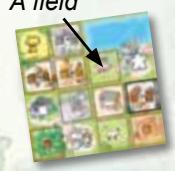

A plot cóntaining a building tile.
A player's turn continued
2a. Play a keyple continued
The field or building tile must either be empty or contain only one keyple, known as an existing keyple. See Existing keyples, 2c, next column.

On its own, a keyple generates a single action or resource. Some fields (but no plots) have a coloured border. If a keyple is played onto a field that has a coloured border that matches the keyple's colour then the keyple is working in its area of expertise and the keyple generates a second action or resource.

The keyple and field are both coloured light-green. The keyple generates two pigs.
_The field colour is also identified by an icon in the corner of the border.
A player may play on a country board even if it has been claimed by a keyper, either the player's own keyper or an opponent's keyper.
A keyple cannot be played onto:
(i) a keyp field on a country board (where only the keypers are played),
(ii) a keyp tile,
(iii) an opponent's player board, or (iv) a fieid (including the double sized river space) or plot that already contains two keyples.
Once a keyple has been played it no longer belongs to the player who played it. Its previous ownership does not need to be tracked.
2b.Joiners
If a field is empty when a keyple is placed on it, the player (Player A’) must invite the other players to place a keyple onto the same field in order that they can join Player A's keyple. As there is a limit of two keyples per field, only one other player can play a joiner'.
It is Player A's turn. Player A plays a keyple into the pig field.
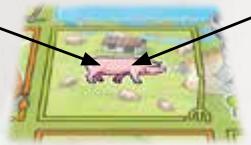
Player A and Player B both receive 3 pigs each.

Still in Player A's turn, Player B plays a keyple as a joiner.

2b Joiners continued
The player to Player A's left, Player B, gets the first option to join Player A by placing one of their keyples into the same fieid. If Player B declines, then in clockwise order, the other player(s) (if any), get the same option to join.
The joining keyple must be either the same colour as the keyple played by Player A, or a white keyple (which can represent any colour).
If another player plays a keyple as a joiner, then Player A's and the joiner's keyples will work together and both keyples will generate an additional action or resource.
| Number of actions orresources received by: | Player A(if no joiner) | Player Aand joiner |
| If no colour match | 1 | 2 |
| If keyple and fieldcolours match | 2 | 3 |
The keyple played by a joiner does not have to take the same action(s) or resource(s) as the player whose turn it is.
If a white keyple has been played on a coloured field, then the white keyple is deemed to be specialising in the colour of that field and can be joined by either a white keyple or a keyple of the field's colour.
A white keyple played on a field with no colour or a plot can only be joined by another white keyple.
2c. Existing keyples
All keyples have the potential to work twice in each season. To indicate when a keyple has worked for a second time it is laid down.
If the field or plot already contains a keyple (known as an existing keyple’) from a previous turn, then the keyple being played (by Player A) may become a joiner. As a joiner the keyple must either be the same colour as the existing keyple or a white keyple.
The existing keyple may now be laid down to indicate that it is working for a second time and in order to generate an additional action or resource. (Occasionally it can be advantageous not to lay down an existing keyple in order to facilitate a lay-down opportunity on a later turn.)

Joiner
Existing keyple
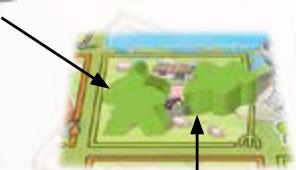
Existing keyple laid down
A player's turn continued
2c. Existing keyples continued
It is permissible to join a keyple that is already lying down. In these circumstances the lying down keyple cannot work again (for a third time) and the joiner gets the same benefit as if they were working on their own in an empty plot.
The number of resources or actions received by Player A are as follows:
| Existing keyple: | Is laiddown aspart ofaction | Choose not tolay down (or wasalready laid downon a previous turn) |
| If no colour match | 2 | 1 |
| If keyple and fieldcolours match | 3 | 2 |
If a white keyple is played as a joiner, it counts as the colour of first keyple played, not the colour of the field (when the colour of the first keyple played is different from the colour of the field)
If the existing keyple is a white keyple and that white keyple has been played on a coloured field, then the joiner can be a white keyple or a keyple of the same colour as the field. If the existing white keyple is on a plot or a field with no colour then the white keyple can only be joined by another white keyple.
The actions of an existing keyple and a joiner do not need to be the same action. See the following examples:
(i) A light-blue keyple is played onto a boat tile where there is an existing light-blue keyple. The existing light-blue keyple is laid down. There are three actions available. The possible actions are (i) to work for resources, (ii) to sell resources or (iii) to work for one type of resource offered by the boat and to sell the other type of resource.
(ii) The keyple being laid down could be used to upgrade a tile that it is on, if applicable, and the keyple being placed to take the action on the upgraded tile.
(iii) If using the upgraded builder tile, the existing keyple could be laid down and used to build a building tile, the joiner could then upgrade the same tile.
3. Lay down a keyple(s)
A keyple may only be laid down when:
(i). it is an existing keyple in a field or plot and it is joined on a later turn by another keyple. (See Existing keyples, note 2c, page 5.)
(ii). it is a keyple on a keyp tile that is laid down when the player's keyper is played. (See Play a keyper, note 1c, page 4.)
(iii) a player has no keyper/keyples left in the keyp on their player board when it is their turn to play and one or more of the other players has a keypèr or keyples still to play. If possible, the keyple(s) being laid down must be on either:
(a) a plot on the player's own player board, or (b) a field on the country board that the player has claimed with their keyper.
The following rest of this section relates to the situation in (iii) above.
The field or plot chosen must contain at least one keyple that has not already been laid down.
3. Lay down a keyple(s) continued
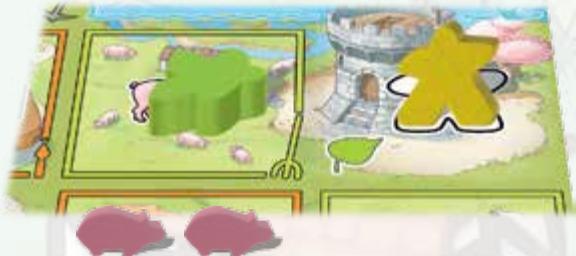
If there is just a single keyple standing in the field or plot, then the player may lay that keyple down to denote that the keyple is working for a second time, and then gain one action or resource (or two if there is a colour match between the keyple and the field).
Example: Yellow lays down a single light-green keyple to gain two pigs (as there is a colour match between the field and the keyple) on the country board they had claimed earlier.
If there are two keyples still standing, then the player (Player A) may lay down either one, or more usually, both keyples: one keyple as their turn and the second as a joiner. This denotes that both the keyples have now worked for a second time. The first keyple, assisted by the joiner, gains two actions or resources (or three if there is a colour match). The joiner does not generate additional actions or resources for itself as it is only helping the other keyple laid down by the player.
Example: Player A lays down both light-green keyples to gain 3 pigs.
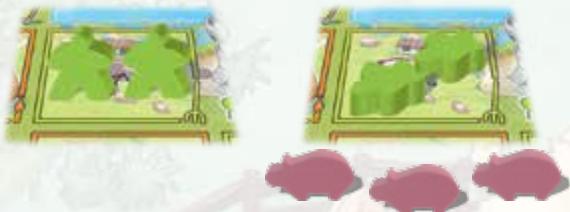
If there are two keyples and one of the keyples is already lying down (as it has already worked twice), then the player may lay down the second keyple in order to denote that this keyple has also worked for a second time and gain the action or resource (or two if there is a colour match).
The number of actions or resources that Player A gets from laying down a keyple or 2 keyples are as follows:
| Number of keyples laid down: | 1 | 2 |
| If no colour match | 1 | 2 |
| If keyple and field colours match | 2 | 3 |
If on Player A's turn, all of the keyples on their player board and the country board they have claimed with their keyper have been laid down (even if laying them down does not benefit Player A), then Player A may lay down keyples on one of the other country boards, even if that board has been claimed by another player's keyper.
In these circumstances, re-check the position in each subsequent turn. If another player has subsequently played onto the country board claimed by Player A, then player A will have to lay that keyple down before they can again lay down keyples on another player's board.
In the unlikely situation that there are no keyples to lay down, then the player does not take an action this turn.
A player's turn continued
4. Play a keyple on another player's turn
If a player (Player A) plays into an empty field, then Player A must invite the other players to place a keyple into the same field in order to join' their keyple. (See Play a keyple, 2b Joiners, page 5)
Firstly the player to Player A's left, Player B, gets the option to join Player A by placing one of their keyples into the same field. If Player B declines, then in clockwise order, the other player(s) (if any), get the same option to join.
The joining keyple must be either the same colour as the keyple played by Player A or a white keyple (which can represent any colour).
The two keyples work together as a team and are more productive. Both keyples are working for the first time, so neither keyple is laid down.
Both keyples generate two resources or actions each if there is no colour match with the field. Either because the field is a different colour to the keyples or the field is not associated with a colour. One action or resource as this is the keyple's basic production. A second action or resource as the two keyples are more productive working together.
Example:
It is Player A's turn. Player A plays a brown keyple into the light-green pig field. So the colours of the keyple and the field do not match.
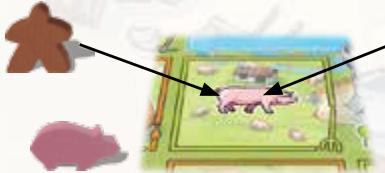
Player B plays a keyple as a joiner in Player A's turn.
Player A and Player B both receive 2 pigs each.
If there is a colour match then both keyples are working in their area of expertise and both keyples will generate three actions or resources.
If a white keyple is the joiner it assumes the colour of the first keyple, not the colour of the field if that is different.
The rewards that both Players A and B get from Player B's keyple joining Player A's keyple on Player A's turn are summarised as follows:
| If no colour match | 2 |
| If keyple and field colours match | 3 |
End of season
- Play continues until all players have played their keyper and all of their keyples.

After the last player with a keyper or keyple in their keyp at the start of their turn has played this, then all of the other player(s) have one more turn in which they can perform a lay-down action.

After the last player has played a keyper/keyple from their keyp all the other player(s) have one lay-down action.
Then in order:
- If a player forgot to lay down any keyples that are on their keyp tile when they played their

keyper, then they may lay their keyples down now and take their chosen resources.
- Players now have the opportunity to display resources at the seasonal fairs.
Each player received a spring, summer and autumn fair tile in the set up. These fairs can (only) be held once and in their respective seasons: or
Players may also have obtained winter fair tiles from a country tile field on a country board. Each winter fair can be held once at the end of or
To hold a fair, a player must display all of the resources required by the fair tile to the other players.
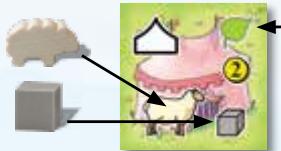
. Spring fair. If the owner displays a sheep and a rock at the end of then they will get 2 points at the end of the game.
A single resource cannot be exhibited at more than one fair in the same season. If a player exhibits at more than one fair, and some of these require the same resource to be exhibited, then the player must have sufficient of that type of resource to display at each of the fairs simultaneously. Note: a player can exhibit the same resource at more than one fair if they are held in different seasons.
If all of the required resources are displayed:
(i) place the or fair tile face up on that season's fairground space. (If a player does not have all the resources required then they discard the fair tile into the game box.)
(ii) place afair tile onto the fairground space for the season in which the fair was held, with the icon for that season face up. (If the fair has not been held by the end of, then the player should discard the fair tile into the game box.)
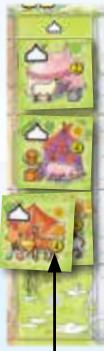
If a player completed more than one fair in a season, then the fair tiles are stacked on the fairground space for that season.
Resources exhibited at fairs are retained by the player and may be used in later seasons or kept for scoring purposes.
- Next, players check that all of their animals are being housed in farm buildings on thēir player board. Up to a maximum of four animals may be kept on a farm tile if that type of animal is depicted on that farm tile. Without a corresponding farm tile an animal is returned to the general supply.

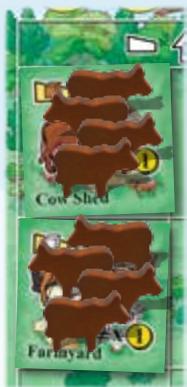
Example right: In the unlikely situation that a player had 9 cows, 4 could be housed in the cow shed,
4 in the farmyard, but the ninth cow would wander off back to the general supply. (Note only 1 of the cows on the farmyard tile would score at the end of the game.)
- Each player the retrieves their keyper, the country board their keyper was placed on and any keyples that were on that country board. The keyper and keyples are placed in the keyp on the player's player board together with any keyples on the player's player together with any keyples on tl board and keyp tile.
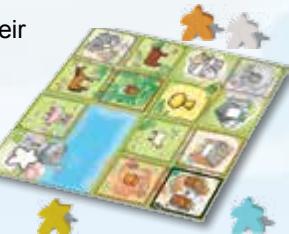
At the end ofkeep the visible side of the country board unchanged as this may need to be referred to for scoring purposes.
-
If it is the end of, go to End of Game, page 9, and ignore the rest of this section.
-
Place all of the country tiles that were on display at the end of the season (which is usually 8 tiles) onto a discard pile.

Example. These 8 country tiles are displayed at the end of. They are removed to form a new discard pile.
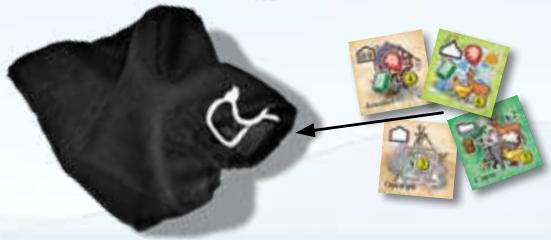
- At the end ofplace all of the non-spring country tiles and the winter fair tiles into the cloth bag (if they have not already been placed there) and mix in the bag with the remainingtiles.
Start of next season
In order:
- Draw a new set of country tiles from the bag so that 8 new tiles are laid out.
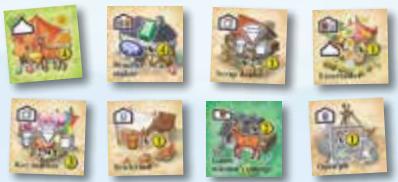
- Shuffle the 6 boat tiles. Place 4 of these tiles, chosen at random, next to where the country boards will be placed, with the side showing that season's icon face-up. Place the remaining 2 boat tiles to one side. They will not be available during this new season.

E.g. In, 4 of the 6 boat tiles are chosen and placed so they are displaying the icon.
- Players now select which fields to display on their country board.
The display must show the new seasons' iconOor/ (which is shown on the keyp field). Note that theand icons appear in the same keyp field and in those seasons both icons will be displayed.

The board must comprise of 15 fields (with the double sized river space counting as one field). See Country boards, page 11, for possible permutations.
All players reveal their country boards simultaneously and place these next to each other in the middle of the playing area.
- If a player has more than 8 keyples (or 9 keyples in the two player game) then they choose a number of these to place standing up onto their keyp tile in order to reduce their team to 8 keyples (or 9 keyples in the two-player game).

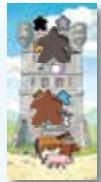
E.g. The yellow player had 10 keyples at the end of the season and places 2 keyples onto their keyp tile.
- The player who played the last keyple or keyper from their keyp on their turn in the previous season becomes the start player in the new season. (This is the player who did not get a lay-down action at the end of the previous season.)
End of game
The game ends at the end of theseason. Each player then adds the points from their:
• shipping score track,
• farm tiles,
• village tiles, and
• fair tiles.
All resources and keyples can now be moved around freely and allocated to the building tiles for scoring purposes. Resources do not score points unless they are allocated to a building tile.
When scoring note the following:
(i) Resources and keyples can only be scored once each. Example: the same gem cannot be scored by both the prospector and the ring maker.
(ii) Building tiles may be included in the scoring possibilities of other tiles more than once.
Example: the same building tile could be scored by the drainage, pavements, statue, thatcher and village hall tiles.
(iii) Each building tile which scores resources or keyples can be scored a maximum of 4 times. If more than 1 resource is required in order to score, then each set of resources required can be scored 4 times.
Examples:
An upgraded farmyard can score the maximum 8 points if a cow, horse, pig and sheep are on the tile.
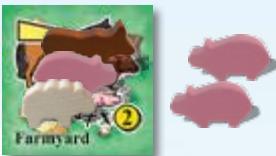
Example: the yellow player had a cow, a sheep and 3 pigs. Only 1 of each animal can be scored in the upgraded farmyard, so yellow gets 6 points.
The upgraded scrap dealer can score 8 points if a total of 8 gems, finished goods, wheat and/or raw materials are allocated to this tile.
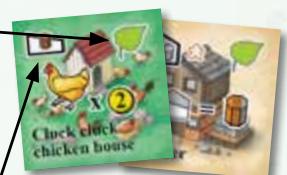
The upgraded cluck cluck chicken house can score 12 points if 4 chickens are on this tile.
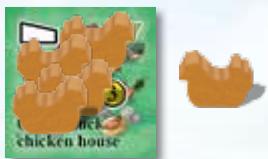
Example: Uncle Wiggily has 5 chickens. Only 4 of these can be scored in the upgraded cluck cluck chicken house, so he gets 12 points.
The upgraded goldsmith can score 24 points if there are 4 emeralds, 4 gold and 4 sapphires on this tile.


Example: the owner of the goldsmith tile has 3 sets of the required gems, scoring 18 points.
(iv) All the completed fair tiles in a stack are scored at the end of the game, even if they are covered up.
(v) Building tiles that have been overbuilt are not scored.
The player who most effectively managed their economy and scored the most points wins the game.
If there is a tie, the tie is broken in favour of the player who has the most gems. If there is still a tie, the tie is broken in favour of the player who has the most finished goods, wheat, raw materials, deer, wild boar, goats, chickens, horses, cows, pigs or sheep, considering each resource in that order.
The player board
Each player has a player board in their own player colour, which is divided into the following areas:
The dock, with the shipping score track in order to record the shipping points earned during the game.
The upgrade cost – of a farm tile is one raw material.
The upgrade cost of a village tile is one finished good.
The farm has 8 plots – where farm tiles (only) can be placed.
The village has 12 plots where village tiles (only) can be placed.

.The keyp. The keyples and keyper are placed in the keyp area before they are played so that they are clearly visible to all players.
· The fairground has 4 plots, one for each season, where fair tiles for the fairs held in that season are placed.
There are four stores: one each for raw materials, wheat, finished goods and gems. There is no limit to the number of resources that can be kept in the stores.
Notes on resources
White icons represent ‘any type' of raw material, finished good6or gemV.
Wheatcan be used as a substitute for any raw materialor finished good6(but not a gem) that is represented by a white icon
When raw materialsor finished goodsare represented by a three-coloured icon, any of the 3 types of raw materials or finished goods can be used, but not wheat.
A finished good can always be used as a raw material of the same type (including for exhibiting at the fairs).
There are 3 ways for a player to convert raw materials into finished goods. By using the:
(i) four home village tiles (brickmaker, carpenter, scrapyard and stonemason),
(ii) Key market country tile and (iii) convert fields on the country board. Note that the convert fields are only available inand
If a player is using a field or building tile (e.g. trading post) to perform a 1:2 trade more than once, and they only have one resource of the required type,
then they may always use a
resource received from their
first trade to provide a resource
for a subsequent trade. All resources are
limited. If two
players are obtaining
resources on the same turn and
the supply is likely to run
out, then the player whose
turn it is takes a resource first, then the joining player takes a
resource, and they
then continue
alternating. A player
does not receive anything in compensation if there are insufficient resources.
Trading between players is not allowed.

Missing pieces
Whilst the manufacturers make every effort to ensure that your copy of Keyper is complete and in good condition, the large volume of units and components means that occasionally errors will arise. In these circumstances please contact:
Service@GameSalute.com or visit www.GameSalute.com/Replacements if you acquired your copy of the game in North America.
rqbreese@gmail.com
if you acquired the game directly from R&D Games at the Spiel, Essen. info@hutter-trade.com
or visit www.hutter-trade.com
if you acquired the game elsewhere in the world.

Country boards
The country boards are the main source of resources, country tiles and building actions.
At the beginning of ,andplayers have the opportunity to manipulate one of the boards to choose a display of fields that best meets their objectives.
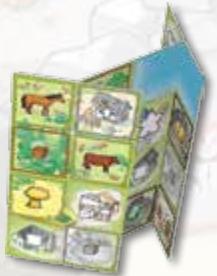
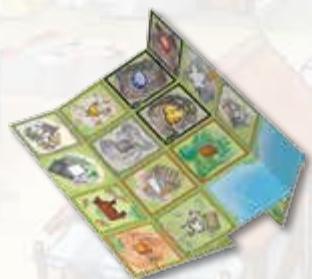

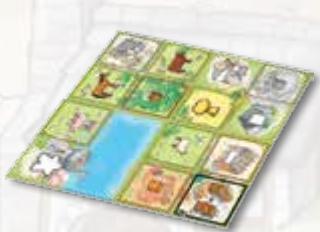
The chosen display must contain 15 fields (counting the double-sized river space as one field), including the keyp field showing the season icon for the new season.
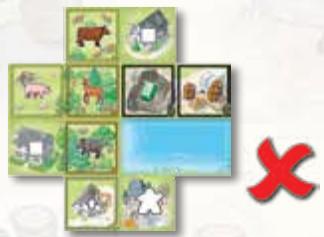


In each season there are four unique ways to display the fields on a country board. (Note the two lay-outs on the far right foranddisplay the same fields.) The sides available for theandseasons are the same.

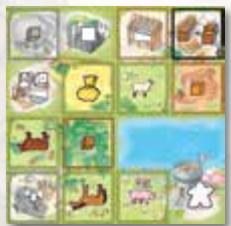
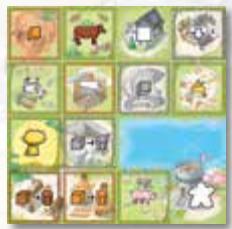
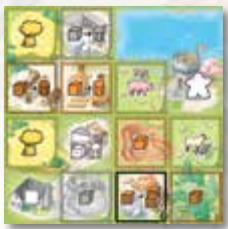
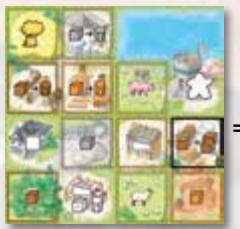


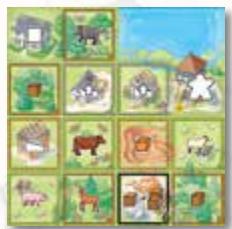

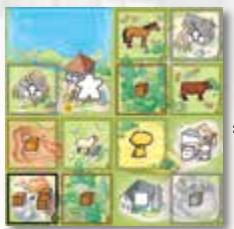

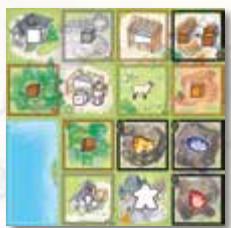
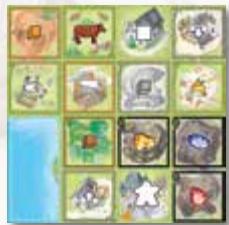
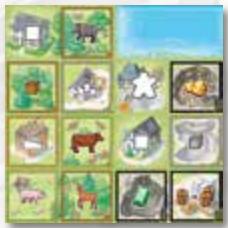
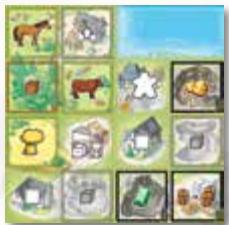
To assist identification, each coloured field also has a icon in the corner of the field's coloured border: Lor. (If you are playing the KeuperCharacterEdition, you will see that the character keyples also carry the same tools, which may assist colour-blind players).

Using the country boards
In order to gain the resources, country tiles and building actions offered by the fields on the country boards, keyples are played onto those fields. See A player's turn, page 4 for details.
Player's place any resources obtained on their player board. Animals are placed in the farm and can wander around freely during a season, however they must be housed on a tile that depicts that type of creature at the end of the season or they are lost. Other resources: raw materials, wheat, finished goods and gems, are placed in the relevant store for that type of resource.
Note that not all resources are available from the country boards in each season. For example there are no chickens available inand there are no gem fields available inor. See the table on page 12 for full details.
Country boards continued
The table below details the actions and resources that are generated from each type of field, depending on whether a keyple is played on its own, whether there is a joiner and whether there are any keyples laid down.
The colour of each field type is identified, together with the seasons in which it is possible to choose that type of field.
Some field types on the country boards are mutually exclusive.
The table is for reference as required. Players do not need to absorb this table before playing the game!
| Keyple食/ keyple plus joiner食食 | 1* | ||||||||
| Keyple+ existing keyple laid down |  |  | |||||||
| Lay down(s) (Only if no keyper or keyples left) |  |  | |||||||
| Does the keyple colour match the field colour? | x | x | |||||||
| Field name/colour | Available | Tile image | |||||||
| Keyp |  |  | Only a keyper can be placed in the keyp. | ||||||
| Clay | 4 |  |  | 国 | 福 | ||||
| Logs | L |  |  |  | |||||
| Rocks | f- |  |  | 1 | 1 | 10 | 10S | ||
| Chickens | 3 |  |  | 4 | 94 | 4A | 888 | ||
| Cows | 3 |  |  |  |  |  | |||
| Deer | L |  | hhh | ||||||
| Goats | 3 |  |  | 18 | 44 | 8'9 | g9s | ||
| Horses | 3 | |  |  | |||||
| Pigs | 3 |  | m | mm | m | mmm | |||
| Sheep | 3 |  | à | Ra | aQ | RAR | |||
| Wheat | 3 |  | à | ||||||
| Wild boar | L |  | 考考 | 9 | 考考啊 | ||||
| EmeraldsGoldRubiesSapphires | è |  | 000 | ||||||
| è |  | 动 | |||||||
| è |  | QQQ | |||||||
| è |  | ||||||||
| Country tile |  |  | 2 | ||||||
| Convert clayto bricks |  |  | 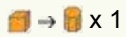 | 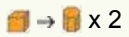 |  | 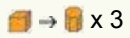 | |||
| Convert logsto wood |  |  | 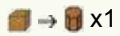 |  |  |  | |||
| Convert rockto stone |  |  |  |  |  | 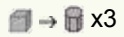 | |||
| Trade rawmaterials | è |  |  | 3 |  |  | 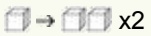 | 0→00x3 | |
| Trade finishedgoods | è | 0 |  | 3 | 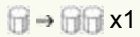 | 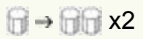 |  | x3 | |
| Build | 4 | |  | 4 |  |  | |||
| Discount build |  |  | 4 | Texts are community-compiled or publicly released by publishers; copyright remains with the original authors. For personal reference only. | |||||