
Machi Koro
At a glance
Rules, cards and Q&A (Chinese)
The rules, card data and player questions for this game are written in Chinese. Open the Chinese page to read them.
Where to find full rules
Full rules and card lookup are available in the cunlema app at cunlema.cn — pick this game and ask about any rule, card or turn you are unsure about.
Related games
Rulebook text (Markdown)
This game has 2 rulebook Markdown file(s) in our library; 2 rendered inline below — expand to read or download.
rules_zh_骰子街_655.md20.0 KB
由Scott Almes设计的4X游戏



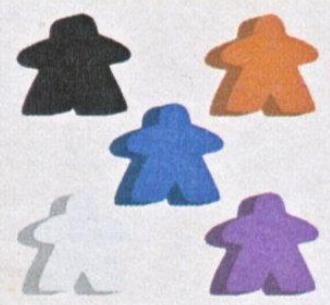
35 玩家米宝
(每种玩家颜色7个)

5 研究标记
(每种玩家颜色1个)
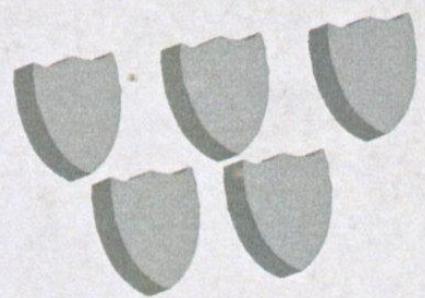
5盾牌标记
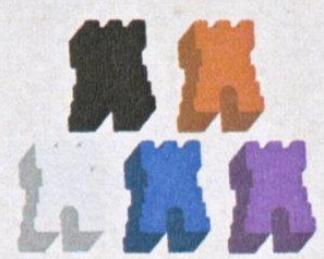
5 堡垒标记
(每种玩家颜色1个)

15 资源标记
(魔力,矿产和食物每种5个)
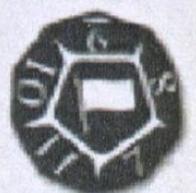

212面战争骰子
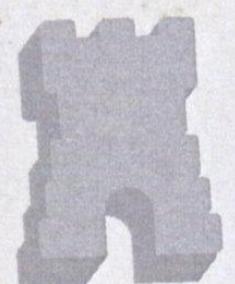
当前玩家标记
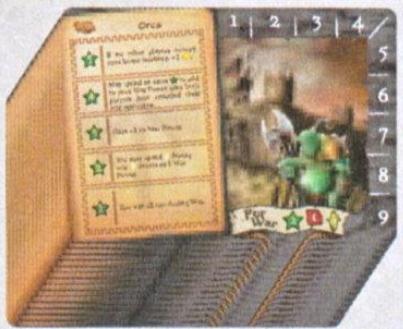
13 种族牌

8 领土牌
(双面)
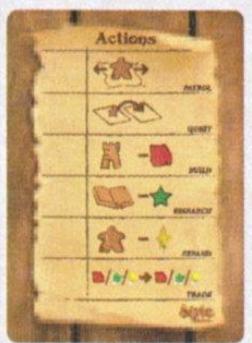
1 行动选择卡
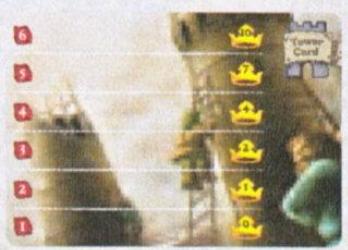
1 堡垒牌
故事背景
你要扮演的是一位小小王国的国王,虽然王国很小但是你却充满了野心。你想要在整个疆域扩张你的人口,学习强力的魔法,建造巨大的堡垒,让你的邻国们只要听到你的名字就吓得发抖。问题是?你的邻居们恰巧也是这么想的,而我们又无法满足每个人的愿望...
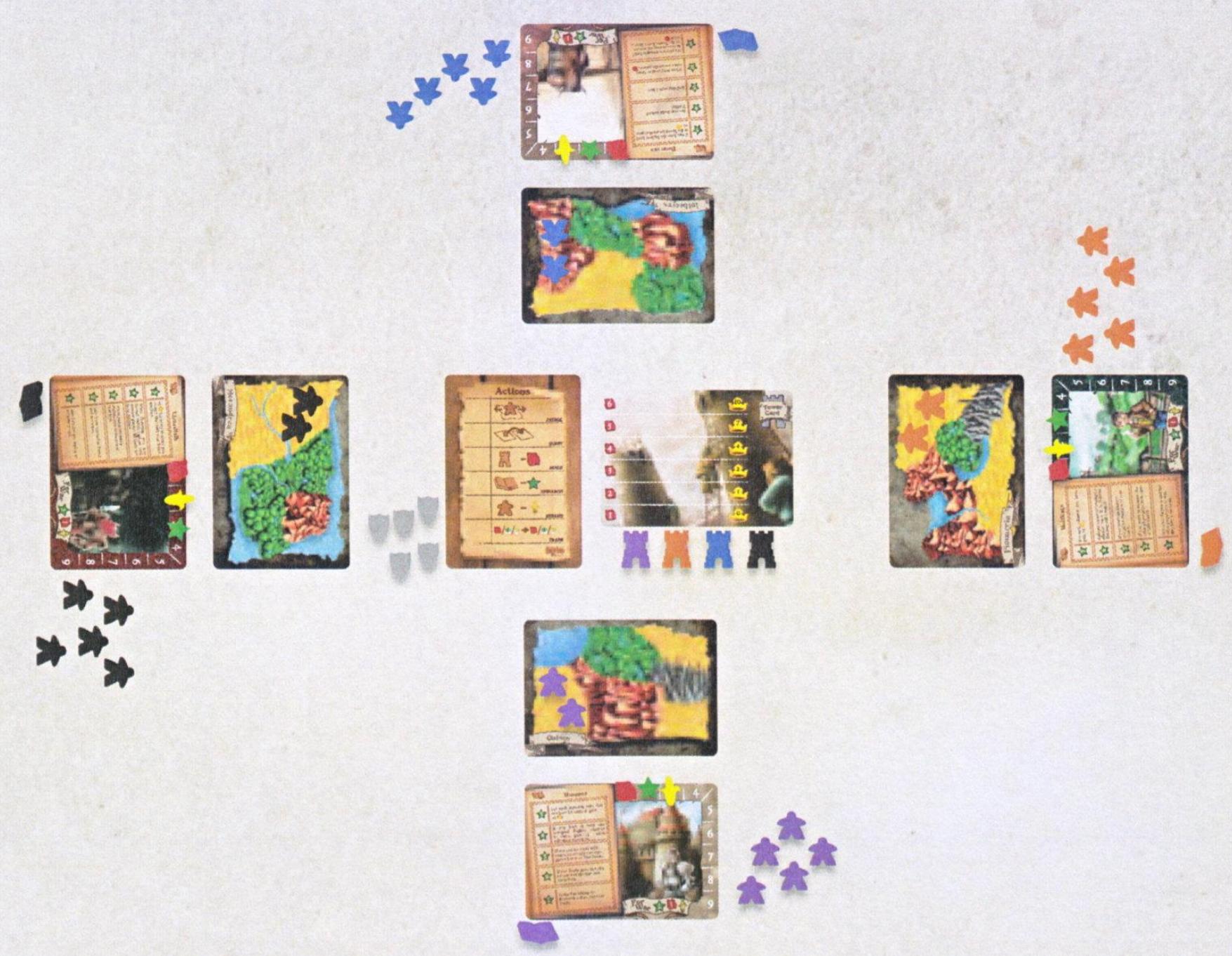
(注意: 当2人游戏或5人游戏时, 请查看规则书最后的改进规则。)
游戏设置
将堡垒牌和行动选择卡放在桌子中央,然后把5个盾牌标记放在行动选择卡旁边。
发给每位玩家:
- 7 所选颜色的玩家米宝
- 1 每一种资源标记(魔力, 矿产, 食物)
- 1 相应颜色的研究标记
- 1 相应颜色的堡垒标记
- 1 种族牌 (由玩家选择)
- 1 领土牌 (随机摸取, 并由玩家选择使用哪一面) 这张牌被当作是玩家的起始领土。
每位玩家需要:
- 将他们的资源标记放在种族牌的资源条上,并代表他们初始获得的6个资源。每个玩家可以在资源条上任意分配自己获得的6个资源。(初次游戏的玩家,我们建议您选择:1矿产,2魔力,3食物。)资源的0位,我们默认不放在卡牌上,而是把标记放在卡牌右侧。
- 将他们的堡垒标记放在堡垒牌的下方——这个可以用来指示各位玩家建造堡垒的进度。
- 将他们的研究标记放到各自种族牌上魔法书图标的下方——这个可以用来指示各位玩家的魔法等级。
- 将他们的2个米宝放到自己领土牌上的任意一个区域中。
游戏概述:
游戏会进行若干个回合。玩家在其中可以扩张自己的王国,学习新的魔法,为了争夺领土发起战争等等。每个回合,由一位玩家选择一个行动。然后,所有其他玩家可以选择要么执行这个行动要么收集资源。所有玩家按照顺时针的顺序进行游戏,直到触发游戏结束条件为止。
你的回合:
你的回合共分为5步:
-
如果没有行动可用时,清理行动选择卡(例如,所有5个盾牌标记被放置的时候,见下文)。
-
选择一个行动。
-
所有玩家必须选择执行这个行动或者收集资源。
-
检视游戏结束条件。
-
将当前玩家标记传给顺时针的下一位玩家。
1. 清理行动选择卡
如果所有的盾牌标记都被放到了行动选择卡上,那么你可以将所有的标记从卡上取下并放在一旁。现在,你可以选择卡上的任何一个行动了。
2. 选择一个行动
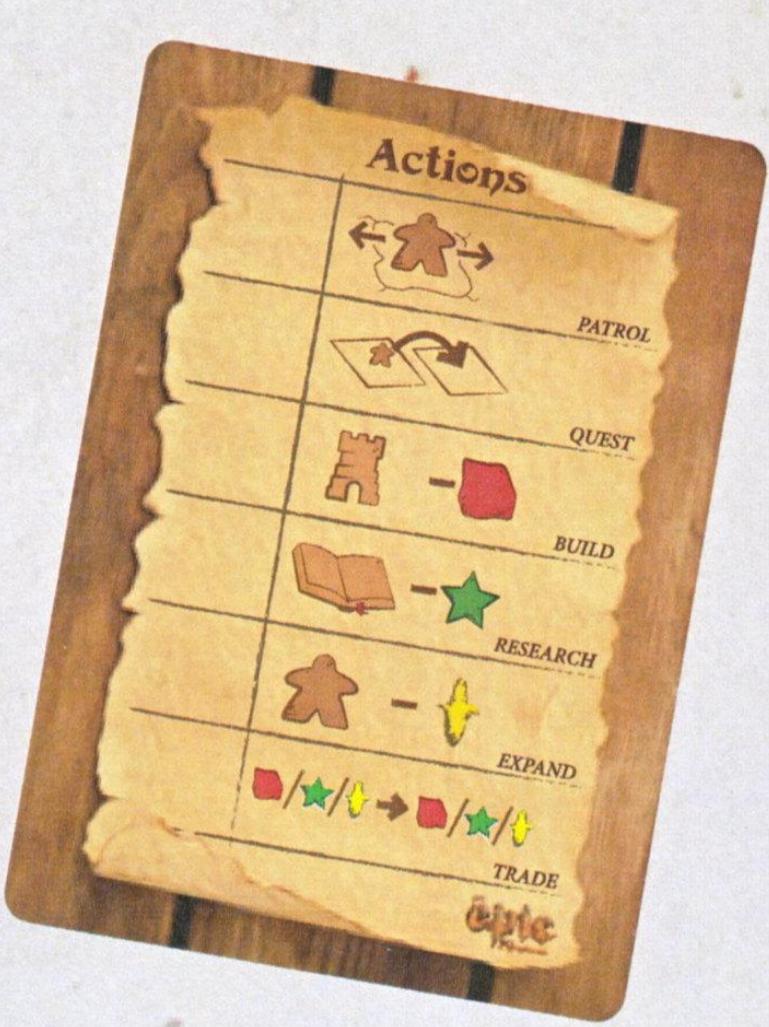
将1个盾牌标记放到行动选择卡上。你必须将标记放在一个未被占据的行动空位上。然后宣告自己所选择的行动。
3. 执行行动或收集资源
按照顺时针的顺序,每位玩家可以选择执行这位玩家所选择的行动也可以选择收集资源。作为当前玩家,你必须执行自己所选择的行动或者选择什么都不做。当前玩家不能选择收集资源。
执行行动
具体的行动将在规则书下文详细叙述。每位玩家必须在下一位玩家行动之前完成自己的行动
收集资源
领土牌上每一个至少放有你的1个米宝的区域,会给你提供1个相应种类的资源。(注意:你有多个米宝占领同一区域时,不会获得额外的资源;你仍然只能获得1个资源。)然后,在你种族牌的资源条上移动相应的资源标记来指示你获得的资源。
当你收集资源时,获得方法如下:

通过平原可以获得食物.
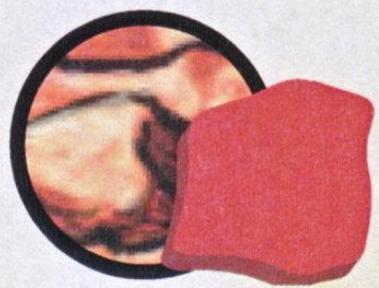
通过山地可以获得矿产.

通过森林可以获得魔力.
你每种资源最多可以获得9个;你的资源标记不可以超过种族牌资源条的终点。
极少数情况下,你只有1个米宝可用时,除了这个米宝所占据的区域,你可以获得1个资源以外,你还可以额外获得任意1个资源,作为补偿。
其他区域

海洋和峭壁
- 这些被看作是不能通过的区域,所以这意味着玩家不能把米宝放在这些区域。不过种族能力另有规定的除外。
- 河流也被看作是不能通过的区域。
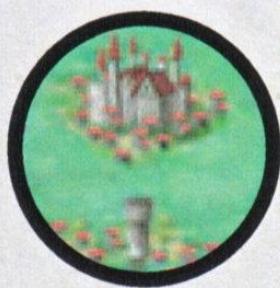
首都
- 游戏结束时,占据首都区域的玩家可以获得2分。如果该区域由2位玩家同时占据,则每位玩家获得1分。
- 首都区域不会给玩家提供资源。

废墟
- 当一位玩家的米宝进入废墟区域时,它必须被平放在该区域中以表明该米宝进入“搜索”状态。当一个米宝处于搜索状态时,玩家除非执行巡逻行动或者探索行动,否则他的米宝不能离开废墟区域(具体见下文),但是玩家在执行收集资源行动时,他可以获得任意1个由他选择的资源。
- 当你执行巡逻行动时,你可以选择不移动其他的米宝而是将一个平躺在沼泽区域的米宝(处于搜索状态)直立起来。一个直立在沼泽区域的米宝不能收集资源。然而,你可以使用未来的一个巡逻行动或探索行动来将这个直立的米宝移动出沼泽区域。
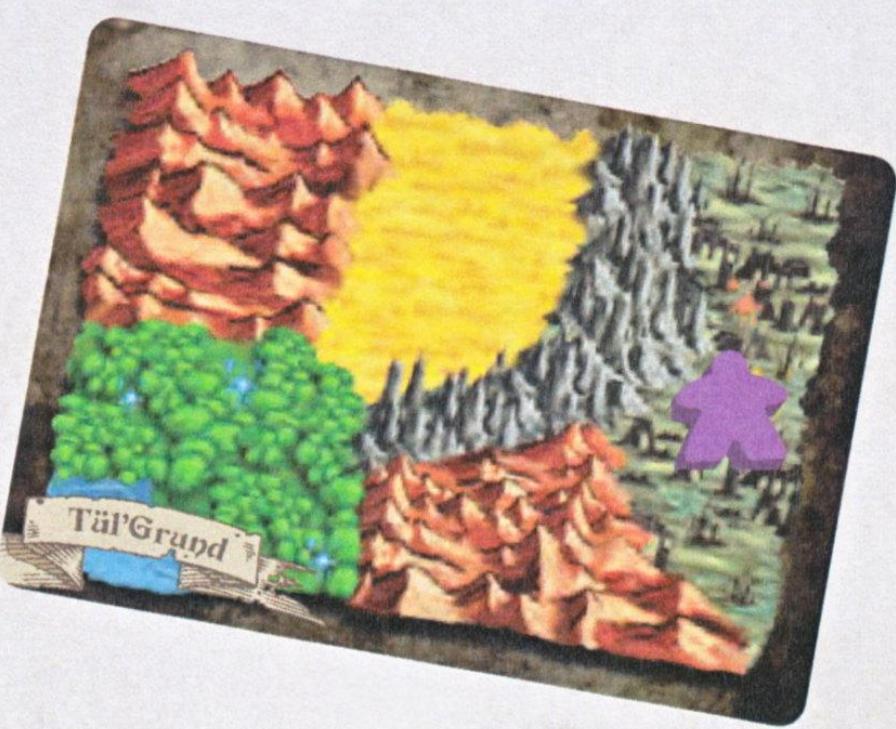
- 在游戏结束时,玩家处于沼泽区域的米宝被看作是“迷路”了,所以该米宝不能为玩家提供分数。
4. 检视游戏结束条件
当每一位玩家都执行了各自的行动或收集了资源之后,玩家们需要检视其中是否有玩家触发了游戏结束的条件:
- 当一位玩家将自己的所有7个米宝都加入游戏时。

- 当有玩家建造到堡垒的第6层时。
- 当有玩家掌握了种族牌上所有5个级别的魔法时。
当有玩家符合其中的任意一个条件时,我们看作游戏结束的条件被触发。游戏结束的触发者不会因为其他玩家未来的行动而颠倒顺序。如果游戏当前回合的玩家正好放置了最后一个盾牌标记,那么游戏立即结束,不会再有其他的回合以及行动。否则,玩家继续轮流执行自己的回合直到最后一个盾牌标记被放置。最后,当所有玩家都执行了行动或收集了资源之后游戏结束。
5. 传递当前玩家标记

按照顺时针的顺序传递当前玩家标记,以表明谁将会进行下一次的行动选择。然后下一位玩家开始自己的回合。
计分
在游戏结束之后,每位玩家按照以下方法计算自己的分数:
- 玩家的每个处于游戏中的米宝可以获得1分,沼泽区域中的不算(沼泽区域中的米宝被看作“迷路”)

- 来自首都区域的分数(单个米宝占领时得2分,2人同时占领看作“结盟”状态各得1分)
- 每达到一个魔法等级玩家可以获得1分(如果达到第5个魔法等级还会得到一些额外的奖励)
- 来自建造堡垒的分数,根据堡垒牌的指示获得相应的分数
分数最高的玩家获胜!平局时,按照以下顺序判断优势获胜:堡垒牌层数最高的玩家,游戏中米宝最多的玩家,达到魔法等级最高的玩家,总资源最多的玩家。如果仍然平局时,共同获胜。
行动
游戏中一共有6个行动可选。这其中包括有两种规则类似都可以移动的行动,巡逻行动和探索行动。

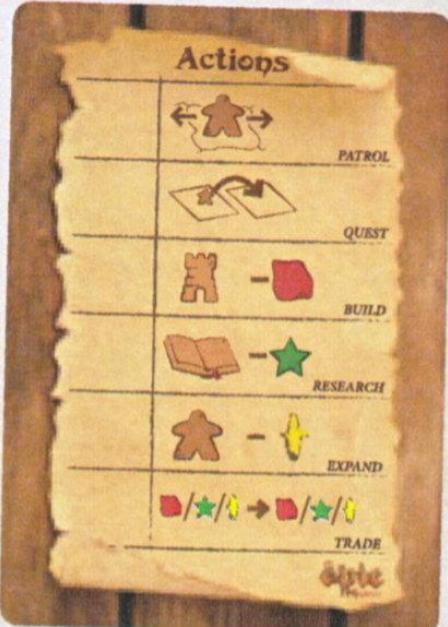
巡逻
将你在一张领土牌上的1个米宝移动到该牌上相邻的一个区域中。
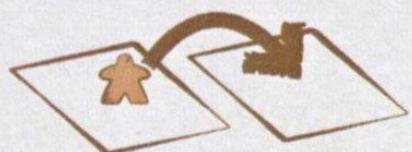
探索
将你在一张领土牌上的1个米宝从这张领土牌移动到另一张领土牌上。该领土牌不一定必须是相邻玩家的领土牌,可以是任意一张其他玩家的领土牌。执行探索行动时,玩家只能将米宝放在一张领土牌的边缘区域,不能将其放在领土牌的中央区域(被其他区域包围的区域)。
一般移动规则
如果你将你的1个米宝移动到有其他玩家米宝所在的区域时,你必须发动一场战争(详见第8页)。
同一个区域中,任何一种颜色的玩家米宝不能超过2个。你不可以进入由其他玩家的最后一个米宝所占据的区域,而你也不可以使用自己的最后一个米宝去移动到有其他玩家米宝所在的区域。
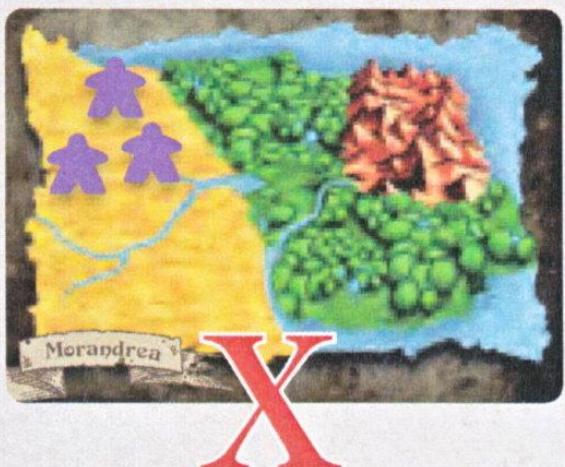
同一个区域中,任何一种颜色的玩家米宝不能超过2个。
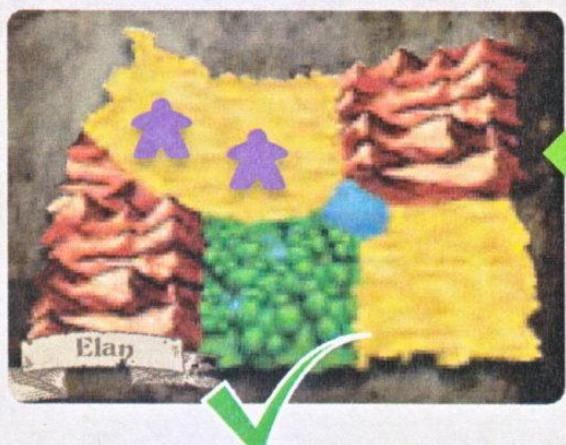
在同一个区域中,紫色玩家的米宝只有2个,这样是合法的。
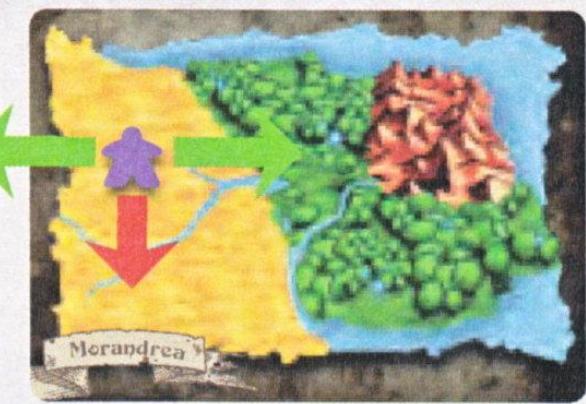
绿色箭头指示玩家可以执行探索或巡逻行动的方向。红色箭头指示了非法的巡逻方向,因为河流是不能通过的。
战净
如果你的米宝进入了有其他玩家米宝所在的区域时,战斗立刻开始。你和你的对手每人拿取1个战争骰子,并根据你所持有的可以支付到战斗数值中的资源数量来秘密设置你的战争骰子(战斗数值最大为11)。你的战斗数值还会受到某些种族技能的影响。战争骰子上白旗的一面,代表你想要投降。你所持有的资源必须足够支付你所设置的战争骰子的数值,否则不能设置该数值。每1点魔力等于2点战斗数值,每1点矿产等于1点战斗数值。食物不算。例如,如果你有9点能量,那么你能够支付的战斗数值并不是18点而是最大值11点。如果你设置的战斗数值是11你可以选择支付5点魔力和1点矿产,或者超量支付6点魔力。如果你选择投降,你不需要支付任何资源。
当两位玩家都设置好自己的战争骰子之后,他们同时展示自己的骰子。战斗数值更高的玩家获胜。另一位玩家可以选择支付3个食物将一个米宝撤退到相邻的一个没有其他玩家米宝的区域中,当该玩家没有合法区域可以撤退时,或者没有足够食物支付时,或者不想撤退时,都可以选择将米宝拿回自己的米宝供给区。胜利的玩家可以留在原来的区域中。战争出现平手时,算作防守的一方获胜。两位玩家无论在战争中是否取胜都需要支付相应的资源。(该段规则来自英文二版与一版描述不同)
如果两位玩家都选择了投降,两位玩家的米宝都会留在原来的区域,并且两位玩家都可以获得该区域所提供的收益。这种状态叫做“结盟”。玩家可以使用自己以后的移动类行动将他们的米宝从该区域中移出,来解除“结盟”状态并且不接受任何惩罚。

当有玩家与另外一位玩家发生战争,而当时在场上双方又至少有一处区域处于结盟状态时,除非双方都选择投降,否则可以看作双方在每个区域的每个结盟状态都被打破。所有区域的战争结果通过双方的一次战斗进行一次性判定。输的一方可以选择为自己的每个米宝支付3个食物来将它们撤退到一个没有其他玩家米宝的相邻区域。如果玩家不能撤退到合法区域,或者不能支付足够的食物或者不想进行撤退,可以选择将米宝放回自己手边的供给区。如果一次打破结盟的战斗导致一位玩家会失去自己的最后一个米宝时,他必须支付3个食物来将它放到最近的(不必相邻)一个未被其他玩家米宝占据的区域中。如果他无法支付足够的食物时,他必须支付自己所有的食物,若没有食物可以不用支付。
举例:玩家皮条与玩家葛城发生战争。皮条共有1点魔力2个矿产。葛城共有2点魔力和1个矿产。两位玩家都没有食物。皮条可以支付的战斗数值最高为4,而葛城可以支付的战斗数值最高为5;双方秘密的设置自己的战争骰子并同时展示。皮条展示的战斗数值为2葛城为3。葛城获胜!现在,双方玩家必须支付战争中所消耗的资源。皮条可以支付自己的1点魔力或是2个矿产。而葛城可以支付自己的1个矿产和1点魔力或者他也可以选择超量支付2点魔力。
建造
玩家支付相应数量的矿产来建造堡垒的每一层。(例如,建造第1层需要支付1个矿产,第二层需要支付2个矿产以此类推。)每次建造堡垒时,你可以将自己的堡垒标记在堡垒牌上向上推进1步。你的每一个建造行动只能建造1层堡垒。

研究
你可以支付相应的魔力,来将你的魔法等级提高一层。(例如,研究第一层魔法需要1点魔力,研究第二层需要2点魔力以此类推。)你的魔法等级由你在游戏开始时放置在种族牌下方的研究标记来进行指示。你的一个研究行动只能提升1级你的魔法等级。现在你可以获得你当前以及之前已经获得的所有魔法等级提供给你的特殊能力。
$= - 1$
扩张
将自己的一个新的米宝放到玩家们游戏区中,你需要根据你当前游戏中所拥有的米宝数量支付相应的食物。(例如,你放置第4个米宝时需要支付4个食物。)新放置的米宝必须和你场上的另外一个米宝放在一起。因为你在任意区域中放置的米宝不能超过两个,所以如果你不事先在场上有一个单独的米宝的话,你是无法扩张的。
□/★/♦ → □/★/♦
交易
你可以弃置任意数量的同种资源并获得相同数量的其他资源。(例如,你可以弃置3个食物然后获得3个矿产。)
5人游戏规则
5人游戏规则与普通规则基本一致,只是在需要清理行动选择卡的时候,当前玩家清理完行动选择卡之后需要将当前玩家标记传递给下一位玩家;本回合不能执行任何行动。这点确保了玩家们都有相同机会去成为第一个进行行动选择的玩家。
流程举例如下:
-
玩家皮条从6个可选行动中选了一个行动。(其他玩家可以执行该行动或收集资源。)当前玩家标记传递给下一位玩家葛城。
-
玩家葛城从5个行动中选择了一个行动。(其他玩家可以执行该行动或收集资源。)当前玩家标记传递给下一位玩家阿琦琦。
-
玩家阿琦琦从剩下的4个行动中选择了一个行动。(其他玩家可以执行该行动或收集资源。)当前玩家标记传递给下一位玩家温弗雷德。
-
玩家温弗雷德从剩余的3个行动中选择了一个行动。(其他玩家可以执行该行动或收集资源。)当前玩家标记传递给下一位玩家小E
-
玩家小E从剩余的2个行动中选择了一个行动。(其他玩家可以执行该行动或收集资源。)当前玩家标记传递给下一位玩家皮条。
-
玩家皮条清除了行动选择卡,然后将当前玩家标记传递给玩家葛城。不执行任何行动。
-
由玩家葛城从6个行动中选择一个行动。
2人游戏规则
2人游戏时,需要做一些调整。首先,游戏中不再存在“结盟”状态。2人游戏时,只要相遇就会发生战争。
另外,会有一个失落的神秘王国加入我们的混战。随机选择一张未使用的领土牌放在桌子中央,然后选择一个未被使用的玩家颜色,将相应颜色米宝放在该领土牌上,每个区域放置1个米宝。
在游戏过程中,玩家可以选择入侵这个失落的王国。当玩家这样做的时候,另一位玩家可以支付自己的资源,使用自己的种族能力来帮助中立的米宝在战争中进行防御。如果进攻的一方失败,中立的米宝会留在原来的区域中。而如果进攻的一方获胜,那么中立的米宝就从游戏中移除,并且进攻的一方会像往常一样占领该区域。
你可以像从其他区域获得资源一样,从所占领的王国来获得资源。所以,一旦中立的米宝被移除,那么它所占据的区域就和普通的区域一样由它当前的占据者来进行防御。如果玩家从这样的区域中移出时,该区域会保持空置状态直到有玩家再次进入。
在游戏结束时,玩家所占领的每个失落王国的区域可以让你获得1分。
Credits
Designer: Scott Almes
Illustrator: William Bricker
Editor: Brittany Coe & Andy Harrison
Game Developer: Michael Coe
Graphic Designer: Darrell Louder
Publisher: Gamelyn Games
Honorary Producers: Matt Pohl, Andrew Scarlatelli, Michael Black, Mitchell F. Gale, Victor Luchangco, Albert Espino, Derek Leigh Davis, Chaoran Chang, Lyndon Martin and Stephen Eckman.
Special Thanks: Scott would like to thank his friends and family for helping make his tiny epic dreams come true through their support and tolerance for poorly drawn prototypes. Michael would like to thank his wife Brittany for her support and patience during the production of this game, and for her creative and constructive feedback during play testing. Michael would also like to thank Brian Ikegami for his development suggestions and for being a key play tester. A special thanks goes out to Donald Shults and Chris Sabat for their involvement with the project. Thank you to the BoardGameGeek community and to Rainer Ahlfors and the other 8,978 Kickstarter backers that made Tiny Epic Kingdoms possible.
Download MarkdownMachi Koro MMS.pages.md21.4 KB
Machi Koro: our rules
by The Murder & Mayhem Society, (Remnants)
We felt there is a lot of playability in Machi Koro but that the game is too short with too little player interaction. Once a player had created an interesting Engine the game ended before they had time to watch it operate.
We also felt that there were too many overpowered cards making game play less interesting.
Finally, we wanted to interject a strategic element to the game and reduce randomness. We feel we have succeeded reasonably well.
As always, Your Milage May Vary.
Setting up the Game
In the beginning
Since our rules are a modification based upon the Machi Koro rules take those rules as implicit except in those cases described in this document.
The Deck
Remove all copies of the STADIUM & BUSINESS CENTER from the deck.
Any player, except First Player, chooses which of STADIUM or BUSINESS CENTER will be used for the current game and distributes one to each player for their starting tableau.
The Market
Shuffle the building cards and divide them into nine approximately even face down stacks to create The Market.
Turn up the top card on each stack.
If a card matches another face up card place them together on one of the like stacks and turn up the next facedown card. Continue until each of the nine stacks is topped by one or more face up cards.
When a property is purchased from the Market, or whenever a Market stack is topped by a face down card, the top card of the stack is turned face up. If the newly revealed card is identical to the top card(s) of an existing stack, matching face up cards from the other stack are placed atop the newly revealed card.
Exceptions:
The following properties are never stacked atop copies of themselves. They block a Market stack and must be purchased to open the stack.
The LOAN OFFICE, DEMOLITION COMPANY & MOVING COMPANY are never stacked together. There may be multiple stacks each topped by one of these cards. They freeze a stack until they are purchased.
Empty Market Stacks
Should a Market stack become empty it is not renewed or replaced.
DEMO STACK
The DEMO STACK is a tenth stack adjacent the Market Place. The DEMO STACK begins the game empty. DEMOLISHED cards (see DEMOLITION COMPANY) will be placed, face up atop the DEMO STACK. Cards in the DEMO STACK are considered part of the Market.
The top card on the DEMO STACK is available for purchase by an active player.
Markers
We use markers to represent certain conditions. The game provides Renovation markers. A second marker is needed for use with the BUSINESS CENTER. If there are more than two players individual player markers will be necessary for use with the BUSINESS CENTER.
The Starting Tableau
We changed the player starting tableau to slightly increase early game income.
Each player begins the game with one each of:
• Wheat Field
• General Store
• Bakery
• Corn Field
• Flower Orchard
• Forest
• Stadium or Business Center (see The Deck)
Starting Cash
Each player begins with three coins.
When playing this version of Machi Koro you will almost certainly need more coins than are provided by the game. We use miniature poker chips.
General Rule Modifications
In an effort to reduce unpredictability we made the following changes to dice rolling.
It is more convenient if each player has their own pair of dice.
Rolling the dice: the future revealed
Choose the first player by any convenient means.
First player first dice roll
The first player begins their turn by rolling two dice, choosing one of them for their turn and placing the other in the center of the table to be used in the next player’s turn.
Subsequent Dice Rolls
On subsequent turns the active player rolls a single die (two dice if the STATION has been constructed) then swaps their die with the die in the center of the table (one of their dice if two were rolled).
This means that after the first roll a player will almost always know the value of one of the dice for their upcoming turn.
Whenever dice are rolled one die must always be exchanged with the center die.
Fundamental Dice Rule
A player may not replace the center die with a die of the same value. This is a fundamental rule and may not be violated.
If, for instance, the STATION is active and a player rolls a 3 & 5 with a 3 as the center die, the player must replace the 3 center die with the 6 just rolled.
Roll Matches Center Die
If the rolled die (both dice) have the same face as the center die the two (three) dice are rerolled and the active player chooses one (two) for their turn. Since all dice have been rolled there is no center die, hence no limitation upon which of the dice may be kept or placed as the center die.
Take another turn
The AMUSEMENT PARK LANDMARK allows a player to take another turn if doubles are rolled. The consequences of cascading doubles are unpleasant and seriously unbalance the
game. We have changed this card to: Take another turn - Roll a Twelve Sided Die.
This provides a similar benefit without the risk of cascading doubles.
Obviously the twelve sided die is not swapped with the center six sided die.
If a twelve sided die is not available prohibit cascading doubles.
Purchasing Properties
A player may make only one purchase action during their turn.
Purchasing a property from the Market, Paying Down
LANDMARKS and Activating an LANDMARK all are purchase actions. If a player performs one of these actions they may not perform another purchase action during that turn.
Placing coins in City Hall Slush Fund or on a Startup Corporation are not purchase actions.
Win Condition
A player wins the moment they have Activated all LANDMARKS, i.e. the player has all seven LANDMARKS with the activated side face up in their tableau.
LANDMARKS
Management of LANDMARKS is a significant strategic element in the game. Once an LANDMARK has been purchased by any player all players benefit from its effects.The effects of LANDMARK buildings are shared mutually.
The player constructing the LANDMARK displays it with the completed side up. All other players display the building with the construction side up.
Players may activate face down LANDMARKS on subsequent turns by paying the activation cost from their CITY HALL SLUSH FUND (see CITY HALL SLUSH FUND)
When one player constructs an LANDMARK (places it face up in his tableau) its benefits are immediately available to all players.
LANDMARKS in all player’s tableaus are are placed in the same order, left to right, from their CITY HALL.
LANDMARK Cost
The calculation of the price of LANDMARKS is straightforward but moderately complex
The cost to place an LANDMARK is the card basic cost (the price shown on the LANDMARK card) multiplied by the player’s MULTIPLIER then increased by its ADDITIVE FACTOR.
Multiplier
The Multiplier is the number of all activated LANDMARKS held by the purchasing player. CITY HALL is considered an activated LANDMARK in this case.
LANDMARKS that the player has not yet activated are not included in the Multiplier but they are included in the Additive Factor.
Additive Factor
The Additive Factor is the sum of the count of the LANDMARKS, both active and inactive, held by the purchasing player. This includes both CITY HALL and the building being constructed .
For example, The Additive Factor for a player whose tableau contains CITY HALL plus two LANDMARKS would be: 1+2+3=6. CITY HALL and four LANDMARKS = 1+2+3+4+5=15
Example:
LANDMARK Cost = Base Cost times Multiplier plus Additive Factor.
If a player has the Station face up and the Dock face down and builds the Shopping Center the multiplier is two (city hall & one face up active LANDMARK, Station).
The additive factor is ten (city hall and two previously constructed LANDMARKS, Station & Dock) plus the newly constructed Shopping Center 1+2+3+4=10.
The total cost for the Shopping center in this case would be: 10 (basic cost of the Shopping Center)
times 2
plus 10
for a total of 30.
Reducing LANDMARK Cost
Players my reduce the purchase cost of an LANDMARK if they have any Paid Down LANDMARKS.
When purchasing an LANDMARK the player may Reduce the purchase Multiplier by removing Renovation Markers from their PAID DOWN (see CITY HALL SLUSH FUND) LANDMARKS.
The player may Reduce the ADDITIVE FACTOR of the LANDMARK purchase by paying coin from their CITY HALL SLUSH FUND for any or all of their Activated LANDMARKS. A player may not pay down the additive factor for LANDMARKS they have-not yet activated. Coins to pay down the Additive Factor are taken from the player’s CITY HALL SLUSH FUND.
Removing PAID DOWN markers or reducing the Additive Factor are not actions and are performed at the time of purchasing the LANDMARK.
The minimum purchase price for any LANDMARK will always be its base value plus three coins (Multiplier equals one, Additive Factor equals three, CITY HALL plus the newly acquired LANDMARK.
Important: The Additive Factor of LANDMARKS that the player has not Activated cannot be reduced by payment from the CITY HALL SLUSH FUND.
Activating LANDMARKS
Inactive (Face down) LANDMARKS: A player may activate an LANDMARK in their tableau (turn a face down LANDMARK face up) by paying its default cost (the price shown on the card) from their CITY HALL SLUSH FUND. This price is fixed and may not be modified.
Activating LANDMARKS is a purchase action. A player may make no other purchase action in a turn in which they activate LANDMARKS.
A player may Activate several LANDMARKS as a single purchase action.
A player may make no other Purchase action in a turn in which they Activate one or more LANDMARKS.
All payment to activate LANDMARKS must come from the CiTY HALL SLUSH FUND.
If the player has not yet added coins to their CITY HALL SLUSH FUND prior to activating LANDMARKS they may do so before the activating based upon the count of their active LANDMARKS.
If the player has not added coins to the their CITY HALL SLUSH FUND in the turn they activated LANDMARKS they may add coins based upon the new count of active LANDMARKS.
Paying Down LANDMARKS
An LANDMARK is PAID DOWN when it has a PAID DOWN (Renovation) marker on it.
Only activated LANDMARKS may be paid down.
To place a PAID DOWN marker on an LANDMARK the player pays from their CITY HALL SLUSH FUND an amount equal to the unmodified base cost of the LANDMARK and places a PAID DOWN MARKER on the LANDMARK.
Paying down an LANDMARK is a purchase action.
A player may Pay Down several activated LANDMARKS as a single action.
A player may take no other purchase action in a turn in which they Pay Down LANDMARKS.
Maintenance
If a player has at least one activated LANDMARK, other than City Hall maintenance must be paid at the end of a player’s turn. The player pays one coin maintenance for their City Hall and another coin for each of their face up LANDMARK from the coins in their CITY HALL SLUSH FUND.
If a player cannot pay all maintenance cost, those LANDMARKS for which maintenance is not paid become inactive (turned to their unbuilt side) - beginning with the right-most building in their tableau - (the building farthest from City Hall),
If City Hall is a player’s only face up building he pays no maintenance and cannot make contributions to their CITY HALL SLUSH FUND.
City Hall is never made inactive
CITY HALL SLUSH FUND
The SLUSH FUND is coins stacked on the CITY HALL Landmark card and is used to pay certain expenses or costs.
Add to City Hall Slush Fund
If a player has Active LANDMARKS other than City Hall the player may add funds to their CITY HALL SLUSH FUND equal to the ADDITIVE FACTOR of their face up buildings as a free action once at any time during their turn.
For example if a player has City Hall and one other building face up they may add three coins to their City Hall as a free action during their turn.
LANDMARKS that have not been activated are not counted when calculating the SLUSH FUND payment.
SLUSH FUND payments are always equal to the player’s ADDITIVE FACTOR. A player may never make a SLUSH FUND payment that is greater than or less than their ADDITIVE FACTOR.
A player may make a SLUSH FUND payment only once during their player turn.
Making a SLUSH FUND payment is not an action and is optional.
Cards with changed efects
LOAN OFFICE
The trigger roll for the LOAN OFFICE is changed from 5-6
to 8-9
LOAN OFFICE blocks a market stack, it is not moved to cover another stack topped by a LOAN OFFICE.
Demolition Company
In order to make the game more interactive the Demolition Company operates quite differently than described on the card.
The Demolition Company can effect cards of any color. The only limitation is that the cards must be the same property, the same color and name.
When the Demolition Company is activated the player chooses one property from an opponent’s tableau, an identical property from their own tableau and places both cards face up onto the DEMO STACK followed by a face up Purple card from the Market. The player then receives eight coins from the bank.
If the targeted player has more of the targeted property than are necessary to fulfill the Demolition the targeted player chooses which of their targeted properties are demolished, i.e. the active player chooses the type of property and the targeted player chooses which of their specific properties of that type are demolished.
If there are no face up PURPLE cards in the Market the player must place a PURPLE card from his tableau atop the DEMO STACK.
If the players have no matching cards or if there are no PURPLE cards, either in the Market or the active player’s tableau no properties are demolished, the active player receives no money from the bank and all Demolition Company cards held by all players or face up in the MARKET are placed face up on the bottom of the DEMO STACK.
Multiple Demolition Companies.
When Demolition Company is triggered by a player who holds more than one Demolition Company the effect triggers against multiple copies of the demolished property in the targeted player’s tableau. The active player collects only eight coins no matter how many copies of Demolition Company they hold.
Example: If a player with two copies of the Demolition Company in their tableau triggers Demolition Company they demolish one of their properties and two of opponents’ identical properties. If they hold three Demolition Company card they must demolish one of their properties and three opponent’s properties.
If the opponent(s) does not have enough properties to meet the criterion the active player collects no coins for the Demolition Company and all Demolition Company cards held by all players or face up in the MARKET are discarded face up to the bottom of the DEMO STACK.
Demolishing the Demolition Company:
If a player triggers a Demolition Company(s) in their tableau and there are no matching properties with an opponent, or the opponent does not hold enough properties for multiple triggered Demolition Companies, all of the active player’s Demolition Companies are discarded to the bottom of the DEMO STACK.
The Purple Cards
In order to minimize the sometimes overpowering effect of PURPLE cards, the maximum number of active Purple Cards a player may hold is one greater than the number of PURPLE cards held by the player with the smallest number of active PURPLE cards.
Purple Card Balance
Whenever a player holds more PURPLE cards than the permitted limit the excess PURPLE cards become Renovated. Place a Renovation Marker on Renovating PURPLE cards.
Renovating PURPLE cards are treated as any other Renovated card.
Renovated PURPLE cards become un-Renovated (remove the Renovation Marker) if their activation number is rolled and activating them would not violate the PURPLE card balance rule.
Renovation and Purple Cards
If the smallest number of active Purple Cards increases players may remove renovation markers from PURPLE Cards only when they are triggered by a roll of the dice.
If the smallest number of active Purple Card decreases players immediately place a renovation marker on one or more of their active purple cards.
A player may have any number of purple cards with Renovation Markers but may only have one more active PURPLE card than the player with the fewest active PURPLE cards.
Renovation Markers on Purple Cards
Markers on purple cards are treated as normal Renovation markers should an opponent activate a Renovation Company.
TAXES
This is a very complex rule.
The TAX OFFICE operates much differently than in standard Machi Koro.
If a targeted player holds more than ten coins they return one-half of their coins to the Bank. They pay taxes to the bank they do not pay the coins to the other player.
Coins in a player’s CITH HALL SLUSH FUND are exempt from taxes.
Tac Shelters: Reducing Taxes
Players may reduce their Taxes by removing PAID DOWN markers from LANDMARKS. Sheltered Taxes are paid directly to the player who Triggered the TAX OFFICE. In this case Taxes are not paid to the Bank.
For each PAID DOWN marker removed from an LANDMARK a player must transfer must transfer one-half of the Tax amount to their SLUSH FUND. Any tax amount left after the player has removed any desired PAID DOWN markers from his Activated LANDMARKS is then paid to the player who activated the TAX OFFICE.
Example:
Player A rolls a nine and triggers their TAX OFFICE.
Player B has thirty-one coins and PAID DOWN markers on two of their LANDMARKS.
Player B retains 16 coins, 31 divided by two rounded in favor of the taxed player and sets aside 15 coins for Taxes.
Player B may now either pay 15 coins to the Bank or choose to reduce his taxes by using their Tax Shelters. i.e. removing PAID DOWN markers from his LANDMARKS.
Player B chooses to use one of their Tax Shelters. Player B removes the PAID DOWN marker from a LANDMARK and places 8 coins on that LANDMARK, 15 divided by 2 rounded in favor of taxed player. Leaving 7 coins in taxes.
Player B may now either pay Player A the remaining seven coins in taxes or use his other Tax Shelter by removing its Renovation marker from his other LANDMARK and placing four coins on the LANDMARK.
After taxes have been paid the player pays any unsheltered taxes to the active player and moves any coins from the Tax Shelters to their CITY HALL SLUSH FUND.
Repeat the process for each TAX OFFICE triggered by the active player, applying the effect against coins that are not in their CITY HALL SLUSH FUND.
BUSINESS CENTER
Rather than exchange a property with another player the BUSINESS CENTER trades temporary ownership of properties between players.
When a dice roll triggers the BUSINESS CENTER the active player places a marker (not a Renovation Marker) on one of their properties and then places a similar marker on an opponent’s same colored property. If the player places a marker on their BLUE Wheat Field they may place a marker on any of the opponent’s BLUE properties.
When a property holding a BUSINESS CENTER marker is triggered in the normal course of play that property is treated as though it were owned by the player whose marker is on the property and that player takes the action for the property: collects income, executes text on the card as though it were their own.
If the triggered is a RED card the opponent pays the active player rather than collecting from the active.
GREEN & PURPLE triggered by a roll by the player in whose tableau they appear. BLUE cards are triggered by the roll of any player. RED cards are triggered by the active player. The BUSINESS CENTER marker is then removed only from the triggered property.
PARK
When any player purchases a PARK all other players immediately place a PARK card from the market into their tableau.
Available PARK cards include those in the Demo Stack If all there are not enough face up PARK cards for all players, including PARK cards in the Demo Stack, the PARK may not be purchased.
RED CARDS
RED cards trigger if their activation number appears on either or both dice of the active player’s turn roll. Ergo, if a player rolls three and a five they pay their opponent who owns a Cafe and/or French Restaurant (plus an additional coin if the Mall is active)
This rule makes the lower valued RED cards slightly more valuable.
SUSHI BAR
The cost to a player when they trigger a SUSHI BAR, after the HARBOR has been activated, is the number of active MACKEREL BOATS and TUNA BOATS held by all players
End Notes
This is a more strategic version of Machi Koro that we developed as a two-player game. It is highly dynamic and any two games will be very different.
Until the first five LANDMARKS have been purchased we tend to concentrate on building reliable engines paying close attention the available properties.
The Demolition Company can have significant influence in opening play but rarely has much impact once players’ engines are functioning.
Tax Office can strip an opponent of coins but may put them into his Slush Fund increasing his end game strength.
The end-game phase begins once the fifth LANDMARK has been purchased. There is a significant risk in purchasing the sixth LANDMARK, particularly when your opponent’s Slush Fund is full of coins.
We have developed this version over the last couple of years. Machi Koro has become our go-to game. It rewards good play, is fluid and end game situations can be quite tense.
Early on when playing this version once of us would concede when faced by an opponent’s overwhelming machine. Then we discovered that with good play an apparently lost position can become a win. The winner and loser are usually separated by a single turn.
Download MarkdownTexts are community-compiled or publicly released by publishers; copyright remains with the original authors. For personal reference only.