
Terracotta Army
At a glance
Rules, cards and Q&A (Chinese)
The rules, card data and player questions for this game are written in Chinese. Open the Chinese page to read them.
Where to find full rules
Full rules and card lookup are available in the cunlema app at cunlema.cn — pick this game and ask about any rule, card or turn you are unsure about.
Related games
Rulebook text (Markdown)
This game has 2 rulebook Markdown file(s) in our library; 2 rendered inline below — expand to read or download.
rules_zh_兵马俑_30996.md77.8 KB
兵马俑
兵马俑
秦始皇已经离世,为了在来世保护他,需要集结一只忠诚的军队守卫他的陵墓,而你将会成为组建这只大军的负责人。
在《兵马俑》这款游戏中,你是当代才华洋溢的技师和工匠,努力创造型态各异的雕像。你需要收集资源、升级工人,并设法得到皇帝身边亲信的青睐,目的是成为组建这只军队的最大功臣,你的成功与否将以胜利点数进行衡量。在游戏过程中,你将要和你的伙伴们一起建造,但在五轮游戏过后,你们之中只有一个人,也就是拥有一切建造技巧的玩家可以赢得游戏胜利。
游戏配件
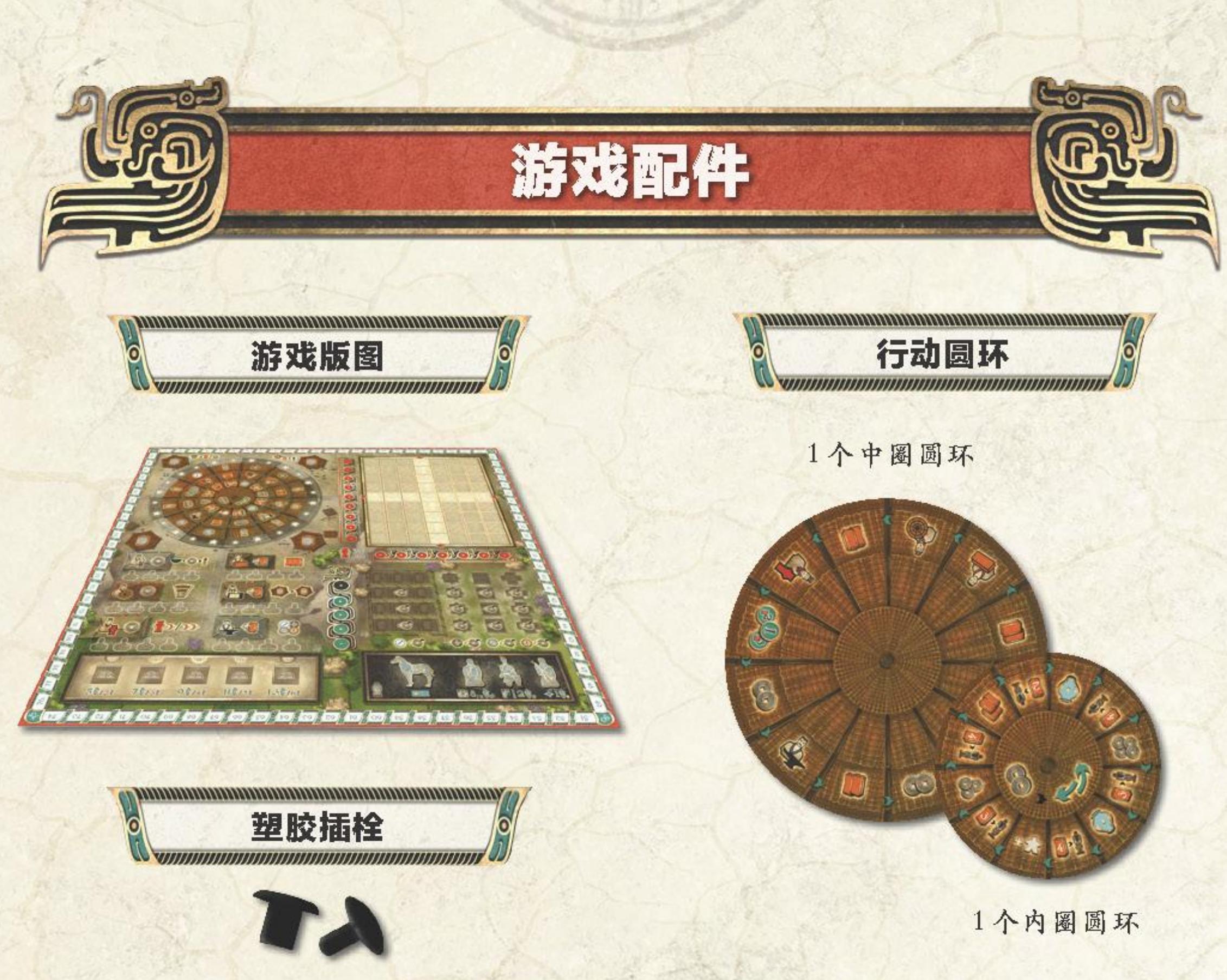
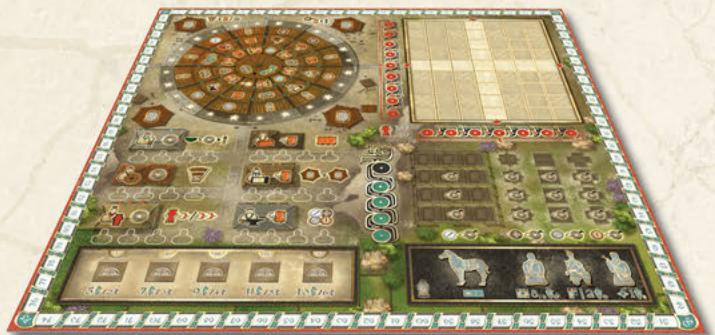
游戏版图
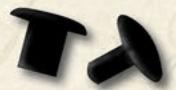
塑胶插栓
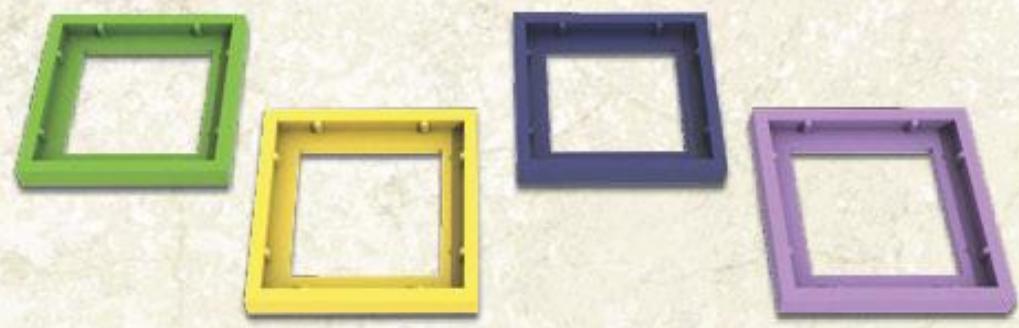
1个中圈圆环
1个内圈圆环
游戏概述;游戏配件

军种分类盒

监工棋子

轮数标记
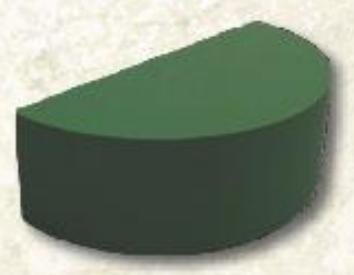

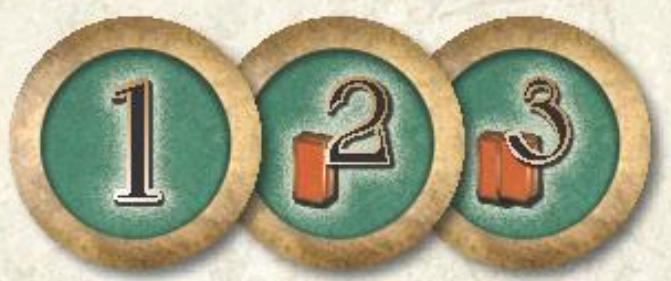
3个行动次序指示物
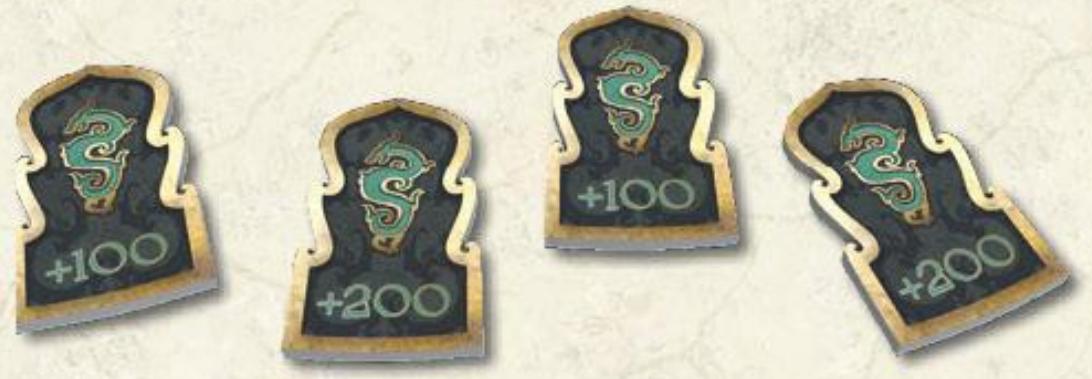
4个+100/+200分数指示物
12个轮末计分指示物


注意: 所有资源都没有数量限制, 如果供应区的资源已经耗尽, 请找其他东西替代。
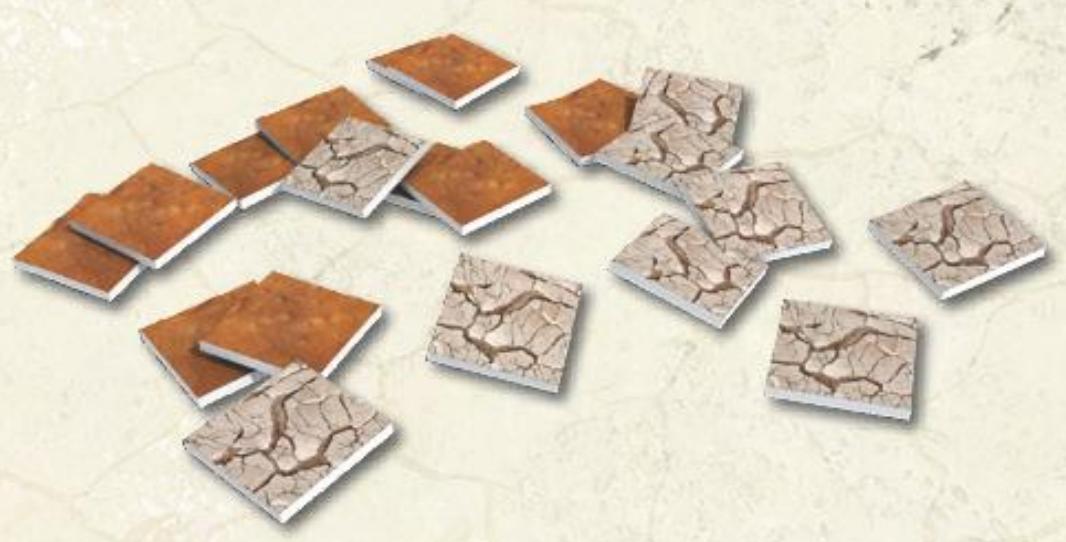
90片黏土指示物
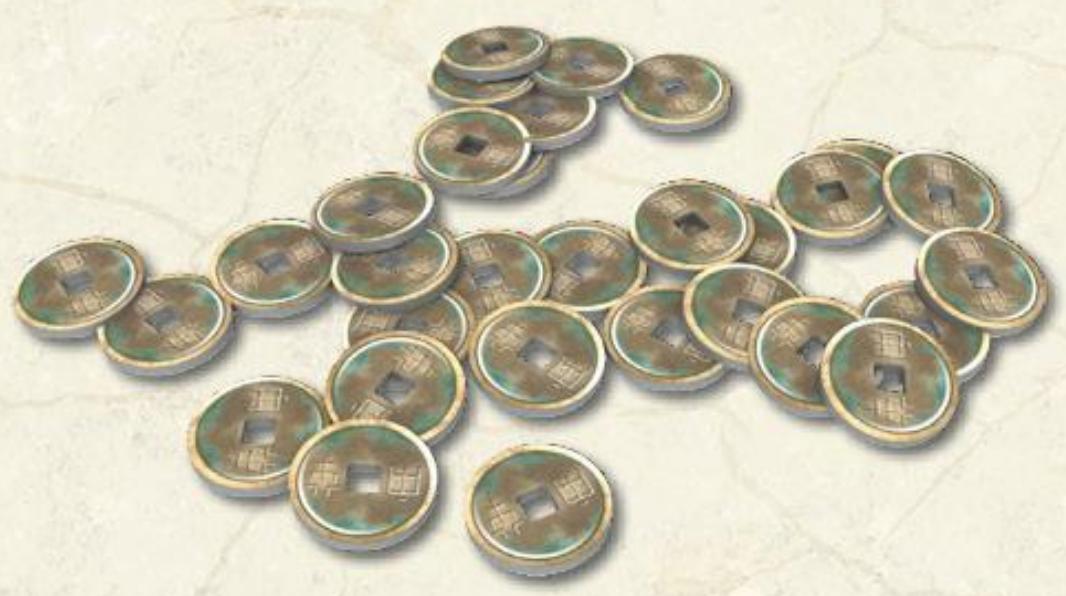
90枚钱币
游戏配件

11名军官
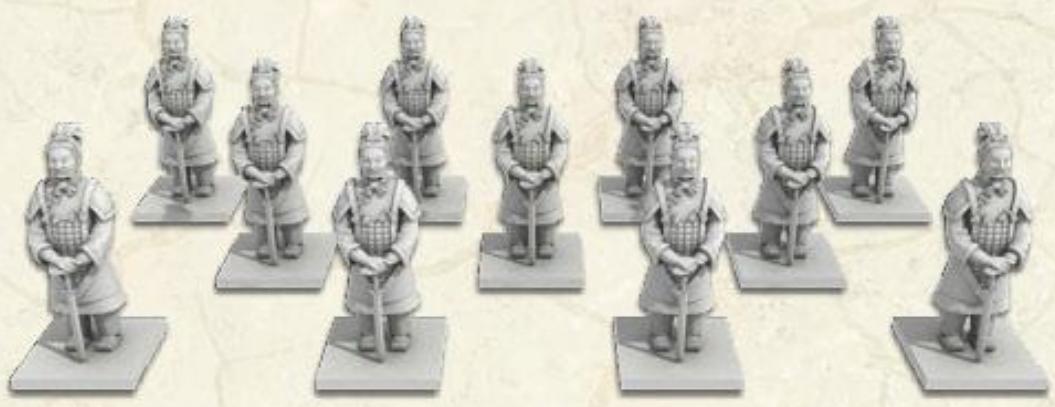
11名弩手

11名卫兵

11名步兵


4名乐师
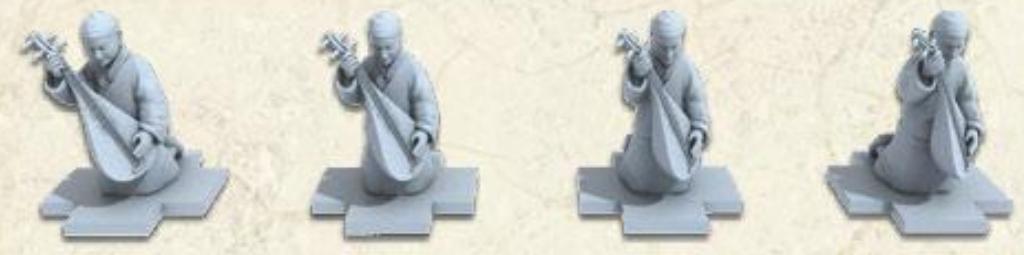
4名随从
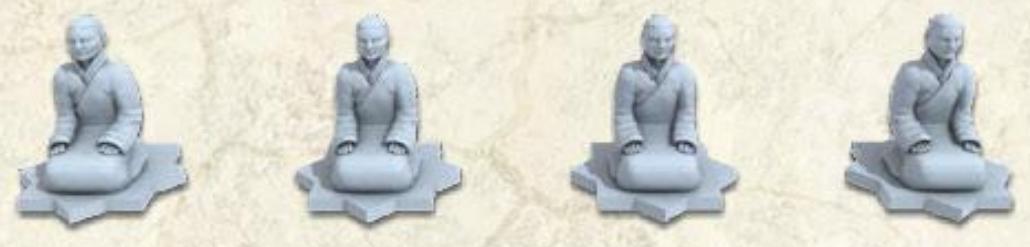
4名跪姿射手

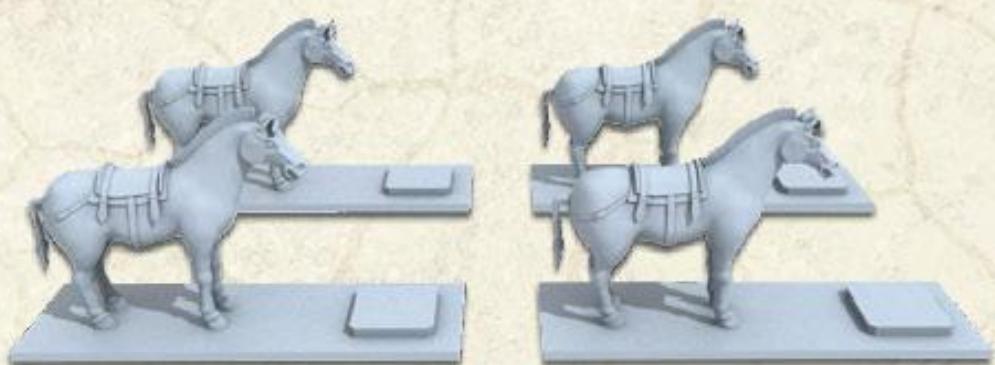
4匹战马
玩家配件

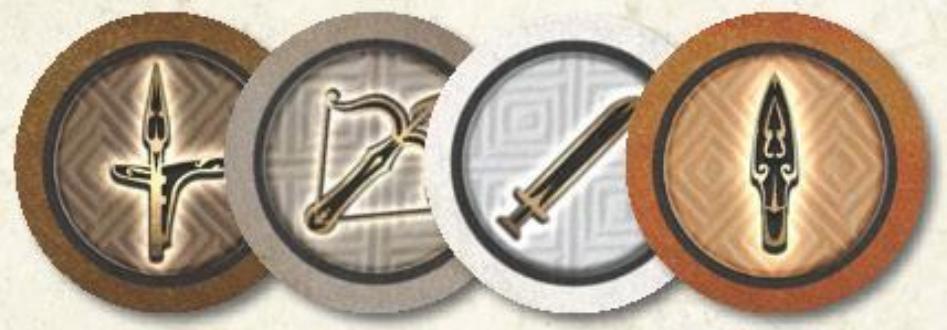
16片武器指示物
4种类型各4片
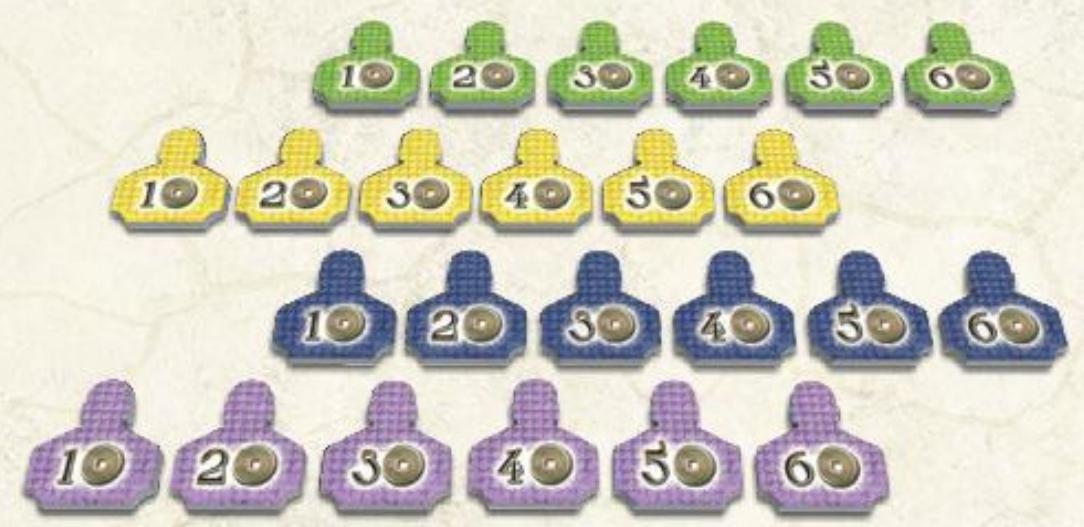
24片大师指示物4种玩家颜色各6片

4个分数标记
4种玩家颜色各1个
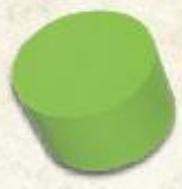


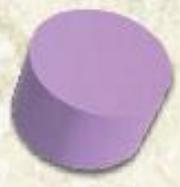
4个行动次序标记
4种玩家颜色各1个
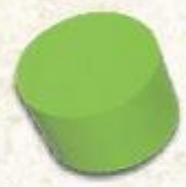
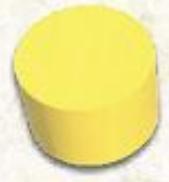

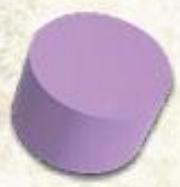
20名技师
4种玩家颜色各5个
20名工匠
4种玩家颜色各5个



60个战士底座
4种玩家颜色各15个

缺失或受损配件

尽管我们已经尽量确保您收到的游戏是完好的,但是生产上的失误仍然可能会让您收到缺失或受损的配件。若是发生了这样的状况,我们深表歉意,请联络我们为你迅速更换补件。
售后服务:
https://boardanddice.com/customer-support/
规则更新承诺

我们承诺在每款游戏发布之后持续提供规则更新。尽管进行了严格的游戏测试,但是偶尔还是会发生在游戏制作完成的数月或数年之后,需要对规则进行修正或是对游戏流程进行微调的情形。桌游怪工作室会时刻关注原出版社的动态,大家可以在'兵马俑'视频下方评论区找到最新的规则更新信息以及相关电子文档。


组装说明


游戏设置

在进行你的第一场游戏前,请小心地将所有纸板配件取下并分类,这将会使得游戏更加容易设置。请使用内附的塑胶插栓组装行动圆环,使得中圈圆环直接叠放在游戏图板上,而内圈圆环再叠放在最上面(见第5页的组装说明)。
1、将游戏版图放在桌面中央。
2、将黏土指示物以及钱币放在游戏版图旁边形成供应区。
3、在游戏版图上的四个仓库中分别放置1片干燥黏土。

黏土指示物以干燥面朝上放在仓库中
4、放置行动圆环于行动轮盘区域,随机决定它们的起始位置。
在放置行动圆环时,
确保行动格与印在主版图上的外圈格子对齐:
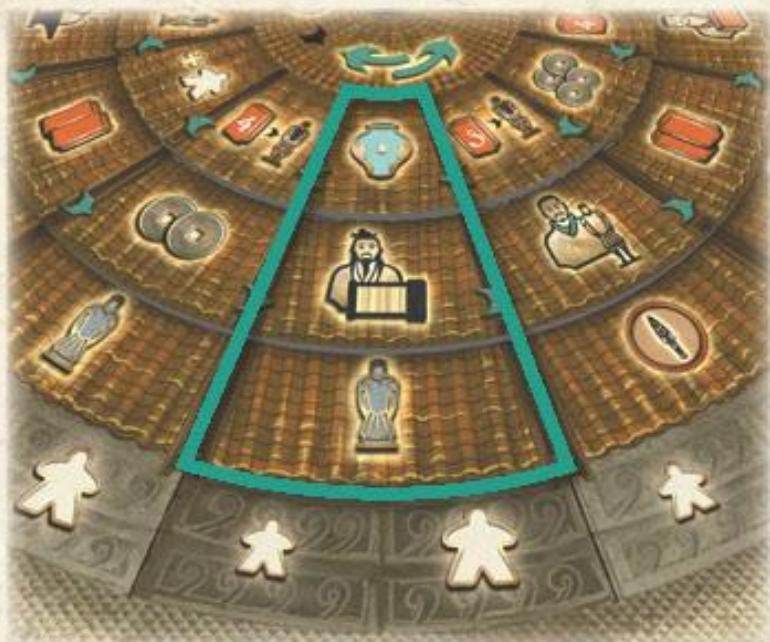
游戏过程中,行动格永远保持对齐。
行动圆环可以旋转,但最终要像上图中展示
的一样,形成完整的扇面。
5、随机抽取 5 个轮末计分指示物,在轮数轨上的每个空格位置各放置 1 个,并确保三角形记号出现在每个指示物的左下角。将其他未使用的计分指示物放回盒子中。
6、将轮数标记放在轮数轨上的第一个空格中。
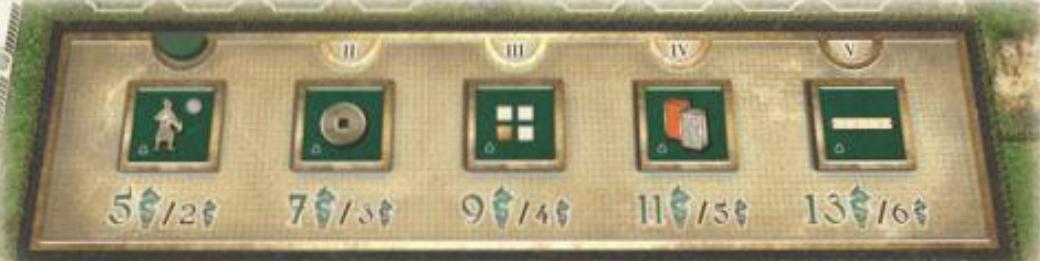
在五个计分格中分别放置一片轮末计分指示物,并将轮数标记放在起始空格。
7、在陵墓旁边两条监工轨上的起始空格分别放置一个监工棋子。
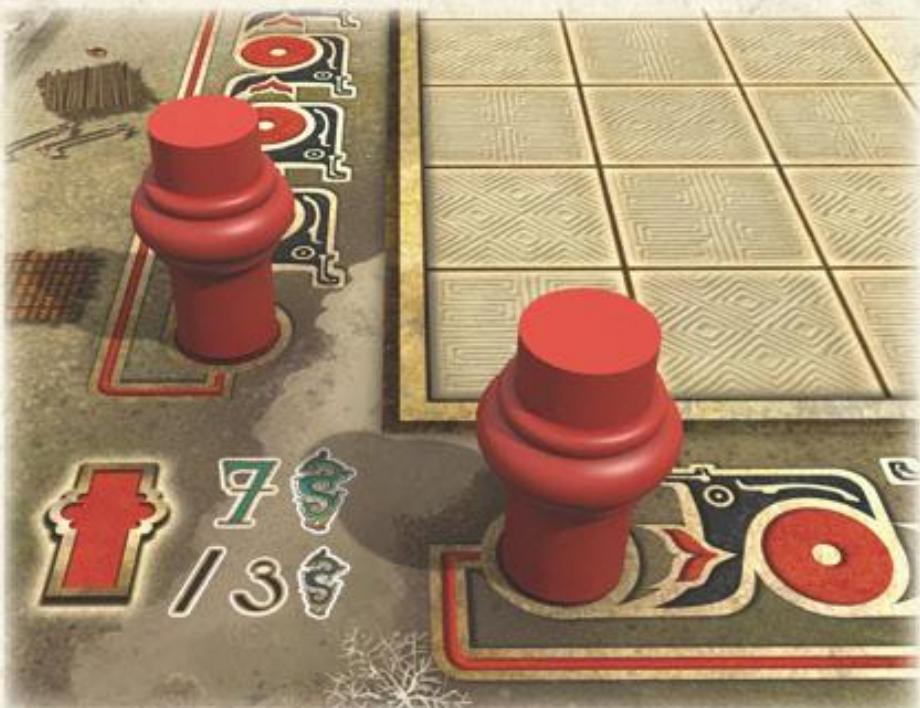
将两个监工棋子放在各自的起始空格;
一个是水平方向的监工轨,
另一个则是垂直方向的监工轨。
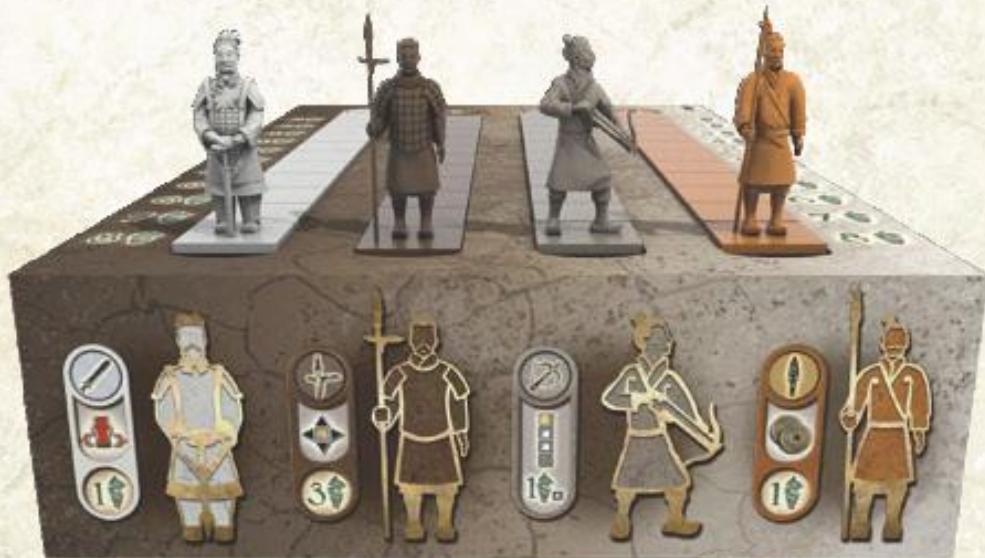
8、军种分类盒放置在游戏版图右侧,位于陵墓旁边的位置,
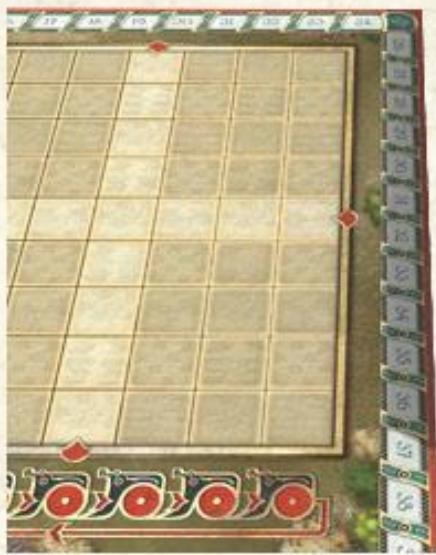
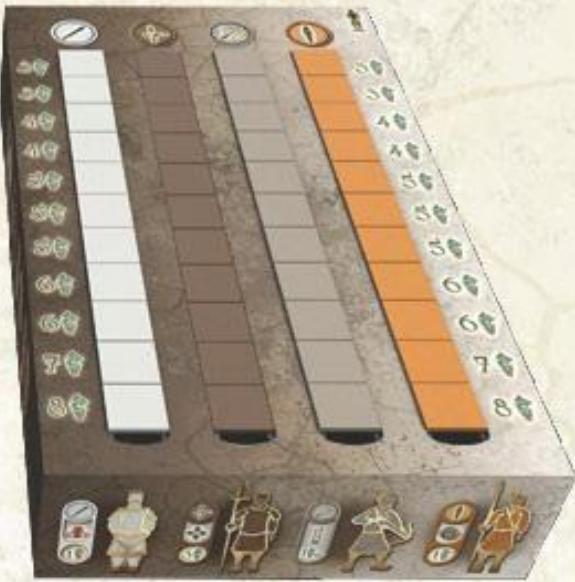
军种分类盒放置在陵墓旁边。
确保每列只包含单一军种的战士模型,
它们应当与盒子侧边的图示对应。
9、将全部16个专家模型放在游戏版图上,位于陵墓下方的指定空格处。
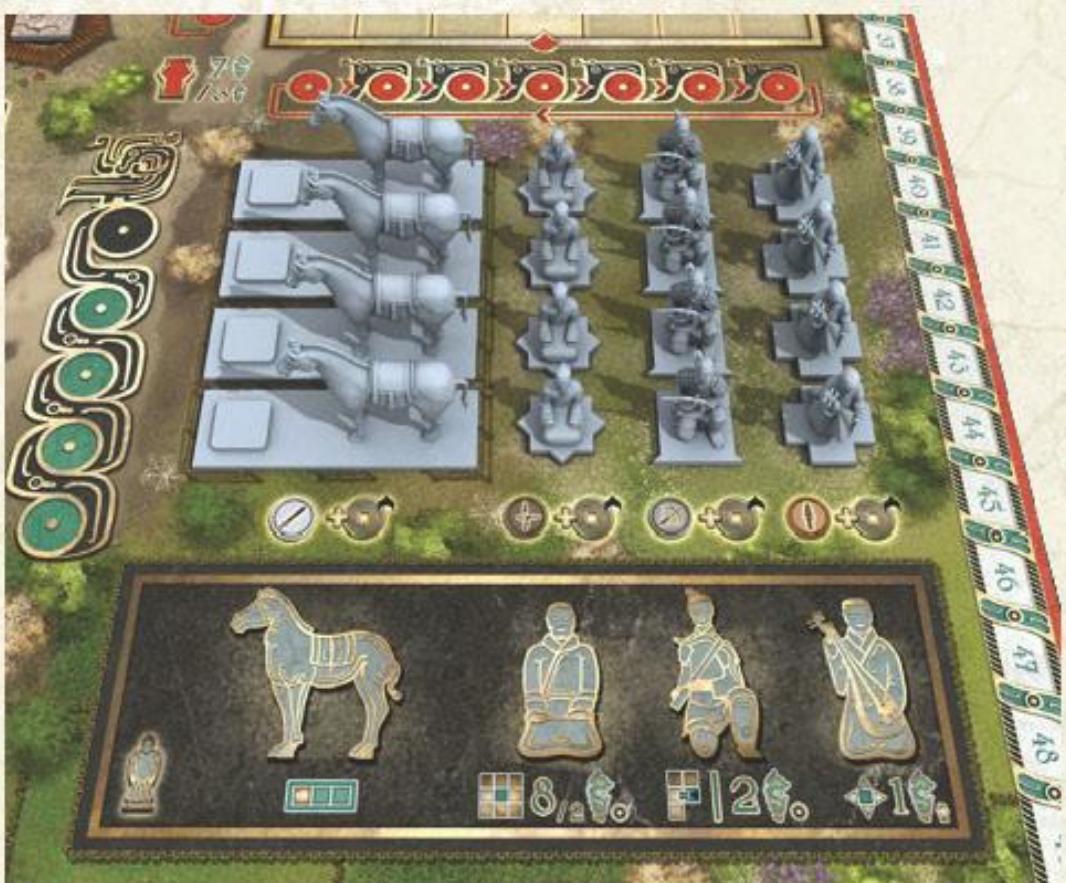
依照底座形状,将4种专家模型分别放在与下方图示对应的空格处。
10、按数字大小排列行动次序指示物,将数值最小的叠放在最上方,并将整叠指示物放在回合顺位轨上方的空格处。
- 在2人游戏时只使用数值「1」的指示物;
- 在 3 人游戏时只使用数值「1」和数值「2」的指示物;
- 在4人游戏时使用所有的三片指示物。
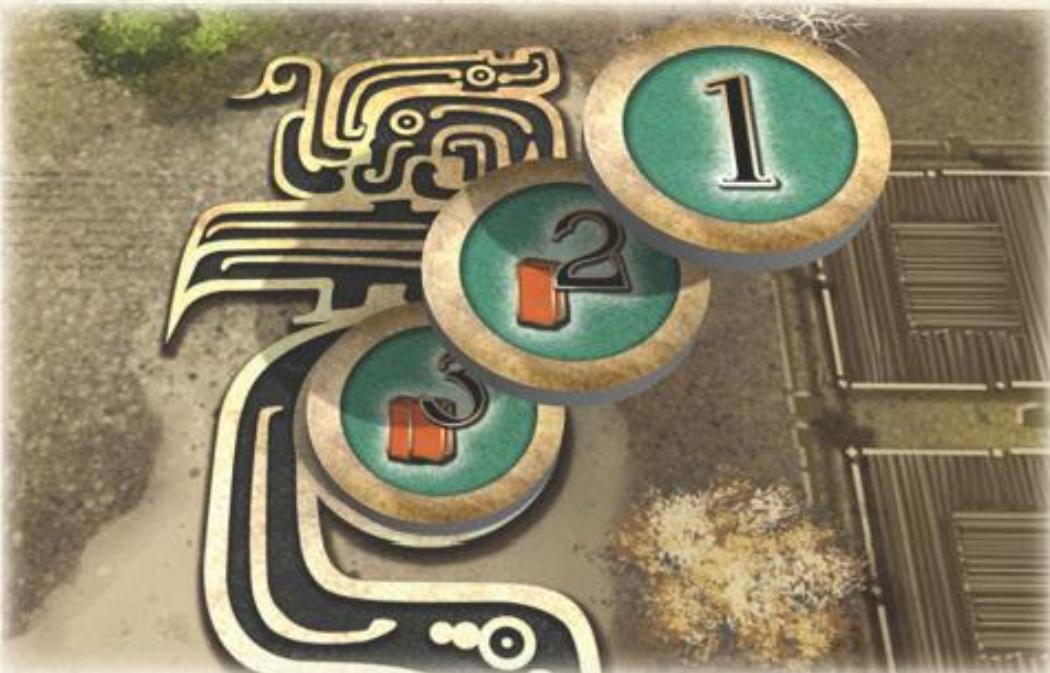
在叠放行动次序指示物时,数值较高的指示物总是会堆叠在最下方。
11、每位玩家拿取3块钱和4片武器指示物(翻转至未激活面)。
12、每位玩家选择各自的玩家颜色,并拿取对应颜色的配件:
· 6片大师指示物;
· 15 个战士底座;
- 5/4/3名技师(分别在2/3/4人游戏);
- 5/4/3名工匠(分别在2/3/4人游戏);
· 1个分数标记;
· 1个回合顺位标记。
将未使用到的所有配件收回盒子中。

黄色玩家在2人游戏中使用的配件。
13、将每位玩家的全部工匠都放入游戏版图旁边的供应区,

3人游戏的工匠供应区。
14、将所有分数标记放在分数轨上「0」的空格。
15、玩家们自行决定一位起始玩家,将其回合顺位标记放在回合顺位轨最上方的空格,剩余玩家则按照顺时针方向将各自的回合顺位标记依次放在回合顺位轨上。
3人游戏的回合顺位设置:
黄色为起始玩家,
绿色为第二顺位玩家,
蓝色为第三顺位玩家。
16、第二顺位玩家拿取1片潮湿黏土;如果有第三顺位玩家,该玩家拿取2片潮湿黏土和额外1块钱。如果有第四顺位玩家,则该玩家拿取3片潮湿黏土和额外2块钱。
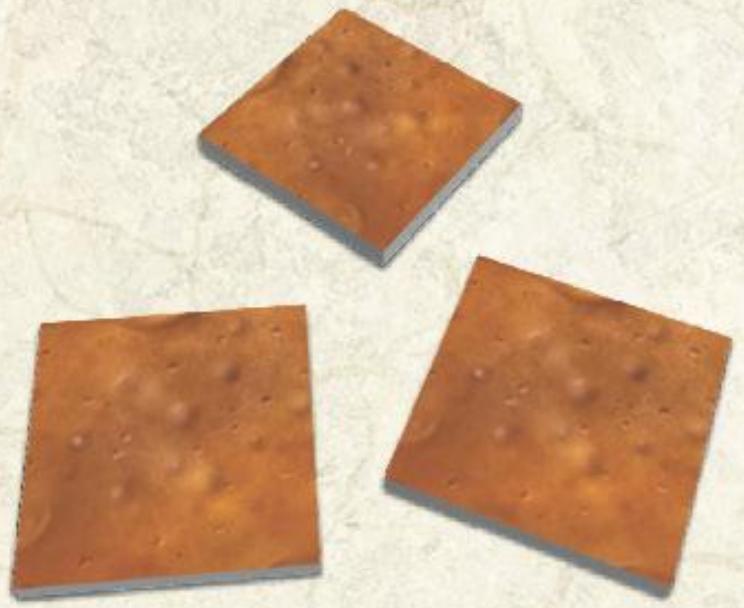
你在游戏开始时拿到的任何黏土都应该以潮湿面朝上放置,关于潮湿黏土与干燥黏土的差异会在稍后规则中进行说明。
现在你可以开始进行游戏了!
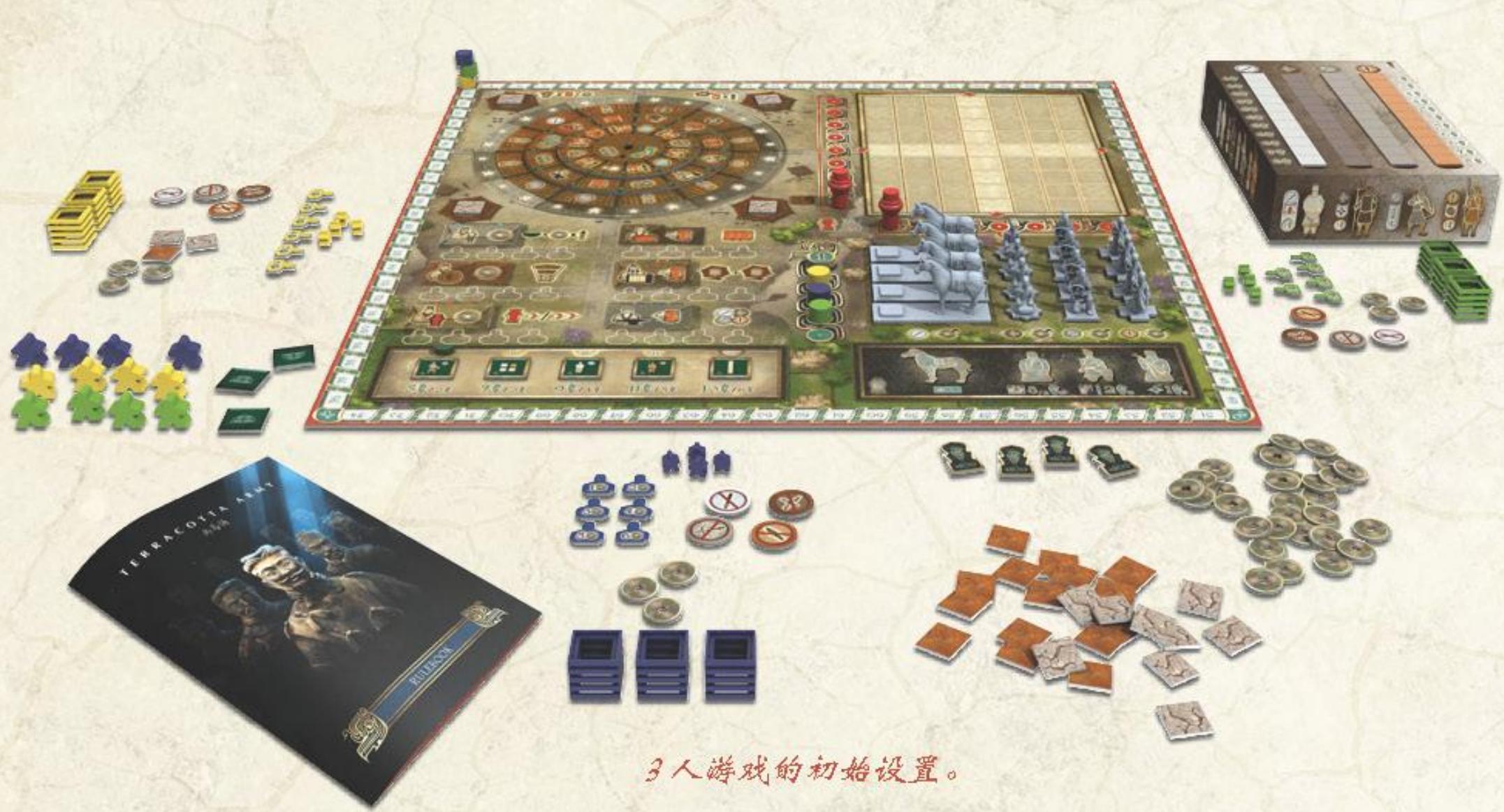
3人游戏的初始设置。

核心概念
执行某些行动时会用到几个核心概念,这些概念与相应的规则会在这一部分进行说明:
胜利点数 VP
当你获得胜利点数时,将你的分数标记沿着游戏版图周围的分数轨往前推进对应格数。当你的胜利点数超过100时,拿取「+100VP」指示物。当你的胜利点数超过200时,将该指示物翻转至「+200VP」的那面。
胜利点数在之后的规则中可能会简称为 VP。
工人 - 技师与工匠
你所持有的技师与工匠统称为你的工人。在游戏开始时,你有一定数量的技师可供使用,随着游戏的进行,你会开始将一些技师转职为工匠。每当规则提到工人时,其所指包护了技师与工匠。只有当规则特别说明是技师或工匠时,指的才是特定类型的工人。

蓝色技师(左侧)与蓝色工匠(右侧)。
潮湿黏土与干燥黏土
黏土(用黏土指示物来表示)为制造战士陶俑的主要资源,就像在现实世界中一样,只有潮湿黏土才会派上用场。
在《兵马俑》这款游戏中,我们使用双面黏土指示物来代表黏土,只有潮湿面朝上的黏土可以被用来支付制作战士雕像的花费。
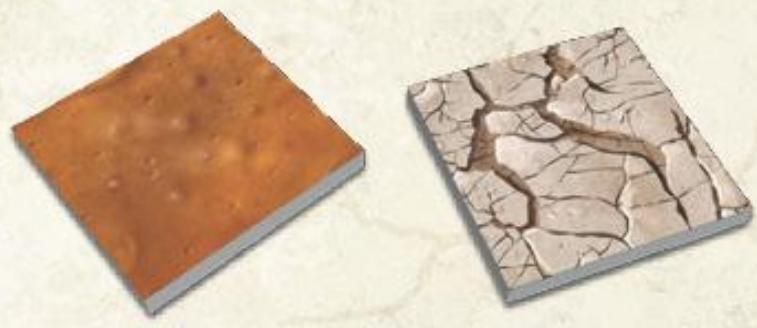
黏土指示物的潮湿面(左侧)与干燥面(右侧)。
战士与专家
游戏中会使用两类模型:战士陶俑与专家陶俑。一般来说,战士需要使用潮湿黏土制作,而专家则需通过花费钱币购买(另外还要搭配特定武器,见15页)。新制造的战士需要使用玩家颜色的战士底座来标示,这样做的目的是当该战士被放置在陵墓时,玩家可以明确其制作者;而专家则不需要使用底座。事实上,专家本身底座的特异形状也是用来提醒你这一点,以及它们各自享有的特殊能力。
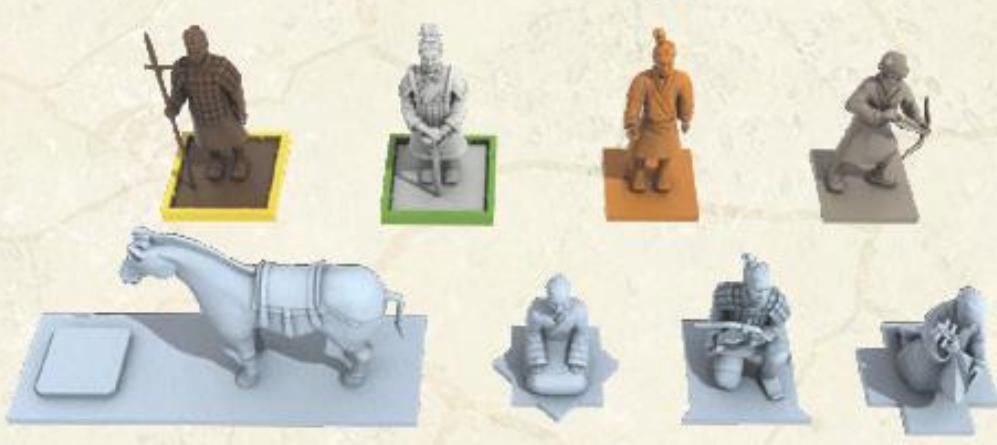
所有战士底座皆为正方形,我们可以轻易地使用玩家底座来进行标示(上排图示)。所有的专家则有不同的底座形状(下排图示)。
游戏过程中,你会将战士模型放置在陵墓中,形成军团。以游戏术语而言,军团是由来自相同军种,且彼此之间正交相邻(不包含斜角的垂直与水平方向)的两个或更多模型组成。一个军团之中的模型可以来自多位玩家(通过模型底座来辨识)。另外,在陵墓内也完全可能存在多个相同军种但各自独立的军团。
The image contains no discernible text or characters. It is a graphical representation of a bar or bar with a single, solid black bar, which is a graphical representation of a bar with a white bar. According to the rules, since there is no text to extract, the correct OCR output is an empty string.

例子: 在上方图示中, 包含一个由4名军官组成的军团: 其中2名属于黄色玩家, 1名属于蓝色玩家, 还有1名属于绿色玩家。紫色玩家的军官不属于该军团, 因为该军官与其他军官并无正交相邻。紫色玩家的步兵也不属于该军团, 因为步兵属于另一不同军种。
每位玩家都有4片武器指示物,4种武器各一片。任何时刻,你的每件武器都会处与激活或未激活状态。每当你使用一件处于激活状态的武器,你会翻转该指示物至未激活面;同理,每当一个行动让你激活武器时,你会将一片武器指示物翻转至其激活面(激活已经处于激活状态的武器不会产生任何影响)。
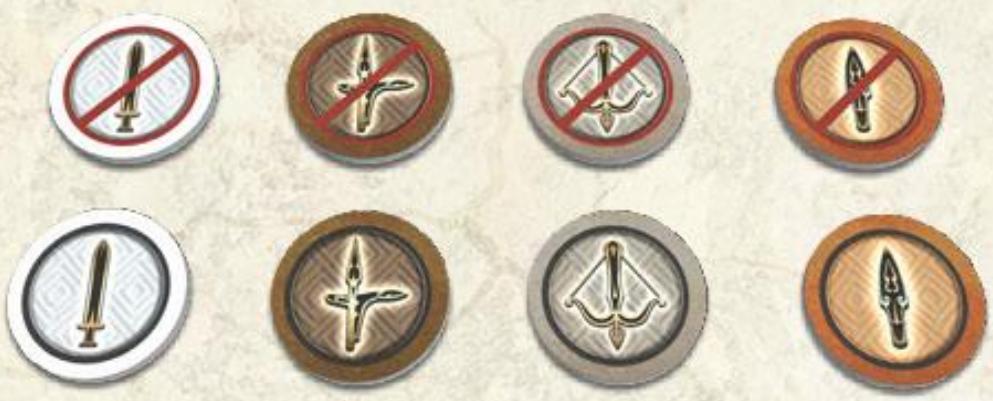
4片武器指示物的未激活面(上排)与激活面(下排)。武器类型由左到右分别为剑、戟、弩与矛。
主宰与存在
在《兵马俑》这款游戏中,你将会在很多得分机会的判定时用到「主宰」与「存在」这组概念。要达成「主宰」状态,你必须是拥有正在比对的资源或陶俑数量严格最多玩家(如果你是唯一参与该项竞争的玩家,那么你同样会被视为「主宰」)。「存在」状态则仅要求你拥有至少一个当前所比对的资源或陶俑。
如果你已经因为「主宰」而获得分数,那么你将不会因为「存在」而再次获得分数。若两位或更多玩家在判定「主宰」时形成平手,那么将没有人被视为「主宰」,这些平手玩家都将被视为「存在」。
注意: 在游戏中轮末与终局计分时, 「主宰」和「存在」状态的计分是不同的!
游戏中包含两个监工棋子,每个棋子都位于各自的监工轨上。将监工「往前推进」就代表需要将棋子沿着箭头方向移动。如果此时监工棋子已经位于监工轨的最后一格,那么则将该棋子移动到对应轨道的起始空格(如长箭头所示)。
进行游戏

《兵马俑》的游戏将进行5轮,在每轮游戏中,玩家会轮流放置工人来执行行动。当一名玩家执行完一次行动后,会由当前回合顺位的下一位玩家继续执行行动,如此循环往复。一旦所有玩家都用完他们全部的工人,那么一轮游戏结束,之后立刻进行轮末计分,然后准备下一轮游戏。第五轮游戏结束时,玩家们进行终局计分。最终,拥有最高VP的玩家将成为这场游戏的赢家。
游戏流程
每轮游戏会依照以下阶段进行:
1、行动阶段
2、计分阶段
3、清理阶段

行动阶段

在此阶段中,玩家会依照当前的回合顺序,轮流将自己的一名工人放在游戏版图左上角行动轮盘周围的一个空位。
当轮到你放置工人时,依序执行以下步骤:
1、旋转一个行动圆环(可选动作)
你可以选择内圈或中圈的行动圆环,沿其箭头所指方向旋转1格,并支付2块钱。内圈圆环沿顺时针方向旋转,中圈圆环沿逆时针方向旋转。

内圈与中圈的行动圆环可以分别沿着其箭头所指方向转动。位于轮盘中央的图示会提醒玩家,转动圆环需要支付2块钱。
如果你选择旋转某个行动圆环,请记得你只能执行一次。
你只能旋转其中一个行动圆环,而且该行动圆环只能被旋转1格。
你也不可以通过多次支付所需费用来重复执行此动作。
在旋转圆环之后,你必须将行动轮盘内的行动格对齐,形成完整扇面。
2、放置一名工人(强制动作)
将你的一名工人放置在行动轮盘周围的一个空位上。轮盘的每个扇面都包含两个工人放置位置。
- 如果某个扇面中的两个位置都是空的,那么你可以将工人放在其中任何一个空位上。
- 如果某个扇面中的其中一个位置已经放有一名技师(无论是自己的或其他玩家的),那么另一个空闲位置只能放置工匠。
- 如果某个扇面中已经放有一名工匠,那么该扇面不能再放置其他任何工人。
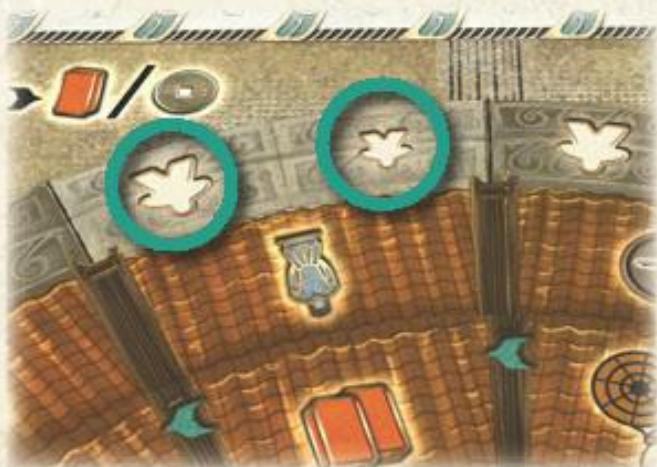
由于此扇面是完全闲置的状态,因此任何工人都可以被放置在团圆所标示的位置中。

由于此扇面已经放有一名技师,
因此你只能在圆圈标示的位置放置工匠。
你不能再将技师放于此处。
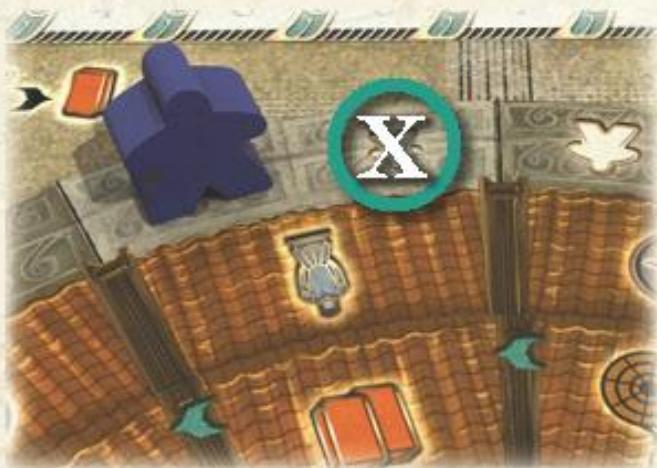
由于此扇面已经放有一名工匠,即使旁边还有闲置的工人放置位置,你也不能再将任何工人放于此处。
3、执行行动(可选动作)
在你放置工人的扇面,从内圈的行动格开始,逐步向外,依次执行每一个行动。在开始下一个行动前必须将正在执行的行动内容结算完毕。
在执行内圈或中圈圆环的行动格时,你必须
- 执行行动格内所描绘的行动,或是
- 拿取1片潮湿黏土或1块钱,或是
- 完全跳过该行动。
在执行外圈圆环的行动格(印在游戏图板上)时,你必须
- 执行行动格内所描绘的行动,或是
- 完全跳过该行动。

行动A会先被执行,接着是B,最后是C。
你可以拿取1片潮湿黏土或1块钱来替代行动A。
同样也可以拿取1片潮湿黏土或1块钱来替代行动B。
但你不能拿取黏土或钱币来替代行动C。
你必须从内圈至外圈依序执行对应的行动。虽然你可以选择略过外圈的行动,但你不能拿取黏土或钱币来替代该行动。

轮盘行动

 | 拿取指定数量的钱币(2/3/4)。 |
 | 拿取指定数量的潮湿黏土(2/4) |
 | 花费指定数量的潮湿黏土来建造战士陶俑,并将其放到陵墓中。关于建造与放置战士,以及触发其相应能力的详细规则,见第13页。 |
 | 将你的干燥黏土都变为潮湿黏土。 |
 | 将你用于执行此行动的技师转换为工匠。从游戏中移除该技师,并从供应区拿取一名工匠取代其位置。如果执行此行动的工人已经是工匠,该行动没有效果,不过你可以选择拿取1片潮湿黏土或1块钱。 |


 | 如果你在游戏版图上对应大师区域放有属于你颜色的大师指示物:使用与该大师相关的大师技能。(见第17页的大师技能说明)如果你在游戏版图上对应大师区域没有属于你颜色的大师指示物;首先,选择你的一片大师指示物,支付该指示物上的金额,并将其放在对应的大师区域,然后立刻使用该大师的相关技能。如果你决定购买大师但却不使用相关技能,这仍然算作执行了本行动,因此你不能拿取黏土或钱币。每位玩家在游戏版图上的每个大师区域只能放一片大师指示物。 | 某些行动可以让你将一名战士或专家陶俑放到陵墓中。无论是哪一种类型,所有陶俑都存在可以发动的特殊能力。详细说明如下:战士陶俑在建造战士陶俑时,你必须支付一定数量的潮湿黏土作为费用,而该费用的数目取决于你所执行的行动格。也就是说,当你在建造一个战士陶俑时,你可能会支付2、3或4片潮湿黏土。在支付(潮湿)黏土时,你必须从你支付的黏土指示物中拿取一片,翻转至干燥面,并将其放到与你放置工人的扇面相邻的仓库中。其余的黏土放回供应区。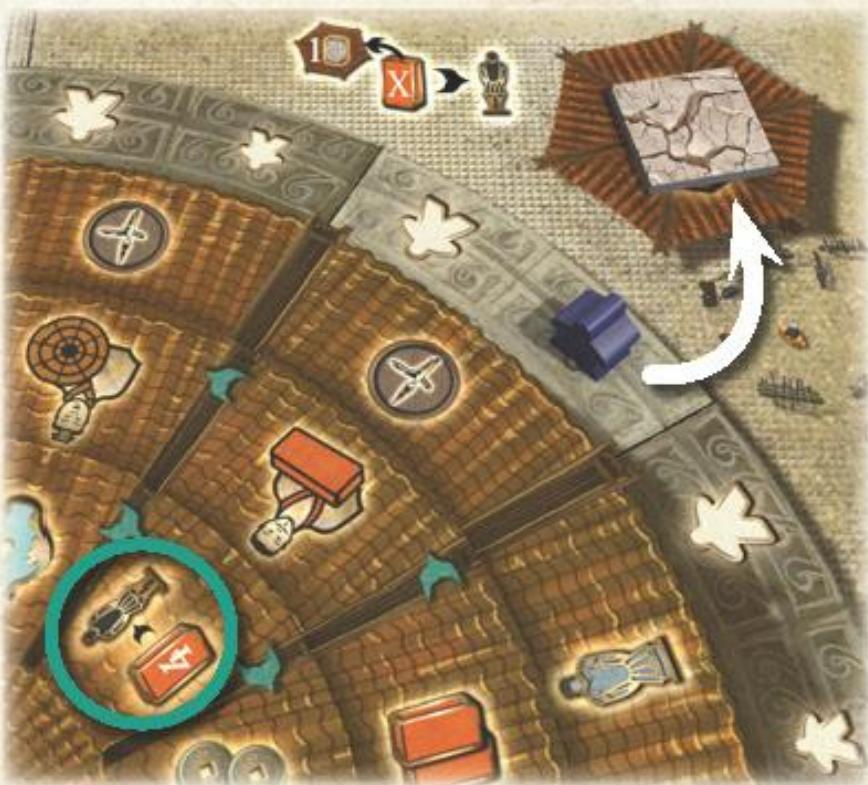 在建造战士陶俑时,总会有1片黏土被放置在该扇面所在象限的仓库中,记得要将黏土翻转至干燥面。支付完黏土之后,从军种分类盒上拿取任意一个军种的战士陶俑,与对应你玩家颜色的底座结合,将其放入到陵墓内未被其他陶俑占据的空格中,同时获得军种分类盒上对应的VP。除了跪姿射手之外(见第16页),其他军种的战士陶俑面朝哪个方向并不重要。 |
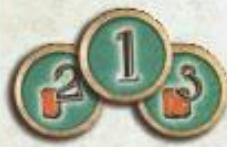 | 如果可以,拿取行动次序指示物堆最上面的指示物,放在自己面前。若该指示物上印有任何潮湿黏土,立即拿取指定数量的潮湿黏土。每位玩家面前只能放有一片行动次序指示物。 | |
 | 将相应武器指示物翻转至激活面。如果该武器已经处于激活状态,此行动没有效果。由于此行动位于外围圆环上,因此你不能选择拿取黏土或钱币。 | |
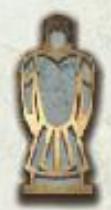 | 花费钱币并使用武器来购买专家陶俑,并将其放到陵墓中。关于购买与放置专家,以及触发相关能力的详细规则,见第15页。由于此行动位于外围圆环上,因此你不能选择拿取黏土或钱币。 |
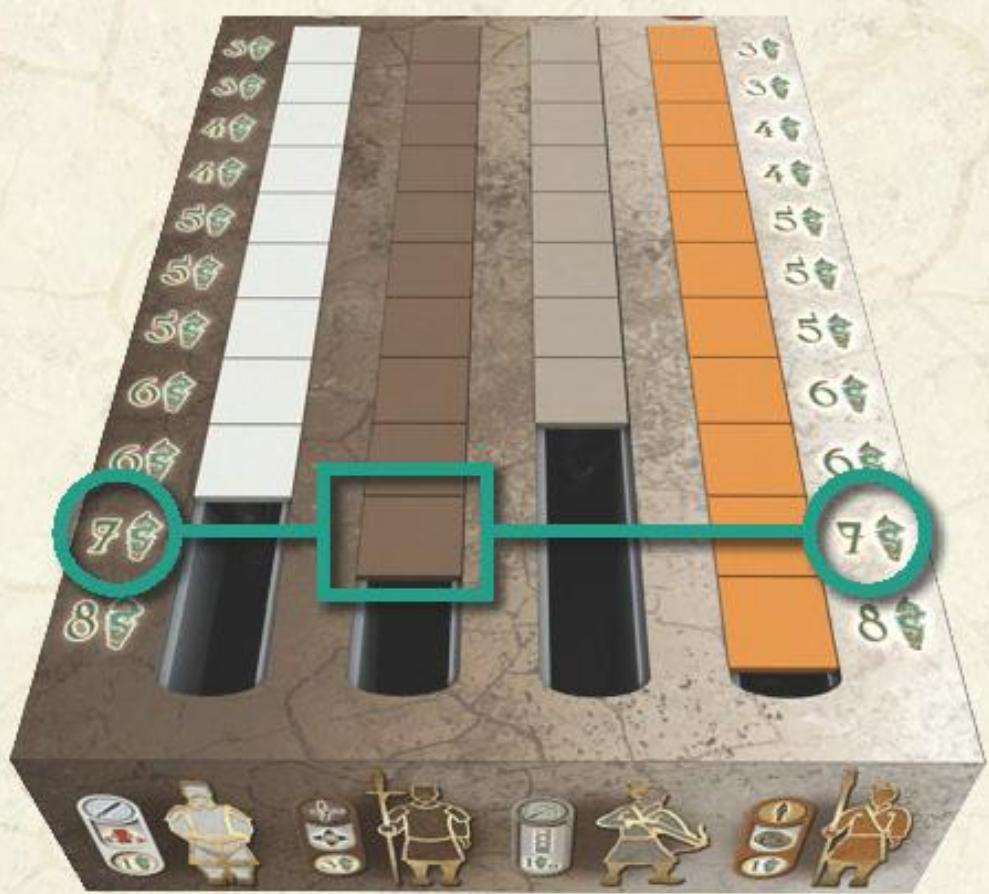
在建造战士陶俑时,你总是拿取所选军种那栏最下面的模型。陶俑被放到陵墓中之后,立刻获得该战士原本所在行对应数量的VP。
在获得胜利点数之后,你可以使用与该战士军种对应的武器来发动其特殊能力。这个动作并不是强制性的,如果该武器处于未激活状态,或者当你并不想使用它的能力时(因为使用武器会将你的指示物翻转至未激活面),忽略该特殊能力并继续执行你的下一个行动。你可以选择建造一个战士陶俑但不发动其能力,但是你必须在当下做出决定。

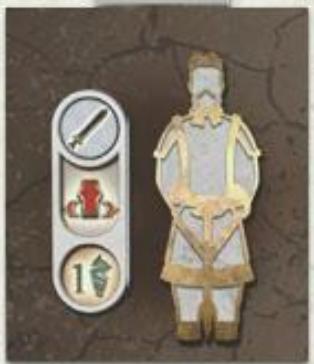 | 军官在你建造一名军官之后,你可以立即使用「剑」来发动以下效果:·获得1点VP。·你可以将1名监工在其轨道上往前或往后移1格。 |
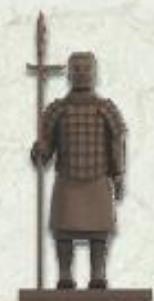 | 卫兵在你建造一名卫兵之后,你可以立即使用「戟」来发动以下效果:·获得3点VP。·你可以将陵墓内你的另一名战士沿着直线移动任意格数。该战士经过或停留的空格必须没有其他陶俑。你的战士不可以越过另一个陶俑。 |
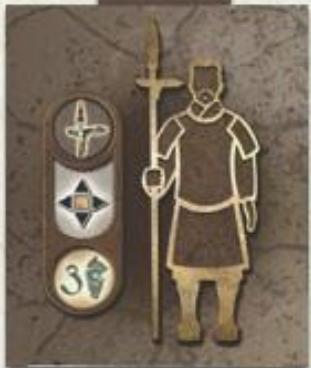 | |
 | 弩手在你建造一名弩手之后,你可以立即使用「弩」来发动以下效果:·选择与该弩手位于相同行或列的一个陶俑(它们之间不能有任何阻隔),那么两者之间的每个空格都会带来1点VP。若场上存在多个选择,挑选其中一个计分。若不存在任何同行或同列的陶俑,或者弩手四面均被包围,你将不会获得VP。 |
 | 步兵在你建造一名步兵之后,你可以立即使用「矛」来发动以下效果:·获得1点VP。·获得2块钱。 |
进行游戏
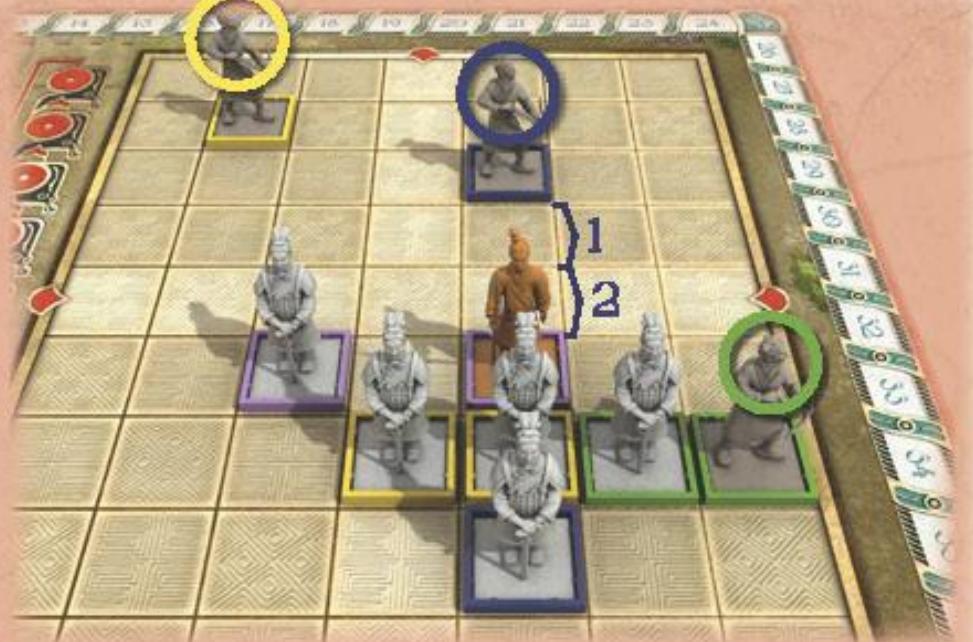
例子:在建造一名弩手之后,该玩家可以选择使用「弩」这件武器(使用过后将对应的指示物从激活面翻转至未激活面)。
专家陶俑
在购买专家陶俑时,你必须支付钱币,并将对应的武器指示物翻转至未激活面。
购买专家陶俑的钱币费用至少需要1块钱;费用会随着该专家被更多购买而增加。玩家支付的费用等于该专家列当前可见的钱币总数。不同于战士陶俑,在购买专家时不需用玩家底座进行标示。
在这个例子中,如果被放置的是蓝色弩手,那么蓝色玩家将会获得2点VP。
如果被放置的是黄色弩手,那么黄色玩家不会获得任何VP,因为没有其他陶俑与黄色弩手位于相同行或列。
如果被放置的是绿色弩手,那么绿色玩家也不会获得任何VP。虽然有其他陶俑与它位于相同行,但该军官与绿色弩手直接相邻(也就是说该军官与弩手之间没有任何空格),因此不会获得任何VP。
当你在购买专家时,你必须将对应的武器翻转至未激活面。
如果你不能或不想将使用该武器,你就无法购买该类型的专家。

战马
这座陶俑会占据陵墓中某一行或列的三个相邻空格,而且第一格必须是已经被你的某个战士陶俑占据着的。
先暂时移开该名战士,再放置战马,使其底座上的空位刚好位于该战士原本所占据的空格,最后将你的战士放回到战马陶俑的底座空位上。
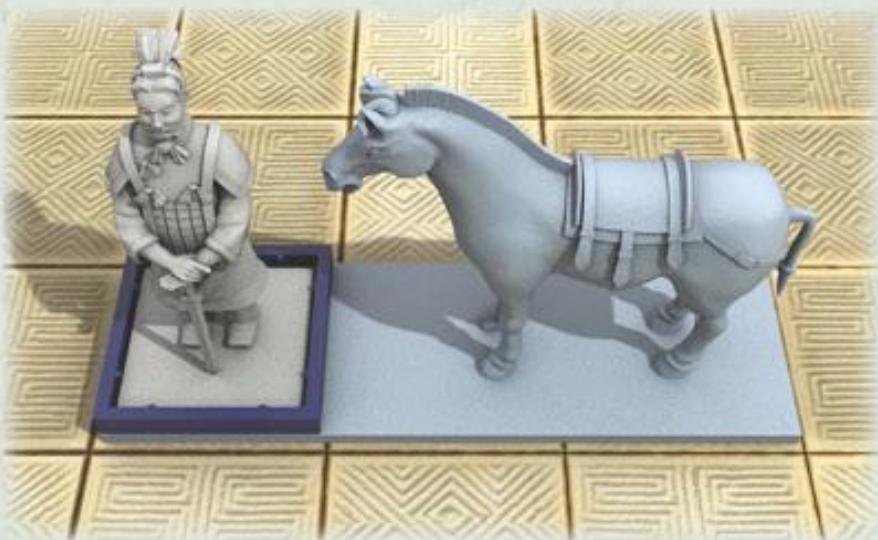
这名战士将会因为战马被视为占据着全部的3个空格,这扩大了该战士在形成军团或判断相邻时有效的连结范围。
该战士在计分(以及判定主宰)时只会算作单一战士。
该战士在任何情况下(包括形成、组合军团)都会保留原本的军种类型。
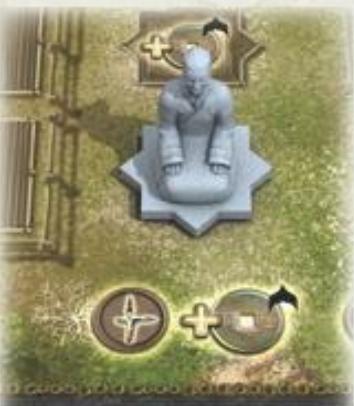 | 随从在游戏结束时,这座陶俑会根据以下情况给予玩家VP;在随从周围的8个空格中(正交或斜角)战士数量最多的玩家(无论军种类型),以及在该周围区域有战士存在的玩家。(关于随从计分的例子见第19页的游戏终局计分章节。) |
 | 主宰:获得8点VP。存在:获得2点VP。只计算战士的实际数量,战马所绑定的战士只会算作为1名战士(见上面的战马章节)。专家陶俑不会参与主宰或存在的判定。 |
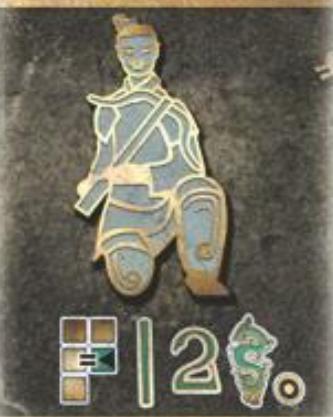
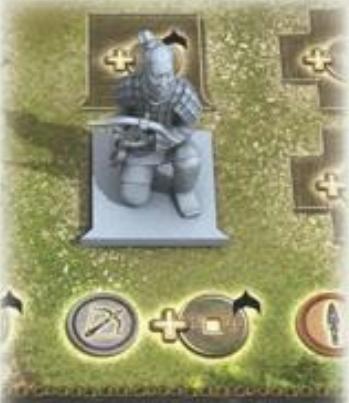 | 跪姿射手在放置跪姿射手时,旋转该模型使其面朝你所选的一名战士。(注意:这是唯一使用面对方向来产生效果的雕像。)虽然跪姿射手不属于任何玩家,但在与军团相关的计分时,它会与其面朝的战士算作同一类型的军种,并作为军团的一部分。跪姿射手面朝的战士所归属的玩家会获得两项收益:在计分时,如果该战士所参与的主宰判定出现平手,跪姿射手会帮助该玩家打破平局(如果该军团存在多名跪姿射手,从跪姿射手获得最多收益的玩家打破平局)。在游戏结束计分时,跪姿射手会给予该玩家2点VP。 |
 | |
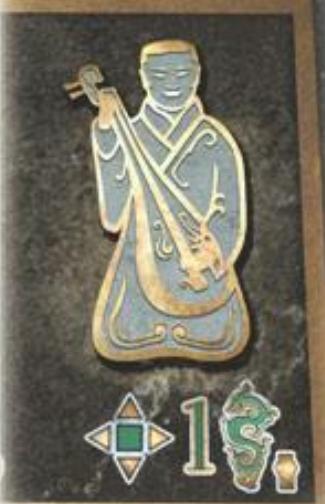
 | 乐师在每个计分阶段,与乐师位于相同行或列的每名战士会为其所属玩家获得1点VP。每名乐师将会分开计分,因此与多名乐师在相同行或列的同一名战士可以多次获得VP。 |
 |

大师技能
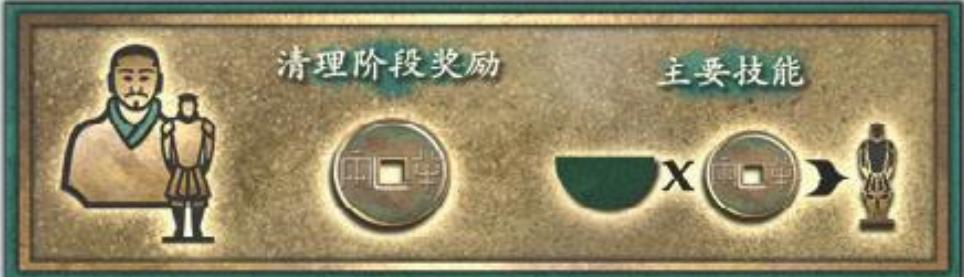
建造大师
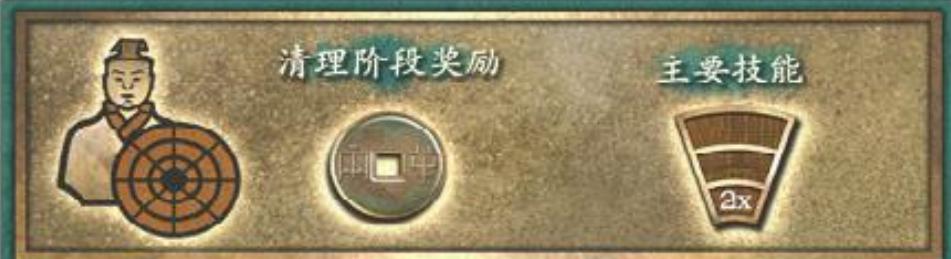
支付等于当前轮数数量的钱币建造一个战士,(第一轮1块钱,第二轮2块钱,以此类推)并将其放到陵墓中。制作该战士不需要黏土,
只需要支付上述的钱币费用。
此技能包含一些相关限制:
- 该战士必须是军种分类盒中剩余数量最多的军种类型(如果数量相同,从中选择一个军种的战士)。
- 在放置该战士时,你不会获得任何VP。
- 你不能使用武器来触发它的特殊能力。
清理阶段奖励:获得一块钱。
管理大师
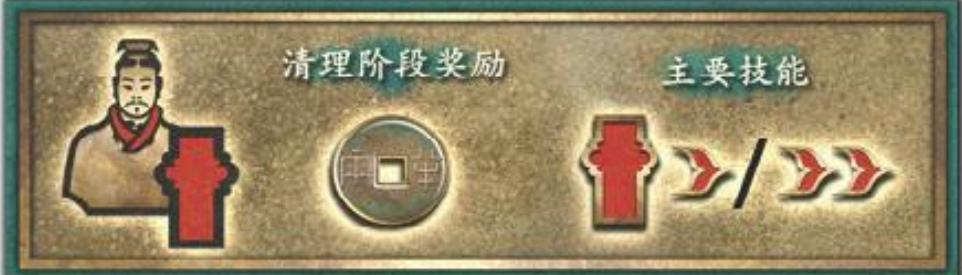
再次执行内圈行动(包括支付任何所需费用)。
清理阶段奖励:获得一块钱。
监工大师
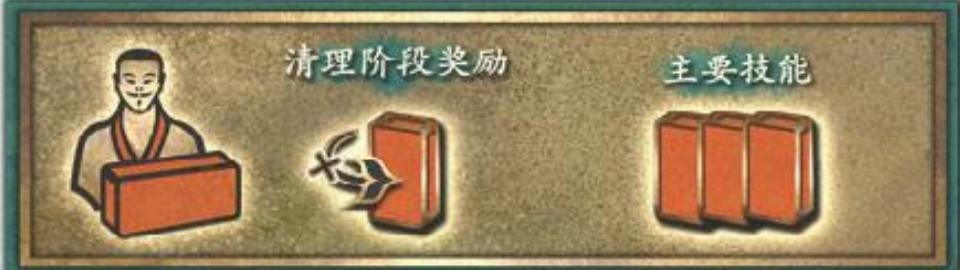
你可以将一名监工在其轨道上往前移1或2格。
清理阶段奖励:获得1块钱。
陶艺大师
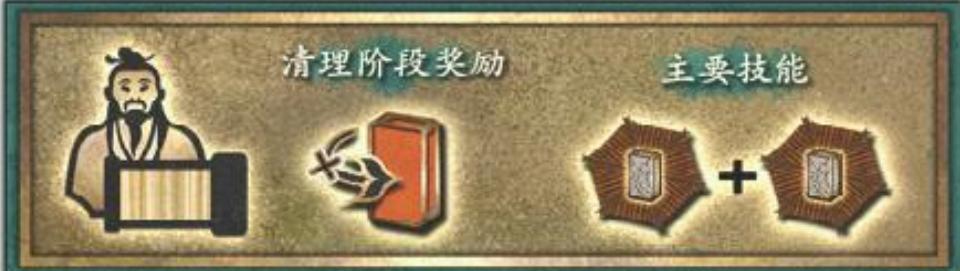
获得3片潮湿黏土。
清理阶段奖励:保护你的1片潮湿黏土,使它不会被翻转至干燥面。
督导大师
从游戏版图上任选两个仓库,获得其中所有干燥黏土。
清理阶段奖励:保护你的1片潮湿黏土,使它不会被翻转至干燥面。

锻造大师
激活你的全部武器。
清理阶段奖励:保护你的1片潮湿黏土,使它不会被翻转至干燥面。
清理阶段奖励是可以累积的。关于「保护你的潮湿黏土不会被翻转至干燥面」的奖励,它对已经干燥的黏土不会产生任何影响,它只会让你的潮湿黏土一直保持在湿润面而已。
计分阶段

此阶段将依次结算监工、乐师和计分板块的VP。
监工计分
首先,对位于陵墓左侧的监工轨进行计分。清点与该监工位于相同行的战士数量(不论军种类型)并给予奖励。
- 主宰:获得7点VP。
- 存在:获得3点VP。
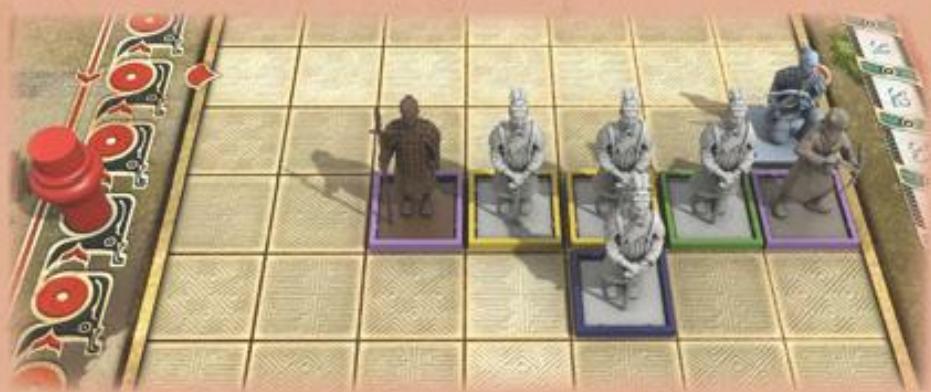
注意:如果跪姿射手所面朝的战士参与了主宰判定,它们会因此打破平局。
在结算完毕后,将该监工往前推进一格。
The provided image is a graphic design and does not contain any chart, graph, or data to be converted into a table.
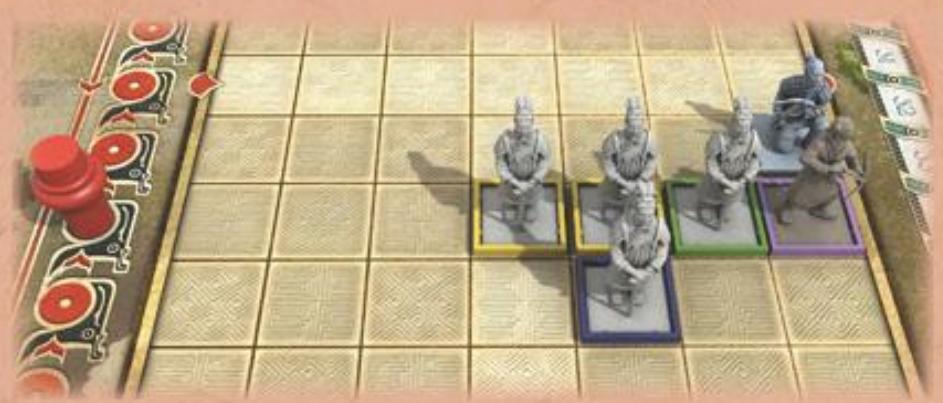
例子:黄色玩家处于主宰状态所以获得7点VP,绿色和紫色玩家处于存在状态所以各自获得3点VP。
根据陵墓内指定军种的战士数量来判定主宰与存在。
而在这个例子中,紫色玩家处于主宰状态(跪姿射手打破与黄色玩家的平局)所以获得7点VP,黄色与绿色玩家处于存在状态所以各自获得3点VP。
接下来,在对位于陵墓下方的监工轨进行计分。除了改为清点与其位于相同列的战士数量并给予奖励外,其他部分以相同方式进行结算。
乐师计分
在每个计分阶段,与乐师位于相同行或列的每名战士会为其所属玩家获得1点VP。
每名乐师将会分开计分,因此与多名乐师在相同行或列的同一名战士可以多次获得VP。
板块计分
查看本轮用到的轮末计分板块。随着游戏轮数的变化,主宰与存在状态会提供不同的VP。每片计分板块都有各自所考察的内容,详细说明如下:
根据陵墓中央(高亮底色)行或列当中的战士数量来判定主宰与存在,原理与监工计分大体一致。

跪姿射手并不属于任何玩家,但它们可能会打破平局。
根据陵墓中指定象限内的战士数量(无论军种)来判定主宰与存在。
陵墓中央的行或列(高亮底色)不被算作任何象限的一部分。
跪姿射手并不属于任何玩家,但它们可能会打破平局。
根据玩家持有的黏土数量(无论潮湿或干燥)来判定主宰与存在。
跪姿射手无法在此打破平局。
清理阶段
1、如果没有任何玩家拥有行动次序指示物,则跳过这一步骤。否则,所有拥有该指示物的玩家依照以下方法调整回合顺位:
a. 拥有指示物「1」的玩家会成为起始玩家。
- 拥有指示物「2」的玩家会成为第二顺位的玩家。
c. 拥有指示物「3」的玩家会成为第三顺位的玩家。
$\delta$ . 所有没有拥有任何行动次序指示物的玩家,依照原本顺位占据剩余的回合顺位空格。
e. 将行动次序指示物放回顺位轨上方的空格处,并将数值较高的指示物堆叠在最下方。
2、所有玩家将各自的潮湿黏土指示物翻转至干燥面(某些大师会保护你的潮湿黏土不被翻转至干燥面,见第17页)。
3、领取特定大师在清理阶段所提供的1块钱奖励(见第17页)。
4、如果这是第5轮游戏(也就是最后一轮):
a. 进行游戏终局计分。
5、否则:
a. 收回行动轮盘上的所有工人。
b. 将内圈行动圆环沿着顺时针方向推动一格。
c. 将中圈行动圆环沿着逆时针方向推动一格。
d. 将轮数指示物推进到轮数轨的下一个空格。
e. 根据当前回合顺位开始新的一轮游戏。
游戏终局计分
最后一轮游戏结束后,我们会进入终局计分。
1、根据随从周围8个空格中(正交与斜角)的战士数量(无论军种类型),对每名随从进行计分。
- 主宰:获得8点VP。(跪姿射手可以破平)
- 存在:获得2点VP。
注意:只计算战士的实际数量,战马所绑定的战士只会算作为1名战士。
2、移除不属于任何军团的战士陶俑。一个军团是由来自相同军种且彼此正交相邻的两个或更多模型所组成的,无须考虑这些战士所属玩家。注意:一个军团是由至少2名战士,或是由1名战士与1名面朝它的跪姿射手所组成的。
3、分别对每个军团进行计分:
- 首先,每名战士都会提供一定数量的VP:该军团中,战士总共来自于多少不同玩家,每名战士就价值多少VP(清点该军团包含几个不同颜色的底座即可)。
- 如果该军团包含来自至少两名玩家的战士,那么我们还要对其进行主宰与存在的判定,并奖励相应的VP。
- 主宰:获得 5 点VP。(跪姿射手可以破平)
- 存在:获得 2 点VP。
4、对每名跪姿射手进行计分,检查这些跪姿射手面朝的战士,其所属玩家获得2点VP。
5、最后,玩家计算各自剩余黏土(无论干燥潮湿)与金钱的总数,每2个可以获得1点VP。
拥有最高VP的玩家赢得本场游戏。若出现平手,所有平手玩家中顺位靠前的玩家获胜。
例子: 游戏终局计分。
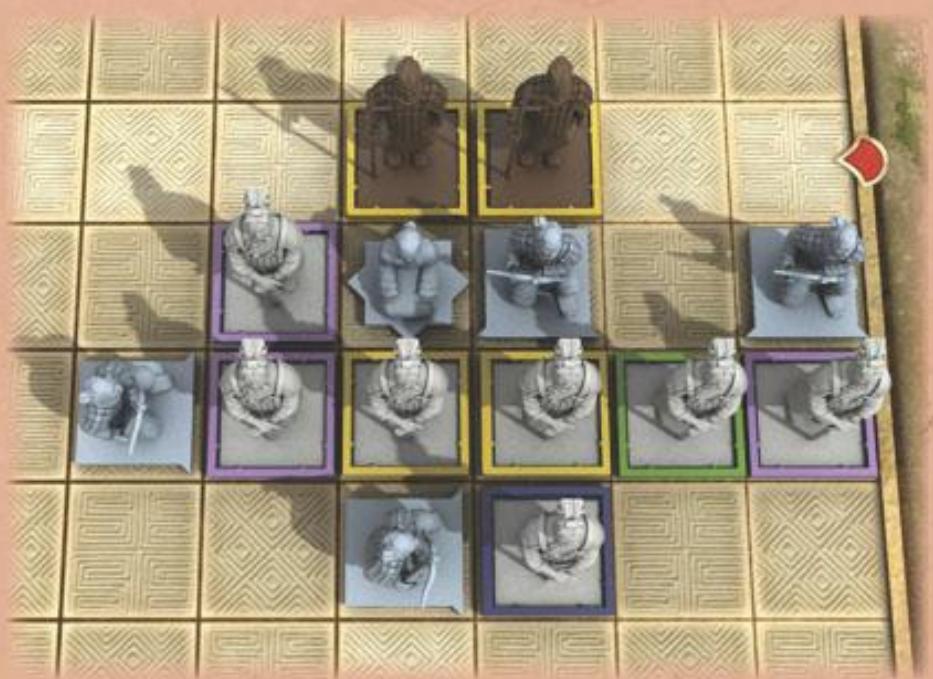
假设这是游戏的最终状态,虽然可能还会有更多的战士被放在陵墓中,但我们先用这张图示来举例。

首先图中仅有的一名随从计分,黄色玩家在它周围拥有最多战士,因此他可以获得8点VP。紫色玩家因为存在状态获得2点VP。
The provided image is a graphic design and does not contain any chart, graph, or data to be converted into a table.
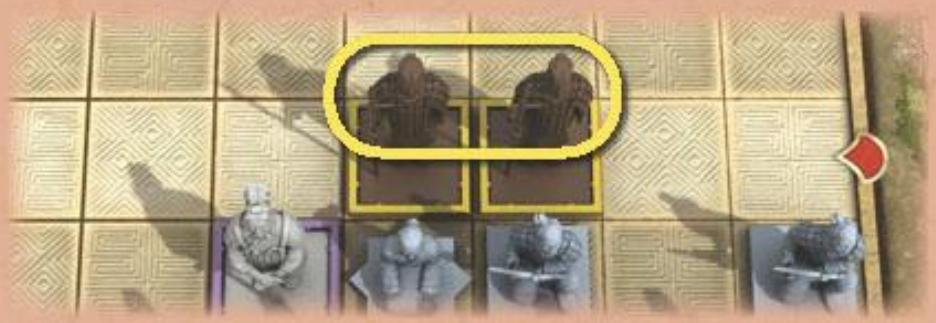
接下来,对两名卫兵所组成的军团进行计分。该军团中只有黄色玩家的战士,因此每名卫兵价值1点VP,这里不会进一步产生与主宰判定相关分数。黄色玩家在该军团计分中总共获得2点VP。
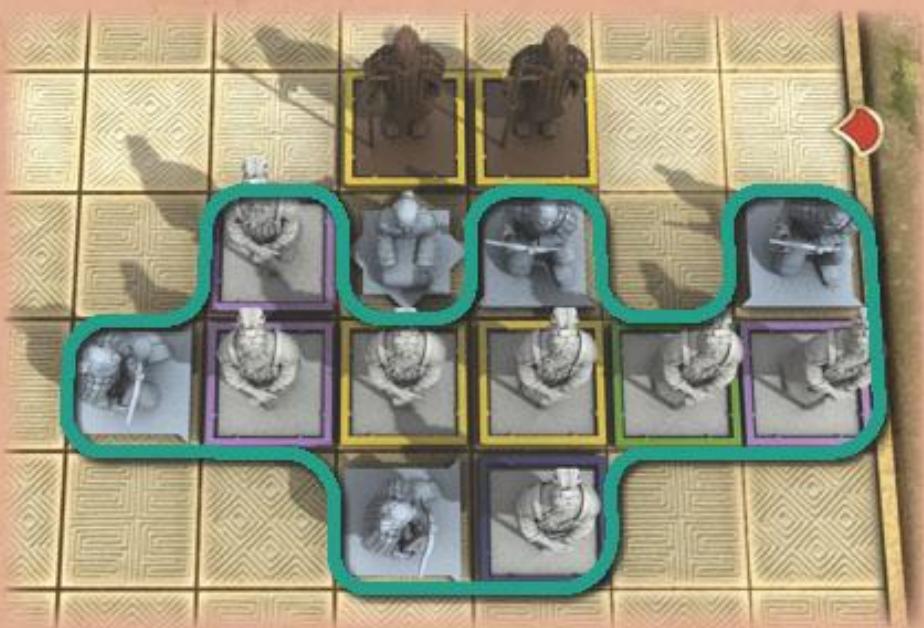
最后,只剩一个军团需要进行计分。该军团是由7名军官与4名跪姿射手所组成的,绿色边界外的2名卫兵不属于此军团,因为他们是来自不同军种的士兵。

该军团包含来自 4 名玩家的战士:紫色玩家拥有 3 座陶俑,黄色玩家拥有 2 座,绿色与蓝色玩家分别拥有 1 座。这意味着该军团中每名战士价值 4 点 VP,因此,
紫色玩家还会因为主宰而获得5点VP,其余玩家则会因存在而各自获得2点VP。
- 紫色玩家获得12点VP。
- 黄色玩家获得8点VP。
- 绿色玩家获得4点VP。
- 蓝色玩家获得4点VP。
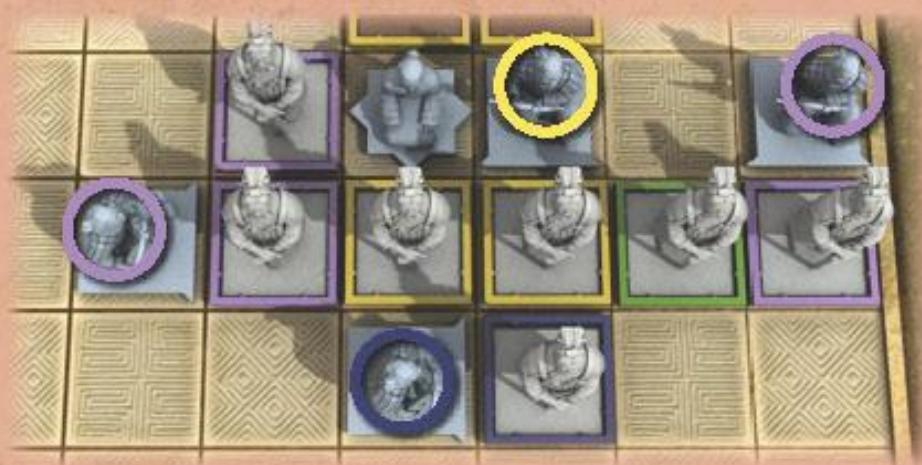
最后,我们会对跪姿射手计分。有两名跪姿射手面朝紫色玩家的战士,因此他会获得4点VP。黄色与蓝色玩家各有一名跪姿射手面朝他们的战士,他们分别会得到2点VP。
每名玩家最终获得的VP总数为:
- 紫色玩家获得23点VP。
- 黄色玩家获得22点VP。
- 绿色玩家获得8点VP。
- 蓝色玩家获得6点VP。
The image contains no discernible text or characters. It is a graphical element that is a graphical symbol (a stylized letter) and is not textual content. Therefore, no OCR output can be generated.
TERRACOTTA ARMY
兵马俑
Terracotta Army
游戏设计: Przemysław Fornal, Adam Kwapiński,
游戏开发: Andrei Novac, Błażej Kubacki, Dávid Turczi,
Małgorzata Mitura, Rainer Åhlfors
图形设计: Aleksander Zawada, Jan Lipiński, Zuzanna Kołakowska
平面设计与排版: Zuzanna Kołakowska
规则书排版: Zuzanna Kołakowska
规则书: Błażej Kubacki
规则书编辑: Emanuela and Robert Pratt
文化顾问: Haoyue Ma, Chunyue Jiang
Board&Dice
CEO: Andrei Novac
运营经理: Aleksandra Menio
市场总监: Filip Glowacz
销售总监: Ireneusz Huszcza
艺术总监: Kuba Polkowski
开发总监: Błażej Kubacki
中文代理
大中华地区总代理:桌游怪工作室
台港澳地区总经销:桌游菜鸟
简体中文规则:桌游怪,小鹿
繁体中文规则:今夜不插電
设计师与 Board&Dice 出版社在此感谢以下人员的游戏测试建议和反馈:
Adam Kamiński, Adam Hehl, Aleksandra Wiatr, Andrew Paulsen, Andrzej Olejarczyk, Anita Sokołowska, Artur Lutyński, Ben Seipert, Borys Bielaś, Daniel Dubel, Dave Haenze, Damian Bojarowski, Dariusz Szypuła, Damian Głuszczyk, Dominik "Vykk" Pańczyk, Filip Loba, Grzegorz Góra, Jakub Kisała, Jakub Wasilewski, Jan Skornowicz, Jan Truchanowicz, Klaudyna Mikołajczyk, Konrad Sulżycki, Landon Call, Lane Russel, Łukasz Juras, Łukasz Stadnik, Łukasz Szopka, Michał Mazurek, Joanna Gleń, Marcin Gleń, Rafał Gleń Youry Ivanov, Bartosz Bajda, Iwona Jaworowska, Janusz Smoła, Julia Gauza, Krzysztof Jurzysta, Konrad Sass, Aneta Bernaciak, Marcin Bernaciak, Maciej Prostak, Marcin Magdziarz, Marek Mańko, Maria Jóźwik, Marta Szpaderska, Mateusz Myrcha, Michał "Killjoy" Cieślikowski, Michał Górecki, Michał Łopato, Michał Sieńko, Michał Szewczyk, Patryk Olbert, Paweł "Wppxis" Gajda, Przemek Wojtkowiak, Przemysław Golus, Rafał Szymaszek, Rick Malloy, Sebastian Borowczyk, Tommy Aikens, Wojciech Giżyński, and the board game group at Game Grid in Lehi, Utah.
特别感谢 Julia Gauza 与 Konrad Sulżycki 提供的创意灵感和绝妙想法,协助我们将这款游戏完善到最终的样子。
设计师寄语:
就像以往一样,很多人在游戏设计过程中给予作者许多支持,但是我们特别想要向Jamey Stegmaier致谢,虽然他只有在早期玩过一次我们的游戏原型,但是在那次体验之后给予我们极多的回馈,并且为我们的游戏在许多层面带来影响,我们相信若是没有他的建议,《兵马俑》不会成为如此出色的游戏。
© 2022 Board&Dice. All rights reserved.
关于《兵马俑》的更多资讯,请拜访我们的网站:www.boardanddice.com
建造大师
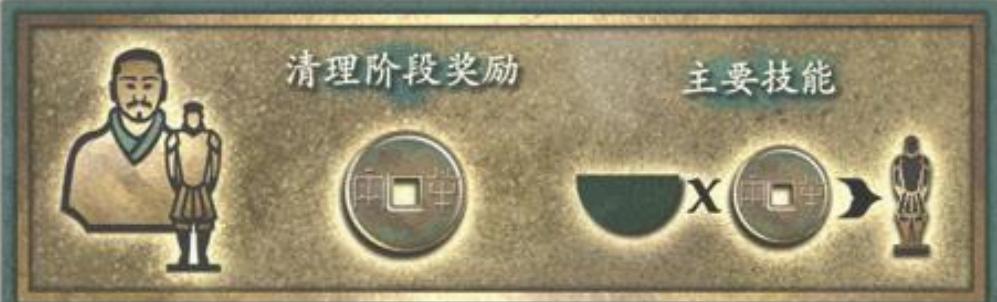
支付等于当前轮数数量的钱币将一名战士放到陵墓中,无需支付黏土。被放置的战士必须是军种分类盒中剩余最多的军种类型。这个行动不会给予VP,你也不能使用武器来发动相关战士的特殊能力。
清理阶段奖励:获得1块钱。
管理大师
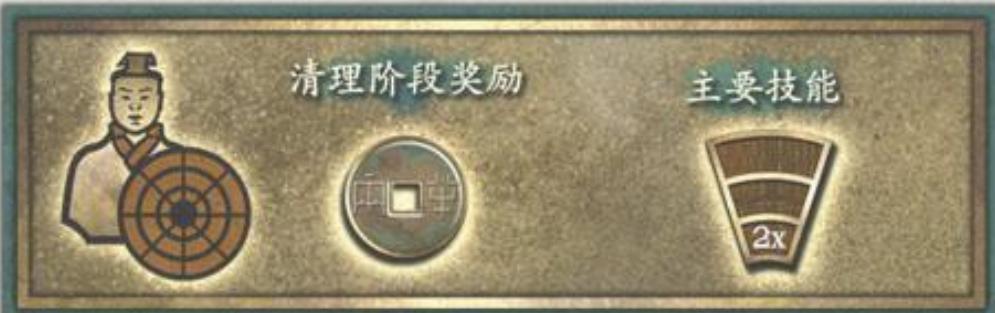
再次执行内圈行动(包括支付任何所需费用)。
清理阶段奖励: 获得 1 块钱。
监工大师
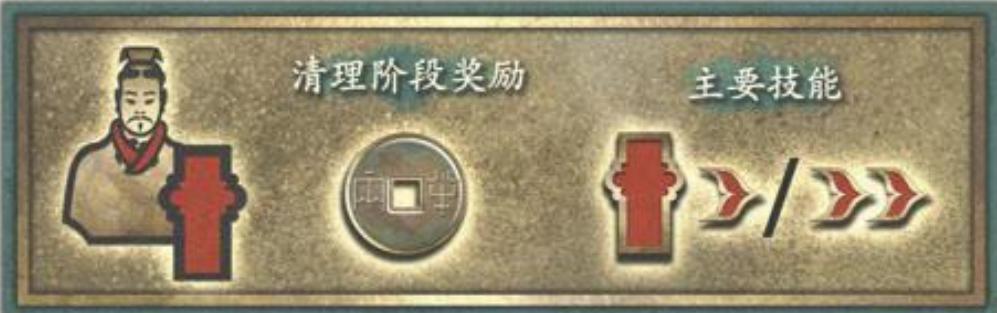
你可以将一名监工在其轨道上往前移1或2格。清理阶段奖励:获得1块钱。
陶艺大师
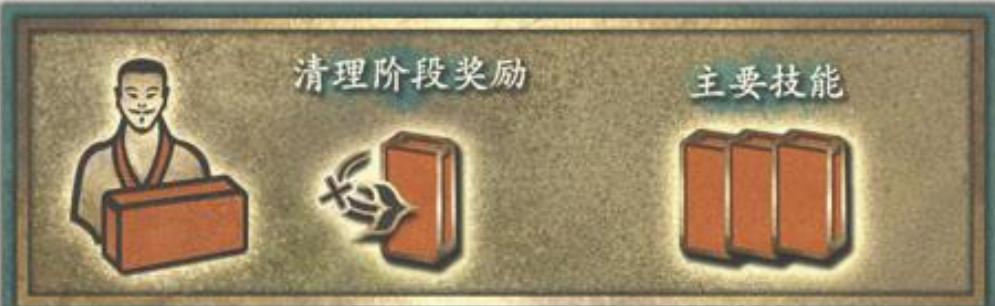
获得3片潮湿黏土。
清理阶段奖励:保留你的1片潮湿黏土使它不会被翻转。
督导大师
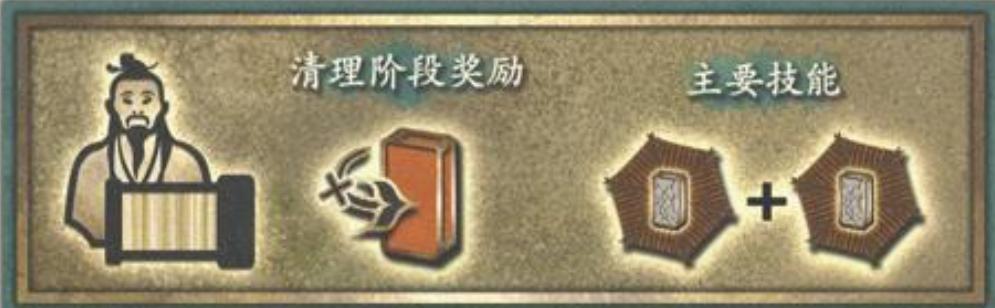
从游戏版图上任选两个仓库,获得其中所有干燥黏土。
清理阶段奖励:保留你的1片潮湿黏土使它不会被翻转。
锻造大师
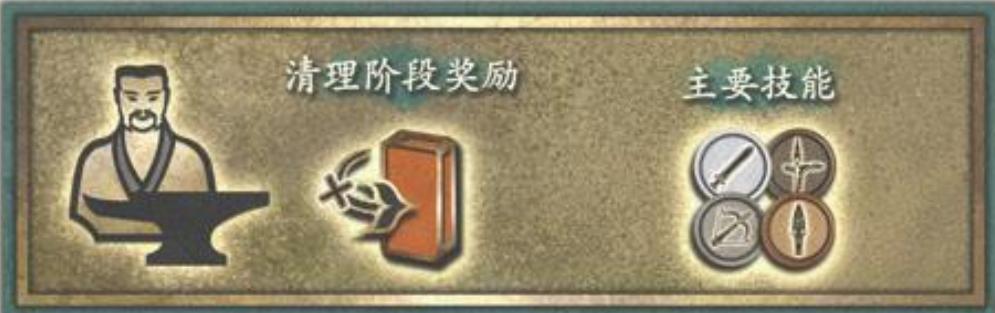
激活你的全部武器。
清理阶段奖励:保留你的1片潮湿黏土使它不会被翻转。
计分阶段
监工: 对陵墓左侧/下方的监工分别进行计分, 根据监工所在行/列的战士数量判定主宰与存在并奖励VP。
主宰: 7VP。存在: 3VP。重要: 跪姿射手可能会打破平局。在每名监工结算完毕后, 将其往前推进1格。
乐师: 每个与乐师位于相同行或列的战士可提供1VP。重要: 每名乐师单独计分。与多名乐师匹配的同一名战士可多次获得VP。
轮末计分板块: 查看本轮用到的轮末计分板块, 根据相应考察内容 (见第18页) 与当前轮数进行计分。
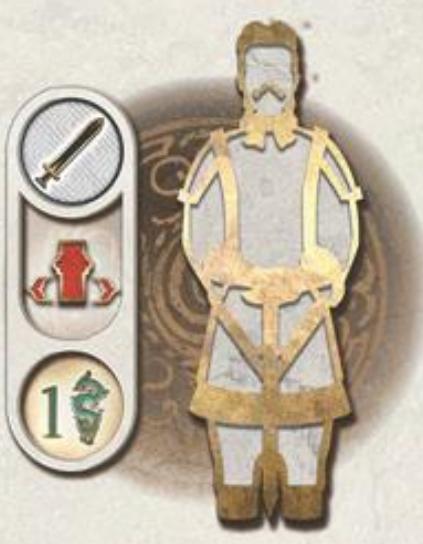
军官
你可以使用「剑」来获得1点VP;并且你可以将1名监工在其轨道上往前或往后移动1格。
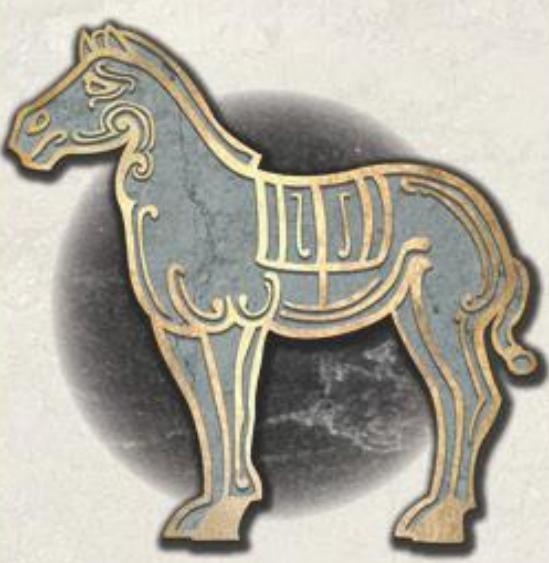
战马
这座雕像占据陵墓中相同行或列的三个相邻空格,第一格必须被你已存在的战士所占据。这名战士会因战马而被视为同时占据全部的3个空格。但其仍然是原军种的单一战士。
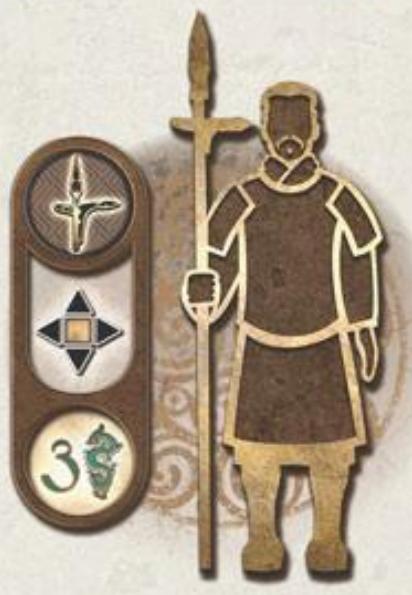
卫兵
你可以使用「戟」来获得3点VP;并且你可以将你陵墓内的1名战士沿着直线移动任意格数(只能经过空格位置)。

随从
游戏结束终局计分:清点随从周围8个空格中的所有战士归属。达成主宰的玩家获得8点VP,达成存在的每名玩家获得2点VP。
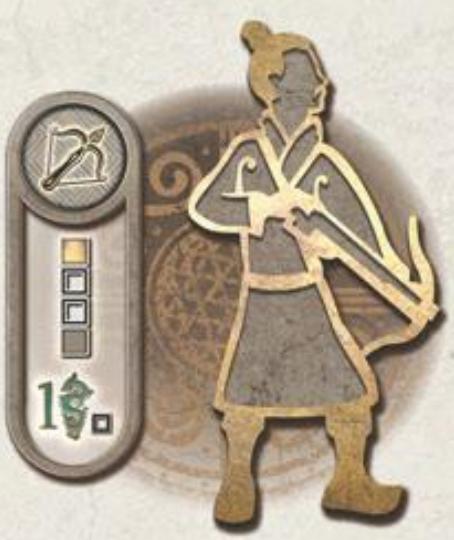
弩手
你可以使用「弩」来获得额外VP;选择与该弩手位于相同行或列的一个陶俑,它们之间的每个空格都会带来1点VP。若存在多个选择,挑选其一计分。

跪姿射手
放置时,旋转这座雕像使其面朝一名战士。它被视作与其面朝战士同一类型的军种。它为该名战士参与的主宰判定打破平局。游戏结束时,该战士所属的玩家获得2点VP。
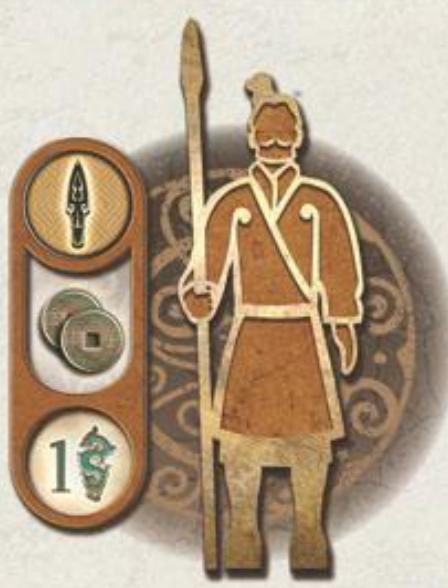
士兵
你可以使用「矛」来获得1点VP以及2块钱。

乐师
每个计分阶段:
每位玩家统计各自的与乐师位于相同行或列战士数量,每个战士提供1点VP。同个战士可能会因为同时与多名乐手匹配而多次获得VP。



轮盘行动

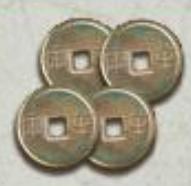
拿取钱币
拿取指定数量的钱币。
拿取黏土
拿取指定数量的潮湿黏土。
建造战士陶俑
花费行动所需数量的黏土,将其中一片放到对应的仓库中,剩余的放回供应区,然后将制作出来的战士放到陵墓中。
浸湿黏土
将你所有的干燥黏土翻至潮湿面。
升级技师
将用于执行此行动的技师升级为工匠。工匠可以被放在空的或是已经放有一名技师扇面中(两名工匠无法同处于一片扇面)。
根详细规则见第17页。
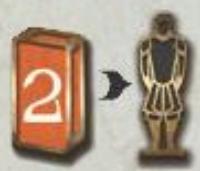
获得行动次序指示物

如果可以,拿取最上面的指示物放在自己面前。若该指示物上印有任何潮湿黏土,立即获得它们。


激活武器
将相应武器指示物翻转至激活面。如果该武器已经处于激活状态,此行动没有效果。
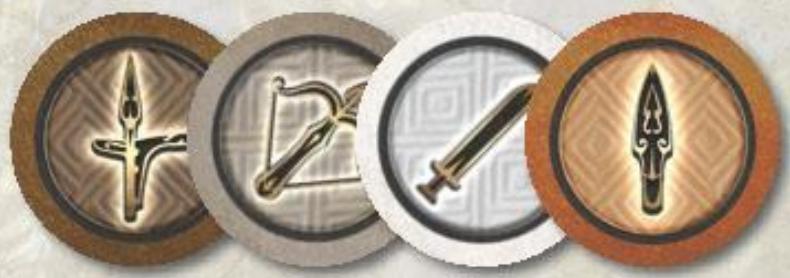
建造专家陶俑

建造专家时,玩家支付的费用等于该专家列当前可见的钱币总数。将对应的武器指示物翻转至未激活面,然后将制作出来的专家放到陵墓中。
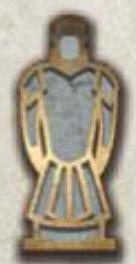
关于建造专家以及各类专家能力的详细说明见第15页和第16页。
(旋转轮盘)→放置工人→(执行行动)
二、计分阶段
监工→轮末计分板块→乐师
三、清理阶段
调整玩家次序 $\rightarrow$ 黏土变干 $\rightarrow$ 领取大师奖励 $\rightarrow$ 为下轮做准备
- 轮数指示物推到下一格
- 拿回所有工人
- 轮盘内圈和中圈旋转一格
- 两名监工各前进一格
一、行动阶段
(旋转轮盘)→放置工人→(执行行动)
二、计分阶段
监工→轮末计分板块→乐师
三、清理阶段
调整玩家次序 $\rightarrow$ 黏土变干 $\rightarrow$ 领取大师奖励 $\rightarrow$ 为下轮做准备
- 轮数指示物推到下一格
- 拿回所有工人
- 轮盘内圈和中圈旋转一格
- 两名监工各前进一格
(旋转轮盘)→放置工人→(执行行动)
二、计分阶段
监工→轮末计分板块→乐师
三、清理阶段
调整玩家次序 $\rightarrow$ 黏土变干 $\rightarrow$ 领取大师奖励 $\rightarrow$ 为下轮做准备
- 轮数指示物推到下一格
- 拿回所有工人
- 轮盘内圈和中圈旋转一格
- 两名监工各前进一格
一、行动阶段
(旋转轮盘)→放置工人→(执行行动)
二、计分阶段
监工→轮末计分板块→乐师
三、清理阶段
调整玩家次序 $\rightarrow$ 黏土变干 $\rightarrow$ 领取大师奖励 $\rightarrow$ 为下轮做准备
- 轮数指示物推到下一格
- 拿回所有工人
- 轮盘内圈和中圈旋转一格
- 两名监工各前进一格
终局计分
随从计分→跪姿射手计分→军团计分→剩余资源计分
军团计分:
- 由两名以上垂直相邻同军种的陶俑组成
- 主宰5分,存在2分
- 陶俑计分 = 数量 × 军团内玩家颜色
剩余资源计分:
- (铜钱 + 黏土) / 2
若分数相同,则行动次序破平
终局计分
随从计分→跪姿射手计分→军团计分→剩余资源计分
军团计分:
- 由两名以上垂直相邻同军种的陶俑组成
- 主宰5分,存在2分
- 陶俑计分 = 数量 × 军团内玩家颜色
剩余资源计分:
- (铜钱 + 黏土) / 2
若分数相同,则行动次序破平
其他注意点
- 若军团内均为同一玩家颜色,则忽略主宰/存在计分
- 主宰:严格大于其他玩家;存在:至少有一个
- 小工人只可前往空扇区;大工人可前往有小工人的扇区;大工人阻挡其他所有工人
其他注意点
- 主宰:严格大于其他玩家;存在:至少有一个
- 若军团内均为同一玩家颜色,则忽略主宰/存在计分
- 小工人只可前往空扇区;大工人可前往有小工人的扇区;大工人阻挡其他所有工人
终局计分
随从计分→跪姿射手计分→军团计分→剩余资源计分
军团计分:
- 由两名以上垂直相邻同军种的陶俑组成
- 主宰5分,存在2分
- 陶俑计分 = 数量 × 军团内玩家颜色
剩余资源计分:
- (铜钱 + 黏土) / 2
若分数相同,则行动次序破平
其他注意点
- 主宰:严格大于其他玩家;存在:至少有一个
- 若军团内均为同一玩家颜色,则忽略主宰/存在计分
- 小工人只可前往空扇区;大工人可前往有小工人的扇区;大工人阻挡其他所有工人
随从计分→跪姿射手计分→军团计分→剩余资源计分
军团计分:
- 由两名以上垂直相邻同军种的陶俑组成
- 主宰5分,存在2分
- 陶俑计分 = 数量 × 军团内玩家颜色
剩余资源计分:
- (铜钱 + 黏土) / 2
若分数相同,则行动次序破平
其他注意点
- 主宰:严格大于其他玩家;存在:至少有一个
- 若军团内均为同一玩家颜色,则忽略主宰/存在计分
- 小工人只可前往空扇区;大工人可前往有小工人的扇区;大工人阻挡其他所有工人
TERRACOTTA ARMY
兵马俑
单人玩法
宰相李斯对陵墓建设速度落后感到不满。他决定亲自监督这项工作,以此致敬始皇帝。你必须证明你可以做得更好,否则你将永远无法洗脱这种耻辱。
在这本规则书中,“你”将指代唯一的玩家,而“宰相”或“他”指的是机器人玩家。
如非特别指出,宰相李斯将按照常规多人游戏规则行动。
对于单人玩法,你需要准备两颗六面骰,以及本规则书的最后两页。
游戏设置
- 为你自己以及宰相分别选择一个玩家颜色,并发放对应颜色的玩家部件(与常规二人游戏一致),包括3块钱,5名技师,4个未激活武器标记,6个大师标记以及15个战士底座。除此之外,注意以下这些:
a. 宰相每一轮都将是起始玩家。因此,将3个行动次序指示物和你的行动次序标记放回盒子。
- 给你自己一片黏土(作为第二顺位玩家的补偿)。
c. 将专家陶俑中的第一匹战马和第一名乐师放回盒子。在之后建造战马和乐师时,需按照版图上已经露出的铜钱标记花费对应金额。
d. 随机将宰相的 4 个武器标记排成一行,它们的顺序在之后的游戏中将起到作用。
e. 你们的分数标记都将从0点VP开始。
- 将宰相的行动次序标记放到轮盘上“获取工匠”行动的对角线位置。宰相的行动次序标记在之后会被称为“工头”。

-
随机选择6位大师中的任意一位。将宰相的第一个大师标记放在该大师区域。
-
将法令行动一览表和两颗骰子放在宰相的玩家区域旁。并在一旁放上未用到的玩家颜色所对应的技师米宝。
-
现在,游戏就可以开始了。要记住:宰相在每一轮都将是起始玩家。

行动阶段
游戏中,你将多次遇到“执行一个法令”。每次遇到时,请投掷两颗骰子,按照数字加和,找到法令行动一览表中其对应的法令,将一个未用到玩家颜色的技师放置在该条法令上作为标记。如该法令已经被标记,则标记它的上一条(若它所有上面的所有法令都已被标记,则标记它的下一条)。
轮到你行动时,所有玩家行动均和多人规则一致。唯一不同的是,“拿取行动次序指示物”行动将变为“拿取2点VP或者拿取1枚铜钱或1片黏土”。
轮到宰相行动时,按照如下顺序行动:
-
投掷两颗骰子。
-
按照其中较小的投掷结果顺时针移动工头,若两颗骰子结果相同,则任选一个。在移动过程中,若其中有扇区已经放置有宰相的技师或工匠或者你的工匠,则跳过该扇区。
-
将宰相的一名技师放置到工头所在位置。如该扇区有你的技师,那么宰相将会转而放置一名工匠。
-
如果上述情况中,宰相没有工匠可以放置,那么按照如下顺序行动:
a. 执行一个法令。
-
将工头顺时针移动到下一个宰相可以放下技师的扇区,并将宰相的一名技师放置到那里。
-
从内到外执行宰相的3个行动。具体行动可参照第4页。
-
此时,法令行动一览表中可能有一条或多条法令已被标记。如果是这样,那么:
a. 如果该条法令有旋转轮盘图标,则按照图标旋转轮盘。如果有多条标记的法令均需旋转轮盘,则按照图标依次旋转。

顺时针旋转内圈轮盘

逆时针旋转中圈轮盘
- 按照从上到小的顺序依次执行被标记的法令。
c. 将所有用于标记的技师米宝移除。
- 轮到玩家行动。
计分阶段

始建未及
在计分前,需要检查宰相的资源。
如果他有6+黏土,那么他将立刻丢弃5片黏土建造一个战士陶俑(详见第5页)。如此时,他仍有6+黏土,则重复上述操作。
如果他有8+铜钱,那么他将立刻丢弃5枚铜钱建造一个战士陶俑(详见第5页)。如此时,他仍有8+铜钱,则重复上述操作。
通过“始建未及”这种方式,宰相最多只能建造4个战士陶俑。

监工计分
监工计分与多人规则相同。

乐师和板块计分

乐师计分和轮末目标板块计分与多人规则相同。
清理阶段
清理阶段与多人规则一致,只有以下不同:
- 宰相的黏土不会风干。宰相不收到大师给予的奖励。
- 如果这不是最后一轮,那么在宰相没有放置大师指示物的几位大师中随机选择一位,将宰相的下一个大师指示物放置在该大师区域。该操作不花费铜钱。
宰相的行动

轮盘行动

拿取钱币
他拿取指定数量的钱币。

拿取黏土
他拿取指定数量的潮湿黏土。
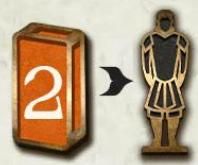
建造战士陶俑
花费行动所需数量的黏土,将其中一片放到对应的仓库中,剩余的放回供应区,然后将制作出来的战士放到陵墓中(详见第5页)。
浸湿黏土
从供应堆拿取湿黏土,数量与最多黏土的仓库中的黏土数一致。
升级技师

与玩家升级技师动作相同,将他用于执行此行动的技师升级为工匠。
少数情况下他用工匠执行该行动,则他转而执行一次法令。
大师技能
宰相在行动阶段不会放置大师指示物。
当宰相执行大师行动时,若他没有大师指示物在该大师区域,他转而执行一次备用行动(详见第6页)。
若他有大师指示物在该大师区域,则行动如下:
建造大师 — 支付等于当前轮数数量的钱币建造一个战士并放置到陵墓中(建造战士详见第5页)。如果他没有足够的铜钱,则转而执行一次法令。
- 管理大师 — 再次执行内圈行动(包括支付任何所需费用)。
- 监工大师 — 他将收到2枚铜钱,并且选择一名监工标记向前移动最多2格,使得宰相可以获得最大收益(他的加分 + 你的减分)。
如有多种移动方式均可获得最大收益,他将选择移动步数较小的方式。如果步数也一致,即移动两名监工的收益一致,则任意选择其中一个监工。
- 陶艺大师 — 获得3片潮湿黏土。
督导大师 — 拿取最多黏土的仓库内的所有黏土,并立刻翻转到潮湿面。再丢弃此时最多黏土的仓库中的全部黏土。如有两个仓库的黏土数一致,则随意选择一个。
- 锻造大师 — 激活他的全部武器。

获得行动次序指示物

宰相执行一次备用行动和一次法令行动。

激活武器

将相应武器指示物翻转至激活面。如果该武器已经处于激活状态,则翻转最左侧未激活状态的武器。如果4个武器均已激活,则没有效果。

建造专家陶俑
每次建造专家陶俑时,先检查宰相的武器行。在已激活的武器中,按照从右至左的顺序,决定他是否建造对应的专家陶俑。如果宰相没有足够的铜钱支付建造花费,则忽略该专家陶俑。
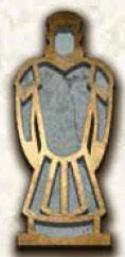
宰相建造跪姿射手需满足以下条件:存在一个军团由你和他的战士组成,其中没有跪姿射手存在,且有空位可以放置跪姿射手以面朝他的战士。如有多个这样的军团存在,则选择对其主宰最为有利的军团,即选择你们的战士数差距最小的军团。按以下顺序排序,前者优先:战士数相同的军团,你领先1名战士的军团,他领先1名战士的军团,你领先2名战士的军团,……决定好他建造跪姿射手的军团后,你可以选择任意空位摆放跪姿射手(面朝他的战士)。
宰相建造随从需满足以下条件:存在一个空位放置随从后,它周围的位置里,他的战士数量与你的战士数量的差值严格大于空的数量。即若周围有8个位置,则他的战士数≥5;若周围有5个位置,则他的战士数≥3;若周围有3个位置,则他的战士数≥2。这样可以保证宰相一定获得这个随从的主宰8分。如果有多个这样的空位存在,则由你任意选择一个摆放随从。
宰相建造乐师需满足以下条件:存在一个空位放置乐师后,他目前的得分至少有2点VP且至少是你的两倍。如有多个这样的位置存在,则选择他和你之间得分差距最大的空位。如差距最大的空位仍有多个,则由你任意选择一个摆放乐师。
宰相将不会建造战马。游戏中只有你会建造战马。如果剑是他唯一已经激活的武器,则将其视为任意一种武器。按照他的武器行从右到左的顺序,判断他是否会建造其他三种专家陶俑。
一旦宰相决定了要建造的专家陶俑,那么将其对应的武器(或者剑)翻转至未激活面,支付需花费的铜钱,再将建造好的专家陶俑放置到陵墓中。
如果宰相无法建造专家陶俑(没有已激活武器或没有足够的铜钱),则宰相拿取1枚铜钱。
法令行动
按照法令行动一览表中执行行动。如果该行动不能执行或没有效果,则代而执行一次备用行动,而非再投掷一次骰子。
备用行动
如果某行动没有效果,宰相可以选择拿取1枚钱币或1片黏土作为补偿。同时,他会获得2点VP。
- 如果本轮的轮末目标是钱币或黏土,他将拿取对应资源。
- 其他情况下,如果他有5个或以上黏土,则他将拿取1枚钱币
- 否则,他将拿取1片黏土。

宰相建造的战士类型按照如下方式:
- 在建造战士行动或管理大师提供的建造战士行动中,宰相会优先建造他已激活的武器所对应的战士。
- 如果某种未激活武器对应的战士的分数比已激活武器对应的战士多3+点VP,则忽略此条。
- 在建造大师的建造动作或“始建未及”中,忽略此条。
-
在多种可选的战士类型中,选择基础VP最多的战士(即军种分类盒上的VP)。
-
如仍有多种可选的战士,选择轮末目标中即将计分的战士类型。
- 如即将计分的轮末目标中没有战士类型,则忽略此条。
- 如仍有多种战士可选择,则选择最想使用的武器所对应的战士类型。
将选择建造的战士套上宰相的战士底座放置到陵墓中。按照军种分类盒上的VP给宰相得分(不管是哪一种建造动作,包括建造大师和“始建未及”所建造的战士)。战士的放置按照以下方式:
- 找到陵墓中的该种类型战士(独立或军团均可),确保周围有空位可放入新建造好的战士以组成军团。如有多个这样的位置均可组成军团,则按照如下顺序优先:
a. 成为主宰:原军团中你们的战士数相同。
- 争抢主宰地位:原军团中你的战士数领先1个(或数量相同,你有跪姿射手)或者原为属于你的独立战士。
c. 追赶一下:原军团中你的战士数领先多个。
d. 挑战试试:原军团中只有你的战士,且战士数不多于剩余轮数。比如在第二轮,则战士数不多于4个。
e. 保持领先:原军团中他的战士数领先。
-
自己发展:原为属于他的独立战士,或者原军团均是他的战士。
-
如果以上方式找不到可组成的军团,则该战士成为一个独立战士。在所有可构成独立战士的空位中选择,选择方式如下。
-
如果以上方式可找到唯一解,则在这个军团(或这个独立战士)周围的空位中选择,选择方式如下。
-
如果以上方式有多解,则找到其中最大的军团,在这个或这几个军团(或这个独立战士)周围的空位中选择,选择方式如下。
在可选择的空位里,按照如下方式缩小范围,直到找到唯一一个位置(若某一步将导致没有可选空位,则跳过这一步)。
- 按照下图以及两个监工位置,可确定当下空位的优先级(数字越小,颜色越深,优先级越高)。
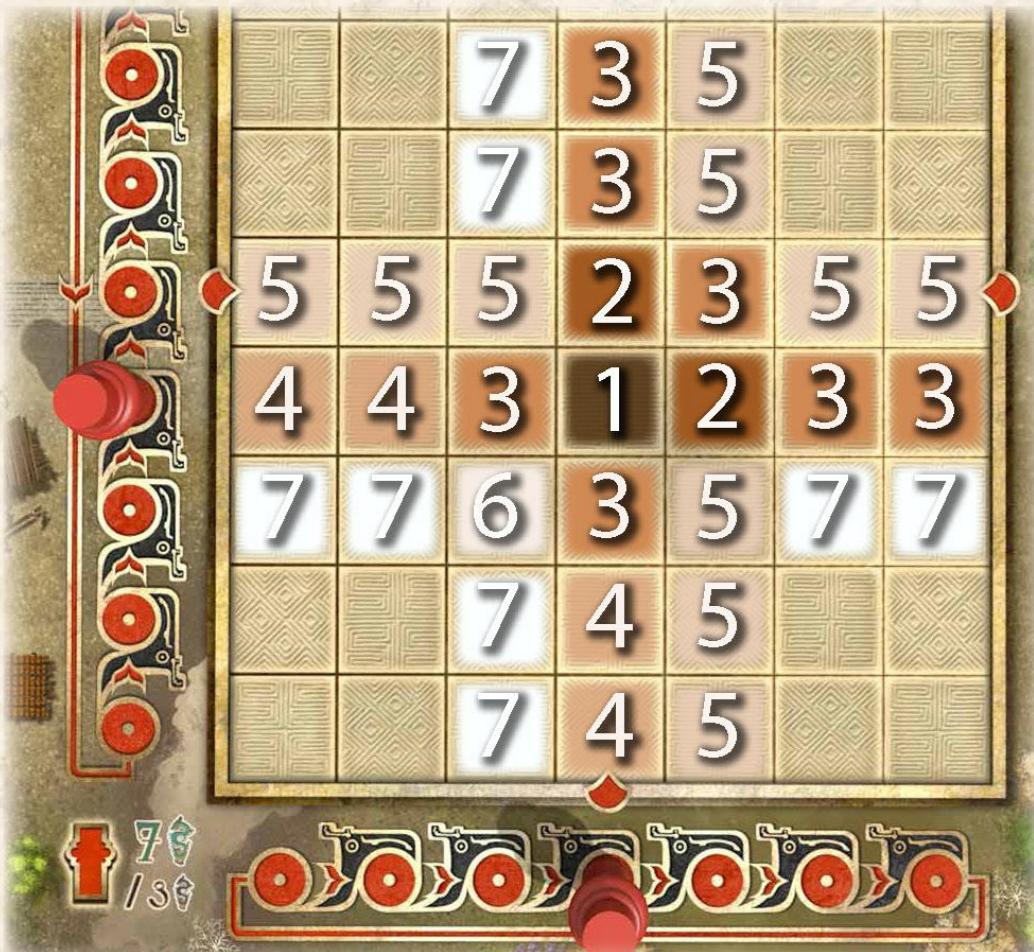
-
在第一轮和第二轮,只考虑优先级1-3的空位;在第三轮,只考虑优先级1-2的空位;在第四轮和第五轮,只考虑优先级1的空位。
-
在可选空位中,找到满足本轮轮末目标板块的空位。若没有,则查看下一轮轮末目标;若还是没有,依次向后查看。
解释一下上述优先级选择:在第一轮和第二轮,容易被监工计分的位置(即优先级1-3级)比满足轮末目标计分的位置更重要;然而在第四轮和第五轮,只有超高概率被监工的位置(即优先级1级)才会比满足轮末目标计分的位置更重要。这里隐含的逻辑是:每轮轮末的监工计分分数是保持不变的;而轮末目标计分则是越来越高。
-
在通过上述方式筛选出的空位中,选择最高优先级的空位。
-
在通过上述方式筛选出的空位中,选择其行列中最多乐师的空位。
-
在通过上述方式筛选出的空位中,选择周围有随从的空位。如果有多个空位周围都有随从,找到其中一个,它的随从周围,你和宰相的战士数相差最小(无论你多还是他多)。
-
如果上述方式筛选出的仍有多个空位,则有你任意选择一个。
如该战士是通过建造战士行动或管理大师提供的建造战士行动建造的,则宰相可以使用相应的已激活武器:
-
将该武器移到武器行的最左侧。
-
将其翻转到未激活面。
-
为宰相结算该武器的特殊能力:
军官(剑):他获得2点VP,并且选择一名监工标记向前或向后移动1格,使得宰相可以获得最大收益(他的加分+你的减分)。
如有多种移动方式均可获得最大收益,他将选择向前移动。如果还有多种方式,即移动两名监工的收益一致,则任意选择其中一个监工。
- 卫兵(戟):他获得3点VP。
- 劮手(弓):他获得3点VP。
- 步兵(矛):他获得2点VP,以及2枚铜钱。
终局计分
宰相的剩余资源,即铜钱和黏土,按照常规多人规则计分。
军团计分和多人规则相同。
如果最后你的得分比率相高,则你获胜。否则,宰相获胜。
提升难度
如果你总是可以打败宰相李斯,那么可以考虑加入以下一条或多条变体规则以增加难度:
- 如果宰相的轮次中没有法令行动,执行一次法令行动。
- 每次宰相的备用行动,他将额外再获得3点VP(总共5点VP)。
在“始建未及”中,如果宰相有6+铜钱或黏土,则他丢弃3个资源(而非5个)建造一个战士。
- 初始设置时,随机选择两位大师,放置宰相的大师指示物放在对应大师区域(而非一位大师)。
- 初始设置时,升级宰相的1名技师为工匠,并且分发给他额外4片黏土。
在轮末的监工计分时,在监工所在行或列,视宰相有额外1个战士。
在轮末目标板块计分时,视宰相有额外1枚铜钱或1片黏土或1个战士。
- 宰相的“建造战士陶俑”动作,只花费2片黏土,无视轮盘上的图标所示花费。
TERRACOTTA ARMY
兵马俑
Terracotta Army
游戏设计: Przemysław Fornal, Adam Kwapiński,
单人规则: Dávid Turczi
游戏开发: Andrei Novac, Błażej Kubacki, Dávid Turczi,
Małgorzata Mitura, Rainer Åhlfors
图形设计: Aleksander Zawada, Jan Lipiński, Zuzanna Kołakowska
平面设计与排版: Zuzanna Kołakowska
规则书排版: Zuzanna Kołakowska
规则书: Błażej Kubacki
规则书编辑: Emanuela and Robert Pratt
文化顾问: Haoyue Ma, Chunyue Jiang
其他单人规则开发与测试人员: Kacper Frydrykiewicz, Konrad
Sulżycki, Jeremy Avery, Małgorzata Mitura, Borys Bielas
Board&Dice
CEO: Andrei Novac
运营经理: Aleksandra Menio
市场总监: Filip Glowacz
销售总监: Ireneusz Huszcza
艺术总监: Kuba Polkowski
开发总监: Błażej Kubacki
中文代理
大中华地区总代理:桌游怪工作室
台港澳地区总经销:桌游菜鸟
简体中文规则:桌游怪,小鹿
设计师与 Board&Dice 出版社在此感谢以下人员的游戏测试建议和反馈:
Adam Kamiński, Adam Hehl, Aleksandra Wiatr, Andrew Paulsen, Andrzej Olejarczyk, Anita Sokołowska, Artur Lutyński, Ben Seipert, Daniel Dubel, Dave Haenze, Damian Bojarowski, Dariusz Szypuła, Damian Głuszczyk, Dominik “Vykk” Pańczyk, Filip Loba, Grzegorz Góra, Jakub Kisała, Jakub Wasilewski, Jan Skornowicz, Jan Truchanowicz, Klaudyna Mikołajczyk, Konrad Sulżycki, Landon Call, Lane Russel, Łukasz Juras, Łukasz Stadnik, Łukasz Szopka, Michał Mazurek, Joanna Gleń, Marcin Gleń, Rafał Gleń Youry Ivanov, Bartosz Bajda, Iwona Jaworowska, Janusz Smoła, Julia Gauza, Krzysztof Jurzysta, Konrad Sass, Aneta Bernaciak, Marcin Bernaciak, Maciej Prostak, Marcin Magdziarz, Marek Mańko, Maria Jóźwik, Marta Szpaderska, Mateusz Myrcha, Michał “Killjoy” Cieślikowski, Michał Górecki, Michał Łopato, Michał Sieńko, Michał Szewczyk, Patryk Olbert, Paweł “Wppxis” Gajda, Przemek Wojtkowiak, Przemysław Golus, Rafał Szymaszek, Rick Malloy, Sebastian Borowczyk, Tommy Aikens, Wojciech Giżyński, and the board game group at Game Grid in Lehi, Utah.
特别感谢 Julia Gauza 与 Konrad Sulżycki 提供的创意灵感和绝妙想法,协助我们将这款游戏完善到最终的样子。
设计师寄语:
就像以往一样,很多人在游戏设计过程中给予作者许多支持,但是我们特别想要向Jamey Stegmaier致谢,虽然他只有在早期玩过一次我们的游戏原型,但是在那次体验之后给予我们极多的回馈,并且为我们的游戏在许多层面带来影响,我们相信若是没有他的建议,《兵马俑》不会成为如此出色的游戏。
© 2022 Board&Dice. All rights reserved.
关于《兵马俑》的更多资讯,请拜访我们的网站:
www.boardanddice.com




轮盘行动

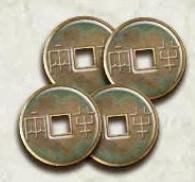
拿取钱币
他拿取指定数量的钱币。
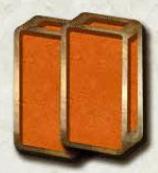
拿取黏土
他拿取指定数量的潮湿黏土。
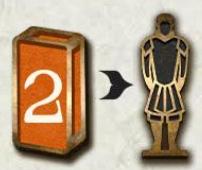
建造战士陶俑
花费行动所需数量的黏土,将其中一片放到对应的仓库中,剩余的放回供应区,然后将制作出来的战士放到陵墓中(详见第5页)。
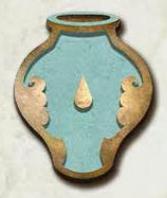
浸湿黏土
从供应堆拿取湿黏土,数量与最多黏土的仓库中的黏土数一致。
升级技师
与玩家升级技师动作相同,将他用于执行此行动的技师升级为工匠。
少数情况下他用工匠执行该行动,则他转而执行一次法令。
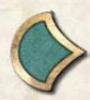
大师技能

详见第4页。
获得行动次序指示物

他执行一次备用行动和一次法令行动。
激活武器

将相应武器指示物翻转至激活面。如果该武器已经处于激活状态,则翻转最左侧未激活状态的武器。如果4个武器均已激活,则没有效果。
建造专家陶俑
每次建造专家陶俑时,先检查宰相的武器行。在已激活的武器中,按照从右至左的顺序,决定他是否建造对应的专家陶俑。如果宰相没有足够的铜钱支付建造花费,则忽略该专家陶俑。详见第5页。如果他不能建造,则转而拿取1枚铜钱。
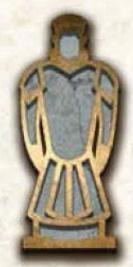
建造战士陶俑

先选择要建造的战士类型,再将其套上宰相的战士底座放置到陵墓中。按照军种分类盒上的VP给宰相得分(不管是哪一种建造动作,包括建造大师和“始建未及”所建造的战士)。详见第5页。若是建造战士行动或管理大师行动,则可以使用已激活武器发动特殊能力。
战士摆放优先级
| 2 | 执行一次备用行动。 | |
| 3 |  | 翻转  如果没有效果,则执行一次备用动作。 |
| 4 |  | 翻转  如果没有效果,则执行一次备用动作。 |
| 5 | 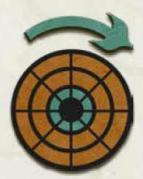 | 翻转  如果没有效果,则执行一次备用动作。 |
| 6 |  | 翻转 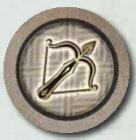 如果没有效果,则执行一次备用动作。 |
| 7 | 1,如果没有足够的黏土,则执行一次备用动作。 | |
| 8 | 2,如果没有足够的黏土,则执行一次备用动作。 | |
| 9 | 3,如果没有足够的黏土,则执行一次备用动作。 | |
| 10 | 3,如果没有足够的黏土,则执行一次备用动作。 | |
| 11 | 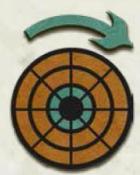 | 翻转最左侧未激活状态的武器。如果4个武器均已激活,则没有效果。 |
| 12 | 获得3点VP。 |
TA_rulebook_web.md53.6 KB
TERRACOTTAARMY
兵马俑

TERRACOTTAARMY
兵马俑
Emperor Qin Shi Huang has passed away. To protect him in the afterlife, a great army in the form of statues of faithful warriors must be assembled to stand guard in the Emperor's tomb. You will be among those tasked with building this magnificent army.
In Terracotta Army, you represent talented craftsmen and artists laboring to build the wondrous assembly of statues. During the game, you collect resources, upgrade your workers, and seek favor with the Emperor's Advisors. Your goal is to play a crucial role in the process of creating the Terracotta Army, and your success is measured in Victory Points. During the game, you and your fellow players will build together, but after the fifth round of the game is over, only one of you—the one with the building skills — will stand as the winner.
GAME COMPONENTS

GAME BOARD
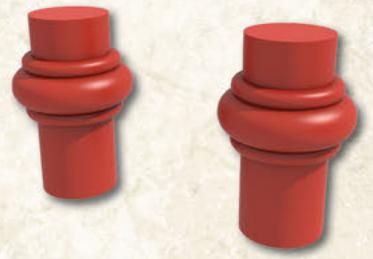
PLASTIC PIN
ACTION RINGS
1 MIDDLE ACTION RING
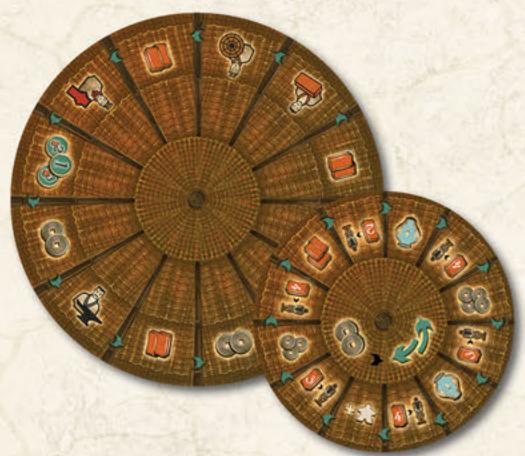
1 INNER ACTION RING
WARRIOR ORGANIZER

INSPECTOR PAWNS
ROUND MARKER

TOKENS
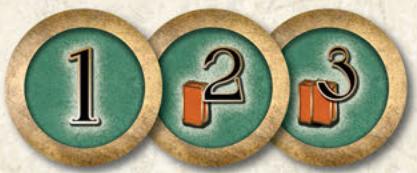
5 PRIORITY TOKENS
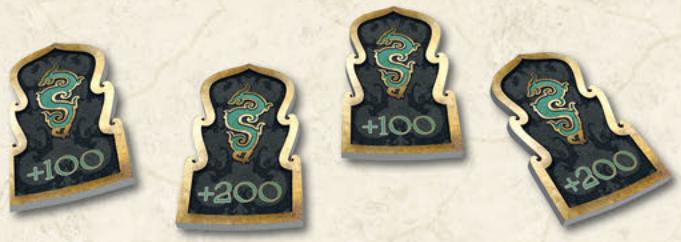
4 "+100 VP/+200 VP" TOKENS
12 SCORING TILES
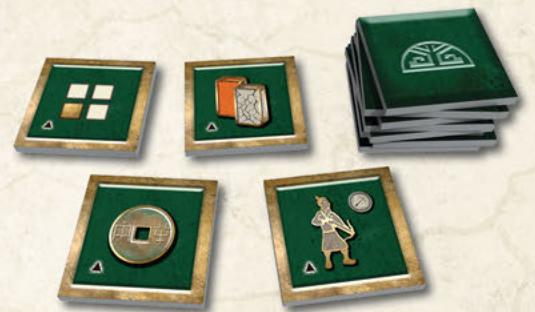
RESOURCES
Note: All Resources are considered unlimited.
If the supply runs out, use suitable replacements.
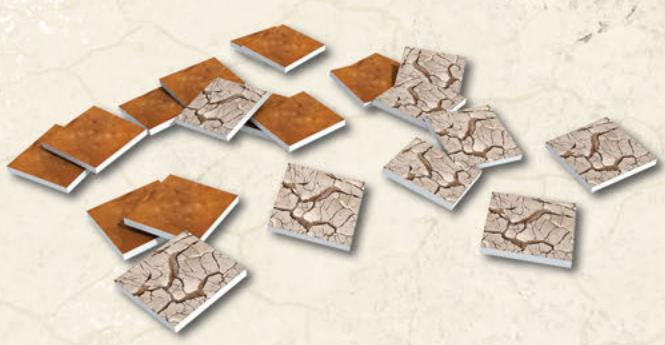
9O DOUBLE-SIDED CLAY TOKENS
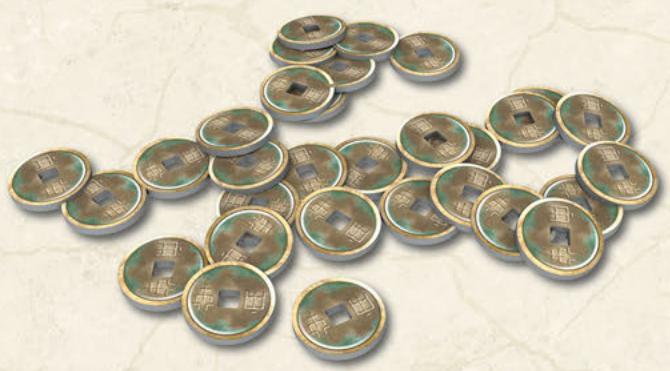
90 COINS
WARRIOR ATURES
11 OFFICERS

11 CROSSBOWMEN
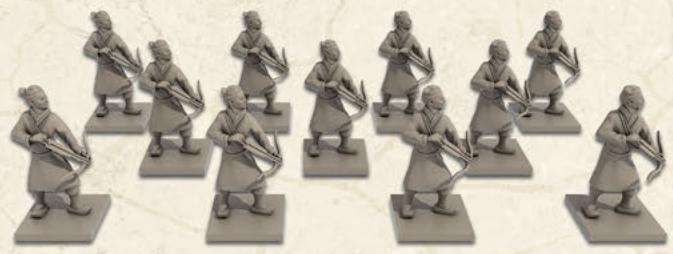
11 GUARDS

11 SOLDIERS
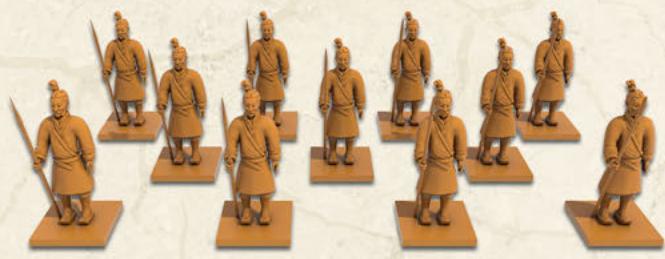

4 MUSICIANS

4FOOTMEN
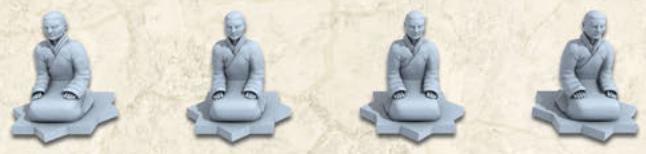
4 KNEELING ARCHERS

4 HORSES

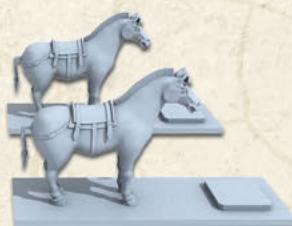

16 WEAPON TOKENS
4 in each of 4 types

24 MASTER TOKENS 6 in each of 4 player colors


4 SCORING MARKERS
1 in each of 4 player colors
4 TURN ORDER MARKERS
1 in each of 4 player colors
20 CRAFTSMEN
5 in each of 4 player colors








20 ARTISANS 5 in each of 4 player colors




60 WARRIOR BASES
15 in each of 4 player colors


MISSING OR DAMAGED COMPONENTS

Although we take a lot of care to make sure that your game is complete, manufacturing mistakes can still leave you with a missing or damaged component. If that happens, please contact us to receive replacements swiftly and with our sincere apologies.
Customer support:
https://boardanddice.com/customer-support/

LIVING RULES PLEDGE

We pledge to support every game well after its initial release. Despite rigorous play testing and multiple rounds of both internal and external proofreading and editing, occasionally the need for rules corrections or minor game play adjustments are discovered only several months or years after the game was manufactured. We promise to produce timely rules updates as necessary, along with expanded FAQ clarifications if needed, available for download from our website in digital PDF format.


ASSEMBLY GUIDE

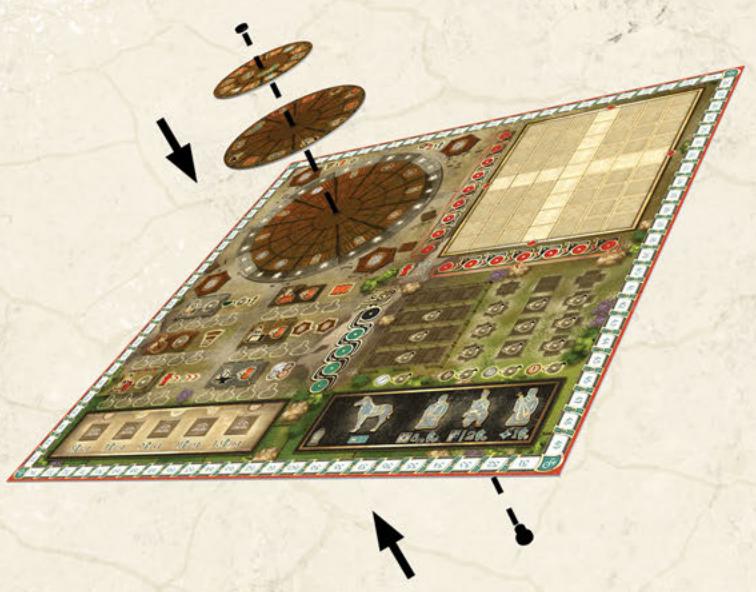
GAME SETUP

Before your first game, carefully punch out all cardboard components, and separate all other elements, as it will make setting up the game much easier. Assemble the Action Rings using the included plastic pin, so that the middle Action Ring rests directly on the board, and the inner action ring rests on top of it (see assembly guide on page 5).
-
Place the game board in the middle of the table.
-
Place the Clay tokens and Coins to the side of the board, forming a common supply.
-
Place 1 Dry Clay on each of the four Warehouses on the board.
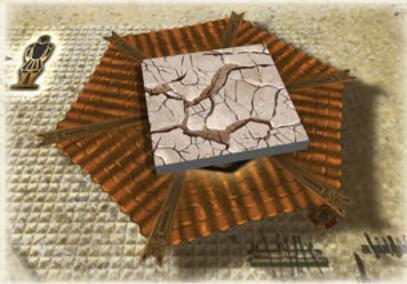
Clay token on a Warehouse space with the Dry side up.
- Place the Action Rings within the Action Wheel, set to random starting positions.
W hen placing the Action Rings, make sure to line up their Action spaces with those of the Outer Ring printed on the game board:
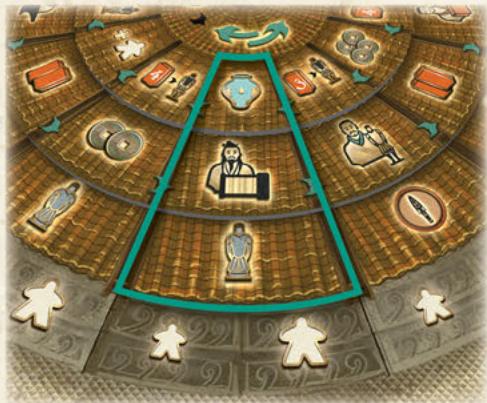
Action spaces must always remain lined up throughout the game. The rings may be rotated during the game, but they must always remain lined up as shown above, forming a segment.
-
Draw 5 Scoring tiles at random, and place 1 face up on each space of the Round track, making sure that the small triangle is in the bottom left corner. Return all unused Scoring tiles to the game box.
-
Place the Round marker on the first space of the Round track.

One random Scoring tile is placed face up on each of the five scoring spaces. The Round marker is placed on its starting position.
- Place an Inspector pawn on the starting position of each of the two Inspector tracks next to the Mausoleum.
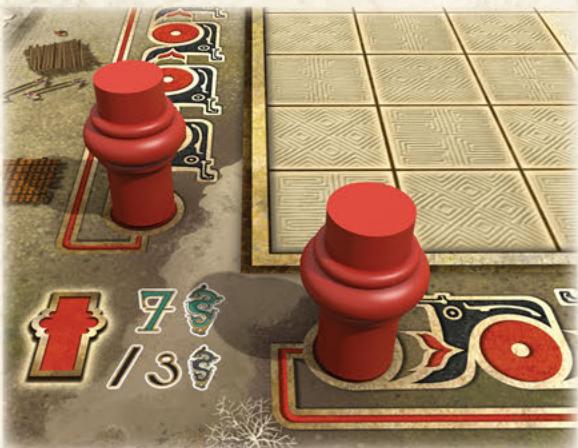
Both Inspector pawns placed on their starting positions: one on the horizontal Inspector track, and one on the vertical Inspector track.
- Place the Warrior Organizer to the side of the game board, next to the Mausoleum.
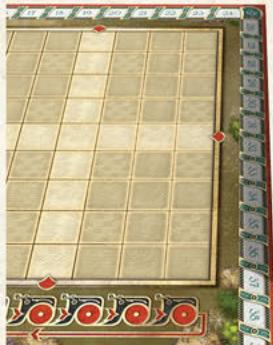

The Warrior Organizer is set up next to the Mausoleum. Make sure that each column contains Warrior miniatures of a single type only, as indicated by the illustration at the side of the Warrior Organizer.

9. Place all 16 Specialist miniatures on their designated spaces on the Main board, below the Mausoleum.
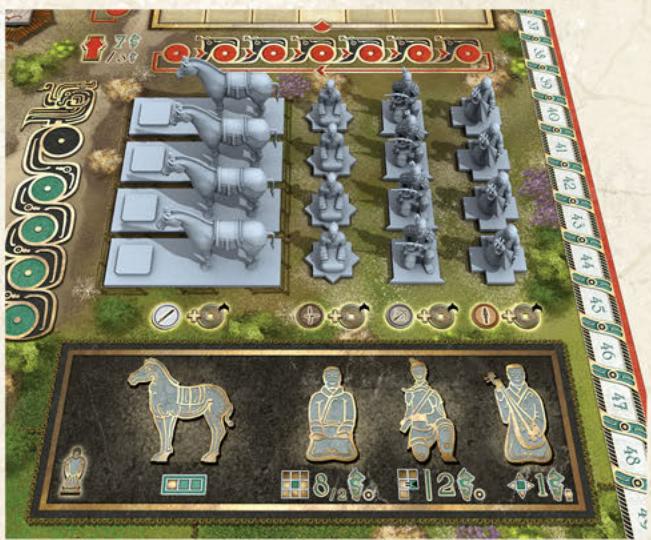
Each of the 4 types of Specialist miniatures are placed in their own column, as guided by the shapes of their bases and as indicated by the illustrations at the bottom of this area.
- Arrange the Priority tokens in numerical order with the lowest value on top, and place the stack on the space above the Turn Order track.
• Use only the "1" token in games with 2 players.
• Use only the "1" and "2" tokens in games with 3 players.
• Use all three tokens in games with 4 players.
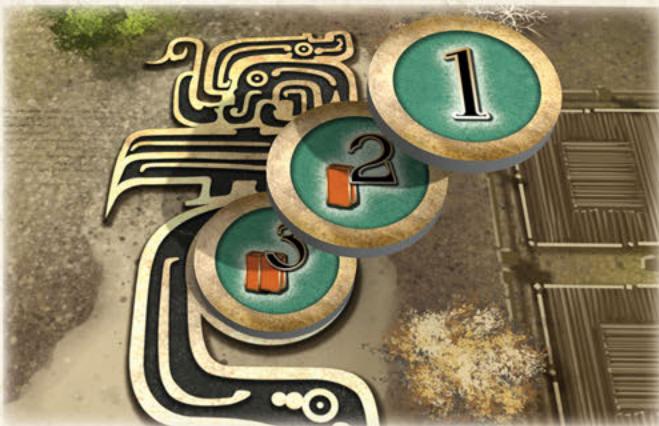
When stacking Priority tokens, the highest available number should always be placed at the bottom of the stack.
-
Give each player 3 Coins and 4 Weapon tokens (turned to show their inactive side).
-
Each player should select their preferred player color and take the following components of that color:
• 6 Master tokens,
• 15 Warrior bases,
• 5/4/3 Craftsmen (for 2/3/4-player games),
• 5/4/3 Artisans (for 2/3/4-player games),
• 1 Scoring marker, and
• 1 Turn Order marker.
Return all unused player components to the game box.
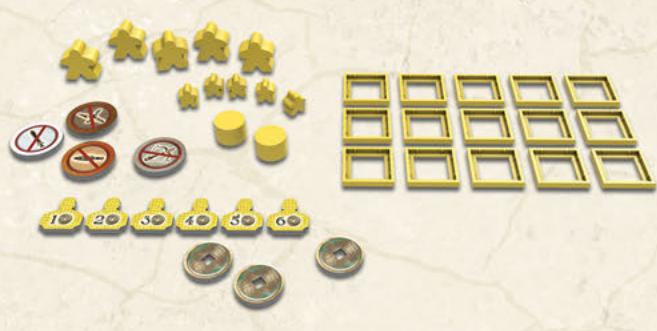
Player components of the yellow player in a 2-player game.
- Place all Artisans belonging to each player into the common supply next to the game board.

Artisan supply for a 3-player game.
-
Place all Scoring markers on the "0" space of the Scoring track.
-
Using a method of your choosing, randomly determine the starting player and place their Turn Order marker on the topmost position of the Turn Order track. Place the remaining Turn Order markers on the Turn Order track in clockwise player order.
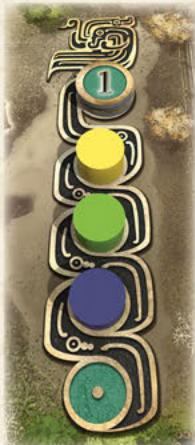
Turn Order tokens set up for a 3-player game, with Yellow going first, Green going second, and Blue going third.
- The player second in Turn Order receives 1 Wet Clay. If there is a third player, give them 2 Wet Clay and 1 Coin. If there is a fourth player, give them 3 Wet Clay and 2 Coins.

Any Clay you receive at the start of the game should be placed with the Wet side up. The differences between Wet and Dry Clay will be explained shortly You are now ready to play the game!
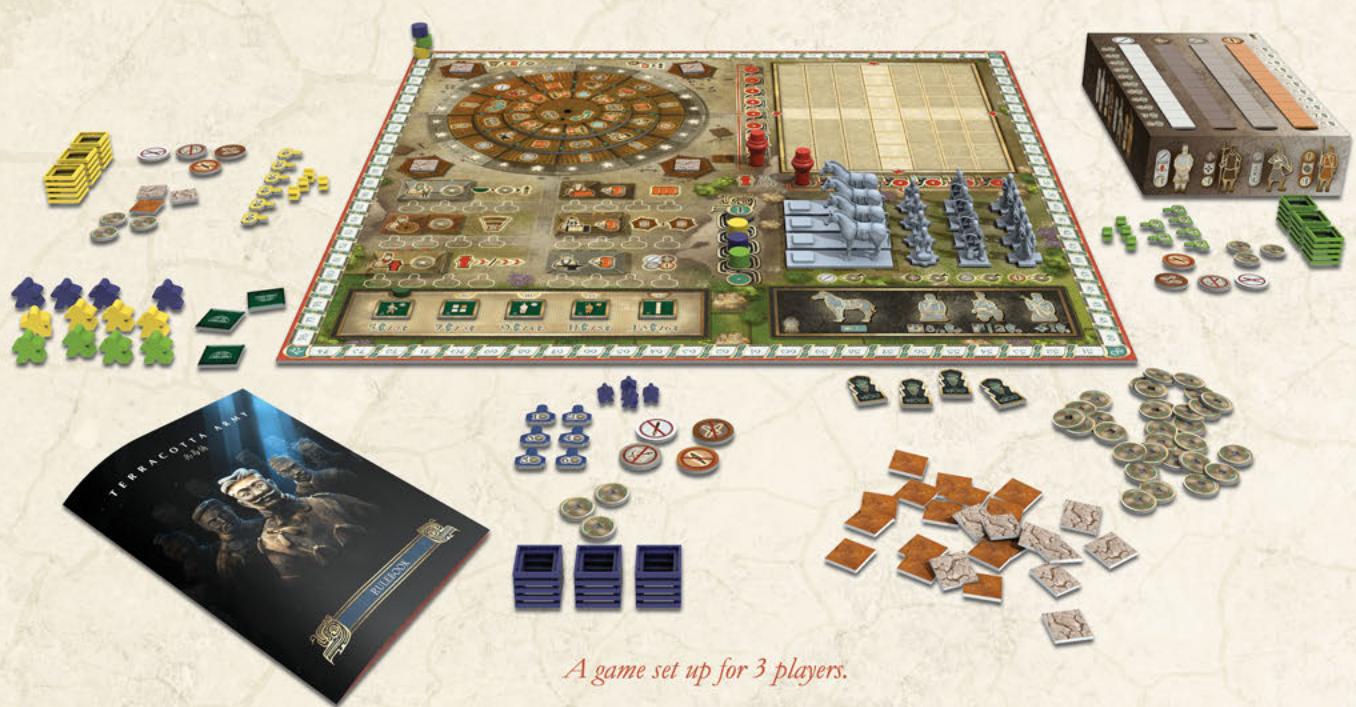
KEY CONCEPTS

A number of key concepts apply when performing certain actions. These concepts (and their associated rules) are explained below.
VICTORY POINTS
Whenever you receive Victory Points, mark them on the Scoring track that runs around the game board by advancing your Scoring marker. If you exceed 100 Victory Points, take a "+100 VP" token. If you exceed 200 Victory Points, flip that token to the “+200 VP" side.
Victory Points are abbreviated as VP within these rules.
WORKERS—CRAFTSMEN AND ARTISANS
Your pool of Craftsmen and Artisans are, collectively, your Workers. At the beginning of the game, you have a number of Craftsmen at your disposal. As the game progresses, you may convert some of your Craftsmen to Artisans. Whenever the rules make reference to Workers, they refer to Craftsmen and Artisans alike. Whenever the rules explicitly name Craftsmen or Artisans, only that specific type of Worker is being discussed.

A blue Craftsman (on the left) and a blue Artisan (on the right).
WET AND DRY CLAY
Clay (represented as Clay tokens) is the primary resource necessary for making Warrior Statues. As in real life, only Wet clay is workable. In Terracotta Army, clay is represented as double-sided Clay tokens. Only a Clay token with its Wet side visible can be used to pay any costs associated with the making of a Warrior Statue.
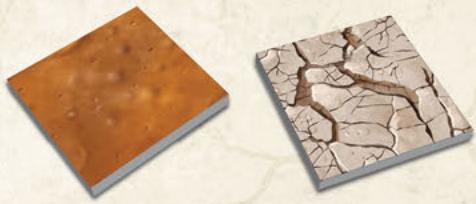
A Clay token's Wet side (on the left) and its Dry side (on the right).
WARRIORS AND SPECIALISTS
There are two types of Statues represented as miniatures in the game: Warriors and Specialists. Generally speaking, Warriors are made using Wet Clay tokens, and Specialists are purchased with Coins (and using a specific Weapon). Newly made Warriors are marked with player bases — to denote their owner when placed within the Mausoleum — while Specialists are not. In fact, the Specialists' bases differ in shapes to remind you of this, as well as of their special abilities.
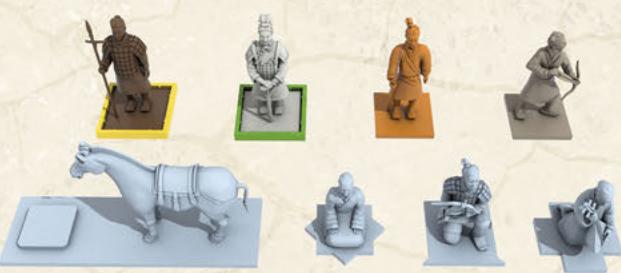
All Warriors have square bases that can easily be marked with player bases (top row). All Specialists have differently shaped bases (bottom row).
WARRIOR GROUPS
During the game, you will be placing Warrior miniatures within the Mausoleum, forming groups. In game terminology, a group consists of 2 or more miniatures of the exact same type that are orthogonally adjacent to each other. A group's miniatures may belong to multiple players (as denoted by the player bases on those miniatures). Multiple separate groups consisting of the same type of miniature may exist within the Mausoleum.
mnnnn

Example: In the image above, there is a single group of 4 Officers: 2 belonging to Yellow, 1 to Blue, and 1 to Green. Purple's Officer does not belong to the group, as it is not orthogonally adjacent to any other Officer within the group. Purple's Soldier is also not a part of the group, as it is a different type of a Warrior.
m
WEAPON TOKENS
Every player has 4 Weapon tokens, exactly 1 of each of the 4 types. Every Weapon in your possession is either active or inactive. Whenever you use an active Weapon, flip the token to its inactive side. Whenever an action allows you to ready a Weapon, you may flip a Weapon token to its active side (this has no effect on a Weapon that is already active).

The 4 Weapon tokens shown with their inactive side (top row) and active side (bottom row). The Weapon types are (from left to right) a sword, a halberd, a crossbow, and a spear.
DOMINATION AND PRESENCE
In Terracotta Army, you will have many opportunities to score points based on Domination and Presence. To achieve Domination, you must be the only player with the most of the specific Resource or type of Statue currently being scored. (If you are the only player, you have Domination). For Presence, you must have at least 1 of the specific Resource or type of Statue currently being scored.
If you score points for Domination, you DO NOT also score points for Presence.
If there is an unbreakable tie for Domination between two or more players, nobody achieves Domination. However, all tied players are considered to have Presence.
Note: During the End Game Scoring, Domination and Presence are scored differently!
INSPECTORS
There are two Inspector pawns, each with its associated track. Moving an Inspector "forward" means moving the pawn in the direction of the arrows. If the Inspector pawn is already on the final space of the Inspector track, it is moved to the starting space of the track (as indicated by the long arrow).

A game of Terracotta Army is played over five rounds. Each round, players take turns placing workers to perform actions. After each player performs an action, play passes to the next player in the current Turn Order. Once all players have used all of their Workers, the round ends, Victory Points are scored, and the next round is prepared. At the end of the fifth round, End Game Scoring takes place. The winner of the game will be the player with the most Victory Points.
m
ROUND STRUCTURE
Each round is played in the following steps:
-
Action Phase
-
Scoring Phase
-
Cleanup Phase.
If you choose to rotate a ring, remember that you may only perform IT ONCE.
You are not allowed to rotate the ring more than one step or rotate more than one of the rings.
You are also NOT ALLOWED to repeat this step by paying the cost multiple times.
After performing the rotation, the Action spaces must be properly aligned.

ACTION PHASE

During this phase, in the current Turn Order, players take turns placing one of their Workers around the Action Wheel on the game board.
When it is your turn to place a Worker, perform the following steps, in order:
1. ROTATE A RINC (OPTIONAL)
You may select either the Inner Ring or the Middle Ring and pay 2 Coins to rotate it one step in the direction indicated by its arrows. The Inner Ring may only be rotated clockwise. The Middle Ring may only be rotated counterclockwise.
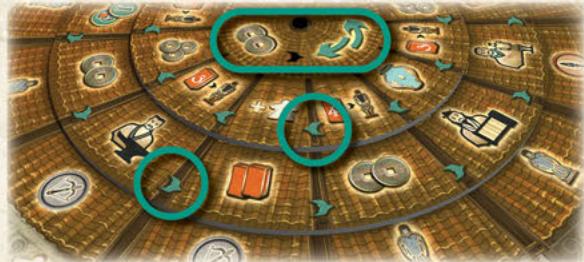
The Inner Ring and the Middle Ring may be rotated following the arrows printed on them. In the center of the Action Wheel is a reminder that this option costs 2 Coins.
2. PLACE A WORKER (MANDATORY)
Place one of your Workers onto an empty space around the Action Wheel. Every segment of the Action Wheel has two worker spaces.
• You may place any Worker onto any space within any segment as long as both spaces within that segment are empty.
• If one of the spaces within a given segment is already occupied by a Craftsman (whether yours or one belonging to another player) and the other space is empty, only an Artisan may be placed on the other space.
• No Worker may be placed within a segment occupied by an Artisan

Since this segment is completely empty, any Worker can be placed onto one of the highlighted spaces.
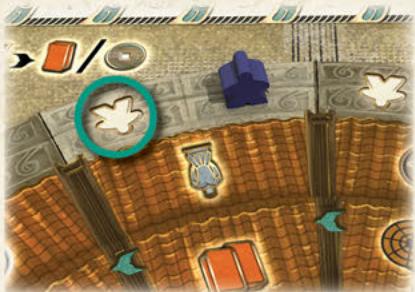
Since this segment is already occupied by a Craftsman, you may only place an Artisan onto the highlighted space. You cannot place a Craftsman there.
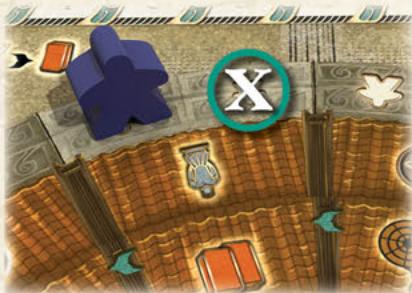
Since this segment is already occupied by an Artisan, you cannot place any more Workers there, even though an empty space remains.

Action A will be performed first, action B second, and action C last.
Instead of taking action A, you may take 1 Wet Clay or 1 Coin.
Instead of taking action B, you may take 1 Wet Clay or 1 Coin.
You cannot take Clay or Coin instead of taking action C.
You MUST perform the actions in the order from innermost to outermost ring.
Although you MAY choose to skip the action on the Outer Ring, you CANNOT take Clay or Coin instead.
5. PERFORM ACTIONS (OPTIONAL)
Within the segment where you placed your Worker, starting from the Inner Ring and moving towards the Outer Ring, perform the actions one at a time, resolving each one fully before proceeding with the next one.
When performing an action from the Inner Ring or Middle Ring, you must
• perform the depicted action,
• take 1 Wet Clay or 1 Coin, or
• do nothing.
When performing an action from the Outer Ring (printed on the game board), you must either
• perform the depicted action, or
• do nothing.

RING ACTIONS

 | Receive the depicted number of Coins(2/3/4). |
 | Receive the depicted number of Wet Clay(2/4). |
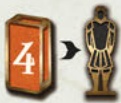 | Spend the indicated number of Wet Clay tomake a Warrior Statue, placing it within theMausoleum.See page 13 for detailed rules on making andplacing Warriors and activating their abilities. |
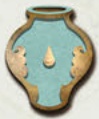 | Flip all of your Dry Clay to their Wet side. |
 | Convert your Craftsman you used forthis action into an Artisan. Remove theCraftsman used to perform this action fromthe game, and place one of your Artisansfrom the common supply in its place.This action has no effect if the Worker wasalready an Artisan, though you may chooseto take 1 Wet Clay or 1 Coin instead. |

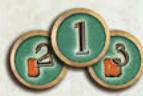


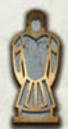
If you have a Master token of your color in this Master's area on the game board: Use the ability associated with the depicted Master (see Master Abilities on page 17).
If you DO NOT already have a Master
token of your color in this Master's area on the game board:
First, select one of your Master tokens, pay
the number of Coins printed on the token,
and place it in the corresponding Master's
area. Then, use the ability associated with the depicted Master.
If you decide to buy a Master and do not use their ability, it still counts as performing the Master's action, thus you cannot take a Clay or a Coin instead.
Each player can only have a single Master token in each Master's area on the game board.
Take the topmost Priority token from the Priority token stack, if any remain, placing it in front of you. If any Wet Clay is printed on the token, take the indicated number of Wet Clay now.
Each player may only have a single Priority token in front of them.
Ready the depicted Weapon by flipping the token to its active side. If your Weapon is already active, this action has no effect.
Since this action is printed on the Outer Ring, you cannot choose to take 1 Wet Clay or 1 Coin instead of performing the action.
Spend Coins and use a Weapon to purchase a Specialist miniature, placing it within the Mausoleum.
See page 15 for detailed rules on purchasing and placing Specialists and activating their abilities.
Since this action is printed on the Outer Ring, you cannot choose to take 1 Wet Clay or 1 Coin instead of performing the action.

PLACING STATUES

Some of the actions allow you to place a Warrior or Specialist Statue within the Mausoleum. Regardless of type, all Statues you place allow you to use their abilities, as detailed below.
WARRIOR STATUES
When making a Warrior Statue, you must pay its cost in Wet Clay. The cost is determined by the Action space you activated. This means that you will pay 2, 3, or 4 Wet Clay when making a Warrior Statue.
When paying the (Wet) Clay, add 1 of the paid Clay tokens, Dry side up, to the Warehouse located in the same quarter of the Action Wheel as the segment where you placed your Worker. Return the remaining Clay to the common supply.
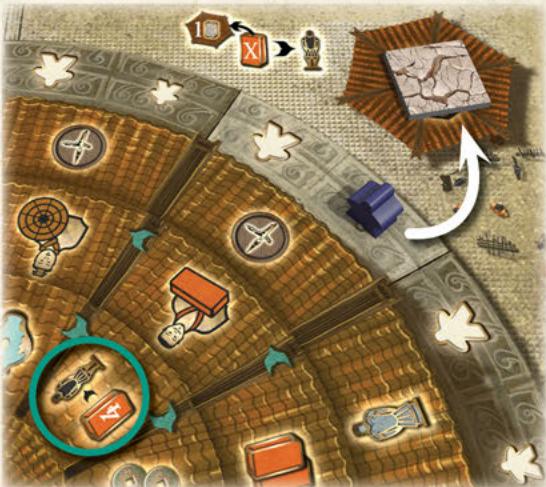
W hen making a Warrior, 1 Clay is always added to the Warehouse located in the same quarter as the segment where your Worker was placed. Remember to flip this Clay to its Dry side.
After paying the Clay, take a Warrior Statue of any type from the Warrior Organizer, attach it to a base in your player color, and place it onto any empty space within the Mausoleum. Also score the number of Victory Points indicated on the Warrior Organizer.
With the exception of the Kneeling Archer (explained on page 16), it does not matter which way your Warrior faces.

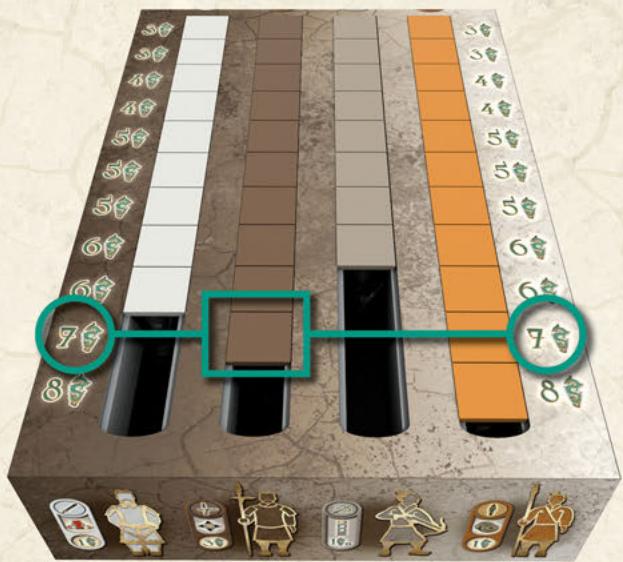
W hen making a Statue, you always take the bottommost figure of the chosen type. After placing the Warrior within the Mausoleum, score the number of Victory Points printed next to the row the Warrior was taken from.
After scoring the Victory Points, you may use the Weapon associated with this Warrior type to activate its special ability. 'This is not mandatory. If this Weapon is inactive or you do not want to use it (because doing so flips the Weapon to its inactive side), that is acceptable; you then ignore this special ability and continue resolving your next actions. You are allowed to make a Warrior Statue without activating its ability.
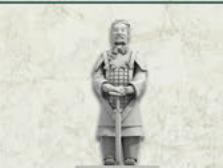

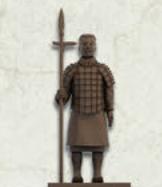

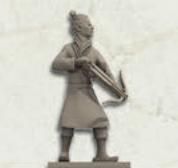
THE OFFICER
Immediately after making an Officer, you may use a Sword Weapon to activate the following effects:

• Score 1 Victory Point.
• You may move 1 Inspector 1 step forward or backward on its Inspector track.
THE GUARD
Immediately after making a Guard, you may use a Halberd Weapon to activate the following effects:
• Score 3 Victory Points.
• Of your other Statues, you may move 1 Warrior within the Mausoleum any number of spaces in a straight line. All the spaces that your Warrior moves through (and stops on) must be empty. Your Warrior may not move through another Statue.
THE CROSSBOWMAN
Immediately after making a Crossbowman, you may use a Crossbow Weapon to activate the following effect:
• Score 1 Victory Point for each empty space between this Warrior and any other Statue in the same row or column. If multiple options exist, choose one. If either no options exist or all options are directly adjacent to the Crossbowman, score no Victory Points.
THE SOLDIER

Immediately after making a Soldier, you may use a Spear Weapon to activate the following effects:
• Score 1 Victory Point.
• Take 2 Coins.
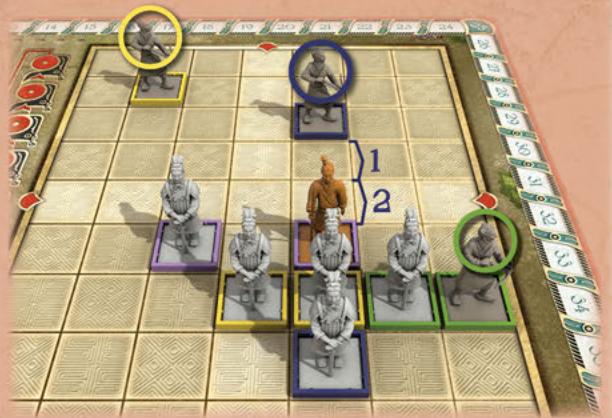
Example: Immediately after placing a Crossbowman, the player has the option of using a Crossbow Weapon (thereby flipping the token from its active side to its inactive side).
SPECIALIST STATUES
When purchasing a Specialist Statue, you must pay its cost in Coin and flip the associated Weapon token to its inactive side.
The Coin cost is always at least 1 Coin; the cost increases as more Specialists of that type are purchased. 'The cost is equal to the number of Coins visible in the column. Unlike Warriors, Specialists are not marked with a player base when built.
In such a case, if the blue Crossbowman was just placed, Blue would score 2 Victory Points.
If the yellow Crossbowman was just placed, Yellow would score no Victory Points, since the yellow Crossbowman is not in the same row or column as any other Statue.
If the green Crossbowman was just placed, Green would also not score any Victory Points. Although the green Crossbowman has another Statue in its row, since this Statue is directly adjacent to the green Crossbowman (there are no spaces between the Crossbowman and the Officer), this would score no Victory Points.
When you purchase a Specialist, you MUST be able to flip the associated Weapon to its inactive side.
If you are unable or unwilling to do this, you cannot purchase that type of Specialist.
THE HORSE
This Statue takes up three adjacent spaces in one row or column within the Mausoleum. The first space must be occupied by one of your existing Warrior Statues.

Remove the Warrior temporarily, placing the Horse so that its empty slot is exactly on the space where your Warrior was standing. Place your Warrior on the base of the Horse Statue.
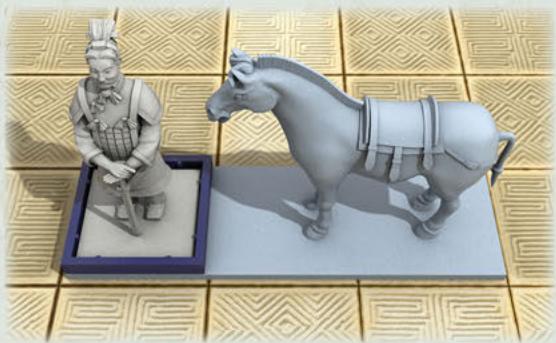
This Warrior is considered to be occupying all three spaces occupied by the Horse, expanding the reach of the connected Warrior when forming groups or determining adjacency. Your Warrior only counts as a single Warrior for purposes of scoring (and achieving Domination). The Warrior retains its type for all purposes (including forming or combining groups).





THE FOOTMAN
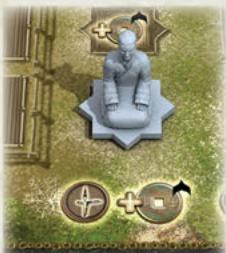
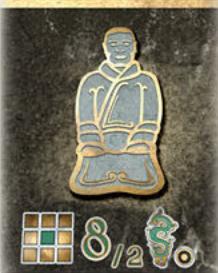
At the end of the game, this Statue awards Victory Points to players based on:
which player has the majority of Warriors (regardless of type) occupying the 8 spaces surrounding the Footman (diagonally and orthogonally), and which player(s) have
Presence in that surrounding area. (See the End Game Scoring section on page 19 for an example of scoring.)
• For Domination, receive 8 Victory Points.
• For Presence, receive 2 Victory Points.
Only the actual number of Warriors is counted. A Horse still counts as only 1 Warrior (see The Horse section above). Specialists do not count towards Domination or Presence.
THE KNEELING ARCHER
When placing the Kneeling Archer, rotate the Statue so that it faces a Warrior of your choice. (Note: This is the only Statue that uses facing as part of its effects.)
Although the Kneeling Archer does not belong to any player, the Kneeling Archer counts as a Warrior of the same type as the Warrior they are facing, creating or becoming part of its group for scoring purposes.
The player whose Warrior the Kneeling Archer is facing receives two benefits:
• During scoring, if this Warrior is involved in a tie for Domination, the Kneeling Archer breaks the tie in favor of that player. (If there are multiple Kneeling Archers involved, the player benefitting from the most Kneeling Archers within this group breaks the tie.)
• At the end of the game, the Kneeling Archer awards 2 VP to that player.
THE MUSICIAN
During every Scoring Phase, each player scores 1 Victory Point for each of their Warriors in the same row or column as the Musician. Each Musician is scored separately, so a single Warrior that shares a row or column with more than 1 Musician may score multiple points.

MASTER ABILITIES
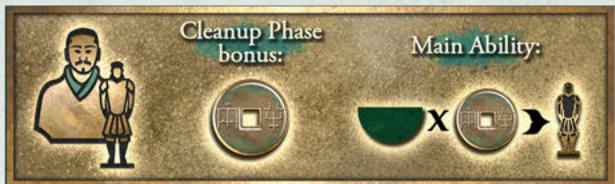
MASTER BUILDER
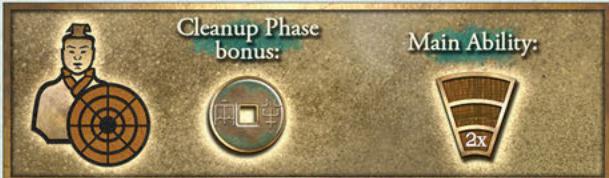
Pay a number of Coins equal to the current round (1 Coin in round 1, 2 Coins in round 2, etc.) to make
a Warrior, and place it within the Mausoleum. There is no Clay cost associated with making this Warrior, only the aforementioned Coin cost.
There are a few restrictions associated with this ability:
• The Warrior must be of whichever type has the most Statues remaining in the Warrior Organizer. (If there is a tie, choose one of the tied types.)
• You do not score any Victory Points when placing this Warrior.
• You cannot use a Weapon to activate its special ability.
Cleanup Phase bonus: Receive 1 Coin.
MASTER ADMINISTRATOR
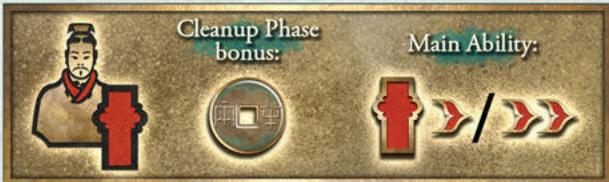
Perform the action from the Inner Ring again (including paying any applicable costs).
Cleanup Phase bonus: Receive 1 Coin.
MASTER INSPECTOR
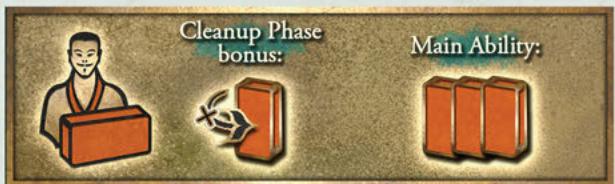
You may move one of the Inspectors 1 or 2 spaces forward on its track.
Cleanup Phase bonus: Receive 1 Coin.
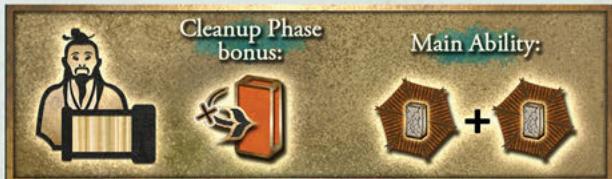
MASTER CLAY MAKER
Receive 3 Wet Clay.
Cleanup Phase bonus: Protect 1 of your Wet Clay from flipping to its Dry side
MASTER SUPERVISOR
Receive all Dry Clay from any 2 Warehouses on the game board.
Cleanup Phase bonus: Protect 1 of your Wet Clay from flipping to its Dry side.
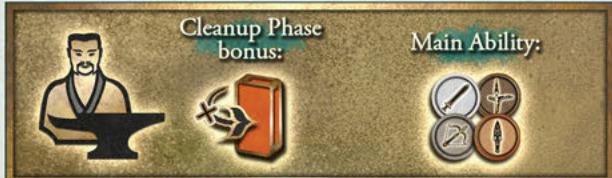
MASTER BLACKSMITH
Ready all of your Weapons.
Cleanup Phase bonus: Protect 1 of your Wet Clay from flipping to its Dry side.
The Cleanup Phase bonuses are cumulative. However, the bonus which protects 1 Wet Clay from flipping to its Dry side has no effect on Clay that is already Dry; it only lets you keep some of your Wet Clay Wet.


SCORING PHASE
Victory Points will be scored from Inspectors, Musicians, and Scoring tile.
SCORING INSPECTORS
First, score the Inspector track to the left of the Mausoleum. Award Victory Points based on the number of Warriors (regardless of type) located within the same row as the Inspector.
• For Domination, receive 7 Victory Points.
• For Presence, receive 3 Victory Points.
Remember: Kneeling Archers may break ties if the Warrior they are facing is involved in a tie for Domination.
After the inspection is finished, move the Inspector 1 step forward on its track.
mmmmmmmm
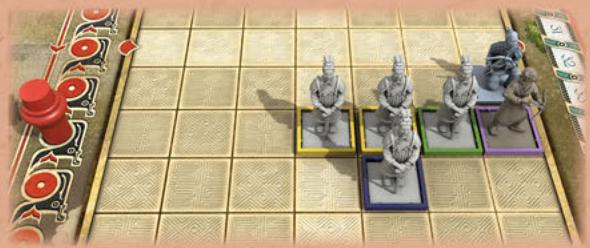
Example: Yellow achieves Domination and scores 7 Victory Points. Both Green and Purple achieve Presence and score 3 Victory Points each.
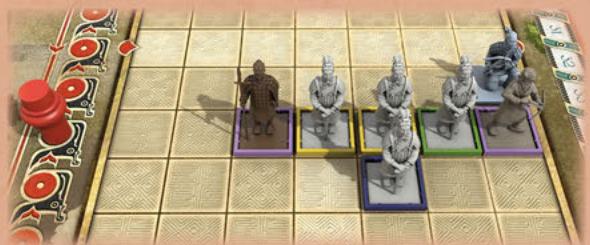
Domination and Presence is achieved based on the total number of Warriors of the indicated type within the Mausoleum.
During a later Scoring Phase, the same row is scored. This time, Purple achieves Domination (the Kneeling Archer breaks the tie with Yellow) and scores 7 Victory Points. Both Yellow and Green achieve Presence and score 3 Victory Points each.
m m
Next, score the Inspector track located below the Mausoleum. Evaluate this track in the same way, except this time considering Warriors in the same column as the Inspector.
SCORING MUSICIANS
Each player scores 1 Victory Point for each of their Warriors in the same row or column as a Musician. Each Musician is scored separately, so a single Warrior that shares a row or column with more than 1 Musician may score multiple points.
SCORING TILES
Consult the Scoring tile for the current round. Depending on the game round, Domination and Presence score different amounts of Victory Points. Each Scoring tile has its own requirements for achieving Domination and Presence, as detailed below.
Evaluate Domination and Presence based on the number of Warriors along the middle column (or row) within the Mausoleum, much like when scoring the Inspectors.
Kneeling Archers ARE NOT counted as Warriors belonging to any player, but they MAY break ties.
Domination and Presence is achieved based on the total number of Warriors, of any type, within the indicated quarter of the Mausoleum.
The middle column and middle row (shaded more lightly) are NOT considered to be part of any quarter.
Kneeling Archers ARE NOT counted as Warriors belonging to any player, but they MAY break ties.
Domination and Presence is achieved based on the total number of Coins each player has.
Kneeling Archers do not break ties here.
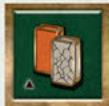
Domination and Presence is achieved based on the total number of Clay each player has (regardless of whether the Clay is Wet or Dry).
Kneeling Archers do not break ties here.

CLEANUP PHASE

- If no player has a Priority token, skip this step. Otherwise, any player has a Priority token, update the Turn Order track as follows:
a. The player with the number "1" token becomes first in Turn Order.
b. The player with the number “2" token, if any, becomes second in Turn Order.
c. The player with the number "3" token, if any, becomes third in 'Turn Order.
d. All players without a Priority token will occupy the last spaces in Turn Order, without changing their respective order.
e. Return the Priority tokens to their space above the Turn Order track, leaving the higher numbered tokens at the bottom of the stack.
Every player should flip all their Wet Clay tokens to their Dry side. (Certain Masters allow you to protect some of your Clay from being flipped. See page 17.)
-
Receive 1 Coin for each applicable Master. (See page 17.)
-
If this is the 5th (and therefore final) round of play: a. Proceed to End Game Scoring.
5. Otherwise:
a. Retrieve all Workers from the Action Wheel.
b. Rotate the Inner Action Ring one step clockwise.
c. Rotate the Middle Action Ring one step counterclockwise.
d. Advance the Round marker to the next space of the Round track.
e. Begin a new round, following the current Turn Order.
END GAME SCORING
At the conclusion of the final round of the game, it is time for final scoring.
- Score each Footman based on the number of Warriors (regardless of type) occupying the 8 spaces surrounding the Footman (diagonally and orthogonally).
• For Domination, receive 8 Victory Points (Kneeling Archers may break ties here).
• For Presence, receive 2 Victory Points.
• Only the actual number of Warriors is counted. A Horse (with its Warrior) still counts as only 1 Warrior.
- Remove every Warrior that is not a part of a group. A group consists of 2 or more miniatures of the exact same type that are orthogonally adjacent to each other, regardless of player ownership. (Recall that a group must contain at least 2 Warriors or at least 1 Warrior and 1 Kneeling Archer facing that Warrior.)
3. Score each group separately as follows:
Each Warrior is worth a number of Victory Points equal to the number of different players having at least 1 Warrior within that group. (Simply count the number of different color bases present within the group.)
• If at least 2 players have at least 1 Warrior within the group, evaluate Domination and Presence.
。 For Domination, receive 5 Victory Points (Kneeling Archers may break ties).
° For Presence, receive 2 Victory Points.
-
Score each Kneeling Archer. The player whose Warrior the Kneeling Archer is facing receives 2 Victory Points.
-
Finally, each player counts their total number of leftover Clay (whether Wet or Dry) and Coin. For every 2 of these (of the total sum), the player receives 1 Victory Point.
The player with the most points wins the game. In case of a tie, the tied player who is first in Turn Order breaks the tie.
Example: End Game Scoring
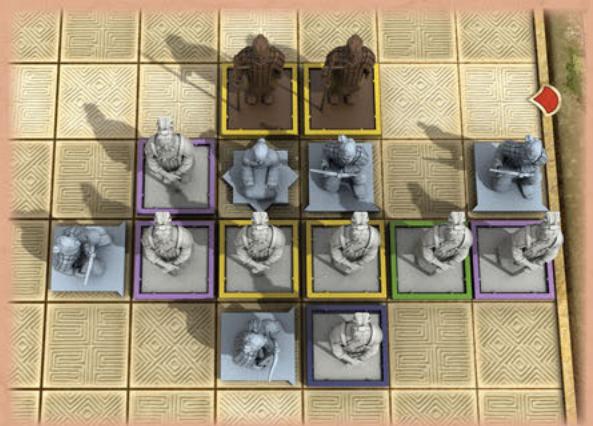
Let's imagine that this is the final state of the game. Most likely many more Warriors will have been placed within the Mausoleum, but this will serve as an example for illustrative purposes.
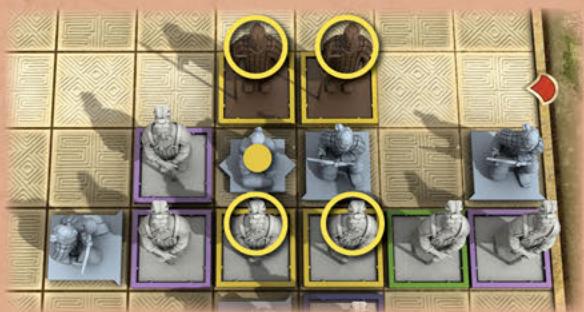
First, each Footman is scored. There is only a single Footman to be scored (marked with the yellow circle). Since Yellow has the most Warriors surrounding the Footman, they receive 8 Victory Points (Purple would receive 2 Victory Points for Presence).

Next, the small group consisting of 2 Guards is scored. Since Yellow is the only player with any Warriors within this group, each Guard is only worth 1 Victory Point and there are no additional points for Domination given. Yellow therefore scores 2 Victory Points in total for this group.

Finally, there is just one group that remains to be scored. It consists of 7 Officers and 4 Kneeling Archers. The 2 Guards outside of the turqoise boundary do not belong to the group, as they are a different type of Warrior.
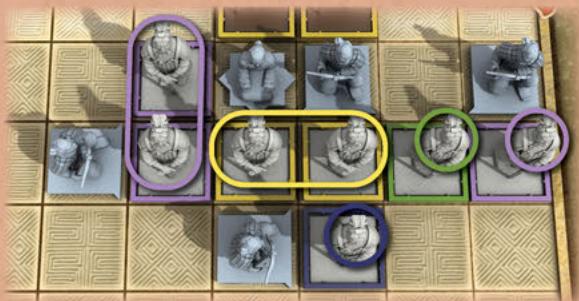
There are a total of 4 players having at least 1 Warrior within the group: Purple with 3 Statues, Yellow with 2, and Green and Blue with 1 Statue each. This means that each Warrior is worth 4 Victory Points. And so,
• Purple scores 12 Victory Points,
• Yellow scores 8 Victory Points,
• Green scores 4 Victory Points, and
• Blue scores 4 Victory Points.
Purple also achieves Domination and receives 5 Victory Points, while the other players achieve Presence, receiving 2 Victory Points each.

Finally, we will score the Kneeling Archers. Two Kneeling Archers are facing Warriors belonging to Purple, so they score 4 more Victory Points. Both Yellow and Blue have a single Kneeling Archer facing their Warriors, so they score 2 Victory Points each.
The total number of Victory Points received are:
• 23 Victory Points for Purple,
• 22 Victory Points for Yellow,
• 8 Victory Points for Blue, and
• 6 Victory Points for Green.
CREDITS
TERRACOTTAARMY
兵马俑
Terracotta Army
Game Design: Przemysław Fornal, Adam Kwapiński,
Game Development: Andrei Novac, Błażej Kubacki, Dávid
Turczi, Małgorzata Mitura, Rainer Åhlfors
Illustrators: Aleksander Zawada, Jan Lipiński, Zuzanna
Kołakowska
Graphic design and DTP: Zuzanna Kołakowska
Rule Book DTP: Zuzanna Kołakowska
Rule Book: Błażej Kubacki
Rule Book Editing: Emanuela and Robert Pratt
Cultural Consultants: Haoyue Ma, Chunyue Jiang
Board&Dice
CEO: Andrei Novac Operations Manager: Aleksandra Menio Head of Marketing: Filip Głowacz Head of Sales: Ireneusz Huszcza Art Direction: Kuba Polkowski Head of Development: Błażej Kubacki
The designers and Board&Dice would like to thank the following people for play testing, advice, and feedback:
Adam Kamiński, Adam Hehl, Aleksandra Wiatr, Andrew Paulsen, Andrzej Olejarczyk, Anita Sokołowska, Artur Lutyński, Ben Seipert, Borys Bielaś, Daniel Dubel, Dave Haenze, Damian Bojarowski, Dariusz Szypuła, Damian Ghuszczyk, Dominik "Vykk" Pańczyk, Filip Loba, Grzegorz Góra, Jakub Kisała, Jakub Wasilewski, Jan Skornowicz, Jan Truchanowicz, Klaudyna Mikołajczyk, Konrad Sulżycki, Landon Call, Lane Russel, Łukasz Juras, Łukasz Stadnik Lukasz Szopka, Michał Mazurek, Joanna Gleń, Marcin Gleń, Rafał Gleń Youry Ivanov, Bartosz Bajda, Iwona Jaworowska, Janusz Smoła, Julia Gauza, Krzysztof Jurzysta, Konrad Sass, Aneta Bernaciak, Marcin Bernaciak, Maciej Prostak, Marcin Magdziarz, Marek Mańko, Maria Jóźwik, Marta Szpaderska, Mateusz Myrcha Michał "Killjoy" Cieślikowski, Michał Górecki, Michał Łopato, Michał Sieńko, Michał Szewczyk, Patryk Olbert, Paweł"Wppxis" Gajda, Przemek Wojtkowiak, Przemysław Golus, Rafał Szymaszek, Rick Malloy, Sebastian Borowczyk, Tommy Aikens, Wojciech Giżyński, and the board game group at Game Grid in Lehi, Utah.
Special thanks to Julia Gauza and Konrad Sulżycki for their inspiration and great ideas which helped bring the game to its final form.
A Word From the Designers:
Like always there are plenty of people who support authors during their journey. But we wanna send special thanks to Jamey Stegmaier who played our early prototype only once but after that play gave us great feedback that influenced our game on many levels. We are sure that without Jamey's advice Terracotta Army would be a worse game than it is.
© 2022 Board&Dice. All rights reserved. For more information about Terracotta Army, please visit www.boardanddice.com.
Cleanup Phase bonus: Receive 1 Coin.
MASTER BUILDER
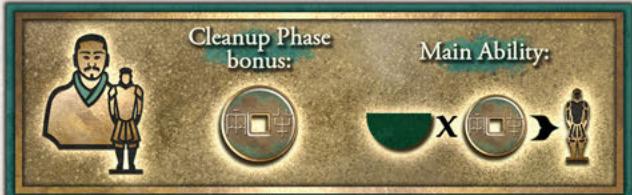
Pay Coins equal to current round to place a Warrior within the Mausoleum. Do not pay any Clay. The Warrior placed must be from the largest remaining Statue type in the Warrior Organizer. Do not score Victory Points. You are not allowed to use a Weapon to activate the special ability.
Cleanup Phase bonus: Receive 1 Coin.
MASTER CLAYMAKER
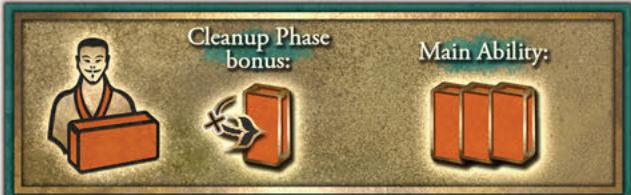
Receive 3 wet Clay.
Cleanup Phase bonus: Protect 1 of your wet Clay from fipping to its dry side.
MASTER ADMINISTRATOR

Perform the action from the Inner Ring again (including paying any applicable costs).
MASTER INSPECTOR
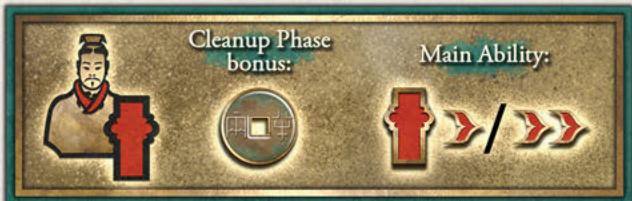
You may move one of the Inspector pawns 1 or 2 spaces forward on its track.
Cleanup Phase bonus: Receive 1 Coin.
MASTER SUPERVISOR
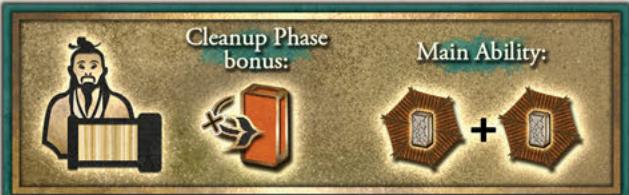
Receive all dry Clay from any 2 Warehouses on the main board. Cleanup Phase bonus: Protect 1 of your wet Clay from flipping to its dry side.
MASTER BLACKSMITH
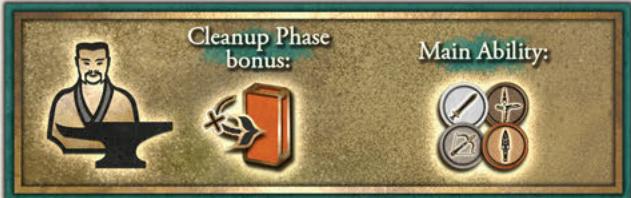
Ready all of your Weapons.
Cleanup Phase bonus: Protect 1 of your wet Clay from fipping to its dry side.
SCORING PHASE
INSPECTORS: Score Inspector to the left first. Score each Inspector's row/column based on the number of Warriors.
Domination: 7. Presence: 3. Important: Kneeling Archers may break ties.After each inspection is finished, move Inspector 1 space. MUSICIANS: Score each Musician separately. Important: a single Warrior that shares a row or column with more than 1 Musician may score multiple.
SCORING TILES: Consult the Scoring tile for the current round, and scorebased on its requirements and depending on the game round.
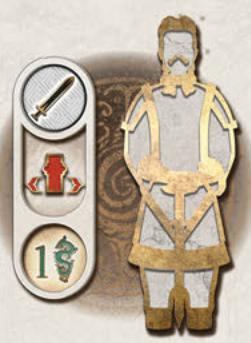
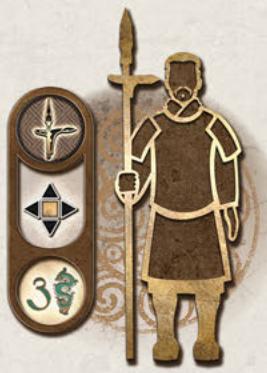
The Officer
Use a Sword to score 1 Victory Point, and you may move 1 Inspector up to 1 step forward or backward on its Inspector track.
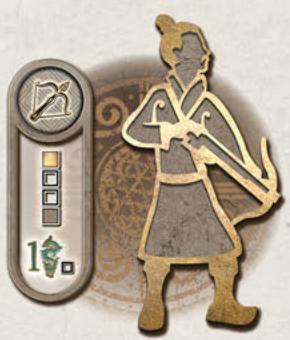

The Cuard
Use a Halberd to score 3 Victory Points, and you may move 1 of your Warriors within the mausoleum any number of spaces in a straight line (through empty spaces only).
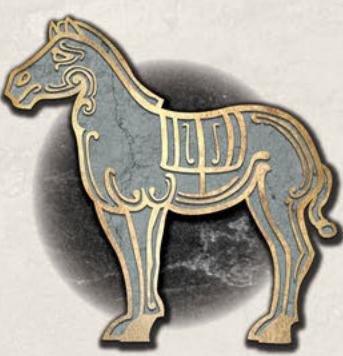
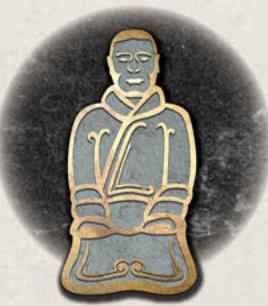
The Crossbowman
Use a Crossbow to score 1 Victory Point for each empty space between this Warrior and any other Statue in the same row or column. If multiple options of scoring exist, you may select any one (and only one) of them.
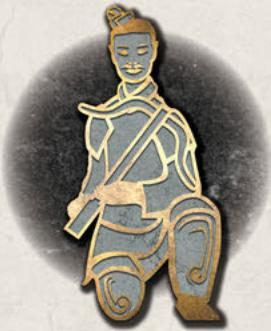
The Soldier
Use a Spear to score 1 Victory Point and take 2 Coins.
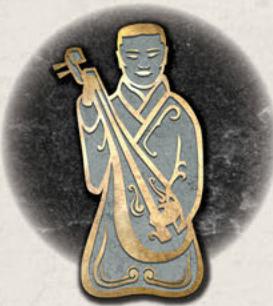
The Horse
This Statue takes up three adjacent spaces in one row or column. The first space must be occupied by one of your existing Warriors. The Warrior is considered to be occupying all three spaces occupied by the horse, but it still only counts as one Warrior of its original type.
The Footman T'he Kneeling Archer T'he Musictan
At the end of the game: Count all Warriors in the 8 spaces surrounding the Footman. The player who has Domination among these Warriors receives 8 Victory Points. All players with Presence score 2 Victory Points each.
When placing, rotate so that the Kneeling Archer faces a Warrior. Counts as a Warrior of the same type as the one it is facing. Breaks ties for the player whose Warrior it faces. Worth 2 Victory Points to the player whose Warrior it is facing at the end of the game.
Each Scoring Phase: Each player scores 1 Victory Point for each of their Warriors sharing row or column with the Musician. A single Warrior may score for multiple Musicians.



WHEEL ACTIONS

TAKE COINS
When resolving this action, take the shown amount of Coins.
TAKE CLAY
When resolving this action, take the shown amount of Clay.
BUILD A WARRIOR
When resolving this action, spend the Clay
as required by the action (place 1 Clay in
the corresponding warehouse and the rest in
the general supply), and then place
the Warrior (with your base) in the
Mausoleum.
SOAK THE CLAY
When resolving this action, flip all of your dry Clay to its wet side.
UPGRADE ASSISTANT
When resolving this action, upgrade the Craftsman used to perform it to an Artisan.
An Artisan may be placed in an Action Space that is empty or occupied by a Craftsman (but never another Artisan).
See page 17 for details.

TAKE THE PRIORITY TOKEN

When resolving this action, take any available Priority token. If it comes with any Clay, receive it immediately.


READY A WEAPON

When resolving this action, flip the corresponding Weapon token to its active side. If the depicted Weapon is already active, there is no further effect.


BUILD A SPECIALIST

When building a Specialist, pay 1 Coin plus any Coins revealed by other Specialists of the same type, and then place it in the Mausoleum.
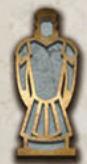
The detailed information on building Specialists and their abilities can be found on pages 15 and 16.
Download MarkdownTexts are community-compiled or publicly released by publishers; copyright remains with the original authors. For personal reference only.