
Unmatched Robin Hood Vs Bigfoot
At a glance
Rules, cards and Q&A (Chinese)
The rules, card data and player questions for this game are written in Chinese. Open the Chinese page to read them.
Where to find full rules
Full rules and card lookup are available in the cunlema app at cunlema.cn — pick this game and ask about any rule, card or turn you are unsure about.
Related games
Rulebook text (Markdown)
This game has 1 rulebook Markdown file(s) in our library; 1 rendered inline below — expand to read or download.
UM-RHvBF rules.md16.6 KB
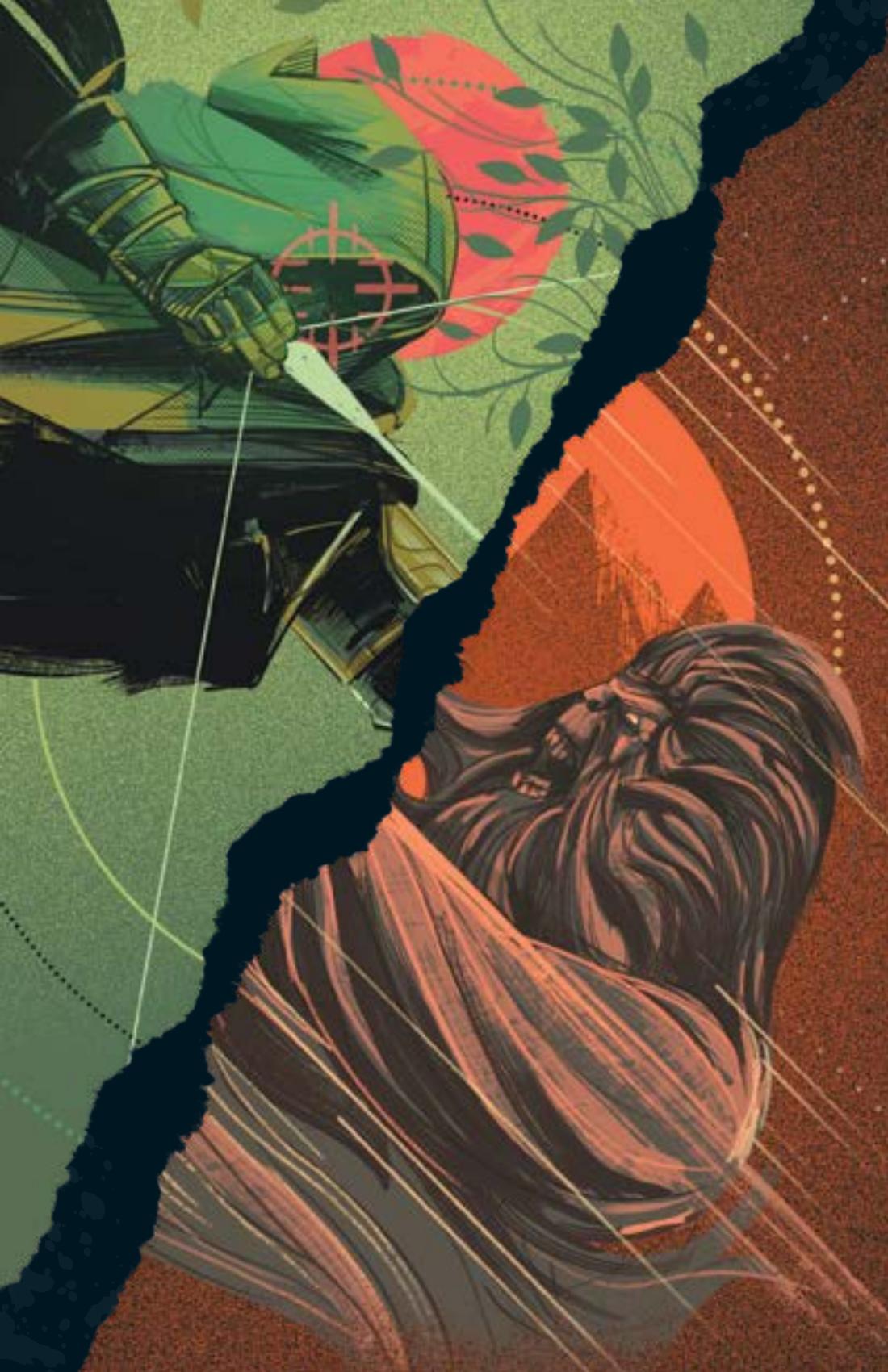
IN BATTLE, THEREARÉ NO EQUALS UNMATCHED ROBINHOOD BIGFOOT RULES
THE UNMATCHED SYSTEM
Unmatched is a miniatures dueling game featuring fighters of all kinds — from the page to the screen to the stuff of legends. Each hero has a unique deck of cards that fits their fighting style.

You can mix and match fighters from any Unmatched set. But remember, in the end, there can only be one winner.
UNMATCHED
CONTENTS
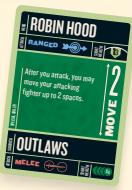
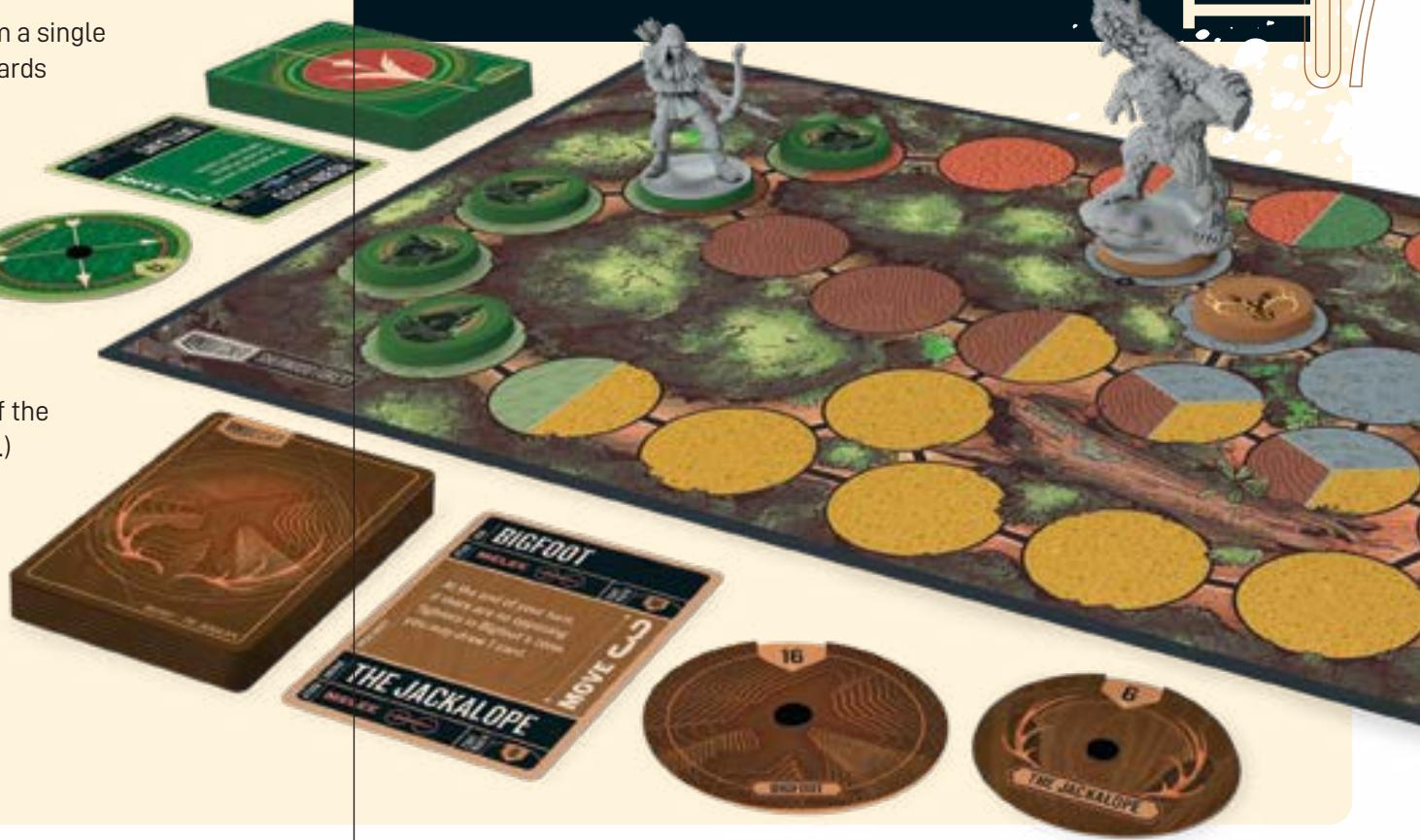
60 ACTION CARDS
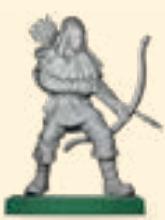
2 HERO MINIATURES

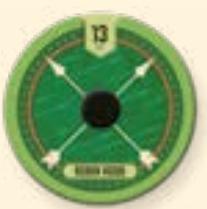
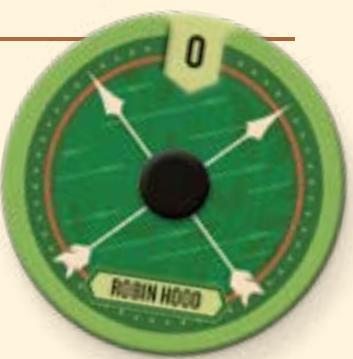
3 HEALTH DIALS
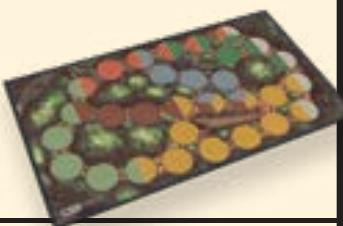
1 DOUBLE-SIDED BOARD WITH 2 BATTLEFIELDS
5 SIDEKICK TOKENS

2 CHARACTER CARDS
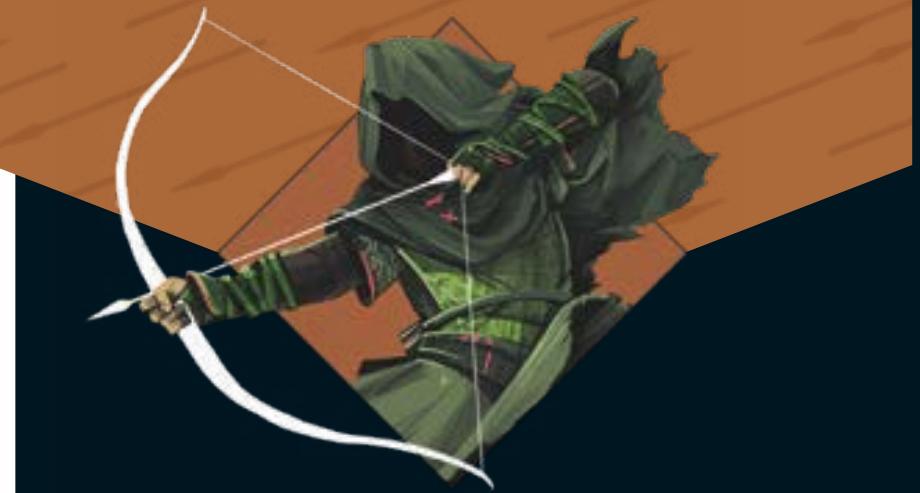
ROBIN HOOD
30 action cards
1 Robin Hood hero miniature
1 Robin Hood character card
4 Outlaw sidekick tokens
1 health dial
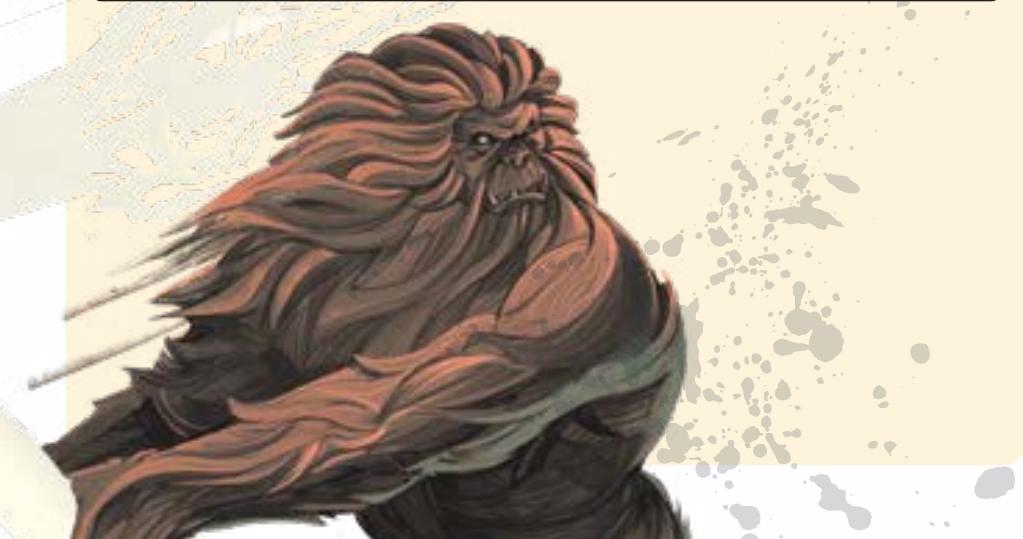
BIGFOOT
30 action cards
1 Bigfoot hero miniature
1 Bigfoot character card
1 Jackalope sidekick token
2 health dials
Before you play for the first time, assemble the health dials by punching out the two circles for each character and connecting them with a rivet.
HEROES& SIDEKICKS
All of your characters in the battle are called your fighters, but your primary fighter is called your hero. Heroes are represented by miniatures that move around on the battlefield.
Your other fighters are called sidekicks. Most heroes have a single sidekick, some heroes have multiple sidekicks, and still other heroes have no sidekick at all. Sidekicks are represented by tokens that move around on the battlefield.
Each hero has a special ability noted on their character card. This card also lists your fighters’ stats, including the starting health of your hero and their sidekick. Fighters’ health is tracked on separate health dials. Fighters cannot gain health higher than the highest number on their health dial.
If your hero has multiple sidekicks, each sidekick only has one health (unless otherwise specified). The character card instead lists the total number of sidekicks.
HOW TO PLAY
Players take turns maneuvering their fighters on the battlefield, playing schemes, and attacking their opponent’s fighters. To win, you must be the first to defeat your opponent’s hero, which happens when they are reduced to zero health.
NOTE These setup instructions and the following rules are for games with2 players. For rules on team play with 3 or 4 players, see page 15.
SETUP
-
Choose a battlefield and place it on the table.
-
Each player chooses a hero and takes the corresponding 30 action cards, character card, hero miniature, sidekick tokens, health dials, and any other components for their hero.
-
Each player sets their hero’s starting health and their sidekick’s starting health on the matching health dials. Starting health is found on the character cards. (Sidekicks without a health dial have only one health each.)

-
Each player shuffles their action cards to form a single deck and places it face down, then draws 5 cards as their starting hand.
-
The younger player places their hero in the space on the battlefield. Then they place their sidekicks in separate spaces within the same zone as their hero. If their hero is in a space that is part of multiple zones, their sidekicks may be in any of those zones. If you have to make a decision about your fighter at the beginning of the game, make it now. (There are none in this set.)
-
The older player places their hero in the space on the battlefield, then places their sidekicks based on the same rules as in step 5.
-
The younger player takes the first turn.
SPACES AND ZONES
The battlefield is made up of circular spaces that the fighters will move between. Each space can only contain one fighter at a time.
Two spaces connected by a line are adjacent. Adjacency is used to determine targets of attacks and various card effects.
The spaces of the battlefield are divided into zones, which are indicated by different colored patterns. All spaces with the same colored pattern are part of the same zone (even if they are in different parts of the battlefield).
If a space has multiple colored patterns, it is considered to be part of multiple zones. Zones are used to determine targets of ranged attacks and various card effects.

ANATOMY OF A CARD
A overall card type:
Attack Defense
Scheme Versatile(attack or defense)
B attack or defense value (if any)
C fighter allowed to use the card
D name of the card
E effect when played (if any)
F BOOST value
G deck that the card appears in
H number of copies in the deck
Each hero’s deck is different, though they may share some cards with other heroes’ decks.

STEP 2: MOVE YOUR FIGHTERS (OPTIONAL)
Your character card lists your move value. During this step, you may move each of your fighters, one at a time, a number of spaces equal to or less than your move value. You may also choose to BOOST your movement (see next page).
When you move a fighter, each space they move into must be adjacent to their previous space. You may move a fighter through spaces occupied by other friendly fighters (i.e., your own fighters) but they cannot end their movement in an occupied space. You may not move a fighter through spaces occupied by opposing fighters.
You may move your fighters in the order of your choice, but must finish each fighter’s move before starting the next. You are not required to move all of your fighters the same distance as each other; you get to choose for each fighter. You are allowed to move a fighter zero spaces.
If an effect ever lets you move your opponent’s fighters, you must respect all of the same movement rules, but from your opponent’s perspective.

When you take the maneuver action, you may boost your movement. To do this, discard 1 card from your hand and add that card’s BOOST value to your movement value. Ignore any effect on the discarded card.

Certain effects (like Robin Hood’s Ambush card) allow you to boost other things, such as the value of an attack.
Cards that can no longer legally be played — because the corresponding fighter or fighters have been defeated — may still be discarded from your hand to boost.

ACTION: SCHEME
When you take the scheme action, you choose a scheme card (indicated by the icon) from your hand and play it onto the table, face up.
You must declare which of your fighters is playing the scheme card; they are the active fighter. Each card in your deck indicates which fighters are allowed to play it. You may not play a scheme card if the listed fighters are defeated.
Resolve the card’s effect, then place the card into your discard pile.
DISCARD PILES
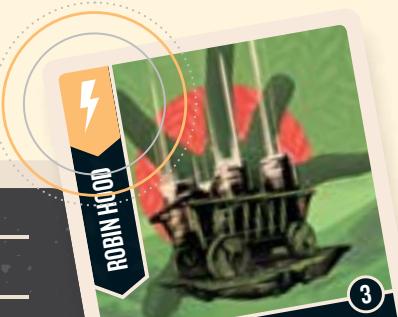
Maintain your own discard pile. All cards, once played and resolved, should be placed in the discard pile. Keep your discard pile face up to differentiate it from your deck. Both you and your opponent are allowed to look through your discard pile at any time.
ACTION: ATTACK
When you take the attack action, you must declare which of your fighters is performing the attack; they are the active fighter. You may not take the attack action if you do not have an attack card in hand or if none of your fighters have valid targets to attack.
STEP 1: DECLARE TARGET
Any fighter may target a fighter in an adjacent space, regardless of what zone they are in.
Fighters with melee attacks (indicated by the icon) may only target a fighter in an adjacent space.
Fighters with ranged attacks (indicated by the icon) may target an adjacent fighter or they may target a fighter anywhere in the same zone, regardless of adjacency.
STEP 2: CHOOSE AND REVEAL
As the attacker, you must choose an attack card from your hand and play it face down in front of you; it must be a card that your attacking fighter is allowed to use. Then the defender may (but is not required to) choose a defense card from their hand and place it face down in front of them; it must be a card that their defending fighter is allowed to use. Once both players have chosen their cards, reveal them at the same time.
VERSATILE CARDS
Cards with the icon are versatile cards. They can be used as attack cards or defense cards. Versatile cards also count as both attack cards and defense cards for the purposes of other game effects.
ACTION: ATTACK (CONTINUED)
STEP 3: RESOLVE COMBAT
Most cards have effects, with labels indicating when they occur: immediately, during combat, or after combat. Unless otherwise specified, card effects are mandatory (which can result in dealing damage to your own fighters or other negative effects).
If two effects would ever appear to resolve at the same time, the defender’s effect resolves first.
After cards have been revealed, resolve any effects that occur immediately. Then resolve any effects that occur during combat.

Then determine the result of the combat. The attacker deals damage to the defender equal to the value of their played attack card. If the defender played a defense card, subtract the value of their played defense card first. For each damage that the defender takes, reduce that fighter’s health by one, adjusting their health dial accordingly.
After the result of the combat has been determined, resolve any card effects that occur after combat. Even if a player’s fighter is defeated during the combat, as long as that does not trigger the end of the game, any after combat effects of their played card still resolve.
After card effects are resolved, resolve any other game effects that occur after combat, such as a hero’s special ability.
Finally, all played cards are placed in their respective discard piles.
WINNING THE COMBAT
Some after combat effects check to see who won the combat.
The attacker won the combat if they dealt at least one damage to the defender from the attack itself (i.e., not from any effects).
The defender won the combat if they took no damage from the attack itself (even if they took damage from effects).
COMBAT EXAMPLE
Rebecca is playing Robin Hood. Bob is playing Bigfoot. It’s Rebecca’s turn, and she wants to attack Bigfoot.

Rebecca attacks Bigfoot with one of her Outlaws. She can’t play Piercing Shot (it’s a Robin Hood card only, and Robin Hood is not
in Bigfoot’s zone) and Defenders of Sherwood is a defense card. She plays Wily Fighting as her attack card, face down.
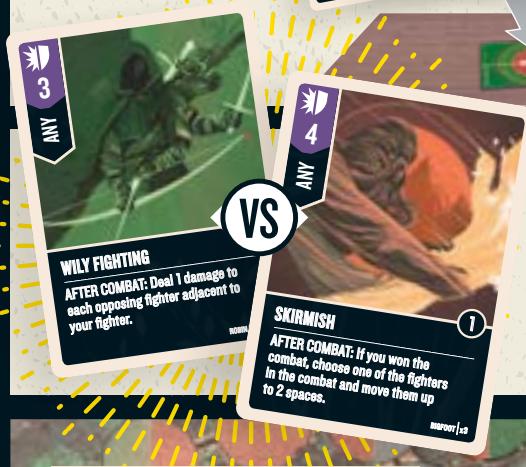
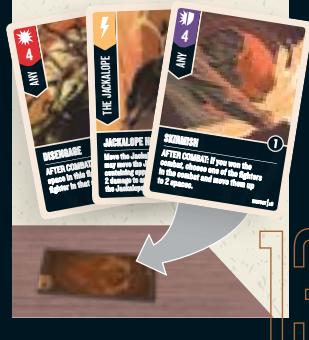
There are no immediately or during combat effects. Wily Fighting has a lower value than Skirmish, so the attack deals no damage. Bigfoot wins the combat (for taking no damage).
Bob plays Skirmish as his defense card, face down.
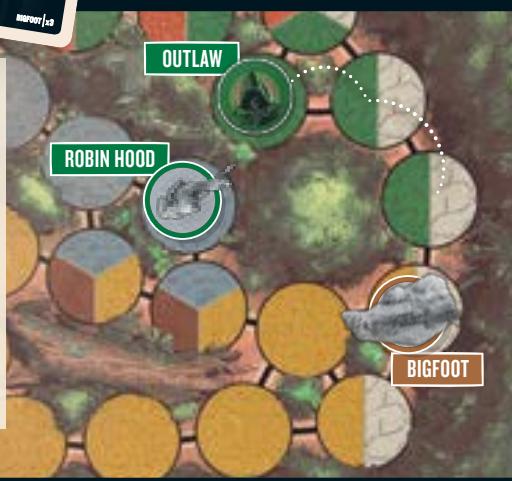
Both cards have after combat effects. The defender (Bigfoot) resolves first. Bob moves the Outlaw 2 spaces away.
Now, Wily Fighting resolves. Rebecca deals 1 damage to all enemy fighters adjacent to the Outlaw. However, there is no adjacent fighter now, so the effect deals no damage.
DEFEATING A FIGHTER
When one of your fighters is reduced to zero health, for any reason, they are defeated.
If your hero’s sidekick is defeated, immediately remove that sidekick token from the battlefield. (A sidekick without a health dial only has 1 health and is defeated if they take any damage.)
If your hero is defeated, you immediately lose the game.
WINNING THE GAME
When your opponent’s hero is defeated, which happens when they are reduced to zero health, the game ends immediately and you win!
(In a team game, both opposing heroes must be defeated.)
TEAM PLAY
NOTE: You cannot use Team Play rules with just the Robin Hood vs. Bigfoot set. You will need more figures and maps that have and spaces.
You can play Unmatched in teams of 2. Teammates sit next to each other on the same side of the battlefield, and they may communicate about their cards and tactics, but each player controls their own hero and sidekicks. Your teammate’s fighters are considered friendly fighters. For team play with three players, one player will control both heroes and sidekicks for one team.
Choose a battlefield with four starting spaces. (Some battlefields have only two starting spaces and therefore cannot be used for team play.)
During setup, players place their heroes in alternating order: First player on Team A places their hero in the 1 space. D First player on Team B places their hero in the D Second player on Team A places their hero in the space. D Second player on Team B places their hero in the space.
When placing their hero, each player also places their sidekicks within the same zone, as normal.
During the game, players take turns in alternating order: D First player on Team A takes their turn. D First player on Team B takes their turn. A Second player on Team A takes their turn. Second player on Team B takes their turn.
This order repeats for the rest of the game.
When a player’s hero is defeated, immediately remove that hero miniature from the battlefield. That player still takes their turns as normal, as long as they have at least one sidekick left. If all of a player’s fighters are defeated, they are eliminated and do not take any more turns.
When both heroes on one team have been defeated, the opposing team wins!
ICON REFERENCE
This card can only be used to attack.
This card can only be used to defend against an attack.
This card can be used to attack or defend.
As an action, this card can be played for its effect.
This fighter may make ranged and melee attacks.
This fighter may only make melee attacks.
CREDITS
Unmatched is a “wonder twins” production by Restoration Games and Mondo Games (we’re Jayna!), which was restored from Star Wars: Epic Duels, designed by Craig Van Ness and Rob Daviau, and published by Milton Bradley. Zone rules inspired by the Pathfinding System from Tannhäuser, designed by William Grosselin and Didier Poli and published by Fantasy Flight Games.
Game Restoration: Rob Daviau and Justin D. Jacobson Graphic Design: Jay Shaw, Jason Taylor, and Lindsay Daviau Cover and Card Illustrations: Oliver Barrett Board Illustration: Juan Esteban Rodríguez Editing: Dustin Schwartz Project Management: Suzanne Sheldon
Thank you to everyone who helped playtest the game! You’re all wonderful people. We mean it. Additional thanks to Drew Dougherty for the rulebook design, and to Kyle Ross, Senshistock, and LyG-photo for illustration pose reference.
©2019 Restoration Games, LLC. The following are trademarks of Restoration Games, LLC: Restoration Games, the Restoration Games logo, Unmatched, the Unmatched logo, the “In Battle There Are No Equals” tagline, and all associated trade dress. Mondo and the Mondo Games logo is a trademark of Mondo Tees, LLC and is used with permission. Restoration Games, LLC is located at 12717 W SUNRISE BLVD, #244, Sunrise, FL 33323. Actual components may vary from those shown. Made in China. THIS PRODUCT IS NOT A TOY. NOT INTENDED FOR USE BY PERSONS 8 YEARS OF AGE OR YOUNGER.
Download MarkdownTexts are community-compiled or publicly released by publishers; copyright remains with the original authors. For personal reference only.