
拉密Rummikub
一句话概览
拉密 是一款已收录于村了吗规则库的桌游,支持 2–4 人,原名 Rummikub。
本页内容:一句话概览 · 游戏概述 · 1. 游戏组件 · 2. 游戏设置 · 3. 合法牌组 · 4. 游戏流程 · 5. 重组牌组 · 6. 百搭牌详解 · 7. 计分与胜负 · 8. 策略建议 · 关键规则与常见问题 · 常见问题
拉密 规则速览
以下规则速览由本站整理,与官方规则书表述不同,仅供快速上手参考。
游戏概述
拉密(Rummikub)是一款以数字牌组组合为核心玩法的桌面游戏。玩家的目标是成为第一位将牌架上所有牌都组合成合法牌组并打光的玩家。核心机制包括手牌管理、拼组接龙与牌组重组——通过灵活拆解和合并桌上的既有牌组来加速出牌。
1. 游戏组件
| 组件 | 数量 / 说明 |
|---|---|
| 数字牌 | 每种颜色 1–13 各 1 张 × 4 色 = 52 张(红、蓝、橙、黑) |
| 百搭牌(Joker) | 2 张 |
| 牌架 | 每位玩家 1 个 |
每只数字牌的分值等于其牌面数字;百搭牌在计分价值 30 分。
2. 游戏设置
2.1 牌库准备
- 将所有牌面朝下放在桌上,彻底洗匀。
- 为方便抓牌,建议将牌叠成 7 张一叠摆放。
2.2 起始玩家确定
每位玩家翻开一张牌,牌面数字最大者成为起始玩家。将该牌放回重新洗匀。
2.3 发牌
- 每位玩家取 14 张牌放入自己的牌架。
- 剩余牌作为「牌库」置于桌边。
2.4 局数设定
由玩家共同决定玩几轮游戏,每轮包含若干局:
| 玩家人数 | 每轮局数 |
|---|---|
| 2 人 | 2 局 |
| 3 人 | 3 局 |
| 4 人 | 4 局 |
3. 合法牌组
游戏中有两种合法牌组,回合结束时桌上只能有合法牌组,不可有独立牌。
群组(Set / Group)
- 3 张或 4 张牌组成。
- 同数字、不同颜色。
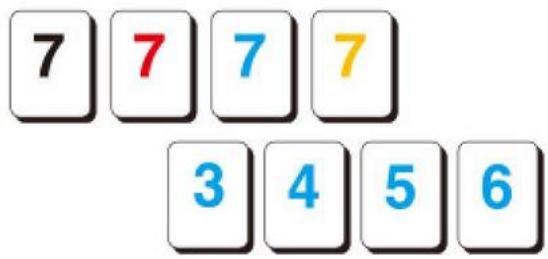
- 例:红色 7、蓝色 7、橙色 7(三张);加黑色 7(四张)。
顺组(Run)
- 3 张或以上牌组成。
- 同一种颜色、数字连续。
- 例:蓝色 3-4-5-6。
- 例外:1 号永远是最小数字,不能跟在 13 号之后。 即 13-1-2 不构成顺组。
4. 游戏流程
游戏按顺时针进行,每位玩家的回合依次行动。
4.1 破冰(首次出牌)
每位玩家的第一次出牌称为「破冰」。破冰要求:
- 从自己牌架上打出一个或多个牌组。
- 这些牌组的分值合计至少 30 分。
- 每张数字牌分值 = 牌面数字。
- 若破冰牌组中包含百搭牌,其分值视为它所代表的那张牌的数字分值。 - 破冰时不可利用桌上已有牌,只能用自己牌架上的牌。
4.2 常规回合
破冰之后的回合法如下:
- 出牌: 可将自己牌架上的一张或多张牌加入桌面上的任何现有牌组,或打出新牌组。
- 重组: 可以操作桌上的牌组(拆解、合并),将自己的牌融入其中(详见第 5 节)。
- 无法出牌时必须抽牌: 如果本回合无法为桌上的任何牌组加牌,也打不出一个新牌组,则必须从牌库抽取一张牌。
- 抽牌后不能立刻出牌: 抽牌结束回合即可,需等到下一个自己的回合才能出牌。
- 左侧玩家接着行动: 抽牌后该玩家回合结束,顺时针左侧玩家开始下一回合。
4.3 一局结束
- 当某位玩家打出牌架上最后一张牌时,立即喊出 "Rummikub!",该局结束。
- 若牌库已空且无人能继续出牌,则游戏直接结束,无需等待有人喊出 Rummikub。
4.4 计时
- 每位玩家每回合限时一分钟。
- 超时惩罚: 从牌库抽一张牌并结束回合。
- 不完整回合惩罚: 若在时限内未能完成整个出牌过程,须将桌上牌组还原、拿回自己的牌,并从牌库额外抽三张牌作为惩罚。该玩家回合随即结束。
5. 重组牌组
重组是拉密最核心的策略环节。玩家可以自由拆分、合并、重组桌上的牌组,只要在自己的回合结束时桌面上所有牌组均为合法即可。以下是主要重组方式:
5.1 直接向现有牌组加牌
将自己牌架上的牌添加到任何已有牌组中,使其更完整或延长。
> 例:桌上有蓝色 4-5-6 顺组,玩家将蓝色 3 加入形成 3-4-5-6,或将另一颜色的 8 加入 8 号群组。
5.2 打新牌组(置换法)
当需要用自己的牌补全一组但又缺少某一颜色时,可先从桌上某牌组中取出需要的牌,再配合手中的牌组成新牌组。
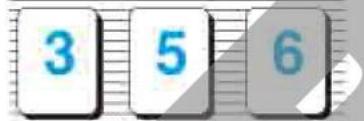
> 例:牌架上已有蓝色 3、5、6,缺 4。玩家从桌上红色群组中拿走蓝色 4,再加上手中其余牌组成新的蓝色 3-4-5-6 顺组。原群组中不足的颜色空缺用另一颜色填补以保持合法。
5.3 拆分顺组(扩两头法)
利用牌架上已有的延伸牌,将某个顺组向两端扩展并拆分成两个新顺组。
> 例:桌上有橙色 4-5-6-7-8 顺组,玩家牌上有红色 1-2-3 和 9-10,于是将顺组分拆为红色 1-2-3 和红色 9-10-X(需其他牌补充)。
5.4 多组重组
可同时操作多个已有牌组,通过跨组取牌、重组,配合手中牌一次性组成全新的一组或多组牌组。
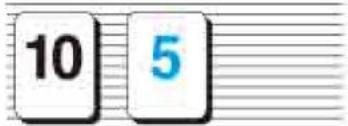
> 例:玩家手持黑色 10 和蓝色 5,同时重组桌上三个既有牌组,最终形成一个新的群组和一个新的顺组。
通用规则
- 重组过程中,可用来自桌上的牌也可用牌架上的牌。
- 回合结束时必须保证桌上全部为合法牌组——不允许留下孤立的牌。
6. 百搭牌详解
6.1 基本功能
- 游戏中共 2 张百搭牌。
- 百搭牌可以代表场上任何缺失的数字牌,它在牌组中所代表的牌的数字和颜色与实际相同。
6.2 换取百搭牌
当某张百搭牌已在桌上使用于某个牌组中时,玩家可以用自己的牌替换它,将百搭牌收入手中,后续重新使用。换取方法:
| 方法 | 说明 |
|---|---|
| 直换 | 用牌架上的一张或两张牌换百搭牌 |
| 加牌换 | 把一张合适的牌加入含百搭的牌组后换走百搭 |
| 拆顺组换 | 拆分一个顺组来获取所需牌从而换走百搭 |
| 多组重组换 | 重组多个牌组来获取所需牌从而换走百搭 |
6.3 特殊限制
- 三只群组中的百搭: 若百搭位于一个仅有三张牌的群组里,可以用该群组缺少的任意一种颜色的对应数字牌去换。
- 换回后的百搭可重新代表任何数字/颜色,但换取者必须在该回合内使用这张百搭组成新的牌组,并且必须使用至少一张自己牌架上的牌。
- 不能在破冰前换取百搭牌。
7. 计分与胜负
7.1 单局计分
有玩家喊出 "Rummikub!" 后,计分如下:
- 输家分数: 未打光牌的每位玩家将自己牌架上剩余牌的分值相加,作为本局所输的分数(负分)。
- 特殊注意:牌架上的百搭牌计 30 分(负分)。
- 赢家分数: 赢家的得分为所有输家分数的总和取正值。换言之,赢家得分 = 输家损失之和,此关系可用于检验是否算错。
7.2 牌库耗尽时的结算
若牌库已空、且无人能打出所有牌:
- 牌架上总牌值最低的玩家胜出该局。
- 各输家将自己的总牌值减去赢家的总牌值,得到本局所输分数(负分)。
- 赢家得分仍为所有输家得分的总和(正数)。
7.3 多轮胜负判定
- 每一轮结束后,统计每位玩家在各局的胜局次数。
- 胜局最多者赢得整轮游戏。
- 若胜局持平,累计总分较高者胜出。
8. 策略建议
- 开局留牌: 游戏初期节奏较慢,保留部分牌不急于打出,等桌上牌组增多后再重组出击,效果更佳。
- 故意留第四张牌: 有时可以不打出群组或顺组的第四张牌,留待下一回合直接用一张即可完成组合,避免被迫抽牌。
- 小心手握百搭: 持有百搭虽便于组合,但一旦被人发现你手上还拿着(30 分负分),其他玩家可能选择此时喊出 Rummikub 让你承受大笔扣分风险。
关键规则与常见问题
易错规则
- 破冰至少 30 分: 仅首次出牌有此门槛,之后无最小分值要求。
- 破冰不可用桌上已有牌: 只用自己牌架上的牌凑满 30 分。
- 抽牌后不能立刻出牌: 抽牌即结束本回合,等下个回合再说。
- 回合末桌上必须全合法: 重组后可暂时混乱,但结束时不留孤立牌。
- 1 号永远最小: 13-1-2 不是合法顺组,1 不能接在 13 后面。
- 百搭仅在群组时为三种可选其一换: 若百搭在三张牌群组中,可用该群组缺少的任一颜色的牌换走。
- 换到百搭须在当回合用完: 换回者必须在同一回合内用这张百搭出新牌组,且牌组中至少含一张手牌。
- 破冰前不可换百搭: 必须先完成破冰才可对桌上百搭动手。
- 超时罚抽 1 张 + 结束回合;不完整回合罚 3 张 + 还原 + 结束回合。
- 百搭在手计 30 分(负分): 尽量早用掉百搭,不要久留。
常见问题
- Q:破冰时百搭牌怎么算分?
A:百搭牌的分值等同于它所代表的那张牌的数字分值。
- Q:牌库空了怎么办?
A:继续游戏直到无人能打为止;牌值最低者获胜,按差值计分。
- Q:重组时可以只用手上的牌吗?
A:可以。重组既可以完全基于手中牌组出新牌组,也可以利用或改动桌上已有牌组。
- Q:换到百搭后,我能留着不用吗?
A:不能。换到百搭的玩家必须在本回合内将它用在新牌组中,且牌组里至少有一张是自己牌架上的牌。
- Q:如何确定谁先出手?
A:每人翻一张牌,数字最大的先手。
常见问题(FAQ)
以下 1 条问答中 0 条来自站内玩家的真实提问,其余 1 条为本站整理的常见疑问;答复内容保持原样。
拉密支持几个人玩?
2–4 人。
去哪查完整规则
想核对具体规则细节、卡牌效果或某个回合的结算方式,可以在村了吗里选中这款游戏后直接提问。
同类桌游
规则原文(Markdown)
本站收录这款游戏的规则原文 2 个文件,此处内联渲染 2 个,可直接展开阅读或下载。
rules_zh_拉密_768.md15.1 KB
Rummikub
将人与人联系起来
7岁至成人
游戏目标:
成为第一位把自己牌架上所有牌组合为合法牌组(顺组或群组)并打光的玩家。
牌组:
游戏有两种合法牌组:
群组由三只或四只同数字但不同颜色的牌组成。
顺组由三只或更多的同色且数字连续的牌组成。
1号永远是最小的数字,不能跟在13号之后。
设置:
把所有牌面朝下放在桌上彻底洗匀。每位玩家翻开一只牌,牌上数字最大的玩家成为起始玩家。把刚才的牌放回桌上重新洗匀。为了方便游戏,我们建议把牌叠成7只一叠。每位玩家拿取14只牌,放到自己的牌架上。余下的牌是为「牌库」。玩家们决定玩多少轮游戏;每轮游戏由多局游戏组成。玩家人数决定了每轮游戏局数一四人游戏由四局组成,三人游戏由三局组成,两人游戏由两局组成。当有玩家打出牌架上最后一只牌时,一局游戏结束。玩家们开始新一局游戏直至玩完商量好的轮数/局数为止。
游戏流程:
每位玩家第一次的出牌称为「破冰」。要破冰的话,玩家必须把价值合计至少30分的一个或多个牌组放在桌面中央。每只牌上的数字就是该牌的分值。这些牌必须出自该位玩家牌架上;破冰时,不可利用桌上已有的牌。破冰牌组里的百搭牌价值它所代表的数字牌的分数。若玩家无法打出牌,或刻意不打出牌,该玩家必须从牌库抽一只牌。抽牌后,该玩家的回合就完结了,他/她左侧的玩家开始下一回合(顺时针)。在玩家破冰以后的回合中,该玩家可把自己牌架上的牌加至任何桌上的牌组中。在任何回合中,若回合玩家无法加牌至桌上的牌组或打出一个新牌组,该玩家必须从牌库抽一只牌并结束回合。玩家在抽牌后不可立刻出牌。玩家必须等到自己的下一个回合才能出牌。
一直进行游戏,直至有玩家打光自己牌架上的牌,然后喊出「Rummikub!」,游戏结束。玩家们各自计算总分(见计算分数)。若牌库已空,而未有玩家打光牌架上的牌,继续游戏直至所有玩家皆无法打出牌为止。游戏结束。
重组牌组方法:
重组牌组是Rummikub里最刺激的部分。玩家们重组桌上的牌组或把自己的牌加至桌上的牌组,尝试打出自己的牌,越多越好。可用多种不同方式重组牌组(见下面范例),唯在回合完结时,桌上只可有合法牌组,不可有独立的牌。


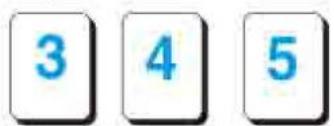
打出牌架上的一只或多只牌以形成新牌组:
牌架上的牌

桌上的牌组

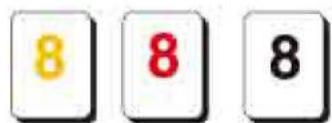
桌上有蓝色的4、5、6号牌。玩家把蓝色3
号牌加至该牌组,蓝色8号牌则加至8号的

群组中。

移除群组中的第四只牌,把它用在新牌组中:
牌架上的牌
桌上的牌组
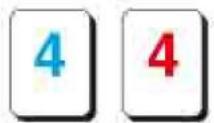

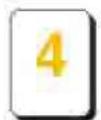
牌架上差一只牌就能组成蓝色顺组。玩家从
桌上4号的群组中拿取蓝色4号牌,然后加上
自己的牌组成3、4、5·6号的蓝色顺组


把一只牌加至只有三只牌的牌组中,以取走其中一只牌,构成新牌组:
牌架上的牌

桌上的牌组

玩家把蓝色11号牌加至顺组中,以把蓝色8
号牌用在新牌组中。


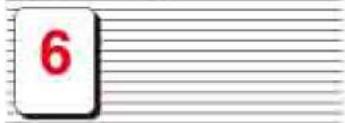
分拆一个顺组:
牌架上的牌
桌上的牌组


玩家分拆一个顺组,并使用红色6号牌

组成两个新顺组。


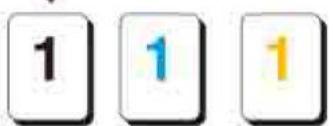
分拆多个牌组然后合并:
牌架上的牌

桌上的牌组


玩家以牌架上的蓝色1号牌、橙色顺组中的1号
牌,和群组中的红色1号牌组成新群组。


分拆多个牌组:
牌架上的牌
桌上的牌组
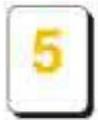


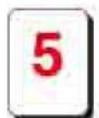
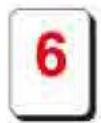


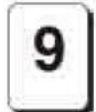
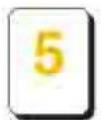
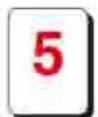
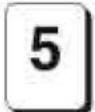
玩家重组三个桌上现有的牌组,以牌架上的黑色10号牌和蓝色5号牌组成三个群组和一个顺组。



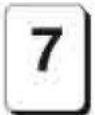
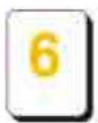
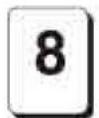

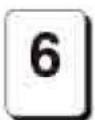


百搭:
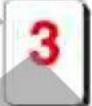
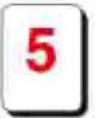
游戏里有两只百搭牌。百搭牌可用来代表牌组里的任何一张牌,它的数字和颜色与它所代表的牌是一样的。在之后的回合中,玩家可在自己的回合中,用能代表该百搭牌的其他牌,去换取百搭牌。用作取代百搭牌的牌可来自桌上的牌组或玩家的牌架。若百搭牌是在三只牌的群组中,玩家可用群组里缺少的两种颜色的任意一种换取百搭牌。
当玩家换了百搭牌后百搭牌可重新代表任意数字及颜色。不过,换了百搭牌的玩家必须在该回合内使用百搭牌组成新的牌组,也必须使用至少一张自己牌架上的牌(一如其他回合)。玩家不能在破冰前换取百搭牌。
换取百搭牌的4种方法:

牌架上的牌
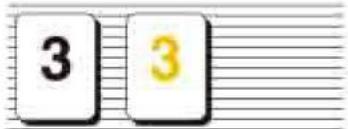
玩家可用牌架上的其中一张或两张牌换取百搭牌。
桌上的牌组




牌架上的牌
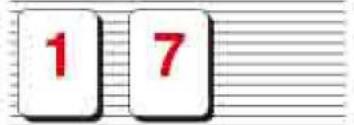
桌上的牌组
玩家分拆顺组


换取百搭牌。

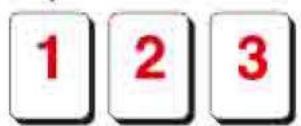


牌架上的牌
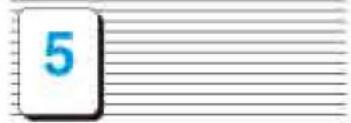
桌上的牌组

玩家把蓝色5加至牌组·换取百搭牌。

换取

3
4
玩家分拆顺组,把黑色1号牌放
桌上的牌组
到1号群组把黑色2号牌放到

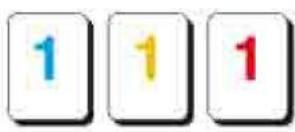

2号群组,换取百搭牌。


换取
时限:

每位玩家每回合限时一分钟。超时的玩家必须从牌库抽一只牌并结束自己的回合。
不完整的回合:
在时限内未能完成整个出牌过程的玩家必须把桌上的牌组还原、拿回自己的牌,并且牌库抽三张牌作为惩罚。
该玩家的回合亦随之结束。
加牌至现有牌组:
玩家可用任何方法把自己的牌加至現有牌組,唯在回合完結時,桌上只可有合法牌組,不可有獨立的牌。
胜利:
当最后一轮结束后,各轮合计赢得最多局的玩家胜出。若遇平手,分数较高的玩家胜出。
计算分数:
当有玩家打光牌架上的牌后及喊出「Rummikub!」后其他玩家各自把自己牌架上余下的牌值加起来·成为该回合的输掉的分数(负分)。赢家的得分是所有输家的得分总和的正数。因此,在每局和每轮结束时赢家的分数应等于输家分数的总和。你可以就此检查有没有计错分数。
留意:牌架上的百搭牌值30分(负分)。
在一些少见的情况下,牌库已空,但仍未有玩家打光牌架上的牌·喊出「Rummikub!」,也没有玩家能打出牌。
这样的话牌架上的牌总值最低的玩家胜出该局。
然后各输家把自己的总牌值减去赢家的总牌值·便是该回合的所输掉的分数(负分)。
赢家的得分是所有输家的得分总和的正数。
在计分后,所有玩家把牌放回桌上,按照设置的规则开始新一局游戏。除了记下分数也请记下玩家赢得的局数。
| 计分表范例: 玩家A 第一局 + 24 第二局 6 - 32 第三局 | 玩家B - 5 - 11 - 13 | 玩家C 玩家D 16 3 22 5 2 +47 41 6 |
策略:
Rummikub开局时的节奏看上去似乎比较慢,但随着桌上的牌组增加,重组的可能性也会增加。
在游戏初段,留着一些牌不打,等到其他玩家增加桌上的牌组,增加重组的机会才打,是个不错的策略。有时候可以留着群组或顺组的第四张牌不打,只打出三只牌,那你下回合就能打出一张牌而不用抽牌。把百搭牌留在自己牌架上也是个好策略;不过你就要承担其他玩家在你手持百搭(30分负分)时喊出「Rummikub!」的风险了。
RUMMIKUB and are Registered Trademarks of M&M Ventures (2014) Limited. All other company or product names are the trademarks or registered trademarks of their respective holders
All rights not expressly granted are reserved.
© 2016 Copyrights M&M Ventures (2014) Limited
Rummikub Jaker © 1950 M&M Ventures (2014) Limited
Manufactured by: Broadway - Domestic (Greater China Region) Sales division of Longshore "WARNING"I Not suitable for children under 36 months. Contains small parts. Choking Hazard! Colors and cornponents may differ from that shown.
Picture is for reference only. Made in China
811_rummikub-rules.md6.1 KB
Rummikub
Table of Contents
-
Contents
-
Object of the Game
-
Sets
-
Set-Up
-
Playing the Game
-
Manipulation
-
The Joker
-
Time Limit
-
Winning and Scoring
-
Strategy
Contents
106 tiles (8 sets of tiles numbered 1–13 in four colors, plus 2 joker tiles), 4 racks + rack holders. (Rummikub XP/Mini XP for 5–6 players uses all 160 tiles—12 sets of 1–13 in four colors and 4 jokers—with 6 racks.)
Object of the Game
To be the first player to play all the tiles from your rack by forming them into sets (runs and/or groups).
Sets
There are two kinds of sets:
-
Group: a set of three or four tiles of the same number in different colors.
-
Run: a set of three or more consecutive numbers all in the same color. The number 1 is always the lowest number—it cannot follow the number 13.
Set-Up
Place the tiles face down and mix them thoroughly. Each player picks a tile; the player with the highest number goes first. Return and re-mix the tiles (stacking in piles of 7 is recommended). Each player takes 14 tiles onto their rack. The remaining tiles form the pool.
A round is made up of multiple games: the number of players determines the number of games in a round (four players = four games, three players = three games, two players = two games), though players may decide the number of rounds. A game ends when a player plays the last tile from their rack; players then start over until they've played the agreed number of games/rounds.
Playing the Game
Each tile is worth its face value. To make an initial meld, each player must place tiles on the table in one or more sets that total at least 30 points. These points must come from the tiles on that player's own rack—for the initial meld, players may not use tiles already on the table. A joker used in the initial meld scores the value of the tile it represents.
When a player cannot play any tiles from their rack (or chooses not to), they must draw a tile from the pool, which ends their turn. Play passes clockwise. After making their initial meld, a player may build onto other sets on the table with tiles from their rack. On any turn a player cannot add to a set or play a set from their rack, they draw from the pool and their turn ends. Players cannot play a tile they just drew—they must wait until their next turn.
Play continues until one player empties their rack and calls "Rummikub!", ending the game (then tally points). If the pool is empty but no player has emptied their rack, play continues until no more plays can be made, ending the game.
Manipulation
Manipulation—rearranging or adding to sets already on the table to table as many of your tiles as possible—is the most exciting part of the game. Sets can be manipulated in many ways, as long as at the end of the turn only legitimate sets remain and no loose tiles are left over. Examples:
-
Add tiles from your rack to a set: e.g. add a blue 3 to a blue 4-5-6 run, or add an 8 to a group of 8s.
-
Remove a fourth tile from a group and use it in a new set: e.g. take the blue 4 from a group of four 4s to complete a blue 3-4-5-6 run.
-
Add a fourth tile to a set and remove one, to make another set: e.g. add a blue 11 to an 8-9-10 run, freeing the 8s to form a new group.
-
Splitting a run: e.g. add a red 6 to split a 4-5-6-7-8 run into 4-5-6 and 6-7-8.
-
Combined split: combine tiles taken from a run and a group with a tile from your rack to form a new group.
-
Multiple split: manipulate several existing sets at once, using tiles from your rack to make new groups and runs.
The Joker
There are two jokers. Each joker can be used as any tile in a set, taking the number and color of the tile needed to complete the set. On future turns, a joker can be retrieved from a set on the table by replacing it (during your turn) with any tile(s)—from the table or your rack—that keep the set legitimate. For a group of three tiles, the joker can be replaced by a tile of either missing color.
When retrieved, the joker again has any value or color. However, a player who retrieves a joker must play it on the current turn to make a new set, and must also use at least one tile from their rack that turn (as on any other turn). A player cannot retrieve a joker before playing their initial meld.
Time Limit
There is a time limit of 1 minute per player, per turn. A player who goes over must draw a tile from the pool, ending their turn.
Incomplete runs: A player who cannot complete a move within the 1-minute limit must restore any moved tiles to their previous positions on the table, take back the tiles they played, and draw 3 tiles from the pool as a penalty. This ends the turn.
Winning and Scoring
When the last round ends, the player who has won the most games across all rounds combined is the winner. In a tie, the player with the highest score wins.
Scoring: After a player clears their rack and calls "Rummikub!", the other players add up the value of the tiles remaining on their racks as a negative figure, and the winner receives a positive score equal to the total of all the other players' points (the winner's score should equal the total of the others' scores). The penalty for having a joker on your rack is 30 points.
In the rare case that all pool tiles are used before anyone goes "Rummikub!" and no player can play, the player with the lowest value of tiles on their rack wins the round. Each player totals their tiles and subtracts it from the winner's total (a negative number each); the total of these negatives is scored to the winner as a positive amount.
After scoring a game, place all tiles back on the table and begin the next game following the Set-Up directions. Keep track of both points and the number of games each player has won.
Strategy
The beginning of a game may seem slow, but as the table builds up, more plays become possible. Early on, hold back some tiles so other players open up the table. It can be useful to hold back the fourth tile of a group or run, playing only three, so you can play a tile next turn instead of drawing. Keeping a joker on your rack is a good strategy—but you risk the 30-point penalty if another player goes "Rummikub!"
下载 Markdown原文为社区整理/出版社公开资料,版权归原作者,仅供个人学习查阅。