
野蛮人柯南Age Of Conan
一句话概览
野蛮人柯南 是一款已收录于村了吗规则库的桌游,支持 2–5 人,原名 Age Of Conan。
本页内容:一句话概览 · 常见问题
这游戏怎么玩
- 本站已收录这款游戏的规则资料,可以在对话里直接提问规则细节。
常见问题(FAQ)
以下 1 条问答中 0 条来自站内玩家的真实提问,其余 1 条为本站整理的常见疑问;答复内容保持原样。
野蛮人柯南支持几个人玩?
2–5 人。
去哪查完整规则
想核对具体规则细节、卡牌效果或某个回合的结算方式,可以在村了吗里选中这款游戏后直接提问。
同类桌游
- 卡坦岛德式
- 工业革命:伯明翰德式
- 勃艮第城堡:特别典藏版德式
- 方舟动物园德式
- 卡卡颂抽象
- 瘟疫危机传承:第一季美式
- 阿瑞迪亚:勇踏征途美式
- 重塑宇宙德式
- 幽港迷城美式
- 埃多拉的德鲁伊德式
规则原文(Markdown)
本站收录这款游戏的规则原文 2 个文件,此处内联渲染 2 个,可直接展开阅读或下载。
rules_en_age-of-conan_160010.md83.0 KB
来源类型:纯文本规则(非 PDF 源,早期抓取/转换产物)
说明:原文未改动,仅调整存放位置与文件名;非 PDF 扫描件,无对应原书 PDF
Age of Conan: The Strategy Board Game Rulebook | RulesPalRulesPalChatRulebookAge of Conan: The Strategy Board GameAge of Conan: The Strategy Board Game Rulebook Table of Contents Table of Contents Welcome
Object of the Game
Game Overview
Components
Game Components
The Board Important Terms
Starting the Game 1. Set Up Kingdoms
-
Draw Objectives
-
Draw Strategy Cards
-
Set up Conan and the Adventure Deck
-
Assign Artifacts and Conan Bonus Card
-
Bid for Conan
Gameplay Turns and Fate Dice
The Fate Dice Pool
Fate Dice Actions Court + Conan
Military
Intrigue
Military/Intrigue
Wild
Contests The Contest Roll
Using Strategy Cards in Contests
Using Sorcery Tokens in Contests
Removing Units, Control Markers, and Emissaries
Conan in a Contest
The Military Contest Campaigns
Sieges
Battles
The Intrigue Contest
Conan's Adventures The Adventure Track
Completing Adventures, and Starting New Adventures
The Age Change Phase 1. Resolve Raids
-
Receive Gold and Objective Prizes
-
Build Cities and Raise Troops
-
Spend Gold
-
Assign Artifacts and Conan Bonus Card
-
Create the Adventure Deck
-
Refresh Play-on-the-table Cards
Winning the Game Empire Points
Ending the Game
Crowning Conan
Final Scoring
Other Rules Kingdom Cards
Drawing Kingdom Cards
Two- and Three-Player Games The Game Board
Strategy Cards
Artifact Cards
Welcome
Welcome to the world of Conan, the barbarian hero created by Robert E. Howard. Age of Conan is a strategy board game that lets each player control one of the four major kingdoms of the Hyborian Age.
Players fight with armies, sorcery, and intrigue to conquer their enemies and make their kingdoms the most powerful in the world. However, only one will win the allegiance of the mightiest hero of all – Conan the Cimmerian!
Object of the Game
In Age of Conan, up to four players compete to build the most powerful Hyborian empire, using military power and political alliances to win over neutral provinces and subjugate the lands of their opponents. The strength of a player's empire is determined by the empire points he accumulates by subjugating provinces and fulfilling in-game objectives. At the end of the game the player with the most empire points is the winner.
Game Overview
In Age of Conan, the four major kingdoms of the Hyborian Age are aggressively expanding their borders and influence, competing to become the most powerful kingdom of the age. Using armies and emissaries, wars and diplomatic intrigue, each kingdom attempts to achieve dominion over its neighbors.
Meanwhile, Conan the Cimmerian, the famous barbarian hero, wanders through western Hyboria. His very presence can disrupt carefully laid plots and turn the tide of battles, and no kingdom can truly control his actions. However, a canny ruler will guide Conan so that his presence confounds the actions of opposing kingdoms, rather than his own.
Eventually, after Conan has undertaken many adventures and the four major Hyborian kingdoms have conquered huge swaths of western Hyboria, the game ends. The most powerful kingdom wins and will dominate the world for ages to come. However, Conan still has one last role to play. A kingdom may try to crown Conan as its king, and if successful, such a kingdom has a good chance of overcoming its rivals. Be warned, though, Conan is savage and unpredictable, and the price for attempting to crown him and failing is steep!
Components
Inside your Age of Conan box, you will find the following components:
This Rulebook
1 Game Board
2 Punchboards of cardboard counters and tokens, containing: 11 Raider Tokens
56 Adventure Tokens
20 Bidding Tokens
32 Gold Tokens
14 Sorcery Tokens
14 "Crom, count the dead!" Tokens
4 Empire Point Counters
1 First Player Token
7 Fate Dice
6 Contest Dice
168 Plastic figures in 4 sets. Each set includes: 18 Army Units
6 Emissaries
9 Towers
9 Forts
1 Conan Figure
1 Conan Destination Marker
165 Playing Cards 27 Adventure Cards
12 Objective Cards
37 Strategy Cards
84 Kingdom Cards (21 for each kingdom)
3 Artifact Cards
1 Conan Bonus Card
1 Conan Player Card
4 Reference Sheets
Before playing your first game of Age of Conan, separate all cards into their individual decks and carefully punch out the cardboard pieces so they do not tear. Separate the plastic components by color. Be sure to keep all components out of the reach of small children and animals.
Game Components
Game Board The game board depicts the Hyborian kingdoms and the lands surrounding them. Over the course of the game, players attempt to conquer these territories through military might and political maneuvering.
"Crom, count the dead!" Tokens Players receive these tokens when they win battles against other players. The player who collects the most "Crom, count the dead!" tokens receives a bonus at the end of the game.
Raider Tokens These tokens are used to represent the disruption caused by Conan raiding and plundering in a province.
Empire Points Counters Players use these to keep track of how many empire points they have accumulated on the empire points track.
Bidding Tokens Players use these to bid for control of Conan at the beginning of an adventure.
First Player Token This token is used to keep track of the player who takes the first turn when beginning a new age.
Adventure Tokens Adventure tokens are used to represent the monsters Conan fights, the women he meets, and the treasures he claims during his adventures. Players collect these during the course of the game and use them to accomplish various goals and claim legendary artifacts.
Fate Dice Players roll these seven dice to determine the actions they can take during the game. Each die has a series of symbols, and each symbol corresponds to an action a player may take on his turn.
Contest Dice Players roll these six dice to resolve contests during the game.
Gold Tokens Gold tokens are used to represent the gold players accumulate during the game.
Army Figures These detailed plastic pieces represent the armies of the four Hyborian kingdoms.
Sorcery Tokens Sorcery tokens are used to represent the sorcerous powers players have at their disposal during the game.
Emissary Figures These detailed plastic pieces represent the diplomatic envoys of the four Hyborian kingdoms.
Kingdom Cards Each Hyborian kingdom has its own specific deck of cards. These represent the special characters, military units, events, and mystical powers at the kingdom's disposal.
Fort and Tower Control Markers Players use the fort and tower control markers to indicate which provinces on the board they have taken control of through military or diplomatic means.
Conan Figure This figure is used to mark the current location of Conan on the game board.
Artifact Cards These cards represent three powerful relics awarded to players during the game, granting them powerful bonuses.
Conan Destination Marker This marker is used to mark Conan's destination on the game board during his adventures.
Adventure Cards These cards represent Conan's adventures throughout the Hyborian kingdoms. Conan's adventures dictate how long the game lasts and affect the players in other ways as well.
Conan Bonus Card During the game, this card is awarded to the player with the lowest score, providing him with a bonus ability.
Objective Cards These cards represent the political and military goals of the Hyborian kingdoms. Each card provides an objective and an empire points bonus to the player or players who achieve it.
Conan Player Card This card is given to the player who controls Conan during one of his adventures, and lists the special abilities this role entails.
Strategy Cards These cards may be used by players to modify their rolls in military or intrigue contests, and are also used by players when they bid to control Conan during an adventure.
The Board
This diagram of the game board identifies its various parts, and shows where many of the components are placed during setup.
Adventure Deck
Current Adventure
Adventure Track
Objectives in Play
Fate Dice Pool
Strategy Deck
Empire Points Track
Important Terms
These are several important terms involving the setup and gameplay on the game board.
A kingdom is the starting province of a player. There are four kingdoms in Age of Conan: Aquilonia, Stygia, Turan, and Hyperborea. A kingdom is also referred to as a "home province."
A friendly province is any neutral province that a player conquers or makes an alliance with. A player's home province is also always considered to be friendly.
An enemy province is any province that is friendly to another player.
A neutral province is any province that is neither friendly, nor enemy.
A savage province is indicated by the crossed bones beneath its province rating, and represents a barbaric region that can only be conquered by a player. Players may never form alliances with savage provinces.
A coastal province is a province that shares a border with the Western Sea or the Vilayet Sea.
There are also three different types of control markers that are placed on provinces during the game.
A player places a fort on a province he has conquered through a military contest.
A player places a tower on a province he has allied with through an intrigue contest.
In the course of a game, a player may build a city on a friendly province. This is indicated by placing a fort marker in a friendly province, then placing a tower marker on top of the fort marker.
For more information on military and intrigue contests, see page 15. For more information on building cities, see page 19.
Note A player never places a control marker of any type on his home province.
The main portion of the board is a map of the Hyborian kingdoms. The map is divided into four main areas. Each area is further divided into a number of territories called provinces.
The North is composed of the purple provinces surrounding Hyperborea.
The East is composed of the yellow provinces surrounding Turan.
The South is composed of the green provinces surrounding Stygia.
Central Hyboria is composed of the red provinces surrounding Aquilonia.
The four kingdoms are marked with special symbols. They lack campaign tracks and province ratings (which other provinces have – see below).
Each province that is not a kingdom contains a chain of symbols referred to as a campaign track. Each symbol depicts a certain terrain type. Campaign tracks are used in certain types of military contests.
Plains
Hills
Woods
Urban
Each province has a numerical value, a province rating. This represents the province's resistance to intrigue and its military strength. This rating is also used to determine how much gold and how many empire points a province is worth.
If a province borders a sea, it is considered coastal.
If the crossed bones icon appears behind the province rating, the province is a savage province.
Starting the Game
1. Set Up Kingdoms
Each player chooses one kingdom he will control during the game. The players may mutually agree on which kingdoms they will play, or they may choose randomly.
After players have decided which kingdoms they will play, each player takes his kingdom cards, bidding tokens, and plastic figures. Each kingdom card is labeled with the name of the kingdom it is used with, and each player should take all of his kingdom's cards, shuffle them into a deck, and place them facedown in front of himself.
The plastic figures are colored by kingdom: the figures for Aquilonia are red, the figures for Turan are yellow, the figures for Stygia are green and the figures for Hyperborea are purple. Each player should take his kingdom's plastic figures, and place them in a reserve pile next to his kingdom deck. Each kingdom also has a set of bidding tokens in its color. Each player should take his kingdom's bidding tokens, and set them next to his reserve pile.
Each player then receives three gold. Stygia and Hyperborea also receive two sorcery. Then, each player places his starting army units on the board, in his kingdom. Aquilonia and Turan each receive five army units and four emissaries as starting units, while Stygia and Hyperborea receive four army units and four emissaries as starting units.
Gold and Sorcery Tokens
The gold and sorcery players collect during the game are represented by tokens. Each token has a number on the back indicating its value, or how much gold or sorcery the token is worth. For example, a gold token with a "5" on the back is worth five gold.
When a player receives gold or sorcery, he takes a number of gold or sorcery tokens from the communal pool with a combined value equal to the amount of gold or sorcery he is instructed to receive. A player may exchange his low-value gold or sorcery tokens for high-value gold or sorcery tokens at any time, provided that the combined value of the tokens the player returns to the pool equals the combined value of the tokens the player receives in return.
Likewise, when a player is required to spend gold or sorcery, he may exchange high value tokens for an equal value in low value tokens in order to spend the exact amount of gold or sorcery required. Spent gold and sorcery tokens are returned to the appropriate communal pool.
Any time a player is supposed to receive one of these resources and there is an insufficient amount of tokens in the communal pool, then the player takes what is available and keeps track of the rest by making a tally on a sheet of paper.
If there is a sufficient quantity of tokens remaining, but a player cannot make the "correct change," another player should exchange tokens of different values with the tokens in the pool to solve the problem.
Aquilonia — Symbol: rearing horse head. Emissary and Army Unit figures colored red. Turan — Symbol: crescent moon. Emissary and Army Unit figures colored yellow/tan. Stygia — Symbol: coiled serpents. Emissary and Army Unit figures colored green. Hyperborea — Symbol: raised open hand. Emissary and Army Unit figures colored purple.
2. Draw Objectives
Shuffle all objective cards into an objective deck. Then draw a number of cards from the deck equal to the number of players (for example, three cards in a three-player game) and put them faceup on the appropriate spaces on the board (see the board setup diagram on pages 6–7). These are the current objectives that are in play.
3. Draw Strategy Cards
Shuffle all strategy cards into a deck, and place the deck within reach of all players. Each player then draws two cards from his kingdom deck and two cards from the common strategy deck. These form each player's hand of cards, and each player keeps his cards secret from the other players.
4. Set up Conan and the Adventure Deck
Place the Conan figure in the province of Cimmeria on the game board. Then shuffle all of the adventure cards into a pile. Draw four random cards to form the adventure deck for the current age and place them facedown on the appropriate space on the board. Then, reveal the top card of the four and place it on the space of the board reserved for the current adventure (see the board setup diagram on pages 6–7). Finally, place the Conan destination marker in the province indicated by the adventure card.
The remainder of the adventure cards are set aside until a new adventure deck is needed later in the game.
Place the adventure tokens in an opaque container, such as a cup or bag. Then, randomly draw a number of adventure tokens from the container equal to the number indicated by the current adventure card. These tokens are placed faceup (so the value and token type are visible) in a single row from left to right, starting with the first token drawn. This line of tokens is called the adventure track.
Adventure Cards
These cards represent the adventures of Conan. Each adventure has a title, flavor text, length (indicating how many adventure tokens are used to form the adventure track), and a destination (the province that Conan must reach to successfully complete the adventure).
Card title.
The destination is the province Conan must reach to complete the adventure.
The flavor text gives a short summary of the adventure.
The length indicates the number of adventure tokens drawn for the adventure.
5. Assign Artifacts and Conan Bonus Card
Shuffle the three artifact cards – the Sword of Atlantis, Cobra Crown, and the Heart of Tammuz – and the Conan bonus card and place them facedown on the board. Each player randomly draws one card, meaning three players start the game with artifact cards, and one player starts the game with the Conan bonus card. (Rules for playing games with less than four players can be found on page 22.)
Each of the three artifact cards provides the player who possesses it with a powerful bonus. This bonus is described on the card.
6. Bid for Conan
At this point, before the first turn begins, all players participate in a round of bidding (the bid phase) to determine which player becomes the Conan player during the current adventure.
First, each player draws one card from the strategy deck and adds it to his hand. Then, each player chooses one strategy card from his hand and places it facedown in front of him. Finally, each player selects one of his bidding tokens and places it, facedown, on top of his strategy card.
When all players have played a strategy card and a bidding token, all cards and tokens are revealed. Each player adds the number on his bidding token to the adventure rating on his strategy card (see page 14). The player with the highest result becomes the Conan player and receives the Conan player card. All strategy cards used in the bidding process are discarded, and all bidding tokens used are set aside.
In case of a tie, the role of the Conan player is assigned to the player with the lowest number of adventure tokens in his possession. If the tied players possess the same number of adventure tokens, the role of the Conan player goes to the player whose kingdom is closest to the Conan figure (determining the distance between Conan and a province is explained in "The Conan Player Turn" on page 10).
Further ties are resolved randomly.
The tokens that the players bid with and then set aside will remain set aside through future bids for Conan during game play, with certain exceptions (see "Bid Tokens" on page 18).
The Conan bonus card allows a player to play a second strategy card to replace his first card during the bid phase, after every players' cards and tokens are revealed. If a player does this, he discards both cards at the end of the bidding phase.
EXAMPLE: In the first bid, Aquilonia uses his "3" token, and a strategy card with an adventure rating of 2. Turan uses his "5" token and a strategy card with a rating of 3. Aquilonia has a total of five and Turan has a total of eight, so Turan wins the bid and becomes the current Conan player.
Once the bidding process is over, the Conan player takes the first turn.
Gameplay
Age of Conan is played over the course of three ages. Each age consists of four of Conan's adventures.
During his turn, a player may have the opportunity to remove adventure tokens from the adventure track and to move the Conan figure to different locations on the board. When all of the adventure tokens on the adventure track are removed, the adventure ends. Players then resolve the old adventure, draw a new adventure from the adventure deck, and continue playing (see "Conan's Adventures" on page 17).
Once all four adventures in the adventure deck are resolved, the age ends. Players participate in a series of activities known as the age change phase (see page 18), create a new adventure deck, and begin the next age.
At the end of the third age, or if a player attempts to crown Conan as his kingdom's ruler, the game ends and players determine who the winner is.
Turns and Fate Dice
Each adventure is broken up into a varying number of player turns. At the start of the game, the Conan player takes the first turn, followed by the player to his left, and so on around the table. If gameplay is ever interrupted due to the end of an adventure or an age change phase, the player who would take the next turn takes the first player token. Once gameplay resumes, the player with the first player token takes the first turn and gameplay continues as normal.
A player's turn usually consists of two steps:
1) Play and Refresh Play-on-the-table Cards Certain kingdom cards, referred to as play-on-the-table cards, may only be played or refreshed at the beginning of a player's turn. At the beginning of his turn, a player may play and refresh as many of these cards as he is able.
More information about play-on-the-table and other kingdom cards can be found on page 22.
2) Use a Fate Die The player chooses one fate die from the fate dice pool and performs the action shown on the fate die he selects (see "The Fate Dice Pool" next).
The Fate Dice Pool
In Age of Conan, which actions a player may take during his turn are determined by the roll of the seven fate dice. Each side of each fate die has a symbol representing an action a player may take during his turn (see "Fate Dice Actions" on the following page).
At the start of the game, the Conan player rolls all seven fate dice. The dice are then placed in the fate dice pool section of the board, without altering their results (see the game board setup diagram on pages 6–7). Then, starting with the Conan player and proceeding clockwise, the players take their turns.
During a player's turn, he must choose one fate die and perform the action shown on that die. The die is then removed from the fate dice pool and may not be used by the other players. Each player only chooses one fate die during his turn.
When the fate dice pool is empty, the player whose turn is next rerolls all seven dice, places them in the pool as before, chooses one of them, and performs the corresponding action. This process continues throughout the game. If gameplay is interrupted due to the ending of an adventure or an age change phase, leave any unused fate dice in the pool. Once gameplay resumes, these dice must be used before the fate dice are rerolled.
The Conan Player Turn
The Conan player has the opportunity to control Conan, so his turn has one additional step. At the very beginning of his turn, the Conan player may move the Conan figure (referred to as "Conan") to any province adjacent to the province it currently occupies. This is in addition to any fate dice actions the Conan player takes during his turn.
If the movement decreases the distance between Conan and the destination marker (measured by how many provinces are between the province Conan occupies and the province the destination marker occupies), then the Conan player takes the leftmost adventure token off the adventure track, and keeps it, facedown, in front of him. A player may look at his own adventure tokens, but other players may not.
If the movement does not shorten the distance, or if the Conan player chooses not to move Conan, the first adventure token is discarded.
If Conan is already occupying the province containing the destination marker, then the Conan player takes the adventure token if he does not move Conan.
EXAMPLE: The current adventure is The Frost Giant's Daughter, which has Nordheim as the destination. Conan is currently in Aquilonia. If the Conan player moves Conan to the Pictish Wilderness, Cimmeria, or to the Border Kingdoms, he receives the first adventure token. If he decides to move Conan elsewhere (or to leave him in Aquilonia), he returns the token to the token container.
Fate Dice Actions
There are five icons on a fate die (one icon appears twice). These icons are court+Conan, military, intrigue, military/intrigue, and wild. Each icon represents an action, and a player may take that action by selecting an appropriate fate die, assuming that one (a) rolled that result, and (b) is still available.
Each action has several options listed beneath it. Except in rare cases, a player may only choose one of these options each time he takes an action. The most notable exception to this rule is when a player chooses the court+Conan action. When he does this, he must perform the Conan action first, then select a court action option to perform.
Court + Conan
Conan The Conan option varies depending on whether the player who selects the action is the Conan player or not.
Conan Player: The Conan player may choose to move Conan to an adjacent province. He may also choose to place a raider token in the province occupied by Conan or in an adjacent province, before or after moving Conan. (Raider tokens are explained on page 19). This movement is in addition to the Conan player's moving Conan at the beginning of his turn. The Conan player does not take an adventure token, however, when using the court+Conan die to move Conan.
Non-Conan Player: Before taking a court action, the non-Conan player takes the leftmost adventure token from the adventure track. He keeps it, facedown, in front of himself.
EXAMPLE: During a previous turn, Aquilonia started a campaign in Argos, and now has a three-unit army on the second step of the campaign track of Argos. He also has a two-unit army in Aquilonia, and a four-unit army in Ophir, which he already subjugated. With a military action, he could rearrange his troops in different ways to continue his campaign to subjugate Argos: (See "Military Contests" on page 15 for more information on these actions.)
(i) He may move one of the units in the two-unit army in Aquilonia to friendly Ophir, to create a five-unit army there; then he could start a contest in Argos with the army there;
(ii) He may move three of the units in the Ophir army to Aquilonia, creating a five-unit army there. He may then move two of the units of the army in Aquilonia to Argos, to join the army there, creating a campaigning five-unit army. This move would count as an attack, not a redeployment, because Argos is not friendly. He may then continue the campaign in Argos.
(iii) He may choose not to move his armies, and simply attack Argos by moving the two-unit army in Aquilonia to Argos (creating a five-unit army there), and then continuing the campaign to subjugate this province.
Court A player must select one of the following to perform a court action:
The player draws one card from his kingdom deck and one card from the strategy deck.
The player draws two cards from the strategy deck.
Certain kingdom cards known as event cards require a court action to play. A player may play one such event card from his hand as his court action, instead of drawing cards.
Military
A player must select one of the following to perform a military action:
The player may move up to two armies to adjacent, friendly provinces. Army movement is described in the sidebar on the next page.
The player may move one army to an adjacent, friendly province, and then attack with any friendly army. Players attack by moving an army located in a province into one adjacent neutral or adjacent enemy province and starting a military contest there, or by not moving an army and starting a military contest in a province already containing a friendly army on campaign. Military contests are described on page 15.
The player may place an army unit in up to two different friendly provinces from his reserve pile, as long as he has less than 18 units in play.
Note: All army units present in a single province are collectively called an army.
Army Movement
A player may never have more than five army units in a single province. If this occurs for any reason, he must immediately remove the extra units.
A player moves armies by selecting a province containing one or more of his army units. The player then moves any number of those units (now grouped together and considered an "army") into any adjacent province.
If the province the army entered is a friendly province, then the army's movement ends. If it is an enemy or neutral province, the army's movement ends and the appropriate military contest immediately takes place. Moving into a neutral or enemy province is considered an attack. More information on military contests can be found on page 15.
Exception: Army units may never enter another player's home province.
Exception: A player may have more than five army units in his kingdom (home province).
Intrigue
A player must select one of the following to perform an intrigue action:
The player may move up to two of his emissaries. Emissary movement is described in the sidebar below.
The player may move one of his emissaries. Then, he may start one intrigue contest in a neutral or enemy province containing one of his emissaries. Intrigue Contests are described on page 17.
The player may move one of his emissaries. Then, he collects gold in an enemy province containing one of his emissaries. To do so, the player removes the emissary from the board and receives gold from the communal gold pool equal to the rating of the province the emissary occupied.
Emissary Movement
A player moves an emissary by selecting one of his own emissary figures currently on the game board. The emissary may move to any adjacent province. If the province is a friendly province or a province that contains another of that player's emissaries, the player may move his emissary again, into another adjacent province. If these conditions are not met, the emissary stops moving and remains in the province it just entered. An emissary may never enter another player's home province.
Emissaries are moved one at a time, so it is possible for players to create a 'bridge' of emissaries to get an emissary into a particular province.
Note: An unlimited number of emissaries may occupy a province.
The player places an emissary from his reserve pile on any friendly province on the board. He may only do this if he has less than six emissaries in play.
Military/Intrigue
When a player selects a military/intrigue die, he must choose whether he wants to perform a military or intrigue action. He then selects one of the options available for the action he selected, as if he had selected a military die or an intrigue die.
A player may never use a military/intrigue die to perform a military action if a military die is available in the fate dice pool. Likewise, he cannot use it to perform an intrigue action if an intrigue die is available.
Wild
When a player selects a wild die, he must choose either a military, intrigue, or court action. If the player chooses the court action, he ignores the Conan part of the instructions for the court+Conan die, and only chooses one of the options for the court part.
When selecting a wild die, a player may never choose an action that would have been available to him had he selected a different available fate die. This means, for example, that a player may not use a wild die to choose a military action if there is a military die or a military/intrigue die in the fate dice pool.
EXAMPLE: At the beginning of the game, the Turan player uses an intrigue die to move two emissaries. The first emissary moves from Turan to Zamora, and must stop there, as that province is not friendly. The second emissary, who is also starting his movement in Turan, moves from Turan to Zamora. As that province has one friendly emissary already in it, the second emissary may continue, and moves from Zamora to Koth, where he stops, as that province is not friendly and does not have a friendly emissary in it.
Contests
In Age of Conan, players invade provinces and fight battles with their armies, and form or break alliances using their emissaries. These actions are generally referred to as contests. There are two types of contests: the military contest and the intrigue contest.
A military contest may be either directed against a province or against the army of another player, while an intrigue contest is always directed against a province.
The military contest is explained in detail on page 15, and the intrigue contest is explained in detail on page 17. However, both types of contests follow the same general rules.
All contests have an attacker (the player starting the contest), and a defender. The defender may either be another player, or a neutral province, depending on the situation. If the defender is a neutral, uncontrolled province, the defense is handled by the player to the left of the attacker for the purposes of rolling dice and making any necessary decisions.
The Contest Roll
Contests are resolved through contested dice rolls. Both players involved in a contest roll a specific number of dice (determined through various in-game factors) and compare their results. The player with the most successful die rolls (see below) wins the contest. This is referred to as the contest roll.
The contest dice are the dice used in all types of contests. There are six contest dice, but normally, no more than five may be rolled by any one player during a contest. There are certain special situations where the sixth die is used. However, the absolute maximum number of dice a player may roll during a contest is six.
During a contest, the attacker rolls first. Then the defender rolls.
If two players roll the same number of successful die rolls, then the defender wins the contest.
A successful die roll is determined by the results shown on the contest die after it has been rolled. Certain contest die results are successes, others are failures, and others are only successes under certain conditions.
EXAMPLE: The attacker rolls three dice, with the following results: Hit, Hit+Conan, Axe.
The attacker did not play a card, so the axe does not count as a success. Therefore the attacker scores two successes.
The defender rolls two dice, with the following results: Hit, Shield.
He only scores one success, so the attacker wins.
Using Strategy Cards in Contests
When a player participates in a contest involving his army units, emissaries, or a province he controls, he can choose to play one strategy card from his hand before the contest dice are rolled.
Strategy cards modify the die rolls in contests by allowing players to count shield or axe results as successes instead of failures. If a player wishes to use a strategy card, he must play it before he rolls his dice in a contest.
Each strategy card can only be used to affect contests in certain provinces. When using a strategy card in a military contest, consult the four terrain icons on the bottom of the card. If an icon is not greyed out, it means the strategy card may be played to affect a military contest occurring on that terrain type. The terrain types military contests occur on is discussed in more detail in the military contest section on page 15.
When using a strategy card in an intrigue contest, consult the map on the card. One of the four colored areas on the map will be labeled "2-4," and another will be labeled "2-3." In a standard four-player game, the strategy card may be only used to affect an intrigue contest occurring in the area labeled "2-4." In a smaller two- or three-player game, the strategy card may be used to affect an intrigue contest occurring in either the area labeled "2-4" or the area labeled "2-3." In other words, in games with fewer players, a strategy card may be played in a larger number of provinces. Games with less than four players are covered in more detail on page 22.
After being played to modify a military or intrigue contest dice roll, a strategy card is discarded.
Exception: If the defender in a contest is a neutral province, the player rolling for the defender may not use a strategy card to modify his roll.
EXAMPLE: In the previous example, if the defender had used the strategy card in the sidebar below (which has the shield icon, meaning he can count shields as successes) before rolling his dice, he would have rolled two successes instead of one. In that case, the defender would have tied with the attacker for the greatest number of successes, and the defender would have won the contest.
Strategy Cards
These cards are used by all players for two purposes. They are used when bidding to become the Conan player at the beginning of a new adventure, and they can be played to modify intrigue or military contests.
The adventure rating is the value of the card when a player uses it to bid to become the Conan player.
These symbols indicate which dice results count as successes when a player uses the card to modify an intrigue or military contest dice roll.
During an intrigue contest in a two, three, or four-player game, this card may affect this area of the game board. In such a game, this card may be played in the North.
During an intrigue contest in a two or three-player game, this card may affect this area of the game board. In a such a game, this card may also be played in Central Hyboria.
During a military contest, this card may affect these terrain types on a campaign track. This card may be played to affect any military contest occurring on a plains terrain.
Using Sorcery Tokens in Contests
Players may use sorcery tokens to reroll the results of their die rolls during intrigue or military contests. A player wishing to do so must discard one of his sorcery tokens (returning it to the communal sorcery token pile) immediately after rolling his contest dice. He may then reroll all of the dice he just rolled. (He must reroll all the dice, however. He cannot choose to reroll some and not others.)
All modifiers that applied to the first roll still apply to the reroll. A player cannot wait to use a sorcery token until after his opponent has rolled dice.
A player can only use one sorcery token per dice roll.
Exception: If the defender in a contest is a neutral province, the player rolling for the defender may not use a sorcery token.
EXAMPLE: In this example, the defender only rolls one success and he decides to spend a sorcery token to reroll the dice. This time, he rolls two hits.
The defender now has two successes, as many as the attacker. The two players are tied for the most successes, so the defender wins the contest.
Removing Units, Control Markers, and Emissaries
During contests, players are often required to remove one of the army units, emissaries, or control markers involved in the contest. If a player is required to do this, he should take the unit, emissary, or control marker from the board and return it to his reserve pile.
Conan in a Contest
Conan's presence in a province may influence any contests taking place there in a variety of ways.
Conan Player If the Conan player is involved in a contest in a province where Conan is present, the Conan player gets to add an additional die to the amount of contest dice he rolls (up to a maximum of six dice). Additionally, any hit+Conan results count as two successes, instead of one.
EXAMPLE: Aquilonia, the current Conan player, is starting a military contest in the Pictish Wilderness. He has five army units and Conan is currently in the Pictish Wilderness. Due to the presence of Conan, Aquilonia rolls six dice, instead of five. He rolls and the dice show: Hit, Hit+Conan, Hit (Attacker), Shield, Miss, Miss.
The total number of successes is four: one for the hit result, one for the hit (attacker) result, and two due to the hit+Conan result. The defending player only rolls three successes, and the Aquilonia player is victorious.
Conan in a Neutral Province If a non-Conan player is attacking a neutral province where Conan is present, the defender (the player rolling for the neutral province) adds an additional die to the amount of contest dice he rolls (up to a maximum of six dice). Additionally, any hit+Conan results count as two successes, instead of one.
If two non-Conan players participate in an opposed contest roll in a neutral province where Conan is present, Conan does not affect either of their die rolls.
The Military Contest
Military contests are used to represent the battles and sieges fought in the Hyborian Age. Players use military contests to subjugate neutral provinces, lay siege to enemy provinces, and destroy enemy armies.
Types of Military Contests There are three types of military contests:
A campaign is fought when a player uses one of his armies to subjugate a neutral province.
A siege is fought when a player uses one of his armies to attack an enemy province (a province controlled by another player).
Exception: Players may never attack the kingdom (home province) of another player.
A battle is fought when the armies of two players confront each other in a neutral province.
All of the general rules for contests apply to these three types of military contests. In addition, there are specific rules for each type of military contest.
Note: Certain conditions determine how many dice each side rolls during a military contest. These conditions can change depending on the type of contest, and are explained fully in the contest descriptions on pages 15-17.
Campaigns
When a player moves an army into a neutral province, he begins a campaign to subjugate it. A campaign represents a series of battles fought to conquer the province.
Each province has a campaign track. This is a series of icons located beneath the province rating, with each icon representing one of four terrain types: plains, woods, hills, and urban terrain. Each icon also represents a battle the invading army will have to fight, so the number of icons is the number of battles in the campaign.
When an army starts a campaign, place one of its units on the leftmost icon of the campaign track. Then resolve a military contest where the player with the army is the attacker, and the neutral province is the defender.
Number of Dice Rolled
The amount of dice the attacker rolls is equal to the number of units in the army he currently has in the neutral province.
The amount of dice the defender rolls is equal to the province rating of the neutral province.
EXAMPLE: A five-unit Aquilonian army is trying to subjugate neutral Argos. The attacker rolls five dice, and the defender only rolls four.
Determining Terrain Each icon on the campaign track represents a specific type of terrain. This determines which strategy cards the attacker is allowed to play to aid him in his contest. During a campaign, the icon on the campaign track the attacking army unit is currently occupying is the terrain where the contest is taking place. Therefore, the icon must match one of the icons on the strategy card the attacking player is attempting to use.
EXAMPLE: The Aquilonia army is campaigning in Ophir, on the first icon of the campaign track. The terrain icon is plains, so by playing the strategy card shown, Aquilonia is able to count shield or axe results in his contest roll as successes.
Presence of Raider Tokens If a neutral contested province contains one or more raider tokens, the defender counts any axe results in his contest roll as successes. After each contest roll defending a neutral province containing raider tokens, discard one raider token from the province.
Outcome of a Campaign Contest
If the attacker wins, the attacker moves his army unit on the campaign track one icon to the right (unless it was already on the rightmost icon, see below). Then the attacker's turn ends. In a subsequent turn, the attacker may use a military action to continue his campaign and fight another contest in the province. This contest occurs in the same manner as the previous contest.
If the attacker does not win the contest roll, he must remove one unit from the army in the contested province. The attacker does not move the army unit he has on the campaign track, and his turn ends. However, in a subsequent turn, the attacker may still use a military action to continue his campaign.
If the army unit occupies the rightmost icon of the campaign track and the attacker wins the contest, the campaign is over and the province has been subjugated. The attacking player removes one unit from the army to place one fort in the province. The province is now friendly towards the attacking player. The player receives an amount of empire points equal to the province's rating. (For more information on empire points, see "Winning the Game" on page 20.)
EXAMPLE: The Aquilonia player rolls dice to subjugate Ophir, and rolls three successes (one hit, one hit/attacker, and one axe that is counted as a success thanks to a strategy card), while attacking with five units. The defender rolls three dice on behalf of neutral Ophir, but only rolls two hits, hence two successes. The Aquilonia player wins the contest, so he advances his army unit on Ophir's campaign track one icon to the right.
Forced March When the contest roll is complete, normally the attacker's turn ends. However, the attacking player may decide to immediately continue his campaign by performing a forced march. An attacking player can perform a forced march whether he won the contest roll or not.
To perform a forced march, the attacker removes one of the units from the army he has in the neutral province. He may then immediately fight another military contest in the neutral province.
It is possible to perform a forced march more than once in the same turn.
EXAMPLE: Continuing the previous example, after advancing to the second icon of the Ophir campaign track, Aquilonia decides to perform a forced march. He removes one unit from his campaigning army (reducing his army from five units to four units), then immediately starts a new contest. Once again he wins the roll, and Ophir is subjugated with a single, sweeping assault!
Sieges
When a player moves his army into an enemy province, a siege takes place. Sieges are mandatory – a player may never "move through" another player's province without attacking it.
When two players fight a siege, they participate in a series of military contest rolls with the player who initiated the contest by moving his army into the province as the attacker, and the player controlling the province as the defender.
Number of Dice Rolled
The attacker rolls an amount of contest dice equal to the number of army units in his attacking army.
The defender rolls an amount of contest dice equal either to the number of his army units currently occupying the province, or the province rating of the province, whichever is higher.
Determining Terrain and Using Cards and Sorcery The first icon on the contested province's campaign track indicates on what type of terrain the siege takes place. This is used to determine which strategy cards may be used in the contest. In a siege, both players involved may use strategy cards, kingdom cards, and sorcery.
EXAMPLE: The Turan player attacks Ophir with a five-unit army. Ophir is controlled by Aquilonia. The Aquilonian player has a two-unit army there, and Ophir has a province rating of 3. The defender takes the higher number, and will roll three dice. The attacker will roll five. The first icon on the Ophir campaign track is plains. Therefore, the defender and attacker may only use strategy cards with the plains icon.
Outcome of a Siege Contest Roll
If the attacker wins the contest roll, the defender must remove one of his army units from the contested province. If there are no defending army units, the control marker (fort, tower, or city) must be removed instead.
Note: Although a city consists of a tower stacked on top of a fort, it is considered one control marker, not two.
If the attacker loses the contest roll, he must remove one army unit from his army in the contested province.
At the end of the siege contest, the attacker chooses whether he wants to stop the siege and retreat to the province his army previously occupied. If he does so, he immediately moves his army back to that province. If he does not, the two players fight another siege contest. Successive contests continue until the attacker decides to retreat, the attacking army is completely removed, or the defending army and control marker are removed. The attacker's turn does not end until the siege is completed.
Note: The defender can never retreat from a siege.
After the Siege If all units in the defending army, as well as the defending control piece, are removed from a province, the province reverts to neutral status. A unit from the attacking army is placed on the leftmost icon of the province's campaign track. In a later turn, the attacking player can decide to start a campaign, or he may do so immediately by performing a forced march. Both options follow all the rules for a campaign.
If all units in the attacking army are removed or retreat, the defender remains in control of the contested province.
"Crom, count the dead!" If an attacker successfully completes a siege, he receives a "Crom, count the dead!" token. If the attacking army is completely removed or retreats, the defender receives a "Crom, count the dead!" token. These provide benefits at the end of the game.
Battles
When a player moves an army into a neutral province containing another player's army, a battle ensues. Battles are mandatory – the armies of two players may never coexist in the same province.
When two players fight a battle, they participate in a series of military contest rolls, with the player who initiated the contest by moving his army into the province as the attacker, and the player whose army was already in the province as the defender.
Number of Dice Rolled
The attacker rolls an amount of contest dice equal to the number of units in his army.
The defender rolls an amount of contest dice equal to the number of units in his army.
Determining Terrain and Using Cards and Sorcery The icon on the campaign track currently occupied by the defending army indicates the terrain used in the contest. This is used to determine which strategy cards may be used in the contest. In a battle, both players may use strategy cards, kingdom cards, and sorcery.
EXAMPLE: The Turan army is campaigning in Koth, and is on the second step of the campaign track – woods. The Aquilonian player advances on Koth, and attacks the Turan army there. The terrain used, based on the position of the Turan army, is woods.
Outcome of a Battle Contest Roll
If the attacker wins the contest roll, the defender removes a unit from his army participating in the battle.
If the defender wins the contest roll, the attacker removes a unit from his army participating in the battle.
After the contest roll is completed, the attacker may choose to end the battle and retreat to the province his army previously occupied. If he does so, he immediately moves his army to that province. If the attacker chooses not to retreat, the defender may choose to retreat and move his army to any adjacent friendly province. If there are no adjacent friendly provinces, he may not retreat.
If neither side retreats, new battle contests are fought until one combatant decides to retreat, or one army is completely removed. The attacker's turn does not end until the battle is completed.
After the Battle If the attacker eliminates the entire defending army or forces the defender to retreat, he places a unit from the attacking army on the leftmost icon of the campaign track. In a later turn, the attacker can decide to start a campaign, or he may do so immediately by performing a forced march. Both options follow all the rules for a campaign.
If the defender eliminates the entire attacking army or forces the attacker to retreat, his army remains in its current position on the campaign track. In a later turn, he may continue the campaign to subjugate the neutral province.
"Crom, count the dead!" If either player in a battle successfully forces the other player to remove all of his army units in the battle, or forces the other player to retreat, the victorious player receives a "Crom, count the dead!" token. These provide benefits at the end of the game.
The Intrigue Contest
Intrigue contests represent the diplomacy and political maneuvering between the Hyborian nations. Players use intrigue contests to convince neutral provinces to ally with their kingdoms, or to break alliances between enemy provinces and other players.
Purposes of an Intrigue Contest A player must have an emissary in a province where he wants to perform an intrigue contest. A player can never attempt an intrigue contest in a savage province, a home province, or a province that contains an enemy fort, city, or enemy army.
Intrigue contests may be used for two different purposes. A player can start an intrigue contest in a neutral province to ally the province with his kingdom, converting the province to a friendly province. A player can also start an intrigue contest in an enemy province, to return the province to neutral status.
The player who initiates an intrigue contest is the attacker, and the neutral province or the player who controls the targeted province is the defender. An intrigue contest consists of a single contest dice roll between the attacker and the defender.
Use of Strategy Cards A player may only use a strategy card if the area indicated on the card contains the province over which the intrigue contest is being made. In a four player game, this is the area labelled "2-4." In a two- or three-player game, the card can be used in additional areas. See "Playing a Two or Three Player Game" on page 23 for more information.
EXAMPLE: Turan starts an intrigue contest in Brythunia, in the North. The North is labeled "2-4" on the card, so Turan counts any shield results in the ensuing intrigue contest roll as successes.
Number of Dice Rolled The number of contest dice the attacker in an intrigue contest rolls is equal to one, plus the number of provinces adjacent to the contested province that are either friendly to the attacker or contain a friendly emissary.
EXAMPLE: Turan has an emissary in Koth, an emissary in Zamora, and controls Turan. He wants to start an intrigue contest in Zamora, so he will roll three dice: one, plus one for the emissary in Koth (which borders Zamora), plus one for his control of Turan (which also borders Zamora).
The number of dice the defender rolls varies depending on whether the target is a neutral province or enemy province.
If the province is neutral, the defender rolls a number of dice equal to the province's province rating.
If the province is an enemy (to the attacker), the defender rolls a number of dice equal to the province's province rating plus one.
EXAMPLE: Zamora normally has a rating of 4, so the defender rolls four dice. If Zamora becomes allied to the Turan player, Turan will roll five dice in any subsequent intrigue contests to defend his alliance with Zamora.
Outcomes of an Intrigue Contest Roll If the attacker is attempting to establish an alliance with a neutral province and wins the contest roll, he removes his emissary (returning it to his reserve pile) and places one of his tower control markers on the province. The province is now friendly to him. The attacker also receives an amount of gold equal to the province's province rating from the communal gold pool. If the attacker loses the contest roll, the emissary remains in the neutral province and nothing happens.
If the attacker is attempting to cancel an enemy alliance and revert a province to neutral status, and wins the contest roll, the defender removes his tower control marker from the province. The province is now neutral, and the attacker's emissary remains in the neutral province. If the attacker loses the contest roll, he removes his emissary from the board.
Conan's Adventures
Age of Conan is set in the period of time when Conan the Barbarian is adventuring throughout the lands of Hyboria, before the crowning of the hero as the king of one of the Hyborian kingdoms. Conan's adventures determine how long the game lasts, and may affect the players as they strive to conquer Hyboria.
The Adventure Track
As explained in the game setup section (see pages 8-9), each adventure card has a number in the lower right corner that determines its length. This number indicates the amount of adventure tokens randomly drawn from their opaque container and placed, faceup, on the appropriate spaces below the adventure deck on the game board. These tokens form the adventure track.
Adventure tokens represent Conan's achievements during his adventures – monsters killed, treasures stolen, and women who fall in love with the barbarian hero. Players receive these adventure tokens in two ways:
The Conan player takes one adventure token from the track when he helps Conan successfully complete his adventure by moving Conan closer to the destination listed on the adventure card. See "The Conan Player's Turn" on page 10 for more information.
Non-Conan players take one adventure token from the adventure track each time they use a court+Conan fate die.
Players keep the tokens they have accumulated facedown in front of them and do not reveal them to other players except in specific instances. The number of tokens in a player's possession, however, should be visible to all other players.
Exception: Players may look at their own tokens at any time.
Completing Adventures, and Starting New Adventures
When any player takes or discards the last remaining adventure token on the adventure track, that adventure ends. The player currently taking a turn finishes his turn and then the adventure is resolved.
Adventure Tokens
The value of the token.
These icons indicate that the token may be traded for an equal number of sorcery. For example, if an adventure token displays two of these icons, then the token may be traded for two sorcery.
This icon indicates that the token may be traded for an equal number of gold. For example, if an adventure token displays one of these icons, then the token may be traded for one gold.
There are three types of adventure tokens: monsters tokens, treasures tokens, and women tokens. Each one has several components as described above (Monsters Token, Treasures Token, Women Token).
Whenever a player receives an adventure token, he may choose to immediately discard it to receive the amount of gold or sorcery shown on the token. The player can not decide to trade the token for gold or sorcery later in the game. The token is then removed from the game and is only put back in the adventure token container if, at any point in the game, the container is empty.
To resolve the adventure, check Conan's location. If Conan is in the same province as the destination marker, Conan has successfully completed the adventure. The Conan player draws one adventure token directly from the adventure token container as a reward. The player may keep the token (keeping its value and type secret from other players) or trade it for gold or sorcery as he chooses.
If Conan is not occupying the same province as the destination marker, he is immediately moved to that province. In this case, however, the Conan player does not receive an additional adventure token.
In b
内容过长,此处只内联前一部分;完整内容请下载或到规则页阅读。
下载 MarkdownConan_Solo_Rules_V05.md24.5 KB

Conan Solo Rules
• Set up the Mission as detailed in the Mission Rules
Overlord’S TURN
The following changes are made to the Overlord’s Turn
• Draw a card from the Overlord (AI) Solo deck in Upkeep Phase.
• The card drawn has a no. that corresponds to the Overlord tile(s) in the River .
• Activate Overlord tiles starting from the top left of the card.
• If the Solo card has the Leader symbol, activate all Overlord tiles with that symbol starting with the lowest number on the River. If there are no leaders or the leader has been neutralised discard and draw a new Solo card.

• Each Solo card has 3 icons next to the Overlord tile number. The AI will atempt to fully resolve one of these icons for each activated character.
• Starting from the top left space on the board & going in reading order (left to right, top to botom) activate characters shown on the Overlord tile.
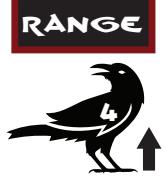
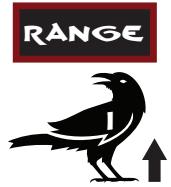
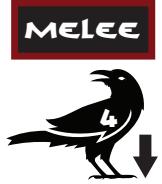
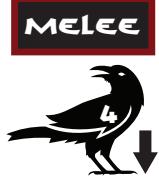
• Atempt to resolve the left most icon on the Solo card. If the AI is unable to resolve the first icon move to the next icon in the row and atempt to resolve it. Continue until either 1 icon is fully resolved or the AI has failed to resolve any one of the 3 If the 3rd icon cannot be fully resolved the activeicons shown. characters are moved towards that objective. 3
EVENTS

• If an Event is triggered use the number shown in the botom left of the Solo card to decide which option to select from the Mission Rules.
• If the number corresponds to an option in the Mission Rules select that option. However, if that option is not available or cannot be resolved, then refer to the arrow next to the icon. If it is a down arrow select the next lowest option. If it is an up arrow select Option 1.
REINFORCEMENTS
• Starting at the top left of the board and continuing in reading order each Reinforcement Space is given a sequential number starting from 1. Flip the next Solo card & use the number in the botom left of the Solo card to select a Reinforcement space. If the space is not available (e.g due to over occupancy) use the arrow next to the icon to decide whether to use the next lower or higher space. If there are no higher options select Option 1.
• When selecting which character from the pool to reinforce always select the character with the most life points, if tied then select the character with the lowest numbered position in the River (#1 being the best and #7 the worst).
HEROES and ALLIES
• Any rule using the word hero also refers to allied tiles, & all other allied units on the hero side.
GOLDEN RULE
• If you are required to place an item or token on behalf of the AI then place it in the most disadvantageous position for the player.
Conan Solo Rules

Activate Overlord Tile #2
RULES FOR BREAKING TIES: when targeting Heroes & Objectives
-
Use the key phrase on the Solo card (e.g. Fewest Wounds) for Melee, Ranged or Advance or fewest allies present for Defend hero Objective, or fewest heroes present for Advance Overlord Objective.
-
Lowest numbered hero in the Mission Rules if applicable or break ties randomly if not.
MOVE CHARACTERS
• When moving a character always calculate and take the shortest route in terms of move points spent even if that means traversing dificult or dangerous terrain, moving through heroes, or performing a climb or jump.
• Characters will not perform falls.
• If a character could reach its target by spend 1 energy cube, spend 1 cube & no more to move one additional space if able.
MELEE ATTACK

• Move towards the closest hero & perform a Melee Atack. If 2+ heroes are equidistant see rules for Breaking ties above.
• If the character is already in the same space as a hero do not move, perform a Melee Atack.
• If the character does not have a Melee atack or cannot reach a hero with their Move ignore this icon and atempt to resolve the next icon.
RANGED ATTACK

• If the character does not have LOS over a hero, move the character the shortest possible distance to gain LOS. I
• f the character already has LOS over 1+ heroes at activation do not move.
• If character has LOS over 2+ heroes before or after moving use Rules for Breaking Ties above.
• If the character does not have Ranged Atack or cannot obtain LOS over any hero by moving, ignore this icon and atempt to resolve the next icon.

ADVANCE ON HEROES
Move the character towards the closest hero, use the Rules for Breaking Ties above and perform a ranged atack or melee atack if able. The ranged atack can be made on any hero with which the character has LOS. Always move the character its full movement towards the closest hero and then perform an atack if able.
Conan Solo Rules
DEFEND HERO OBJECTIVE

• The character moves towards the closest hero objective (an objective the heroes must reach to win the Mission)
• If the character is unable to reach a hero objective they move as close to it as possible. If 2+ objectives are equidistant use Rules for Breaking Ties above .
• If the character is located on a hero objective do not move. If 1+ heroes are present or in LOS of objective and character is located at, or has moved to the objective then perform an atack action if able.
• If there are no hero objectives in the Mission. Ignore this icon and atempt to resolve the next icon. TT
ADVANCE Overlord OBJECTIVE

• First, assess whether the character selected is able to accomplish the Overlord objective. If they cannot, or there are no Overlord objectives then ignore this icon and atempt to resolve the next icon.
• If the character can perform Thought/Manipulation or Action on a Overlord Objective, move towards the closest Overlord objective of a type the character can afect. Use Rules for Breaking Ties above if multiple equidistant objectives
DEFENCE ROLLS and REROLLS
• The AI will only reroll blank die results, and will only perform one paid reroll per character activation. AI will always use free rerolls to reroll blank die results.
• The AI will choose to reroll dice in the following order of increasing preference: White, Yellow, Orange, Red, Black.
• The AI will perform a defence roll if gaining 1 or more successes would prevent the character from being defeated. If 2+ successes would be required do not make a defence roll.
• If a character with life points would be damaged by an atack always make a defence roll if there are available gems.
DREDGING THE RIVER
• If the Solo card indicates 1+ Overlord tiles that has been neutralised refer to the botom of the card, if the keyword “DREDGE” is present then dredge the river spending 2 cubes to remove the Overlord tile(s).
• Then activate the Tile(s) that now occupies the dredged slot(s) if the AI has suficient energy cubes.
Characters WITH MULTIPLE ATTACKS
• If the Overlord has more than 1 atack refer to the “Burst” icon in the centre right of the Solo card, select atack 1 or 2 as indicated.

• If performing Action that allows either a melee or a Ranged atack & the character is capable of making both atacks then use the Solo card to decide which to use.
DIFFICULTY– HARD MODE
• The AI does not pay energy cubes to activate Overlord tiles.
• The AI Dredges the River for zero energy.
• Overlord Leaders always roll 2 Dice Defence dice if there are enough gems.
Conan Solo Rules Summary Action Sheets
Draw Solo card
RANGE ATTACK
Activate 1st tile indicated on Solo card
Starting top left of
board, going in
reading order
activate 1st
available character
Atempt to resolve 1st icon on Solo card.
If unable to resolve 1st icon move on to 2nd & then 3rd
Select next
character on board
and atempt to
resolve 1st icon on
Solo card
MELEE ATTACK
If unable to resolve 1st icon move on to 2nd & then 3rd
Continue until all characters on Overlord tile have been activated
If there are 2
instructions on the
Solo card resolve the
2nd instruction
ADVANCE ON HEROES
Are1+ heroes in
movement range or
on character’s
space?
No. Atempt to resolve next icon
Yes. Are 2+ heroes at same range?
No. Move towards
closest hero and perform Melee
atack using
Reach Skill
if applicable
Yes. Break the tie use the Solo card key phrase
If this does not break the tie use the order of Heroes in the Mission rules
Move to selected hero space and perform Melee atack using Reach skill if applicable
Does the character have or can they gain LOS over 1+ heroes by moving?
No. Atempt to resolve next icon
Yes. Move shortest distance to gain LOS.
Does the character have LOS over 2 or more heroes?
No. Perform
Ranged
Atack on
hero
Yes. Break the tie use the Solo card key phrase
If this does not break the tie use the order of Heroes in the Mission rules
Perform ranged atack on selected hero
Identify closest hero to character
Are 2 or more heroes equidistant to character?
No. Move towards closest hero & perform Ranged or Melee atack if able
Yes. Break the tie using the Solo card key phrase

If this does not break the tie use the order of Heroes in the Mission rules
Move towards
selected hero &
perform Ranged or
Melee atack if able
DEFEND HERO OBJECTIVE
Can the character
reach a hero
objective?
No. Atempt to resolve next icon
Are 2 or more hero
objectives
equidistant to
character?
No. Move to closest hero objective. Atack hero if present at objective (Break ties if 2+ heroes present)
Yes. Break the tie
choose the hero
objective with the fewest allies present.
If this does not
break the tie then
break the tie
randomly
Move to hero objective. Atack hero if present at objective (Break ties if 2+ heroes present)
ADVANCE Overlord
Can the character OBJECreach and activate a Overlord objective?
No. Atempt to resolve next icon
Are 2 or more Overlord
objectives
equidistant from the
character?
No. Move to closest Overlord objective. Atempt to advance objective
Yes. Break the tie choose the Overlord objective with the fewest heroes present.
If this does not
break the tie then
break the tie
randomly
Move to Overlord objective. Atempt to advance objective
| SCENARIOS | HERO OBJECTIVE I | HERO OBJECTIVE 2 | OVERLORO 德 OBJECTIVE I | OVERLORO 小 OBJECTIVE | SPECIAL RULES |
| IN THE CLUTCHES OF THE PICTS | Zogar Sag | Unexplored hut or Yiselda if revealed. | Hero with Yiselda | Protect Zogar Sag/ Hero with Zogar Sag's head. | 1. Both Zogar Sag and the Giant Snake are Leaders. 2. Picts exit huts at no extra cost. |
| HUNTING THE TIGRESS | Skulthus | Zaporavo | Belit | 1. Both Skulthus and the Zaporavo are Leaders. 2. Skulthus spends no gems to cast spells, and will transform the first time the event tile is activated unless Zaporavo | |
| IN THE HEART OF DARKNESS | Skulthus | Hero closest to Skulthus | 3. Skulthus will not leave his ship. 1. Skulthus and the Monster closest to him are Leaders. 2. Skulthus spends no gems to cast spells, and will always defend with one die. 3. Select freed monster as per | ||
| THE FINAL RITUAL | The Priestess of Mitra | Relic | The Priestess of Mitra | reinforcement. 1. Zogar Sag is a leader. 2. If the Overlord has lost less than 6 figures they will not activate event tile, instead activate the tile to the right if possible, if not the tile to the left. Spend gems for the event tile's postion. 3. If the overlord has 3 or more Pict tiles flipped in the river, activate the event tile instead of the first activation on the card. 4. A barricade within 2 spaces |
- If a figure is activated to protect itself it moves toward the closest friendly figure in another space. If there are no figures within range it moves as far away from hero figures as possible.
| SCENARIOS | HERO OBJECTIVE | HERO OBJECTIVE | OVERLORO AB OBJECTIVE I | OVERLORO 德 OBJECTIVE | SPECIAL RULES |
| FOR ALL OF OPHIR'S GOLO | Olivia's Cell Door | The Captain/Keys | Any Hero with Olivia | 1. Both Thak and the Captain are Leaders. | |
| INFERNAL PURSUIT PART I | Fore Mast | Aft Mast/Poop Deck | Hero at Mast or Poop Deck | 1. The Captain is a Leader. | |
| INFERNAL PURSUIT PART 2 | Attack Zaporavo | Ballista | Hero at Ballista Set fire to empty hut | 1. Zaporavo is a Leader. 1. Zogar Sag is a Leader | |
| REOOAWN | Un-searched hut | containing less than 3 points of fire. | 2. Place Cards randomly at start | ||
| THE kEY OF kUTHCHEMES | The Red Chest | 1. Zaporavo and the Captain are Leaders. 1. Skulthus and the Dark Demon are | |||
| IN THE NAME OF IBIS | Skulthus | Protect Skulthus | leaders. 2. When reinforcing place the first group of 2 with Skulthus, the next group(s) in spaces with heroes and the remaining groups adjacent to Skulthus. 3. At the end of Skulthus' Activation, if he is in space with a hero, he teleports to the nearest other space containing friendly figures. If there is a tie choose space with most figures. 4. Skulthus always has Set's Halo | ||
| THE CRAWLING SHAOOW | Kill Thog | Chest | Move to Devour nearest friendly character other than Thalis. (Thog only) Thog may devour twice this activation. | Move to Thog to be Devoured. (Not Thalis/Thog) | 1. Thog and Thalis are leaders. 2. When Active Thog always Devours friendly figure in his space except Thalis, unless she is the only other friendly model left. 3. If Thog tries to cross a closed door roll 3 Red Dice as an attack on 5+ destroy door. 4. When Thog moves via Thalis' attack with the sceptre he moves directly |
| THE WRATH OF ANU | Priest Token closest to Conan. After Priest #1 is revealed the exit becomes the new objective. | Conan | towards Thalis. 1. Thak is a leader after he is active. 2. Priest tokens are flipped over when interrogated on roll of 1-2. 3. Priest tokens are removed when interrogated on a roll of 3. Do not look at token. | ||
| SCENARIOS | HERO OBJECTIVE I S2 | HERO OBJECTIVE 2 | OVERLORO 哈 OBJECTIVE I | OVERLORO OBJECTIVE | SPECIAL RULES |
| TRAPPEO LIKE RATS | Hero Equipment | Chest/Exit | Minion Corpse | 1. Both Thak and the Captain are Leaders. 2. Place Equipment in random rooms. 1. Zogar Sag is a Leader. | |
| THE THING FROM THE SWAMP | Chest/Yiselda if Spell is broken. | Zogar Sag | Hero with Yiselda | Protect Zogar Sag | 2. Place Water tokens in spaces with heroes choose as per attacks. 3. Place tentacles one by one in water spaces closest to Yiselda then heroes, use reinforcement number to choose if there are multiple spaces. |
| THE SERPENT'S AWAKENING | Yasmela | Secret Passage | Hero With Yasmela | 1. Olgerd and the Captain are Leaders. | |
| THE TREASURE OF TRIANICOS | Zaporavo | Gold Bag/ Reinforcement area if already carrying a gold bag. | Create human chain to nearest reinforcement area. | 1. Zaporavo and the Dark Demon are leaders. 2. Arrival of the Dark Marauder: Replace the Event tile on the highest cost space in the river. 3. All Hands on Deck: Activate highest cost tile. | |
| FACING THE SERPENT SPECTER | Protect Villagers | Kill The Serpent | Kill Villagers | 1. Zogar Sag and the Serpent are leaders 2. The Serpent is placed in a water area nearest an unprotected villager. If all villagers are protected choose hero as per combat. 3. Serpent will only break a wall if it is the only way to attack a villager/hero. |
- The Re-roll, Defense and Extra Movement areas of the Book of Skelos may not have more than 4 gems in each of them.
- Dredging the River costs no gems.
- For a more difficult game use the next highest Fatigue Zone Tile to increase the Overlord’s gem regeneration rate.
- When activated, if a figure can attack (ranged or melee) without moving, ignore any other objective they cannot reach this turn.










Most Wounds

melee

Resting
range


Dredge
Most Fatigue
melee

Active

range
Closest Hero to Objective

Lowest Reserve




fewest foes on hero Space

Fewest wounds


Most Wounds


LEast Fatigue

range

Highest Reserve
Dredge

Most Fatigue

Lowest Reserve
melee
Most foes on hero Space

LEast Wounds
Resting

range


range


melee






range










melee


Lowest Reserve


range


Resting
range

Most Wounds
Dredge


Lowest Reserve


Highest Reserve
Most Fatigue
LEast Wounds
Active
Resting
range


range







range


原文为社区整理/出版社公开资料,版权归原作者,仅供个人学习查阅。