
南美高原Altiplano
一句话概览
南美高原 是一款已收录于村了吗规则库的桌游,支持 2–5 人,原名 Altiplano。
本页内容:一句话概览 · 游戏概述 · 1. 游戏组件 · 2. 游戏设置 · 3. 回合结构 · 4. 第 1 阶段:抽取 · 5. 第 2 阶段:规划 · 6. 第 3 阶段:行动 · 7. 基本行动详解 · 8. 道路 · 9. 第 4 阶段:准备 · 10. 游戏结束 · 11. 计分 · 12. 扩展玩法:任务牌 · 13. 关键规则与常见问题 · 14. 策略提示 · 常见问题
南美高原 规则速览
以下规则速览由本站整理,与官方规则书表述不同,仅供快速上手参考。
游戏概述
在南美玻利维亚与秘鲁之间海拔超过 3000 米的高原上,玩家扮演从的的喀喀湖捕鱼、开采矿物、饲养羊驼来积累财富的居民。通过合理规划资源生产路线、建设仓储空间、完成订单和拓展基础设施,最终获得最多胜利点数的玩家获胜。
核心机制: 区域移动、板块投掷规划、资源转换链、仓库管理、多人轮流行动
1. 游戏组件
| 组件 | 数量 / 说明 |
|---|---|
| 地区板块 | 7 块(村庄、市场、道路、渔港、农场、矿山、森林),随机拼成环状 |
| 玩家标记 | 5 个(每种颜色各 1 个) |
| 标志物 | 5 个(用于道路计分轨) |
| 货物箱 | 5 个(每位玩家 1 个) |
| 钱 | 50 枚(供应无限) |
| 起始玩家标记 | 1 个 |
| 人物板块 | 牧羊人、矿工、农夫(实际共 7 块角色板块) |
| 角色板块 | 7 块(背面印有特殊行动,游戏开始时抽取) |
| 扩展条 | 1 块(展示可购买的扩展板块) |
| 游戏卡牌 | 56 张:渔夫 10 张、房屋牌 10 张、船只牌 10 张、石匠 1 张、订单牌 16 张、任务牌 20 张 |
| 行动面板 | 5 块(每位玩家 1 块) |
| 仓库 | 5 块(每位玩家 1 块,用于储物计分) |
| 扩展板 | 28 块(A/B/C/D 四个面) |
| 货物板块 | 209 枚:食物 36、玉米 25、木材 20、石头 20、矿物 15、布匹 15、羊毛 15、银器 15、羊驼 12、可可 12、鱼 12、玻璃 12 |
| 布袋 | 5 个 |
| 计分卡 | 1 本 |
2. 游戏设置
2.1 版图布置
将 7 块地区板块(村庄、市场、道路、渔港、农场、矿山、森林)随机放置,确保板块之间两两相连并形成一个圆环,这就是游戏区域。
2.2 货物与卡牌布置
根据玩家人数,从各地区拿出对应数量的货物、小推车和卡牌放到这些地区中。多余配件移出游戏。
| 玩家人数 | 食物 | 玉米 | 木材、石头 | 矿物、银器、布匹、羊毛 | 羊驼、鱼、玻璃、可可 | 小推车 | 订单 |
|---|---|---|---|---|---|---|---|
| 2 人 | 36× | 12× | 12× | 8× | 7× | 6× | 10× |
| 3 人 | 36× | 17× | 15× | 12× | 9× | 9× | 10× |
| 4 人 | 36× | 22× | 18× | 14× | 11× | 12× | 12× |
| 5 人 | 36× | 25× | 20× | 15× | 12× | 15× | 12× |
将多出的货物和小推车移出游戏。洗匀订单牌,随后随机移除 6 张卡牌(2 或 3 人游戏)或 4 张卡牌(4 或 5 人游戏)。
以下配件直接放在对应地区板块上:
| 地区 | 放置内容 |
|---|---|
| 市场 | 玻璃板块和订单牌 |
| 农场 | 羊驼板块、羊毛板块和布匹板块 |
| 矿山 | 石头板块、矿物板块和银器板块 |
| 村庄 | 房屋牌和木质小推车 |
| 森林 | 木材板块和可可板块 |
| 道路 | 玉米板块 |
| 渔港 | 鱼板块和船只牌 |
食物板块和所有钱币放在游戏区域中央。板块和卡牌用完时不会补充,但若供应耗尽,相关行动仍可执行(只是无法获得板块或卡牌)。
2.3 扩展板布置
将扩展板根据背面的 A、B、C、D 分成四堆分别洗匀,正面朝下按以下顺序堆成一摞:
- D 面扩展板在最底下
- C 面放 D 面上
- B 面放 C 面上
- A 面放在最顶上
从扩展条顶部展示 5 张扩展板,从下往上放到扩展条右侧。
开始游戏前,移除不适用的扩展板:标有"5+"的卡牌仅适用于 5 人游戏;"4+"仅适用于 4 人或以上;"3+"仅适用于 3 人或以上。
2.4 玩家个人设置
每位玩家选择一种颜色并拿取:
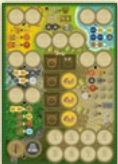
- 1 块行动面板
- 1 个仓库
- 1 个游戏人物标记
- 1 个标志物
- 1 个货物箱
- 1 辆小推车(从村庄中拿取)
- 1 个布袋
将标志物放到道路顶端格中,小推车放到行动面板小推车票列最上方的对应位置。最年轻的玩家获得起始玩家标记。
2.5 角色板块分配
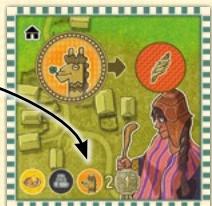
将 7 块角色板块面朝下洗匀。从起始玩家开始,每位玩家抽取 1 块角色板块。角色板块允许玩家执行特殊行动,并注明游戏开始时额外获得的配件。
已知角色板块效果:
| 角色 | 特殊行动 |
|---|---|
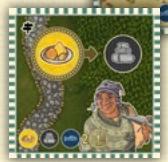
| 牧羊人 | 使用 1 个食物获得 1 卷羊毛(农场) |
| 矿工 | 支付 1 枚钱获得 1 块石头或 1 个木材(市场) |
| 农夫 | 在第 2 阶段可以选择用 1 枚钱(代替 1 个食物)放到移动行动格上 |
| 渔夫 | 使用 1 条鱼获得 1 卷羊毛或 1 个可可(渔港) |
| 石匠 | 第 1 阶段和第 2 阶段之间,从规划格选 1 个板块入货箱,再从货箱或布袋拿 1 个板块放入规划格 |
其他 3 块角色板块的具体行动见源规则书。
根据角色板块所示,从对应地区拿取货物板块、食物和钱币放入自己的布袋中。也可直接放到行动面板下方的规划格中(此时第一回合跳过第 1 阶段)。
角色可选分配法: 所有角色板块正面朝上摊开,从最后玩家开始逆时针方向依次选择(起始玩家最后选)。
3. 回合结构
游戏进行数个回合。每个回合分为四个阶段:
- 第 1 阶段:抽取 — 从布袋中抽板块
- 第 2 阶段:规划 — 把板块放到行动格上
- 第 3 阶段:行动 — 依序执行行动
- 第 4 阶段:准备 — 新一轮开始前做准备
当至少一个地区上的板块和卡牌均用完,或者扩展条上无法补充新板块时,首先完成当前回合,然后再进行一个完整回合。之后进入结算阶段。
4. 第 1 阶段:抽取
所有玩家同时从自己的布袋中抽取板块,放在自己行动面板上的规划格中。
- 游戏开始时可使用 1~4 格规划格。
- 建设了第一条道路后提升到 5 格。
- 之后建设道路可能继续提升规划格数或奖励玉米。
抽取的板块数量不能超过规划格上限。如果已有板块放在行动格上(上回合未执行),需要先将其放回规划格,才能腾出空间抽取新板块。
重要:不可从仓库和订单上移除板块放回规划格。
可以在抽取前将之前放在扩展板或移动行动格上的钱币放回供应堆。
如果布袋中的板块不足以填满规划格,将货物箱中的所有用过和新获取的板块倒入布袋。若仍不够,剩余规划格留空。
5. 第 2 阶段:规划
将板块从规划格移动到行动面板、角色板块和扩展板的行动格上。没有使用的板块必须留在规划格上,这会减少下回合抽取量。
- 大部分地区允许多种行动,放置的板块须达成该行动的 precondition。
- 角色板块和扩展板带来额外行动,通常需要 1 个或多个特定板块。
- 规划阶段不可调整之前回合已放好的板块位置,但可以任意调配来自本回合规划格的新板块。
- 起始玩家先宣布结束,其余玩家顺时针依次宣布。所有人结束后板块不可再调整。
购买市场扩展板必须在规划阶段将钱币放到对应的钱币格上,行动中无法放置钱币。
6. 第 3 阶段:行动
按顺时针方向依序执行。从起始玩家开始,每人执行一次行动或跳过。本阶段持续到所有玩家均跳过。一旦跳过,本回合就无法再次行动。
6.1 移动
移动本身不是行动,在执行行动前后都可以移动人物标记。
- 起始免费移动: 每回合可以使用小推车免费移动 1 次,最多走 3 步(从一个地区到相邻地区),即任意到达任一地区。用小推车后将其移到右侧格子标示已使用。
- 食物辅助移动: 在移动行动格上放置 1 个食物,可使人物标记多移动 1 步到相邻地区。
- 额外小推车: 每获得一辆额外小推车,可在 1 个食物的基础上多走 3 步(而非通常的 1 步)。每人最多拥有 4 辆小推车。
在第一次行动前,可以将人物标记放到任意地区(无需小推车)。
6.2 行动执行原则
- 你的游戏人物标记必须站在行动对应的地区板块上。
- 可以在一个地区执行多种行动,只要都能满足条件,但这算作多个单独的行动。
- 你可以准备好行动所需的板块但不立即执行,留待以后回合。
- 执行行动时,所需板块连同可能获得的板块一起放入货箱。货箱中的板块仅在布袋抽空后才会放入布袋。
- 所有板块仍然属于你——只有钱币使用后需放回公共供应堆,但钱币永远自由流通。
- 商店或村庄上的基本行动(获取订单、购买扩展板、购买小推车),执行行动时需把钱放回公共供应堆——这表示你甚至可以用本回合获取的钱币。
7. 基本行动详解
7.1 农场
| 行动 | 消耗 | 产出 |
|---|---|---|
| 生产食物 | 1 个羊驼 | 1 个食物 |
| 生产羊毛 | 1 个羊驼 + 1 个食物 | 1 卷羊毛 |
| 生产布匹 | 1 卷羊毛 + 1 个食物 | 1 卷布匹 |
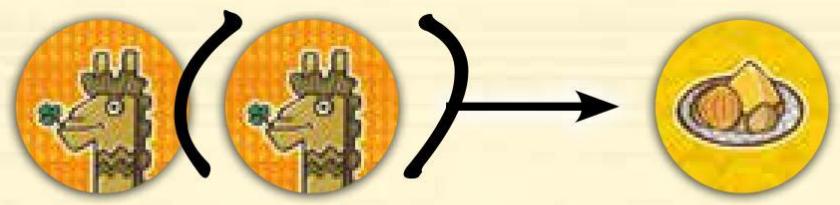
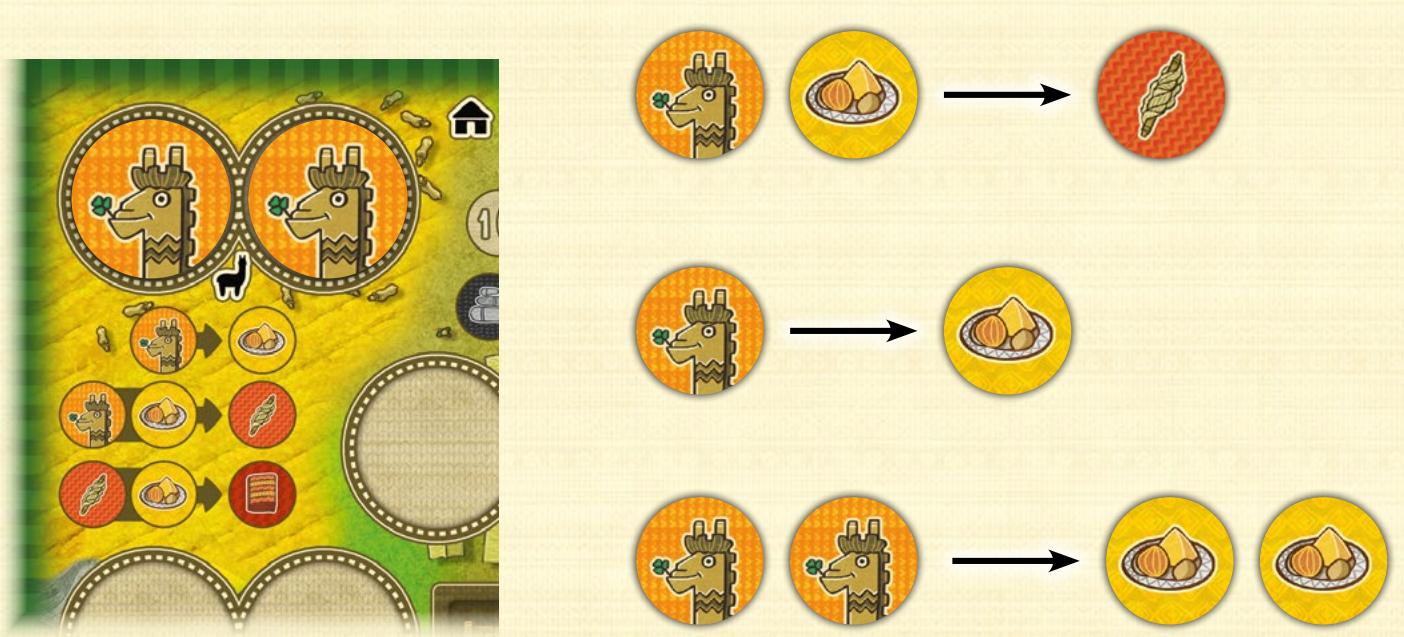
每次可以拿走多个羊驼,每拿走 1 个羊驼获得 1 个食物。也可以放置 2 个羊驼,选择生产 2 个食物或生产 1 个食物并把另一个羊驼留在行动格上。
7.2 森林
| 行动 | 消耗 | 产出 |
|---|---|---|
| 生产木材 | 2 个食物 | 1 个木材 |
| 交易可可 | 1+ 个可可 | 1 个食物 或 1 卷布匹 或 1 块玻璃 |
交易可可以每个为单位执行多次,每交出 1 个可可获得上述三种产出之一。
7.3 矿山
| 行动 | 消耗 | 产出 |
|---|---|---|
| 生产石头 | 2 个食物 | 1 块石头 |
| 生产银器 | 1 个矿物 + 1 个食物 | 1 个银器 |
7.4 渔港
| 行动 | 消耗 | 产出 |
|---|---|---|
| 生产食物 | 1 条鱼 + 1 个食物 | 1 个食物 |
| 换取石头 | 2 条鱼 | 1 块石头 |
| 建造船只 | 2 个木材 | 1 张船只牌(永久持有) |
船只牌: 价值 2 分,拿到时立即从对应地区获得指定货物(一次性效果)。船只牌正面朝上放在行动面板旁。
7.5 村庄
| 行动 | 消耗 | 产出 |
|---|---|---|
| 建造房屋 | 2 块石头 | 1 张房屋牌(永久持有) |
| 储藏货物 | 1+ 个货物(除食物外) | 存入仓库 |
房屋牌: 价值 4 分,并为对应的一类货物每个额外提供 1 分(含仓库里的,不含订单上的)。房屋牌正面朝上放在行动面板旁。
7.5.1 仓库储物规则
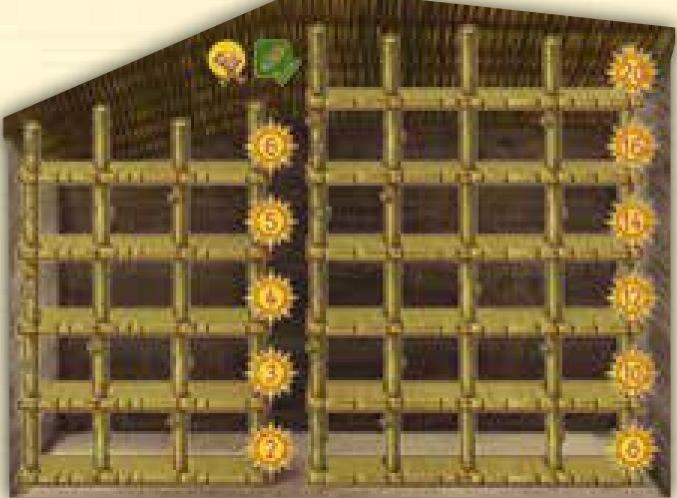
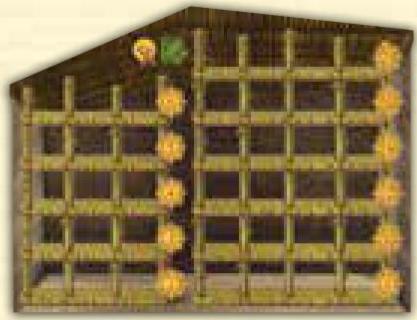
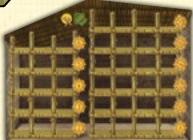
仓库是一个 3 行 × 6 列 的格子板:
- 第一个货物放在左下方第一排最左侧。
- 每一排的第一个货物决定这一排的类型,同一排只能放同类货物(玉米除外)。
- 同类型货物或玉米之后的板块必须放入更高的排。
- 可以随时新增排数,不必先完成一排再开启新一排。
- 如果某类货物有未满的一排,不可用该类货物开启新的一排。
- 当左侧所有排都开后,从右侧最底层第一排开始开。
- 食物不可存入仓库。
玉米的特殊规则:
- 如果玉米是新排的第一个货物,则该排只能放玉米,直到完成。
- 如果已获得第一个玉米时已存在其他货物流的多排,可将玉米放入任意已有排,作为该排需求货物的替代品(如在银器排中可同时存银器和玉米)。
- 获得玉米时必须立即储藏——除非扩展板允许存入临时仓库。
7.5.2 购买小推车
支付 1 枚钱币,从村庄拿取 1 辆小推车,立即放到一个移动行动格旁边。可以立即使用这辆小推车。每回合最多获得一辆,每人最多拥有 4 辆。
7.6 市场
| 行动 | 消耗 | 产出 |
|---|---|---|
| 出售货物 | 1+ 个货物 | 按市场价格获得对应钱币 |
| 购买扩展板 | 扩展板价 + 扩展条加价 | 扩展板一块 |
| 获取订单 | 1 枚钱币 | 1 张订单牌 |
| 交付货物 | 订单所需货物 | 完成订单 → 获得 1 个玉米 |
出售货物: 按市场板块上标注的价格出售,没有标价的货物不得出售。
购买扩展板: 价格 = 扩展板上标价 + 扩展条当前位置加价。每回合最多获取一块。相同的扩展板最多只能拿取一块,拿取的扩展板行动不可和角色板块上的行动相同。
获取订单: 面前最多只能有 1 张未完成订单。必须先完成前一张才能拿新的。交付最后一个所需货物时订单完成,从道路上获得 1 个玉米立即存入仓库(货物保留在订单上)。
8. 道路
| 行动 | 消耗 | 产出 |
|---|---|---|
| 建设道路 | 1 块石头 + 1 个木材 | 沿道路地区向下移动 1 格 |
建设第一条道路后:规划格提升到 5 格。
建设第二条道路后:获得 1 个玉米立即存入仓库。
之后建设的道路可能进一步提升规划格或奖励玉米。
9. 第 4 阶段:准备
- 起始玩家将标记递给左手边玩家。
- 所有用过的小推车退回左侧。
- 若有扩展板被买走: 上方扩展板向下移填补空位,翻出新扩展板填满扩展条。
- 若无扩展板被买走: 移除最底层扩展板,其他板向下移一格,翻出新扩展板填充。
10. 游戏结束
当至少一个地区上的板块和卡牌均用完(如渔港没鱼也没船只、道路没玉米等),或者扩展条上无法补充新板块时触发结束流程:
- 首先完成当前回合。
- 再执行一个完整回合。
- 若特殊扩展板允许进行临时储存,立即执行。
- 开始计分。
11. 计分
每位玩家拿出所有货物板块(货箱、布袋、行动面板规划格/行动格、角色/扩展板上的板块),正面朝上摆在面前。仓库中的板块保留不动但参与计分。订单上的货物不参与计分。
11.1 货物计分
| 数量 | 得分 |
|---|---|
| 0 个同类货物 | 0 分 |
| 1 个同类货物 | 0 分 |
| 2 个同类货物 | 1 分 |
| 3 个同类货物 | 2 分 |
| 4 个同类货物 | 3 分 |
| 5 个及以上同类货物 | 4 分 |
11.2 船只与建筑
- 每艘船只牌:2 分
- 每张房屋牌:4 分
11.3 订单得分
加上已完成订单上的分数。未完成订单不计分,其上的货物作废。
11.4 房屋加成
和房屋牌上对应货物类型的板块,每个额外获得 1 分(含仓库里的,不含订单上的)。
11.5 仓库分行得分
仓库中每排完成的货物,可以获得该行底部标明的分数。
11.6 胜负判定
累计得分最高的玩家获胜。平手时,钱币最多的玩家获胜。
12. 扩展玩法:任务牌
此扩展中每位玩家额外拿取 2 个任务牌。完成任务即可获得任务牌上分数。
任务获取方式:
- 3 人以上: 每位玩家拿 3 张任务牌选 1 张保留,另外两张分别递给左右手玩家。从他人处获得 2 张后选 1 张保留,移除第 3 张。
- 2 人: 每位玩家从 3 张中选 1 张保留,1 张递给对手,第 3 张移除。双方手中各有 2 张(1 张自选 + 1 张来自对手)。
任务牌保持面朝下,直到完成时才翻开。所有玩家可随时查看自己面前的任务牌。游戏结束计分时,获得完成任务牌上的分数。
计分规则: 只有参与计分的货物才算收集到的货物,订单上的不算。
13. 关键规则与常见问题
易错规则
- 移动不是行动: 在执行行动前后可以自由移动人物标记,无需消耗行动次数。
- 规划阶段不可事后调整: 规划阶段结束宣布后,所有板块位置锁定(除了第 1 阶段放回规划格的例外)。
- 玉米必须立即处理: 拿到玉米要么立即存入仓库(遵循仓库规则),要么放入扩展板的临时仓库——不能像其他货物一样随便放着。
- 订单上限为 1: 面前最多只有 1 张未完成订单,必须先完成才能获取新的。
- 扩展板唯一性: 相同的扩展板只能拿一块,且扩展板行动不可与角色板块行动重复。
- 扩展板购买用规划阶段: 购买扩展板的花费必须在规划阶段放到扩展板钱币格上,行动中无法花钱。
- 仓库第一排定类型: 每排的第一个货物决定该排类型,后续同类货才可填入。
- 食物不入仓: 食物永远不能存入仓库。
- 供应耗尽不影响行动合法性: 即使某地区货物或卡牌全空,相关行动仍可执行(只是得不到东西)。
- 钱永远自由流通: 钱币不放入布袋、不归划格管理——始终在手边随时可用。
- 船只产出一性: 建造船只时立即获得的指定货物是一次性效果,后续再建同款不重复获得。
- 玉米替代规则: 玉米可作为某一排需求的替代物(在该排已有非玉米首货的前提下),但不能单独开启新排后再混入他类。
FAQ
Q:规划格可以中途取出板块吗?
A:不可以。规划格上的板块只有在第 1 阶段可以放回布袋/规划格。第 2 阶段分配到行动格后不可再调整。
Q:如何获得无法直接生产的货物(如布匹)?
A:布匹只能通过农场消耗羊毛+食物生产。另一种途径是通过船只牌间接获取——每艘船只携带特定货物。
Q:仓库行数有限制吗?
A:仓库为 3 行 × 6 列。打开左侧所有排后可从右侧继续开启。若某类货物已有未满排不可用该类开新排。
Q:一条鱼的等价交换有哪些?
A:渔港:1 条鱼 + 1 食物 → 1 食物(净赚 0)、2 条鱼 → 1 石头;扩展板还有更多兑换方案(如 1 条鱼换 1 矿物、1 条鱼换 1 卷羊毛或 1 个可可等)。
Q:小推车如何使用?
A:每回合可免费使用一次(不限几步可达,只要是环上可达的地区即可),使用后放到右侧格子。也可花 1 食物多走一步。最多拥有 4 辆。
14. 策略提示
- 不要忘记食物: 食物是生产和移动的通用货币。早期及时生产食物至关重要。
- 利用鱼的多功能性: 2 条鱼换 1 石头是基本行动,但通过扩展板还能换矿物、可可等其他货物。
- 仓库就是分数引擎: 尽早储备各类货物开多排,完成高价值排可获得大量分数。
- 巧用钱币而非囤积: 钱在结尾不计分,可以用来灵活地购买扩展板获取资源,避免占用规划格。
- 平衡货物数量: 食物太少会限制行动力,太多又不合算——找到合适的平衡点。
- 关注船只的价值: 船只需要木材(稀缺资源),但它们既能得分又能解锁无法直接获取的货物种类。
常见问题(FAQ)
以下 1 条问答中 0 条来自站内玩家的真实提问,其余 1 条为本站整理的常见疑问;答复内容保持原样。
南美高原支持几个人玩?
2–5 人。
去哪查完整规则
想核对具体规则细节、卡牌效果或某个回合的结算方式,可以在村了吗里选中这款游戏后直接提问。
同类桌游
- 卡坦岛德式
- 工业革命:伯明翰德式
- 勃艮第城堡:特别典藏版德式
- 方舟动物园德式
- 卡卡颂抽象
- 瘟疫危机传承:第一季美式
- 阿瑞迪亚:勇踏征途美式
- 重塑宇宙德式
- 幽港迷城美式
- 埃多拉的德鲁伊德式
规则原文(Markdown)
本站收录这款游戏的规则原文 3 个文件,此处内联渲染 3 个,可直接展开阅读或下载。
rules_zh_南美高原_1123.md46.1 KB
5個遊戲人物標記
(每種顏色各1個)


遊戲簡介與遊戲目標
你來自南美高原,你的家鄉就在玻到維亞和秘魯之閒高高的山脈上。在這超過3000米的海拔上,植被稀疏,對人民的生活提出了苛刻的要求。
但這裏的居民努力從的的喀喀湖裏捕魚,開採礦物,飼養羊駝,用這些資源換取其他貨物,慢慢富足自己。但注意:資源可是有限的,而且不斷地減少,所以你必須及早建造新的生產設施,轉向其他收入來源,比如種植可可。在新的生產工場慢慢興起的同時,你也不能忘記修建道路,因為道路是加速發展的關鍵。此外,在這片貧瘠的土地上,你還要建造倉庫,只有這樣,才能幫助你渡過艱苦的歲月。
如果你能通過靈活巧妙的規劃讓自己適應這種環境,最終你一定能迎來大豐收!
遊戲配件

7塊地區板塊

村花
市場
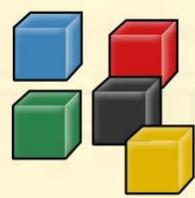
5個標誌
(每種顏色各1個)


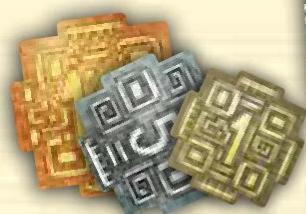
5個貨物箱
(每種顏色各1個)
50枚錢幣

1個起始玩家標記


牧羊人
礦工
農夫
7個角色板塊
1塊擴展條
56張遊戲卡牌,分別有:


漁夫
10張房屋牌

10張船隻牌
石匠
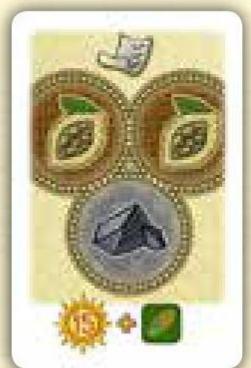
16張訂單牌
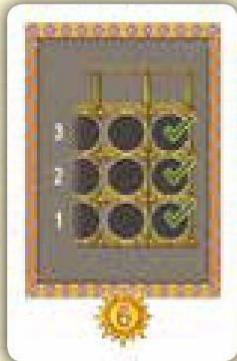
20張任務牌
渔港
農場

5塊行動面板
5個倉庫

28塊擴展板
209個貨物板塊,分別有:


36×食物

25x 玉米
20x 木材

20x石頭 15x礦物

15×布匹

15×羊毛

15×銀器
12x羊駝

12x可可
5個布袋


12×鱼 12×玻璃
1本計分卡

將7塊地區板塊(村莊、市場、道路、漁港、農場、礦山、森林)隨機放置,確保板塊之閒兩兩相連,並形成一個圓環;這就是遊戲區域。在遊戲過程中,你會使用遊戲人物標記在這些地區之閒遊歷。
將貨物、小推車和卡牌放到這些地區中。每種配件放置的數量具體見下表:

| 玩家人數 | 食物 | 玉米 | 木材、石頭 | 礦物、銀器布匹、羊毛 | 羊駝、魚玻璃、可可 | 小推車 | 訂單 |
| 2 | 36x | 12x | 12x | 8x | 7x | 6x | 10x |
| 3 | 36x | 17x | 15x | 12x | 9x | 9x | 10x |
| 4 | 36x | 22x | 18x | 14x | 11x | 12x | 12x |
| 5 | 36x | 25x | 20x | 15x | 12x | 15x | 12x |
將多餘的貨物和小推車移出遊戲。洗勻訂單牌,隨後隨機移除6張卡牌(2或3人遊戲)或4張卡牌(4或5人遊戲)。
將以下配件直接放在地區板塊上:
市場:玻璃板塊和訂單牌農場:羊駝板塊、羊毛板塊和布匹板塊
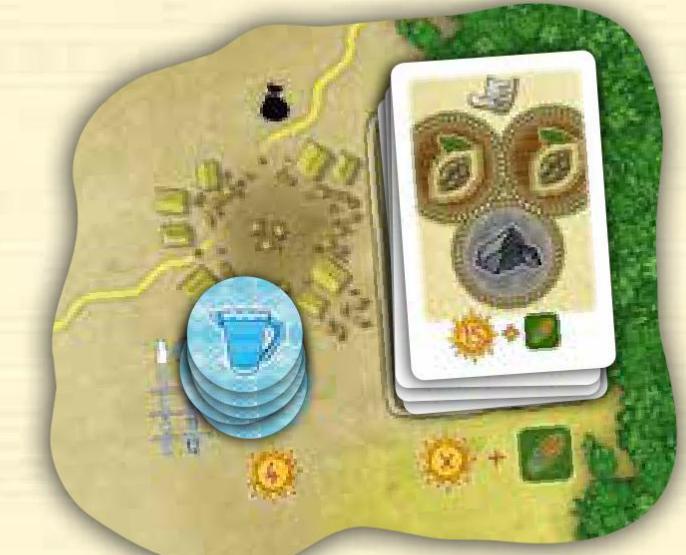
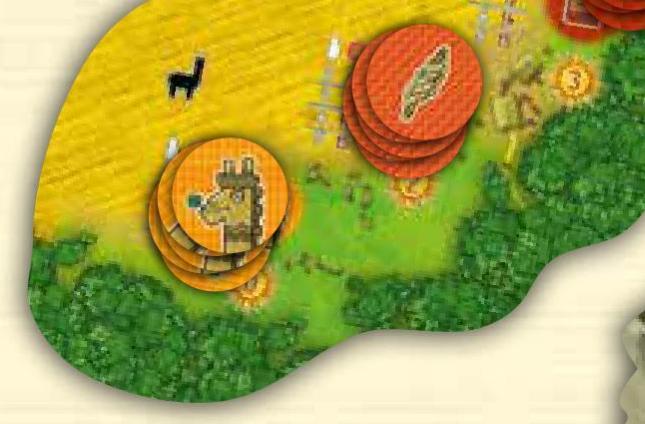
礦山:石頭板塊、礦物板塊和銀器板塊
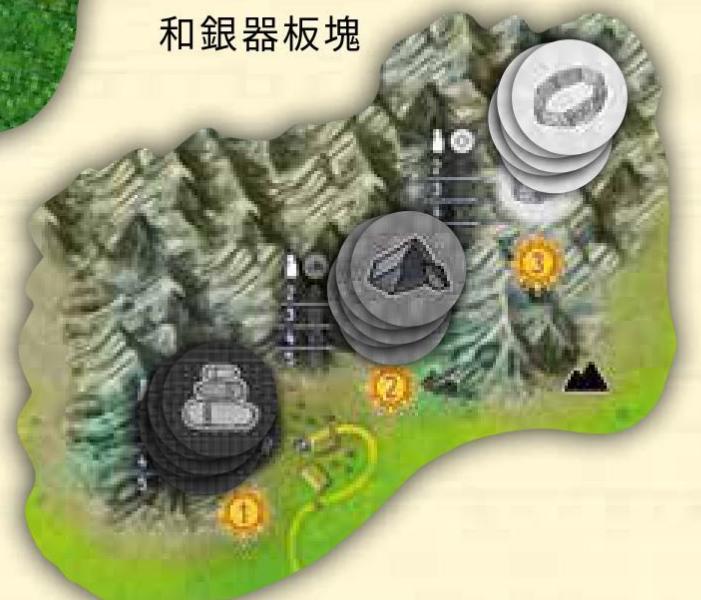
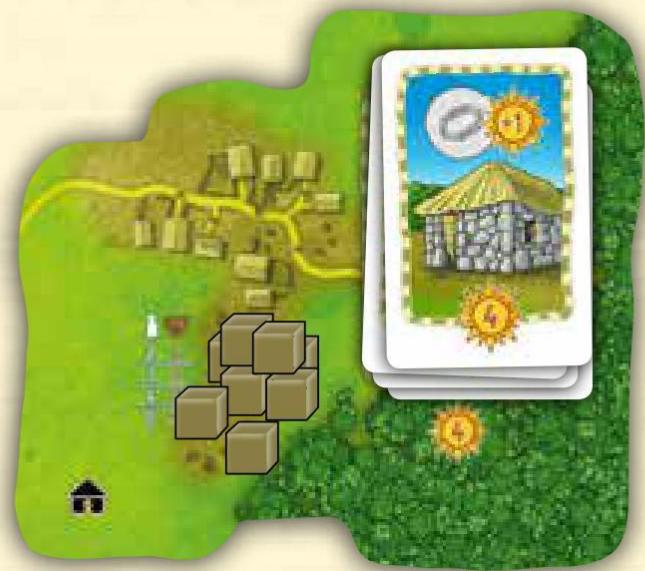
將食物板塊和所有錢幣放在遊戲區域中央,以方便所有玩家隨手獲取。
村莊:房屋牌和木質小推車
森林:木材板塊和可可板塊

道路: 玉米板塊
漁港:魚板塊和船隻牌 sulfin'
meeple


板塊和卡牌數量有限,但錢幣數量不限
板塊和卡牌用完時不會補充。原則上講,即使它們用完,允許你獲取板塊或卡牌的行動仍然能執行(雖然通常沒有什麼意義)。在這種情況下,你無法獲得板塊或卡牌。但錢幣數量不限——即使用完,你仍然可以找其他配件代替。
將擴展條也放在桌上。
遊戲開始前,移除以下擴展板。
標有5+的卡牌僅適用於5人遊戲;
標有4+的卡牌僅適用於4人或以上遊戲;
標有3+的卡牌僅適用於3人或以上遊戲。
隨後, 根據背面的A、B、C、D將擴展板分成四堆並分別洗勻。正面朝下按以下規則堆成一堆:
D面擴展板放在最底下;
在D上面放C面擴展板;
在C上面放B面擴展板;
在最頂上放A面擴展板。
隨後從擴展板堆頂展示5張,從下往上,放到擴展條的右側。
任何時候

所有玩家都可以查看目前每個地區上或其他玩家面前的訂單牌、船隻牌和房屋牌。且任何時候所有玩家都可以清點供應堆中剩餘的貨物和擴展板的數量——但不能查看擴展板也不可改變它們的順序。最後,玩家可以隨時查看自己布袋和貨物箱中的貨物。
每位玩家選擇一種顏色並拿取

1塊行動面板

1個倉庫

1個遊戲人物標記
1個標誌

1個貨物箱

1辆小推車(從村莊中拿取)

1個布袋
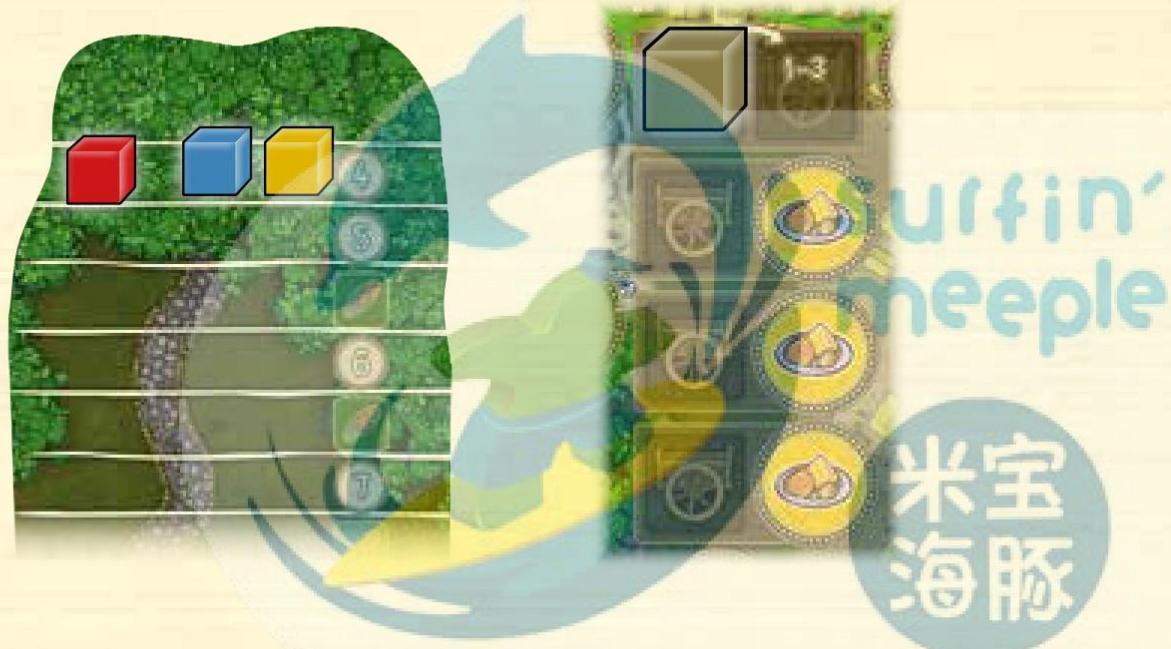
將你的標誌放到道路頂端的格中。將小推車放到你行動面板小推車表最上面的對應位置。
最年輕的玩家獲得起始玩家標記。


將角色板塊面朝下洗勻。從起始玩家開始,每位玩家抽取一塊角色板塊。角色板塊允許玩家執行特殊行動;此外,板塊上還標明了遊戲開始時額外能獲得的遊戲配件。
分配角色
如果所有玩家都熟悉遊戲,推薦使用以下規則分配角色。所有角色板塊正面朝上攤開,從末尾玩家開始,按逆時針方向,每位玩家選擇一個角色板塊——起始玩家最後選擇。
根據角色板塊,從對應地區拿取貨物板塊,食物和錢幣從供應堆中拿取。將這些板塊放入你的布袋中。(為方便遊戲,也可以直接放到你行動面板底下的規劃格中;在這種情況下,第一回合跳過第1階段。)將錢幣放在你行動面板旁。
現在遊戲開始!

遊戲進行數個回合。每個回合分為以下四個階段:
第1階段: 抽取 (布袋中的板塊)
第2階段: 規劃 (把板塊放到行動格上)
第3階段: 行動 (依序執行, 直到所有玩家跳過)
第4階段: 新的回合(的準備)

擴展板無法補充或者一個地區清空(所有卡牌、小推車和/或貨物板塊均被拿走)後遊戲最後進行一個完整回合,然後遊戲結束。
獲得分數最高的玩家贏得遊戲勝利。
第1階段:抽取
所有玩家同時從自己的布袋中抽取板塊,放在自己行動面板上的規劃格中。在遊戲開始時,你只能使用1-4格規劃格(隨著道路建設之後會慢慢擴展)。這表示你抽取板塊的數量不能超過你空間的規劃格。例如,你的1個規劃格中有板塊(上回合中沒有放到行動格上),你只能抽取最多三個板塊放到第2-4個規劃格上。或者,你也可以將行動格上已經放置的板塊放回到規劃格上;但這必須在抽取布袋之前執行。無論何時,規劃格上放置的板塊都不能超過規劃格的使用上限。
舉例:斯蒂芬最多可以放置4個規劃格。他首先將1個魚板塊從漁港移動到規劃格1上。隨後,他從布袋中抽取了3個板塊,放到規劃格2-4上。

重要:不可從倉庫和訂單上移除板塊放回規劃格上!
你可以將之前放置在擴展板或移動行動格上的錢幣放回自己的供應堆——但也必須在抽取布袋前執行。
如果布袋中的板塊數量不足以放滿規劃格,在清空布袋後,將貨物箱中的所有配件(所有用過和新獲取的板塊)倒入布袋中。如果布袋中的可抽取的板塊數量仍然不足以填滿規劃格,那本回合剩餘的規劃格就留空。
第2階段:規劃
隨後,所有玩家同時規劃自己的行動。將板塊從規劃格移動到行動面板、角色板塊和擴展板的行動格上。你無須使用規劃格上的所有板塊,但沒有使用的板塊必須放置在規劃格上。這會減少你下個回合抽取的板塊數量,但某些情況下將板塊留在規劃格上,在下回合減少抽取數量仍然是有意義的。
大部分地區允許你執行不同的行動。這些地區不會強制規定需要放置的板塊,但放置的板塊必須達成執行行動的條件。如果想要在之後的行動階段執行,這些板塊必須放置在行動對應的地區上。
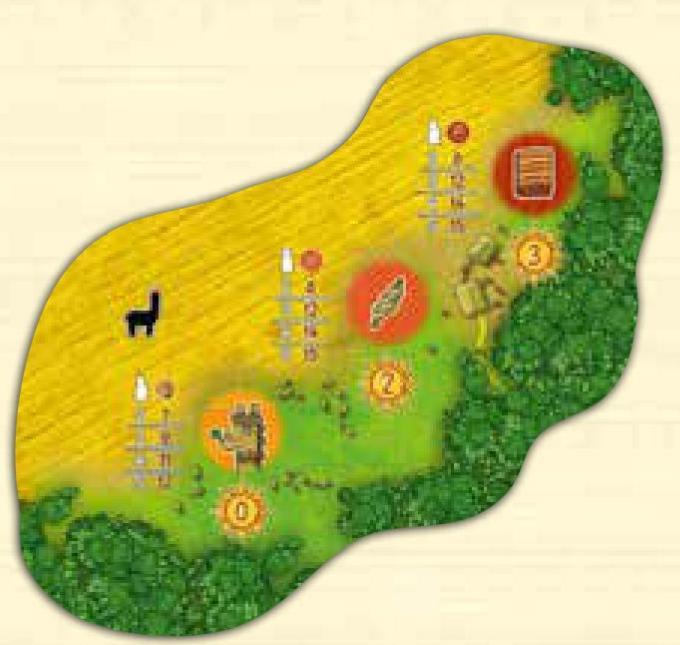
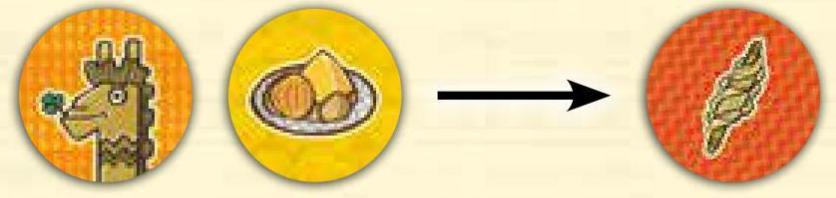
舉例:農場允許你使用羊駝和食物的組合來生產1卷羊毛。
要生產這/卷羊毛,這個組合首先必須放在農場上。
或者,你也可以只放置/個羊駝來生產/個食物。

你也可以放置2個羊駝;這樣你可以生產2個食物,或者生產1個食物,把另一個羊駝留在行動格上。

角色板塊和擴展板能帶來額外的行動。這些額外行動通常需要1個或更多特定的板塊。你需要按照擴展板上的規定放置板塊才能執行對應的行動。
在規劃時,你不可將之前回合已經放好的板塊重新調整位置。但在規劃階段,你可以任意調配(來自本回合規劃格上的)新板塊,直到所有玩家宣佈自己的規劃階段結束。之後,板塊不可重新調整位置(甚至是在之後的回合)——唯一例外是在第1階段可以把板塊放回規劃格,詳見上文。
起始玩家首先宣佈自己的規劃階段結束, 隨後其餘玩家按順時針宣佈自己的規劃階段結束, 直到所有玩家均宣佈規劃階段結束。所有人均完成此階段後, 就不可重新調整板塊位置。
現在行動階段開始。

現在所有玩家按順時針方向依序執行行動。從起始玩家開始,每人執行一次行動,隨後下一位玩家執行(或者跳過),以此類推。本階段持續到所有玩家均跳過。一旦玩家跳過,本回合中就無法再次執行任何行動。
你可以按任意順序執行行動。你的遊戲人物標記必須站在行動對應的地區中。比如你想要執行一個村莊的行動,你的人物必須在村莊板塊上。在遊戲開始你執行第一個行動前,你可以將遊戲人物標記放到任意地區(無需小推車)。之後,你在執行一個行動前後均可以移動你的遊戲人物標記:
移動
每位玩家開始都有一輛小推車,用於地區之間的移動。每回合你可以免費使用這輛小推車一次。小推車允許你移動最多3步——從一個地區移動到另一個相鄰地區;換句話說,你可以移動到任意地區。如果你移動時用到了小推車,就把它移動到右邊的格子表示已經使用。
除了使用這輛小推車, 你也可以在移動行動格上放置食物, 每個食物允許你的遊戲人物標記多移動一次到相鄰的地區——這表示, 你可以向任意方向移動1步。如果這麼做, 將移動行動格上的食物存入貨物箱中。如果你獲得了額外的小推車, 你可以使用小推車加1個食物移動最多3步。
移動本身不是一個行動。在你執行行動前後,你都可以將你的遊戲人物標記移動到另一個地區,這表示你甚至可以進行多次移動。不同的移動(使用或不使用小推車)可以按任意順序進行。
行動不必强制執行。你可以將行動準備好,比如放置好行動所需的板塊但把這些板塊留到之後的回合中執行。
你也可以在一個地區中組合出不同的行動, 只要可以執行。比如在村莊中, 你可以建造一閒房屋, 再將一個板塊放入倉庫。但這算作兩個單獨的行動。
在你執行行動時,將此次行動所需的板塊,連同你在此次行動中可能獲得的板塊一起放入你的貨物箱。貨物箱中的板塊僅在你的布袋抽空後才會放入布袋中。
所有的板塊仍然屬於你——無論是你用於執行行動的板塊,還是你通過行動獲得的板塊。只有錢幣使用後需要放回公共供應堆。但錢幣永遠是自由流通的資源;這表示你不會把錢幣放入布袋,也不會放在規劃格中,只需要放在行動面板旁即可。
至於市場上買到的擴展板,你必須在規劃階段把錢幣放到對應的錢幣格上,才可以在之後的行動階段中執行行動。在行動階段中,你無法將錢幣放置到擴展板上。
至於市場或村莊上的基本行動(獲取訂單,購買擴展板,購買小推車),你無需將錢幣放在行動格上,但在執行行動時,需要把錢幣放回公共供應堆。這表示你甚至可以使用本回合中獲取的錢幣。
所有玩家均跳過時, 回合結束。在下回合開始前, 需要進行一些準備 (詳見“第4階段”)。

基本行動
行動面板上的基本行動所有人均可以執行。在大部分地區中,你都可以執行不同的行動。但每個地區的行動格只有2-3個,因此你通常無法同時执行一個地區所有的行動。舉例來說,你想在漁港使用2個木材建造一艘船隻,那你就無法在黨回合中使用2條魚換取1塊石頭。
基本行動有以下幾種:
農場
生產食物:從行動格上拿走1個或多個羊駝,每拿走1個羊駝,從供應堆中獲得1個食物。將所有板塊放入你的貨物箱。
生產羊毛:從行動格上拿走1個羊駝和1個食物,然後從農場中獲得1卷羊毛。將所有板塊放入你的貨物箱。
生產布匹:從行動格上拿走1卷羊毛和1個食物,然後從農場中獲得1卷布匹。將所有板塊放入你的貨物箱。

森林
生產木材:從行動格上拿走2個食物,然後從森林中獲得1個木材。將所有板塊放入你的貨物箱。
交易可可:從行動格上拿走1個或多個可可,每拿走1個可可,從供應堆中獲得1個食物,或者從農場獲得1卷布匹,或者從市場獲得1塊玻璃。將所有板塊放入你的貨物箱。
礦山
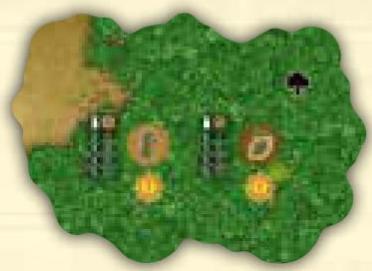
生產石頭:從行動格上拿走2個食物,然後從礦山中獲得1塊石頭。將所有板塊放入你的貨物箱。
生產銀器:從行動格上拿走1個礦物和1個食物,然後從礦山中獲得1個銀器。將所有板塊放入你的貨物箱。
漁港
生產食物:從行動格上拿走1條魚和1個食物,然後從供應堆中獲得1個食物。將所有板塊放入你的貨物箱。
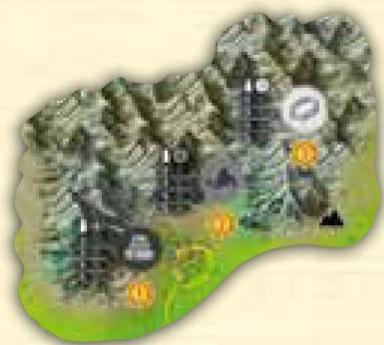
換取石頭:從行動格上拿走2條魚,然後從礦山中獲得1塊石頭。將所有板塊放入你的貨物箱。
建造船隻:從行動格上拿走2個木材,然後從漁港中選擇並獲得1張船隻牌;船隻價值2分,且你立即從對應地區獲得指定貨物(一次性效果)。將所有板塊放入你的貨物箱,並將船隻正面朝上放在你的行動面板旁。

村莊
建造房屋:從行動格上拿走2塊石頭,然後從村莊中選擇並獲得1張房屋牌;房屋價值4分,且為你的一類貨物價值提升1分(詳見“計分”)。將所有板塊放入你的貨物箱,並將房屋正面朝上放在你的行動面板旁。
儲藏貨物:從行動格上拿走1個或多個(除食物以外的)貨物,然後根據以下規則放入你的倉庫中。

儲藏空閒
放入倉庫的貨物板塊需要遵守以下規則:
將第一個貨物板塊放入倉庫左側最底層一排的最左側。
每一排的第一個貨物決定了這一排所能放入的貨物類型。在這一排中你只能放入同一類貨物。唯一的例外是玉米,玉米可以放入任何一排(詳見下)。
除了同類型的貨物或者玉米,之後的貨物板塊必須放入更高的排。
你可以新增任意排數。這表示你不必先完成一排再開啟新的一排。
如果某類貨物有未填滿的一排, 不可用該類貨物開啟新的一排。
黨你開啟了左側所有排,你可以從右側最底層第一排開始開啟。
食物不可存入倉庫。

舉例:克拉倫斯現在在第1排有2條魚,在第2排有1個銀器和1個玉米。現在他想從村莊中將1卷羊毛和2條魚存入他的倉庫。首先克拉倫斯存入1條魚,現在他完成了第1排。所以他必須把第2條魚存入第3排,在這一排中他之後只能存入魚(和玉米)。隨後克拉倫斯把羊毛存入第4排。當然,他也可以選擇把羊毛存入第3排,之後再放魚(第一條魚存入第1排,然後從第4排開始放第2條魚)。
儲藏玉米的特殊規則:
如果玉米是新的一排中第一個貨物, 那你在這一排只能存入玉米, 換而言之, 你的玉米只能放入這一排, 直到這一排完成。
如果你獲得你的第一個玉米時你已經用其他貨物開啟了多排,你可以選擇將玉米存入其他貨物所在的任意一排。在這種情況下,玉米可以代替需求的貨物。比如在一排銀器中,你既可以存入銀器也可以存入玉米。
你拿到玉米的時候必須立即進行儲藏——除非你的擴展板允許你存入臨時倉庫。
購買小推車: 支付1枚錢幣, 從村莊拿取1輛小推車, 立即放入一個移動行動格旁邊。你可以立即使用這輛小推車。小推車允許你在一次移動中使用1個食物最多走3步 (否則只有1步)。如果你使用小推車, 把它推到右側 (和最頂上的小推車使用方法相同) 來表示本回合無法再次使用。每個回合最多只能獲得一輛小推車, 最多擁有4輛!
市場
出售貨物:從行動格上拿走1個或多個貨物,按市場板塊上的指定價格出售,從供應堆獲得對應數量的錢幣。將所有板塊放入你的貨物箱。沒有標價的貨物不得出售。

購買擴展板:從擴展條上拿取一個擴展板,支付購買價格,然後將擴展板放在你的行動面板對應地區旁。購買價格等於擴展板上的價格加上擴展條上的額外費用。購買時所用的錢幣無需事先放在市場上。每回合最多只能獲取一個擴展板。
重要: 相同的擴展板最多只能拿取一個, 拿取的擴展板上的行動不可和你角色板塊上的行動相同!
舉例:從下注上數第二張牌花費為3枚錢
幣(卡牌花費2塊加位置花費1塊)
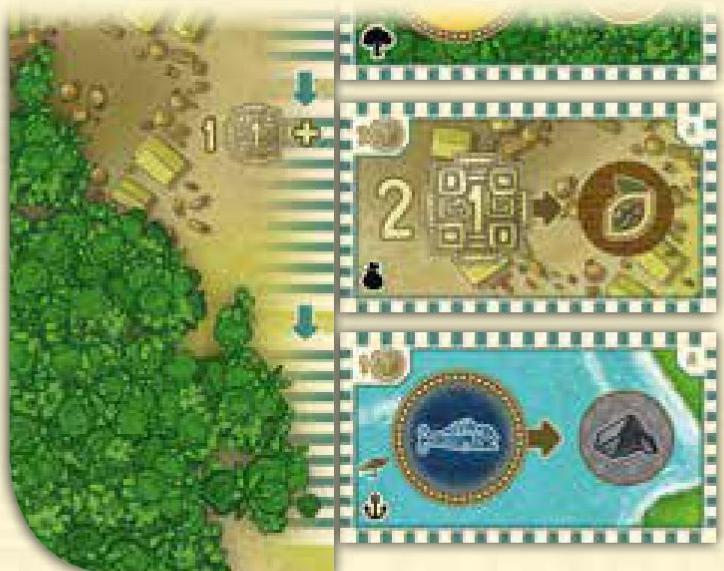
獲取訂單: 支付1枚錢幣, 從市場上選擇並獲得一張訂單牌, 正面朝上放在你的行動面板旁。購買時所用的錢幣無須事先放在市場上。
重要:你面前最多只能有1張未完成的訂單。你必須先完成前一張訂單才能拿取新的訂單。
交付貨物:從行動格上拿走1個或多個你的訂單上所需的貨物,放到未完成訂單的空格上。你無需一次性交付訂單上的所需的所有貨物。
交付了最後一個所需貨物時,訂單完成,你從道路上獲得1個玉米,立即存入倉庫內(詳見“儲藏空間”)。貨物保留在訂單上。
道路中
建設道路:從行動格上拿走1塊石頭和1個木材,將你的標誌在道路地區上向下移動1格。將所有板塊放入你的貨物箱。
建設了第一條道路後,你的規劃格提升到5格,這表示從下回合開始你在第1階段可以使用1-5格規劃格。建設了第二條道路之後,你從道路上獲得1個玉米,立即存入倉庫(詳見“儲藏空閒”)。之後建設的道路或提升你的規劃格,或獎勵你玉米。

新的回合開始前,需要做以下幾件事:
起始玩家將起始玩家標記遞給左手邊玩家。
所有用過的小推車退回左側。
如果有擴展板被買走,將上方的擴展板向下(朝沒有額外花費的格子)移動來填滿空位。隨後翻出新的擴展板填滿擴展條。
如果沒有擴展板被買走,移除最底層(沒有額外花費)的擴展板。所有其他擴展板向下移動一格。隨後翻出一個新的擴展板填滿擴展條。
▶▶▶▶▶
至少一個地區上的板塊和卡牌均用完(比如漁港上沒有魚也沒有船隻,或者比如道路上沒有玉米)或者擴展條上無法補充新的板塊時遊戲即將結束。此時,首先完成當前回合,然後再進行一個完整回合。
隨後,如果特殊擴展板允許進行儲藏,現在立即執行。之後開始計分。
[1] [2] [3] [4] [5] [6] [7] [8] [9] [10] [11] [12] [13] [14] [15] [16] [17] [18] [19] [20] [21] [22] [23] [24] [25] [26] [27] [28] [29] [30] [31] [32] [33] [34] [35] [36] [37] [38] [39] [40] [41] [42] [43] [44] [45] [46] [47] [48] [49] [50] [51] [52] [53] [54] [55] [56] [57] [58] [59] [60] [61] [62] [63] [64] [65] [66] [67] [68] [69] [70] [71] [72] [73] [74] [75] [76] [77] [78] [79] [80] [81] [82] [83] [84] [85] [86] [87] [88] [89] [90] [91] [92] [93] [94] [95] [96] [97] [98] [99] [100] [101] [102] [103] [104] [105] [106] [107] [108] [109] [110] [111] [112] [113] [114] [115] [116] [117] [118] [119] [120] [121] [122] [123] [124] [125] [126] [127] [128] [129] [130] [131] [132] [133] [134] [135] [136] [137] [138] [139] [140] [141] [142] [143] [144] [145] [146] [147] [148] [149] [150] [151] [152] [153] [154] [155] [156] [157] [158] [159] [160] [161] [162] [163] [164] [165] [166] [167] [168] [169] [170] [171] [172] [173] [174] [175] [176] [177] [178] [179] [180] [181] [182] [183] [184] [185] [186] [187] [188] [189] [190] [191] [192] [193] [194] [195] [196] [197] [198] [199] [200] [201] [202] [203] [204] [205] [206] [207] [208] [209] [210] [211] [212] [213] [214] [215] [216] [217] [218] [219] [220] [221] [222] [223] [224] [225] [226] [227] [228] [229] [230] [231] [232] [233] [234] [235] [236] [237] [238] [239] [240] [241] [242] [243] [244] [245] [246] [247] [248] [249] [250] [251] [252] [253] [254] [255] [256] [257] [258] [259] [260] [261] [262] [263] [264] [265] [266] [267] [268] [269] [270] [271] [272] [273] [274] [275] [276] [277] [278] [279] [280] [281] [282] [283] [284] [285] [286] [287] [288] [289] [290] [291] [292] [293] [294] [295] [296] [297] [298] [299] [300] [301] [302] [303] [304] [305] [306] [307] [308] [309] [310] [311] [312] [313] [314] [315] [316] [317] [318] [319] [320] [321] [322] [323] [324] [325] [326] [327] [328] [329] [330] [331] [332] [333] [334] [335] [336] [337] [338] [339] [340] [341] [342] [343] [344] [345] [346] [347] [348] [349] [350] [351] [352] [353] [354] [355] [356] [357] [358] [359] [360] [361] [362] [363] [364] [365] [366] [367] [368] [369] [370] [371] [372] [373] [374] [375] [376] [377] [378] [379] [380] [381] [382] [383] [384] [385] [386] [387] [388] [389] [390] [391] [392] [393] [394] [395] [396] [397] [398] [399] [400] [401] [402] [403] [404] [405] [406] [407] [408] [409] [410] [411] [412] [413] [414] [415] [416] [417] [418] [419] [420] [421] [422] [423] [424] [425] [426] [427] [428] [429] [430] [431] [432] [433] [434] [435] [436] [437] [438] [439] [440] [441] [442] [443] [444] [445] [446] [447] [448] [449] [450] [451] [452] [453] [454] [455] [456] [457] [458] [459] [460] [461] [462] [463] [464] [465] [466] [467] [468] [469] [470] [471] [472] [473] [474] [475] [476] [477] [478] [479] [480] [481] [482] [483] [484] [485] [486] [487] [488] [489] [490] [491] [492] [493] [494] [495] [496] [497] [498] [499] [500] [501] [502] [503] [504] [505] [506] [507] [508] [509] [510] [511] [512] [513] [514] [515] [516] [517] [518] [519] [520] [521] [522] [523] [524] [525] [526] [527] [528] [529] [530] [531] [532] [533] [534] [535] [536] [537] [538] [539] [540] [541] [542] [543] [544] [545] [546] [547] [548] [549] [550] [551] [552] [553] [554] [555] [556] [557] [558] [559] [560] [561] [562] [563] [564] [565] [566] [567] [568] [569] [570] [571] [572] [573] [574] [575] [576] [577] [578] [579] [580] [581] [582] [583] [584] [585] [586] [587] [588] [589] [590] [591] [592] [593] [594] [595] [596] [597] [598] [599] [600] [601] [602] [603] [604] [605] [606] [607] [608] [609] [610] [611] [612] [613] [614] [615] [616] [617] [618] [619] [620] [621] [622] [623] [624] [625] [626] [627] [628] [629] [630] [631] [632] [633] [634] [635] [636] [637] [638] [639] [640] [641] [642] [643] [644] [645] [646] [647] [648] [649] [650] [651] [652] [653] [654] [655] [656] [657] [658] [659] [660] [661] [662] [663] [664] [665] [666] [667] [668] [669] [670] [671] [672] [673] [674] [675] [676] [677] [678] [679] [680] [681] [682] [683] [684] [685] [686] [687] [688] [689] [690] [691] [692] [693] [694] [695] [696] [697] [698] [699] [700] [701] [702] [703] [704] [705] [706] [707] [708] [709] [710] [711] [712] [713] [714] [715] [716] [717] [718] [719] [720] [721] [722] [723] [724] [725] [726] [727] [728] [729] [730] [731] [732] [733] [734] [735] [736] [737] [738] [739] [740] [741] [742] [743] [744] [745] [746] [747] [748] [749] [750] [751] [752] [753] [754] [755] [756] [757] [758] [759] [760] [761] [762] [763] [764] [765] [766] [767] [768] [769] [770] [771] [772] [773] [774] [775] [776] [777] [778] [779] [780] [781] [782] [783] [784] [785] [786] [787] [788] [789] [790] [791] [792] [793] [794] [795] [796] [797] [798] [799] [800] [801] [802] [803] [804] [805] [806] [807] [808] [809] [810] [811] [812] [813] [814] [815] [816] [817] [818] [819] [820] [821] [822] [823] [824] [825] [826] [827] [828] [829] [830] [831] [832] [833] [834] [835] [836] [837] [838] [839] [840] [841] [842] [843] [844] [845] [846] [847] [848] [849] [850] [851] [852] [853] [854] [855] [856] [857] [858] [859] [860] [861] [862] [863] [864] [865] [866] [867] [868] [869] [870] [871] [872] [873] [874] [875] [876] [877] [878] [879] [880] [881] [882] [883] [884] [885] [886] [887] [888] [889] [890] [891] [892] [893] [894] [895] [896] [897] [898] [899] [900] [901] [902] [903] [904] [905] [906] [907] [908] [909] [910] [911] [912] [913] [914] [915] [916] [917] [918] [919] [920] [921] [922] [923] [924] [925] [926] [927] [928] [929] [930] [931] [932] [933] [934] [935] [936] [937] [938] [939] [940] [941] [942] [943] [944] [945] [946] [947] [948] [949] [950] [951] [952] [953] [954] [955] [956] [957] [958] [959] [960] [961] [962] [963] [964] [965] [966] [967] [968] [969] [970] [971] [972] [973] [974] [975] [976] [977] [978] [979] [980] [981] [982] [983] [984] [985] [986] [987] [988] [989] [990] [991] [992] [993] [994] [995] [996] [997] [998] [999] [1000] [1001] [1002] [1003] [1004] [1005] [1006] [1007] [1008] [1009] [1010] [1011] [1012] [1013] [1014] [1015] [1016] [1017] [1018] [1019] [1020] [1021] [1022] [1023] [1024] [1025] [1026] [1027] [1028] [1029] [1030] [1031] [1032] [1033] [1034] [1035] [1036] [1037] [1038] [1039] [1040] [1041] [1042] [1043] [1044] [1045] [1046] [1047] [1048] [1049] [1050] [1051] [1052] [1053] [1054] [1055] [1056] [1057] [1058] [1059] [1060] [1061] [1062] [1063] [1064] [1065] [1066] [1067] [1068] [1069] [1070] [1071] [1072] [1073] [1074] [1075] [1076] [1077] [1078] [1079] [1080] [1081] [1082] [1083] [1084] [1085] [1086] [1087] [1088] [1089] [1090] [1091] [1092] [1093] [1094] [1095] [1096] [1097] [1098] [1099] [1100] [1101] [1102] [1103] [1104] [1105] [1106] [1107] [1108] [1109] [1110] [1111] [1112] [1113] [1114] [1115] [1116] [1117] [1118] [1119] [1120] [1121] [1122] [1123] [1124] [1125] [1126] [1127] [1128] [1129] [1130] [1131] [1132] [1133] [1134] [1135] [1136] [1137] [1138] [1139] [1140] [1141] [1142] [1143] [1144] [1145] [1146] [1147] [1148] [1149] [1150] [1151] [1152] [1153] [1154] [1155] [1156] [1157] [1158] [1159] [1160] [1161] [1162] [1163] [1164] [1165] [1166] [1167] [1168] [1169] [1170] [1171] [1172] [1173] [1174] [1175] [1176] [1177] [1178] [1179] [1180] [1181] [1182] [1183] [1184] [1185] [1186] [1187] [1188] [1189] [1190] [1191] [1192] [1193] [1194] [1195] [1196] [1197] [1198] [1199] [1200] [1201] [1202] [1203] [1204] [1205] [1206] [1207] [1208] [1209] [1210] [1211] [1212] [1213] [1214] [1215] [1216] [1217] [1218] [1219] [1220] [1221] [1222] [1223] [1224] [1225] [1226] [1227] [1228] [1229] [1230] [1231] [1232] [1233] [1234] [1235] [1236] [1237] [1238] [1239] [1240] [1241] [1242] [1243] [1244] [1245] [1246] [1247] [1248] [1249] [1250] [1251] [1252] [1253] [1254] [1255] [1256] [1257] [1258] [1259] [1260] [1261] [1262] [1263] [1264] [1265] [1266] [1267] [1268] [1269] [1270] [1271] [1272] [1273] [1274] [1275] [1276] [1277] [1278] [1279] [1280] [1281] [1282] [1283] [1284] [1285] [1286] [1287] [1288] [1289] [1290] [1291] [1292] [1293] [1294] [1295] [1296] [1297] [1298] [1299] [1300] [1301] [1302] [1303] [1304] [1305] [1306] [1307] [1308] [1309] [1310] [1311] [1312] [1313] [1314] [1315] [1316] [1317] [1318] [1319] [1320] [1321] [1322] [1323] [1324] [1325] [1326] [1327] [1328] [1329] [1330] [1331] [1332] [1333] [1334] [1335] [1336] [1337] [1338] [1339] [1340] [1341] [1342] [1343] [1344] [1345] [1346] [1347] [1348] [1349] [1350] [1351] [1352] [1353] [1354] [1355] [1356] [1357] [1358] [1359] [1360] [1361] [1362] [1363] [1364] [1365] [1366] [1367] [1368] [1369] [1370] [1371] [1372] [1373] [1374] [1375] [1376] [1377] [1378] [1379] [1380] [1381] [1382] [1383] [1384] [1385] [1386] [1387] [1388] [1389] [1390] [1391] [1392] [1393] [1394] [1395] [1396] [1397] [1398] [1399] [1400] [1401] [1402] [1403] [1404] [1405] [1406] [1407] [1408] [1409] [1410] [1411] [1412] [1413] [1414] [1415] [1416] [1417] [1418] [1419] [1420] [1421] [1422] [1423] [1424] [1425] [1426] [1427] [1428] [1429] [1430] [1431] [1432] [1433] [1434] [1435] [1436] [1437] [1438] [1439] [1440] [1441] [1442] [1443] [1444] [1445] [1446] [1447] [1448] [1449] [1450] [1451] [1452] [1453] [1454] [1455] [1456] [1457] [1458] [1459] [1460] [1461] [1462] [1463] [1464] [1465] [1466] [1467] [1468] [1469] [1470] [1471] [1472] [1473] [1474] [1475] [1476] [1477] [1478] [1479] [1480] [1481] [1482] [1483] [1484] [1485] [1486] [1487] [1488] [1489] [1490] [1491] [1492] [1493] [1494] [1495] [1496] [1497] [1498] [1499] [1500] [1501] [1502] [1503] [1504] [1505] [1506] [1507] [1508] [1509] [1510] [1511] [1512] [1513] [1514] [1515] [1516] [1517] [1518] [1519] [1520] [1521] [1522] [1523] [1524] [1525] [1526] [1527] [1528] [1529] [1530] [1531] [153
首先,每位玩家拿出所有的貨物板塊,這些板塊可能來自於:貨物箱、布袋、行動面板的規劃格和行動格、角色板塊和擴展板,正面朝上擺在面前。倉庫中的板塊保留不動,但也參與計分。只有訂單上的貨物不參與計分。
然後,玩家將各項分數記錄到計分卡上,進行累計,比出誰的分數最高。
首先,貨物計分。每個貨物可以獲得的分數如下:
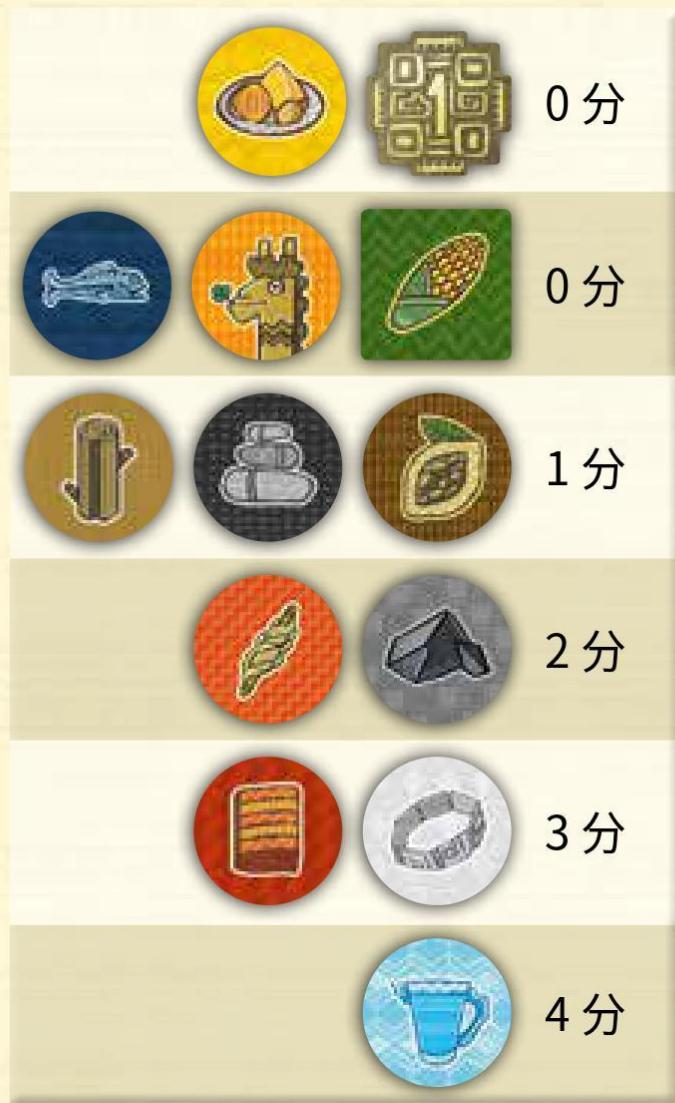
0 分
0 分
1 分
2 分
3 分
4 分

每艘船隻得2分,每個建築得4分。
然後,玩家加上完成的訂單上的分數。未完成的訂單不參與計分。所有未完成訂單上的貨物作廢。
之後,玩家獲得房屋帶來的獎勵分數。和房屋牌上對應的貨物板塊每個可獲得1分(包括倉庫裡的,但不包括訂單上的)。
最後,玩家獲得儲藏空間的分數。倉庫中每排完成的貨物,可以獲得該排底標明的分數。
每位玩家累計自己的分數。累計得分最高的玩家獲得遊戲勝利。平手時,擁有錢幣最多的玩家獲勝。

這個擴充中,每位玩家額外拿取2個任務。只要完成任務,即可獲得任務牌上分數。
遊戲開始前, 所有準備做完之後, 洗勻任務牌。每位玩家拿取3張任務牌, 選擇一張保留, 正面朝下放在自己面前, 隨後將剩下兩張中的其中一張遞給左手邊玩家, 另一張遞給右手邊玩家。此時, 每位玩家應該從自己旁邊玩家處獲得2張任務牌。選擇其中一張保留, 將另外一張移除遊戲。
在2人遊戲中,每位玩家從3張中選擇1張保留,1張遞給對手。剩餘第3張移除遊戲。這樣,每位玩家手中的2張任務牌1張為自己挑選,另一張來自對手。
任務牌保持正面朝下,直到任務完成時才翻開。所有玩家可隨時查看自己的任務牌。
遊戲結束計分時,每位玩家獲得完成的任務牌上的分數。只有參與計分的貨物才算作收集到的貨物,訂單上的不算。
在《南美高原》中有許多行動選擇,也有很多得分手段。參考以下提示幫助你順利遊戲:
不要忘記食物。每位玩家起始有1或2個食物。對整局遊戲來說,這些食物太少了,記得(使用魚或羊駝)及時生產更多食物,因爲食物不僅可以用於生產,還用於移動。如果你每回合只移動一次會非常艱難。但是,食物太多也不好,所以你需要保持數量的平衡。
換取魚。魚販子在市場上忙忙碌碌。只要有了魚,你不僅可以拿取食物,還可以換取貨物。基本行動中你只能用2條魚換取1塊石頭,但遊戲中有不少有趣的擴展板。
及時儲藏貨物。你第一次玩《南美高原》時, 你也許會低估倉庫的作用。儲藏貨物不僅能有效減少你布袋中堆積的板塊, 還能進行計分。比如你在遊戲開始時收集了各類貨物, 你可以開啓許多排貨物, 隨後完成價值最高的幾排, 這樣可以累計相當高的分數。
利用船隻另闢蹊徑。《南美高原》中有許多貨物,但其中許多你無法直接獲得。比如,沒有羊駝你就無法獲得羊毛,而沒有羊毛你就無法獲得布匹。遊戲中許多擴展板允許你生產或購買資源和貨物。另一種方式就是通過船隻。每艘船隻都載有某一類貨物。你不僅需要留意貨物的價值,還要留意它們能否用於獲取其他貨物:比如布匹價值3分,但你可以使用羊毛來生產布匹,或者用羊駝生產羊毛然後再生產布匹。
巧用錢幣。錢幣在遊戲結束不會帶來分數。因此沒有必要囤積錢幣。如果你買到了一個市場擴展板,你可以使用擴展板獲得貨物——只要你有足夠錢幣,而無需占用規劃格中的板塊。錢幣可以讓你在行動的選擇上更加靈活。
感謝所有測試者, 特別是 Andreas Butz, Ines Winkler, Oliver Westphal, Nils Schürmann, Kay Wähnert, Markus Angenendt, Dirk Horster, Sylvia Grigoriou, Nikolas Grigoriou.
sulfin'
meeple
擴展板詳解
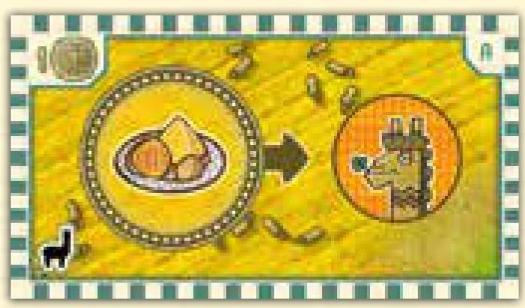 | 使用1個食物獲得1個羊駝(農場)。 | 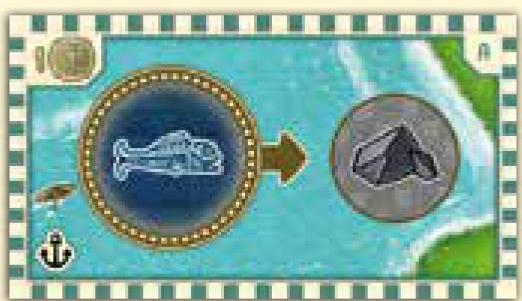 | 使用1條魚獲得1個礦物(漁港)。 |
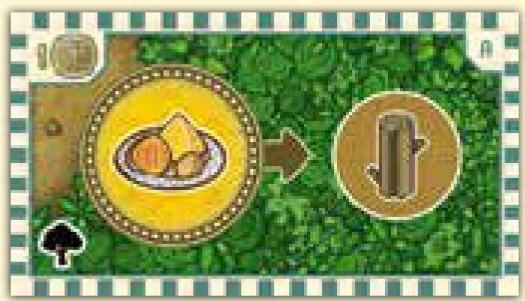 | 使用1個食物獲得1個木材(森林)。 |  | 使用1個食物獲得1個礦物(礦山)。 |
 | 使用1個食物獲得1條魚(漁港)。 | 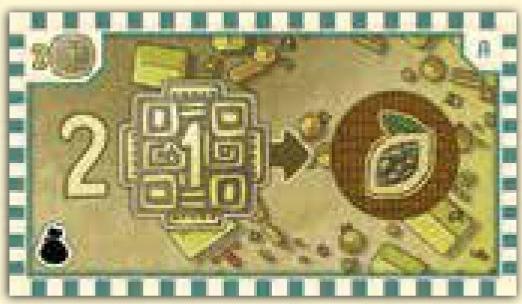 | 支付2枚錢幣獲得1個可可(市場)。 |
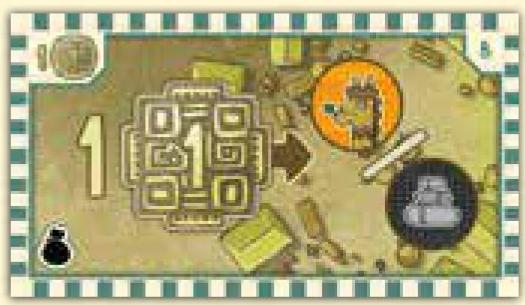 | 支付1枚錢幣獲得1個羊駝或1塊石頭(市場)。 |  | 支付1枚錢幣獲得1條魚或1個木材(市場)。 |
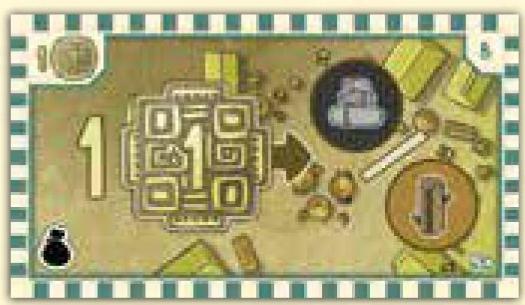 | 支付1枚錢幣獲得1塊石頭或1個木材(市場)。 |  | 使用1個食物獲得1塊石頭或1個礦物(礦山)。 |
 | 使用2條魚獲得1個可可(漁港)。 |  | 使用1條魚獲得1個礦物或1塊石頭或1個木材(漁港)。 |
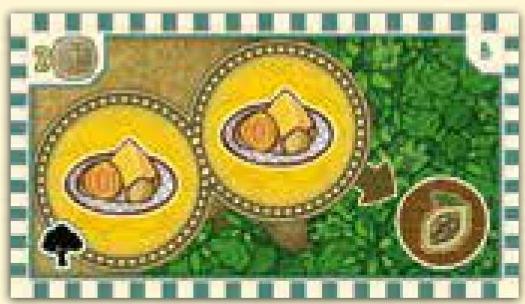 | 使用2個食物獲得1個可可(森林)。 |  | 在規劃階段,在此擴展板上放置任意一個板塊;你可以在之後執行一個基本行動時使用這個板塊。 |
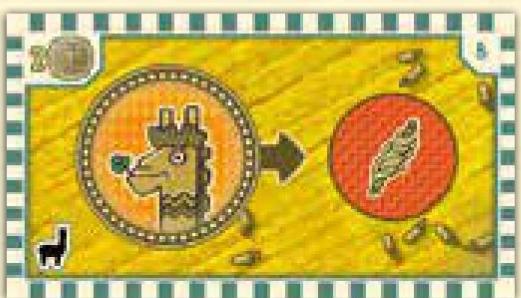
使用1個羊駝獲得1卷羊毛(農場)。
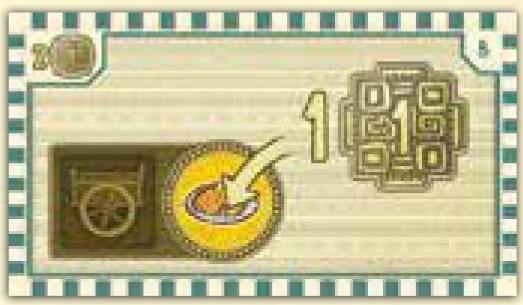



在第2階段,你可以選擇用1枚錢幣(代替1個食物)放到移動行動格上。如果你執行移動,你需要將移動行動格上的錢幣放回公共供應堆中。
將村莊的行動格額外增加2個。
支付2枚錢幣獲得1卷羊毛或1個礦物(市場)。
在計分開始前,從布袋中抽取最多10個貨物(如有必要,用貨物箱中的貨物補滿布袋)。你可以立即儲藏這些貨物——但是你不可開啟新的一排,只能將這些貨物添加到已經存有貨物的排中。

使用1個食物獲得1個可可(森林)。
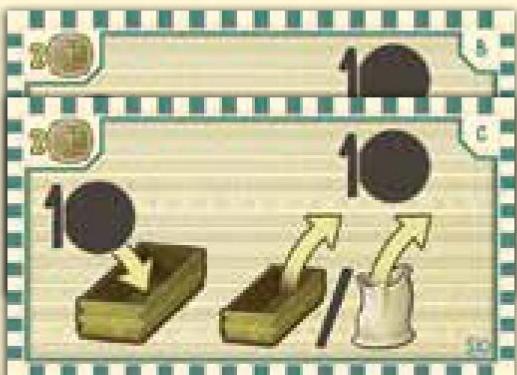
在第1階段和第2階段之間,從規劃格中選擇1個板塊放入你的貨物箱。隨後從貨物箱中拿取1個板塊,或者從布袋中抽取1個板塊。將新獲得的板塊放到一個規劃格上。

在規劃階段,在此擴展板上放置任意一個板塊;你可以在之後執行一個基本行動時使用這個板塊。
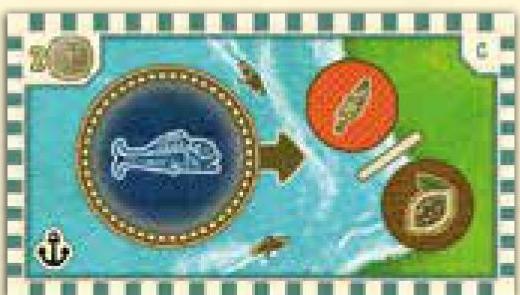
使用1條魚獲得1卷羊毛或1個可可(漁港)。
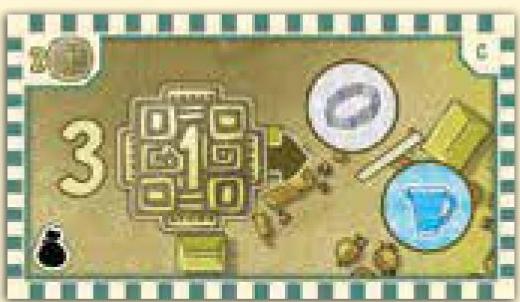
支付3枚錢幣獲得1個銀器或1塊玻璃(市場)。

在第3階段, 只要你獲得玉米,你可以將最多2個玉米放入此擴展板上的臨時儲藏空間。之後, 你可以將其中的1或2個玉米永久儲藏到倉庫 (詳見“儲藏空間”), 但這麼做需要作為一個單獨的行動。

sulfin'
meeple第一個使用魚填滿一排倉庫。

| 所有任務牌只標明完成的最低要求;你可以超出要求完成任務。 | |||
 | 完成3張訂單。 |  | 在倉庫中儲藏3個羊駝。 |
 | 在倉庫中儲藏7類貨物。 | 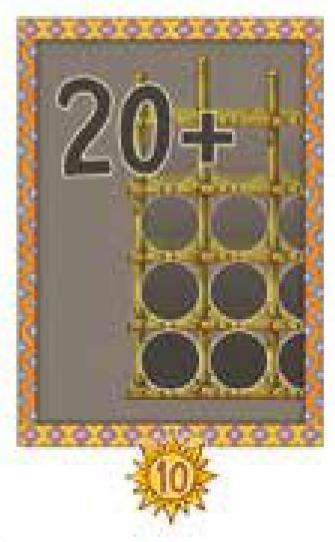 | 在倉庫中儲藏20個貨物。 |
 | 第一個填滿一排倉庫。 |  | 不使用玉米填滿倉庫中4排。 |
 | 遊戲結束時擁有3個銀器和3卷布匹(訂單上的貨物不計在内)。 |  | 遊戲結束時擁有4塊玻璃。(訂單上的貨物不計在内)。 |
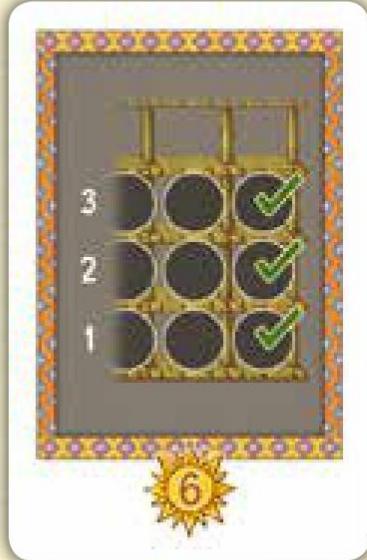 | 填滿3排倉庫。 |  | 在倉庫儲藏5個玉米。 |
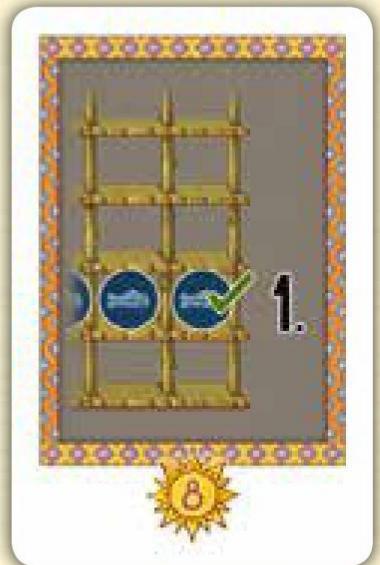
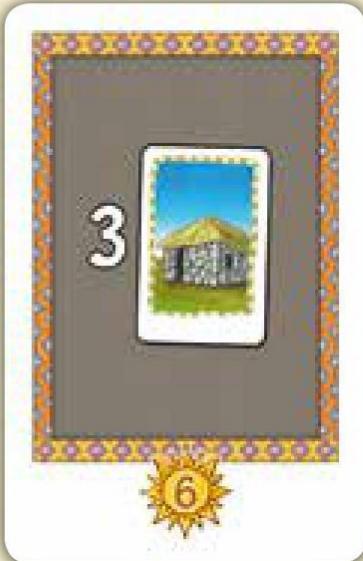
建造3閒房屋。

在倉庫中儲藏4個可可。

第一個完成訂單。
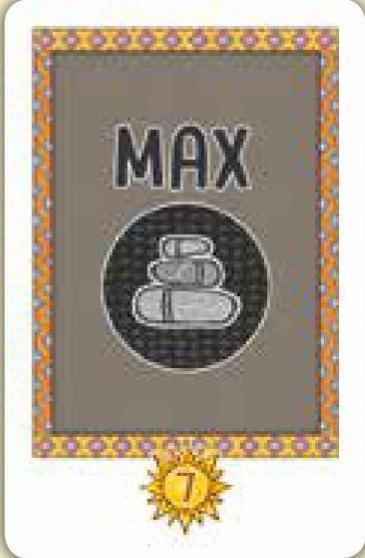
遊戲結束時擁有的石頭數量超過其他所有玩家(訂單上的貨物不計在內)。

建造3艘船隻。

遊戲結束時擁有的礦物數量超過其他所有玩家(訂單上的貨物不計在內)。
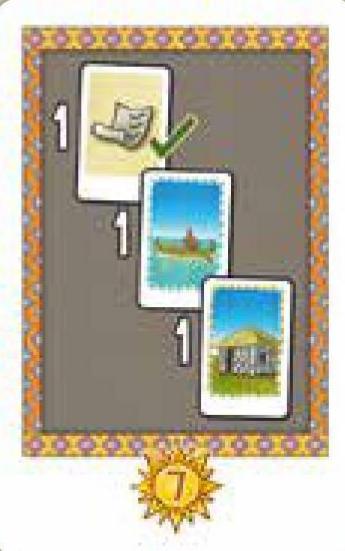
完成1張訂單,建造1艘船隻,建造1閒房屋。

第一個建造房屋。

完成2張需要羊毛或布匹的訂單。
sulfin'
meeple
Altiplano_Regeln_EN_V4_web.md37.1 KB


You are in the South American highlands, somewhere between the mountain ranges of Bolivia and Peru, where the altitude of more than 3,000 meters imposes tough demands on the people to utilize the scant vegetation for their needs. The inhabitants thrive by fishing in lake Titicaca, mining ore, breeding alpacas, and trading goods that they produce from these resources. But the resources are limited and will eventually run out, so you'll need to build new production facilities and find new sources of income, like cacao. Build roads to speed up your development and store goods in your warehouse so that you are able to survive the hard times that are not uncommon in this particular barren region. If you plan cleverly and are flexible enough to adapt yourself to the rough conditions of the Altiplano, you will have the highest yield in the end!

COMPONENTS LIST

7 location tiles

village
forest
market

5 road markers

5 player pawns
harbor

56 game cards
28 extensions


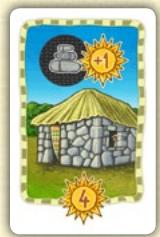
1 scorepad


10 house cards
50 Coins
10 boat cards
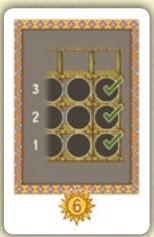
16 order cards
209 goods tiles
20 mission cards
7 role tiles


36x food

25x corn

20x wood 20x stone

15x ore

15x cloth




15x wool
15x silver
12× glass
12x fish
12x alpaca


12x cacao


shepherd


1 start player marker


5 cloth bags
1 extension strip
trader
5 scoring overviews
stonemason

5 containers

5 warehouses

5 action boards
A. SORT THE GAME PIECES
-
Determine how many goods and carts to use, based on the number of players (see chart below), returning any extras to the box.
-
Shuffle the 16 order cards, then randomly remove 6 cards (with 2-3 players) or 4 cards (with 4-5 players) from the game. Return them to the box unseen.
| #ofFoodplayers | Stone, Cloth, Ore, Alpaca, Fish,Corn CartsWood Silver, WoolCacao, Glass | Orders | |||||
| 2 | 36x | 12x 12x | 8x | 7x | 6x | 10x | |
| 3 | 36x | 17x | 15x | 12x 9x | 9x | 10x | |
| 4 | 36x | 22x | 18x | 14x | 11x | 12x | 12x |
| 5 | 36x | 25x | 20x | 15x | 12x | 15x | 12x |
B. CREATE THE PLATEAU
-
Place the 7 location tiles in random order so that each location is adjacent to 2 others and they all form a circle. This is the plateau.
-
Put all 36 food tiles and 50 coins in the center of the plateau
(i.e., between all of the location tiles). This is the supply.
- Place the following items directly on the locations:
Mine: stone tiles, ore tiles, and silver tiles

COMPONENT LIMITATIONS
When the tiles or cards of a given type are depleted, there are no more. In principle, actions that let you acquire tiles or cards may still be carried out even if they are depleted (although this often wouldn't make much sense). Coins, however, are unlimited — if the coin supply is depleted, use a suitable substitute.
C. PREPARE THE EXTENSIONS
- Remove any extensions that are not needed, returning them to the game box:
extensions marked “5+" are used with 5 players only
extensions marked “4+" are used with 4 or more players
extensions marked “3+" are used with 3 or more players
-
Separate the remaining extensions into 4 face-down stacks, based on their backs (A, B, C, or D), then shuffle each stack.
-
Arrange the stacks to form a single face-down stack: D stack on the bottom, then C stack on top of that, B stack on top of that, and A stack on the top.
-
Place the extension strip on the table, then reveal the top 5 extensions from the stack and position them in the 5 slots to the right of the extension strip, 1 per slot.

D. INDIVIDUAL PLAYER SETUP

- Each player chooses a color and receives the following personal items: 1 action board, 1 warehouse, 1 player pawn, 1 road marker, 1 container, 1 cart (from the village), and 1 cloth bag.
- Each player should put their road marker on the top space of the road, and their cart on the applicable upper cart space of their action board.

- Give the start player marker to the youngest player.
E. ASSIGN ROLES


-
Shuffle the 7 role tiles face down, then deal 1 at random to each player, face up.
-
Each player should take from the center the goods tiles, food tiles, and coins indicated on their role tile. Goods tiles and food tiles go in the cloth bag, while coins go next to your action board.

ASSIGNING ROLES
Once all players are familiar with the game, we recommend that you choose your assigned roles. To do this, lay the role tiles out face up. Beginning with the last player in turn order and continuing counter-clockwise (i.e, start player chooses last), each player chooses 1 role tile.
Now the game can begin!
PUBLIC INFO
Any player may check at any time what orders, boats, and houses currently are on the locations or with the other players. It is also allowed to count how many goods tiles are left in the supply and how many extensions are still in the stack (but without revealing the extensions or changing their order). Any player may check at any time the goods that are in their own bag or container.
SGGGGGAMEPLAYOVERVIEWSGGGGGSGSGGGGGGGGGGGSGGS
The game takes place in a series of rounds. Each round is divided into 4 phases:
Phase 1: Drawing (tiles from the bag)
Phase 2: Planning (assigning tiles to action spaces)
Phase 3: Actions (carried out in turn order until all players have passed)
Phase 4: Cleanup (preparation for the next round)

When the end of the game has been triggered — either because 1 location has been emptied or there are not enough extensions remaining to fully refill the extension strip — you will finish the round, then play 1 final round. The player who has the most points at the end of the game wins!
Phase 1: Drawing
All players carry out this phase simultaneously.
Retrieving Tiles from Action Spaces
Before you draw any tiles from your bag, you may retrieve previously placed tiles from your action spaces (either on your action board, role tile, or extensions) and put them back onto unoccupied planning spaces. You can also retrieve unspent coins from your extensions.
Important: You may never retrieve tiles from your warehouse or from orders and put them back onto planning spaces!
Drawing Tiles from Your Bag
Draw random tiles from your bag and put them onto the planning spaces of your action board. You will always draw tiles equal to the number of unoccupied planning spaces you have available. At the beginning of the game, you can occupy planning spaces 1-4 only (the other planning spaces become available as you construct roads).
Example A: To begin his turn, Chidi has 4 unoccupied planning spaces available. First, he decides to retrieve 1 fish tile from the harbor, putting it onto planning space 1. Then he draws 3 random tiles from his bag and puts them onto planning spaces 2-4.

Emptying Your Container
If you don't have enough tiles left in your bag for all unoccupied planning spaces you have available, draw the remaining tiles, then empty the contents of your container back into your bag. After this, draw the rest of the tiles you need. (If there are not enough tiles in your bag after you have emptied your container, then some of your available planning spaces will be unoccupied for this round.)
Phase 2: Planning
All players carry out this phase simultaneously.
Placing Tiles on Action Spaces
You may now place the tiles from your planning spaces onto unoccupied action spaces (either on your action board, role tile, or extensions). Each location depicts which tile or tiles must be placed on its action spaces in order to take the corresponding action. The only restriction is that you cannot place a tile at a location if you could never use that tile there. You are not required to place all the tiles from your planning spaces — however, this means that you would draw fewer tiles in the following round.
The basic actions, which are available to all players, are those on the action boards. At most locations, there are several different ways to use the tiles you place there. But the number of action spaces at a location is limited to 2 or 3, and only 1 tile can be placed on each action space, so you often won't be able to carry out different actions at a location in the same round.
Example B: Asha could produce 1 wool at the farm if she places 1 alpaca and 1 food on that action space. She could place just 1 alpaca to produce 1 food instead. In fact, because Asha has 2 alpacas available on her planning spaces this turn, she could place 2 alpacas at the farm, which would allow her to produce 2 food in a single action.
Important: During this phase, you may not relocate tiles that were placed on your action spaces in a previous round. Any tile that you put on an action space will remain there, even between rounds, until you either use the corresponding action (in the actions phase) or retrieve the tile (at the start of the drawing phase).
Certain market extensions require that you place coins instead of tiles. For these extensions, you must place the required coins during the planning phase, like you would any other tiles.
Declaring Your Planning Complete
When the start player is satisfied with the placement of their tiles, they declare that their planning is complete. Each other player, in turn order, then does the same when they are ready. Once you have declared your planning complete, you may not relocate your tiles.
In this phase, players take actions in turn order.
Sequence of Play
Beginning with the start player, each player takes 1 action. Players continue to take actions this way, 1 at a time, until they choose to pass on their turn. Once a player has passed, they can no longer take further actions in the current round (though other players will continue).
Taking Your Actions
On each of your turns, you may take any 1 action available to you, with these caveats:
-
You must meet the requirements of the action (usually, having placed the required tile or tiles on the action space).
-
Your player pawn must be at the corresponding location tile in the plateau.
It is not mandatory to take all actions that are available to you in a given round. Even if you placed tiles during the planning phase that would allow you to take an action, you can leave them for now — perhaps to take the action in a later round, or perhaps to retrieve those tiles and use them elsewhere.
Moving Your Player Pawn
Before and/or after each of your actions, you may move your player pawn around the plateau, in either direction. (Before your very first action in the game, place your player pawn on any location tile of your choice.) You can move either by foot or by cart.
Moving by Foot: In order to move, you may move 1 step by using 1 food from a movement action space. You may do this multiple times, using 1 food for each step. Each step you move must be to an adjacent location.
Moving by Cart: Each player begins the game with 1 cart (but may buy more). You can use each cart once per round. A cart allows your player pawn to move up to 3 steps around the plateau (instead of 1), in either direction. When you use a cart, slide it to the right to indicate that it cannot be used again this round. You can use your first cart each round for free, but for each subsequent cart you
use in a round, you must have 1 food on your movement action spaces.
Example C: valerie wants to take actions at 3 different locations this round. She has 1 cart, and placed 1 food on a movement action space. On her first turn, Valerie takes an action at the harbor On her second turn, she uses her cart to move to the road (3 steps away) and take an action. For her third turn, Valerie uses the food to move by foot from the road to the village (1 step away) and take another action there.

Filling Your Container
Put all tiles you are removing to take an action, along with any tiles gained by taking the action, into your container. The same applies to food tiles used for movement. (Remember: Tiles in your container will remain there until you need to draw from your bag and it is empty.) When you gain a new tile, take it from the corresponding location tile.
Important: Unlike many games in which you sell or otherwise give up resources, in this game all goods and food tiles always remain in your possession. Only coins are spent.
Spending Coins
Coins are handled differently than goods and food tiles. First, coins are always spent and returned to the supply when used. Second, coins are kept next to your action board. This means that coins do not go into your bag or container, and you do not have to put them onto planning spaces to use them. (Remember: On market extensions, you do have to place the required coins during the planning phase in order to take the action during the actions phase.)
Passing
When all players have passed (either voluntarily or because there are no more actions available to them), proceed to the cleanup phase.
THE BASIC ACTIONS
FARM ACTIONS
Produce food: Use 1 or more alpacas to gain 1 food per alpaca from the supply.
Produce wool: Use 1 alpaca and 1 food to gain 1 wool from the farm.
Produce cloth: Use 1 wool and 1 food to gain 1 cloth from the farm.

FOREST ACTIONS
Produce wood: Use 2 food to gain 1 wood.
Trade cacao: Use 1 or more cacao to gain 1 food, 1 cloth, or 1 glass per cacao.

MINE ACTIONS

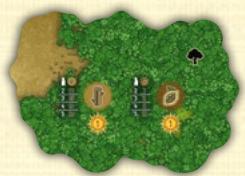
Produce stone: Use 2 food to gain 1 stone.
Produce silver: Use 1 ore and 1 food to gain 1 silver.

HARBOR ACTIONS
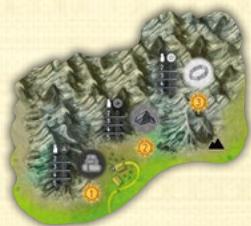
Produce food: Use 1 fish and 1 food to gain 1 food.
Trade fish: Use 2 fish to gain 1 stone.
Build a boat: Use 2 wood to take 1 boat card of your choice from the stack at the harbor. You immediately gain the good shown on the boat card (one time only). Put the boat face up next to your action board.

VILLAGE ACTIONS
Build a house: Use 2 stone to take 1 house card of your choice from the stack at the village. Put the house card face up next to your action board.
Store goods: Move 1 or more goods (not food) from this location to store them in your warehouse, following the storage rules (see STORING GOODS, p. 9).
Buy a cart: Spend 1 coin to take 1 cart from the village and put it next to a movement action space — it is available to you for the rest of the game. You may buy only 1 cart per round and may have a maximum of 4 carts.
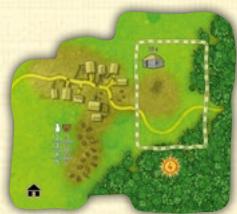
MARKET ACTIONS
Sell goods: Use 1 or more goods to gain coins equal to their prices (listed on your action board). Goods without a listed price cannot be sold.
Buy an extension: Take any 1 available extension by paying its price in coins. The price is the extension's inherent cost (printed on the extension itself) plus the additional cost indicated by the slot it occupies at the extension strip. Then adjoin the extension to the corresponding location of your action board. You may buy only 1 extension per round.

Important: You cannot buy an extension if you already have an identical extension or if its action is the same action provided by your role tile.
Acquire an order: Spend 1 coin to take 1 order card of your choice from the stack at the market. Put the order card face up next to your action board.

Important: You cannot have more than 1 unfulfilled order at a time. You may acquire another order only when you have completed your current order.
Deliver goods: Move 1 or more goods from this location to empty spaces on your unfulfilled order card. You do not have to deliver all of the required goods at once. If you delivered the final required good, gain 1 corn from the road and immediately store it in your warehouse. The delivered goods remain on the order card.
ROAD ACTIONS
Construct a road: Use 1 stone and 1 wood to advance your road marker by 1. For each advance, you will receive 1 of 2 benefits (indicated by the road tile): o gain access to 1 additional planning space for the rest of the game o gain 1 corn and and immediately store it in your warehouse

Follow these steps to prepare for the next round of play.
-
Pass start player. The current start player passes the start player marker to the next player in clockwise order.
-
Reset carts. All carts that were used this round are moved back to the left.
-
Refill extension strip. If 1 or more extensions were bought this round, slide all extensions downward to fill in any gaps. If no extensions were bought, discard the extension at the bottom, removing it from the game. In either case, refill the extension strip with new extensions from the stack.
STORING GOODS
When you store goods in your warehouse, either by taking the "store goods" action or due to gaining corn, you must follow the rules below.
Basic Warehouse Rules
Fill from bottom to top. When you start a new row, it must be the lowest row available in the left depot (or the right depot if the left depot's rows have all been started). Fill each row left to right. In each row, start with the leftmost space and work to the right, with each new tile filling the next available space — 1 tile per space.
Only 1 goods type per row. The first tile in a row determines the only type of goods you can store in that row. (Corn is the only exception to this rule.)
Only 1 incomplete row per goods type. You cannot start a new row for a type of goods if you still have an incomplete row of that type. You must complete the existing row first.
No food! Food tiles can never be stored in the warehouse.
Rules for Storing Corn
Must be stored immediately. You always have to store corn as soon as you gain it (unless you have the extension allowing you to put corn into temporary storage).
Corn can be a substitute. You can add corn to rows that already have other goods. This allows you to complete rows with a combination of goods and corn.
Corn rows take priority. If you have a row that is only corn, then that is the only row in which you can store corn until the row is completed.
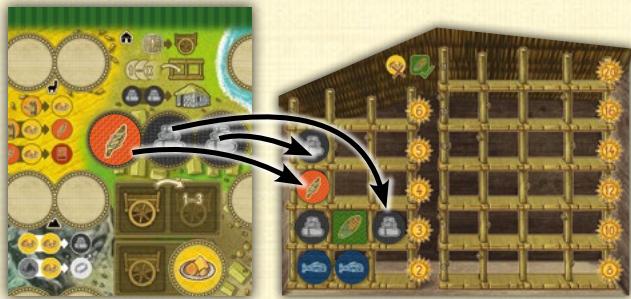
ExampLe D: Tristan currently has 2 fish in row 1, and 1 stone and 1 corn in row 2. Now he wants to move 1 wool and 2 stone from the village action spaces to his warehouse. First, Tristan stores 1 stone, completing row 2 (this completed row will be worth 3 points at the end of the game). then he starts row 3 with the wool and starts row 4 with the other stone.
DDDDDDDEND OF THE GAME DDDDDD DDDDD DDDDDDDDDDDDDDDDDDDDDD
The end of the game is triggered as soon as either of the following conditions is met:
Any 1 location tile is depleted of all items (tiles, cards, and/or carts) that were on it
Not enough extensions remain to completely refill the slots of the extension strip
When this occurs, finish the current round and then play 1 more final round. After the final round, proceed to final scoring.
至·曾会·FINAL SCORING会·会·会·会·会·会·会·会·曾会…会
Before calculating your final score, remove all tiles from your bag, container, and planning spaces, and arrange them by type in front of you. (Do NOT remove tiles from your warehouse or from order cards!)
As you evaluate each scoring category, note your score on the included scorepad.
- For each goods tile you have, score points according to the values below. Goods in your warehouse are included, but goods on orders are not.
Wood / Stone / Cacao = 1 point each
Wool / Ore = 2 points each
Cloth / Silver = 3 points each
Glass = 4 points each

-
Score 2 points for each boat card you have.
-
Score 4 points for each house card you have. In addition, for each type of goods listed on a house card, score 1 bonus point for each goods tile of that type (not on orders).
-
Score the listed points for each of your fulfilled orders. (Unfulfilled orders don't score.)
-
Score the listed points for each completed row in your warehouse.
-
(Optional) Score points for each mission card that you successfully completed.
After all scoring is complete, the player who accumulated the highest point total is declared the winner! In the case of a tie, the tied player with the most coins remaining wins.

MISSIONS EXPANSION
With this optional module, each player is given secret goals to work toward for extra points.
Missions Setup
After normal setup is complete, shuffle all 20 mission cards and deal 3 to each player. Each player chooses 1 to keep, setting it face down beside their action board. After all players have done this, each player then passes their 2 remaining cards to their neighbors — 1 card to the left and 1 to the right (receiving 2 cards in return as well). Each player then chooses 1 of those 2 cards to keep. Each unchosen card is then removed from the game.
Exception: In the 2-player game, each player selects 1 of the 3 mission cards they were dealt, then hands 1 of the 2 remaining cards to their opponent. The third card is removed from the game. In this way, each player chooses 1 mission for themselves and 1 for their opponent.

Completing Missions
Your mission cards remain next to your action board, face down, until completed. When you complete a mission, immediately flip it face up and leave it revealed for the rest of the game. You may look at your face-down mission cards at any time.
During final scoring, each player scores the listed points for each of their mission cards that they completed. Each mission card shows the minimum conditions required for fulfillment, but you can exceed those conditions, of course. (Any goods on orders are not counted for purposes of mission cards that require you to collect goods of a certain type.)
In Altiplano, there are plenty of possible actions, and there are many paths to victory. Here are some tips to help you get started.
Don't forget food. Each player starts with 1 or 2 food tiles. That is precious little for an entire game, since food is needed not only for all productions but also for extra movement. It's a bitter feeling if you are able to move your pawn only once in a round! Set yourself up to produce more food (using fish or alpaca) over time. However, too much food is not good either, so find an appropriate balance.
Exchange fish. With fish, you can readily get food, but don't overlook the fact that you can exchange fish for goods. As a basic action, you can only exchange 2 fish for 1 stone, but there are some extensions that make fish useful for other exchanges.
Store at the right time. Beginners often underestimate the warehouse. Storing goods helps you manage the tiles in your bag, but it can also be a major source of points. For example, if you collect many different types of goods to begin with, you can start many rows and then complete only the more valuable rows in the right depot.
Boats are an alternative. There are many goods, but you don't have immediate access to all of them. Without alpacas, for example, you can't get wool, and without wool, you can't produce cloth. Extensions are one way around this, but another option is the boats. Each boat comes with a certain good. Pay attention to goods that give you access to other goods: A cloth tile is worth 3 points, but you can use a wool tile to produce cloth again, or an alpaca tile to produce wool and then use wool to produce cloth.
Use coins cleverly. Coins aren't worth any points in the end, so it's pointless to hoard them. If you get a market extension, you can gain goods that way — provided you earn enough coins — without having to use tiles from your planning spaces. Coins thus give you additional action possibilities.
GGGGGGGGGGGaG59G5GGGGGGG A员A员A:员A员A:员AA员A:员A员A员A员A AVAVAVAVAVAVAVAVAVAVAVAVAVAVAVAVAVAVAVAVAVAVAVAVAVAVA MNNNNNNNNNNNNNNNNNN AAAAAAAAAAAAAAAAA AA:目AA:目A:AAAAAAA AWAVAVAVAVAVAVAVAVAVAVAVAVAVAVAVAVAVAAAVAVAVAVAVAVA NNNNN AAAAAAAAAAAA A::A:A:A:A::A:A:A::A AWAVAVAWAVAVAVAVAVAVAVAVAVAVAVAVAVAVAWAVAVAVAVAWAVAVA
WNNN REFERENCE A >> EXTENSIONS WNNNNNWNNNWN

Use 1 food to gain 1 fish (harbor).

Use 1 fish to gain 1 ore (harbor).
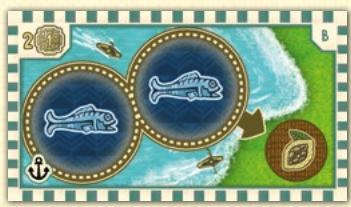
Use 2 fish to gain 1 cacao (harbor).
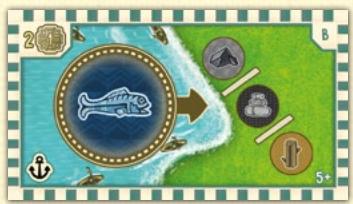
Use 1 fish to gain 1 ore, 1 stone, or 1 wood (harbor).
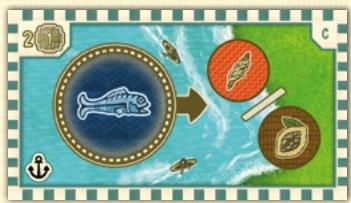
Use 1 fish to gain 1 wool or 1 cacao. (harbor).
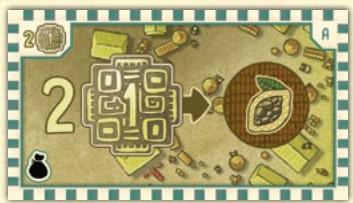
Spend 2 coins to gain 1 cacao (market).

Spend 1 coin to gain 1 alpaca or 1 stone (market).
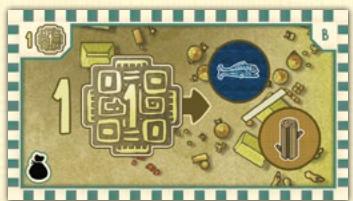
Spend 1 coin to gain 1 fish or 1 wood (market).
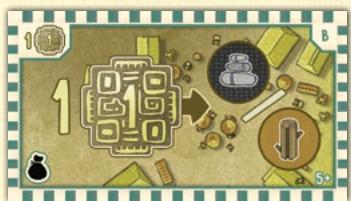
Spend 1 coin to gain 1 stone or 1 wood (market).
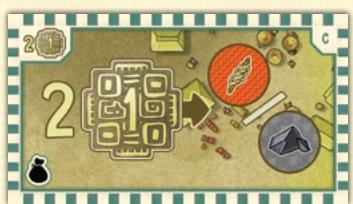
Spend 2 coins to gain 1 wool or 1 ore (market).

Spend 3 coins to gain 1 silver or 1 glass (market).
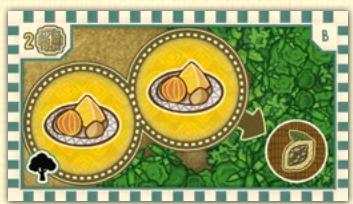
Use 2 food to gain 1 cacao (forest).

Use 1 food to gain 1 cacao (forest).

Use 1 food to gain 1 wood (forest).

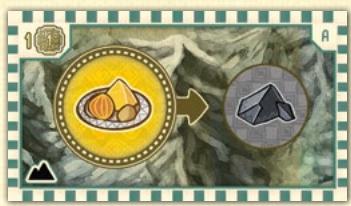


Use 1 alpaca to gain 1 wool (farm).


Use 1 food to gain 1 ore (mine).
During the planning phase, place any 1 tile here. You can use it later to carry out any action on your action board (i.e., not on your role tile or extensions).
At the end of the drawing phase, move any 1 tile from your planning spaces to your container. Then, either draw 1 tile from your bag or choose 1 tile from your container. Put that tile on the unoccupied planning space.
Just before final scoring, draw up to 10 goods from your bag (empty your container, if necessary). You may store these goods immediately — however, you may not start any new rows in the warehouse, but only add these goods to existing rows.
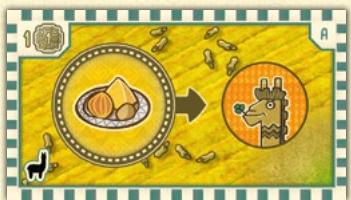
Use 1 food to gain 1 alpaca (farm).

Use 1 food to gain 1 stone or 1 ore (mine).
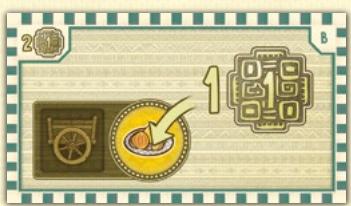
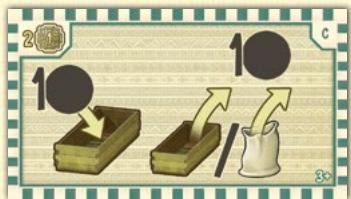
During the planning phase, you may place 1 coin (instead of 1 food) on movement action spaces. If you use that movement, spend the coin.


These count as 2 additional action spaces for you at the village.
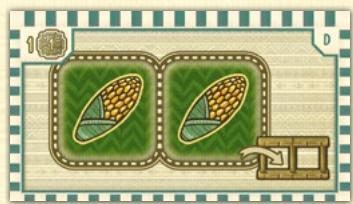
You may place up to 2 corn into temporary storage here, as you gain them. Later on, you can, as an action, move 1 or 2 corn from here to your warehouse.
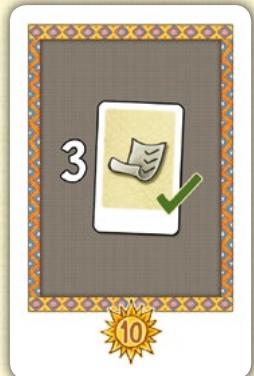
Fulfill 3 orders.

Store 7 different types of goods in your warehouse.
Store 3 alpacas in your warehouse.

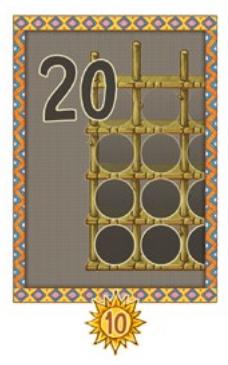
Store 20 goods in your warehouse.
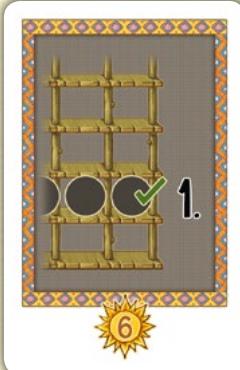
Be the first to complete a warehouse row.

Complete 4 rows in your warehouse that do not have corn.

Collect 3 silver and 3 cloth by the end of the game (not on orders).

Collect 4 glass by the end of the game (not on orders).
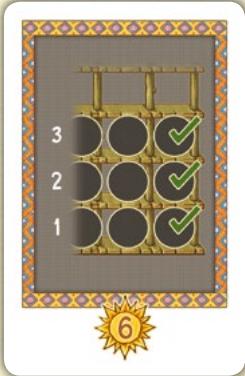
Complete 3 rows in your warehouse.

Store 5 corn in your warehouse.

Be the first to complete a warehouse row with only fish.

Build 3 houses.

Store 4 cacao in your warehouse.

Be the first to fulfill an order.

Collect more stone than any other player by the end of the game (not on orders).
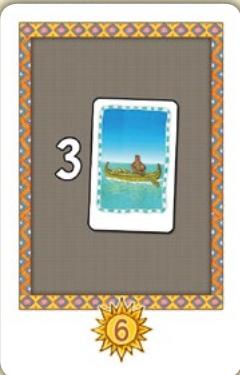
Collect more ore than any other player by the end of the game (not on orders).
Build 3 boats.
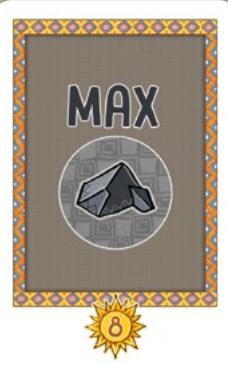

Fulfill 1 order, build 1 boat, and build 1 house.

Be the first to build a house.
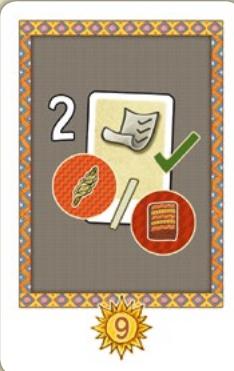
Fulfill 2 orders involving wool or cloth.
CREDITS
Game Designer: Reiner Stockhausen Illustrations: Klemens Franz Development: dlp games, Louis & Stefan Malz Graphic Designer: Andrea Kattnig Production Artist: Jeff Oglesby Editor: Dustin Schwartz - Renegade Game Studios —
President & Publisher: Scott Gaeta Controller: Robyn Gaeta Director of Operations: Leisha Cummins Director of Sales & Marketing: Sara Erickson Creative Director: Anita Osburn Customer Service: Jenni Kingma

dlp games
© Copyright 2017 dlp games. © Copyright 2018 Renegade Game Studios. All Rights Reserved. For additional information or support, please visit us online: www.renegadegames.com
/PlayRGS@PlayRenegade @Renegade_Game_Studios

简繁检索对照.md1.6 KB
235487_234487_altiplano — 简体/繁体检索对照
本游戏的规则书是繁体中文原文。用户用简体提问时,把关键词按下面这张表转成繁体再去 grep 原文,命中率最高。
回答时用简体或繁体都可以,但引用的原文保持繁体。
简体 → 繁体 对照(按该游戏原文出现频率排序,共 60 字)
| 简体 | 繁体 | 原文出现次数 |
|---|---|---|
| 个 | 個 | 157 |
| 块 | 塊 | 130 |
| 动 | 動 | 127 |
| 货 | 貨 | 88 |
| 获 | 獲 | 69 |
| 后 | 後 | 62 |
| 从 | 從 | 61 |
| 将 | 將 | 59 |
| 游 | 遊 | 55 |
| 戏 | 戲 | 54 |
| 扩 | 擴 | 53 |
| 这 | 這 | 50 |
| 规 | 規 | 50 |
| 时 | 時 | 43 |
| 划 | 劃 | 43 |
| 钱 | 錢 | 36 |
| 币 | 幣 | 36 |
| 单 | 單 | 33 |
| 场 | 場 | 32 |
| 张 | 張 | 32 |
| 订 | 訂 | 31 |
| 数 | 數 | 31 |
| 执 | 執 | 31 |
| 开 | 開 | 30 |
| 区 | 區 | 29 |
| 阶 | 階 | 29 |
| 鱼 | 魚 | 28 |
| 仓 | 倉 | 27 |
| 库 | 庫 | 27 |
| 条 | 條 | 27 |
| 车 | 車 | 26 |
| 标 | 標 | 24 |
| 应 | 應 | 22 |
| 矿 | 礦 | 20 |
| 产 | 產 | 20 |
| 计 | 計 | 20 |
| 随 | 隨 | 20 |
| 无 | 無 | 20 |
| 储 | 儲 | 19 |
| 过 | 過 | 18 |
| 驼 | 駝 | 18 |
| 来 | 來 | 16 |
| 须 | 須 | 16 |
| 头 | 頭 | 16 |
| 许 | 許 | 16 |
| 选 | 選 | 16 |
| 记 | 記 | 15 |
| 只 | 隻 | 15 |
| 择 | 擇 | 15 |
| 对 | 對 | 14 |
| 务 | 務 | 14 |
| 渔 | 漁 | 13 |
| 没 | 沒 | 13 |
| 于 | 於 | 13 |
| 结 | 結 | 13 |
| 买 | 買 | 13 |
| 种 | 種 | 12 |
| 农 | 農 | 12 |
| 庄 | 莊 | 12 |
| 会 | 會 | 11 |
原文为社区整理/出版社公开资料,版权归原作者,仅供个人学习查阅。