
超级魔王地下城Boss Monster
一句话概览
超级魔王地下城 是一款已收录于村了吗规则库的桌游,支持 1–4 人,原名 Boss Monster。
本页内容:一句话概览 · 常见问题
这游戏怎么玩
- 本站已收录这款游戏的规则资料,可以在对话里直接提问规则细节。
常见问题(FAQ)
以下 1 条问答中 0 条来自站内玩家的真实提问,其余 1 条为本站整理的常见疑问;答复内容保持原样。
超级魔王地下城支持几个人玩?
1–4 人。
去哪查完整规则
想核对具体规则细节、卡牌效果或某个回合的结算方式,可以在村了吗里选中这款游戏后直接提问。
同类桌游
- 卡坦岛德式
- 工业革命:伯明翰德式
- 勃艮第城堡:特别典藏版德式
- 方舟动物园德式
- 卡卡颂抽象
- 瘟疫危机传承:第一季美式
- 阿瑞迪亚:勇踏征途美式
- 重塑宇宙德式
- 幽港迷城美式
- 埃多拉的德鲁伊德式
规则原文(Markdown)
本站收录这款游戏的规则原文 1 个文件,此处内联渲染 1 个,可直接展开阅读或下载。
Super Boss Monster Rulebook.md56.4 KB

SUpER BOSS MONSTER
For ten years, one Boss Monster has reigned supreme. With over a million copies sold, games translated around the world, and an army of expansions, Boss Monster has ruled the tabletop as everyone's favorite dungeon-building card game. But change is inevitable, and now a final Boss has taken the field! Super Boss Monster is the next evolution of the famed Boss Monster series of games.
Fully backward compatible with previous Boss Monster expansions,
Super Boss Monster super-charges your
game with a central town board and player action selection. Just like the original Boss Monster, your job is to
build the perfect dungeon to lure and destroy pesky heroes. You'll have to be ruthless;
if you let too many heroes stack up in
town, they'll overflow into the town's
special Landmarks, gaining boosts that
make them tougher to slay. But you'll
also need to be clever; Landmarks not occupied by heroes can be activated by your Minion for game-changing strategies that can make or break your turn.
Draft rooms, build your dungeon, draw in heroes and slay them! Only the most sinister Boss can win at SUPER BOSS MONSTER!
COMPONENTS

75 ROOM CARDS

32 SPELL CARDS
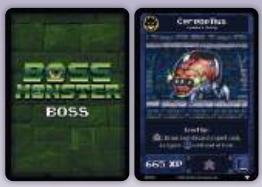
12 BOSS CARDS
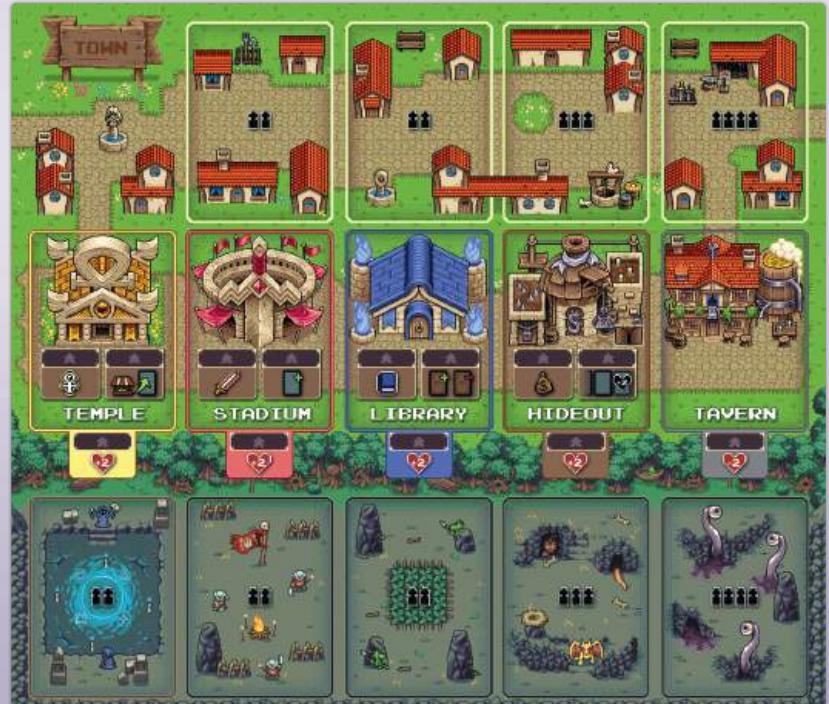

1 DOUBLE SIDED TOWN BOARD
(Solo Mode Version on back)
25 HERO CARDS
17 EPIC HERO CARDS

1 FIRST PLAYER MARKER

4 MINIONS

4 MINION HOMES

8 HERO HEALTH COUNTERS

28 DAMAGE COUNTERS
Otot, Terrler Cleric Otot doesn't think he's in his rural hometown anymore, but he's still willing to bless the stormclouds wherever he goes.
OVERVIEW
suPER Boss MonSTER is a game about luring eroes into your dungeon and slaying them. Heroes who die in your dungeon count as "Souls," but heroes who survive give you"Wounds." The game ends when any player ends a turn with 10 Souls, or there are no more heroes left in the Town or Hero deck.

The winner is the player with the most Souls minus Wounds (-). It is therefore possible to be the player who ends the game with 10 Souls, but still lose because you took too many Wounds. See "End of Turn & End of Game" on page 14 for tiebreaker rules. Successful Bosses build dungeons that have enough treasure to lure in heroes AnD do enough damage to slay those heroes. Victory requires careful planning and flexibility as the game progresses.
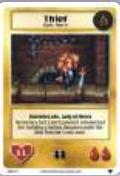
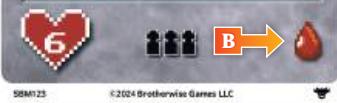
HERO CARD QUICK VIEW


A Ordinary heroes give 1.
B Ordinary heroes deal 1.
Game Setup
STEP1: PREPARE THE BOARD
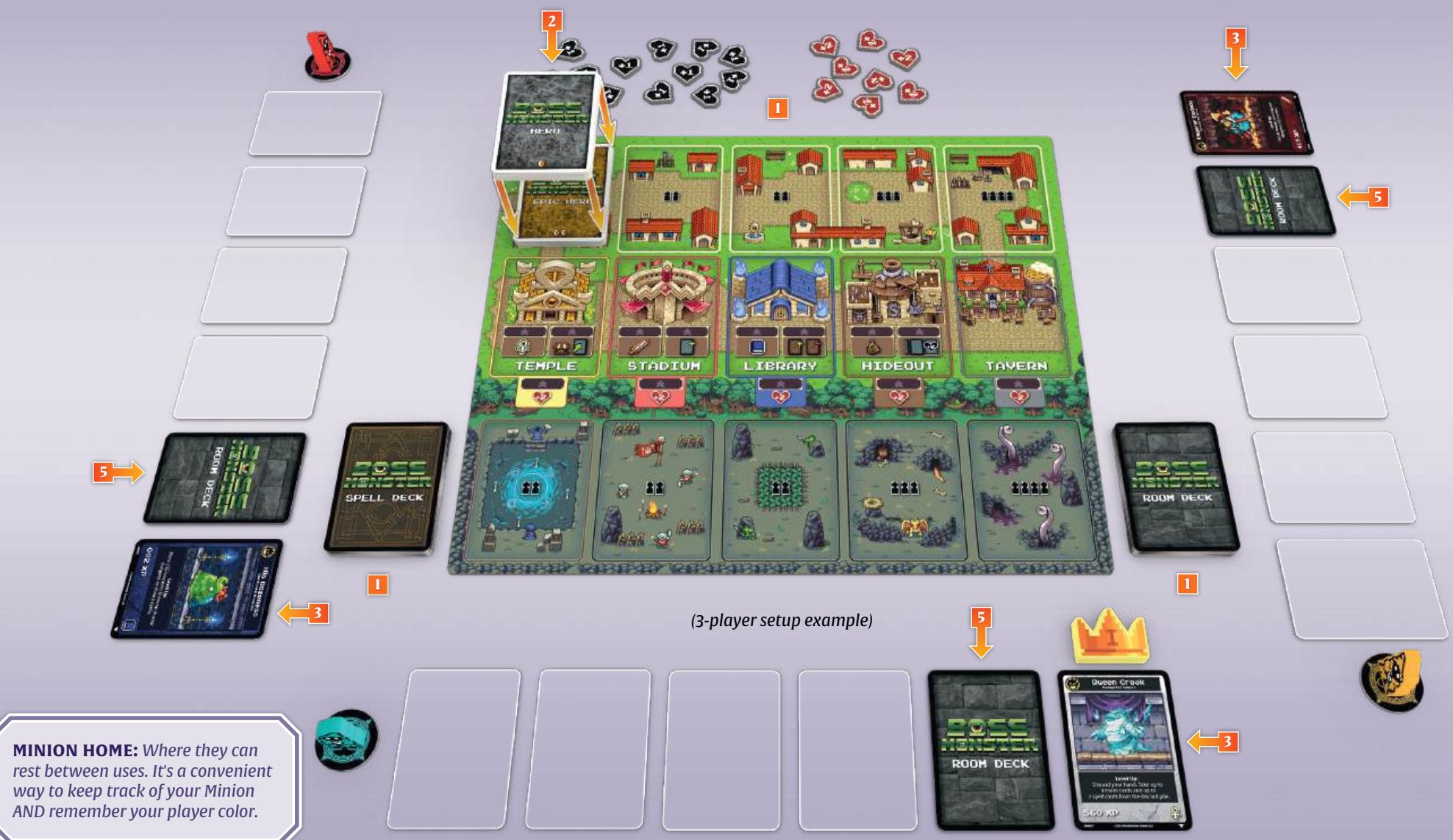
Place the main board in the center of the table within easy reach of all players. Give each player a Minion and the matching Minion home. Place the heart counters to the side in a pile, within reach of all players. Shuffle the Spell deck and the Room deck and place them on either side of the Town Board, on the bottom Market Level.
STEP : PREPARE THE TOWN DECK
The Town deck is made of the hero and Epic hero decks and must be curated based on the number of players. Look through both the silver Hero deck and the gold Epic Hero deck.
■ If you are playing a 2-PLAYER game, remove all cards with the “”and“”icons from each deck.
If you are playing a 3-PLAYER game, just remove the “”heroes.
■ In a 4-PLAYER game, use all of the heroes.
The Town deck is then made by placing the shuffled hero cards on top and the shuffled Epic hero cards on the bottom of the deck so that all hero cards will be drawn before any Epic hero cards. Place the Town deck in the slot in the upper left-hand corner of the Town Board.
STEP3: INITIAL SET UP
Shuffle the Boss deck and randomly deal 2 Boss cards to each player. Players select one Boss to play as and return the other to the box. Players reveal their Boss cards and place them to the right of their play area. All room cards will be “built” to the left of the Boss card, while acquired Souls will be placed to the right and Wounds will be tucked under the player's Boss card.
Find whichever Boss Monster in play has the highest XP.
Give them the First Player marker.

STEP4: STARTING HAND
Each player draws 5 room cards and 2 spell cards.

STEP5: BUILD YOUR FIRST ROOM
Before the first turn begins, each player can build one room. To “build" a room card, place it face-down on the table to the left of your Boss card. All players place their cards facedown whenever they're ready. Once all players have placed their cards, simultaneously reveal the newly built rooms. In clockwise order, starting with the First Player, resolve any “when you build this” effects.
At this point, Setup is complete and the first turn begins.

COMBINATION NOTE:
Every other BOSS MONSTER expansion and core box can be combined with SUPER BOSS MONSTER freely with the Boss, room, and spell cards. However, the hero treasure icons are carefully balanced across each set, so it's recommended that you use only the heroes from one set of Boss Monster.
MULLIGAN:
If you draw four Advanced rooms or four of one treasure type, you may reveal then shuffle your entire hand back into their individual decks and draw a new hand. This must happen before step 5 in setup.


Gameplay at a Glance
The heart of Boss Monster is dungeon building! Your Boss card1sits at the right end of a side-scrolling dungeon, and each turn you can strengthen and refine your dungeon with new rooms2. Each turn, after you build a new room, you'll lure heroes to your dungeon based on the treasure in those rooms3, and slay those heroes by depleting their health with room damage4. Heroes you slay get added to your Souls count. Heroes you don't slay wound your Boss!
New to SUPER BoSS MoNSTER is the Town board, where the Boss Monsters send their Minions to interact with the world above. Heroes congregate in TownAbefore invading dungeons, and if it gets too crowded, they'll go train and grow more powerful at the LandmarksB. Bosses can send their Minions to infiltrate those Landmarks on special actions spacesC. The MarketDallows Boss Monsters to choose which rooms and spells to add to their hand to build the best dungeon.
The player count indicators in the top and bottom rows limit the spaces that will be used in games of different player counts. A 2-player game will NEvER use the spaces with the 3 and 4 player counts, and a 3-player game will never use the spaces with the 4-player count icons. All of those slots will be used during a 4-player game!


Sequence of Play
After the initial Setup, each turn in Super Boss Monster consists of five phases (each discussed in detail on the following pages):
TOWN PHASE: (PAGE 8)
Restock the Market with rooms and a spell, and reveal heroes in town (one hero per player in the game), moving heroes to the Landmarks if necessary. Then, starting with the First Player and going clockwise after, each player takes one card from the Market and places their Minion on any available action space in town or in their dungeon.
BUILD PHASE: (PAGE 10)
Each player may cast Build phase spells (marked with the or icons) and build one room. To build a room, players each place one room card facedown in their dungeon. At the end of the Build phase, newly built rooms are revealed simultaneously and any “when you build this room”" abilities are resolved in player order, starting with the First Player and proceeding clockwise around the table. No spells or other abilities may be played during the reveal, nor in the following Bait phase.
MINION PHASE: (PAGE 11)
Minion actions take effect in player order starting with the First Player. Any remaining cards in the Market are then discarded from the Market.
BAIT PHASE: (PAGE 11)
Heroes in town move to the entrance of the dungeon with the highest number of treasure icons corresponding to the treasure on their card.
Heroes will stay in town if treasure values are tied between two or more dungeons.
ADVENTURE PHASE: (PAGE 12)
Heroes travel through dungeons. Proceeding clockwise from the First Player, each player will act as the active player, "processing" all heroes at their dungeon entrance in order and acquiring Souls orWounds. Each player may cast adventure phase spells (marked with the or icons).
END OF TURN: (PAGE 14)
The First Player marker passes to the next player in clockwise order. Each player reclaims their Minion. The turn ends, and a new turn begins.
There are two key concepts that influence the Sequence of Play:
■ PLAYER oRDER: Player order will always start with whoever the current First Player is and proceed clockwise around the table. The First Player marker passes to the left at the end of each turn.
■ ACTIvE PLAYER: The Active Player is the one currently building a room or “processing” heroes during the Adventure phase.
RESOLVING EFFECTS:
Spells and room abilities resolve in the reverse order in which they were played (“last in, first out”). This simply means that when a spell or room ability is played, there is always a moment for another player (or the same player) to interrupt with another effect. If they do so, their spell or ability is resolved before the first one is played. There's no limit to how many effects can be played this way, with each new spell or ability resolving before the others.
Note that "when you build this room" effects resolve clockwise in order from the First Player the moment all rooms are revealed.


COMBINATION NOTE:
There are no dual treasure heroes in SUPER BOSS MONSTER, but if you're combining the game with older expansions, you might have heroes with multiple treasures or no treasures. If a dual treasure hero gets moved to a Landmark, place them in the first available Landmark spot with a matching treasure type, from left to right. If a hero has no treasure type, place them directly in the Tavern.

The Relic Hunter Epic hero from Boss Monster 3 would move to the Library if it were empty, then to the Hideout if the Library were occupied, or finally they would be placed in the Tavern if the Library and Hideout were already full.
TOWN PHASE
During the Town phase, the following steps occur in order:
RESTOCK THE MARKET:
Place 1 spell1 and a number of room cards equal to the number of players in the Market 2 (The spots that should be filled are indicated by player count symbols. Only fill the spots matching the number of players in the game.)

HEROES APPEAR IN TOWN:
Flip over one hero card for each player in the game. All ordinary heroes must be revealed before an Epic hero will be revealed. There are a limited number of available spots in the town (equal to the number of players, indicated by player count icons). Whenever a hero enters Town, place them on the rightmost available space. If no spaces are available, they will push all heroes to the left, pushing the leftmost hero down into a Landmark matching their treasure icon. (Whenever heroes leave the town, slide any remaining heroes to the left.) If that Landmark is already occupied by a hero, place them in the Tavern. (There is no limit to the number of heroes in the Tavern; they can stack.) Keep moving heroes until the town doesn't have more heroes than available spots. (In the example here, there are already three heroes in town. Rabbitt the Fighter needs to enter town, so he pushes each hero to the left, pushing the mage down into the Library). If any hero has an ability that directly moves them to a Landmark, like the Gladiator, move them as soon as they're revealed.

MARKET AND MINION:
After filling in new heroes, each player, starting with the First Player and proceeding clockwise, drafts one of the available room or spell cards in the Market to their hand. Additionally, they place their Minion on any visible and unoccupied action space in the Landmarks row or on room or Boss cards in their dungeon. (Don't forget, you can only use a Boss action space if you're leveled up!) You can see what all the Landmark action spaces do on page 15.
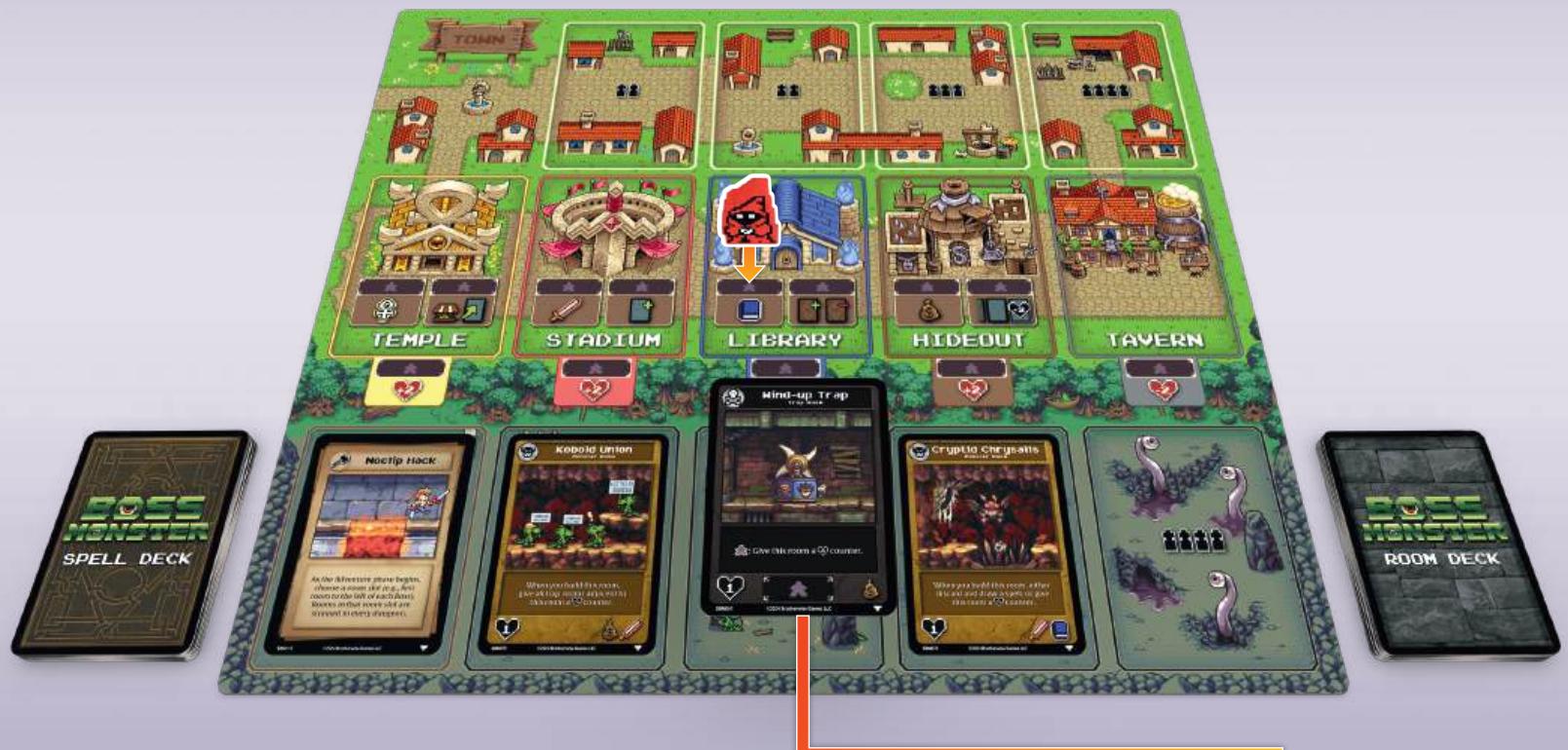
Spell cards, room cards, and activated abilities cannot be used during the Town phase. Once each player has drafted a card from the Market and placed their Minion, the Build phase begins.
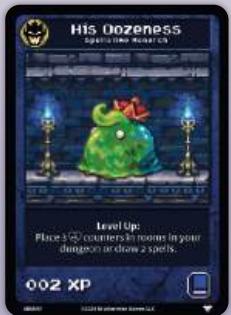
His Oozeness has picked the Wind-up Trap to add to his dungeon.
IMPORTANT NOTE:
Each action space can only be occupied by one Minion at a time, so plan accordingly.
Your Minion may not visit an action space in any other player's dungeon.

IMPORTANT NOTE:
The Market does not replenish after each player takes a card, so the last player will usually only have 2 cards to choose from. Certain effects, such as those on rooms and Boss cards, may allow players to draw directly from either the room deck or the spell deck, which means there may be more than 1 card left at the end of this phase.


PRO TIPS
BUILDING OVER:
Keep an eye on your treasure types as you’re building rooms, because they will limit the Advanced rooms you're allowed to play. Multi-treasure rooms (with gold borders) tend to be low-damage, but they give your dungeon versatility. Also keep in mind that ordinary rooms can always be built over any room, regardless of treasure type!
ROOM STACKS:
When rooms are built on top of each other, the rooms below remain as part of the "stack.' When the top room in a stack is destroyed, the next room below becomes the new top room!
BUILD PHASE
During the Build phase, players take turns, starting with the First Player, placing rooms face-down in their dungeon. You must specify where the room is to be placed. A room can be placed in one of two locations:
TO THE LEFT OF YOUR LEFTMOST CARD:
During Set Up, you'll always place your first room to the left of your Boss card. Afterwards, during the Build phase, you may build additional new rooms to the left of any already built rooms, but never between two already built rooms. Note your dungeon has spots for a maximum of five rooms, not including your Boss card.
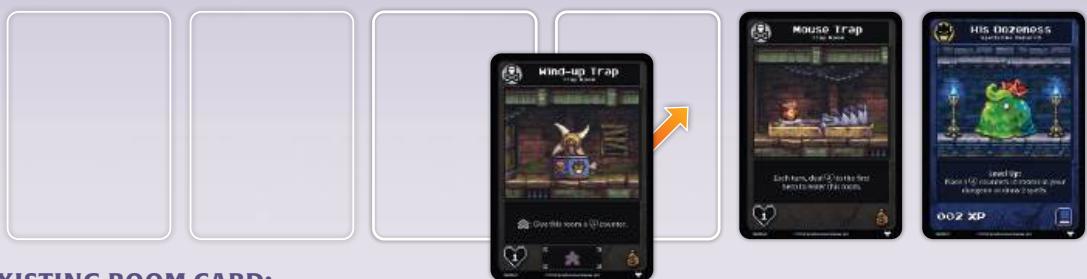
ON TOP OF AN EXISTING ROOM CARD:
Ordinary rooms can be built on top of any room. Advanced rooms can only be built on top of a room with at least one matching treasure icon. Any time a room is built on top of another room with counters on it, those counters are lost and returned to the supply.

You may also choose not to play a room. If you do, announce you are not building a room, and do not place a card from your hand.
Cards being built are always placed face-down during the Build phase (the examples above are shown face up for illustrative purposes only). This keeps your opponents guessing what treasure type you might be adding to your treasure count.
At any point during the Build phase before rooms are revealed, you may use card abilities and play spells marked with the or icon.
Once each player has had the chance to place a room, during the “end of the Build phase," players simultaneously flip over and reveal their room cards. These rooms are now considered “built." Any “Level Up” and “when you build this room” abilities take effect for the First Player, followed by proceeding players in a clockwise order. (No spells or other abilities may be played during the reveal.)
MINION PHASE
During the Minion phase, in order starting with the First Player, each player gains the effect provided by their Minion. Some action space effects are resolved immediately, while others last through the rest of the turn. Heroes assigned through hero summoning spots (described on page 15) are placed at the entrance to whatever dungeon they are being assigned to (yours or another player's).
After every player has gained their Minion's effects, if there are any cards left in the Marketplace, move them all to the discard pile.
BAIT PHASE
During the Bait phase, heroes are lured to the player dungeons via the following steps:
COMPARE TREASURE VALUES:
Starting with the leftmost hero in the town row, count the amount of treasure icons (/) in each dungeon corresponding to each hero in town. Add any modifiers from room abilities, spells, or action spaces.
LURE:
For each hero, the dungeon with the highest relevant treasure value lures in that hero. The hero moves to that dungeon's entrance. (Place the hero beside the leftmost room in that dungeon, maintaining the order in which each hero was lured to that dungeon.)
TIED TREASURE VALUES:
If no player has treasure of that hero's type, or if all players are tied, the hero stays in town.
Spell cards and room abilities cannot be played or used during the Bait phase.
If multiple heroes move to a player's dungeon, they arrive in the order that they were revealed from the hero deck. Once all heroes are accounted for, the Adventure phase begins.


IMPORTANT NOTE:
Heroes in Landmarks are never lured with treasure icons or with spells. The only way to gain them is to have your Minion assign them to a dungeon with an action. See page 15 for more details.
PRO TIP
BOTTLENECKED HEROES:
If no player has the highest treasure value for a given hero, either because all players have zero or there's a tie for most, that hero stays in town. On the next turn, new heroes arrive as normal. If a tie is not broken, heroes will move down to the Landmarks and start training, getting more powerful!
In this example, there are three heroes to lure in town, two fighters and one thief. The other player focused on Cleric symbols, so it comes down to Emperor Dododo and His Oozeness. Emperor Dododo has three Fightertreasures, so both Fighters čome to him. His Oozeness has 2 Thief treasures, so the Thief comes to him. His Oozeness also has three Magetreasures, but the Mage at the Library can't be lured unless he's visited, and neither player felt confident enough to face him!
PRO TIP
TRACKING HEROES:
Sometimes, hero sequence can be important. Heroes obey a “first in, first out” rule. To keep track of this, place each newly revealed hero in the leftmost open slot in town, adding new heroes to the right. The closest to the deck should always be the one that has been in play longest.
When a hero is lured to a dungeon, slide the other hero cards to the left to take its place. When adding a hero, if there are no open slots in town, the leftmost hero is sent to their matching Landmark below town. Slide all other heroes to the left, and add the new hero in the open slot on the right.
ADVENTURE PHASE
During the Adventure phase, heroes “attack" dungeons, and players take turns contending with them. Players with heroes at their dungeon entrances take turns as the active player (starting with the First Player), following these steps:
HEROES ENTER:
One at a time, starting with the first hero to arrive at an entrance to a player's dungeon, each hero moves through that player's dungeon.
A hero moves all the way through a dungeon before the next hero enters.
ROOMS DEAL DAMAGE:
As the hero enters each room, the room deals its damage. Damage is counted cumulatively for all rooms a hero enters.
SPELLS AND ABILITIES:
In each room, after damage is dealt, players may activate the room's special abilities and/or play spells marked with the Adventure () icon or Both () icon.
DEATH:
If a hero takes damage equal to or exceeding its Health, it dies in the room that assigned the last bit of cumulative damage.
Move that hero to your scorekeeping area and place it face-down, adding its Soul value to your total.

SURVIVAL:
If you are not able to sufficiently damage the hero (or slay it by other means) before it reaches your Boss, place it face-up under your Boss card with the Wound icon showing.
All killed or surviving heroes are placed in the player's scorekeeping area. Once all heroes at a player's dungeon entrance are processed, the next player in clockwise order resolves their Adventure phase.
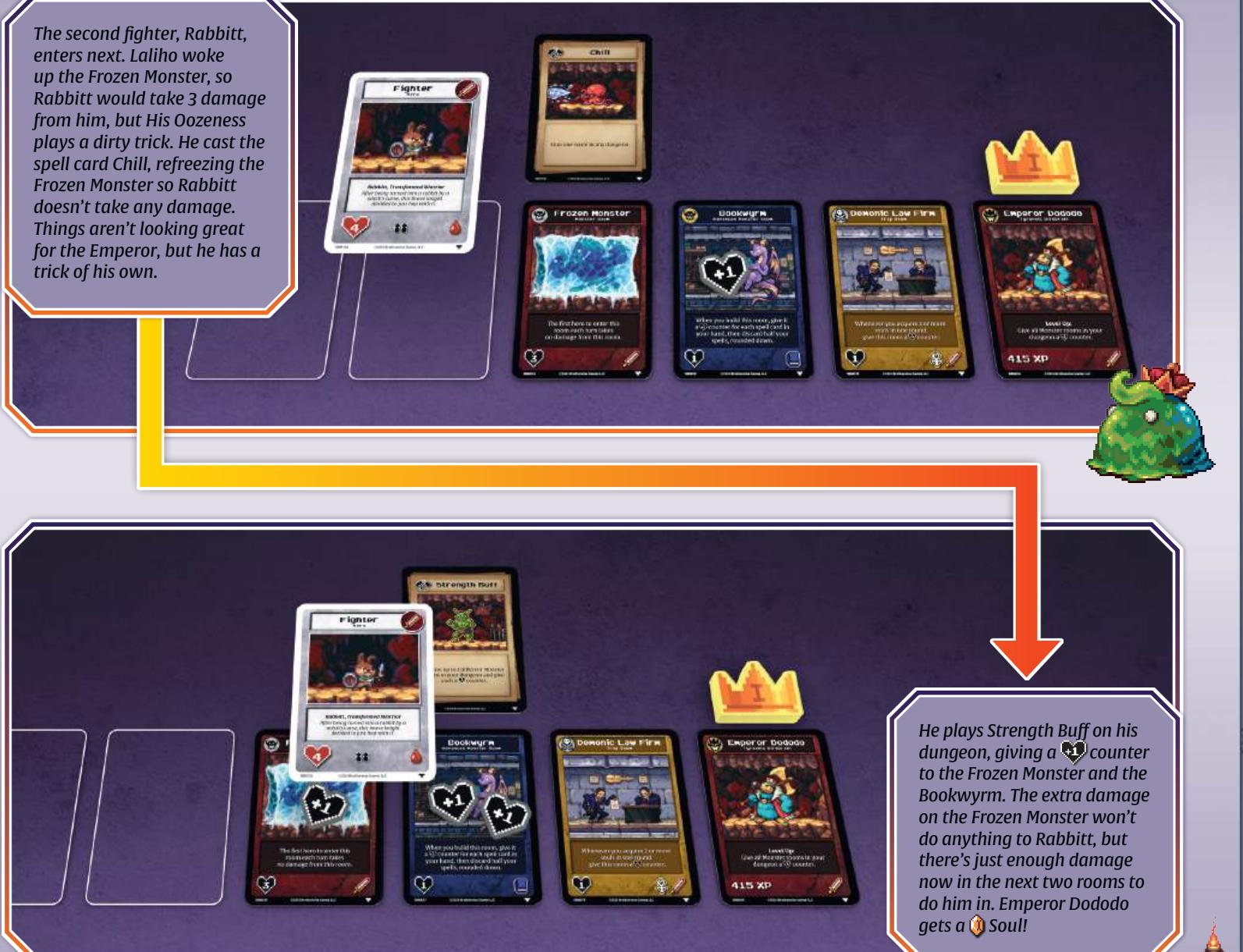

Choose up to 2 different Monster rooms in your dungeon and give each a




END OF TURN & END OF GAME
Once all players have had a chance to be the active player during the Adventure phase, the turn ends.
At the end of the turn, any “until end of turn” effects are resolved.
Pass the First Player marker to the next player in clockwise order. Each player retrieves their Minion.
In the event that a hero takes damage during the Adventure phase but is returned to town or the entrance of a dungeon by a card ability, damage to that hero does not carry over to subsequent turns. Heroes returned to town will follow the normal assignment rules for a new hero entering town. Heroes returned to a dungeon entrance will sit there until the next Adventure phase.
Spell cards and activated abilities cannot be used during the End of Turn phase.
CHECK FOR END OF GAME:
The game does not end until a full turn is complete and every eligible player has had a chance to resolve an Adventure phase. Once every player has had a chance to act, determine the following.
■ If any player ends the turn with 10 or more Souls, the GAME IS OVER.
■ If there are no more heroes in the Town deck, theGAME IS OVER.
Each player then calculates their total Souls minus their total Wounds. The player with the highest result wins the game!
In the event of a tie, the player with the highest XP Boss wins.
Now shuffle the decks, deal out some new Boss cards, and play again!
I DEMAND A REMATCH! THIS TIME I'LL GET AHEAD!
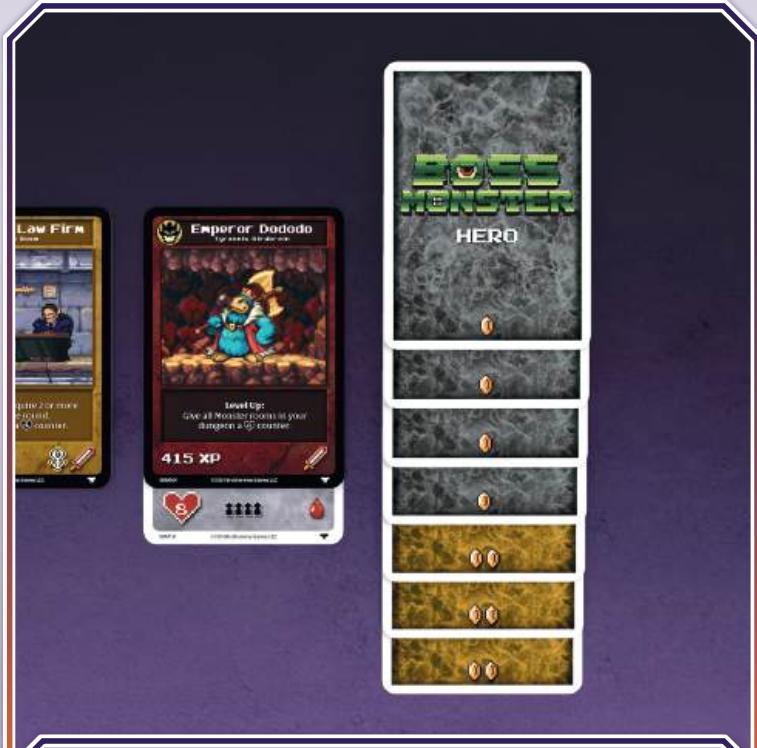
In this situation, Emperor Dododo has 10 Souls, but 1Wound, making his final score 9. If no other Boss has more, he wins!
ANATOMY OF THE BOARD AND CARDS
TOWN ACTION SPACES
Each Landmark in the town – except for the Tavern – has three action spaces. Each action space may only have one Minion on it. If an action space is covered by a hero, it may not be visited.
A The Temple, Stadium, Library, and Hideout all have one action space that grants a treasure icon (). When your Minion is on that spot, your Boss card gains the associated treasure icon for the entire turn (matching treasure tokens are provided to track this extra icon). The acquired treasure icon is counted for the purposes of luring heroes during the Bait phase, and also triggers any room effects that count treasure icons in your dungeon.
B All five Landmarks have a hero summoning spot that may only be visited if the Landmark is occupied by a hero (the hero summoning spots are located below the Landmark art to show this) When your Minion is on one of these five spots, you must send that hero – and the listed heart token with it – to any player's dungeon during the Minion phase. If you choose the Tavern's hero summoning spot, you will only send the top hero there to a dungeon, and that hero will gain aheart counter.
C Take one of the remaining cards in the Market, if any. Usually there will be exactly one card left.
DDraw a room card from the top of the room deck.
EDraw a spell card from the top of the spell deck, then discard a spell card.

F For the rest of this turn, the last room in your dungeon does an additional 2 damage. This power does not add counters to that room. Pro tip: You can flip your Minion home to reflect this extra damage!
IMPORTANT NOTE: Keep in mind, these effects don't take place until the Minion phase, which is after the Build phase. If you draw a room card by placing your Minion on the right-most Stadium action space, you won't get to build it this phase, and heroes don't move out of the Landmark – making more available spots – until the Minion phase.

ROOM TYPE ICONS:

MONSTER ROOM


ADVANCED MONSTER ROOM
TRAP ROOM

ADVANCED TRAP ROOM
IMPORTANT NOTE:
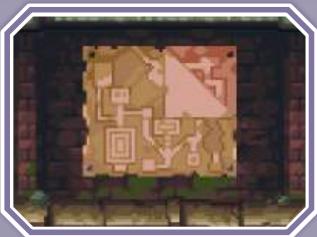
If a room with an action space has aMinion on it, it cannot be covered by another room or destroyed by any player. It cannot be targeted for those actions either.
COMBINATION NOTE:
If a room with a Minion in it is deactivated before the Minion effects are received, the player receives no benefit.

BOSS CARD ANATOMY
Your Boss card represents the ultimate villain waiting at the end of your dungeon... you! While it has a treasure value, it does not count as a room. It cannot deal damage, be deactivated, stunned, or be destroyed (more on these terms later).
ABOSS ICON AND NAME: This icon indicates that this is a Boss card.
BBOSS ABILITY: Each Boss card has a powerful “Level Up” ability, which triggers at the end of the Build phase when their dungeon first reaches five visible rooms.
C XP: In Super Boss Monster, XP only determines which player starts the game with the First Player Marker and breaks ties at end of game. It does NOT affect the order of action resolution as it did in the original Boss Monster.
D MINIoN ACTIoN SPACE: If the Boss has an Action on their card, this space indicates where the Minion should be placed if using this spot in the Town phase. Boss Abilities with a Action Space activate every time a Minion is placed there once Leveled Up!
ETREAsURE: A Boss card's treasure icon adds to its dungeon's total.
Your “Level Up” ability triggers when your dungeon hits its maximum length of five rooms (not counting your Boss). Use a coin or token to indicate that this ability has been reached. Some Level Up abilities are one-time effects and some give effects that take place every turn.
ROOM CARD ANATOMY
Your dungeon's rooms attract and damage heroes. Each turn, you can build a new room in your dungeon, up to a maximum of five visible rooms. Ordinary rooms can be built at the end of your dungeon, or over any other room. Advanced rooms are “upgrades" that can only be built on existing rooms with at least one matching treasure icon.
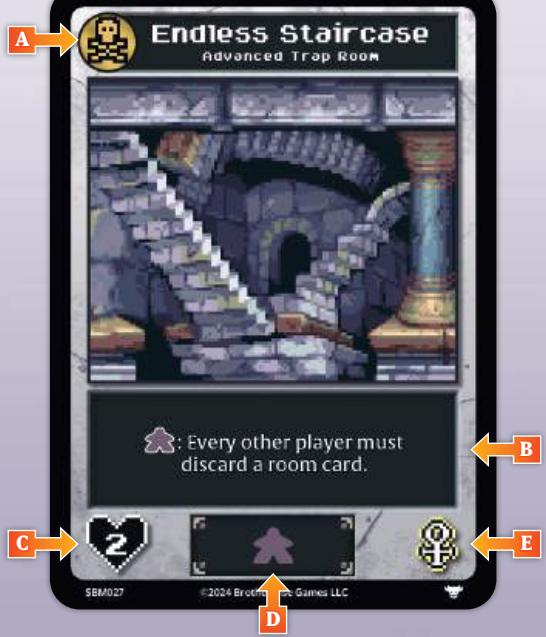
A RooM ICoN AND NAME: A silver icon is an ordinary room, while Advanced rooms have gold icons. This icon also shows a room's subtype: whether it's a Monster room or a Trap ro
BABILITY: The ules text of the card is ctive as long as it is visible and in play. Some abilities provide actions for your Minion to use.
DAMAGE: Each time a hero enters a room, it immediately takes the listed damage, reducing its health total. When the damage taken in a room meets or exceeds its health, that hero dies.
D MINION ACTION SPACE: If the room has an Action on their card, this space indicates where the Minion should be placed if using this spot in the Town phase.
ETREAsURE: The treasure icons indicate what type of heroes this room attracts.

HERO CARD ANATOMY
Heroes appear in Town every turn, waiting for adventures. Ordinary heroes are silver; Epic heroes are gold. Epic heroes don't show up until all the ordinary heroes have entered town.
ATREASURE ICON: The type of treasure that lures this hero.
B HEALTH: The amount of damage this hero can resist before dying. Note that Epic heroes have more health than ordinary heroes.
C ABILITY OR HISTORY: Some heroes have abilities here that have special effects, which will be written in a black box. All other heroes have a little bit of character history, which has no effect on gameplay.
D wouND: If a hero survives your dungeon, it is placed beneath your Boss face-up. Ordinary heroes count as oneWound. Epic heroes count as twoWounds.
EPLAYER IcoN: This indicates whether the card is used in a 2-, 3-, or 4-player game.
souL (on the back side of hero and Epic hero cards): When a hero dies in your dungeon, turn it face-down. Ordinary heroes count as one Soul , while Epic heroes count as two Souls !
SPELL CARD ANATOMY
Spells reflect the power of your Boss Monster to affect what happens in your dungeon... and beyond! You'll start the game with two spells, but may then only draw new spell cards when a card specifically tells you to do so, or if you take the one spell card in the Market each turn.
You may play any number of spells per turn, but may only play spells during the Build and Adventure phases, not the Town phase or Bait phase.
Once you'’ve played a spell, place it in the discard pile.

APHASE ICoN: This icon indicates the phase when the card can be played.
BTEXT: The rules text of the card describes its effects.

TREASURE ICONS:

CLERIC

FIGHTER

MAGE

THIEF

EXPLORER* (Crash Landing Expansion only)
SPELL PHASE ICONS:

BUILD
Play during the Build phase only.

ADVENTURE
Play during the Adventure phase only.
BOTH

Can be played during the Build or Adventure phase.
PRIORITY:
Spells and room abilities resolve in the reverse order in which they were played (“last in, first out”). This simply means that when a spell or room ability is played, there is always a moment for another player (or the same player) to interrupt with another effect. If they do so, their spell or ability is resolved before the first one played. There's no limit to how many effects can be played this way, with each new spell or ability resolving before the others.
COMBINATION NOTE:
Only add counters to a room in your duňgeon if an effect specifically calls for a counter. Cards from other expansions may give rooms a damage bonus (until end of turn, or while a certain condition is met), but they do not use counters.


COUNTERS
COUNTERS
Many rooms, spells, and Bosses in suPER Boss MoNSsTER interact with Counters. These are placed directly on rooms in your dungeon, and each one provides one additional damage to heroes entering that rõom.
counters are considered part of the room's damage, so if the room is Stunned or Deactivated, the counters don't do any damage.
If you build a room on top of a room with counters, you return those counters to the resource pile.
If an effect gives or removes counters from your dungeon instead of any specific room, that counter can be placed in or removed from any room in your dungeǒn (note: your Boss card is not a room!). If placed, it must be placed immediately. Only effects that use the word "counters" give counters. If it just gives damage, that's imaginary damage just for that turn, or as long as that effect is active, like the action space in the Hideout or the action ability of the Minion Arena!
/COUNTERS
Landmarks will give heroes additional or subtracted health. The hero's total health is increased or decreased by the amount on the token.
Luring the Gladiator or Criminal by visiting the StadiumA or HideoutB with a 大 Minion would give the heroes an additional2 health. However, if a player chooses to go to the TavernC instead, Rabbitt the Fighter would recievehealth before he enters the player dungeon — a rather enticing proposition. Otherwise, the Cleric who is not at a location will be lured with no counters that adjust their health.

COMBINING WITH OTHER EXPANSIONS
Any BOSS MoNSTER expansion or promo can be combined with SUPER BOSS MoNSTER, using the new rules from Super Boss Monster. There are a few things to remember when combining:
1 If a room, spell, or Boss gives a room, and does not use the word “counter”, do not place a counter on them. Count this damage against heroes, but it does not provide a permanent effect likecounters.
2 Only use the complete hero set from one game. These decks have been carefully curated based on player count and treasure, and combining them removes that balance.
③ If a hero without a treasure icon (like the Fool in Boss Monster) would move to a Landmark, place them in the Tavern.
4 Each card in every Boss Monster game and expansion, as well as Super Boss Monster, has a symbol on the bottom of the card to represent which game it's from for ease of separation. There are 3 expansion mechanics that need more explanation:
ITEMS
When using items from expansions like TOOLS OF HERO-KIND and IMPLEMENTS OF DESTRUCTION, follow the regular rules for items. Reveal one item each turn and attach it to the first hero with a matching treasure icon in town. If no heroes are present with matching treasure symbols, leave the item above the town board until a matching hero is eventually revealed.
Items do not attach to heroes in Landmarks, but if a hero with an Item moves down into a Landmark, the item stays attached to them.
EXPLORER TREASURE TYPE

If playing with the 5-6 player cards from CRAsH LANDING, use the paper board extension included in the game box, placing it on the right side of the board. Shuffle the cards from Crash Landing into the respective decks.
A The 6-player spot of the Market on the extension board gives another spell, instead of a room.
BThe first location of the Launchpad provides another Explorer symbol to the dungeon of any Minion placed there. The second slot allows the player who placed their Minion there to pick a room stack in any dungeon and randomly shuffle all the room cards in that stack.
Unlike the standard rules for Crash Landing, don't split heroes between players with tied treasure symbols. That is not necessary because of the Town Board.
COINS
If playing with cards using the coin mechanic from BosS MoNSTER 3, each player starts with 3coins, and once per turn may discard a room card to gain acoin.
IMPORTANT NOTE: A paper expansion board is provided for 5-6 player games, but requires the Crash Landing expansion from Boss Monster. You can use any token or wooden piece to represent the minions for players 5 and 6. Official wooden Minions and a deluxe version of this player board can be found in the Super Boss Monster Big Box for purchase at brotherwisegames.com.

SOLO MODE WITH OTHER EXPANSIONS:
Solo mode can be played with many Boss Monster expansions, but they must all use the cards and board from SUPER BOSS MONSTER. For a full list of spells, Bosses, and Items needed to be removed for solo mode, visit our website:


SOLO MODE
SETUP:
■ Remove the following spells from the game: Stealth (x2), Grand Theft (x2), Noclip Hack (x2), Safety Audit (x2), Chill (x2), Co-op Mode (x2), Quest (x2), and Dream Heist (x1).
Remove the following heroes: All regular heroes marked for “” 4 players, as well as the Researcher, Gladiator, Criminal, Initiate, and Layabout.
Remove the following Epic heroes: The Archivist, Champion, Outlaw, Priestess, and Barfighter.
■ Shuffle all the remaining heroes together, and all the remaining Epic heroes together. There should be 12 of each. Place the Epic hero deck underneath the hero deck and place it in town.
■ Complete the rest of the setup, following steps 3-5 from page 5, using the Solo side of the Town Board. Draw 2 Bosses like normal, keep one and discard the other. Build your first room, also like normal.
PLAY
Play proceeds the same as the regular game, except for the following changes.
TowN PHASE: Each turn, reveal 3 heroes from the deck. Once all the heroes are gone, start revealing Epic heroes. Use the 4 town slots of a 4-player game. If a hero would be forced out of town, into the town Landmarks, place them in the first open town Landmark — regardless of treasure type — from left to right (i.e., if there are 2 heroes in town and none in the Landmarks, and you need to reveal 3, move the leftmost hero down to the first available landmark, in this case the leftmost one, which is the Temple). In the Market, reveal 1 spell and 2 rooms. This means there will be two leftover cards in the Market to discard, instead of just one. Visiting the Temple will only give you one of those cards.
LURING: Heroes in the town will only be lured to your dungeon if you have enough treasures to summon them. The hero in the leftmost slot in town needs one of their treasure in your dungeon to be lured, second from the left needs two, third needs three, and fourth needs four. (Heroes move each turn, so the amount they need changes.) Heroes in the Landmarks still need to be visited by your Minion to be lured.

You need 1 Mage treasure in your dungeon to lure Wisebeard, Wandering Wizard.
COUNTERS:
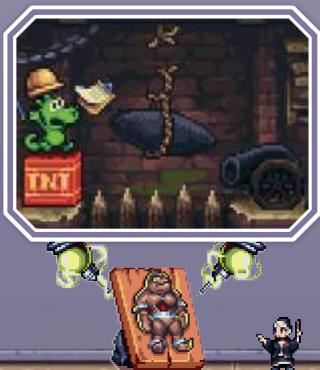
Without other dungeons to distract them, the overzealous safety inspector has turned all their attention on you.
A single room cannot have more than 4 xCounters in Solo Mode.
I'M GETTING TOO OLD FOR THIS...
OTHER PLAYER INTERACTION:
Any room that interacts with other players can still be played, but won't have any effect.
END OF GAME:
The game ends one of three ways:
You get 5Wounds (Finish the turn)
2 A hero is moved to the Tavern (End game immediately)
③ The Epic hero deck is empty (Finish the turn where you revealed the last Epic hero card)
The game does not end when you gain 10 Souls. Your final score is the number of () Souls you killed minus the number of () Wounds you took (a perfect score is 36). Gain a title based on your score:
| SCORE | TITLE |
| Less than 0 | Failure |
| 0-6 | Kobold |
| 7-12 | Minion |
| 13-16 | Mini Boss |
| 17-21 | Boss |
| 22-25 | Total Boss |
| 26-28 | Dungeon Sultan |
| 29-31 | Boss Monster |
| 32-34 | Grand Boss |
| 35 | Master of the Dungeon |
| 36 | Grand Ultimate Master of the Dungeon |
CHALLENGE MODE:
If the basic game mode is too easy for you, you can try Challenge mode, with the following change: The first town slot requires 2 treasures to lure, the next requires 3, and so forth, with the fourth requiring 5 treasures.
When determining your title after finishing a game of Challenge Solo mode, add “True" to the start of your title. A score of 30 would give you the title “True Boss Monster”. Can you achieve the title of True Grand Ultimate Master of the Dungeon? How many Bosses can you achieve it with?
GLOSSARY
ACTION SPACE:
A location where a Minion can be placed, which gives the Minion's Boss a special effect during the Minion phase. Each action space can hold one Minion at a time.
ACTIVATED ABILITY:
An activated ability is any effect that requires the player to declare its use or pay a cost (for example, “destroy this room” abilities are activated abilities). They can be used whenever you could play a spell. Ongoing abilities and “when you build this room” abilities are not considered activated abilities.
BASE DAMAGE:
The amount of damage marked in the lower lefthand corner of each room. Not affected by counters, extra damage from card text, or spells.
BUILD:
Abilities that say “when you build this room” trigger when a room is built, not if it is revealed for other reasons. You may build one room per turn, you may not rearrange rooms in your dungeon when building (unless a card states otherwise), you may not build over face-down rooms, and you may only build a maximum of five visible rooms in your dungeon.
CANCEL:
Any spell or ability that allows you to “cancel” a spell allows you to interrupt a declared spell. A canceled spell is not cast and must be placed in the discard pile. A spell may also be canceled if its target is destroyed (or otherwise rendered moot) by a higher-priority effect. Once the target for a spell has been declared, it cannot be changed.
COUNTER:
A counter that increases a room's damage towards heroes.
DAMAGE:
Rooms deal damage (marked in the lower lefthand corner of each room as a number in an empty heart). Damage equal to a hero'sHealth kills that hero.
DEACTIVATE:
Other Boss Monster sets include effects that “deactivate” a room, turning it sideways until the end of the turn. This does not reveal any room cards beneath it. Ignore any damage, treasure, and abilities usually associated with the room while it is turned sideways. Effects that trigger off the number of rooms in your dungeon do not count it as a room while it is deactivated. Rooms cannot be built over deactivated cards, and a deactivated room cannot be destroyed. Treat it as a “blank” space in the dungeon, so cards on either side are not adjacent to one another. At the end of the turn, it is reactivated.
DEAD:
Heroes can be killed by damage, spells, or room effects. Any hero that does not survive a dungeon is considered “dead” and is placed in that player's scorekeeping area face-down. The room in which a hero is reduced to zero Health is the room in which it “dies."
DESTROY:
A room that is “destroyed” is sent to the discard pile from play. If there is a room under that room, it is uncovered. If this creates a “hole" in the dungeon, all the cards slide to the right (toward your Boss) to close any gaps. You may only destroy a room if a card specifically allows you to do so.
DISCARD:
A card is “discarded” if a player must remove it from his hand and place it in the discard pile. By default, an effect that forces a player to discard a card allows the player to choose which card is discarded. When a card says “discard a card at random," an opponent randomly chooses.
ENTRANCE:
The “entrance” to your dungeon is the area to the left of your leftmost room. At the beginning of the Adventure phase, heroes enter dungeons in the order that they arrived.

FACE-DOWN:
Cards are played face-down in order to conceal information. Rooms are played face-down during the Build phase before being revealed at the end of the Build phase. Additional rooms cannot be built over face-down cards, and they cannot be destroyed.
HAND:
The cards in your hand cannot be viewed by other players unless a card effect specifically allows them to do so. There is no minimum or maximum number of cards that can be in your hand.
HEAL:

If an effect allows you to “heal” aWound, you may flip over one face-up hero (ordinary or Epic) in your scorekeeping area. Instead of counting itsWound value, you now count its Soul value.
HEALTH:
A hero'sHealth is its ability to sustain damage. As soon as its Health is reduced to zero, it dies (see “Dead” above).
HERO:
When a card refers to an “Ordinary hero," it means a nonepic hero. When it specifies “Epic hero," it only refers to an Epic hero. A card that just says “hero” can refer to either type.
LANDMARK:
One of the special locations below the Town that has Action Spaces for the Minion to be placed in. Includes the Temple, the Stadium, the Library, the Hideout, and the Tavern. Not considered part of the Town for the purpose of spells and effects.
LEVEL UP:
The first time your dungeon reaches five rooms in length (not counting the Boss card itself), your Boss card's “Level Up” ability is triggered. This ability takes effect during the end of the Build phase when you reveal your fifth room, followed by any other “when you build this room” effects from that room.
MARKET:
The bottom row of the board, where cards are laid out available for drafting each turn.
MINION:
The pawn sent out by your Boss to complete one action each turn.
MONSTER:
A Monster room is a room with a silver or gold Monster icon /)in the upper left-hand corner. These trigger certain card effects that specifically refer to “Monster rooms."
ORDINARY:
An “ordinary Hero” is a non-Epic Hero, and an “ordinary room” is a non-Advanced room. When card ability text references a “Hero," it means “ordinary or Epic Hero” unless it specifies one or the other.
ROOM:
An “ordinary or Advanced room” unless it has a specific descriptor.
ROOM STACK:
Your dungeon holds five rooms. As you build over existing rooms, the rooms in each spot become a room stack. Any effect that moves a room moves all rooms in that stack. Effects that destroy a room, destroy the top room in the stack, uncovering the next room below. Only the top room in a stack is visible and counts towards treasure and damage values for your dungeon.
SEARCH:
Whenever an effect allows a player to search the Spell or Room deck, the player must shuffle the deck afterward.
STUN:
The targeted room deals no damage to any heroes this turn.
TRAP:
A Trap room is a room with a silver or gold Trap icon (/ ) in the upper left-hand corner. These trigger certain card effects that specifically refer to “Trap rooms.'
TOWN:
The top row on the board where heroes are revealed from the deck.
UNCOVER: A room is uncovered when the room above in its stack is destroyed.
XP:
A Boss card's XP value determines the First Player at the start of the game.

CREDITS
Design: Johnny O'Neal and Hayden Dillard
Development: Hayden Dillard and Ethan Reid
Graphic Design: Stephanie Gustafsson
Art:
Bertrand Dupuy, Rom Haviv, Matthias Hultin, moaw, Will Layton, Connor Leavitt, Daniel Oliver Ortiz
Playtesters:
Antonio Reimer, Arjun Krishna, Arraka, Bob Peavyhouse, Brittany Gump, Jared "Cajride" Carrell, Carston Work, Christopher Austen Springs, Dakota Heath, Daniel Chance, David “Cash67” Scherm, Deceptikhan, Dick Judge, Evan Slagle, Kalin Young, James Procelli (prodysseus), Jacob Gaines, John Mistretta, Johnnie Barton, Jonathan Ferguson, Josh McAleer, Lukas Hawkins, Lux Violet, Matthew Parkes, Noah Bemont, Phillip Houk, Robert A. Clagett, Leah Ester Harmony, Quibicus (aka Tom), SmertDoggoBoi, Trevor McCue, Wouter Peeters.

Super Boss Monster™ 1st Edition; 1st Printing
All rights reserved. Printed in China. Reproduction of this rulebook in any form or medium is permitted for noncommercial use only.
Super Boss Monster title and logo are Trademark; Brotherwise Games, LLC, 2024.
Published in 2025 by Brotherwise Games, LLC; Redondo Beach, CA.
Find us on the World Wide Web at www.brotherwisegames.com
COMMON ICONS:


HEALTH
DAMAGE
SOUL
WOUND
COIN
MINION
MONSTER ROOM
ADVANCED MONSTER ROOM
TRAP ROOM
ADVANCED TRAP ROOM
BUILD PHASE
ADVENTURE PHASE
BUILD & ADVENTURE PHASE
PLAYER COUNT
CLERIC TREASURE
FIGHTER TREASURE
MAGE TREASURE
THIEF TREASURE
EXPLORER TREASURE
TURN PROGRESSION
TOWN PHASE:

Restock Market

Restock heroes

Each player places their Minion and drafts a card

BUILD PHASE: 1Build rooms

Reveal rooms

1Gain Minion effects, including moving assigned heroes

BAIT PHASE: Heroes go to dungeons

ADVENTURE PHASE 1Process heroes throught dungeons
CLEANUP PHASE:

RetrieveMinions

Pass First Player

TOWN ACTIONS


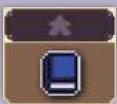
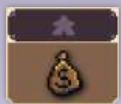
Your Boss card gains that Treasure for this turn.

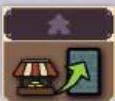
Take one of the remaining cards in the Market, if any.
Usually there will be exactly one card left.

Draw a room card from the top of the room deck.

Draw a spell card from the top of the spell deck, then discard a spell card.
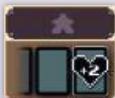
For the rest of this turn, the last room in your dungeon does an additional 2 damage.

(5-6 PLAYER ONLY)
Randomly shuffle a room stack in any dungeon.
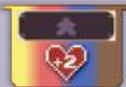
Give the hero at this Landmark a and send it to any player's dungeon.

Give the top hero at this Landmark a and send it to any player's dungeon.

原文为社区整理/出版社公开资料,版权归原作者,仅供个人学习查阅。