
ByzanzByzanz
一句话概览
Byzanz 是一款已收录于村了吗规则库的桌游,支持 3–6 人,原名 Byzanz。
本页内容:一句话概览 · 常见问题
这游戏怎么玩
- 本站已收录这款游戏的规则资料,可以在对话里直接提问规则细节。
常见问题(FAQ)
以下 1 条问答中 0 条来自站内玩家的真实提问,其余 1 条为本站整理的常见疑问;答复内容保持原样。
Byzanz支持几个人玩?
3–6 人。
去哪查完整规则
想核对具体规则细节、卡牌效果或某个回合的结算方式,可以在村了吗里选中这款游戏后直接提问。
同类桌游
- 卡坦岛德式
- 工业革命:伯明翰德式
- 勃艮第城堡:特别典藏版德式
- 方舟动物园德式
- 卡卡颂抽象
- 瘟疫危机传承:第一季美式
- 阿瑞迪亚:勇踏征途美式
- 重塑宇宙德式
- 幽港迷城美式
- 埃多拉的德鲁伊德式
规则原文(Markdown)
本站收录这款游戏的规则原文 1 个文件,此处内联渲染 1 个,可直接展开阅读或下载。
Byzanz US rulebook.md10.2 KB
ByzaNz
GAME DESIGN: Emanuele Ornella ILLUSTRATIoNs: Doris Matthäus GRAPHic DesigN: Jere Kasanen
CONTENTS
96 Goods cards - 6 Different types of goods, each with 16 cards
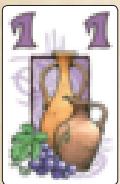
6 x Value 1

5 x Value 2

3 x Value 3
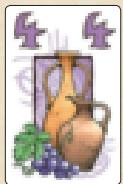
2 x Value 4
16 Merchant cards
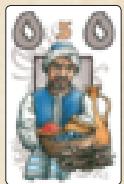
Value 0
6 Bidder cards - numbered 1 through 6

Board (The Byzantine Market)

OVERVIEW OF THE GAME
You are a merchant in the Byzantine Market participating in auctions for bundles of goods. In every round, each player will win exactly one auction by offering cards from their hand. The winner of an auction must place their bid into the Market. When a player has a set of three identical goods, they may sell them in the Market, keeping the highest valued card as profit. The game ends when all of the Goods cards have been auctioned, and the player with the highest profit is the winner.
GAME SETUP
Shuffle the 96 Goods cards together with the 16 Merchant cards.
Deal four cards to each player. Randomly remove from the deck a number of cards based on the number of players in the game. These cards are removed from the game unseen. The remaining cards are placed as a face down deck in the center of the table
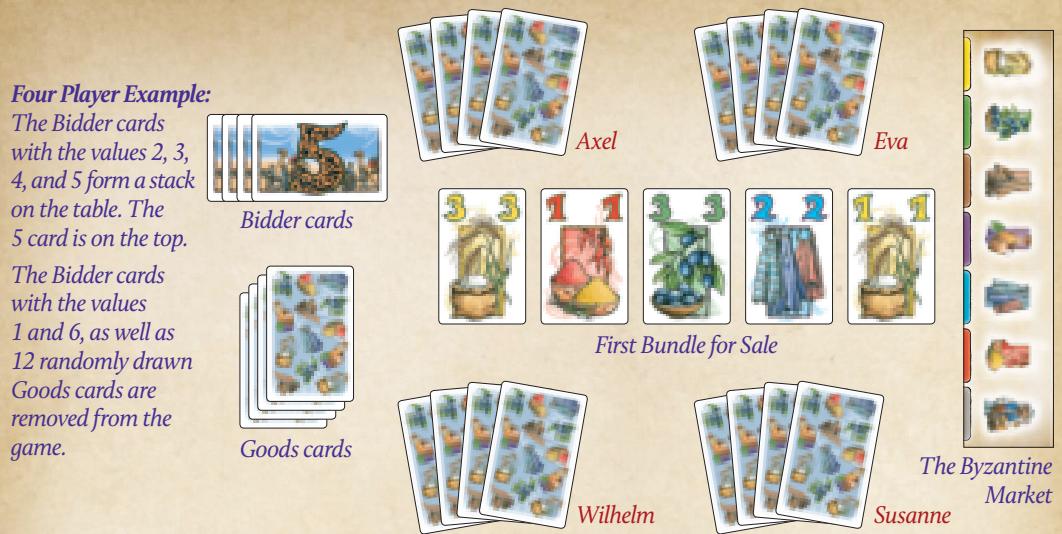
Place the Bidder cards next to the deck of Goods cards in ascending order with the highest valued card on the top of the stack. The unused Bidder cards (see the following table) are removed from the game.
Place the Board
(The Byzantine Market) in the center of the table.
The player to the left of the dealer starts the game.
| Players | Bidder cards | # of removed cards | # of rounds |
| 3 | 2,4, 6 | 4 | 8 |
| 4 | 2,3,4,5 | 12 | 6 |
| 5 | 1,2, 3, 4, 5 | 2 | 6 |
| 6 | 1,2, 3,4, 5, 6 | 4 | 4 |
ROUND OVERVIEW
AUCTIONS
Draw a number of Goods cards equal to the value of the top Bidder card and place them in the center of the table. In the above example, five Goods cards are drawn because the Number 5 Bidder card is at the top of the stack.
These cards will be auctioned off as one bundle. In the first round, bidding begins with the player to the left of the dealer. They have the choice of either passing or bidding. To bid, a player places in front of them any number of Goods cards from their hand. The value of their bid is the sum of the values of the used Goods cards. When bidding, the total value of the bid is only determined by the value of the Goods cards used, the good featured on the card is irrelevant. A bid may contain many different types of goods.
In clockwise order, the other players may either pass, bid, or raise a previous bid. A bid must be higher than any previous bids. Players can increase their previously made bids only by adding cards from their hand to the bid. Cards that were previously placed in the bid may not be exchanged. If a player passes, they may not participate in the current auction any more, and must take their bid back to their hand. An auction ends when all players except for one have passed.
THE WINNER OF THE AUCTION TAKES THE FOLLOWING ACTIONS
• All cards in the bid are placed into the Byzantine Market. These cards are sorted by type and added to any cards already present in the market. (See the following page.)
• The player must place one of the cards from the auction bundle into the Market.
• The other cards from the auction bundle are added to the player's hand.
• The top Bidder card is placed in front of the player who won the auction. That player will not participate in further auctions during that round.
THE NEXT AUCTION
At the start of the next auction, a number of Goods cards will again be placed into the center of the table equal to the value of the top Bidder card. The first player to the left of the winner of the previous auction, who has not previously won an auction, will start this auction by either bidding or passing.
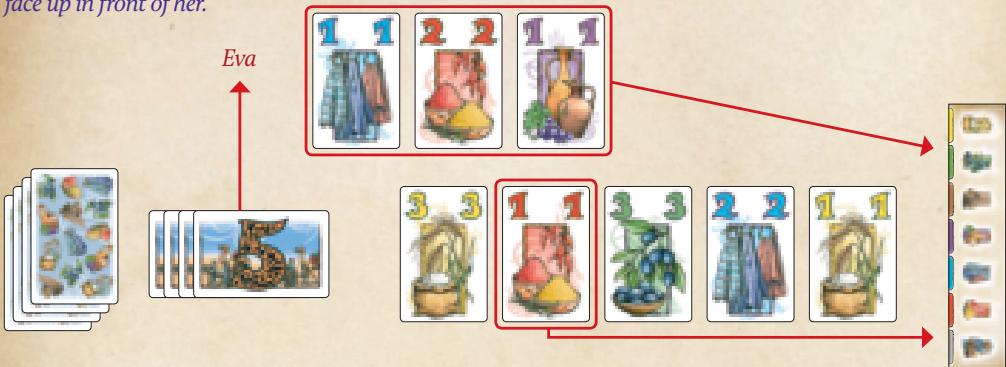
Example of the End of an Auction: Eva won the auction with a bid valued at 4. The other players have returned their bids to their hands. Eva must place her full bid (1 Cloth, 2 Spices, and 1 Wine) into the Byzantine Market. In addition, she must place one of the auctioned cards into the market (she chooses Wood 1). The four remaining cards in the auction bundle are placed into her hand. Finally, she takes the Number 5 Bidder card and places it face up in front of her.
SPECIAL CONDITIONS OF AN AUCTION
All players Pass. In this case the player that passed first wins the auction. This player does not place any cards from the auction bundle into the Byzantine Market and instead takes the entire lot into their hand. They will also take the top Bidder card and place it in front of them.
The Last Auction in a Round. In the last round, a player will no longer need to bid, because they have no competitors.
In a three or four player game, the last player will place one of the offered cards into the Market and take the other into their hand. They will also take the Number 2 Bidder card and place it in front of them.
In a five or six player game, the last player must immediately place the single card from the auction bundle into the Market. They will then take the Number 1 Bidder card and place it in front of them.
THE BYZANTINE MARKET
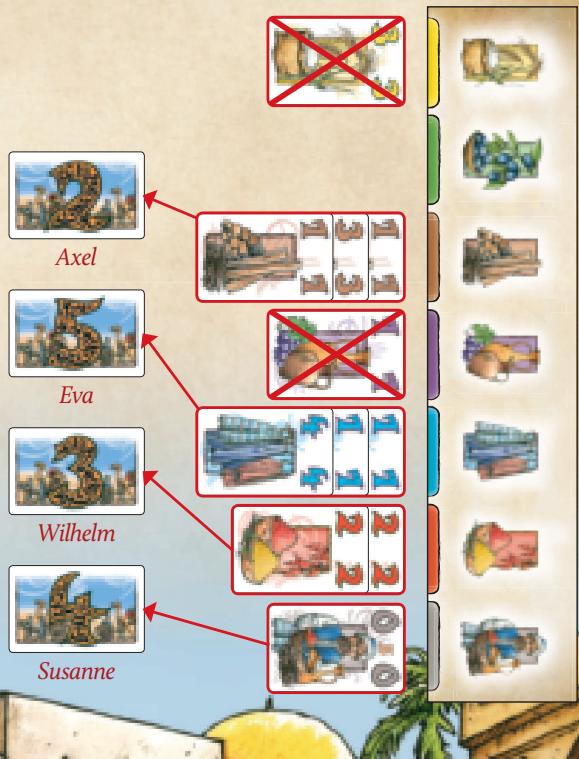
At the end of a round of auctions, the players will obtain Goods cards from the Market. In ascending order, starting with the player with the lowest valued Bidder card, each player will choose one group of Goods cards (cards are grouped by type, not by value) of exactly one type and take them into their hand. Each player will choose only once and any surplus Goods cards are removed from the game.
After all players have selected their cards, the used Bidder cards are collected and placed in ascending order in the center of the table, with the highest valued card at the top of the stack.
Example: Axel has the lowest Bidder card and chooses first from the Market. He selects the three Wood cards and takes them into his hand. Wilhelm then selects the two Spice cards. Susanne selects the Merchant card and Eva takes the three Cloth cards. The remaining Wine and Grain cards are removed from the game.
A NEW ROUND
Again, a number of Goods cards are auctioned, equal to the value of the top Bidder card. The player who had the lowest valued Bidder card in the previous round starts the auction.
SPECIAL RULES
SELLING GOODS
A player may sell goods at any time. Goods are sold in sets of three cards of a particular goods type. When selling a set, the player takes the cards from their hand and reveals them to all players. Of the three cards, the Goods card with the highest value is placed face down in front of the player as profit and the other cards are removed from the game. a 7
Example: Susanne sells a set of three Cloth cards with values 4, 1, and 1. She takes the value 4 card and keeps it face down as profit, and the two value 1 cards are removed from the game.
SEVEN CARD HAND LIMIT

If a player has more than seven cards in their hand, they must immediately sell matching sets of cards or remove cards in their hand from the game until they have seven or less cards in their hand.
THE MERCHANT CARDS
The Merchant cards have a value of 0. They cannot be used in an auction. When you sell Merchant cards, they act as a joker and can function as any type of good. Thus, for example, two Merchant cards and a Spice card can be sold as three Spice cards. Since the Merchant cards are value 0, they are always removed from the game when used in this fashion.
Exception: If a player has a set of three Merchant cards, they can also be sold. In this case, the player keeps one of the Merchant cards as profit. At the end of the game, Merchant cards that have been kept as profit have a value of 5.
Example: Wilhelm sells a set of cards containing one Merchant card and two Grain cards of values 4 and 3. The Grain card with a value of 4 is kept face down as profit; the other two cards are removed from the game.
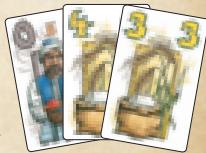
Eva sells a set of three Merchant cards. She keeps one of them face down as profit and removes the other two from the game. The card she kept will be worth 5 points at the end of the game.

GAME END AND VICTORY
When all of the Goods cards have been auctioned, the game ends at the end of the round. Players will obtain Goods cards from the Market as usual, and then they have one last chance to sell goods from their hands. After all players are done, the player with the most profit, i.e. the player with the highest total value of face down cards in front of them wins the game. In the case of a tie, the player with the most Goods cards remaining in their hand wins.

原文为社区整理/出版社公开资料,版权归原作者,仅供个人学习查阅。