
诸神之战Cyclades
一句话概览
诸神之战 是一款已收录于村了吗规则库的桌游,支持 2–5 人,原名 Cyclades。
本页内容:一句话概览 · 游戏概述 · 1. 游戏组件 · 2. 游戏设置 · 3. 回合结构 · 4. 神明行动详解 · 5. 建筑与宗主城 · 6. 战斗规则 · 7. 贸易航线 · 8. 繁荣标记与经济 · 9. 神话怪物 · 10. 二人游戏规则调整 · 11. 竞价与祭祀规则 · 12. 移动与转移 · 13. 自由行动 · 14. 哈迪斯扩展 · 15. 埃及援军扩展 · 16. 基岛圣域转换包(C3K) · 17. 关键规则与常见问题 · 常见问题
诸神之战 规则速览
以下规则速览由本站整理,与官方规则书表述不同,仅供快速上手参考;其中 1 节为节选,完整内容可在村了吗查询。
游戏概述
玩家扮演希腊众神,通过竞价争夺行动顺序,在基克拉迪群岛扩张势力,掠夺敌方领地,最终以建造两座宗主城的资格获胜。
核心流程: 每回合依次抽取神明→竞价获得行动权→执行神明行动→收取收入→补牌。
核心机制: 板块放置网络延伸、竞价拍卖、手牌管理、战斗骰子判定
1. 游戏组件
| 组件 | 说明 |
|---|---|
| 版图 | 海岛地图,含多个领地与周边海域,部分海域标有贸易航线箭头 |
| 玩家面板 | 隐藏金币信息的屏风,每位玩家一块 |
| 战舰模型 | 海陆两用,用于海上移动、作战及贸易航线守护 |
| 陆军模型 | 用于陆地占领、作战与移动 |
| 哲学家人物卡 | 集齐4张可用于建造宗主城 |
| 祭司人物卡 | 降低后续祭祀神的竞价成本 |
| 建筑板块 | 分四种:堡垒(增加防御)、港口(增加防御)、神庙(减免神话生物费用)、大学(集齐4种建宗主城) |
| 繁荣标记 | 放置于领地,回合结束时按数量获得金币收入 |
| 土地标记 | 用于标示对某块领地的控制权(每人3个,泰坦扩展增至6个) |
| 货币 | 金币,用于建造、竞价、移动等 |
| 胜利点数标记 | 跟踪得分 |
| 收入标记 | 跟踪收入等级 |
| 神明板块 | 每回合抽取一组,确定行动顺序与免费奖励 |
| 神话怪物牌组 | 含各类强力怪兽,购买后立即入场生效 |
| 建筑板块 | 堡垒、港口、神庙、大学四类 |
| 领土标记 | 用以宣称对新领地的控制 |
2. 游戏设置
- 版图置于中央,每位玩家领取对应颜色的战舰、陆军、面板、货币及其他配件。
- 神话怪物卡牌洗匀形成抽牌堆,翻开初始购买区。
- 根据玩家人数选择相应数量的神明板块。
- 每位玩家放置土地标记在手边备用。
3. 回合结构
每轮按以下顺序执行:
- 神明抽取: 从神明板块堆顶抽取一组神明(通常为5至6个),面朝上排列,最后一个位置可能为特殊神明。
- 竞价阶段: 玩家从第一位神明开始依次竞价。竞价从起始玩家顺时针进行。玩家同时将自己的金币藏在屏风后,依次亮出出价。出价须为自己能支付的数额。祭司卡可降低后续出价。每位玩家的每次出价必须高于前一价。注意: 二人游戏中每张祭司卡仅省1金币,每个神最低仍需付出1金币。
- 支付与免费奖励: 竞价结束后统一支付金币。之后每位玩家立即获得该神明提供的免费奖励(战舰、陆军、祭司卡、哲学家卡),在所有其他行动之前优先放置。
- 神明行动执行: 按神明板块上的排列顺序依次执行各位神明的行动。
- 收入阶段: 统计每位玩家控制领地上的繁荣标记数量,从银行领取对应金币。若战舰位于贸易航线上也可获得收入。
- 补牌阶段: 从牌堆补充所需卡牌/板块。
4. 神明行动详解
4.1 第一位神明(建造战舰/陆军)
为该神明竞价的玩家获得免费奖励,随后可从储备区建造战舰或陆军。
- 战舰建造费用: 第1艘1金币,第2艘2金币,第3艘3金币,第4艘4金币。同一轮通过此神最多建造4艘。
- 陆军建造费用: 第1支免费,第2支2金币,第3支3金币,第4支4金币。同一轮通过此神最多建造4支。
- 建造限制: 若玩家储备区已无可用模型,则无法建造。也无法从版图中转移已有模型到其他位置(海妖塞壬除外)。
4.2 第二位神明(通常为我方海军/陆军)
该神明提供免费的战舰或陆军奖励。竞价成功者优先获得。
4.3 第三位神明(雅典娜——购哲学家卡)
竞价的玩家可免费获得一张哲学家卡。此外还可以额外以原价购买一张哲学家卡(免费卡之外仅限1张)。
若玩家已有3张哲学家卡并获得第4张,必须立即用4张哲学家卡建造一座宗主城。
4.4 第四位神明(阿瑞斯——战争)
允许玩家建造最多4支陆军,费用同第一节神明:第1支免费,第2支2金币,第3支3金币,第4支4金币(总计9金币)。
4.5 第五位神明(波塞冬——海军扩张)
允许玩家建造最多4艘战舰,费用:第1艘免费,第2艘1金币,第3艘2金币,第4艘3金币(总计6金币)。
4.6 第六位神明(宙斯——刷新怪物卡)
竞价成功的玩家可免费购买一张当前展示的神话怪物。还可额外购买一张祭司卡(免费卡之外仅限1张)。
此外,若购买栏上仍有怪物可买,宙斯可从弃牌堆丢弃一张神话怪物并以新的替代补充购买栏。
5. 建筑与宗主城
5.1 四种建筑
| 建筑 | 效果 |
|---|---|
| 堡垒 | 为领地内陆军提供防御加成,每座提供+1 |
| 港口 | 为领地内陆军提供防御加成,每座提供+1 |
| 神庙 | 每座每回合减免1次购买神话怪物的费用(每次购买减1金币) |
| 大学 | 集齐4种不同建筑后可用其代替部分建造宗主城 |
- 同一领地可建造多个相同建筑。
- 玩家不可主动拆除自己建筑(除非使用巨人力或凑齐4种建造宗主城)。
- 不可调整已建建筑的位置。
- fortress + port的防御加成可叠加。例如:2座堡垒提供+2防御。
5.2 堡垒的弱点
如果一个领地有堡垒但没有任何陆军驻守,该领地视为零防御——敌方只需1支陆军即可占领。
5.3 神庙折扣规则
- 每座神庙每回合仅限减免1次购买的折扣。
- 即使购买了多只神话怪物,1座神庙也只能在第1只上减1金币,后续不再打折。
- 购买神话怪物时,即使有神庙折扣,最少也要花1金币。
- 如果占领了带有已使用过神庙能力的敌方领地,该神庙能力恢复可用。
- 神庙在建造成宗主城后能力不可再次使用。
5.4 建造宗主城
满足以下任一条件时必须建造宗主城:
- 手上有4张哲学家卡,或
- 已占领4种不同的建筑(堡垒、港口、神庙、大学)
建造步骤:先将第4种建筑放置在自有领地上,然后丢弃4个建筑(或4张哲学家卡)在另一个自有领地建造宗主城。
限制: 若无足够空地放置宗主城,则不能建造,必须丢弃对应的卡或建筑。
占领他人领地时自动获得该地所有建筑和繁荣标记,若因此集齐4种建筑,必须立即建造宗主城。
6. 战斗规则
6.1 基本流程
- 进攻方声明攻击目标。
- 双方亮出 defending 和 attacking 的军事力量(陆军、战舰、特定怪物加成)。
- 计算防御加成(堡垒/港口数量)。
- 掷骰子判定胜负。
6.2 占领与撤退
- 进攻方胜: 占领该领地。占领后陆军留在原地,若需继续移动花费1金币。
- 平局: 防守方保持控制。
- 进攻方败: 损失对应军事力量。
撤退规则:
- 陆军可撤退到进攻方控制的任意领地,前提是两领地间存在舰队通路,不可撤退到中立领地。
- 舰队可撤退到相邻空白海域或己方控制海域。
- 若防守方选择撤退,战斗立刻停止,进攻方也丧失撤退机会。
6.3 消灭玩家的限制
任何玩家的最后一块领地不可被进攻,除非进攻方能借此获得第二座宗主城。这一限制仅适用于陆地进攻,仍可对最后一块领地上的战舰、金币、卡牌、神话怪物等下手。
唯一能消灭玩家的情形:攻击方从只剩一块领地的玩家手上夺得两块宗主城后,又被第三方夺走一块,此时游戏在少一人状态下继续。被消灭玩家的所有财产(战舰、陆军、哲学家卡、祭司卡、金币、神话怪物)全部移出游戏。
7. 贸易航线
- 必须有战舰 stationed on 贸易航线才能获得对应领地收入。
- 战舰可从紧邻的领地直接建造到航线上。
- 战舰离开后不再收入,需新战舰填补。
- 繁荣标记不可放置在贸易航线上。
- 即便航线有向外箭头,也不允许战舰沿航线跨越版图到达另一侧。
8. 繁荣标记与经济
- 繁荣标记可在收入阶段放置到任意控制的领地上。
- 阿波罗的繁荣标记奖励:若标记不足仅提供金币补偿。
- 可通过神之恩赐等特殊途径获得额外繁荣标记。
9. 神话怪物
9.1 通用规则
- 购买后立即入场生效,其他行动不可打断。
- 带模型的神话怪物持续存在于放置地,直到购买者的下一轮神明行动前移除。(深海巨怪克拉肯例外——在整个游戏期间一直停留直到被特殊移除。)
- 怪物卡牌购买后放在玩家面前,移除时才丢回弃牌堆。
- 两个怪物模型落在同一领地→互相消灭,均不产生任何效果。
- 可放置于中立领地或敌方领地(不改变控制权,财产归原主)。
- 即使购买后无法发动效果也可以购买。风之精灵希尔芙和狮身人面斯芬克斯的效果可选择发动或不发动。
- 所有神话怪物最低花费1金币购买。
9.2 奇美拉
一旦被弃入弃牌堆(无论被购买、被宙斯丢弃、或直接丢弃),立即将弃牌堆与抽牌堆混合重洗,重新形成单副牌堆。
9.3 单体怪物规则
| 怪物 | 中文名 | 效果 |
|---|---|---|
| Chimera | 奇美拉 | 见上述重洗规则 |
| Cyclops (Cyclops) | 独眼巨人·库克罗普斯 | 摧毁一栋现有建筑(不能是宗主城或他人建筑),在同一领地新建不同类型建筑 |
| Dryad | 树精·卓娅 | 偷取另一名玩家的一张祭司卡或哲学家卡,不可偷自己的 |
| Fate Goddesses | 命运三女神 | 获得相当于繁荣标记数量的金币收入(而非本回合原始收入) |
| Griffin | 狮鹫·格里芬 | 偷取一名玩家的金币,但因祭祀付款已经完成,不可能在付款前偷 |
| Harpy | 鹰身女妖·哈耳皮埃 | 消灭领地内所有陆军但不改变控制权 |
| Kraken | 深海巨怪·克拉肯 | 购买者专属移动,驶入其海域的舰队全灭,压制其他怪物 |
| Medusa | 蛇发女妖·美杜莎 | 敌人可攻击但不可撤退 |
| Minotaur | 牛头人·弥诺陶洛斯 | 必须先消灭其他陆军再与其决战;不可离开原领地;不可撤退;可获得堡垒加成 |
| Pegasus | 天马·珀加索斯 | 飞行进入领地作战,遵循标准战斗与撤退规则,陆军不可借其飞行撤退 |
| Polyphemus | 独眼巨人·波吕斐摩斯 | 迫使相邻海域所有战舰远离一格,不可沿海域绕行 |
| Siren | 海妖·塞壬 | 可使用已在版图的舰队模型发动能力 |
| Sphinx | 狮身人面·斯芬克斯 | 效果可选择发动或不发动 |
| Sylph | 风之精灵·希尔芙 | 最多10格移动,每格可发动战斗,失败退出不计入10格限额 |
| Satyr | 半人兽·赛提尔 | 偷取哲学家卡,不可偷自己的 |
10. 二人游戏规则调整
- 每张祭司卡只许为一个献祭出价节省1金币。
- 每位神的出价最低仍需付1金币。
- 两个献祭标记都放在阿波罗上:获得2金币+1繁荣标记(若仅1块领地则获8金币+1繁荣标记)。
- 祭祀出价可高于自己之前一个献祭标记的出价。
11. 竞价与祭祀规则
- 竞价数额不限,但不可叫出无力支付的金额(不可欺骗神)。
- 金币在所有玩家竞价结束后统一支付。
- 祭司卡提供降价优惠,但每个神最低仍须支付1金币。
- 只有金币隐藏在屏风后,其余配件对所有玩家公开。
12. 移动与转移
12.1 陆军移动
占领后陆军停留在原地,花费1金币可继续移动。
撤退至另一领地时,两领地之间必须由舰队连通,不可撤入中立领地。
12.2 舰队移动
移动中遭遇战斗则停在战斗海域,战斗结束后可花1金币继续移动。(风之精灵希尔芙除外)
13. 自由行动
- 可随时查看神话怪物弃牌堆(老手局可选禁用此权利)。
- 免费获得的奖励(战舰、陆军、祭司卡、哲学家卡)必须在所有其他行动之前立即放置。
- 领土标记数量虽有限制(默认3个/6个),但控制的领地总数不受限。
14. 哈迪斯扩展
冥王哈迪斯的加入引入了亡灵军团、英雄、魔法物品和神之恩赐等新元素。
14.1 新增组件
| 组件 | 说明 |
|---|---|
| 神明恩赐板块 | 每回合抽取,提供永久增益和可选的2金币即时效果 |
| 魔法物品卡 | 持久型被动效果卡,随时可使用 |
| 女祭司卡 | 独特卡种,使用后丢弃,不可被斯芬克斯当作祭司/哲学家卡偷走 |
| 英雄 | 比普通部队更强的单位(攻击力+1),有个人能力和限制技 |
| 大墓地 | 收集战场上退役单位的"墓地",控制者可从中获取金币 |
| 亡灵模型 | 哈迪斯专属的幽灵军队 |
| 骰子 | 哈迪斯行动时需投掷 |
14.2 哈迪斯相关必做事项
- 每次抽取神明前,先为哈迪斯投掷骰子。
- 抽取新的神之恩赐板块。
- 收入阶段拿取大墓地上的金币。
- 收入阶段之后支付英雄维持费(每名英雄2金币)。
- 每次有常规陆军或战舰死亡时,在大墓地上放1个金币。
- 抽取神之恩赐板块附带的魔法物品卡或女祭司卡。
- 冥王哈迪斯出现时,重洗所有神之恩赐板块。
14.3 英雄
- 英雄不是神话怪物,神庙不可为其减费,宙斯不可将其丢弃。
- 英雄进场时将卡牌置于玩家面前。
- 英雄在战斗中视为常规部队(攻击力+1)。
- 英雄参加的战斗落败时,由玩家决定牺牲英雄还是其他部队。
- 收入阶段后每位玩家须为每个英雄支付2金币维持费,否则英雄死亡并永久移除。
- 补充购买区时若翻开英雄卡牌则直接移除(不进弃牌堆)。
- 弃牌堆永远不会出现英雄卡牌(除非卡戎召回)。
- 所有英雄移除后不再出现新英雄(卡戎例外)。
限制技:
- 英雄进入游戏的当回合不可发动限制技。
- 战斗期间不可发动限制技。
- 祭祀阿波罗时不可使用英雄限制技。
- 迈达斯或尤里西斯的限制技:只有一个领地且已有宗主城/大墓地时,新宗主城将摧毁原有建筑。
14.4 大墓地
- 常规陆军/战舰离开版图时在大墓地放1个金币(战斗死亡或怪物效果均可)。
- 亡灵部队、英雄、神话怪物移除时不放金币。
- 收入阶段由控制者领取大墓地金币。
- 建造新大墓地时旧大墓地的金币留在原位,不被带走,下回合由新控制者获得。
- 大墓地可覆盖宗主城或反之。
14.5 亡灵与常规部队的区别
- 哈迪斯玩家移动常规部队时,必须同时至少有一只亡灵参与(也可单独移动亡灵)。
- 哈迪斯玩家战斗落败时可选择损失常规部队或亡灵部队。
14.6 神之恩赐板块
每块板提供两项奖励:
1. 回合开始前免费获得的魔法物品卡或女祭司卡。
2. 花费2金币可在回合内任意时机发动的即时效果(每回合限1次,可选择发动)。
冥王哈迪斯出现时重洗所有神之恩赐板块。
14.7 魔法物品
- 面朝上放置于玩家面前(赫菲斯托斯给予的物品面朝下)。
- 保留在手中可随时使用。
- 牌堆耗尽时重洗弃牌堆。
主要魔法物品
| 物品 | 效果 |
|---|---|
| 阿佛洛狄特的腰带 | 不可阻止玩家向阿波罗献祭 |
| 太阳战车 | 可重新部署英雄和亡灵陆军,无需舰队连接即可转移 |
| 和谐项链 | 持有权免受陆地攻击和海上攻击(但仍可被偷窃/怪物特殊效果影响) |
| 阿波罗之箭 | 单次掷骰结果修改(不一定在第一掷时使用) |
| 阿尔忒弥斯之箭 | 被摧毁的神话怪物进入弃牌堆 |
| 奥林匹斯山宫殿 | 神明板块抽出后可重新排列(含哈迪斯位置),在使用诸神板块前、竞价前使用 |
| 珀罗普斯的权杖 | 可招募的神话怪物放置于敌方或中立领地 |
| 波塞冬的三叉戟 | 单次掷骰修改 |
14.8 哈迪斯扩展怪物
| 怪物 | 中文名 | 效果 |
|---|---|---|
| Cerberus | 地狱看门犬·刻耳柏洛斯 | 与其他怪物同地则互毁;若在有大墓地的领地,收入阶段偷走所有收入(含大墓地金币) |
| Erinyes | 复仇女神·厄里倪厄斯 | 可偷取海域上的繁荣标记(赫尔墨斯放置的) |
| Charon | 冥府渡神·卡戎 | 将已移除的英雄召回游戏(决定优先级) |
| Chiron | 半人马·喀戎 | 保护英雄不受曼提柯尔影响 |
| Empousa | 恩浦萨 | 需要大墓地存在且有金币才能生效 |
| Manticore | 蝎尾狮·曼提柯尔 | 杀死一名英雄(永久移除),有英雄时必须发动 |
| Perseus | 珀尔修斯 | 限制技使用时立即死亡不参战;可像天马一样发起战斗;可撤退1支陆军代替战败 |
| Euryale | 尤里西斯 | 牺牲时可用剧院代替标准建筑 |
15. 埃及援军扩展
埃及援军与其他神话怪物一起洗牌形成抽牌堆,但与常规怪物有所不同。
15.1 埃及援军特性
- 卡牌不从游戏中进入弃牌堆,而是直接从游戏中移除。
- 不从版图上到下回合移除——与其他模型怪物不同。
- 神庙不为招募埃及援军减费。
- 模型与其他模型怪物同领地时不会互相摧毁。
- 视作1支常规部队:可通过阿瑞斯移动、可被鹰身女妖消灭、可单独行动。
- 战斗中最后一个被消灭。
15.2 埃及援军特殊攻击
每回合可花费1金币移动埃及援军(类似阿瑞斯方式),常规陆军可跟随移动。只能在发动特殊攻击时使用埃及援军的能力。
- 不可被宙斯的特殊能力丢弃。
- 祭祀阿波罗的玩家也不能移动埃及援军。
- 死亡时直接从游戏中移除。
15.3 埃及扩展怪物
| 怪物 | 中文名 | 效果 |
|---|---|---|
| Sphinx (Egyptian) | 狮身人面·斯芬克斯 | 可由其领导的军队在行动前传送至己方任一领地 |
| Phoenix | 凤凰·菲尼克斯 | 由其领导的陆军在战斗中被消灭后立刻返回被攻击的领地 |
| Scarab | 圣甲虫 | 移动占领后可将该岛1个建筑变为另一种建筑 |
| Mummy | 木乃伊 | 被其杀死的敌方陆军转为攻击方的陆军(无兵则无效) |
| Scorpion God | 蝎神 | 移动到敌方领地时立即移除1支敌方陆军 |
| Elephant God | 大象之神 | 掷骰永远为3 |
| Serpent God | 蛇神 | 移动时可穿过空白海域(如同有自己的战舰) |
16. 基岛圣域转换包(C3K)
将基多利翁岛屿转换为中立圣地的规则调整。
16.1 基地部分
- 基岛作为圣地的特殊规则适用,不再视为可被常规手段占领的目标。
17. 关键规则与常见问题
易错规则
- 必须立即建造宗主城: 集齐4种建筑或4张哲学家卡后必须立即建造,不能留着备用。
- 最后一块领地不可攻: 除非攻击者能获得第二座宗主城,否则不可进攻对方最后的领地。
- 繁荣标记不可放贸易航线: 但可以放海域上(赫尔墨斯神之恩赐)。
- 神庙每回合每只怪物只用一次折扣: 1座神庙买多个怪物只在第1个减1金币。
- 占领恢复神庙能力: 刚占领敌方领地时若神庙此前已用,则立即恢复。
- 海陆分开算: 陆地封锁不影响攻击战舰,反之亦然。
- 所有怪物最低花费1金币: 即使有全额折扣仍需支付1金币。
- 二人人祭司卡只省1金: 双人局每张祭司卡只对1次出价生效。
- 克拉肯是唯一持续存在的怪物: 其他怪物在下回合购买前即消失。
- 奇美拉触发后重洗牌堆: 不在购买区的奇美拉被处理时立刻重洗。
- 英雄维护费2金币/回合: 收入阶段后支付,不付则英雄永久移除。
- 大墓地金币留存: 建新墓时旧金币不动,归新控制者。
- 和谐项链免疫范围: 仅免疫直接陆地/海上攻击,被盗、怪物效果仍有效。
- 弥诺陶洛斯不可离开原领地: 无论如何都不能被移走或撤退。
- 波吕斐摩斯驱散不可绕行: 战舰必须外移,不可在海域边界平移。
- 阿瑞斯/波塞冬造兵上限均为4: 分别4支陆军或4艘战舰。
- 阿波罗竞争只给第1人繁荣标记: 多人竞标时只有首位竞得者获得。
- 英雄不可出现在弃牌堆: 补充购买区时翻到英雄直接移除。
- 鹰身女妖不改领地归属: 消灭最后陆军后仍是原主。
- 建造剧院只能代建筑建宗主城: 无其他效果,不可主动拆。
常见问题
-
Q:通过阿瑞斯建造的陆军最多多少?
A:4支。费用分别为0+2+3+4=9金币。 -
Q:神庙可以同时多次打折吗?
A:不可以。1座神庙每回合对1个怪物减1金币,买了多只也只打1个。 -
Q:占领他人领地后建筑归谁?
A:归占领方,连同繁荣标记一并接收。 -
Q:二人居留多少个献祭标记放阿波罗?
A:2个。得到2金币+1繁荣标记;若仅1块领地则得8金币+1繁荣标记。 -
Q:克拉肯怎么让它再次移动?
A:必须再次购买克拉肯的怪物卡。 -
Q:和谐项链能否防止被偷金币?
A:不能。它只防直接陆地/海上攻击,盗窃类效果仍然有效。 -
Q:如何合法消灭一个玩家?
A:攻击最后一块领地→夺2座宗主城→被第三者夺1座→继续。此为唯一情形。 -
Q:神话怪物买了不用可以吗?
A:必须购买且立即使用(希尔芙和斯芬克斯可选择发动或不发动)。 -
Q:魔法物品用完就丢吗?
A:不。魔法物品保留在玩家手中持续生效,随时可使用。
……(完整内容可在村了吗查询)
常见问题(FAQ)
以下 1 条问答中 0 条来自站内玩家的真实提问,其余 1 条为本站整理的常见疑问;答复内容保持原样。
诸神之战支持几个人玩?
2–5 人。
去哪查完整规则
想核对具体规则细节、卡牌效果或某个回合的结算方式,可以在村了吗里选中这款游戏后直接提问。
同类桌游
规则原文(Markdown)
本站收录这款游戏的规则原文 2 个文件,此处内联渲染 2 个,可直接展开阅读或下载。
rules_zh_诸神之战_3546.md24.8 KB
基克拉迪群岛-诸神之战-FAQ
翻译 by 奉先
资料来源自BGG,部分翻译考虑到扩展规则使用了更合理的术语,原文少部分内容因在规则书里已经说明的很详细,故不再具体翻译。
基础 FAQ
胜利条件
·当一轮所有玩家行动结束的时候,如果有1位(或多位)玩家拥有2座(或多座)宗主城,那么游戏结束。
如果超过1位玩家在游戏结束的时候同时达到了胜利条件,那么拥有宗主城最多的玩家获胜,如果宗主城相同,那么拥有最多金币的玩家获胜。
建造宗主城
当玩家拥有4张哲学家卡或者4个不同的建筑(堡垒、港口、神庙和大学)时,他必须立刻弃掉这些哲学家卡或建筑来建造一座宗主城
当玩家建造了第4个不同的建筑,可以建造宗主城时,他必须首先将这个建筑放置在自己版图的领地上,然后才必须将4个建筑弃掉来完成一座宗主城。
如果玩家没有足够的地方来放置他的宗主城,那么宗主城必须弃掉无法建造,同时也必须弃掉那4张哲学家卡或4个不同的建筑。
消灭玩家
任何一名玩家的最后一块领地是不能被进攻的,除非进攻后的战利品可以让进攻方立刻获得第二座宗主城(无论是直接掠夺一座宗主城还是掠夺一座建筑来建造他的第二座宗主城)。
·上述对玩家最后一块领地的进攻即使最后的结果是不确定的也是可以发动的。
如果某玩家对一名只有一块领地的玩家发起进攻(该玩家失去最后一块领地)并获得两座宗主城后,该进攻玩家又被第三名玩家占领一座宗主城,那么本轮结束时,游戏将不会结束,游戏将会在少一名玩家的情况下继续。这种情况也是唯一的可以消灭玩家的情况。
当一名玩家被消灭时,他拥有的所有财产都必须立刻从游戏中移除(战舰、哲学家卡、祭司卡、金币、他所控制的神话怪物等)
·当一名玩家只有最后一块领地时,只有陆地上的进攻是被禁止的,但是仍然可以攻击他的战舰、偷取他的卡或者金币、放置神话怪物在他的领地上等
标记不足
如果没有足够的繁荣标记了,阿波罗将只提供金币奖励。
如果金币或领土标记用完,使用其他的标记临时代替。
如果哲学家卡或祭祀卡用完,雅典娜和宙斯将不再提供卡的奖励。
弃牌
玩家可以在任何时候查看神话怪物弃牌堆。
在老手局里,可以选择禁止玩家查看弃牌堆。
贸易航线
玩家必须有战舰在贸易航线上才能获得金币收入。
玩家可以在他控制的领地相邻的贸易航线上直接建造一艘战舰。
当战舰离开贸易航线时,玩家将不再获得此地的收入,直到一艘新的战舰被放置在该贸易航线上。
繁荣标记不可以放置在贸易航线上。
虽然贸易航线上有一个向外的箭头那些海域也仍然不允许战舰通过贸易航线跨越版图出现在版图的另一边。
二人游戏
·当二人游戏时,每张祭司卡只允许为一个献祭出价省1个金币,同样的,每个神的出价也至少都需要付1个金币。
如果某玩家将他的两个献祭标记都放置在阿波罗上,他将得到2个金币和1个繁荣标记。如果这个玩家只有一个领地,那么他将获得8个金币和1个繁荣标记。
玩家可以在祭祀神时出价高于自己之前一个献祭标记的出价。
竞价和祭祀
竞价的数额没有限制。
·叫价时不允许喊出一个自己支付不起的数额(不可以欺骗神)。
·竞价后的金币支付在所有玩家竞标结束之后(第一个神的行动之前)。
·尽快祭司卡提供了竞价的折扣,但是每一个神的竞价仍然至少需要付1金币。
只有金币是藏在玩家的屏风之后的,所有其他的配件是对其他玩家可见的。
免费行动
从神获得的免费奖励(战舰、陆军、祭司卡、哲学家卡)必须立刻获得并放置,在所有的其他行动之前。
如果玩家所有的战舰或陆军都已经放置到版图上了那么他将不能从波塞冬或阿瑞斯那里获得免费的战舰或陆军,也不能建造更多的战舰和陆军,也不可以从版图上拿走一个模型建造在另一个地方。特例:海妖-赛王
阿波罗
如果多位玩家竞标了阿波罗,那么只有第一个竞标阿波罗的玩家可以获得繁荣标记。
竞标阿波罗的玩家不可以购买神话怪物。
玩家可以将繁荣标记放置在不属于他控制的领地上。
阿瑞斯
·玩家通过阿瑞斯一次性最多可以建造4支陆军(花费:0+2+3+4=9个金币)。
雅典娜
雅典娜只允许玩家额外购买1张哲学家卡(免费的哲学家卡之外)。
波塞冬
·玩家通过波塞冬一次性最多可以建造4艘战舰(花费:0+1+2+3=6个金币)。
宙斯
如果神话怪物购买栏上没有神话怪物可以购买了那么宙斯弃掉一张神话怪物卡再补一张的能力将不能发动。
宙斯只允许玩家额外购买1张祭司卡(免费的祭司卡之外)。
第4张哲学家卡
如果某玩家已经拥有了3张哲学家卡,并且他祭祀了雅典娜,那么到他行动时他必须拿取第4张免费的哲学家卡,并立刻用这4张哲学家卡建造一座宗主城。
建筑物
一个领地上可以建造多个相同的建筑。
玩家不可以主动摧毁自己一座建筑(除非使用巨人的能力或者集齐4种建筑建造宗主城的时候)
玩家不可以重新调整领地上建筑的位置。
堡垒
如果一个领地上拥有一座或者更多的堡垒但是没有陆军那么该领地将被视为没有防御力,敌方的单独一支陆军就可以直接占领该领地。
神庙
每1座神庙每1回合可以为购买1个神话怪物节省1金币,一回合内1座神庙如果已经在购买一个神话怪物时节省了1个金币,那么本回合内购买其他神话怪物将不能再享受1个金币的折扣。例:如果一名玩家购买了所有的神话怪物,那么他将花费2+3+4=9个金币,如果他有2座神庙,那么他将只需花费7个金币。
·在享有神庙的折扣之外,所有的神话怪物至少都需要花费1金币来购买。
如果一名玩家占领了一个拥有神庙的其他玩家的领地,且该神庙的能力已经在之前被玩家购买神话怪物时使用过,那么当该玩家占领这个领地后,该神庙的能力将再次可以使用,这个规则同样适用于玩家占领了一个拥有宗主城的领地。
·神庙的能力使用后不可以在建造成宗主城后再次使用。
陆军移动
·占领一个领地后,陆军将待在原地,但是你仍然可以花费1金币继续移动他。
舰队移动
如果一支舰队移动的时候发生战斗,那么它将停留在那个地方并结束移动,当战斗结束之后,玩家可以花费另一个金币来继续移动它。特例:风之精灵-希尔芙
撤退
当一支陆军撤退时,他可以撤退到该玩家控制的任何领地上,只要他在两个领地之间有舰队可以连通,但是不可以撤退到中立的领地上。
当一支舰队在战斗中撤退时,他可以撤退到相邻的任意一个空白的海域或者该玩家控制的海域。
如果防御方决定撤退,那么战斗将立刻停止,同时进攻方也失去了撤退的机会。
防御加成
·堡垒或港口的防御加成是可以累加的,比如:一个领地上的2个堡垒可以给陆军提供2点防御加成。
占有领地
当一名玩家占领一个领地时,他也占有了这个领地上的所有建筑和繁荣标记,如果那时他拥有了4个不同的建筑那么他必须立刻从版图上移除这4个建筑来建造一座宗主城。
领土标记
虽然每个玩家只有3个(加泰坦扩后是6个)领土标记,但是玩家可以控制的领地数量是没有限制的。
购买神话怪物
玩家即使购买了神话怪物后无法发动效果也可以购买该神话怪物。特例:风之精力-希尔芙和狮身人面-斯芬克斯的效果是可选择发动的,玩家可以即使有这个效果也可以选择不做任何行动。
神话怪物购买了之后就必须立刻使用它的能力其他行动不可以打断这个能力作用的效果。
带有模型的神话怪物
·神话怪物模型会一直停留在被放置的地方直到下回合购买它的玩家执行神的行动之前(如果是2人游戏,那么执行第一个神的行动之前)。特例:深海巨怪-克拉肯在下个玩家购买它之前会一直停留在被放置的地方。
当一名玩家购买了一个带模型的神话怪物时,将该神话怪物卡牌放在他的面前,直到该神话怪物从版图上移除时再把卡牌丢回弃牌堆。特例:深海巨怪-克拉肯是行动完后立刻弃掉的。
当一个神话怪物的模型放置在一个已经有另一个神话怪物模型的领地上时这两个神话怪物将立刻被消灭(该神话怪物不会产生任何效果)。
带模型的神话怪物可以放置在一个中立的领地上。
带模型的神话怪物可以放置在敌方的领地上,即使该领地没有敌方陆军,上面的财产也属于敌方的,也就是说你不能够通过放置神话怪物来占领一个领地。
奇美拉
只要奇美拉在弃牌堆,无论是被购买使用了,还是被宙斯的能力弃掉,还是没有使用直接丢掉的,都要把弃牌堆和抽牌堆混到一起重洗形成一个新的牌堆。购买区的神话怪物仍然放在原来的区域。
独眼巨人-库克罗普斯
独眼巨人的目标不可以是宗主城或其他玩家的建筑。
新的建筑必须跟之前的建筑不同。
树精-卓娅
玩家不可以偷取自己的祭司卡。
巨人
玩家可以选择破坏自己的一个建筑。
命运三女神
玩家获得命运三女神使用时对应数量繁荣标记的金币收入(而不是本回合开始时的金币收入)
狮鹫-格里芬
祭祀行动结束之后玩家已经同时付了祭祀神的金币,所以格里芬不可能在玩家付祭品之前偷取玩家的金币。
·玩家不可以偷取自己的金币。
鹰身女妖-哈耳皮埃
·当鹰身女妖杀死某个领地上的最后一个陆军时,领地的拥有者不会改变。
深海巨怪-克拉肯
·只有购买了克拉肯的玩家才可以支付金币让它移动。
一旦移动停止后,只有再次购买克拉肯神话怪物卡才能让它重新潜水出现在任何一个海域中。
任何驶入克拉肯所在海域的舰队都会被立刻消灭。
蛇发女妖-美杜莎
玩家可以攻击一个包含有美杜莎的领地,但是不能撤退。
牛头人-弥诺陶洛斯
·当与弥诺陶洛斯发生战斗时,攻击方必须首先消灭该领地的其他陆军,当再次打赢或者平局时,将弥诺陶洛斯从领地上移除,要控制这个领地,攻击方必须至少还有一个存活的陆军,如果没有,那么该领地的所有权仍然是防御方。
弥诺陶洛斯不可以撤退和离开它被放置的领地。
如果弥诺陶洛斯在一个没有其他陆军或中立的领地上,它也会防御其他玩家的进攻,他仍然可以获得该领地上堡垒的防御加成。
如果弥诺陶洛斯被放置在敌方玩家的领地上那么弥诺陶洛斯将会加入到敌方的陆军中来防御该领地。
天马-珀加索斯
通过珀加索斯发起的战斗结算方式同其他的战斗结算一样,包括撤退规则,但是陆军不能通过飞行来撤退。
独眼巨人-波吕斐摩斯
·当波吕斐摩斯被放置在一个领地时,与该领地相邻的所有海域上的战舰都必须立刻远离该领地一格海域到一个合理的地方(无论是空的海域还是有自己战舰的海域)。
·使用波吕斐摩斯的玩家决定顺序和方向来移动这些舰队(不允许发起战斗)。如果玩家使得某战舰没有空间远离该领地,那么该战舰被摧毁。
玩家可以控制战舰移向深海巨怪-克拉肯(战舰会被立刻摧毁)。
·沿着领地周围的海域移动舰队是不允许的,即使是把舰队移向深海巨怪-克拉肯。
波吕斐摩斯所在的领地周围的海域是禁止通行的,直到波吕斐摩斯被移除。
海妖-塞壬
如果玩家所有的舰队模型都在版图上那么他仍然可以通过拿取一个已经在版图上的舰队模型来发动塞壬的效果。
狮身人面-斯芬克斯
玩家可以选择不发动斯芬克斯的能力。
风之精灵-希尔芙
玩家可以一共可以完成10格海域的移动,这些移动可以尽可能的让舰队分散开,每一个移动都可以发起一场战斗,战斗结算完后可以继续移动。如果战斗失败,那么舰队可以像其他战斗失败一样撤退,这个移动不计算在这10格移动之内。
玩家可以选择不做出任何移动。
半人兽-赛提尔
·玩家不可以偷取自己的哲学家卡。
哈迪斯扩FAQ
游戏期间,不要忘记:
·为哈迪斯投掷骰子(在抽取其他神之前)。
抽取新的神之恩赐板块。
收入阶段时拿取大墓地上的金币。
·支付英雄的维持费用(收入阶段之后)
每次有陆军或舰队死亡时在大墓地上放置1个金币。
抽取神之恩赐板块提供的魔法物品卡或者女祭司卡。
当冥王哈迪斯出现时重洗所有的神之恩赐板块。
剧院
剧院没有任何能力,它只能在建造宗主城时代替一个(或多个)标准建筑。
·巨人的能力可以摧毁剧院。
独眼巨人-库克罗普斯的能力不能将其他建筑变为剧院。
阿波罗
当一个玩家祭祀阿波罗时,他不能购买神话怪物,也不能牺牲英雄使用英雄的能力。
舰队和陆军的移动
控制哈迪斯的玩家,每次移动常规部队时,必须至少有一个亡灵陆军或舰队参与其中,才可以移动你的常规部队。当然你也可以单独移动你的亡灵陆军或舰队。
战斗
·当控制哈迪斯的玩家输去一场战斗时,他可以选择死去的部队是常规部队还是亡灵部队。
大墓地
每当有常规陆军或战舰离开游戏版图时,都要在大墓地上放1个金币(无论是战斗死亡还是神话怪物效果的影响)。
·亡灵部队、英雄、神话怪物模型从游戏版图上移除时不会在大墓地上放置金币。
在收入阶段控制该领地的玩家可以拿走大墓地上的金币。
·当有玩家建造新的大墓地时,所有在旧大墓地上的金币都会留在原来的领地上(不会跟着大墓地移动)。在下一个收入阶段,他们会被该领地的控制者获得。
大墓地建造时可以覆盖宗主城,反之亦然(新建筑覆盖旧建筑)。
地狱看门犬一刻耳柏洛斯
如果刻耳柏洛斯跟其他神话怪物模型在同一个领地上,他们将互相摧毁。
如果刻耳柏洛斯被放置在一个有大墓地的领地上,它将在收入阶段从这个领地上偷取所有的收入,包括大墓地上的金币。
如果刻耳柏洛斯被放置在一个先前有大墓地并且留下了金币的领地上,那么它将在收入阶段偷取这些金币。
如果刻耳柏洛斯在玩家的一个领地上时,该玩家使用了命运三女神,那么该领地上的收入将被刻耳柏洛斯偷走。
复仇女神-厄里倪厄斯
厄里倪厄斯可以偷取玩家放置在海域上的繁荣标记(通过神之恩赐-赫尔墨斯放置的)。
冥府渡神-卡戎
卡戎可以让先前被移除游戏的英雄返回游戏。
·如果多个英雄都可以召回,购买卡戎的玩家决定哪个英雄被召回。
如果卡戎被购买时还没有英雄被移除游戏,那么卡戎将不产生任何效果。
卡戎不能召回彭忒西勒亚如果她已经被牺牲于亚马逊人秘密岛屿。
半人马-喀戎
喀戎可以保护英雄不受蝎尾狮-曼提柯尔的影响。
恩浦萨
如果版图上没有大墓地或者大墓地上没有金币,那么恩浦萨将没有任何效果。
蝎尾狮-曼提柯尔(promo)
曼提柯尔可以杀死版图上的一个英雄。
英雄被杀死后模型会从版图上移除,英雄卡牌从游戏中永久移除。
如果场上没有英雄,曼提柯尔不能发动效果。
如果场上有英雄,那么曼提柯尔的效果必须发动。
英雄总览
因为英雄不是神话怪物,所以神庙不能为购买英雄减费。
同样的,玩家不能用宙斯的能力弃掉英雄卡牌。
当英雄进入游戏时,控制他的玩家需要将英雄卡牌放到他面前。
当玩家输掉一场有英雄参加的战斗时,玩家决定是牺牲英雄还是其他常规部队。
·英雄在战斗时视做一支常规部队(攻击+1)
英雄死亡
·收入阶段之后,每位玩家必须为他所控制的每个英雄支付2个金币。如果他不这样做,必须马上将英雄从游戏中移除。
·当一个英雄死亡时(战斗、限定技使用后、或支持费用没有支付),将模型从版图上移除,将英雄卡牌从游戏中移除。
同样的,当神话怪物卡牌购买区在回合开始补充时如果购买区第一张卡牌是英雄卡牌,那么他将会被移除游戏(不会丢到弃牌堆),然后再补充新的卡牌。
因此,永远都不会有英雄卡牌出现在弃牌堆。
如果所有的英雄都被移除游戏了,那么不会再有英雄出现在游戏中。特例:卡戎
限定技
英雄在进入游戏的当回合或者战斗期间不可以发动限定技。
当玩家只有一个领地并且已经拥有一座宗主城(或大墓地)时发动迈达斯或尤里西斯的能力,那么新的宗主城将会摧毁原有的建筑。
当玩家祭祀阿波罗的时候,他不可以使用任何英雄的限定技。
彭忒西勒亚
彭忒西勒亚建造的亚马逊人秘密岛屿被视作版图之外的,不计算在德墨忒尔和阿基里斯的效果之内,控制该秘密岛屿的玩家永远在游戏中会保有最后一个岛屿,且不会被攻击。
珀尔修斯
当珀尔修斯使用他的限定技时,他必须立刻被移除游戏而不能参加战斗。
发动珀尔修斯限定技的玩家可以发起一场战斗,就像是购买了天马-帕加索斯一样。所有适用于帕加索斯的规则也同样适用于此。
当珀尔修斯使用了限定技时,他不可以攻击喀戎防御的领地,也不能是包含有英雄的领地。
玩家牺牲珀尔修斯时可以选择“攻击”他自己的领地,只要那里没有英雄。
当珀尔修斯输掉一场战斗时玩家可以选择撤退其中的1支陆军来代替输掉这场战斗,珀尔修斯不可以对他自己使用这个能力。
在撤退了1支陆军后,玩家可以选择继续正常战斗,或者结束战斗撤军(正常规则)。如此做,玩家可以选择支付1金币在同一个领地发起新的战斗。玩家也可以每次支付1金币对同一领地发起多次攻击,且不会从战败中损失陆军。
·当珀尔修斯独自一人没有其他陆军跟随并且输掉一场战斗时死亡。
尤里西斯
当尤里西斯被牺牲时,可以使用1个(或多个)剧院代替1个(或多个)建筑。
神之恩赐
神之恩赐板块提供了两个奖励:第一个是回合开始前免费的魔法物品或女祭司卡,第二个是可支付2个金币在回合内的任意时候发动的,这个奖励可选择发动并且一回合只能发动一次。
如果神之恩赐板块在冥王哈迪斯降临之前被抽完那么重洗所有的弃板形成一个新的牌堆。
女祭司卡
玩家将女祭司卡放在自己面前可以被其他玩家看到的位置。
使用过的女祭司卡必须弃掉。
女祭司卡不能被斯芬克斯像祭司卡和哲学家卡那样弃掉。
爱与美之女神-阿佛洛狄特
通过阿佛洛狄特增加的陆军总是来自玩家的储备区。
如果玩家储备区没有足够的陆军,那么没有补足的陆军将浪费掉。
月亮与狩猎女神-阿尔忒弥斯
玩家可以选择同时弃掉祭司卡和哲学家卡。
阿尔忒弥斯不能弃掉女祭司卡来换取部队。
夜之女神-赫卡忒(promo)
·像其他奥林匹斯的众神一样,赫卡忒给玩家一张免费的女祭司卡。
·玩家可以选择支付2个金币来放置两个圆柱标记到两个不同的领地上(中立、其他玩家的或他自己的)。
在那之后这两个领地会被一个地下通道连接在一起。在其中一个领地的陆军通过阿瑞斯或哈迪斯的帮助可以穿过地下通道发起攻击。
如果发生战斗,那么适用通用规则(包括撤退能力)
这个地下通道会留在这个地方,直到赫卡忒再次出现。新的控制赫卡忒的玩家可以选择支付2个金币来移动两个圆柱标记到他选择的两个领地上。
火神-赫菲斯托斯
通过赫菲斯托斯的能力获得的魔法物品卡面朝下放置。
天后-赫拉
如果抽牌堆里没有英雄,赫拉将没有效果(查看已经移除游戏的英雄来检查抽牌堆里英雄的数量)。
如果奇美拉被弃掉,那么重洗弃牌堆和抽牌堆形成一个新的牌堆。
灶神-赫斯提亚
·赫斯提亚不能用来建造剧院。
众神使者-赫尔墨斯
繁荣标记可以被放置在贸易航线的海域上。
·收入阶段有战舰位于放了繁荣标记的海域都可以获得额外1个金币。
无论怎样繁荣标记都会一直放在这个地方。特例:厄里倪厄斯
魔法物品通用规则
魔法物品卡牌要面朝上放在玩家面前。特例:赫菲斯托斯
魔法物品可以一直保留在玩家手中并且可以随时被使用。
当魔法物品牌堆抽完后,重洗弃牌堆形成一个新的魔法物品牌堆。
阿佛洛狄特的腰带
你不能阻止一个玩家向阿波罗献祭。
太阳战车
·可以重新部署英雄和亡灵陆军。
不需要战舰连接两个领地就可以重新部署。
和谐项链
打出这张卡牌的玩家不能成为陆地攻击(敌方陆军通过阿瑞斯、哈迪斯或帕加索斯移动至他的领地)或海上攻击(敌方舰队通过波塞冬、哈迪斯或希尔芙移动至他占领的海域)的目标。
所有剩下的攻击依然可以(偷取金币或卡牌、鹰身女妖或海妖-塞壬的能力、巨人、美杜莎、地狱看门犬-刻耳柏洛斯、独眼巨人-波吕斐摩斯等)。
阿波罗之箭
·这张卡的能力仅适用于一次骰子投掷(不一定是战斗开始的第一次投掷)
阿尔忒弥斯之箭
神话怪物被摧毁后卡牌进入弃牌堆。
奥林匹斯山宫殿
这张卡在抽取诸神板块之后,竞价之前使用。
·只可以重新排列抽出来的诸神板块。
如果哈迪斯进场,那么哈迪斯的的位置也可以被重新排列。
珀罗普斯的权杖
被招募的神话怪物可以放置在敌方领地或中立领地上。
·所有翻出来的英雄都将被从游戏中移除。
波塞冬的三叉戟
·这张卡的能力仅适用于一次骰子投掷(不一定是战斗开始的第一次投掷)。
埃及援军
C3K 基岛圣域转换包 FAQ(基岛部分)
埃及援军
埃及援军跟其他神话怪物卡一起洗牌形成抽牌堆。
埃及援军卡牌不会进入弃牌堆,而是直接从游戏中移除。
埃及援军不会像其他模型神话怪物一样在玩家的下回合开始前从版图上移除。
神庙不能为招募埃及援军减费。
埃及援军模型跟其他模型神话怪物在同一领地时不会互相摧毁。
埃及援军被视作1支常规部队(可以通过阿瑞斯移动,可以被鹰身女妖消灭,可以单独1人行动),在战斗中,埃及援军将最后一个被消灭。
特殊攻击:每1个埃及援军每1回合,可以花费1个金币来移动(像阿瑞斯一样),常规陆军可以跟着埃及援军移动,埃及援军的特殊能力只能在发动这个特殊攻击时使用。埃及援军不可以被宙斯的特殊能力弃掉。
祭祀阿波罗的玩家也不能移动埃及援军。
埃及援军死亡时直接从游戏中移除。
狮身人面-斯芬克斯
由斯芬克斯领导的军队在移动之前可以先瞬间传输到玩家自己控制的一个领地上。
凤凰-菲尼克斯
当由菲尼克斯领导的陆军在一场战斗中被消灭时,他们会立刻返回到他们被攻击的领地上。
圣甲虫
在圣甲虫移动结束后,如果他没有在战斗中被击杀,圣甲虫可以把它刚占领的岛屿中的一个建筑变成另一个建筑。
木乃伊
被木乃伊领导的陆军所摧毁的敌方陆军会立刻变成攻击方的陆军。(如果玩家储备区没有陆军了,那么木乃伊没有效果)
蝎神
当蝎神移动到敌方的一个领地上时,立刻移除1个敌方陆军。
大象之神
·由大象之神领导的军队投掷骰子的点数永远为3
蛇神
移动期间,由蛇神领导的军队可以穿过1个空白海域(就像是有自己的战舰一样)。
下载 MarkdownCyclades compendium rules.md41.4 KB
KYKLADES
Foreword
As I am passionate about History, in this document I tried to use more proper wording according to the theme, than the one used in the original game. Thus, there are no cities but poleis (plural for polis, city in Greek). Likewise the University is replaced by the Academy. I’m not trying to correct nor judge anything, but simply to apply a wording with which I feel more comfortable, as a matter of taste, given the theme of the game.
A color coding is used to identify the reference to the expansions.
● Cyclades Base Game (black)
● Cyclades Hades (Grey)
○ Cyclades Hecate (Purple)
● Cyclades Manticore (Green)
● Cyclades Titans (Ochre)
● Cyclades Monuments (Blue)
○ Cyclades Monuments Ancient Ruins (Dark Blue)
Goal
To be the first player to own 2 Metropoleis at the end of the turn, or to control the 5 Divine Artifacts at any moment.
Setup
● Select randomly or choose colors for 2 to 5 or 6 players, and give them their corresponding 2 offering tokens, 8 Fleets, 8 Troops, 6 territory marker discs and 3 Titans, and their screen.
● Select randomly the initial order of players by dropping from your fist the turn/bid markers one by one.
● Deal 5 GP to each player.
● Depending on the number of players and the choice of map
A. For 2 to 5 players with the islands map:
■ Set the original islands board and distribute troops and fleets according to the initial setup.
5 Players

4 Players

3 Players
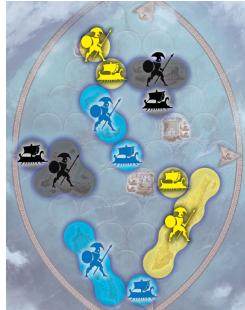
2 Players

Deal the Gods in their placeholders, with # visible God tiles = # players -1. Leave the remaining God tiles face down.
B. For 2 to 6 players with the continents map (For 6 players it is MANDATORY to play in teams):
■ Set the continents board.
■ Place one of the four building types (Port, Fortress, Temple and Academy) on the squares marked with a building icon.
■ Give all players 2 additional GP (up to a total of 7 GP each).
■ The gods tiles are dealt according to the normal rules (# visible god tiles = # players - 1) (See The number of god tiles in play, below).
■ Players bid for a god following the regular bidding (see Make offering to the gods, below)
■ Once the auction has ended, players pay their offerings, and in god order, player places 2 Troops and 2 Fleets and an additional bonus depending on the God whose auction they won:
● Poseidon: 1 Fleet and 1 Port.
● Ares: 1 Troop and 1 Fortress.
Zeus: 1 Priest and 1 Temple.
● Athena: 1 Philosopher and 1 Academy.
● Kronos: 1 Titan and one building of their choice among the ones granted by gods above Kronos, or a second Titan.
● Apollo: 1 GP and 1 cornucopia.
■ Troops must be deployed in two adjacent land spaces. Thus, it is impossible to start in the small islands.
■ Fleets must be deployed in two adjacent sea spaces, adjacent to the own land spaces.
■ If the player received a building, it must be placed then in any of the land spaces already occupied.
● Shuffle the Special Metropoleis cards and deal 2 of them, placing them face up next to the board.
● Place Hades tile next to the board with the “Threat” side up and the Hades column in the space “0”.
● Prepare the Mythological creature cards. Add the Divine Artifact cards. Add the Heroes and additiona
● Make a pile with the Philosopher cards and set it next to the board.
● Make a pile with the Priest cards and set it next to the board.
● Make a pile with the Priestess cards and set it next to the board.
Shuffle the Magic Items cards and put them face down in a drawing pile next to the board.
● Shuffle the Divine Favours tiles and put them face down in a drawing pile next to the board.
● Draw randomly a number of Monument cards equal to the number of players, and place them face up next to the board.
Deal the first card from the Mythological deck.
At the end of the first Offerings Phase, the player who first chose Apollo picks the two Ancient Ruins tokens and places each one of them in one different uncontrolled land space.
Cycle Sequence
In Cyclades, turns are called Cycles. The schema of a typical Cycle is:
-
Hades Roll
-
Refresh Creatures
-
Refresh Gods
-
Revenue Phase
-
Offerings Phase
-
Actions
a. Summon a Creature
b. Recruit
c. Build
d. God Special Action
e. Use Divine Favour
f. Sacrifice a Hero
g. Other Actions (Divine Favours, Titans, Sacrifice Heroes…)
h. Combat
- End of the Cycle
The details of these steps are the following:
● Hades roll. The first player (the one bidding in first place) rolls 2 combat dice and advances the Hades Column the total sum of the dice roll. If Hades column reaches 9:
Hades will replace the last visible God before Apollo after shuffling and dealing the Gods.
○ Re-shuffle the Divine Favour tiles including the discarded ones. They cannot be called upon during this cycle when Hades is active.
Deal ONE card from the Mythological deck, move the existing (if any) to the right, and the last one (if any) to the discard pile. If the discarded card is a Divine Artifact, then it is put back to the box and won’t be available for the rest of the game. In the unlikely case that there are no cards in the draw pile for Mythological creatures, shuffle the discard pile as the new draw pile.
The number ofGods in play is always the number of players minus one. Shuffle all the gods and deal face up the number ofGods in play (# Gods in play = # players -1). Leave the remaining god(s) apart as they will be shuffled and placed first, followed by other gods after being shuffled up to the number of gods. Remember to replace the last visible God with Hades, if the Hades Thread went to 9 or more. If Hades is not active, reveal the top Divine Favour tile and place it next to the last god visible before Apollo.
● Revenue Phase. (Not in the first Cycle)
○ Players take their GP produced by land spaces + seafaring commerce.1 GP per Cornucopia they control.
○ Players should hide their money behind their screens, as money is a key strategic element in the game.
○ Heroes costs. Each player pay the cost for their Heroes indicated in their card. Discarding a Priestess averts having to pay. If a player cannot pay the Hero cost, the card and the figurine are removed from the game.
● Offering Phase. Players will do offerings to the gods.
○ By auctioning, each player places a bid for a god of their choice.
○ You cannot bid for a god below the current bid.
○ If overbid, you must bid immediately for a different god. Although you can go back to your initial god after being overbid again. Chain reactions are possible and common.
○ It is forbidden to bid for a god more than your money amount.
Apollo works differently. Making an offering to Apollo is free, it is possible to bid initially for Apollo, and many players can make offering for Apollo simultaneously. The first player to bid for Apollo, though, gets a special treatment.
○ As soon as the bidding is closed all payments must be settled (except for Apollo), discounting 1 GP per Priest to a minimum payment of 1 GP.
● Perform actions. In god order, each player places their turn/bidding marker in the lowest available turn position. After that, they may perform the following actions in the order of their choice:
○ Call upon a Mythological creature, a Heroes, or a Divine Artifact (for all gods except Apollo), paying for them the money indicated below their card. A player can call up to the three available Mythological creatures, Heroes, or Divine Artifacts. Each Temple gives a discount of 1 GP to a minimum payment of 1 GP only for Mythological creatures and never for Divine Artifacts nor Heroes. The discount for each Temple applies only once per turn, no matter how many creatures are called.
The power of each creature is valid since the moment of “purchasing” to the end of next turn of this player. This means that if a player is the first bidder one turn, calls a creature and they’re the bidder for Apollo the following turn, this player could enjoy the benefits of the creature for 2 turns in practice. This is legal and part of the strategy of the game.
■ The Divine Artifacts powers are permanent for the rest of the game. Divine Artifacts can be moved alongside Troops. Divine Artifacts can change owner if a player conquers a territory where there is an artifact without troops, or after defeating troops.
■ The Heroes are worth 1 regular Troop (except Achilles, who’s worth 2 Troops), but they add one additional military power and one additional special power explained in the card. Heroes can be sacrificed but never in the first turn they are in play and never if the player bidded for Apollo.
○ Recruit (for all gods except Apollo). Each God allows to recruit specific units.
Poseidon allows to recruit Fleets. First fleet is for free. Second costs 1 GP, third 2 GP, fourth 3 GP. No further Fleets can be recruited. The number of units is a hard limit, thus no player is allowed to have more than 8 Fleets. Fleets must be recruited on sea spaces around a controlled land space, and containing no enemy fleets.
Ares allows to recruit Troops. First Troop is for free. Second costs 2 GP, third 3 GP, fourth 4 GP. No further Troops can be recruited. The number of units is a hard limit, thus no player can have more than 8 Troops. Troops must be placed on land spaces controlled by the user.
Zeus allows to recruit Priests. First Priest is for free. Second costs 4 GP. No further Priests can be recruited. Priests are worth 1 GP discount in the offering cost to be paid to a minimum of 1 GP.
Athena allows to recruit Philosophers. First Philosopher is for free. Second costs 4 GP. No further Philosophers can be recruited. As soon as a user has four Philosophers they must immediately discard them to create a Metropolis.
■ Kronos allows to recruit a Titan only when Kronos is the topmost God, for free. Whether it was or not the topmost God, A Titan can be recruited for 2 GP. No further Titans can be recruited. Titans must be recruited in a controlled land space like any other Troop.
Hades allows to recruit either an undead Troop or an undead Fleets. The first undead unit (Troop OR Fleet) is for free. Second costs 1 GP, third 2 GP, fourth 3 GP and fifth 4 GP. No further undead units can be recruited. Undead Troops or Fleets can be combined (recruiting 2 Fleets and 2 Troops for a total of 6 GP, for example). All undead units will go back to Hades at the end of the round (after Apollo’s bidder(s) turn).
Build (for all gods except Apollo). Each god allows to build one building. The same building can be built many times, even in the same land space. As soon as a player has the four different buildings (Port, Fortress, Temple, Academy) in their controlled land spaces (they don’t need to be in the same land space) they are removed and replaced by a Metropolis that is placed in one land space. This means that some land spaces may lose the benefits of the building(s) they had after building a Metropolis. This is part of the strategy of the game. After building a building or during the building phase, if the player owns the two buildings (not counting the Theater) associated to an available Monument card, they can take the card and place the Monument miniature on any of their territories (out of the building spaces). The two independent buildings remain on the board.
Poseidon allows to build a Port (2 GP). The Port gives a +1 defensive bonus in sea battles happening in adjacent sea spaces to the land space containing the Port.
Ares allows to build a Fortress (2 GP). The Fortress gives a +1 defensive bonus in land battles happening in the land space where the Fortress is located.
Zeus allows to build a Temple (2 GP). Each Temple reduces the cost of calling a Mythological creature by 1 GP (to a minimum payment of 1 GP). The reduction of each Temple can be applied only once per cycle.
Athena allows to build an Academy (2 GP). It has no special properties except to allow to get the four different kinds of buildings to form a Metropolis
■ Kronos allows to build any of the four buildings (Port, Fortress, Temple or Academy) among the ones granted by the Gods above Kronos for free only when Kronos is NOT the topmost God.
Hades allows to build the Necropolis (2 GP). Every cycle, for every living (not undead) unit killed, 1 GP from the reserve is placed on the Necropolis. On the next revenue phase, the player owning the Necropolis will get the money piled there.
○ Special Action (for all Gods except Apollo and Athena). The active player can perform the Special Action as many times as they can afford it.
Poseidon allows to move Fleets (1 GP) up to 3 spaces. Fleets can join and split in their way but from the first moving fleet to the last one cannot be more than 3 sea spaces. If a Fleet enters a sea space occupied by enemy Fleets, a sea battle begins immediately (see Combat).
Ares allows Troops (1 GP) to move from one land space to another land space that is connected by a chain of own Fleets. If they leave an land space unoccupied of friendly Troops, the player leaves a territory marker as a reminder of the land space ownership. Titans move like any other Troop.
● Upon landing on an Land space where enemy Troops are present, a battle starts immediately (see Combat).
If they land on an land space where there are no enemy Troops, the player claims the land space without a battle even if there is a Fortress. Any existing enemy territory marker is removed.
It is forbidden to attack the last land space of a player (a player who only owns one land space) unless she can prove that by that action the attacking player would win the game. Example: The attacking player has a Metropolis, she is allowed to attack the only land space ofanother player who also has a Metropolis since then, the attacking player could own 2 Metropoleis at the end ofthe turn and thus could win the game.
Example 2: The attacking player has a Metropolis and a Temple, a Theatre and a Port, she is allowed to attack the only land space ofanother player who contains a Temple, since then,
the attacking player could gather the 4 buildings (since the Theatre is a wildcard), and therefore gain her second Metropolis winning the game.
Example 3: The attacking player has 4 ofthe Divine Artifacts. She is allowed to attack the only land space ofanother player where there is located the fifth Divine Artifact since then,
the attacking player could win the 5 Divine Artifacts and therefore win the game.
Zeus allows to change the creatures (1 GP) discarding any available creature and replacing it with the first creature of the discard pile. Zeus special ability cannot be used to remove an available Divine Artifact, nor to remove an available Hero.
■ Hades allows to move Troops and/or Fleets with the same mechanics as with Ares/Poseidon. However at least one undead unit must be present in order to move living units.
Use the Divine Favour (for the last visible God before Apollo, when it’s not Hades). Get the bonus item, either a Priestess or a Magic Item. Use the power during this action phase. Magic Items are drawn and kept face up in front of the player. They can be used in the turn they are obtained, or in the following one. Once they are used, they are discarded.
Move Titans (for all Gods except Apollo). A player owning Titans can move them one space for 1 GP, a second space for 2 GP, a third space for 3 GP and so on, as many as they can afford. A Titan can move with Troops sharing its space. Apart from that, same movement rules of movement applies as when moving troops with Ares (crossing water via chains of Fleets, battle starts immediately when entering a land space occupied by other player’s Troops, etc).
Sacrifice a Hero (for all Gods except Apollo). A player owning a Hero can sacrifice to obtain a benefit explained in the corresponding Hero card.
Combat. In the case of invasion from a player’s Troops/Fleets of a land/sea space occupied by another player’s Troops/Fleets a battle immediately begins. A battle is either a Land Battle or a Sea Battle. Only Troops can take part in a Land Battle against other Troops, and only Fleets can take part in a Sea Battle against other Fleets. Heroes cannot be sacrificed once a combat has started.
Each player rolls a die and they add the number of Troops/Fleets they have in the disputed space. Titans count as one Troop. The defender adds their bonus for Fortress, Port, Creature, etc.. If there are more than one Port/Fortress in a territory, only one of them for each type counts. However it is possible to combine the effects of a Special Metropolis, and a Monument.
The player with the lowest result loses the first assault and removes one Troop/Fleet from the battle, putting it back to their units reserve. The losing player decides whether to dismiss a regular Troop, a Titan, or an undead unit. If there is a tie, both players lose one Troop/Fleet.
If both combatants still have units, the defender can decide if retreating or not. After that, the attacker can decide whether to retreat or not. If none of them retreats, a new assault takes place (steps 1 and 2).
These steps are repeated until there are no units from one side (or none at all), or until one of the combatant retreats.
■ The winner gets control of the disputed space, including the buildings if any.
Retreating from land is only possible by removing Troops to another land space belonging to the retreating Troops connected by a chain of Fleets. If this is not possible Troops cannot retreat and must keep battling until eliminated or winning (This is Sparta!).
Retreating from sea is only possible by moving to an empty or own controlled adjacent sea space. If this is not possible Troops cannot retreat and must keep battling until eliminated or winning (This is Sparta!).
■ After conquering a territory, if the player has the two buildings associated with an available Monument card, they can take the card and place the Monument miniature on any of their territories (out of the building spaces). This can be done at a later phase, as long as the Monument has not been built yet by any other player. The 2 building tokens remain on the board. The Monument miniature is placed in the territory like any other figurine, not occupying a building placeholder.
■ If the player controls a territory with an Ancient Ruin token, takes one of the unused Monument cards, and places the Ancient Ruins card corresponding to the token on top of it. This player ALONE (not anyone in her team) can build that Monument and only in the territory where the Ancient Ruin is present. As soon as the Monument is built, both the Ancient Ruins card and
token are removed from the game. Both the built and unbuilt Monument can be conquered normally.
○ Apollo. The player(s) who have chosen Apollo play the last and can perform just these actions.
The first player bidding for Apollo gets a Prosperity Marker that is placed on the land space of their choice. During the first Cycle, this player takes the two Ancient Ruins tokens and places them in two different land spaces.
■ All players bidding for Apollo get 1 GP if they own more than one land space, or 4 GP if they own a single land space.
● End of the Cycle.
Once everyone has played and replaced their offering marker on the turn track, the round is finished.
Place the active Divine Favour, if any, in the Divine Favour tiles discard pile.
If at least one player owns 2 Metropoleis at this point, the game ends. Otherwise a new cycle begins.
End of the Game and Victory
● If only one player owns 2 Metropoleis at the end of the cycle, that player is the winner. If more than one player owns 2 Metropoleis at the end of the cycle, the player with the most GP remaining in their treasure wins the game.
● If a player owns the 5 Divine Artifacts, wins the game immediately without finishing the current cycle.
● When playing in teams, if a team owns 3 Metropoleis, the End Game is triggered and that team wins the game even if they lose the third Metropolis. Only 2 Metropoleis are required.
Remember: It is forbidden to attack the last territory of a player (and therefore eliminate her from the game), unless it would give the attacker the second Metropolis (the third, when playing in teams) either for containing already a Metropolis, or for containing the needed building to build a Metropolis, or the fifth artifact.
Metropoleis
A Metropolis is a special building that contains the bonuses of all the four buildings combined (Port, Fortress, Temple and Academy, although the Academy does not grant any particular bonus).
Each land space has a red dotted square where the Metropolis should be placed. No Metropolis can be placed outside the reserved red dotted square space.
The first player building a Metropolis will be able to choose one of the cards and place the corresponding Special Metropolis instead of a regular one. The second player building a Metropolis will take the remaining Special Metropolis and place it instead of a regular Metropolis. If the territory containing a Special Metropolis is conquered, the former owner will pass the card to the new owner.
Metropoleis can be gained in the following ways:
○ Economic development. Building 4 different types of buildings (Port, Fortress, Temple and Academy) grants immediately a Metropolis. The player must discard the four buildings to build a Metropolis. If the desired red dotted square is occupied even partially by another building, that building must be one of the four ones destroyed, or must be also destroyed.
○ Intellectual development. Acquiring 4 Philosophers grants immediately a Metropolis. If a player cannot place a Metropolis in any vacant red dotted square, they must destroy any building(s) to vacant the red dotted square for the Metropolis.
○ By means ofwar. Conquering a land space that contains a Metropolis automatically grants the ownership of it.
○ Only in 6 players team-based games, if a player conquers the last territory of another player, they can immediately place a Metropolis if:
■ That territory does not already contain a Metropolis.
■ That territory has the necessary red dotted square for a Metropolis.
■ The team combined already owns 2 or more Metropoleis.
Appendix
Buildings summary
○ Academy. One of the four buildings needed to form a Metropolis.
○ Fortress. One of the four buildings needed to form a Metropolis. Adds a +1 bonus in land defense for the territory it’s placed on but does not offer defense by itself to the territory (requires at least 1 Troop).
○ Necropolis. 1 GP is placed per unit destroyed (not saved by means of any Divine Favour, Monument, etc). During the revenue phase, the owner gets the money. There can be only one Necropolis in the game.
○ Port. One of the four buildings needed to form a Metropolis. Adds a +1 bonus in sea defense for the sea spaces adjacent to the land space it is placed on.
○ Temple. One of the four buildings needed to form a Metropolis. Each one reduces in 1 GP the payment (up to a minimum payment of 1 GP) for purchasing Mythological Creatures (not Heroes nor Divine Artifacts). Each Temple can only be used once per turn.
○ Theater. A wildcard for one of the four buildings needed to form a Metropolis. Cannot be used to build Monuments.
Gods summary

Apollo. 1 GP (4 GP if you control only one territory); and 1 prosperity marker if you were the first to make an offering.

Ares. Recruit free Troop, + 1-3 troops for extra GP. Build a fortress. Move troops from one territory to another, or across the sea through a chain of Fleets.
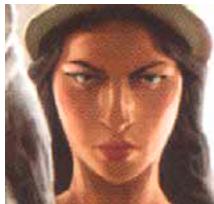
Athena. Recruit free philosopher, +1 philosopher for an extra 4 GP. Build academy.

Hades. Recruit undead units. + 1-3 undead units for extra GP. Build a Necropolis. Move Troops/Fleets as per Ares/Poseidon, but at least 1 Undead unit must be in the group.

Kronos. If Kronos is the first God in the list, Recruit 1 Titan. If Kronos is not the first God in the list, Build for free any one building from the Gods above him. Additionally, +1 Titan for 2 GP.

Poseidon. Recruit free Fleet, +1-3 Fleets for extra GP. Build a Port.

Zeus. Recruit free Priest, +1 Priest for an extra 4 GP. Build a Temple.
Mythological creatures summary (* with figurine)
Figurine creatures indicate a lasting effect. The effect lasts until the end of your next turn, with the exception of the Kraken, which remains on the board.
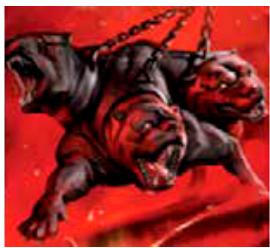
Cerberus*. During the Revenue Phase, collect the income from this land space.

Charon. Recruit a Hero was removed from the game. This means Heroes used and discarded, not Heroes never recruited and discarded.

Chimera. Choose a creature from the discard pile. Shuffle immediately the discard pile with the draw pile to form a new draw pile.

Chiron*. Protects the isle from Pegasus, the Giant, the Erynes, Empusa, the Manticore, the Harpies, and the Sacrificial Power of Perseus. None of these creatures can be used against this isle, its buildings, its Heroes, or its Troops.
Cyclops. Replace one of your buildings with a building of another type.

Dryad. Steal a Priest from the player of your choice.

Empusa. Steal all GP from the Necropolis.

Erinyes. Take a Prosperity Marker from one isle and move it to one of your choice (obviously, printed ones cannot be moved).
The Fates. Receive this cycle’s revenue again.

Giant. Destroy a regular building.
Cannot destroy a Monument.

Griffon. Steal half of the GP of another player, rounded down. The target player must show its treasure.

Harpy. Remove a Troop from the board.
Kraken*. Place the Kraken figurine on the sea space of your choice. Any Fleets in that space are destroyed. The owner of the Kraken can spend 1 GP per space to move the Kraken with the same effect. The Kraken is not removed and remains in play until the end. The space of the Kraken is forbidden for Fleets. The next player to summon the Kraken can reposition it anywhere else on the map and repeat the process.

Medusa*. Troops in the same land space cannot move

Pegasus. Designate one of your isles and move any number of Troops there to another land space without having to have a chain of Fleets. This creature is the only way to invade an opponent's isle without Ares.

Satyr. Steal a Philosopher from the player of your choice.

Sphynx. You can resell Fleets, Troops, Priest and Philosophers for 2 GP each.
Manticore. Eliminates an enemy Hero (except if the Hero is on the same island as Chiron).

Minotaur*. Counts as 2 Troops to defend the island where he is present. Cannot move. During battle: He does not retreat. Troops are eliminated first. When the Minotaur is the last unit, it’s eliminated if the defender loses the last battle round.

Polyphemus is there.
Polyphemus*. All fleets adjacent to the isle where Polyphemus is placed, are pushed away 1 space, in the order and direction of the summoner of Polyphemus choice. Two Fleets cannot coexist in the same space. If movement is impossible, the Fleet is destroyed. No Fleet can land in the isle while
Siren. Remove an opponent’s Fleet from the board and replace it with one of yours. If you no longer have any Fleets in reserve, you can take one from somewhere else on the board. This action only works on isolated Fleets.
Sylph. You can move your Fleets a total of 10 spaces.
Heroes summary (Military Power, Sacrificial Power)

Achilles. MP: In battle, Achilles counts as 2 troops. SP: If you have 4 land spaces, build a Metropolis on one of them.

Midas. MP: During Battle you can pay 1 GP to re-roll your dice (multiple times). SP: If you pay 15 GP, build a Metropolis.
Hector. MP: If Hector is attacked, the attacker loses a troop before the fight. SP: You can discard 2 priests to recruit 1 philosopher, OR 5 priests to recruit 2 philosophers.

Penthesilea. MP: You do not lose troops in ties. SP: If sacrificed when building a Metropolis, put the Metropolis on the card, and can’t be captured by an enemy.
Perseus. MP: When losing a battle round he may let one troop retreat instead of destroying it (multiple times). SP: You can move some or all of the troops present in his land space to any other land space that is not protected by a Hero or by Chiron.
Ulysses. MP: When attacking, the defender gets no bonus for fortress or Metropolis. SP: Allows to build ONE Metropolis using only 1 Port + 1 Temple + 1 Academy.
Divine Artifacts summary

teammate can pay for the power.
The Caduceus. During Revenue Phase, provides 1 GP. Also, when a battle occurs in the space of the Caduceus, the owner can pay 1 GP to prevent the destruction of 1 Troop. This power can be used as many times as she can pay for it. When playing in teams, any
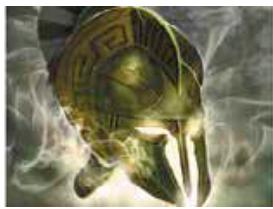
The Cap of Invisibility. During Revenue Phase, provides 1 GP. Also, Troops traveling with the Cap, can use enemy’s Fleets or pass through territories occupied by other players without stopping for battle. When playing in teams, at the beginning of her turn, the owner can upied by a teammate.
move the Cap to any space occ

The Large Cornucopia. During Revenue Phase, each Prosperity Marker in the same space provides 2 GP. When playing in teams, those GP can be distributed among the teammates.
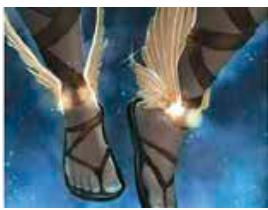
The Winged Sandals. During Revenue Phase, provides 1 GP. Also, when Troops located in the same Space are moving, they can go to any space on the same island. When playing in teams, the owner can pay 1 GP to move the Sandals to one of her teammate’s spaces on the board.
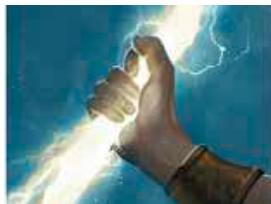
Zeus’ Lightning. During Revenue Phase, provides 1 GP. During the Offerings Phase, if the owner is outbid, the player who outbids must pay the owner 1 GP. If she can’t pay, she can’t bid for this God. When playing in teams
Divine Favours summary

Artemis. Receive for free: 1 Priestess. Once per turn: You discard as many priests and philosophers as you want, to recruit an equal number of troops or fleets.
Dionysus. Receive for free: 1 Magic Item. Once per turn: For 2 GP, you can build a Theater

movement action with Ares, Titan, etc.).
Hecate. Receive for free: 1 Priestess. Once per turn: For 2 GP, place columns on two different islands regardless of who owns them. These islands are now connected by an underground passage, not requiring Fleets to move between them. (Still requires

Hera. Receive for free: 1 Priestess. Once per turn: For 2 GP, you can discard the top card of the creature deck. Continue until you discard a Hero. That Hero immediately joins your side. If you draw the Chimera, shuffle the deck and resume drawing until you find a Hero.
Hestia. Receive for free: 1 Priestess. Only once per turn: For 2 GP, you can build the standard building of your choice.

Aphrodite. Receive for free: 1 Priestess. Once per turn: For 2 GP, you can double the number of troops present on one of your islands.
Demeter. Receive for free: 1 Priestess. Once per turn: Gain 1 GP for each island under your control.


Hephaestus. Receive for free: 1 Magic Item. Once per turn: For 2 GP, you can draw 2 additional Magic Items face down, keep 1 face down, put the other back and reshuffle the deck.

Hermes. Receive for free: 1 Magic Item. Once per turn: You can place a Prosperity Marker on any sea space on which you have at least one Fleet. This space will generate additional income during the revenues phase of each turn.
Magic Items summary

Aphrodite’s Belt. Play this card after the God tiles have been reshuffled and placed: You can prevent an opponent of your choice from placing an offering marker on the God of your choice for the duration of this round.

Artemis’ Arrows. Play this card on your turn: Remove a creature (not a hero) figurine from the board.
Necklace of Harmony. Play this card after all players have paid their bids: You cannot be the target of any military strike (land or sea) until the end of the cycle.

Chariot of the Sun. Play this card on your turn: Rearrange all your troops on your islands as you wish.

Pandora’s Box. Play this card on your turn: Steal 1 priestess from an opponent.
Apollo’s Arrows. Play this card during a land battle, whether in attack or defense, just before you roll the dice: For this battle assault only, roll an additional combat die. Its result is added to the regular die.


Poseidon’s Trident. Play this card during a sea battle, whether in attack or defense, just before you roll the dice: For this round only roll an additional combat die. Its result is added to the regular die.
Palace on Mt. Olympus. Play this card just after the Gods are set up in the normal way: Rearrange the Gods as you wish. The only obvious restriction is that Apollo is always last.

appropriate creature.
Pelop’s Sceptre. Play this card on your turn: Discard the top card of the creature deck. Continue until you discard a creature with a figurine. That creature immediately joins your side. If you draw the Chimera, reshuffle the deck and resume drawing until you find an

Zeus’ Aegis. Play this card when rolling for the column of Hades Tile (Threat Side), after the die roll, you can roll again and add or subtract the second result to the original roll. The column is moved according to the total obtained (even if the first roll reached 9).
Great Citadel ofAres (F+F) As long as there is at least 1 Troop/Titan, this space cannot be attacked by sea, land or air.

Military Academy (A+F) During Revenue Phase place a free Troop on this space.

Temple of Poseidon (P+T) Once per cycle you may remove one of your Fleets from the board to draw the top card of the Creature deck. This adds 1 GP to the Necropolis.
Temple ofAthena (A+T) 1 GP discount when Recruiting Philosophers or Priests.

City ofWarriors (F+P) When defending, all adjacent Fleets count as Troops for Land battles.

Great Lighthouse of Poseidon (P+P) Any destroyed Fleets can be saved and placed on a sea space adjacent to this space, unless not legal (due to enemy fleets or Polyphemus).

Academy of Naval Warfare (A+P) During Revenue Phase place a free Fleet on an adjacent sea space.

Temple ofAres (P+F) Once per cycle you may remove one of your Troops from the board to draw the top card of the Creature deck. This adds 1 GP to the Necropolis.

Great Temple of Zeus (T+T) When your turn starts, update the Creatures as it was the start of the Cycle.

Great Academy of Athena (A+A) You may buy more than 1 Philosopher when offering to Athena.
Special Metropoleis summary
Commercial Metropolis. Provides 2 GP during Revenue Phase.

Cultural Metropolis. The owner must build new Metropoleis for 3 Philosophers instead of 4.

Military Metropolis. Has +3 defensive strength for land battles.
Religious Metropolis. Gives a discount of 2 GP when buying a creature.

Seaside Metropolis. Has +3 defensive strength for sea battles.
Rosetta Stone
Continent. In the Continents map, each one of the big landmasses that contains multiple Land spaces.
Cornucopia. Synonym Prosperity Marker, generally referred to the ones printed on the map.
Fleet. A single figurine for a ship.
Fortress. The orange building. Built by Ares or Kronos. Brings +1 to defense strength for land battles.
Isle. Any Land territory completely surrounded by Sea spaces. This applies to all landmasses in the Isles map, and to the small territories between Continents, in the Continents map.
Land. Area on the map that can be occupied by Troops.
Port. The blue building. Built by Poseidon or Kronos. Brings +1 to defense strength for sea battles.
Prosperity Marker. Synonym Cornucopia. The horn of abundance token. It provides 1 GP during the Revenue Phase.
Sea. Area on the map that can be occupied by Fleets.
Space. Any Land or Sea unique area that can be occupied by Troops or Fleets.
Territory. Synonym Space.
Troop. A single figurine for a soldier.
下载 Markdown原文为社区整理/出版社公开资料,版权归原作者,仅供个人学习查阅。