
神奈川学苑Kanagawa
一句话概览
神奈川学苑 是一款已收录于村了吗规则库的桌游,支持 2–4 人,原名 Kanagawa。
本页内容:一句话概览 · 游戏概述 · 1. 游戏组件 · 2. 游戏设置 · 3. 游戏流程 · 4. 画作与画室 · 5. 证书系统 · 6. 特殊效果说明 · 7. 游戏结束与计分时序 · 8. 关键规则与常见问题 · 常见问题
神奈川学苑 规则速览
以下规则速览由本站整理,与官方规则书表述不同,仅供快速上手参考。
游戏概述
在江户时代的日本,葛饰北斋大师于神奈川大湾创办绘画学院,分享他的艺术理念。作为众多弟子之一,你需要证明自己超越其他门徒的价值。精进画室功能,围绕你偏好的题材作画——树木、动物、人物、建筑——同时留意季节更迭,方能完成最具意境的作品。这将成为你终其一生的杰作。
核心机制: 手牌管理、竖线选取、工人放置、引擎构建、计分冲突
1. 游戏组件
| 组件 | 数量 / 说明 |
|---|---|
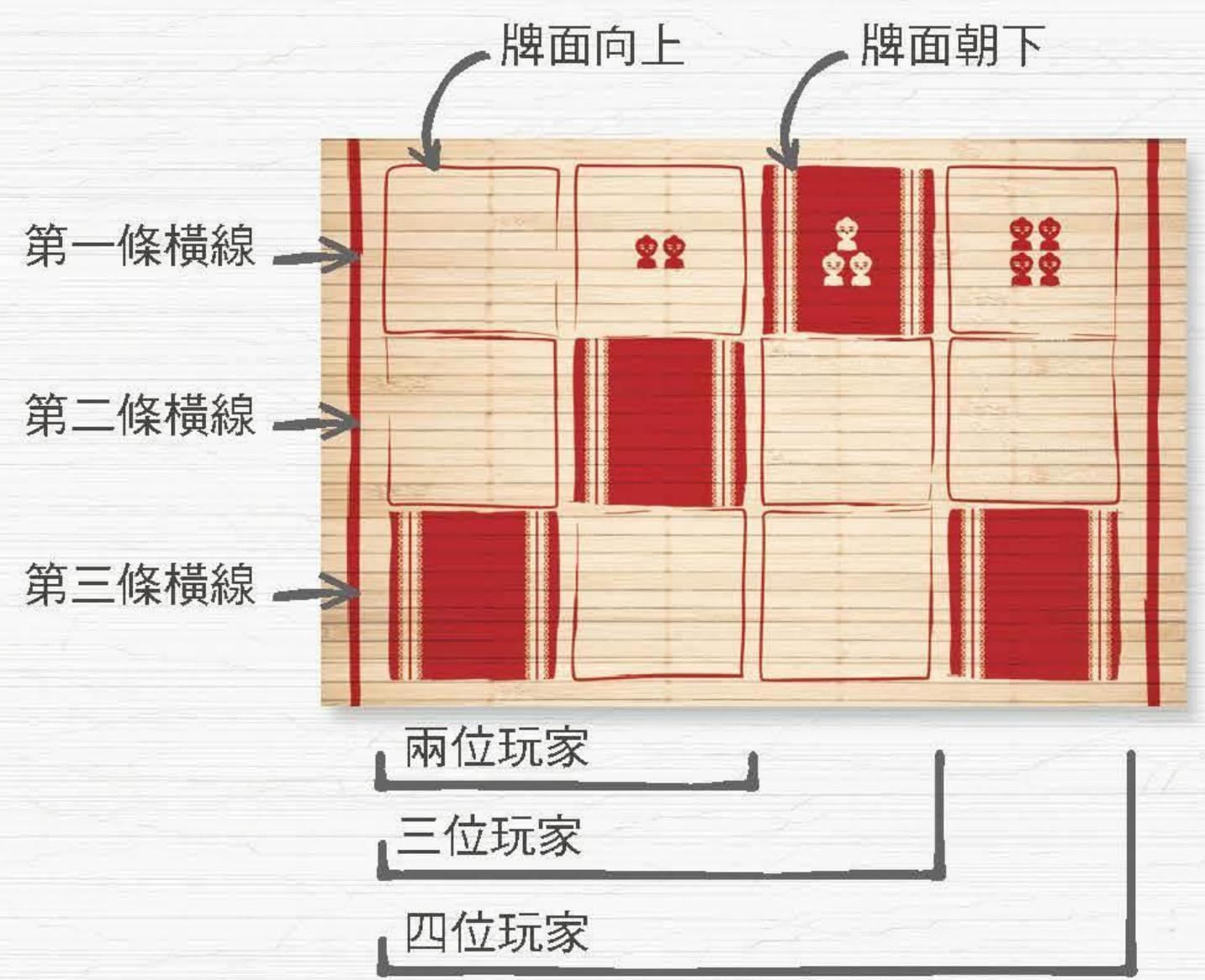
| 学院版图 | 1块(三条横线、若干纵列,用于摆放课程卡) |
| 起始板块 | 4块(每位玩家一块,代表画室起点) |
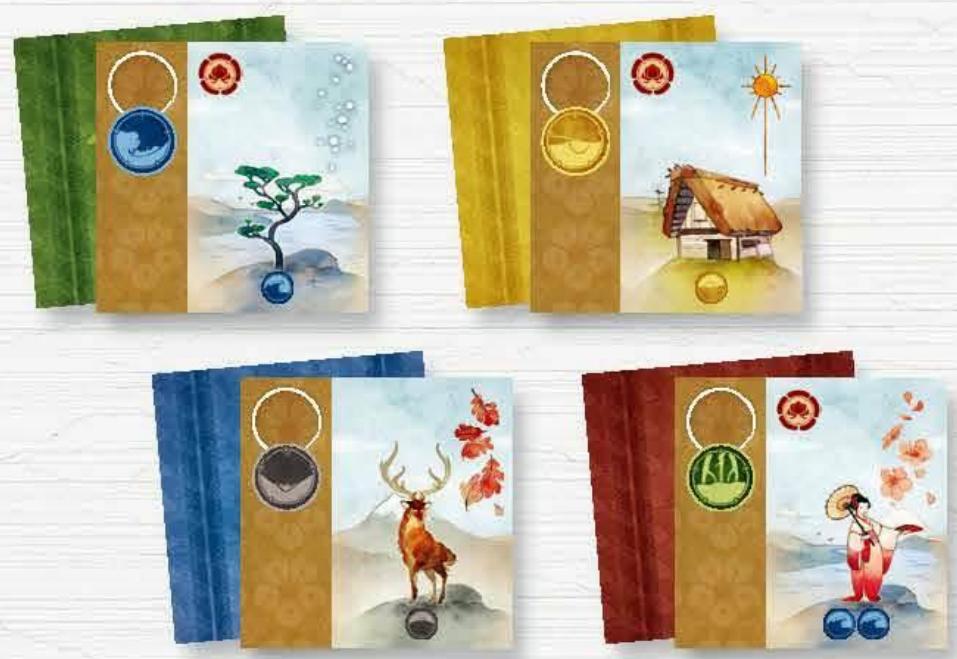
| 课程卡 | 72张(18张 × 4种颜色;背面颜色对应正面主题) |
| 助手指示物 | 1个 |
| 大师指示物 | 1个(代表当前轮次起始玩家) |
| 证书板块 | 19块(两种配色:画作相关4色共16块、学院相关2色共3块) |
| 画笔指示物 | 15个 |
| 暴风雨指示物 | 3个(万能季节牌,可在游戏结束时替换任意季节) |
2. 游戏设置
2.1 证书板块排列
将证书板块按颜色分类,面朝上在学院版图上方排成两行:
- 第一行(画作相关):绿、红、蓝、黄四种颜色的证书
- 第二行(学院相关):黑、白两种颜色的证书
每一类证书按意境分数从低到高从左到右排列,同分数者按颜色顺序排列。
2.2 初始布置
- 将全部课程卡洗匀,面朝下放在版图旁形成牌堆。
- 随机决定起始玩家,将大师指示物和助手指示物交给他。
- 每位玩家随机领取一张起始板块,并将两个画笔指示物放在自己面前。
2.3 课程卡颜色体系
课程卡背面的颜色直接暴露正面的主题类型:
- 绿色正面为树木(1棵、2棵或3棵)
- 红色正面为人物(1个人物)
- 蓝色正面为动物(1只动物)
- 黄色正面为建筑(1栋建筑)
知道背面颜色等于提前知道了主题——你可以在想等待更多某类主题时使用"听课"策略。
3. 游戏流程
游戏进行若干轮,直到触发结束条件。每轮分为三个阶段:
3.1 阶段一:专心听大师上课
由持有大师指示物的起始玩家执行:
1. 抽与玩家人数相同数量的课程卡。
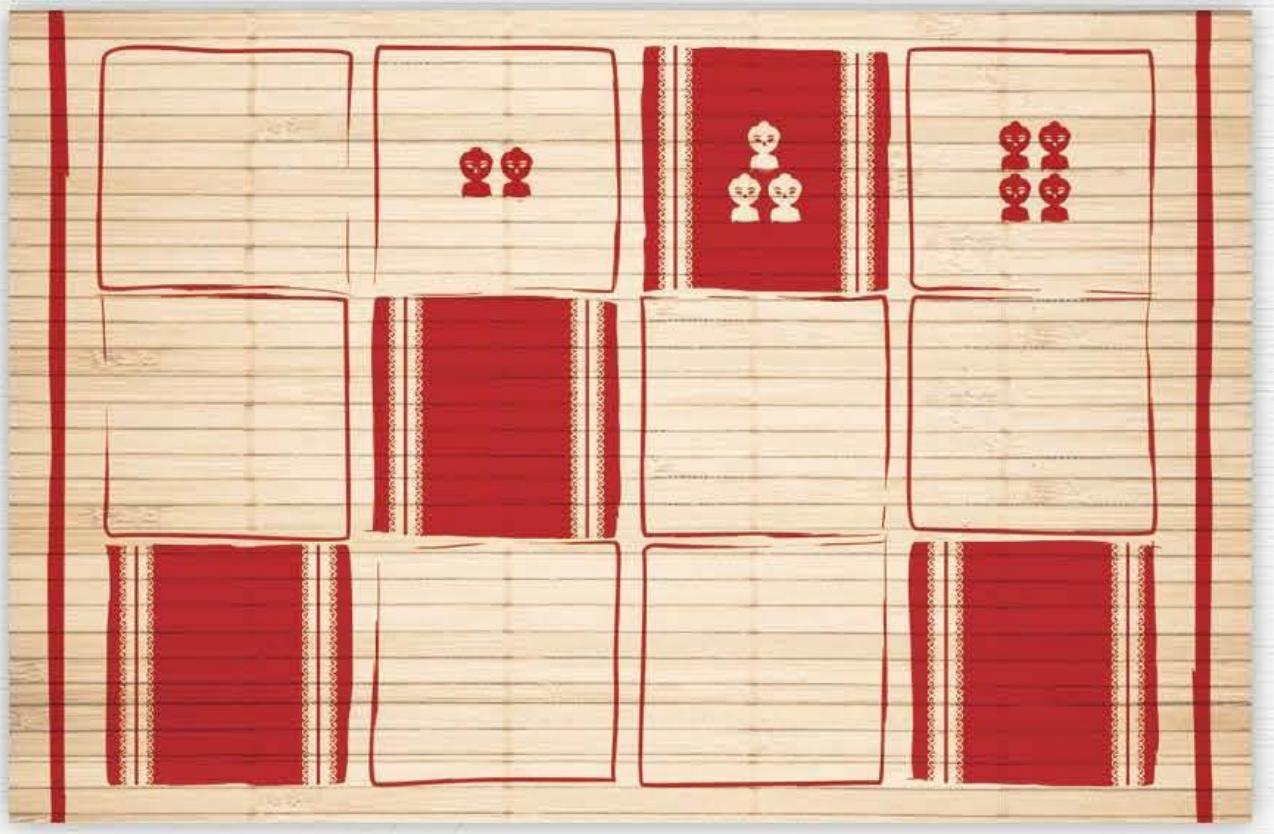
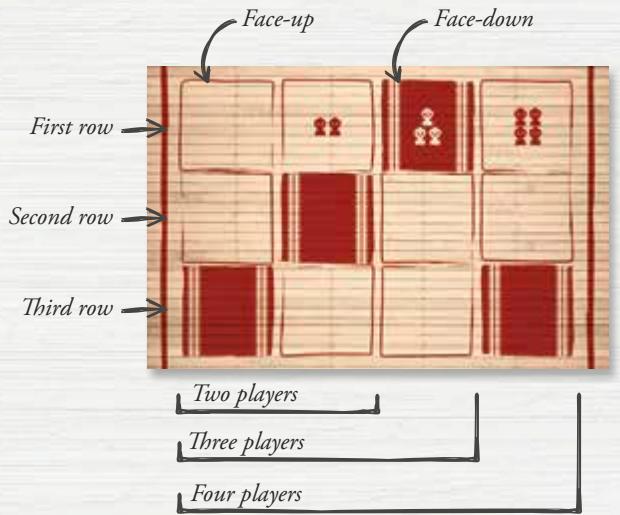
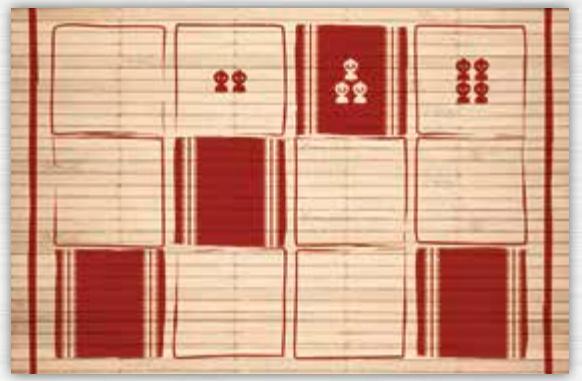
2. 将它们放到版图上第一条横线上,按照版图格子上显示的符号判断每张卡牌面朝上或面朝下。
例如四人间游戏:抽取4张卡,放在第一横线——第1、2张面朝上,第3张面朝下,第4张面朝上。
3.2 阶段二:继续充实知识 或 开始作画
由起始玩家开始,顺时针轮流做出选择:
选项A —— 继续充实自己的知识(跳过)
- 暂时不拿任何课程卡,多等一轮。
- 好处:下一轮版图上会有更多卡片供挑选。
- 风险:其他玩家可能抢先拿走你想要的卡片。
- 限制:若你已是版图上最后一位还在学院的玩家,不能再选择此项,必须离开。
选项B —— 开始作画(离开学院)
- 从版图上选择一条竖直线,拿走该直线上所有的课程卡。
- 立即把这些卡片加入你的画室和/或画作中(顺序自定)。
- 之后在本轮中不再获得任何卡片。
> 注意: 你可以随时查看牌库顶的卡片背面颜色。
3.3 阶段三:新的课程
- 起始玩家根据仍然留在学院内的玩家人数(即还未选B的人),抽取相等数量的课程卡。
- 将它们放到版图的下一条横线上,排在之前剩余卡片的下方,同样遵循面朝上/下的指示。
- 这些新放置的卡片加入已离开学院玩家的可选竖直线中。
- 如果玩家们在第二轮仍有人选择继续充实知识,则再往第三条横线放卡片。
当三条横线都放满后,仍在学院内的玩家必须拿走一条竖直线的所有卡片,不得再听课。
3.4 一轮结束
当所有玩家都已完成阶段二的选择(离开了学院)时,该轮结束。
- 持有助手指示物的玩家拿到大师指示物,成为下一轮的起始玩家。
- 新的一轮从阶段一开始。
3.5 游戏结束条件
满足以下任一条件时,游戏立即进入结束阶段:
1. 牌堆耗尽: 当从牌堆抽出最后一张课程卡放入版图时,迫使所有仍在学院的玩家各取一条竖直线,该轮结束后游戏结束。此时可能出现某条竖直线少于卡片数(因为牌不够了)。
2. 画作达11张: 某一轮结束时,任何玩家的画布上有11张或以上的卡片。
4. 画作与画室
拿到课程卡后,你将它们分配到画室和画作的不同用途。
4.1 提升你的画室
你可以把任意数量的卡片加入画室,没有数量上限。
- 将卡片旋转至正确方向(面向你自己),使画室部分可见。
- 放在起始板块的下方,新卡片始终放在已有卡片的下方,逐层扩展。
- 加入后立即执行卡片上的供给效果(见下方)。
- 每张卡片上的「学习技术」图标永久生效,此后每轮都能使用。
- 一旦放入画室的卡片不可再取出或移动。
画室图标详解:
- 风景图标(森林、高山、平原、海洋、万能):放上画笔指示物后,你就能绘制相应风景背景类型的画作。每格只能放一个画笔。万能格可当作任意风景类型。
- 供给图标:立即效果,结算时在手中执行。
- 学习技术图标:箭头符号(↔),每轮可用它移动一个画笔指示物(见4.2节)。
- 保留卡图标:每轮结束时额外保留一张课程卡,下次可以打出。
4.2 拓展你的画作
要把新课程卡添加到画布上,需满足两个前提:
1. 你的画室中有画笔位于与新卡风景相匹配的风景图标格上。
2. 每支画笔每轮只能用于画一幅画(无论移动前或移动后都用过即失效)。
如何获取和使用画笔:
- 放置新画笔: 将你手中未使用的画笔指示物(初始的两个或是后续获得的)放置到画室任意空的风景图标格上。只要空格够多,不受数量限制。
- 移动画笔: 利用卡片上的箭头符号(↔),将已有的画笔从一个风景图标移到另一个风景图标。每个箭头符号每轮仅能用一次。
两条铁律:
- 每个风景图标格同一时刻只能有一个画笔指示物。
- 每支画笔每轮只能画一幅画。
"提升画室"和"拓展画作"的执行顺序可以自由调换,但画室内每个风景图标格每轮只结算一次效果。
4.3 课程卡结构说明
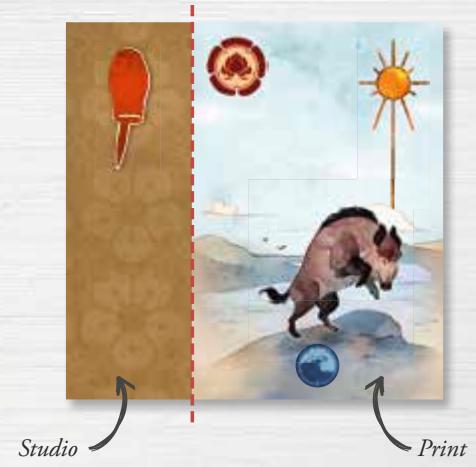
每张课程卡分为左右两部分:
左侧 = 画室区域
- 风景图标:决定该卡能成为哪种背景的画作。
- 供给图标:即时生效的效果(获得画笔或抢夺起始玩家权)。
- 学习技术图标:永久被动能力(主要是移动画笔的箭头)。
- 保留卡图标:允许每轮结束时留存一张卡备用。
右侧 = 画作区域
- 风景类型:要求你的画室画笔匹配才能打出这张卡。
- 主题:树木、人物、动物或建筑——决定了你能解锁哪些画作用度。
- 季节:春、夏、秋、冬、暴风雨。
- 游戏结束时奖励:部分卡片右上角标有游戏结束时得1分。
暴风雨是万能季节卡,在游戏结束计分时可代替任一年四季。
5. 证书系统
当你的画室或画作满足了某个证书的达成条件时,你必须立即决定是否领取该证书。
5.1 领取规则
- 必须当场决定: 一旦条件满足,立刻选择拿走或放弃。错过就不再有机会。
- 每种颜色限领一个: 同一颜色的证书板块最多只能拥有一块(例如绿色的树证书有三个难度等级,但拿了最高的就不能回头拿最低的)。
- 放弃意味着升级挑战: 若选择放弃,代表你想要更高难度的同类型证书,此后只能追求更难的目标。
5.2 画作用度一览
| 证书颜色 | 达成条件 | 奖励 |
|---|---|---|
| 绿 | 画作中至少3棵树 | 3分 |
| 绿 | 画作中至少4棵树 | 4分 + 暴风雨指示物 |
| 绿 | 画作中至少5棵树 | 7分 + 助手指示物 |
| 红 | 画作中至少2个不同人物 | 3分 |
| 红 | 画作中至少3个不同人物 | 4分 + 暴风雨指示物 |
| 红 | 画作中至少3个相同人物 | 9分 |
| 蓝 | 画作中有山猪 + 鹿 | 3分 + 画笔指示物 |
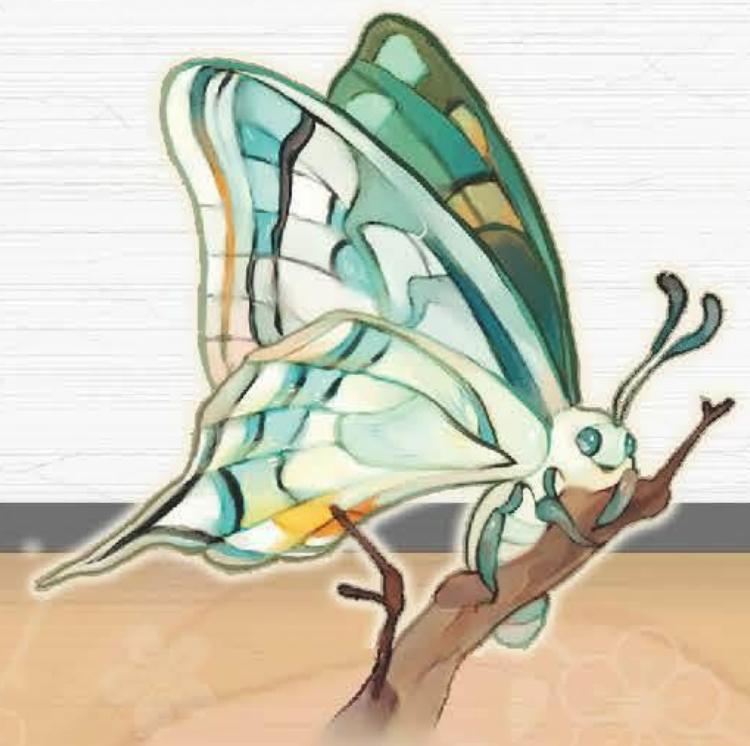
| 蓝 | 画作中有鹤 + 蝴蝶 | 4分 + 画笔指示物 |
| 蓝 | 画作中有山猪 + 蝴蝶 + 鹿 | 7分 + 助手指示物 |
| 黄 | 画作中至少2栋不同的建筑 | 3分 |
| 黄 | 画作中至少3栋不同的建筑 | 4分 + 暴风雨指示物 |
| 黄 | 画作中至少4栋不同的建筑 | 7分 + 助手指示物 |
5.3 学院用度一览
| 证书颜色 | 达成条件 | 奖励 |
|---|---|---|
| 黑 | 画室中至少3个画笔指示物 | 1分 + 助手指示物 |
| 黑 | 画室中至少4个画笔指示物 | 3分 |
| 黑 | 画室中至少5个画笔指示物 | 5分 + 助手指示物 |
| 黑 | 画室中至少2个箭头符号 | 1分 + 助手指示物 |
| 黑 | 画室中至少3个箭头符号 | 3分 |
| 白 | 画室中至少2个相同的风景 | 2分 |
| 白 | 画室中至少3个相同的风景 | 3分 + 画笔指示物 |
| 白 | 画室中至少4个相同的风景 | 5分 + 助手指示物 |
> 注意: 画室中的风景指风景图标格(放置画笔的地方),而非卡片本身的主题。例如你在画室里同时激活了"森林""高山""森林""海洋"三个格——其中有两个都是森林,就满足了"至少2个相同风景"的条件。
6. 特殊效果说明
6.1 立即性效果(放入画室时结算)
- 获得画笔指示物: 从供应区拿一个画笔放在自己面前,可用于后续放置到画室风景格。
- 获得助手指示物(抢起始玩家权): 从供应区拿走助手指示物放在自己面前。当一轮结束时,如果你在面前有助手指示物,你可以升级为大师指示物——成为下一轮起始玩家。
6.2 永久性效果(放入画室后持续生效)
- 箭头符号(↔): 你的画室内有几个箭头符号,每轮就可以移动几个画笔指示物(从一格移到另一格)。
- 保留卡符号: 每轮结束时,你可以从手中保留一张课程卡不打出,留到下次使用。
6.3 游戏结束效果
- 1分奖励: 游戏结束时得1分。
- 扣1分: 游戏结束时失去1分。
- 暴风雨指示物: 游戏结束时可将暴风雨指示物放置在你画作中的任意一张卡片上,将该卡的季节改为任意你想要的季节——用于凑同季节序列。
7. 游戏结束与计分时序
7.1 结束时机
触发下列任一条件即刻进入计分:
- 牌堆完全抽空,所有在学院的玩家各取一条竖直线并开始作画,该轮结束后游戏终止。
- 一轮结束时,某玩家的画布已达11张或以上卡片。
7.2 暴风雨配置
计分开始前,将所有暴风雨指示物放置到你画作上的卡片中(每人最多3个),把指定卡片的季节改为你希望的任何季节。这是为了优化季节连续性得分而设置的灵活手段。
7.3 最终计分
五项得分相加(带叉号的扣分项要减去相应分数):
A. 画作卡片总数
画中的每张课程卡 + 起始板块都算作1分。总计 = 画作中所有卡片数。
B. 连续季节最长段
找出画中连续同季节的最长段落,段落内每张卡片得1分。(起始板块也参与计算。)
- 暴风雨指示物可改变任何卡的季节以延长连续段。
- 四季为:春、夏、秋、冬。
C. 意境标志
计算整个系统中 🎨 和 🔥 的数量:
- 画作中每个 🎨 标志加3分。
- 画室中每个 🔥 标志减1分。
(注:画室中的供给图标会显示这两种符号。)
D. 证书分数
你获得的所有证书板块上的分数总和。
E. 大师奖励
持有大师指示物的玩家在计分时额外获得2分。
最高分者获胜。平局则共享胜利。
8. 关键规则与常见问题
易错规则
- 阶段二必须二选一: 不是所有人都能行动——留在学院的人和离开的玩家各自独立选择,只有离开的人才能拿走卡片。
- 拿走整条竖直线: 离开学院时,必须拿走选定竖直线上的全部卡片,不能挑拣单张。
- 证书一经放弃不可回补: 放弃某个难度等级的证书后,永远无法再领取该同颜色更低难度的版本。
- 暴风雨只在结束时使用: 暴风雨指示物只能在游戏结束计分时放置在画作卡片上改变季节,游戏进行中无任何效果。
- 画室内每张风景格只能放一个画笔: 不可叠加,必须先移走才能放置。
- 画笔每轮只能用一次作画: 即使你把画笔从A格移动到B格,它本轮已经"用过"了,不可再次作画。
- 起始板块计入总分: 起始板块既是画室基础,其本身也作为画作中的一张卡计入A得分。
- 大师指示物 ≠ 每轮先行动: 大师指示物仅标识谁负责在阶段一发放卡片,行动顺序不变(仍是起始玩家先开始阶段二)。
- 三种画笔获取方式相互独立: 初始两个、供给图标获得、证书奖励,总数达到15后停止。
- 技能卡不可丢弃/交换: 一旦放入画室,课程卡的位置和内容都固定不变,无法调整。
常见问题
- Q:如果我的画作刚好11张,是否一定结束?
A:是的。任何玩家在一轮结束时画布上有11张或以上卡片,游戏立即结束。
- Q:课程卡面朝上和面朝下有什么区别?
A:面朝下的卡片背面朝上,你不知道它的主题颜色。这让选择何时留下等待变得更加有趣——你可能在赌下一条直线有更好的卡片。
- Q:可以在同一轮中多次移动画笔吗?
A:可以,取决于你画室内的箭头符号数量。每个箭头符号每轮可用一次。
- Q:暴风雨指示物不够分怎么办?
A:你有最多3个暴风雨指示物。如果你获得的证书奖励不到3个,就只能用你手头拥有的数量。
- Q:起始板块算在哪一项里?是画室还是画作?
A:起始板块同时服务于两者——画室部分的图标构成画室基础,但它自身是一张卡片,所以在A项(画作总数)中计入1分。
- Q:如果我放弃了"4棵树"证书,之后又获得了5棵树,还能回头拿4棵树吗?
A:不能。放弃即永久关闭该难度等级及其以下所有等级。
- Q:画面上的暴风雨怎么理解季节?
A:暴风雨是万能牌。假设你有「春·夏·冬」三段,你把暴风雨变成秋季就变成了「春·夏·秋·冬」——虽然这样没有连续同季节的优势,但如果变成「春·夏·夏·冬」,中间那段连续的夏季就有2张卡可得2分。
- Q:画室内风景重复有什么意义?
A:除了增加多样性外,"相同风景"是单独的一类证书条件(白底证书):2个相同风景得2分,3个得3分+画笔,4个得5分+助手。另外多个相同风景格子也让你能够用不同画笔分别绘制同景别的画作。
游戏设计:Bruno Cathala & Charles Chevallier · 中文翻译:小羊桌游报 BoardSheep · 中文发行:GoKids 玩樂小子
常见问题(FAQ)
以下 1 条问答中 0 条来自站内玩家的真实提问,其余 1 条为本站整理的常见疑问;答复内容保持原样。
神奈川学苑支持几个人玩?
2–4 人。
去哪查完整规则
想核对具体规则细节、卡牌效果或某个回合的结算方式,可以在村了吗里选中这款游戏后直接提问。
同类桌游
- 卡坦岛德式
- 工业革命:伯明翰德式
- 勃艮第城堡:特别典藏版德式
- 方舟动物园德式
- 卡卡颂抽象
- 瘟疫危机传承:第一季美式
- 阿瑞迪亚:勇踏征途美式
- 重塑宇宙德式
- 幽港迷城美式
- 埃多拉的德鲁伊德式
规则原文(Markdown)
本站收录这款游戏的规则原文 3 个文件,此处内联渲染 3 个,可直接展开阅读或下载。
rules_zh_神奈川学苑_1738.md27.1 KB
1 個
助手指示物
遊戲概述
時間回到1840年,葛飾北齋大師決定在東京的大灣—神奈川,開辦繪畫學苑來與門徒們分享他的藝術。身為眾多門徒之一,你想向這位「畫狂人」證明自己的價值。按照大師的教導來提升自己的畫室,並針對喜歡的主題來做畫(樹、動物、人物、建築物),在這同時也必須注意季節的變換,才能完成最有意境的畫作...
這也將成為你終其一生的傑作!

内容物

1 張學苑圖板
4 張起始板塊
72 張課程卡(18×4種顏色,可以藉由牌背的顏色來區別)

1 個
大師指示物


19 張證書板塊


15 個畫筆指示物

3 張暴風雨指示物
遊戲目標
打造你的畫室並帶著你的畫筆在美景間遨遊,激發你畫出最美麗畫作的靈感。專精於植物,動物,肖像,建築,甚至季節都會讓你贏得更多的證書。
試著取得最多的意境符號來證明自己在葛飾北齋大師心中的地位並贏得比賽。
遊戲元素
學苑圖板
這個圖板正是葛飾北齋大師授課的地方。學苑內課程卡(牌面朝下或牌面向上)的擺放方式,主要取決於玩家的人數還有回合的進行。
課程卡
這些卡片記載著葛飾北齋大師的授課內容,每張卡片由兩個部分組成並各自有其不同的功能,分別為:畫室和畫作。
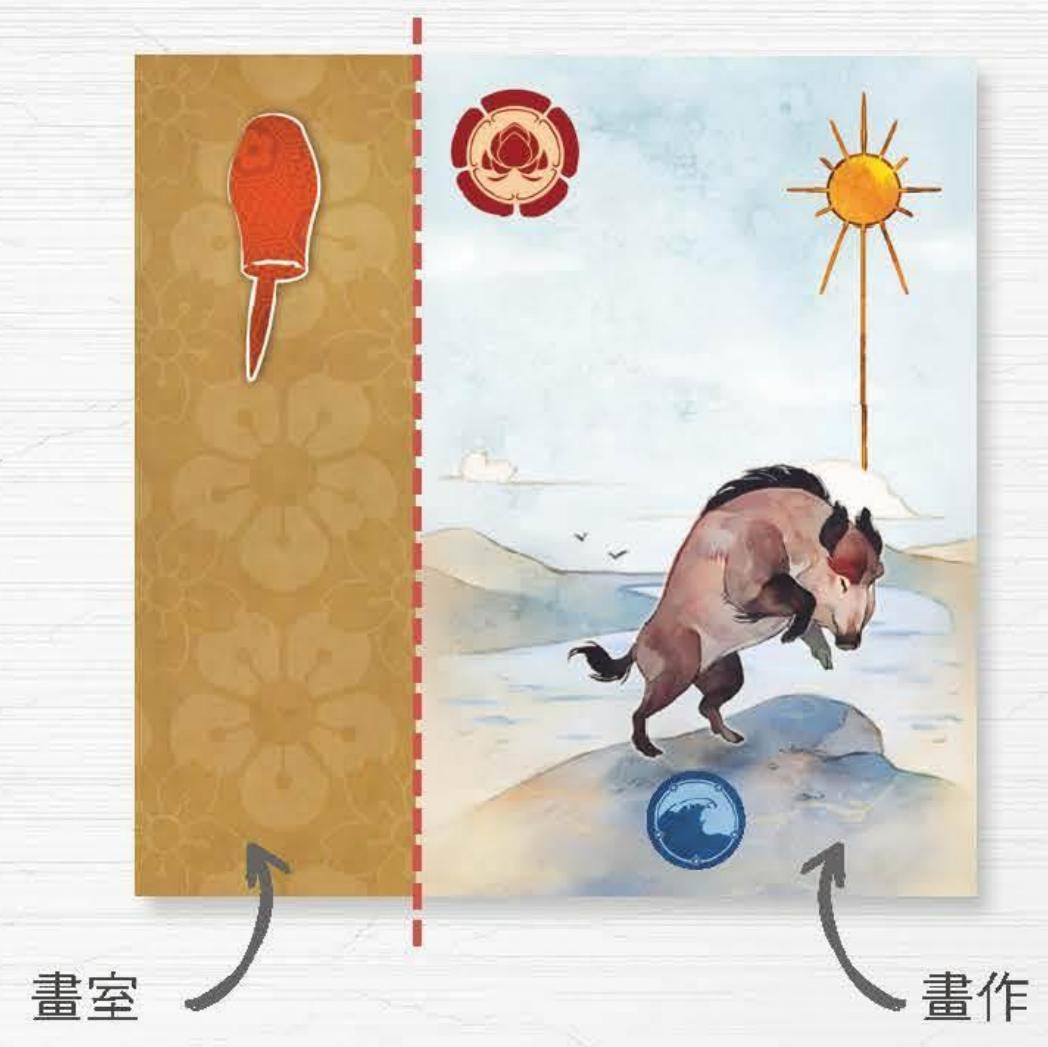

遊戲元素 (接續前頁)
○畫室
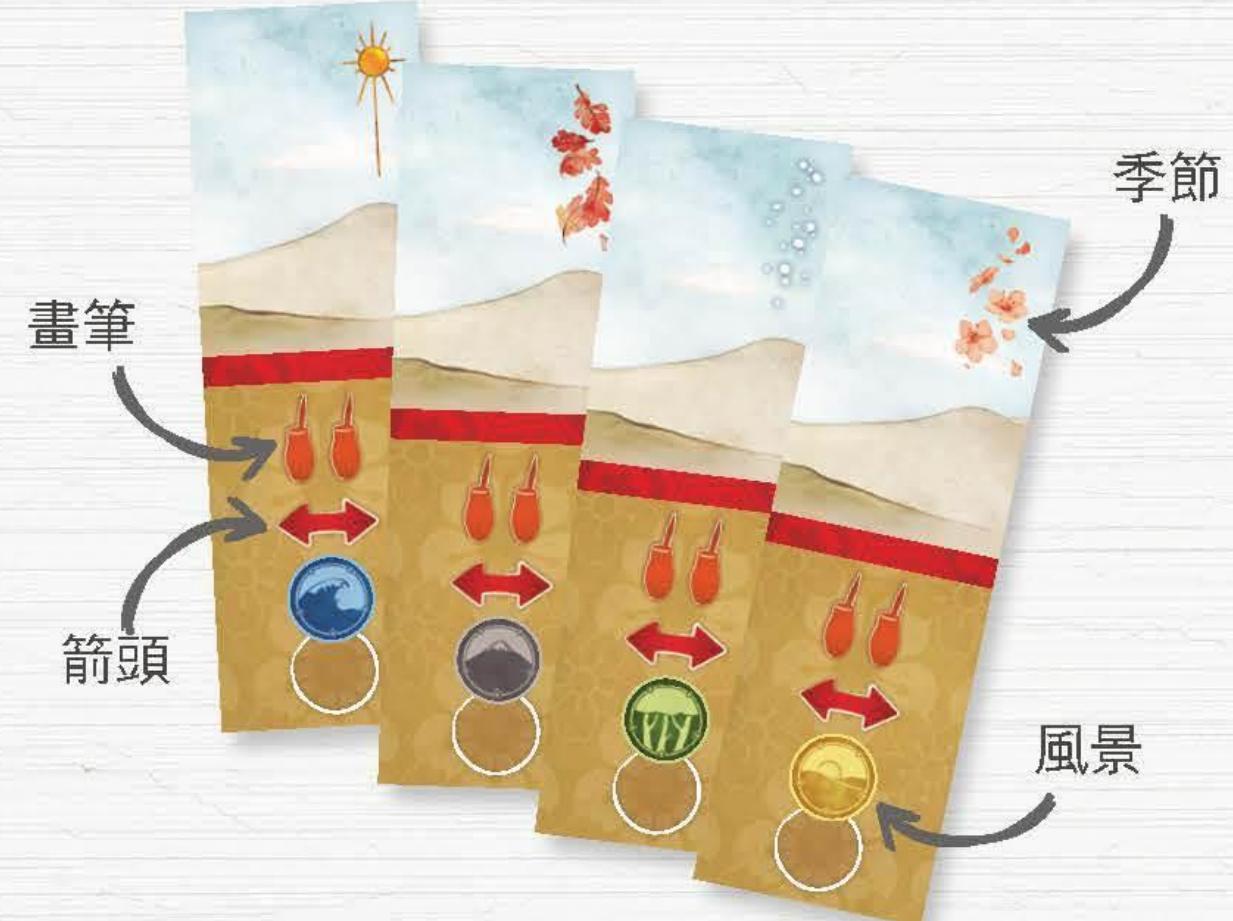
你可以使用卡片的左半部來提升你的畫室功能,畫室的功能又可以分為三類:
風景:這些圖示代表玩家們只要在該圖示放上畫筆指示物,就可以繪製該類型的風景當背景。

森林
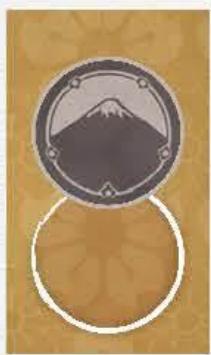
高山

平原

海洋

萬用
(可以代表任何
風景)
供給:當你將這張卡片放入你的畫室時,這些圖示上的即時效果會立刻生效。

得到一個畫筆指示物

拿取
助手指示物
學習技術:這些圖示帶給你的新能力,你可以在之後遊戲中的每一輪內使用。

移動畫筆指示物

遊戲結束
獎勵
保留一張課程卡至下一輪
○畫作
你可以使用卡片的右半部來拓展你的畫作,卡片的右半部由許多不同的元素組成:

風景:表示這個畫作的背景屬於哪一類的風景。玩家的畫室內必須有畫筆指示物放在相對應的圖示上,才能夠繪製該類型的畫作。
主題:也就是該畫作的主角,可以讓你贏得更多的證書。
季節:表示該畫作的季節。

春季

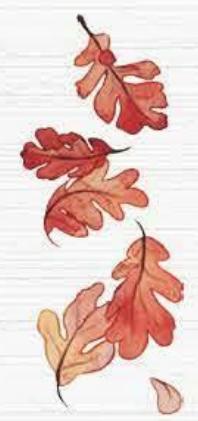
秋季
夏季

冬季

暴風雨(萬用牌,可以代替任何季節)
遊戲結束獎勵:遊戲結束時獲得一分

○ 課程卡的背面
課程卡背面的顏色代表的就是卡片的正面會是哪一種主題。
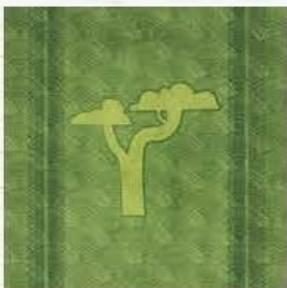
綠色牌背就表示正面會是1,2,或是3棵樹。

紅色牌背就表示正面會是1個人物。
藍色牌背就表示正面會是1隻動物。

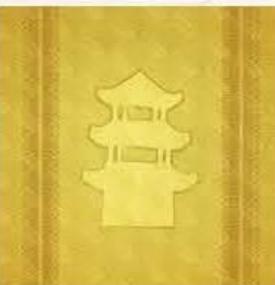
黃色牌背就表示正面會是1棟建築物。
證書板塊

這些板塊用來代表可以完成的目標,你可以藉由拓展你的畫作,或是提升你的畫室來達成。完成這些目標會對你在比賽中取勝,有大大的幫助...除非你太自以為是,而使得這些目標變得遙不可及!

(關於證書板塊的詳細說明,可以參考本說明書的第十五頁。)
畫筆指示物

這些指示物代表你畫室內可以供給的畫筆數量,它們在繪畫時提供你幫助。
在課程卡上的畫筆指示物,會是一個像這樣的符號:
暴風雨指示物

這些指示物可以用來代替任何一個季節,你可以藉由某些證書板塊來得到它們。遊戲結束時,你可以把暴風雨指示物放在你的畫作上。這些被放上暴風雨指示物的卡片,可以變成任何你所想要的季節。
範例
在遊戲結束時,你把暴風雨指示物放到你的第三張課程卡上。並且將這張卡片轉換成「春季」來達成五張連續的春季,藉此得到最多的。

遊戲元素 (接續前頁)
大師與助手指示物
大師指示物
這些指示物用來代表目前的起始玩家(大師指示物)以及之後的起始玩家(助手指示物)。
在課程卡上,用來代表它們的符號會像這樣:
助手指示物
助手指示物在同一輪裡,可能會在玩家間不斷易主,而大師指示物則是在同一輪內都不會更動(詳見第13頁)。

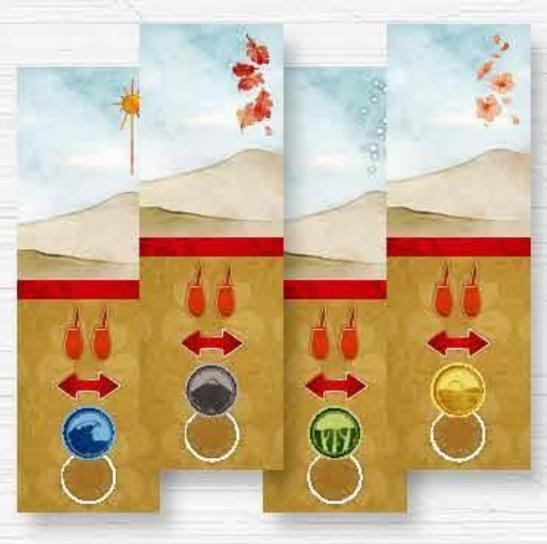
起始板塊
這些板塊代表著玩家們的畫作以及畫室的起點。
畫作
你才剛剛開始畫作的一小部分。目前關於繪畫的大方向都還在試探當中,即使你已經很明確的知道第一個季節。
畫室
你的畫室一開始會具備:
- 供給(把兩個畫筆指示物放在面前)
- 學習技術(一個箭頭表示每輪可以移動一個畫筆指示物)
- 在遊戲一開始,你就已經精通的風景類型




設置
5
將證書板塊依顏色分類之後,
面朝上在學苑圖板的上方排成兩排。
接著再將它們依照意境分數以及顏色來排列好。


把學苑圖板放到桌子中間下面這排:是跟畫室相關的證書板塊
2
隨意決定一位起始玩家,
把大師與助手指示物都交
給他。
隨機發給大家一人一張起始板塊,所有玩家分別把兩個畫筆指示物放在自己面前。
上面這排:
是跟畫作相關
的證書板塊


把所有的課程卡洗牌之後,面朝下放在圖板旁,形成一個牌堆。
遊戲流程
遊戲進行若干輪,每輪又可以分為下列步驟:
-
專心聽大師上課
-
繼續充實自己的知識或是開始作畫
-
新的課程
1. 專心聽大師上課
起始玩家(擁有大師指示物的人)負責抽取跟玩家人數一樣多張的課程卡,接著將這些卡片放到學苑圖板上的第一條橫線。放置的時候要根據學苑板塊上的標示來判斷每一張的牌面是向上還是向下。
範例
以四人遊戲來說,抽取四張課程卡,並且依照以下的方式將它們擺在學苑圖板的第一條橫線:第一張與第二張面朝上,第三張牌面朝下,第四張也是面朝上。


2. 繼續充實自己的知識或是開始作畫
由起始玩家開始,依照順時鐘的方向,玩家們可以選擇:

你想要繼續充實自己的知識
跳過你的回合,並且先不拿任何課程卡。
這個選擇讓你可以多等一個回合,之後更多的課程卡被放到學苑上時,你可以拿到更多的課程卡。不過這個決定所需承擔的風險是,別人可能會搶先一步先把你想要的卡片給拿走。
注意:如果輪到你的時候,你已經是學苑裡面最後一位門徒的話,那你只能選擇開始作畫,不能再聽課了。
注意:你隨時可以查看牌庫的卡片背面。

你想要開始作畫
你認為你的所學已經足夠讓你繼續你的創作,離開學苑並開始作畫。你必須立刻執行以下步驟:
從學苑當中選擇其中一條直線的課程卡
繼續你的創作(提升你的畫室,或是拓展你的畫作)
拿取相對應的證書
○ 從學苑當中選擇其中一條直線的課程卡
從學苑當中選擇其中一條直線,並且把那一條直線內的所有課程卡拿走。
做完這個動作之後,在這一輪當中,你就不會再得到任何卡片了。
範例
你對第二張卡片有興趣,因此你選擇拿走第二條直線所有的卡片,但是此時每一條直線都還只有一張卡,因此你只能得到一張卡片。想要獲得更多卡片的話,必須要更有耐心…

○ 繼續你的畫作
你必須立刻把你得到的所有卡片加到你的畫室,以及(或者)你的畫作內,順序可以由你來決定。你可以在畫室跟畫作間自由地分配你的卡片。
例外:在你畫室內的每個符號,可以讓你每輪保留一張課程卡。
提升你的畫室
你要把多少課程卡加入你的畫室內都可以,沒有數量的限制。
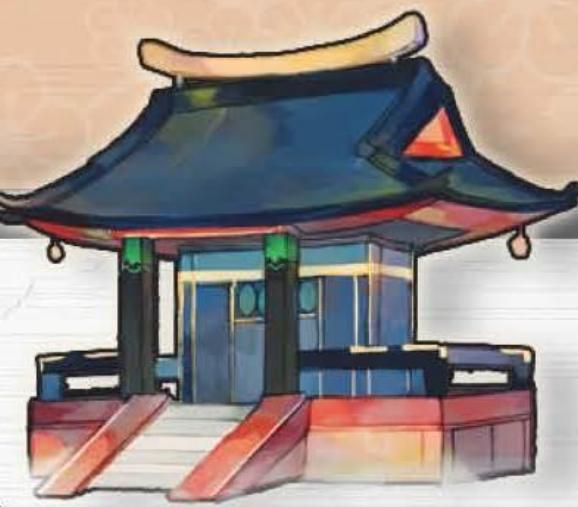
記得把課程卡轉到正確的方向,你才能順利閱讀關於畫室的部分,並把它放到起始板塊的下方。之後再拿到的卡片,必須放在先前已經放置的卡片下方,以這樣的方式來拓展你的畫室。
範例
你得到兩張課程卡,並且想把它們加入你的畫室當中。把兩張課程卡旋轉之後,放到起始板塊的下方,藉此來拓展你的畫室。

你將課程卡加入你的畫室之後,可以立即使用它的效果(你可以使用箭頭符號來移動畫筆,當你移動畫筆指示物到它的風景圖示上,就能打出相對應的卡片加入畫作…)

遊戲流程(接續前頁)
當你把卡片加入畫室當中時,你立刻執行和的效果。

立刻從供應區得到一個畫筆指示物
立刻把助手指示物拿走(搶起始玩家)
拓展你的畫作
如果想要把新的卡片添加到你的畫布當中,你必須讓畫筆所在的風景與新卡片上的風景相匹配。
準確地放置畫筆以及移動畫筆都是成功的關鍵:
把畫筆放到你的畫室中:
在遊戲的過程中,任何還沒被放入畫室的畫筆(比方說你在遊戲一開始就得到的兩個畫筆或是遊戲過程中獲得的其他新畫筆),在你的回合當中的任何時間,你都可以把它放到畫室當中的任何一個風景圖標空格。只要你的風景圖標空格夠多,你要放多少畫筆指示物都可以,沒有數量的上限。
移動畫筆:
你可以把畫室內的畫筆指示物移動到其他任何一個風景圖標的空格中。但每次畫筆的移動都需要使用到這個符號 ↔。
每個符號在每輪當中只能使用一次。
最後,記住以下兩條黃金準則:
每個風景圖標只能有一個畫筆指示物。
每個畫筆每輪只能用來畫一幅畫(不管是移動之前或之後)。
範例
你想打出一張有「兩個海洋」風景的卡片到你畫作上。你把你的最後一個畫筆 ① 放到你畫室內一個「海洋」風景圖標上。因為你有一個 $\leftrightarrow$ ,你可以把已經放在你畫室的其中另一個畫筆 ② 移動到第二個「海洋」風景圖標上。如此一來,你就可以把這張卡片加到你的畫作當中。

「提升畫室」,或是「拓展畫作」的執行順序你可以自由調配。但在畫室內的每個風景圖標每輪只能使用一次。
○ 拿取相對應的證書
一旦你的畫作達到場中央某個證書所需的條件,你必須立刻選擇要拿走它或者是放棄它…再試看看能不能做得更好!
拿走一個證書
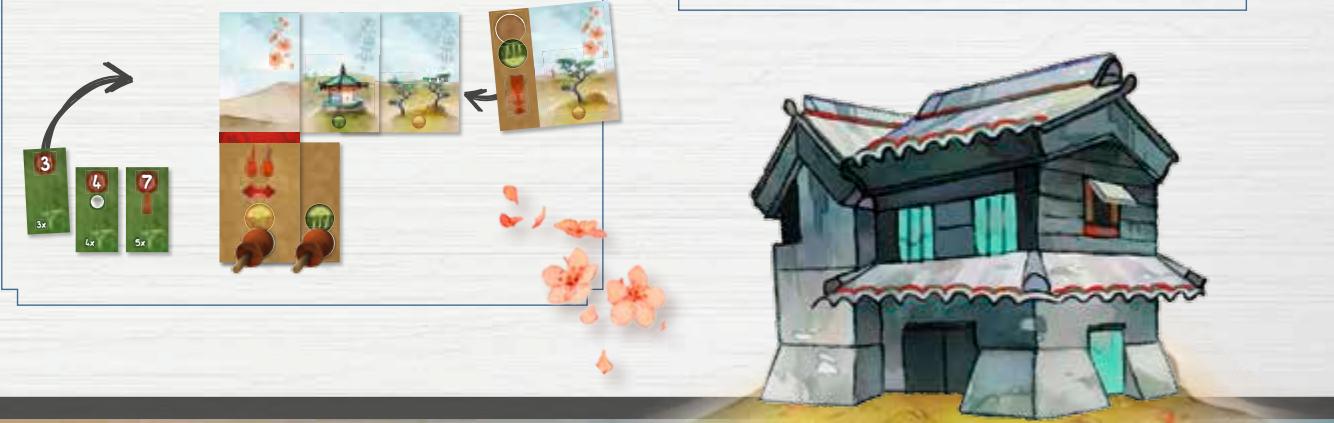
如果你的選擇是要拿走一個證書,那就把相對應的證書拿走,並將它放在你的畫作旁。每種顏色的證書最多只能擁有一個。換句話說,拿走這個證書之後,就再也不能拿跟它同類型的其他證書了。
範例
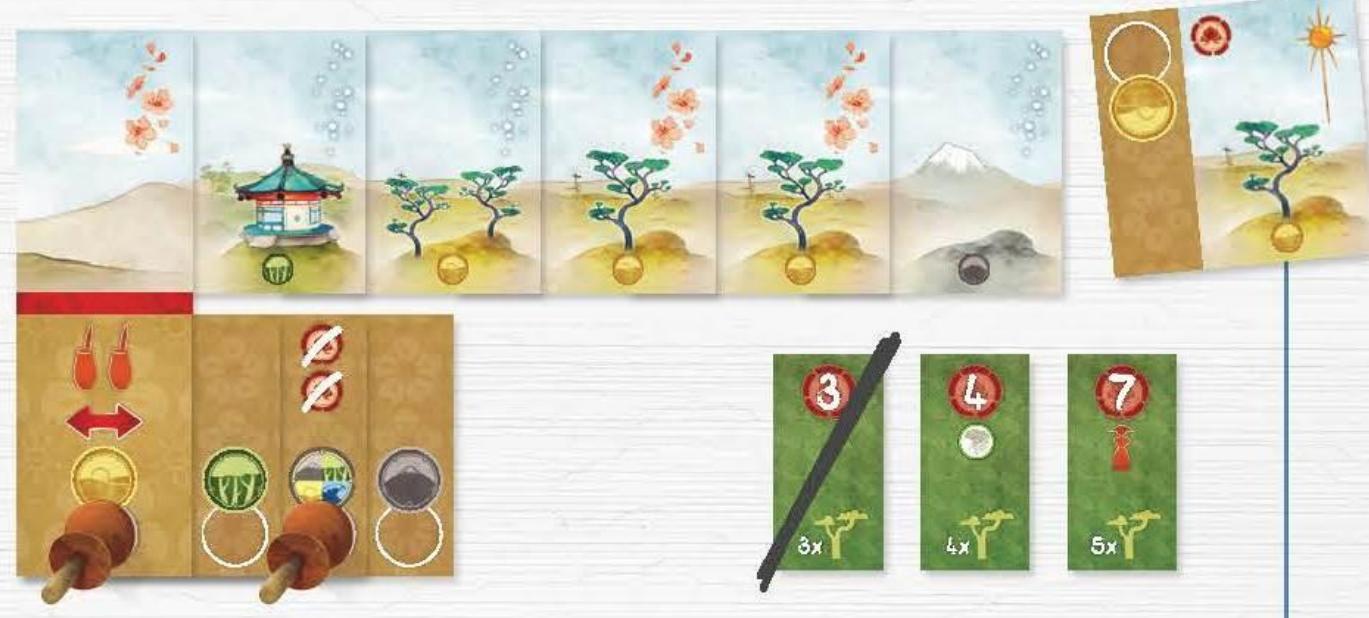
你添加了一張卡片到你的畫作之後,使得你的畫作內有了第三棵樹。你必須立刻決定是否拿走第一張「三棵樹」的證書。如果你決定拿走「三棵樹」的證書,就把它放在你的畫作旁。遊戲結束時它會給你3 📄。不過一旦拿走這個證書,就不能再拿同類型的其他兩個證書了。
放棄一個證書
如果你的選擇是放棄一個證書,那就表示你想挑戰同類型的另一個更困難的證書,但是,這也就意味著你不能回頭再去拿你已經放棄的那個證書了。
範例
在上一個範例中,如果你的決定是放棄第一個「樹」證書。之後,你可以打出第四棵(或甚至第五棵)樹到你的畫作中,來得到剩下的兩個「樹」證書的其中一個,這會讓你得到更多的 📄。無論如何,你就是不能再拿第一個「三棵樹」的證書了。

遊戲流程(接續前頁)
一旦你把課程卡放到你的畫室或畫作當中,你就不能再移動它了。
3. 新的課程
如果學苑內還有玩家,起始玩家必須根據還在學苑的玩家人數,抽相等數量的課程卡。
將它們放到圖板上的第二條橫線上,排在目前還剩餘的卡片下方,此外還是必須遵守「牌面向上」或「牌面朝下」的指示。
範例
四人遊戲時,你和凱文決定要繼續充實自己的知識。伊麗莎白與露西則決定要各自拿一張課程卡,並開始作畫。這時候,起始玩家抽兩張課程卡,並把它們加入圖板的第二條橫線,對齊排列在剩餘的卡片下方。
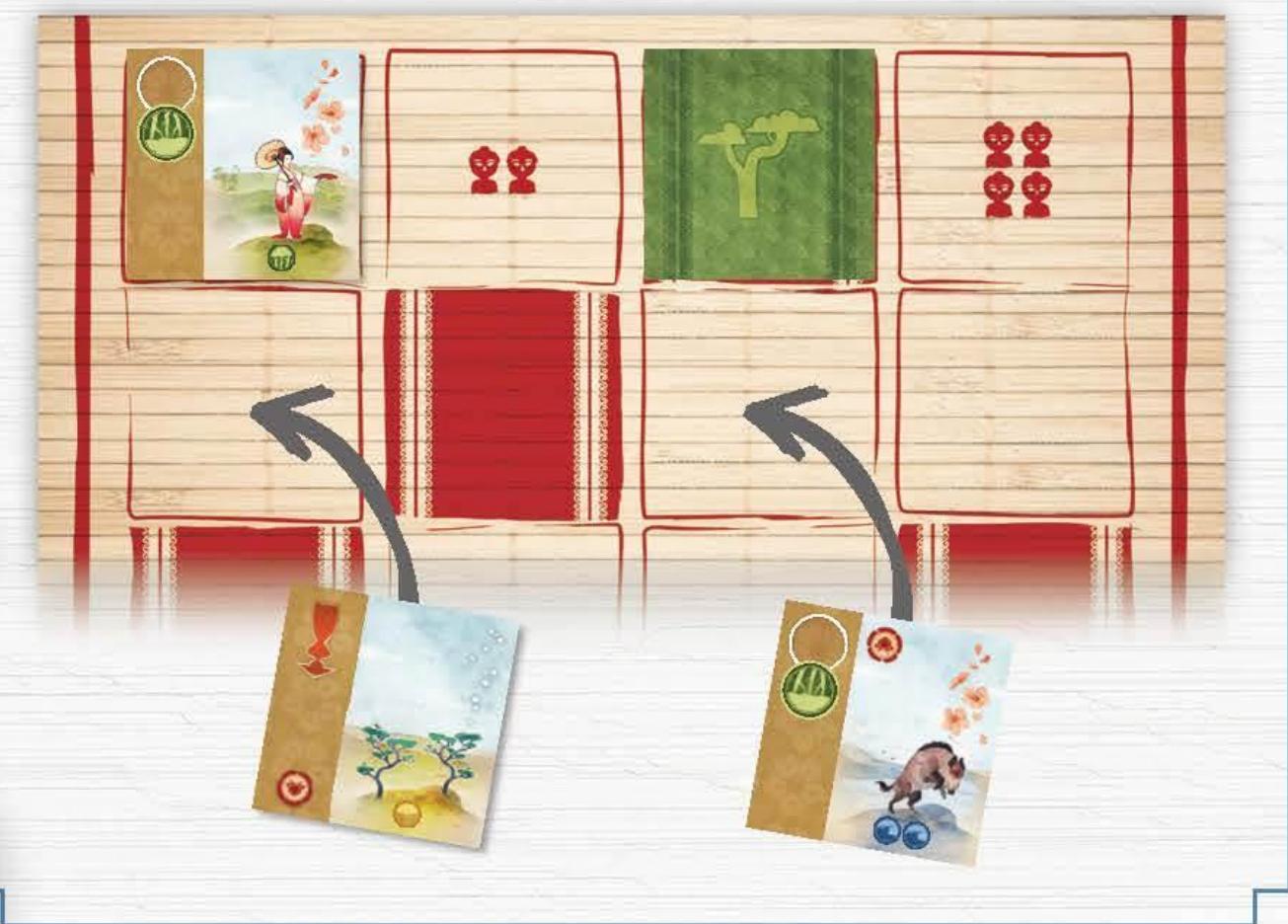
把課程卡放到圖板之後,還留在學苑的玩家開始進行「2.繼續充實自己的知識或是開始作畫」的階段,規則就如同先前所述。
如果玩家們再次決定要繼續充實自己的知識,那就再把課程卡加入圖板的第三條橫線。同樣按照上述規則放置卡片。
當圖板的三條橫線都放滿卡片後,還在學苑內的玩家就必須拿取一條直線的所有課程卡,並開始作畫。
範例
回到前一頁的範例,你在第二回合還是決定要繼續充實自己的知識,然而凱文決定要離開學苑,他拿走某一條直線所有的課程卡。起始玩家抽一張課程卡並把它放在圖板的第三條橫線,對齊排列在剩餘的卡片下方。輪到你的下個回合,你就必須拿取該條直線所有的課程卡。

當所有的玩家都已經拿取課程卡後,該輪結束。擁有助手指示物的玩家拿取大師指示物並成為下一輪的起始玩家。
新的一輪從「1.專心聽大師上課」的階段開始。
注意:當你從牌庫把最後一張課程卡放到學苑圖板時,將會促使遊戲結束:所有還在學苑的玩家必須按照回合順序拿走某一條直線所有的課程卡。
當上述情況發生時,可能會出現學苑裡的課程卡比玩家人數還少的狀況。這代表某些條直線內的課程卡數量可能會比一般狀況還要少…這也是一個擔任起始玩家的潛在性好處。


遊戲結束與計分
當以下兩種情況其中之一達成時,遊戲結束:
牌庫耗盡,所有還在學苑的玩家都拿走課程卡,並開始作畫,該輪結束後遊戲也跟著結束。

當某一輪結束時,有一個或多個玩家的畫作中有11張或是以上的卡片。
計算分數前,你必須把暴風雨指示物放到你畫作卡片上,把原本的季節改變成你所想要的季節。
最終計分時,把下列分數加總(如果符號有劃叉的話,則要扣掉該分數)
A 畫作當中的每張課程卡可以得1 (包含起始板塊)
B 相同連續季節最長的那一段,每張課程卡可以得1 (包含起始板塊)
C 計算 的數量,包括在你畫作當中的 3 分,還有你畫室內的 -1 分。
D 你獲得的證書上的 14分
E 持有大師指示物的玩家獲得2 2分

獲得最多分數的玩家獲勝。如果有平手的情況,則由平手的玩家共享勝利


證書板塊說明
○ 與畫作相關的證書:這類型的證書共有四種顏色,跟課程卡的牌背相對應,而且其中的元素都能在畫作內找到。

如果你的畫作內至少有 3 棵樹,你獲得3


如果你的畫作內至少有 4 棵樹,你獲得4 以及1個暴風雨指示物。


如果你的畫作內至少有 5 棵樹,你獲得7 以及助手指示物。
如果你的畫作內至少有2棟不同的建築,你獲得


如果你的畫作內至少有3棟不同的建築,你獲得4以及1個暴風雨指示物。


如果你的畫作內至少有4棟不同的建築,你獲得7以及助手指示物。
如果你的畫作內至少有2個不同的人物,你獲得3


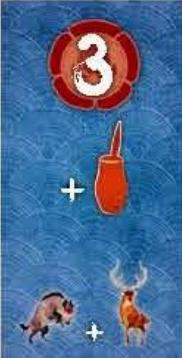
如果你的畫作內至少有3個不同的人物,你獲得4以及1個暴風雨指示物。

如果你的畫作內至少有3個相同的人物,你獲得9

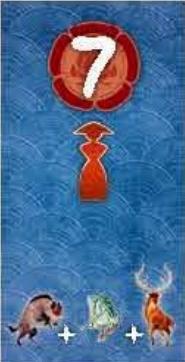
如果你的畫作內至少有1隻山豬以及1隻鹿,你獲得3 以及1個畫筆指示物。
如果你的畫作內至少有1隻鶴以及1隻蝴蝶,你獲得4以及1個畫筆指示
如果你的畫作內至少有1隻山豬、1隻蝴蝶,以及1隻鹿,你獲得7以及助手指示物。
○ 與畫室相關的證書:這類型的證書其中的元素都能在畫室內找到。

如果你的畫室內至少有3個畫筆指示物,你獲得1 以及助手指示物。


如果你的畫室內至少有4個畫筆指示物,你獲得3。


如果你的畫室內至少有2個箭頭,你獲得1以及助手指示物。

如果你的畫室內至少有3個箭頭,你獲得3如果你的畫室內至少有2個相同的風景,你獲得2。


如果你的畫室內至少有3個相同的風景,你獲得3 以及畫筆指示物。
如果你的畫室內至少有4個相同的風景,你獲得5 以及助手指示物。
同顏色的證書,
不能拿第二個。
各種效果補充說明
立即性的
選擇性的

立刻從供應區得到一個畫筆
指示物並放在你的面前


立刻拿走助手指示物並把它擺在你面前。當所有玩家都已經打出他們的課程卡,在該輪結束時,如果你面前有助手指示物,你就可以得到大師指示物。把大師指示物放在你面前,並成為下一輪的起始玩家。

你畫室內的每個這種符號,可以讓你每輪移動一個畫筆指示物。
你畫室內的每個這種符號,可以讓你每輪結束時保留一張課程卡(並在之後當你繼續作畫時打出它)。
遊戲結束時


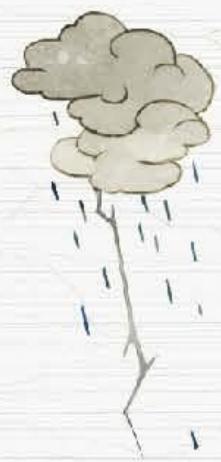
遊戲結束時獲得1分。
遊戲結束時失去1分。
遊戲結束時,把一張畫作上的季節改變成你所想要的季節。
流程概述
1. 專心聽大師上課
在學苑圖板的第一條橫線上放上跟玩家人數一樣多的卡片。
- 繼續充實自己的知識或是開始作畫- 繼續充實自己的知識:暫時跳過,不拿任何卡片。
- 或開始作畫:拿走某一條直線所有的卡片。
3. 新的課程
根據還在學苑的玩家人數,抽相等數量的課程卡,放在下一條橫線,對齊排列在剩餘的卡片下方。
當所有玩家都離開學苑時,就會開始新的一輪並返回步驟1。
銘謝
遊戲設計: Bruno Cathala and Charles Chevallier
插畫設計: Jade Mosch
產品開發: Ludovic Papaïs
編輯: Virginie Gilson
中文翻譯: 小羊桌遊報 BoardSheep
中文校稿: 神秘島、大捲
中文編輯/LOGO設計: 阿圭
中文發行: GoKids玩樂小子
© 2016 IELLO USA LLC. IELLO, Kanagawa, and their logos are trademarks of IELLO USA LLC. Made in Shanghai, China by Whatz Games.
© 2017 GoKids 玩樂小子. All Rights Reserved.
所有中文翻譯文字、排版均為兒童動力國際有限公司版權所有,翻印必究。
Kanagawa_EN_Rules.md27.5 KB
A game by Brune Cathala & Charles Chevallier · Illustrated by Jade Mesch
OVERVIEW OF THE G太ME
1840: In Kanagawa, the great bay of Tokyo, the Master Hokusai decided to open a painting school to share his art with his disciples. You are one of these disciples, and more than anything, you want to prove yourself worthy of the "crazy old artist". Follow his teachings to expand your studio and paint your preferred subjects (Trees, Animals, Characters, Buildings), all while paying attention to the changing of the seasons in order to make the most harmonious print... the one that will become the work of your lifetime!

CONTENTS

1 School board

4 Starting tiles

72 Lesson cards (18 × 4 colors, identified by the color on the back)

1 Grand Master pawn
1 Assistant pawn

19 Diploma tiles

15 Brush pawns

3 Storm tokens
GO太L OF THE G太ME
Improve your Studio and assign your Brushes to the Landscapes that inspire you to make the most beautiful Print. Focus on flora, fauna, portraits, architecture, or even seasons to gain your Diplomas.
Try to obtain the greatest number of Harmony symbolsto prove yourself worthy of the Grand Master Hokusai and win the game.
G太巾E ELE巾ENTS
SCHOOL BOARD
This board represents the place where Hokusai provides his courses. It shows you how to play the Lesson cards (face-down or face-up) depending on the number of players and the progression of the round.

LESSON CARDS
These cards depict the lessons taught by Hokusai and are made up of two parts that each have a different use: the Studio and the Print.
G太巾E ELE巾ENTS (CONTINUED)
日Studic
You can use the left side of the card to improve the abilities of your Studio. These improvements come in three types:
Landscape: These icons show which type of Landscape a player can paint in the background of their Prints if they play one of their Brush pawns on it.
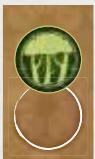
Forrest
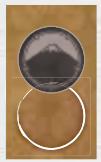
Mountain

Plain

Ocean

Wild (counts as any Landscape)
Supplies: These icons have an immediate effect that happens when you add the card to your Studio.

Gain a Brush pawn

Take the Assistant pawn
Know-how: These icons give you a new ability that you may use every round for the rest of the game.

Move a Brush

Keep a Lesson card between rounds
☑ Prin1
You can use the right side of the card to expand your Print. This side has different elements:

Landscape: Shows the type of Landscape in the background of the Print. A player must play a Brush on an icon of this type in their Studio to be able to paint this Print.
Main Subject: Shows which Subject to paint, allowing you to earn Diplomas.
Season: Shows the Season on the Print.
Spring

Summer
Fall
Winter
Storm (wild: counts as any Season)
End of game bonus: Worth 1 Harmony Point the end of the game.
Back of the Lesson Cards
Each color on the back refers to a Main Subject that can be found on the other side.

A green back means there can be 1, 2, or 3 Trees on the Print.

A red back means there can be 1 Character on the Print.

A blue back means there can be 1 Animal on the Print.
A yellow back means there can be 1 Building on the Print.
DIPLOMA TILES

These tiles represent objectives to complete, including your Print's composition level and your Studio's construction level. Completing these objectives greatly benefits you in the race toward victory... unless your pride pushes them beyond your reach!
(A detailed list of the Diploma tiles is found on page 15 of this booklet.)
BRUSH PAWNS

These pawns represent some of the supplies that you have in your Studio, which help you make your Print.
Brush pawns are symbolized on the Lesson cards by this icon:

STORM TOKENS
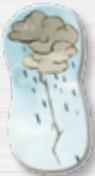
These tokens represent a wild Season that you can get from certain Diploma tiles. At the end of the game, you will place Storm tokens on cards in your Print. These cards will then feature whichever Season you choose.
EXAMPLE
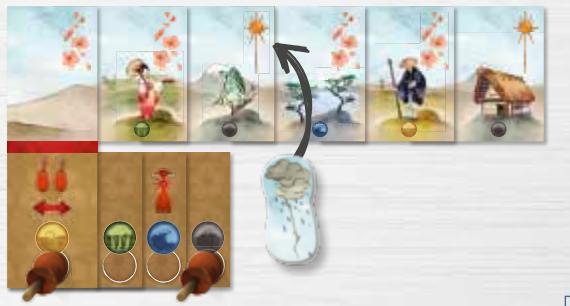
At the end of the game, you play a Storm token on your third Lesson card. You decide to transform this token into the "Spring" Season to make a sequence of five Springs and gain the most
G太巾E ELE巾ENTS (CONTINUED)
GRAND MASTER AND ASSISTANT PAWNS
These pawns represent the current first player (Grand Master pawn) and the future first player (Assistant pawn). They are symbolized on Lesson cards by this icon:

The Assistant can move from player to player during a round, while the Grand Master doesn't change hands until the end of the round (see page 13).

STARTING TILES
These tiles represent the starting point of your Print and your Studio.

You just painted the first section of your Print. Your work is still tentative, even if your first Season is already clearly recognizable.
Studio
You begin your studies with:
- Supplies (2 Brush pawns that you place in front of you),
- Know-How (an Arrow indicating the possible movement of a Brush each round),
The type of Landscape you mastered at the beginning of the game.

SETUP
Sort the Diploma tiles by color and put them face-up above the School board in two rows. Sort the Diploma tiles in each color by their Harmonyvalue.
0
Place the School board in the middle of the table.




Choose the first player
however you like. They take the Grand Master and Assistant pawns.








Bottom row: Diplomas associated with Studios

Randomly distribute the Starting tiles. Each player places two Brush pawns in front of themself.

Top row: Diplomas associated with Prints

Shuffle all the Lesson cards to make a deck and put it next to the board face-down.

G太市EPL太Y
The game plays over several rounds made up of the following steps:
-
Follow the teachings of the Master
-
Broaden your knowledge or Put it into practice
-
New lesson
1. FOLLOW. THE TEACHINGS OF THE MASTER
The first player (whoever has the Grand Master pawn) draws as many Lesson cards as there are players, and places them on the first row of the School board. These cards are placed face-up or face-down according to the instructions on the spaces on which they're played.
EXAMPLE
In a 4-player game, draw 4 Lesson cards and place them on the first row of the board as follows: the first and second cards face-up, the third card face-down, and the last card face-up.
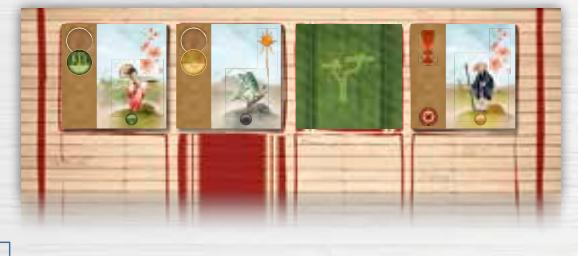
2. BROADEN YOUR KNOWLEDGE CR PUT IT INTO PRACTICE
Starting with the first player and going clockwise, choose whether:

YOU WANT TC BRCADEN YGUR KNOWLEDGE
This action allows you to wait a turn until more Lesson cards are added to the board, so you can take additional cards. However, you risk other players taking the cards you want before it is your turn again.
Note: If you are the last player still at school in the beginning of this step, you must put your knowledge into practice.
Note: You can always look at the back of the cards in the draw deck.
YOU PREFER TO PUT IT INTO PRACTICE
Leave the School since you reckon you've learned enough to continue your work. You must immediately do all of the following:
Choose a column of Lesson cards from the School,
Continue your work (Improve your Studio or Expand your Print),
Take the corresponding Diploma(s).
Choose a calumn of Lessen cards from the Schoel
Choose a column and take all of the Lesson cards present in this column.
When you take Lesson cards, you cannot take any more cards until the next round.
EXAMPLE
The second Lesson card interests you and you decide to take it: Choose this column. At this point in the game, there is only one card per column. You therefore only take one Lesson card. Taking more cards requires more patience...

Confinue your werk
You must immediately add all the Lesson cards you took to your Studio and/or your Print, in the order of your choice. You can split your cards however you like between your Studio and your Print.
Exception: Eachsymbol on your Studio allows you to keep one Lesson card from round to round.
Improve your Studie
You can always add a Lesson card to your Studio, there are no

restrictions. To do this, turn over the Lesson card so you can read the Studio part and place it under the bottom half of your Starting tile. Place the next cards underneath those you already played to extend your Studio.
EXAMPLE
You take two Lesson cards that you want to add to your Studio. Turn over these two cards and play them under your Starting Tile to extend your Studio.

You can add a card to your Studio and immediately use the effects on it (use the Landscape to play a card on your Print by moving a Brush to it, use the Arrow to move a Brush...).
G太市EPL太Y (CONTINUED)
When you add a card to your Studio, immediatel apply the effects ofand:

Immediately take a Brush from the reserve.
Immediately take the small first player pawn (Assistant).
Expand yeur Print
To add a new section of the Print to your canvas, you must be able to match the combinations of Brush and Landscape shown on the new card.
Optimally placing and moving your Brushes is one of the keys to success:
PLACE A BRUSH IN YOUR STUDIC:
As long as a Brush has not yet been placed in your Studio (for example, the two Brushes you start with or any new Brush gained during the game), you can play it, at any point during your turn, on an empty Landscape icon in your Studio.
There is no limit to the number of Brushes you can play in your Studio, as long as you have enough empty Landscape icons.
MCVE A BRUSH:
You can move a Brush on a Landscape icon to a different, empty icon in your Studio. However, each Brush movement requires you to use this symbol Each of these symbols can only be used once per round.
Finally, remember the two following golden rules:
Each Landscape icon can only have one Brush.
Each Brush can only paint one Landscape per round (before or after you move it).
EXAMPLE
You want to play a card on your Print that has two "Ocean" Landscapes. You play your last Brush1on an "Ocean" Landscape in your Studio. Since you have an , you move one of the Brushes you already played2 onto the second "Ocean" Landscape in your Studio. You can now play the card on your Print.

You can choose the order in which you "Improve your Studio" and "Move a Brush". However, each Landscape icon in your Studio can only be used once per round.
Take the corresponding Diploma(s)
As soon as your Print meets the requirements of a Diploma that is still in the middle of the table, you must immediately choose whether to take it or leave it... to try to do even better!
Take a Diploma
If you take a Diploma, take the corresponding Diploma tile and place it next to your Print. You can only take one Diploma of each color. In other words, taking a Diploma means you cannot take the other Diplomas in the same category.
EXAMPLE
You play a card on your Print that has the third Tree of your Print. You must then choose whether to take the first "Tree" Diploma, or to leave it. You decide to take the "Tree" Diploma and place it next to your Print. It gives you 3 at the end of the game. By taking this Diploma, you cannot take the two other Diplomas in this category.
© Leave a Diploma
If you leave a Diploma, you will be able to try to take a more difficult Diploma in the same category, but you can no longer take the one you left.
EXAMPLE
Going back to the previous example, you decide to leave the first "Tree" Diploma. You will then be able to play a fourth (or even a fifth) Tree on your Print to take one of the remaining two "Tree" Diplomas that give you more. However, you can no longer take the first "Tree" Diploma.

G太市EPL太Y (CONTINUED)
Once you have played a Lesson card on your Print or Studio, you can no longer move the Lesson card.
3. NEW. LESSON
If there are still players in school, the first player draws as many Lesson cards as there are players still at the School.
Add them to the board, on the second row, lined up below the remaining cards, following the "face-up" or "face-down" directions.
EXAMPLE
In a 4-player game, you and Kevin decided to broaden your knowledge. Elizabeth and Lucy, however, each decided to take a Lesson card and put it into practice. At this point, the first player draws 2 Lesson cards and adds them to the second row of the board, lined up below the remaining cards.

Once you add the Lesson cards to the board, players still in school begin at Step 2 and continue the round as explained above.
If a player decides to broaden their knowledge a second time, add Lesson cards to the third row of the board. Follow the same placement conditions and begin at Step 2 a second time.
When all three rows of the board are full, players still at School have to take all the Lesson cards in a column and leave to put their knowledge into practice.
EXAMPLE
Going back to the example on the previous page, you decide to broaden your knowledge a second time, while Kevin chooses to leave School with a column of Lesson cards. The first player draws one Lesson card and places it on the third row of the board, below the remaining cards. On your next turn, you must take all the Lesson cards in this column.
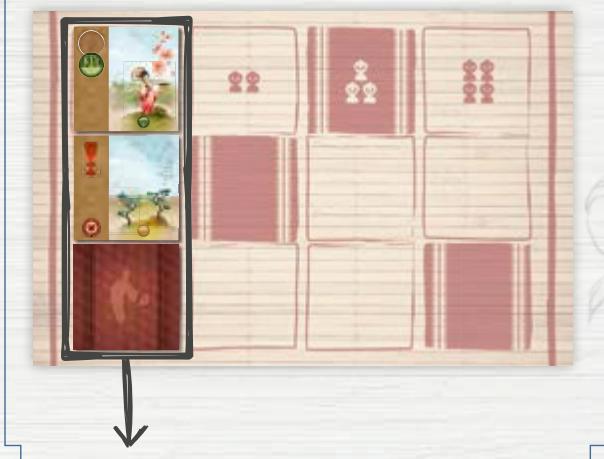
When all players have taken Lesson cards, the round ends. The player with the Assistant pawn takes the Grand Master pawn and becomes the first player for the next round.
A new round begins. Return to Step 1 "Follow the teachings of the Master".
Note: When you add the last Lesson card from the deck to the School board, you trigger the end of the game: All players in School must, in turn order, choose all the Lesson cards in a column.
When this happens, there might be fewer Lesson cards than players in school. This means the remaining columns could have fewer Lesson cards than normal... Being first player is therefore a substantial advantage.


END OF THE G太ME 太ND SCORING
The end of the game happens when one of these two conditions is met:
The deck is empty. The game ends at the end of the round, when all players at school have taken Lesson cards and put them into practice.
Gr
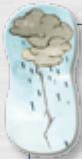
Before counting points, you must place each of your Storm tokens on
cards in your Print to change the original Season into the Season of your choice.
At the end of a complete round when one or more players have at least 11 cards in their Print.
Begin final scoring by adding (or subtracting if the symbol is crossed out):
1per Lesson card in your Print (including the Starting tile) 13
1per Lesson card in your longest sequence of identical Seasons (including the Starting tile)

theon the Lesson cards of your Print 3 and your Studio -1
theon the Diploma tiles you took 14
2for the player with the Grand Master pawn 2

The player with the most Harmony points wins. If there is a tie, the tied players share the victory.




1 Brush token if you have at least 1 Boar and 1 Stag in your Print.

EXPL太N太TION OF DIPLOM太 TILES
Diplomas associated with your Print: These Diplomas come in the four colors corresponding to the backs of the Lesson cards, and refer to the elements found in your Print.

have at least 3 Trees in your Print.


you have at least 2 different Buildings in your Print.





you have at least 4 Trees in your Print.

you have at least 3 different Buildings in your Print.


you have at least 3 different Characters in your Print.


1 Brush token if you have at least 1 Crane and 1 Butterfly in your Print.


the Assistant pawn if you have at least 5 Trees in your Print.
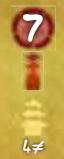

the Assistant pawn if you have at least 4 different Buildings in your Print.


if you have at least 3 identical Characters in your Print.

Gain 7and the
Assistant pawn if you have at least 1 Boar, 1 Butterfly, and 1 Stag in your Print.
Diploma asseciated wi your Sudie: These Diplomas refer othe elements found in your Studio
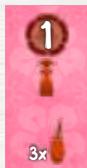
the Assistant pawn if you have at least 3 Brushes in your Studio.

the Assistant pawn if you have at least 2 Arrows in your Studio.
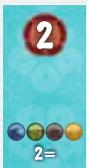
if you have at least 2 identical Landscapes in your Studio.


Assistant pawn if you have at least 4 identical Landscapes in your Studio.

have at least 4 Brushes in your Studio.

you have at least 3 Arrows in your Studio.

1 Brush token if you have at least 3 identical Landscapes in your Studio.
You can never have multiple diplomas of the same color!

REMINDER OF THE DIFFERENT EFFECTS
WMEDIATE

Immediately take a Brush from the reserve and place it in front of you.

GPTIGNAL
Immediately take the Assistant pawn and place it in front of you. At the end of the round, when all players have played their Lesson cards, take the Grand Master pawn if you have the Assistant pawn.


Place the Grand Master pawn in front of you and become the first player for the next round.

You can move one Brush per round for each of these symbols in your Studio.
You can keep one Lesson card in your hand at the end of each round (and play it later when you continue your work) for each of these symbols in your Studio.

3. New lessen
END OF THE GAME
Gain 1 Harmony Point at the end of the game.
Lose 1 Harmony Point at the end of the game.

When all players have left School, being a new round and go back to Step 1.
STRUCTURE OF A ROUND
- fellecw the leachings of the Master Place as many cards as there are players on the first row of the School.
Draw as many cards as the number of players that haven't yet taken cards, and add them to the next row, lined up below the remaining cards.
- Broaden your knowuledge or put it inte practice • Either broaden your knowledge: Pass your turn and do not take Lesson cards yet.
• Or put it into practice: Take all the cards in a column of the board.
At the end of the game, transform the Season on one Lesson card into the Season of your choice.
CREDITS
Oesigners: Bruno Cathala and Charles Chevallier
lllustrafions: Jade Mosch
Preject Manager: Ludovic Papaïs
Edidor: Virginie Gilson
Translafien: Danni Loe-Sterphone
English revisiens: Nathan Morse
© 2016 IELLO USA LLC. IELLO, Kanagawa, and their logos are trademarks of IELLO USA LLC. Made in Shanghai, China by Whatz Games. Jeu en anglais. Importé au Canada par IELLO USA LLC, 5550 Painted Mirage Rd., Suite 320, Las Vegas, NV 89149, USA. Phone: 702-818-1789. Lot: KAEN102016
WWWIELLGGAMES.CCM

简繁检索对照.md1.6 KB
201147_200147_kanagawa — 简体/繁体检索对照
本游戏的规则书是繁体中文原文。用户用简体提问时,把关键词按下面这张表转成繁体再去 grep 原文,命中率最高。
回答时用简体或繁体都可以,但引用的原文保持繁体。
简体 → 繁体 对照(按该游戏原文出现频率排序,共 60 字)
| 简体 | 繁体 | 原文出现次数 |
|---|---|---|
| 画 | 畫 | 166 |
| 个 | 個 | 79 |
| 课 | 課 | 63 |
| 游 | 遊 | 44 |
| 证 | 證 | 43 |
| 戏 | 戲 | 42 |
| 这 | 這 | 42 |
| 书 | 書 | 42 |
| 内 | 內 | 41 |
| 笔 | 筆 | 40 |
| 张 | 張 | 38 |
| 时 | 時 | 35 |
| 学 | 學 | 32 |
| 风 | 風 | 32 |
| 图 | 圖 | 30 |
| 当 | 當 | 30 |
| 获 | 獲 | 27 |
| 开 | 開 | 26 |
| 轮 | 輪 | 26 |
| 续 | 續 | 25 |
| 来 | 來 | 24 |
| 条 | 條 | 24 |
| 师 | 師 | 23 |
| 并 | 並 | 23 |
| 后 | 後 | 22 |
| 结 | 結 | 22 |
| 线 | 線 | 22 |
| 块 | 塊 | 21 |
| 会 | 會 | 21 |
| 动 | 動 | 19 |
| 数 | 數 | 18 |
| 还 | 還 | 18 |
| 范 | 範 | 18 |
| 继 | 繼 | 16 |
| 须 | 須 | 15 |
| 们 | 們 | 14 |
| 两 | 兩 | 14 |
| 决 | 決 | 13 |
| 对 | 對 | 13 |
| 节 | 節 | 13 |
| 标 | 標 | 13 |
| 选 | 選 | 13 |
| 择 | 擇 | 13 |
| 为 | 為 | 12 |
| 树 | 樹 | 12 |
| 与 | 與 | 11 |
| 将 | 將 | 11 |
| 类 | 類 | 11 |
| 实 | 實 | 11 |
| 识 | 識 | 11 |
| 种 | 種 | 10 |
| 号 | 號 | 10 |
| 页 | 頁 | 10 |
| 该 | 該 | 10 |
| 让 | 讓 | 9 |
| 应 | 應 | 9 |
| 说 | 說 | 9 |
| 经 | 經 | 9 |
| 横 | 橫 | 9 |
| 颜 | 顏 | 8 |
原文为社区整理/出版社公开资料,版权归原作者,仅供个人学习查阅。